


January might seem like a quiet month in the garden, but for us in Zone 8, it’s actually a prime time to get ahead of the game. We can use this time to start seeds indoors for a head start on spring crops, get our garden beds ready, and even nurture some of our perennial plants. This zone 8 january planting guide is all about making the most of these cooler months so we can enjoy an earlier and more abundant harvest when spring finally arrives.
Alright, Zone 8 gardeners, January is here! It might feel a bit early to be thinking about planting, but this is actually a prime time to get a head start on spring. We’ve got a pretty decent growing window here, with our last frost usually around late March and our first frost not showing up until late November. This means we can really get a jump on things if we plan smart.
Our Zone 8 climate is pretty forgiving, giving us a long stretch for growing. The key is knowing when to start what. We can often start cool-season crops indoors as early as February, and some hardy greens can even be direct-sown before the last frost. This early planning is what separates a good gardening year from a great one.
Before we get too deep into planting, let’s talk about what you’ll need. Having your seed-starting setup ready to go makes a huge difference. You’ll want:
Getting these items together now means you won’t be scrambling when it’s time to sow.
This is also the perfect time to think about where everything is going to go this year. If you planted tomatoes in a certain spot last year, try not to put them there again. This helps prevent soil-borne diseases and keeps your plants healthier. A simple crop rotation plan can make a big difference in your harvest. We also want to start thinking about ordering seeds soon, especially if you’re after specific varieties. You can find some great options from companies that focus on open-pollinated and heirloom seeds, which can be a fun way to add variety to your garden. Getting your seed orders in ASAP is a good idea for Zone 8 gardening.
January is all about preparation. It’s the quiet time in the garden, but it’s when we lay the groundwork for a productive year. Thinking ahead now saves a lot of hassle later.
Now that we’ve got our garden beds prepped and our tools in order, it’s time to get our hands dirty with some early indoor seed starting. January is the perfect month in Zone 8 to get a jump on the growing season by starting seeds indoors. This gives our plants a head start, so they’re ready to go when the weather warms up. We can get a lot of our cool-season favorites going right now.
Lettuces and other leafy greens are pretty forgiving and don’t need a ton of heat to get going. Starting them indoors now means we’ll have fresh greens much earlier than if we waited to sow them directly outside. Think about varieties like spinach, arugula, and various types of lettuce. We can sow these in shallow trays filled with a good seed-starting mix. Keep them moist and in a bright spot, and you’ll see sprouts in no time. It’s a great way to get some early harvests and add some color to our plates.
Brassicas, like broccoli, cauliflower, and cabbage, also benefit from an early start indoors. These plants take a bit longer to mature, so starting them in January is key if we want a decent harvest before the summer heat really kicks in. We’ll want to sow these a bit deeper than the greens, and they appreciate a bit of warmth to germinate. Once they have a couple of sets of true leaves, we can transplant them into larger pots before they eventually head out to the garden. Remember to keep an eye out for pests like cabbage moths, as they can show up earlier than you think.
Starting onions and leeks from seed indoors in January is a bit more of a commitment, but totally worth it. These guys are slow growers, and starting them from seed gives us access to a wider variety of types than we might find as sets at the garden center. We’ll sow them thinly in trays or pots and keep them consistently moist. They don’t need intense light initially, but as they grow, they’ll appreciate plenty of it. By the time spring rolls around, we’ll have sturdy little onion and leek plants ready for transplanting. It’s a bit of patience, but the payoff in flavor and variety is huge. We can get our onion seeds started now for a good harvest later in the year for a successful garden.
Starting seeds indoors in January is all about giving our plants a head start. It allows us to get ahead of the weather and ensures we have a wider selection of varieties to choose from. Plus, there’s a real satisfaction in nurturing tiny seedlings into robust plants ready for the garden.
January is a quiet month in the garden, but it’s not entirely dormant. We can use this time to get a head start on some slow-growing herbs and prepare our perennial plants for the coming season. It’s all about setting ourselves up for success later on.
Some herbs, like parsley, feverfew, echinacea, oregano, and marshmallow, take their sweet time germinating and growing. Starting them indoors now means we’ll have nice, sturdy plants ready to go out when the weather warms up. Since these are often perennial in our Zone 8 climate, we don’t need to worry too much about coddling them indoors; we’re just giving them a gentle nudge to get going. It’s a great way to save money compared to buying small plants from the nursery. We can also start long-germinating herbs like rosemary and snapdragons this month.
Many perennial flower seeds need a period of cold, moist conditions to break dormancy – this is called stratification. We can mimic nature by either sowing these seeds outdoors in a protected spot now, or by simulating winter in our refrigerator. For the fridge method, we mix the seeds with a damp medium like peat moss or sand in a plastic bag and leave it in there for a few weeks. It sounds a bit odd, but it really helps them wake up and get ready to sprout when the time is right. This is a good time to order seeds for things like English lavender and other varieties that benefit from this treatment.
While we’re focusing on starting new things, we also need to think about the perennials we already have. If we have any potted perennials, we can bury them in an empty garden bed or surround them with a thick layer of straw to protect their roots from harsh freezes. For those already in the ground, a good layer of mulch applied now can make a big difference in protecting them from temperature swings. We should also check on any perennials that might be more sensitive to cold and add extra protection if needed.
Even though it’s still pretty chilly outside, January is a fantastic time to get our garden beds ready for the growing season. We want to make sure our soil is in the best shape possible so our plants can thrive later on. It’s all about setting ourselves up for success.
Our compost pile is like black gold for the garden, and January is a good time to give it a turn if the weather permits. If it’s not too frozen or soggy, mixing it up helps the decomposition process along. This means we’ll have even richer compost to add to our beds soon. If you can’t turn it, no worries, just make sure it’s covered to protect it from heavy rains or snow.
Now is the perfect time to spread a generous layer of compost or other organic matter, like shredded leaves or well-rotted manure, over our garden beds. We’re aiming for about two to four inches. This might seem like a lot, but as it breaks down over the winter and into early spring, it works wonders for soil structure and fertility. It helps the soil hold moisture better and provides food for all the beneficial microbes. We can also spread some mulch, like straw, over areas where we plan to plant early spring crops. This helps protect the soil and keeps weeds down. For those of us in Zone 7, getting the soil ready now means we’re ahead of the game for cool-weather vegetables.
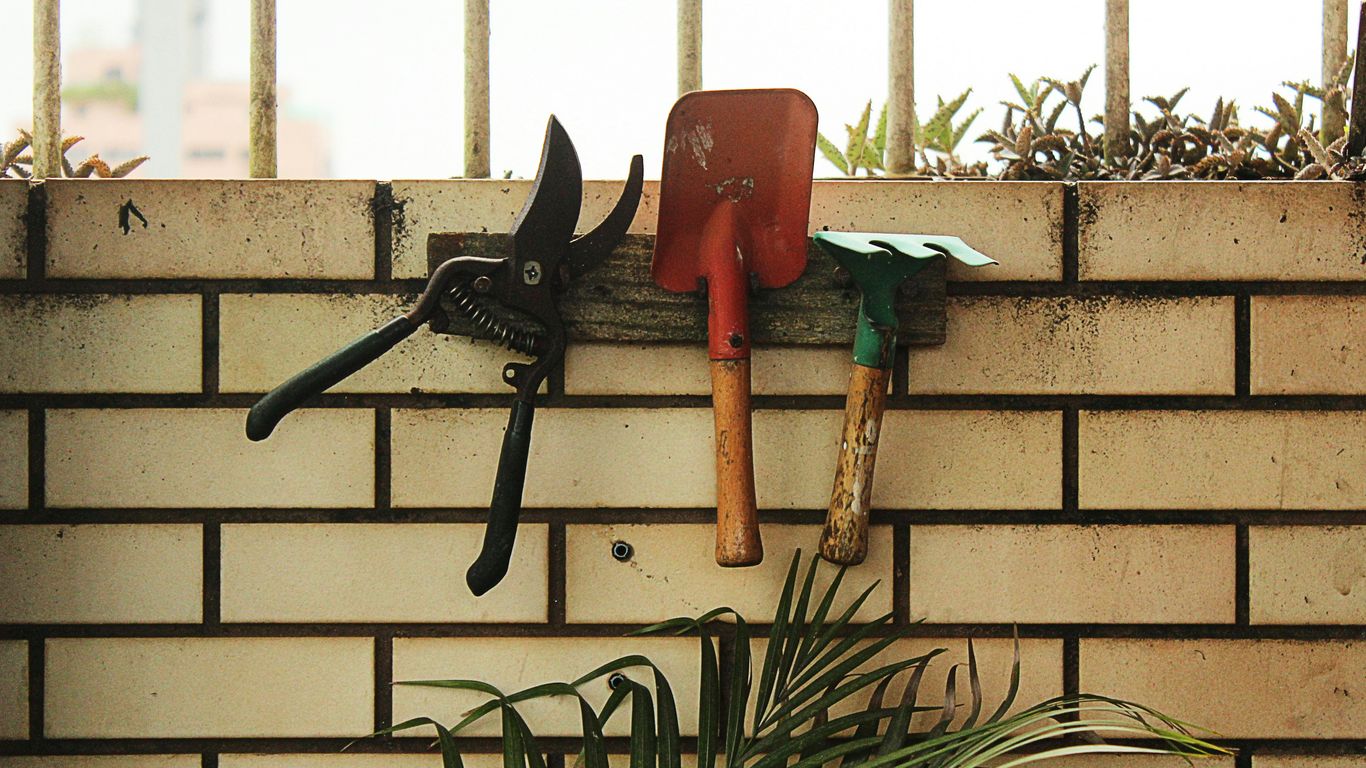
Let’s not forget our tools! January is a great month to clean and sharpen them. We can use a wire brush to get off any dirt or rust, then give them a light coat of oil to prevent further rusting. Sharpening blades on hoes, shovels, and pruners makes our work so much easier when spring finally arrives. It’s also a good time to get any gas-powered equipment, like our lawnmower, serviced. Taking care of these things now means they’ll be ready to go when we need them, avoiding that last-minute rush.
Getting our garden beds and tools in order now might not seem as exciting as planting seeds, but it’s a really important step. A little bit of work in January can make a huge difference in our garden’s success throughout the year.
Alright, Zone 8 gardeners, January might seem quiet, but it’s actually a prime time to get a head start on spring. We’re talking about sowing seeds indoors and even some hardy crops directly into the ground. Let’s get our hands dirty!
Even in January, we can get some tough greens into the soil. Think about sowing seeds for crops that can handle a bit of chill. We’re looking at things like spinach, radishes, and some hardy lettuces. These guys are pretty forgiving and can germinate even when the soil is cool. It’s a great way to have the freshest greens available as soon as the weather starts to warm up. Just make sure the soil isn’t frozen solid. A light frost cover can help protect any early sprouts.
Now’s the time to get a jump on asparagus and peas. We can start these indoors now so they have a good root system by the time it’s warm enough to transplant them outside. For asparagus, we’re talking about starting from seed, which takes a bit longer but is totally doable. Peas are usually pretty quick to germinate, so starting them indoors gives them a nice boost. We want to get them into individual pots because they don’t love having their roots messed with too much when they’re bigger. This early start means we’ll be enjoying fresh peas and asparagus much sooner than if we waited.
Some root vegetables can also be started indoors this month. While many root crops prefer direct sowing later on, starting things like onions and leeks indoors now is a smart move. We can also get a head start on parsnips, which have a long growing season. Getting these started early means we can transplant them out once the soil is workable, giving them more time to develop those tasty roots. It’s all about planning ahead to maximize our harvest potential throughout the year. Remember, getting your seeds ordered now is key to following a planting guide for zone 8 and having success.
Even though January is pretty early in the year, we can still do things to get a jump on the growing season here in Zone 8. It’s all about being smart with what we have and using a few tricks to coax those plants along before the last frost date. We want to maximize our harvest, right? So, let’s look at how we can use some simple tools and techniques to keep the garden going longer.
Cold frames and low tunnels are like mini-greenhouses for our garden beds. They trap heat from the sun, creating a warmer microclimate that protects our plants from chilly winds and light frosts. We can use them to get cool-season crops like spinach, lettuce, and radishes started much earlier than we could otherwise. Even in January, we might be able to sow some hardy greens directly into a cold frame. It’s amazing how much difference a little protection can make. We can also use them in the fall to keep harvesting those same crops well into winter. It’s a great way to extend the harvest without a huge investment.
If you’re lucky enough to have a greenhouse, January is prime time to get serious about starting seeds indoors. This is where we can really get ahead. Think about starting things like broccoli, cauliflower, onions, and even some of those slower-growing herbs. A simple setup with grow lights and a heat mat can make a big difference. We can get seedlings big and strong enough to transplant outside as soon as the weather is even a little bit favorable. It gives us a significant head start on the main growing season and means we can enjoy fresh produce sooner. Remember to keep an eye on humidity and temperature in the greenhouse; it’s a delicate balance.
This step is super important, and we can’t skip it! Once our seedlings have grown big and strong indoors, whether in a greenhouse or just on a sunny windowsill, we need to get them ready for the outside world. This process is called hardening off. We gradually expose them to outdoor conditions – sun, wind, and cooler temperatures – over a week or two. We start by putting them out for just a few hours in a sheltered spot and slowly increase the time and exposure. This prevents transplant shock and ensures our young plants have the best chance of survival when we finally plant them in the garden. It might seem like a lot of work, but it’s a vital part of extending our growing season and getting a good harvest. We don’t want all that hard work starting seeds indoors to go to waste because the plants couldn’t handle the shock of moving outside. It’s a bit like preparing a baby for the real world; they need to be eased into it. For more on timing your planting, check out this guide to February in Zone 8.
So there you have it! January might seem a bit early to get your hands dirty, but we’ve seen how much we can actually get done in Zone 8. Starting those seeds indoors for things like lettuce, onions, and even some herbs is a smart move. It really sets us up for a much earlier harvest when spring finally rolls around. Don’t forget to check your seed packets and maybe even jot down some notes from last year to make this growing season even better. Happy planting, everyone!
We like to get a head start on spring by beginning our seeds indoors. For cool-season crops like lettuce and onions, we use a simple setup with grow lights over a table. It’s amazing how much this helps us get ahead!
While we mostly start seeds inside during January, we can sometimes sow hardy greens like spinach and arugula directly into the garden if the soil isn’t frozen. It’s always best to check the weather, though!
We find that January is a great time to start slow-growing herbs that can handle cooler weather, like parsley and oregano. Giving them an early start indoors helps them grow strong roots before we transplant them outside.
Planning our crop rotation now helps us make sure we’re planting different things in different spots each year. This keeps our soil healthy and helps prevent pests and diseases from building up.
We like to get our garden tools cleaned and sharpened in January. It’s also a good time to think about any new tools we might need, like cold frames or trellises, and maybe even start building them.
We watch the weather closely and pay attention to our last frost date, which is usually around early March in Zone 8. We also ‘harden off’ our seedlings, which means gradually getting them used to the outdoor conditions before planting them in the garden.
 March 7, 2026
High-Output Crops Perfect for Micro Homesteads
Gardening
Homestead Planning
Homesteading
Starting a Homestead
March 7, 2026
High-Output Crops Perfect for Micro Homesteads
Gardening
Homestead Planning
Homesteading
Starting a Homestead
Thinking about growing your own food but only have a little space? We get it. Many of us are looking for ways to be more self-sufficient, even if we don't have acres to work with. The good news is, you...
Read More March 5, 2026
How to Grow a Medicinal Herb Garden for Beginners
Gardening
Homesteading
Natural Fertilizers
Sustainable Living
March 5, 2026
How to Grow a Medicinal Herb Garden for Beginners
Gardening
Homesteading
Natural Fertilizers
Sustainable Living
We're excited to share how we got started with our own medicinal herb garden. It felt a bit overwhelming at first, but we learned that taking it step-by-step makes it totally doable. Growing our own healing plants has been so...
Read MoreWe love the charm and character that a hobby farm look brings to our outdoor spaces. It feels so welcoming and down-to-earth. If you're looking to capture that same vibe on your own property, we've gathered some simple and pretty...
Read More