



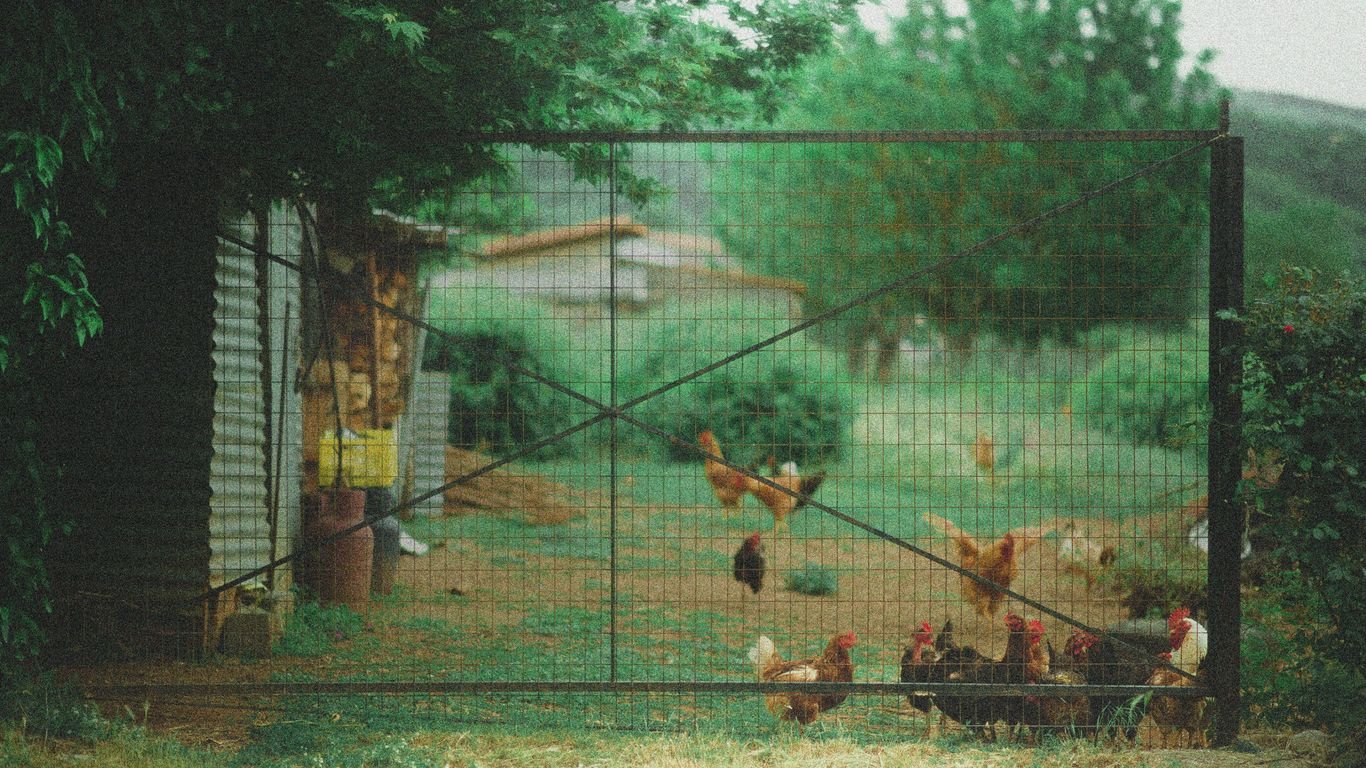
We’ve all seen those big homesteads with acres of land and tons of animals, right? It can make you feel like if you don’t have that kind of space, you can’t really do any homesteading. But that’s just not true! We’ve found that you can absolutely raise your own food and enjoy the benefits of homesteading, even if you’re working with a small yard or a limited footprint. It’s all about choosing the right micro homestead animals for your situation. We’re going to share some of our favorite options for bringing a little bit of the farm to your small space.
Even if we don’t have acres of land, we can still enjoy the benefits of raising our own poultry. It turns out, there are some fantastic feathered friends perfect for smaller living situations. We’re talking about birds that don’t need a sprawling farm to thrive, but still give us eggs, meat, and a bit of lively entertainment.
Quail are seriously tiny, but they pack a punch when it comes to protein. These little birds are often overlooked, but they’re a great option for us with limited space. They’re quiet, don’t require a lot of feed, and can even be kept in cages, which makes cleanup a breeze. Plus, their eggs are a delicacy and can fetch a good price if we decide to sell them.
We found that quail are surprisingly hardy and don’t get sick often, which is a big plus when you’re not a seasoned vet.
Chickens are the classic homestead animal for a reason. While some breeds need more space than others, there are plenty of smaller breeds or options for keeping a limited flock that work well for us. They provide fresh eggs daily and are endlessly entertaining to watch. Their manure is also gold for our gardens!
Ducks are another excellent choice for small spaces, especially if we have access to a water source, even a small kiddie pool. They are generally good-natured, lay large, rich eggs (great for baking!), and can be raised for meat. Some breeds, like the Pekin, are heavy and don’t fly, making them easier to contain. They’re also pretty good at foraging for bugs.
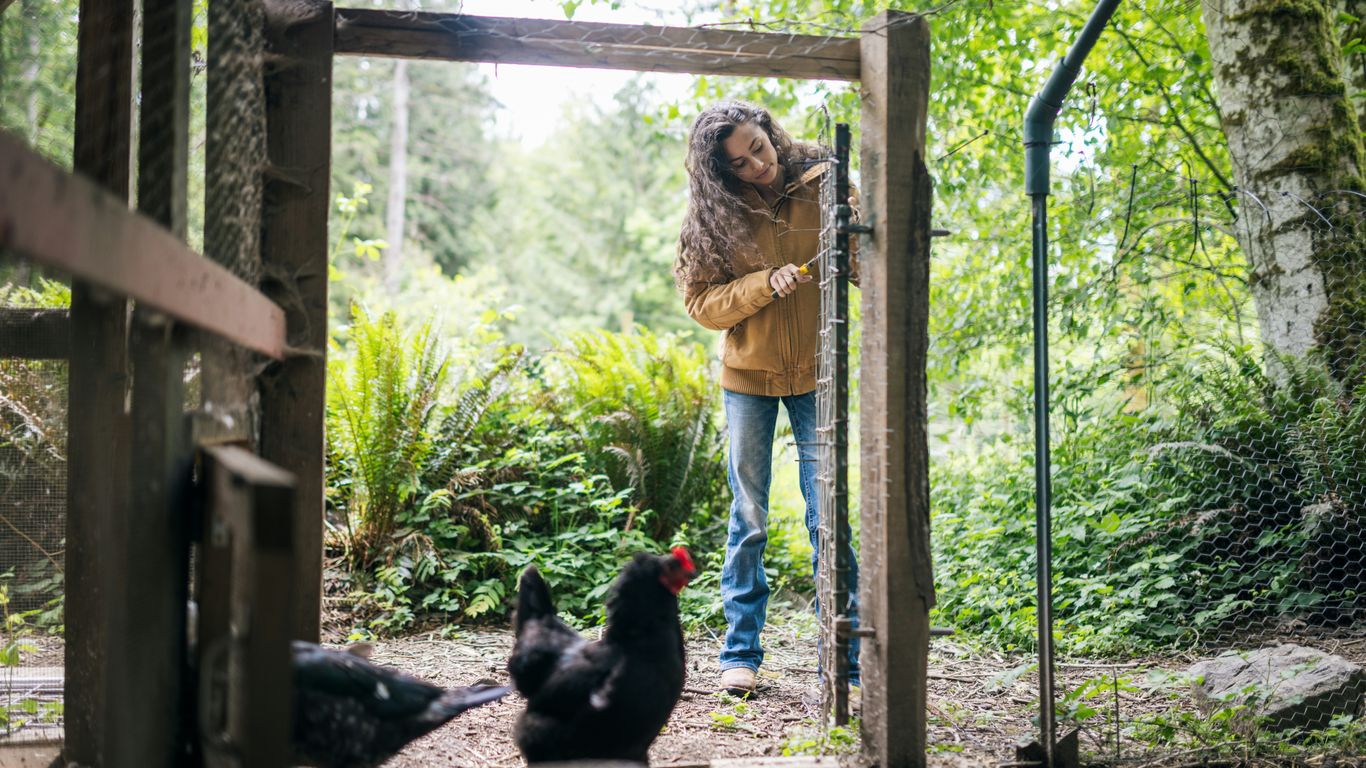
When we think about homesteading, we often picture larger animals like chickens or goats. But what if your space is really, really limited? Don’t worry, we’ve got you covered! There are some amazing, tiny creatures that can bring a lot of value to a small homestead. We’re talking about the little guys that often go unnoticed but play huge roles in our ecosystems and even our kitchens.
Seriously, these little wrigglers are fantastic. If you’ve got kitchen scraps and nowhere to put them, or if you want to supercharge your garden soil without buying bags of fertilizer, vermicomposting is your answer. You can set up a worm bin under your sink or in a corner of a utility room. It’s a clean way to turn food waste into nutrient-rich compost, often called ‘worm castings’. This stuff is gold for your plants, whether they’re in pots on a balcony or in a small garden bed. Plus, you’re keeping waste out of landfills. It’s a win-win!
Okay, hear us out. Black Soldier Flies (BSF) and mealworms might sound a bit creepy, but they are incredibly useful, especially if you’re raising any kind of poultry. BSF larvae are a protein-packed food source that can significantly cut down on feed costs for chickens or other birds. You can set up a simple system, often just a few buckets, where adult flies lay eggs. The larvae hatch and grow, and guess what? They naturally crawl away from their food source when they’re ready to pupate. This means they can literally crawl right into a collection bin or even directly to your hungry birds. It’s a pretty neat, low-maintenance way to produce feed.
Mealworms are another option for a protein boost. While they might not have the same fly-repelling qualities as BSF, they are easy to raise in containers and provide a great treat or supplement for your birds, or even as a food source for reptiles if you have them.
Beekeeping might sound intimidating, but a couple of hives don’t take up much space – think a few square feet. Honey bees are vital for pollinating our gardens and fruit trees, leading to better harvests. And, of course, there’s the honey! Harvesting your own honey, smelling the warm wax, and seeing the fruits of the bees’ labor is incredibly rewarding. Many urban and suburban areas now allow beekeeping, so it’s worth checking your local regulations. If a full hive feels like too much, consider mason bees – they’re gentle, non-stinging pollinators that are also super beneficial for your garden.
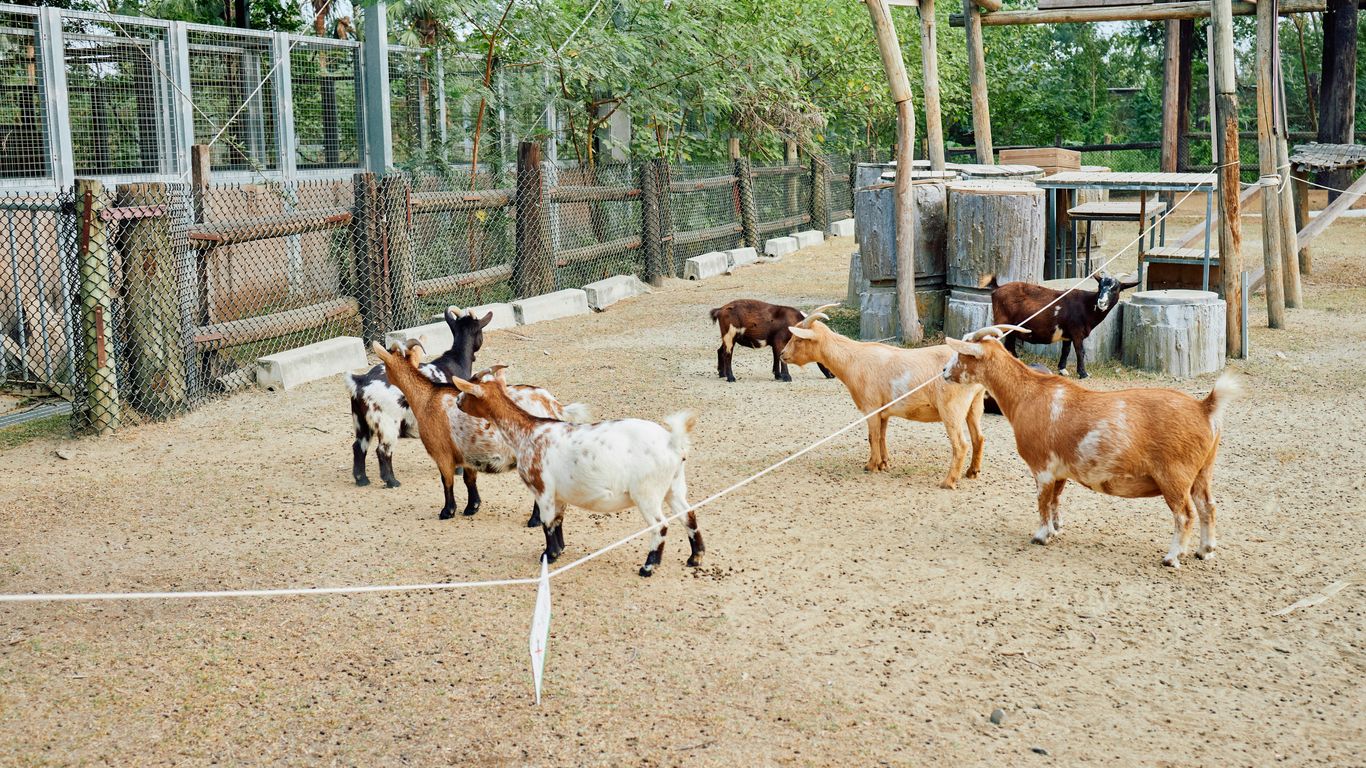
When we think about raising animals on a small homestead, our minds often jump to chickens or maybe even a few ducks. But we shouldn’t forget about our furry friends! There are some fantastic smaller mammals that can fit right into a compact living situation, providing us with valuable resources. We’ve found that rabbits and Nigerian Dwarf goats are two of the most popular choices for those of us with limited space, and for good reason.
We’ve been really impressed with how quickly rabbits grow and how little space they actually need. They’re quiet, too, which is a big plus if you have close neighbors. Rabbits are super efficient converters of feed into meat, and their offspring grow fast. Plus, their manure is like gold for the garden – it’s a fantastic fertilizer that doesn’t need to be composted first, so we can use it directly on our plants. It’s a win-win for our food production and soil health.
When choosing rabbits, we looked into a few different breeds, but for meat production, breeds like the New Zealand White or Californian are often recommended. They’re known for their rapid growth and good meat yield. We found that a simple hutch system works well for keeping them contained and clean. It’s important to have a setup that’s easy to clean because, well, they do produce waste!
We learned that proper housing is key. A good hutch should be dry, well-ventilated, and predator-proof. We also made sure to provide plenty of clean water and a good quality feed. It’s not complicated, but attention to detail makes a big difference in their health and growth. If you’re interested in getting started with rabbits, checking out resources on raising meat rabbits can be really helpful.
Now, if you’re dreaming of fresh milk but don’t have acres to spare, Nigerian Dwarf goats might be your answer. These little guys are surprisingly productive for their size. We were amazed at how much milk a single doe could produce. They’re also known for being quite friendly and having a lot of personality, which makes them a joy to have around.
Their smaller size means they require less space and less feed than larger dairy breeds. We found that a sturdy, simple shelter is usually sufficient for them, along with a secure fenced area to roam and browse. It’s important to remember that goats are browsers, meaning they prefer to eat leaves, twigs, and shrubs over grass, so providing them with varied forage is beneficial.
Goats are curious creatures and can be escape artists. Ensuring your fencing is secure and tall enough is a must, especially with the smaller, more agile Nigerian Dwarfs. We learned this the hard way a few times!
Milking a Nigerian Dwarf goat is a manageable task, even for a beginner. Their smaller udders and teats are easier to handle. We found that establishing a regular milking routine helped them adjust and become more productive. The milk itself is rich and creamy, with a high butterfat content, making it excellent for drinking, cheese, and yogurt. It’s a truly rewarding experience to have your own fresh milk right from your small homestead.
So, you’re thinking about bringing some tiny tenants onto your homestead, even if your space is, well, not so vast. That’s awesome! We’ve been there, and let us tell you, it’s totally doable. But before you rush out and grab the first fluffy chick or wiggly worm you see, there are a few things we really need to chat about. Getting prepared is half the battle, maybe even more.
First things first, we’ve got to talk about the rules. Seriously, this is super important. You don’t want to get all set up with your new critters only to find out they’re not allowed in your town or neighborhood. We learned this the hard way with a neighbor who wasn’t too thrilled about our early morning rooster crowing (oops!).
Now, let’s get real about your space. How much room do you actually have? And what do you want these animals to do for you? Are you looking for eggs, meat, fertilizer, or just some fun companions?
Here’s a quick way to think about it:
Don’t underestimate the daily tasks involved. Even small animals require consistent attention. It’s better to start small and expand than to get overwhelmed and have to rehome your animals.
Once you’ve got the legalities sorted and a clear picture of your space and goals, you can start picking your perfect micro homestead pals. Think about their specific needs:
For instance, if you’re tight on space but want fresh eggs, quail are a fantastic option. They’re small, relatively quiet, and don’t need a huge run. On the other hand, if you’re looking for a quick meat source and have a bit more room, meat rabbits are super efficient. And who could forget the amazing benefits of composting worms or the sweet rewards of honey bees? Each has its own unique set of requirements and rewards, so do your homework on each one before making a decision.
When we first started thinking about raising our own food, the idea of a big farm with lots of animals seemed overwhelming. But we quickly learned that you don’t need acres of land to put quality protein on the table. It’s totally possible to raise meat animals even if you have a pretty small footprint. We’ve found that focusing on the right animals and managing their space well makes all the difference.
Quail are seriously one of the best meat options for small spaces. They’re tiny, grow fast, and are often allowed in places where chickens aren’t. Plus, their eggs are a bonus – they’re a delicacy and can bring in extra cash. We like that you can keep males with the females without causing a ruckus with neighbors, which is a big plus for us.
If you’re looking for a quiet meat source, rabbits are a fantastic choice. They don’t take up much room and are super efficient converters of feed to meat. We found that a couple of breeding pairs can provide a significant amount of protein for a family throughout the year. Plus, their manure is garden gold!
Here’s a quick look at what you’ll need to get started:
Rabbits mature quickly, with young ones ready for processing in about three months. This rapid turnaround means you can have a consistent supply of meat without a long wait.
While chickens might seem like a bigger commitment, certain breeds are bred for fast meat production. Cornish Cross chickens are known for their rapid growth, reaching market weight in about 6-8 weeks. Freedom Rangers are a bit slower but offer a more natural foraging behavior and a richer flavor. Even with these breeds, you can manage them in smaller spaces using portable chicken tractors or designated runs. We’ve learned that choosing the right breed is key when you’re short on space. If you’re interested in learning more about raising chickens, check out resources on backyard chickens.
Key Considerations for Meat Production:
Alright, so we’ve looked at a bunch of different animals, from busy bees to wiggly worms, and even some feathery friends like chickens and quail. It might seem like a lot, especially if you’re used to just having a dog or a cat. But honestly, we think it’s totally doable. Even with just a little bit of space, we can bring some of these micro-homestead animals into our lives. It’s all about picking the right ones for our situation and doing a little homework first, like checking those local rules. We can totally create our own little food sources, right in our own backyards, or even on our balconies! It’s pretty exciting when you think about it.
For beginners with limited space, we often suggest starting with composting worms or quail. Worms are super low-maintenance and can be kept indoors, turning kitchen scraps into valuable fertilizer. Quail are small, grow quickly, and don’t need a lot of room, plus their eggs are a bonus!
Yes, you can! While you might not be able to have a huge flock, many people successfully raise a few chickens for eggs or meat in smaller yards. It’s important to check your local rules first, as some places have limits on the number of chickens you can keep. Breeds like Cornish Cross or Freedom Rangers are often raised for meat and are only around for a few months.
Rabbits are actually pretty quiet animals, which is great if you have close neighbors. While any animal will produce waste, their droppings can be easily managed and even used as fertilizer for your garden. They don’t take up much space and grow quickly, making them a good option for meat production.
Honey bees can be a fantastic addition to a small homestead! They don’t require much space, and their main needs are a safe place to build their hive and access to flowers for nectar. Plus, they provide delicious honey and help pollinate your plants. Just make sure you understand bee behavior and have a plan for managing them.
Before bringing any animals home, the very first step is to check your local laws and regulations. This includes zoning rules, homeowner association rules, and any specific ordinances about keeping livestock. You also need to honestly assess how much space you truly have and what your goals are – are you looking for meat, eggs, or something else? This will help you choose the right animals for your situation.
Micro homestead animals are simply smaller livestock that are well-suited for people who don’t have a lot of land. Think of creatures like quail, rabbits, chickens, ducks, or even bees and worms. These animals can provide us with food like meat and eggs, or valuable resources like honey and compost, without needing a massive farm.
 February 26, 2026
How to Keep Animals Warm and Safe During Winter
Homesteading
Livestock
February 26, 2026
How to Keep Animals Warm and Safe During Winter
Homesteading
Livestock
Winter is here, and while we might be cozying up indoors, our animal friends can face some real challenges when the temperatures drop. Keeping them safe and warm is something we all want to do. We've put together some straightforward...
Read More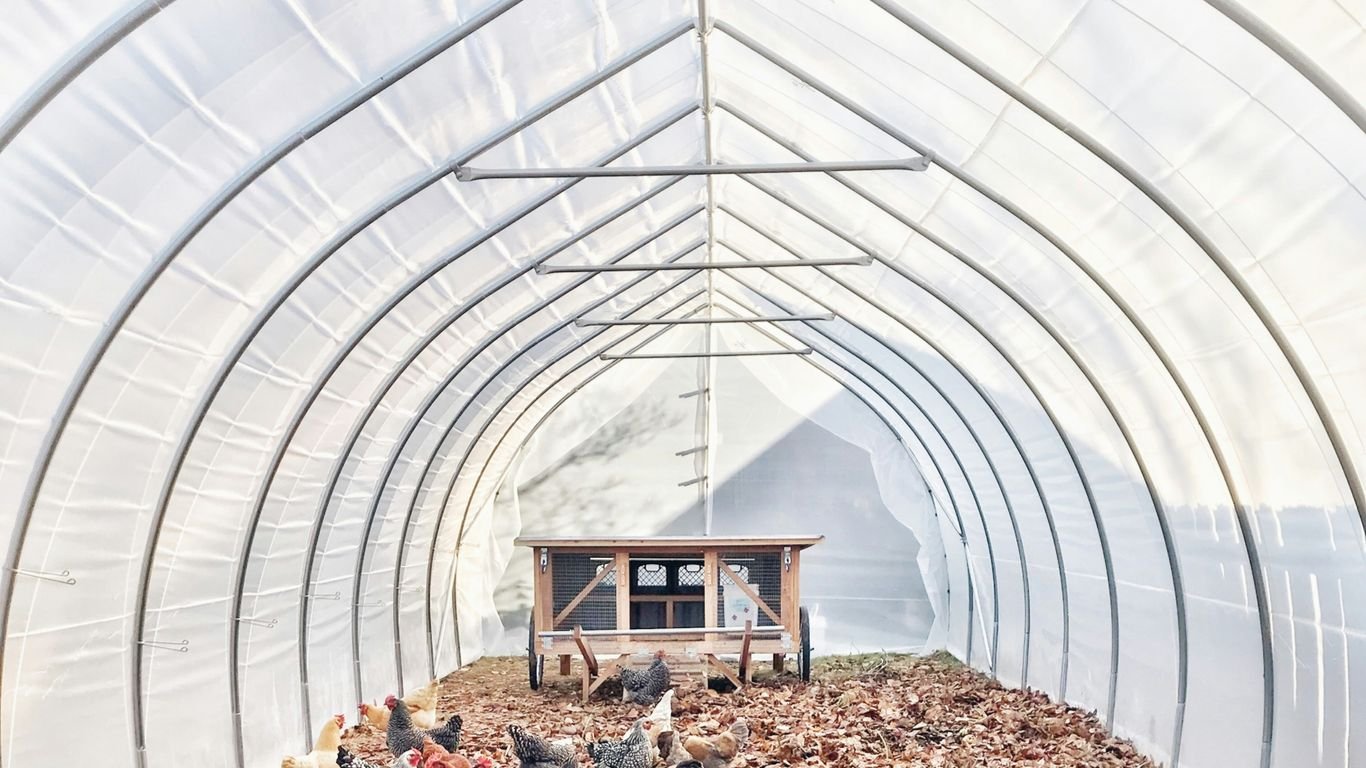 January 31, 2026
How to Set Up a Chicken Composting System (Chicken Tunnel)
Chicken Breeds
Homesteading
Raising Chickens 101
January 31, 2026
How to Set Up a Chicken Composting System (Chicken Tunnel)
Chicken Breeds
Homesteading
Raising Chickens 101
We've been looking into ways to make our garden work smarter, not harder, and stumbled upon this brilliant chicken composting system. It sounds a bit wild at first, but it's actually a really neat way to get our chickens involved...
Read More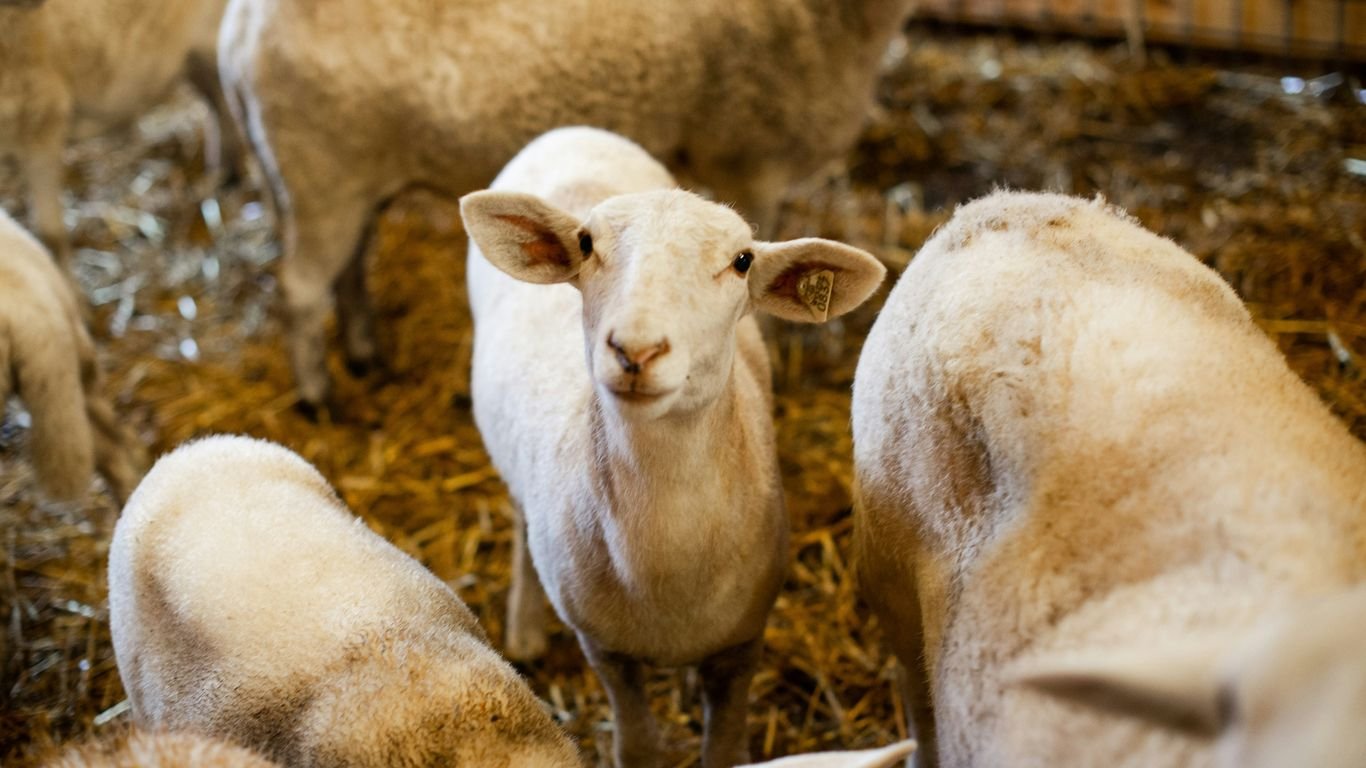 January 25, 2026
How to Make Money Raising Animals on the Homestead
Homesteading
Livestock
January 25, 2026
How to Make Money Raising Animals on the Homestead
Homesteading
Livestock
We've been exploring ways to make our homestead pay for itself, and honestly, it's a lot of work. But it's also incredibly rewarding to see our land produce not just food for us, but also income. There's a real satisfaction...
Read More