


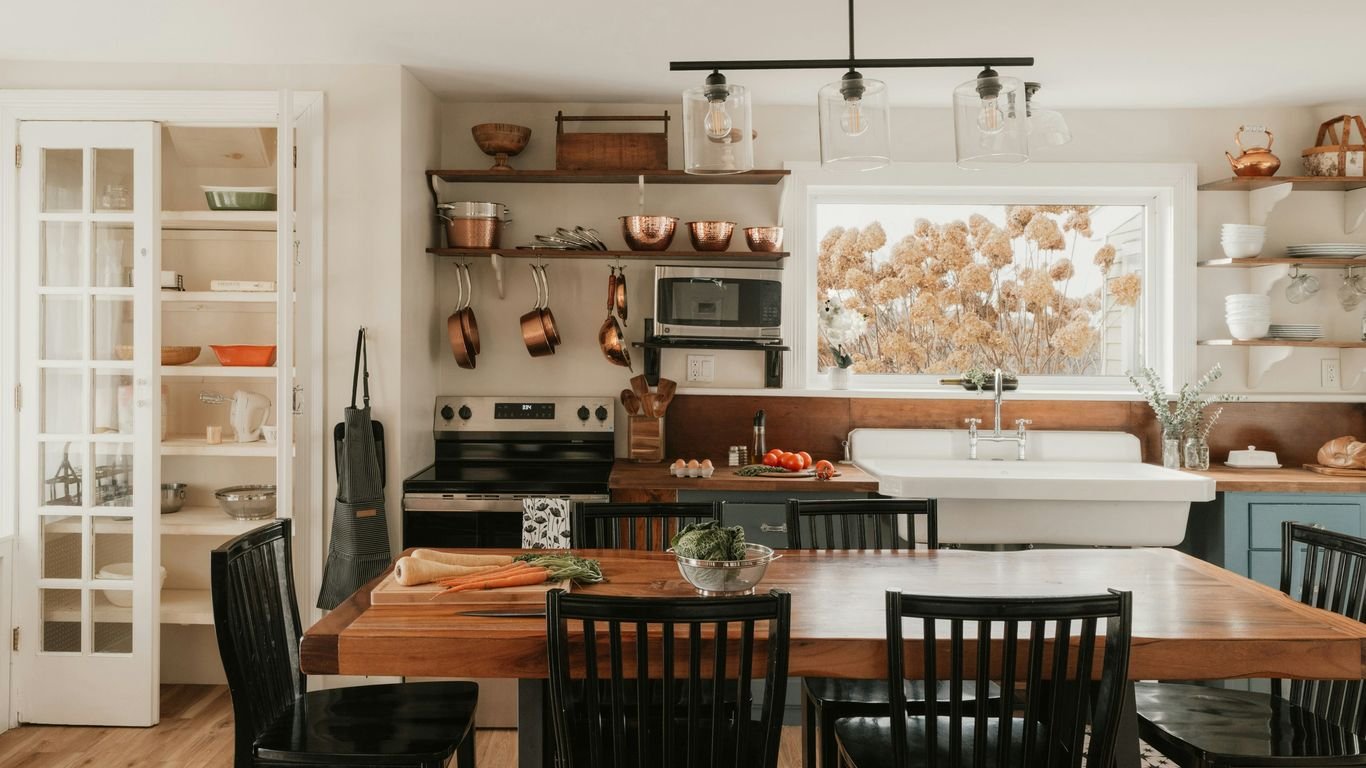
We all want our kitchens to feel like the heart of the home, right? A place that’s warm, inviting, and just feels good to be in. For us, the hobby farm kitchen aesthetic really hits that mark. It’s all about bringing in that cozy, countryside charm without sacrificing practicality. Whether you have acres or just a small apartment, we’ve gathered some ideas to help you get that perfect rustic vibe.
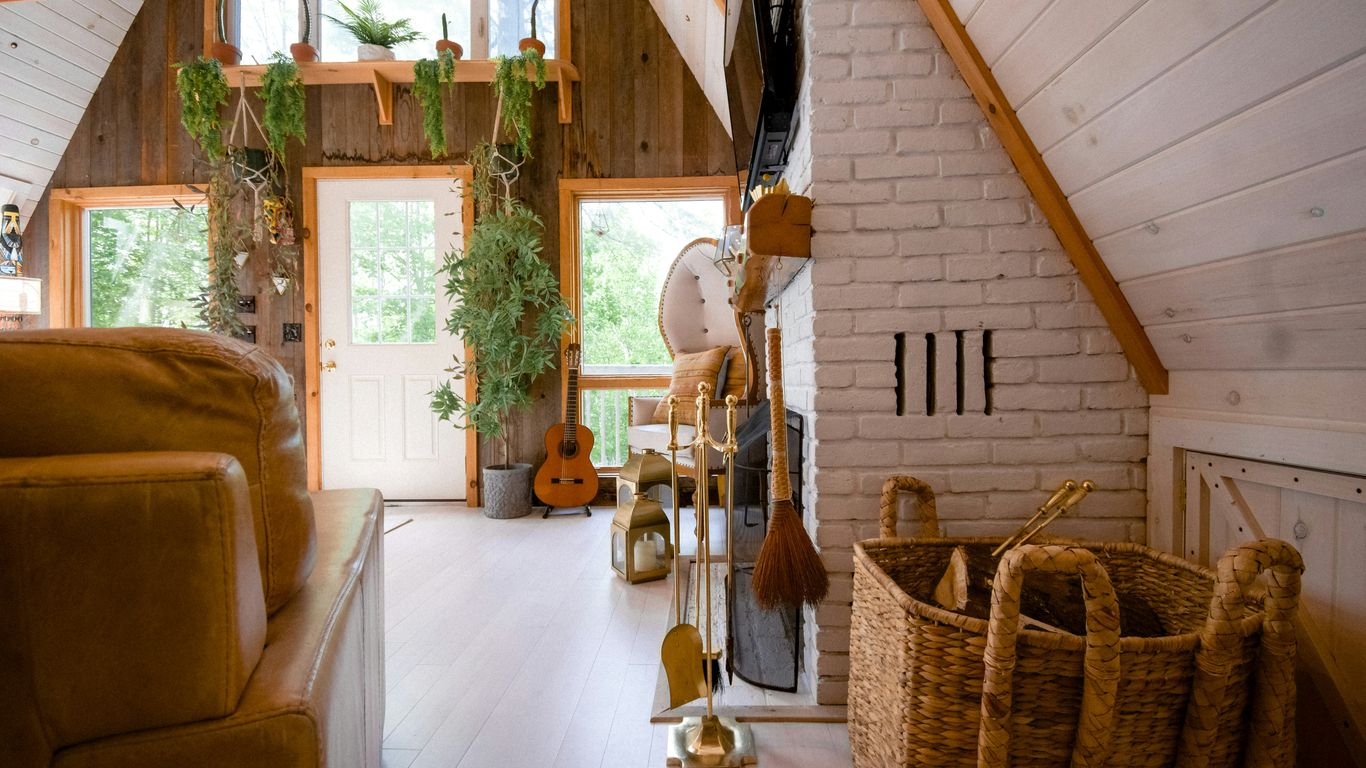
When we think about a cozy hobby farm kitchen, the first thing that comes to mind is the feeling of warmth and authenticity. A big part of that comes from using natural materials. They just have a way of making a space feel grounded and welcoming, like it’s been part of the landscape forever. These elements are the backbone of that rustic charm we’re aiming for.
Wood is absolutely everywhere in a farmhouse kitchen, and for good reason. It brings so much character. We love using reclaimed wood for cabinets, shelves, or even a chunky countertop. It’s got those little imperfections, like knots and grain patterns, that tell a story. Think about warm oak, pine, or even salvaged barn wood. It instantly adds texture and a lived-in feel. Don’t forget about wooden beams on the ceiling or a classic wood floor – they really seal the deal on that farm aesthetic. It’s all about bringing that outdoorsy vibe inside.
Beyond wood, stone and brick are fantastic for giving your kitchen that authentic rural touch. A stone backsplash, maybe something like slate or a rough-hewn granite, can add so much visual interest. Or how about an exposed brick accent wall? It feels so solid and timeless. These materials aren’t just for looks; they add a sense of history and substance. Imagine a kitchen that feels like it’s been part of an old farmhouse for generations. We can achieve that by incorporating elements like these, perhaps even looking at some French country kitchen inspiration for ideas on how to blend these materials beautifully.
Using a mix of natural materials like wood, stone, and brick creates a layered look that feels both robust and inviting. It’s about balancing textures and tones to create a space that’s not only beautiful but also feels comfortable for everyday life.
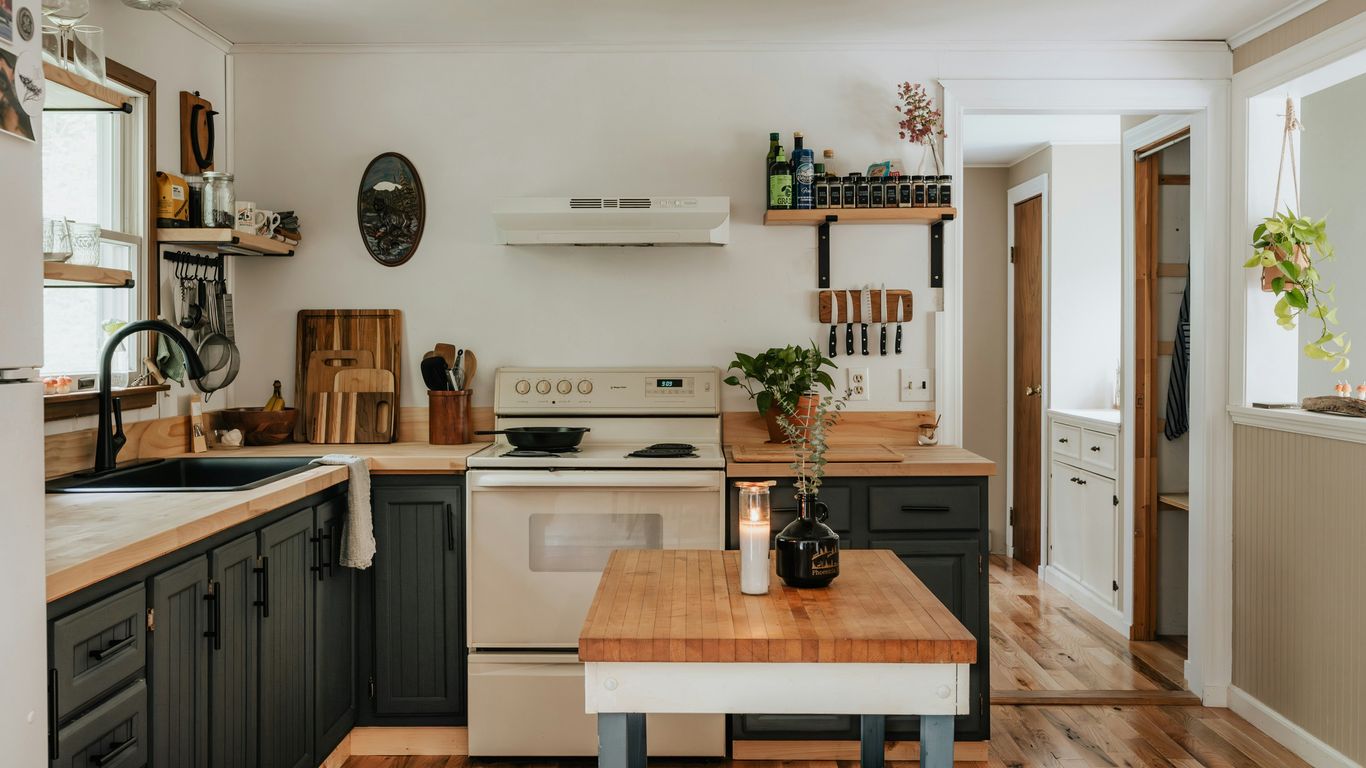
When we think about our hobby farm kitchen, the colors we choose really set the mood. It’s all about creating a space that feels warm, inviting, and connected to the land. We don’t want anything too stark or cold; instead, we aim for a palette that feels like a gentle hug.
This is where we really pull inspiration from the natural world around us. Think about the soft browns of rich soil, the muted greens of rolling hills, or the warm terracotta of a well-loved pot. These earthy tones are fantastic for walls, cabinetry, or even a statement backsplash. They blend beautifully with wood and stone, making the whole kitchen feel grounded and organic. Using these colors helps create a harmonious flow, making our kitchen feel like a true extension of the outdoors.
Neutrals are the backbone of our farmhouse kitchen. Soft whites, creamy ivories, and gentle grays create a calm and serene backdrop. These colors are perfect for larger surfaces like walls and cabinets because they make the space feel bigger and brighter. They also provide a wonderful canvas for other elements to pop. We love using a mix of these shades to add depth without overwhelming the senses. It’s about creating a timeless foundation that feels both clean and cozy.
While we lean heavily on neutrals and earthy shades, a little bit of bold color can really liven things up. We’re not talking about painting the whole kitchen bright orange, but rather using strategic pops of color. Think about a deep navy for a kitchen island, a rich forest green for some accent chairs, or a cheerful mustard yellow in your dishware or tea towels. These brighter hues can add personality and character, creating a lovely contrast against the softer tones. It’s a way to inject our own style without losing that down-to-earth farmhouse feel. We found some great ideas for DIY projects that incorporate these pops of color beautifully.
When we think about our hobby farm kitchen, we want it to feel like a place where everyone can gather, cook, and just be. That’s where the right furniture and accessories come in. It’s all about finding pieces that are both practical for our busy lives and have that charming, rustic look we love.
Choosing furniture that fits the farmhouse vibe is pretty straightforward. We’re talking about pieces that look like they’ve been around for a while, maybe with a little wear and tear that just adds to their character. Think about a sturdy wooden table – it’s the centerpiece of any kitchen, right? We love tables with bench seating or mismatched wooden chairs. It makes meal times feel more relaxed and communal. Don’t shy away from furniture with a distressed finish; it gives that authentic, lived-in feel we’re going for. The key here is durability. We need furniture that can handle everyday use, from baking bread to homework sessions, without us worrying about it.
Here are a few ideas for furniture that works well:
Accessories are what really bring a space to life and give it that personal touch. For our hobby farm kitchen, we want to sprinkle in items that tell a story or just have that old-school charm. Think about displaying antique kitchen tools – maybe an old egg beater or a cast-iron skillet. Vintage signs with simple lettering can add a bit of personality to the walls. Mason jars are always a good idea; they’re great for storing dry goods or even just holding wildflowers from the garden.
We also like to use functional items as decor. A rustic wooden ladder can be leaned against a wall for displaying blankets or cookbooks. An old-fashioned coffee grinder or a vintage spice rack can sit on the counter and look great while being useful. These little touches add character and make our kitchen feel like it has a history.
We find that the best accessories are often things we already have or can find at local antique shops or flea markets. It’s about collecting pieces that speak to us and fit the overall cozy, down-to-earth feel of our hobby farm kitchen. Don’t overthink it; let the items you love guide the way.
Some of our favorite accessory ideas include:
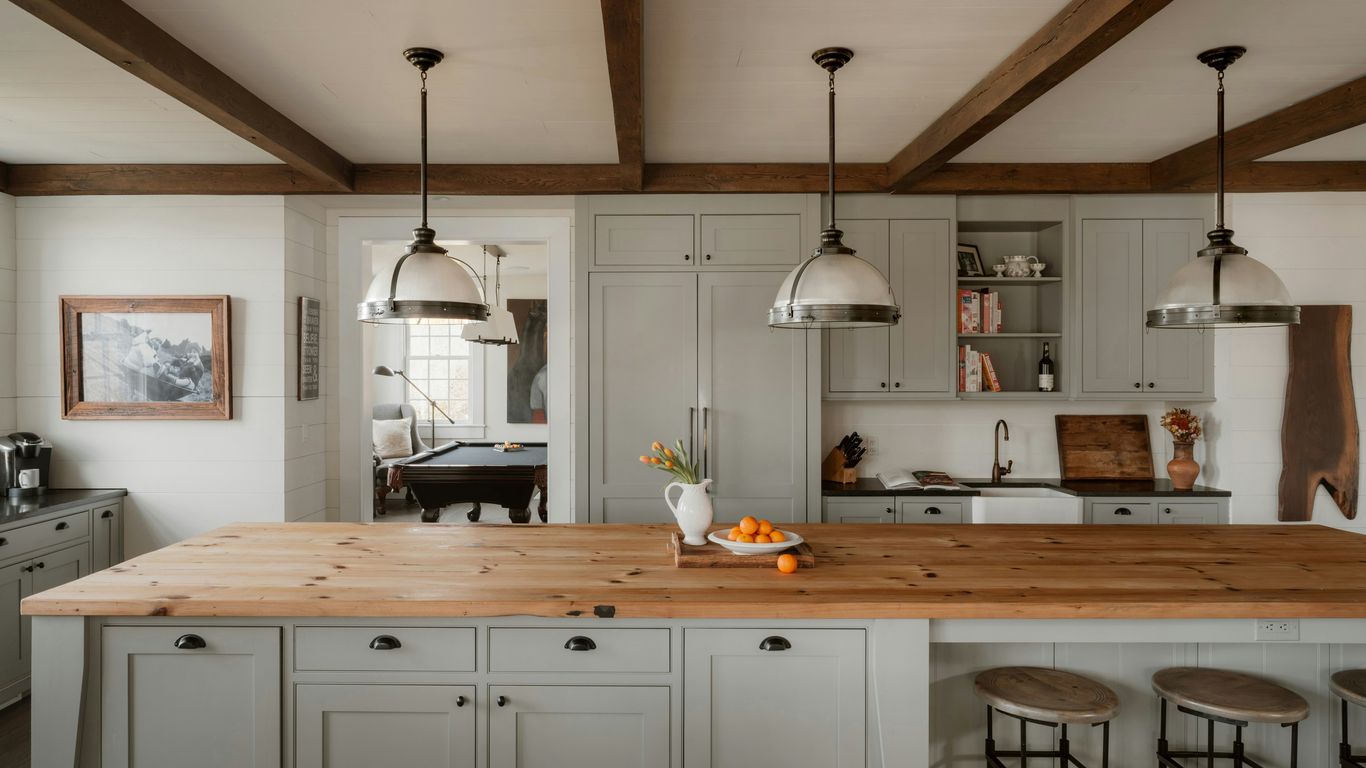
When we think about a cozy hobby farm kitchen, lighting plays a huge role in setting the mood. We want it to feel welcoming, like a warm hug after a long day. Think about fixtures that cast a soft, gentle glow. Pendant lights made from materials like aged metal, glass, or even repurposed wood can really add to that rustic feel. Hanging a few of these over your island or sink can create a focal point and provide just the right amount of light without being harsh. We also love the idea of using Edison bulbs; their warm filament glow is just perfect for that vintage, farmhouse vibe we’re going for.
Of course, our kitchen needs to be practical too, so the lighting has to work hard. We need enough light to chop vegetables, read recipes, and clean up without squinting. Combining different types of lighting is key. We might have a central fixture, like a simple chandelier or a flush-mount light, for general illumination. Then, we add task lighting where we need it most – under cabinets for countertop work or perhaps a swing-arm lamp near the stove for extra cooking light. It’s all about balancing that charming look with the need for good visibility. We don’t want to sacrifice function for form, but luckily, with farmhouse style, they often go hand-in-hand. Consider these ideas:
We find that layering our lighting is the best approach. It allows us to adapt the kitchen’s brightness for different activities, from bright and functional for meal prep to soft and cozy for evening relaxation. It’s about creating a space that feels good, no matter the time of day.
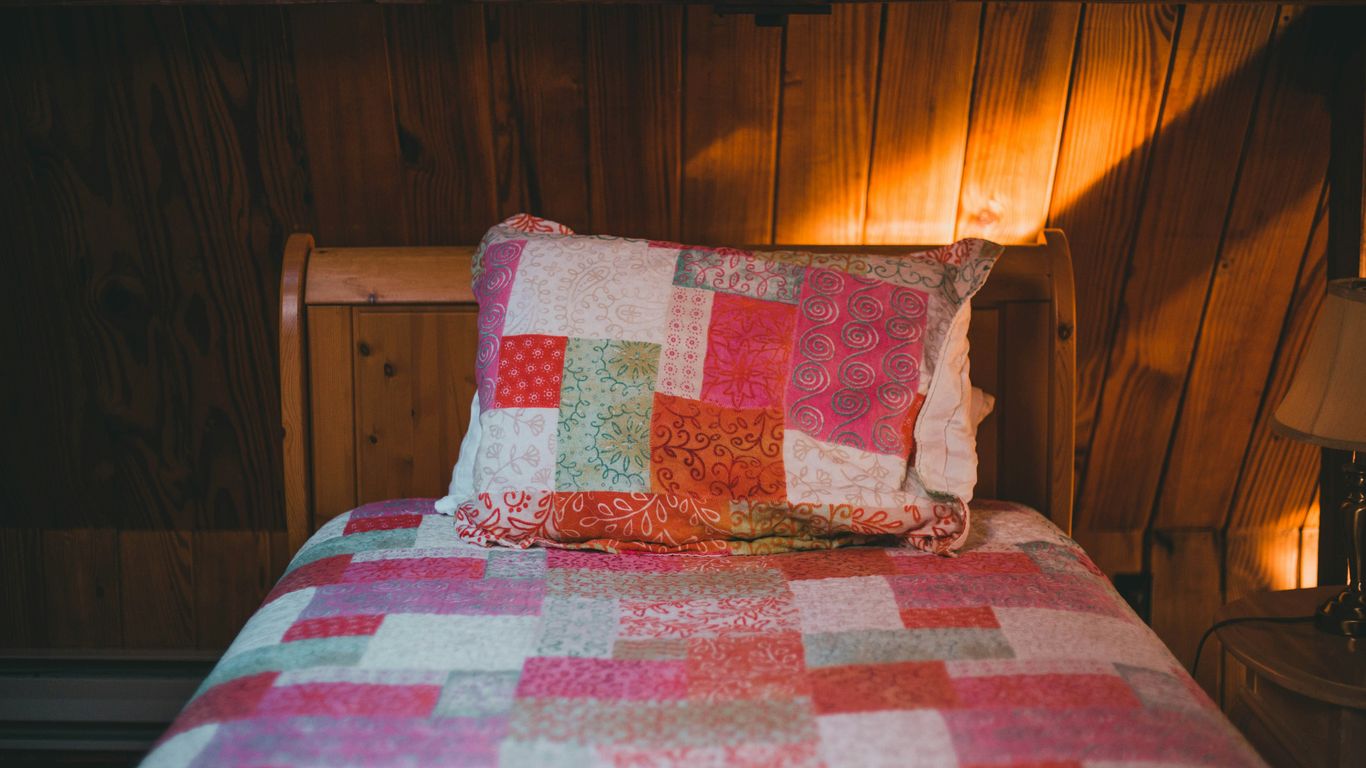
We can’t forget about the textiles and textures when we’re aiming for that cozy hobby farm kitchen vibe. These elements are what really make a space feel lived-in and warm. Think about layering different materials to add depth and interest.
Using natural fabrics is a big part of that farm fresh feel. We love linen for its slightly rustic texture and how it drapes, perfect for curtains or even a tablecloth. Cotton is another go-to, especially for kitchen towels and aprons. They’re not just pretty; they’re practical too. We tend to stick with softer, neutral colors like creams, whites, and muted grays for these fabrics. They really complement all the wood and stone we’ve brought in. Plus, these materials just feel good to the touch, adding that extra layer of comfort.
Don’t be afraid to mix different wood tones in your kitchen. It might sound a little wild, but it actually adds a lot of character. Maybe you have a reclaimed wood island and then some lighter wood chairs. Or perhaps your cabinets are a medium oak, but you’ve got some darker wood cutting boards on display. The key is to balance them out. A good rule of thumb is to have one dominant wood tone and then use others as accents. This variety prevents the space from feeling too uniform and brings in that authentic, collected-over-time look that we love for a hobby farm kitchen. You can find some great kitchenware selections that incorporate various wood finishes to help you achieve this look.
Layering textures is how we create that inviting atmosphere. It’s about combining the smooth with the rough, the soft with the sturdy. This contrast is what makes a kitchen feel welcoming and full of personality.
Making our hobby farm kitchen feel truly welcoming isn’t about grand gestures; it’s often in the small touches that we create that cozy, lived-in vibe. Think about how a well-placed antique rolling pin on the counter or a collection of mismatched ceramic pitchers on an open shelf can tell a story. We like to display our favorite cookbooks, maybe with a few splatters from past baking adventures, right on the counter. It’s these little things that make the space feel personal and inviting, not just like a room in a house, but like our kitchen.
When we’re aiming for that warm, farm-fresh feel, simplicity is key. We don’t need a lot of clutter to make a statement. Sometimes, just a few well-chosen items can make a big impact. For instance, hanging our pots and pans on a simple rack not only keeps them handy but also adds a rustic charm. We also find that using natural fabrics like linen for curtains or tea towels adds a soft texture without overwhelming the space. It’s about creating a functional and beautiful area that feels relaxed and inviting for everyone who steps inside. For more ideas on creating this atmosphere, check out these farmhouse kitchen ideas.
We believe that a kitchen should feel like the heart of the home, a place where memories are made. Our approach is to blend practicality with a touch of rustic charm, ensuring that every element contributes to a warm and inviting atmosphere. It’s about creating a space that’s as enjoyable to be in as it is to cook in.
So there you have it! We’ve gone over how to bring that cozy, farm-fresh vibe into your kitchen. From picking out the right natural materials and colors to choosing furniture that feels both sturdy and inviting, it’s all about creating a space that feels like home. We hope these ideas help you make your kitchen a place where you love to cook, gather, and just be. Happy decorating!
We love using wood for cabinets, tables, and shelves because it brings a warm, rustic feel. Stone or brick accents, like a backsplash or a feature wall, also add a lovely country touch that makes our kitchens feel more grounded and real.
We find that earthy colors like browns, greens, and yellows really connect our kitchens to the outdoors. Soft whites and grays are also great for walls and cabinets because they create a calm and bright space. Sometimes, we add small pops of brighter colors, like blue or green, through accessories to make things interesting.
We look for furniture that’s both practical and stylish, like a sturdy wooden table with benches or chairs that have a slightly worn look. Pieces that seem a bit older or have a distressed finish give our kitchens that authentic, lived-in charm we enjoy.
We think warm lighting is key! We often use pendant lights or a larger chandelier that give off a soft glow. Good lighting should not only help us see what we’re doing but also make the whole space feel cozy and inviting.
We like to use natural fabrics like linen and cotton for things like curtains or tablecloths. These materials add a soft, fresh feel. Mixing different wood tones also helps create a warm and inviting atmosphere that feels just right.
We believe that focusing on the small details makes a big difference. Displaying vintage items, using simple pottery, or even hanging up nice cookware can add a lot of character. We also find that keeping the overall look clean and uncluttered helps everything feel peaceful and effective.
 March 7, 2026
How to Turn Food Preservation Into a Side Hustle
Canning
Homestead Kitchen
Homesteading
Sustainable Living
March 7, 2026
How to Turn Food Preservation Into a Side Hustle
Canning
Homestead Kitchen
Homesteading
Sustainable Living
We've all got those hobbies or skills that we love doing, right? Maybe it's baking, gardening, or even making your own jam. What if we told you that you could turn those passions into a little extra cash? It might...
Read More March 2, 2026
The Ultimate Pantry Staples List for Homesteaders
Homestead Kitchen
Homesteading
Starting a Homestead
March 2, 2026
The Ultimate Pantry Staples List for Homesteaders
Homestead Kitchen
Homesteading
Starting a Homestead
Getting our homestead pantry staples in order feels like a big job, but it doesn't have to be. We've learned that a well-stocked pantry is more about having the right basics on hand than filling every shelf. It’s about building...
Read More February 27, 2026
How to Preserve Herbs for a Full Year
Canning
Homestead Kitchen
Homesteading
Sustainable Living
February 27, 2026
How to Preserve Herbs for a Full Year
Canning
Homestead Kitchen
Homesteading
Sustainable Living
We all love having fresh herbs from the garden, but what happens when the season ends? It’s a bummer, right? Well, we’ve found that there are tons of simple ways to preserve herbs so we can enjoy their flavor all...
Read More