



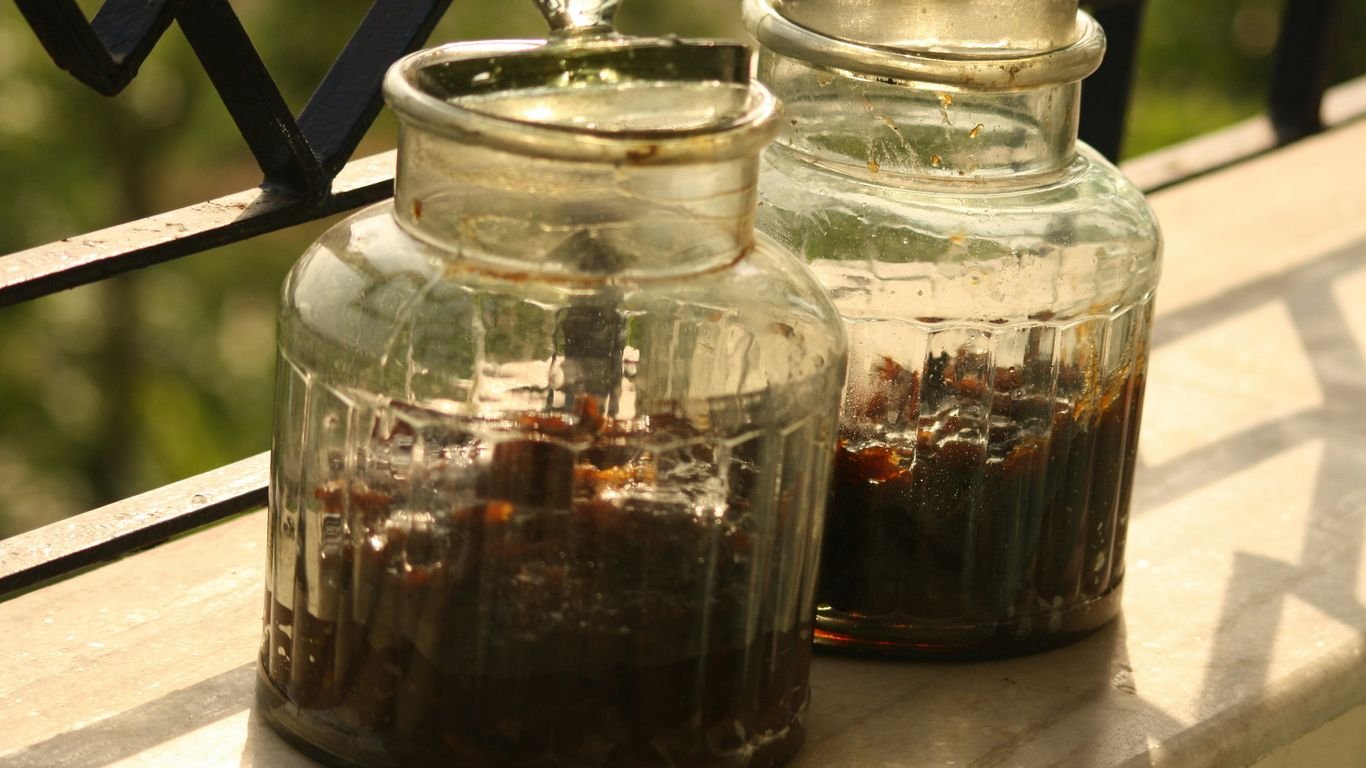
We’ve all seen those huge canning recipes that call for bushels of tomatoes or pounds of peaches. It can feel a bit overwhelming, especially if we’re just starting out or if we live alone or with just one other person. But what if we told you that you don’t need to commit to massive batches? Small batch canning is a fantastic way to preserve your favorite flavors without filling your pantry to the brim. It’s perfect for trying new things, making gifts, or just having a few jars of goodness on hand.
We get it. Sometimes the idea of canning feels like a huge undertaking, right? Recipes often call for enough ingredients to fill a dozen jars, and that can be pretty intimidating, especially if you’re just starting out or if you’re cooking for one or two people. That’s where small-batch canning comes in. It’s a fantastic way to enjoy the benefits of preserving without the overwhelming commitment of massive quantities. Think of it as dipping your toes into the canning pool instead of diving headfirst!
Canning in smaller batches means you can make just enough of something to last you a reasonable amount of time. Maybe you have a small garden, or perhaps you found a great deal on a few pounds of berries at the farmer’s market. Instead of feeling pressured to process a mountain of food, you can make a few jars of jam or pickles that you’ll actually get to enjoy before they’re old news. It’s also incredibly convenient for single folks or couples who might not go through a full quart of peaches every week. Plus, it takes way less time and effort, making it much more manageable for busy schedules.
Ever seen a recipe for something intriguing, like spicy peach jam or dill pickle chips, but hesitated because you weren’t sure if you’d really like it? Small-batch canning is your perfect testing ground. You can whip up just a few jars of a new creation. If you love it, great! You can make a bigger batch next time. If it’s not quite your cup of tea, you’re only out a few ingredients and a small amount of time, not a whole season’s worth of produce. This approach minimizes waste and maximizes your chances of discovering new favorite preserves.
Let’s be real, not everyone has a big family clamoring for jars of preserves. If you live alone, are part of a couple, or have kids who are picky eaters, canning large quantities might just lead to a pantry full of food you can’t get through. Small-batch canning lets you preserve the bounty without the pressure. You can make individual servings, which are great for lunches or quick snacks, or simply make smaller quantities of your family’s favorites. It’s about enjoying homemade goodness in a way that fits your life, not the other way around.
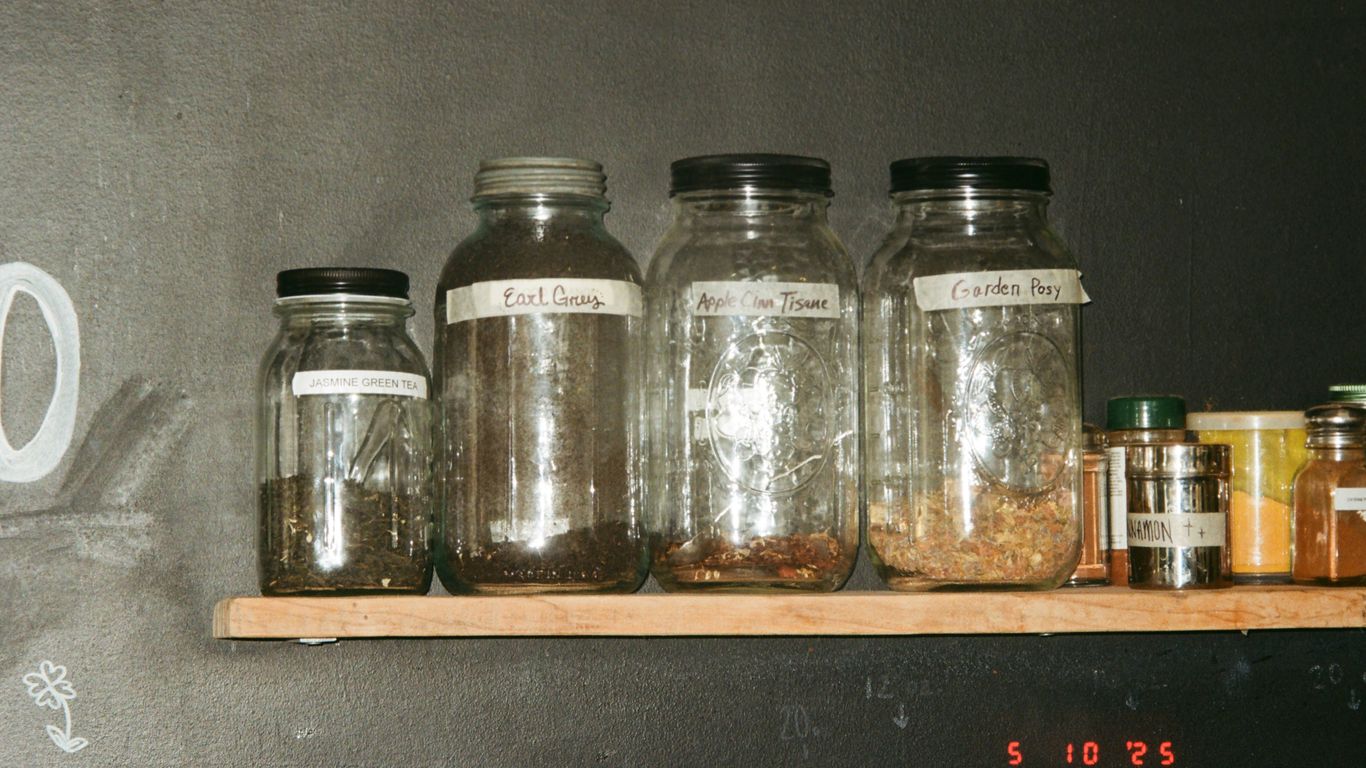
So, you’re ready to dip your toes into small-batch canning? We get it. Sometimes a full day of canning feels like a bit much, or maybe you’re just cooking for one or two. That’s where scaling down comes in, and it’s totally doable. We’re going to walk you through the basics so you can start preserving your favorite flavors without a mountain of jars.
Don’t worry, you don’t need a whole new set of specialized gear for small batches. Most of what you already have for regular canning will work just fine. The key is adapting it. For water bath canning, a smaller pot can actually be a lifesaver. You don’t need a giant stockpot if you’re only processing four half-pint jars. Just make sure your pot is deep enough to cover the jars by at least an inch of water, and that you have a rack to keep them from sitting directly on the pot’s bottom. For pressure canning, you’ll need a proper pressure canner, but you don’t need the biggest one on the market. A canner that holds at least four quart jars is sufficient for small loads.
This is where the magic happens. Most canning recipes are written for larger yields, like seven quarts. If you only have enough ingredients for, say, three quarts, you can absolutely still can them. The trick is to adjust the ingredient quantities proportionally. If a recipe calls for 4 cups of sugar for seven quarts of fruit, and you’re only making three quarts, you’d use about half that amount of sugar. For vegetables, the amount of salt per jar usually stays the same, you just need less boiling water to fill fewer jars. The most important thing to remember here is that processing times do not change based on batch size. Always stick to the time recommended for your jar size and altitude.
When you’re scaling down, keeping the original ingredient ratios is key, especially for things like syrups or pickling liquids. If a recipe calls for a specific ratio of vinegar to water for pickles, maintain that ratio even if you’re making a smaller amount. You’ll just make a smaller quantity of the liquid. For example, if the original recipe uses 2 cups of vinegar and 2 cups of water for a large batch, and you’re making half that amount, use 1 cup of vinegar and 1 cup of water. It’s often better to make a little extra syrup or pickling liquid than to run short. For fruits, you might need to estimate the amount of sugar syrup. If you think you have about half the fruit for the original recipe, make about half the syrup, maybe a tiny bit more just to be safe.
A common mistake beginners make is trying to shorten the processing time because they have fewer jars. This is a big no-no! The processing time is determined by the food type and jar size to ensure it’s heated through to a safe temperature, killing any potential spoilage organisms. Don’t cut corners here; your safety depends on it.
Here’s a quick rundown:
Water bath canning is a fantastic way to preserve high-acid foods like fruits, jams, pickles, and salsas. It’s a straightforward process, perfect for beginners, and especially convenient when you’re working with smaller quantities. We find it’s the most accessible method for getting started with home canning.
Forget about those massive, heavy pots that take up half your kitchen. For small-batch water bath canning, you can get by with much simpler equipment. A standard stockpot that can hold your jars with at least an inch or two of water covering them is usually sufficient. You’ll also need a rack for the bottom of the pot to keep the jars from sitting directly on the heat source. This could be a commercial canning rack, a few canning jar rings, or even a clean kitchen towel folded up. The key is to keep the jars stable and prevent them from rattling around.
When we think of water bath canning, fruits often come to mind first. Think about those beautiful berries or stone fruits that are in season. Instead of making a huge batch of jam that might sit around for ages, you can easily preserve a few jars of your favorite fruit. This is a great way to try out new flavor combinations or simply capture the taste of summer.
Here’s a basic idea for a small batch of strawberry jam:
Pickling is another area where small-batch water bath canning shines. Need to use up some cucumbers, carrots, or even some radishes? A small batch of pickles is the perfect solution. You can experiment with different spices and vinegars to create unique flavors. This method is fantastic for making condiments that add a zesty kick to sandwiches or charcuterie boards.
Remember, the acidity of your ingredients is what makes water bath canning safe for these types of foods. Always follow tested recipes and guidelines to ensure your preserves are shelf-stable and safe to eat.
For quick pickles, you’ll typically combine your vegetables with a brine made of vinegar, water, salt, and sugar, along with your chosen spices. Then, you’ll process them in the water bath canner. It’s a simple way to add a lot of flavor to your pantry without a lot of fuss.
When we think about pressure canning, it often brings to mind big batches of beans or hearty stews. But what if you’re just looking to preserve a smaller amount of low-acid food, like some garden vegetables or even a bit of meat? Don’t worry, you don’t need a giant canner to do it. We can absolutely adapt pressure canning for those smaller yields.
First off, let’s clear something up: you can’t use a regular stovetop pressure cooker for canning. They just don’t reach the consistent, high temperatures needed for safe preservation of low-acid foods. You need a dedicated pressure canner. The good news is, you don’t need the biggest one on the market. Many pressure canners are designed to hold anywhere from 4 to 7 quart jars. Even if you’re only canning two or three jars, a canner of this size works perfectly well. We’ve found that models like the Presto or All-American, which hold around 7 quarts, are great all-rounders for both small and larger batches.
So, you’ve got your pressure canner, but you only have, say, three jars of green beans. Can you still use it? Absolutely! You don’t have to fill your canner to the brim. Most manufacturers recommend a minimum load for safe operation. For pressure canning, this usually means at least 2 quart jars or 4 pint jars. If you find yourself with fewer jars than that minimum, don’t stress. Just add a couple of extra jars filled with water to the canner. This helps maintain the correct pressure and ensures your food is processed safely. It’s a simple trick that makes canning small amounts totally feasible.
Pressure canning is the go-to method for preserving low-acid foods, and that includes a lot of our favorite hearty options. Think about canning those extra carrots from the garden, some corn, or even a small batch of chicken or beef broth. You can also preserve cooked meats or stews. The key is always to follow a tested recipe and maintain the correct processing time and pressure for the specific food you’re canning, regardless of how many jars you’re filling. Remember, the processing time is based on the food type and jar size, not the quantity in the canner.
When pressure canning, always ensure your canner has at least 2-3 inches of water in the bottom before you start heating it. This water is what creates the steam needed to build pressure. Check your canner’s manual for the exact amount, but it’s a vital step for safe operation.
Now that we’ve got the basics down, let’s talk about the fun part: actually making some yummy things! Small-batch canning is perfect for trying out new flavors without committing to a huge batch that might go to waste if it’s not quite your cup of tea. We’ve gathered a few ideas to get your creative juices flowing.
Forget those giant jars of plain strawberry jam. With small-batch canning, you can get adventurous! Think Pineapple Basil Jam – it’s tropical, refreshing, and surprisingly easy to whip up. Or how about a Sweet and Spicy Habanero Pepper Jelly? It’s fantastic poured over a block of cream cheese for an instant appetizer that’ll wow your friends. It adds a sweet kick to BBQ sauce or even grits.
Remember, the beauty of small batches is experimentation. Don’t be afraid to tweak the spice levels or add other fruits to these base recipes. You might just invent your new favorite spread!
Sauces and condiments are where small-batch canning really shines. Imagine having your own homemade Bourbon BBQ Sauce, balanced with sweet and a hint of island spice. Or perhaps a zesty Pickled Red Onion, which adds a pop of color and flavor to tacos, sandwiches, or salads. These aren’t just tasty; they’re conversation starters!
Here are a few ideas to get you started:
Who says canning is just for sweet stuff? We can make savory spreads and dips too! Think about a homemade Pistachio Paste, which is way better and cheaper than store-bought, perfect for baking or adding to savory dishes. Or a fresh Basil Mint Pesto, bursting with garden flavor that’s miles better than anything from a jar. These small-batch wonders are great for personal use or as thoughtful gifts.
These recipes are just the beginning. The real joy is in adapting your favorite flavors into small, manageable batches. Happy canning!
We’ve covered why small-batch canning is a great idea and how to get started, but let’s talk about making sure your efforts pay off. Even with just a few jars, following some key tips will help you achieve perfectly preserved goodies every time.
This is probably the most important thing to remember: the processing time doesn’t change just because you have fewer jars. Whether you’re filling a big canner or just a couple of jars, the time needed for the heat to penetrate and kill any nasties stays the same. So, if a recipe calls for 20 minutes of processing, that’s what you stick to, no matter if you have 7 jars or just 2. It might feel like overkill for a small batch, but it’s non-negotiable for safety. You can find tested recipes in resources like Ball’s Blue Book of Preserving.
Sometimes, you might have a recipe that only has processing instructions for quart jars, but you want to use pint or even half-pint jars for single servings. That’s usually fine! You can process in smaller jars, but you must use the processing time recommended for the next larger jar size. For example, if you’re canning carrots in half-pint jars and the recipe only lists times for pints, you’ll process them as if they were pints. This just means they might get a little softer, but they’ll be safe. You can’t go the other way, though – you can’t use a larger jar than the recipe specifies unless there are specific instructions for it.
Dealing with hot liquids and syrups can be a bit messy, especially when you’re only filling a few jars. We’ve found a simple trick that makes pouring much cleaner and easier. Instead of trying to ladle hot syrup or water directly from a large pot, use a tea kettle! Heat your syrup, pickling liquid, or plain water in a tea kettle. The spout makes it incredibly easy to fill your jars precisely, minimizing spills and drips. It’s a small change, but it makes a big difference in the tidiness of your canning process.
When scaling down recipes, always keep the original ingredient ratios the same. Adjusting these can affect the acidity and safety of your preserves. Stick to tested recipes and follow their guidelines closely, even for small batches.
So there you have it! We’ve seen how small-batch canning is a totally doable way to preserve food, even if you’re just cooking for one or two. It cuts down on waste, lets you try out new recipes without committing a ton of ingredients, and honestly, it just feels good to have those little jars lined up. Don’t be afraid to scale down those recipes you’ve been eyeing. Remember, the processing times stay the same, but you get all the benefits of homemade goodness in manageable portions. Happy canning, everyone!
Small batch canning is great because it lets us try new recipes without making a ton of food. It’s perfect if we live alone or with just one other person, and it means we don’t end up with too many jars of something we might not love. Plus, it’s quicker!
For water bath canning, we can use smaller pots, but for pressure canning, we still need a proper pressure canner. It doesn’t have to be the biggest one, though. Just make sure it can hold at least four pint jars.
We can usually cut recipes in half, but we need to be careful with ingredient amounts, especially for things like sugar syrup. The most important thing is that the cooking time stays the same, no matter how much we’re making.
That’s okay! For pressure canning, we can do a partial load. If we don’t have enough jars, we can add a couple of jars filled with water to meet the minimum requirement. For water bath canning, smaller pots work well for fewer jars.
It’s best to stick to tested recipes for canning. Making up our own recipes can be risky because we need to be sure about things like acidity to prevent spoilage. We should always use recipes designed for canning.
We can start with simple fruit preserves like jams or quick pickled vegetables. Sauces, like a basic tomato sauce or a tangy BBQ sauce, are also great options. Even simple spreads can be a fun way to begin.
 March 7, 2026
How to Turn Food Preservation Into a Side Hustle
Canning
Homestead Kitchen
Homesteading
Sustainable Living
March 7, 2026
How to Turn Food Preservation Into a Side Hustle
Canning
Homestead Kitchen
Homesteading
Sustainable Living
We've all got those hobbies or skills that we love doing, right? Maybe it's baking, gardening, or even making your own jam. What if we told you that you could turn those passions into a little extra cash? It might...
Read More March 2, 2026
The Ultimate Pantry Staples List for Homesteaders
Homestead Kitchen
Homesteading
Starting a Homestead
March 2, 2026
The Ultimate Pantry Staples List for Homesteaders
Homestead Kitchen
Homesteading
Starting a Homestead
Getting our homestead pantry staples in order feels like a big job, but it doesn't have to be. We've learned that a well-stocked pantry is more about having the right basics on hand than filling every shelf. It’s about building...
Read More February 27, 2026
How to Preserve Herbs for a Full Year
Canning
Homestead Kitchen
Homesteading
Sustainable Living
February 27, 2026
How to Preserve Herbs for a Full Year
Canning
Homestead Kitchen
Homesteading
Sustainable Living
We all love having fresh herbs from the garden, but what happens when the season ends? It’s a bummer, right? Well, we’ve found that there are tons of simple ways to preserve herbs so we can enjoy their flavor all...
Read More