


We all want a great tomato harvest each year, right? Sometimes, though, what we plant next to our tomatoes can make a big difference. Some plants are like best friends, helping each other out, while others just cause trouble. We’ve been doing some gardening, and let me tell you, figuring out the best tomato companion plants can feel like a puzzle. We want to share what we’ve learned about which plants help our tomatoes thrive and which ones we should keep far away. It’s all about making our gardens work smarter, not harder.
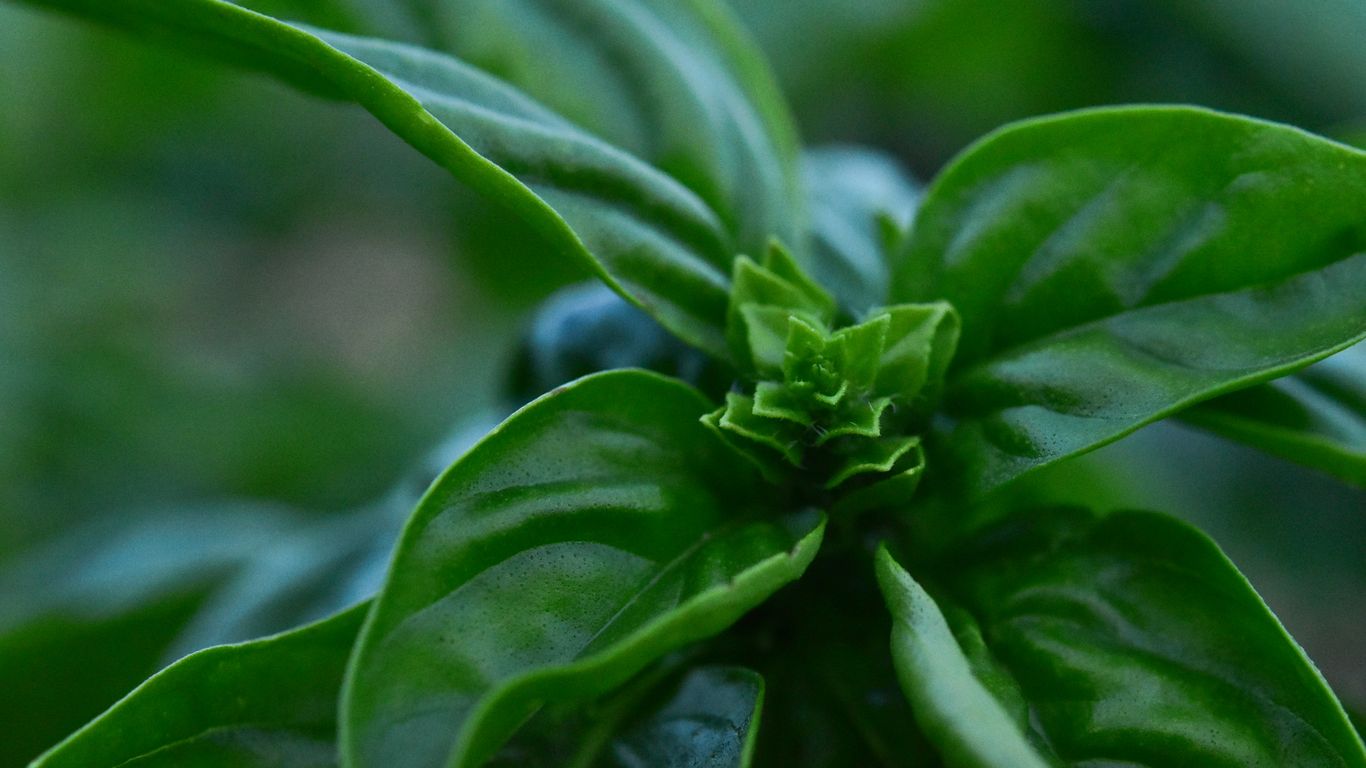
We absolutely love planting basil alongside our tomatoes. It’s not just because we enjoy the fresh pesto it provides later in the season, though that’s a definite perk! Basil has this amazing ability to attract beneficial insects like lacewings, which are fantastic at keeping aphid populations in check. Plus, some gardeners swear that basil actually improves the flavor of tomatoes, though the science on that is still out. What we do know is that basil’s compact growth habit means it won’t hog space or sunlight from our sprawling tomato plants. It’s a win-win for pest control and garden aesthetics.
Here’s why basil is a top pick:
Planting basil near your tomatoes is a simple yet effective way to boost your harvest and keep your plants healthier. It’s one of those easy companion planting wins that makes a real difference in the garden.
We find that companion planting with basil is a great way to get more out of your tomato plants and keep them looking their best throughout the growing season.
We love marigolds in the garden, and not just because they add a cheerful splash of color. These flowers are seriously good for your tomatoes. They have this strong scent that bugs just don’t like, which helps keep away common tomato pests like aphids and whiteflies. Plus, they’re known to help clean up the soil by releasing compounds that can fight off bad stuff in the dirt and encourage the good microbes.
Marigolds are a fantastic all-around companion for tomatoes, helping with both pest control and soil health.
Here’s why we think they’re a winner:
Planting marigolds around your tomato plants is a simple way to get a healthier garden and potentially a bigger harvest without a lot of extra work. They really do make a difference.
We love garlic for so many reasons in the garden, and it turns out tomatoes do too! This pungent member of the allium family is a powerhouse when it comes to keeping unwanted visitors away. Its strong scent and compounds like allicin are fantastic at deterring common tomato pests such as aphids and spider mites. Plus, garlic doesn’t take up a lot of space, so tucking it around the edges of your tomato beds creates a natural, protective border.
Beyond just pest control, garlic offers some serious health benefits for our tomato plants. Its natural antimicrobial and antifungal properties can help ward off soil-borne diseases, including blight and fusarium wilt. It’s like giving your tomatoes a little immune system boost from the ground up.
Here’s why we think garlic is a great buddy for tomatoes:
Planting garlic near tomatoes is a simple yet effective way to boost your plants’ defenses and potentially increase your yield. It’s a win-win for both plants and for us gardeners!
We’ve found that lettuce and tomatoes can actually be pretty good garden buddies. Think of it this way: when our tomato plants get big and bushy, they naturally cast a bit of shade. This is perfect for lettuce, which can get a bit fussy in the full sun and tend to bolt (go to seed) too quickly when it’s hot. So, the tomatoes help keep the lettuce cool and happy.
In return, the lettuce acts like a living mulch around the base of the tomato plants. This ground cover helps keep the soil moist by reducing evaporation and also does a decent job of suppressing weeds. It’s a real win-win situation where both plants benefit from the other’s presence without really competing for resources. We usually plant rows of lettuce around the edges of our tomato beds, and it works out great.
Here’s a quick rundown of why we like this pairing:
We’ve noticed that this combination really helps us make the most of our garden space, especially in smaller plots. It’s a simple pairing that yields good results with minimal fuss.
Nasturtiums are such a cheerful addition to any garden, and they do a lot of good work alongside our tomato plants. We love them because they’re pretty, edible, and they can actually help keep pests away from our tomatoes. They work as a trap crop, meaning they attract pests like aphids and whiteflies to themselves, drawing them away from the more vulnerable tomato plants. This can really cut down on the damage those little critters can do.
Beyond just being a distraction for pests, nasturtiums also bring in the good bugs. Pollinators love their bright flowers, and hoverflies, which are great aphid predators, are drawn to them too. So, you get more bees and more pest control just by having these pretty flowers around.
Here’s a quick rundown of what nasturtiums bring to the tomato party:
We’ve found that planting nasturtiums around the edges of our tomato beds or letting them trail a bit at the base works wonders. They don’t take up too much space and seem to thrive in similar conditions to tomatoes, making them an easy choice for companion planting.
Plus, if you’re feeling adventurous, you can even pickle their seed pods as a caper substitute. It’s a win-win for beauty, taste, and garden health!
We like to tuck chives around the edges of our tomato beds. These little guys are part of the onion family, and their distinct smell seems to really put off pests like aphids and those pesky nematodes. Plus, when they decide to bloom, their pretty little purple flowers are a big hit with pollinators like bees and butterflies, which is always a good thing for our garden.
They’re super low-maintenance and can handle pretty much any weather we throw at them.
Here’s a quick rundown of why we like them:
Chives are a simple addition that offers a lot of benefits without taking up much space or demanding a lot of attention. They just kind of do their thing, looking good and keeping the bad guys away.
We’ve found that asparagus and tomatoes have a pretty neat relationship in the garden. Asparagus actually releases a compound that’s toxic to root-knot nematodes, which are tiny pests that can really mess with tomato plants, causing them to wilt and stunt their growth. So, by planting asparagus nearby, we’re giving our tomatoes a bit of natural protection against these soil-dwelling troublemakers. Plus, asparagus produces a natural fungicide that can help ward off early blight and botrytis, common tomato diseases. It’s a win-win because tomatoes also help asparagus by producing solanine, a compound that repels the asparagus beetle. It’s a fantastic symbiotic pairing that benefits both plants.
Here’s a quick rundown of why they work well together:
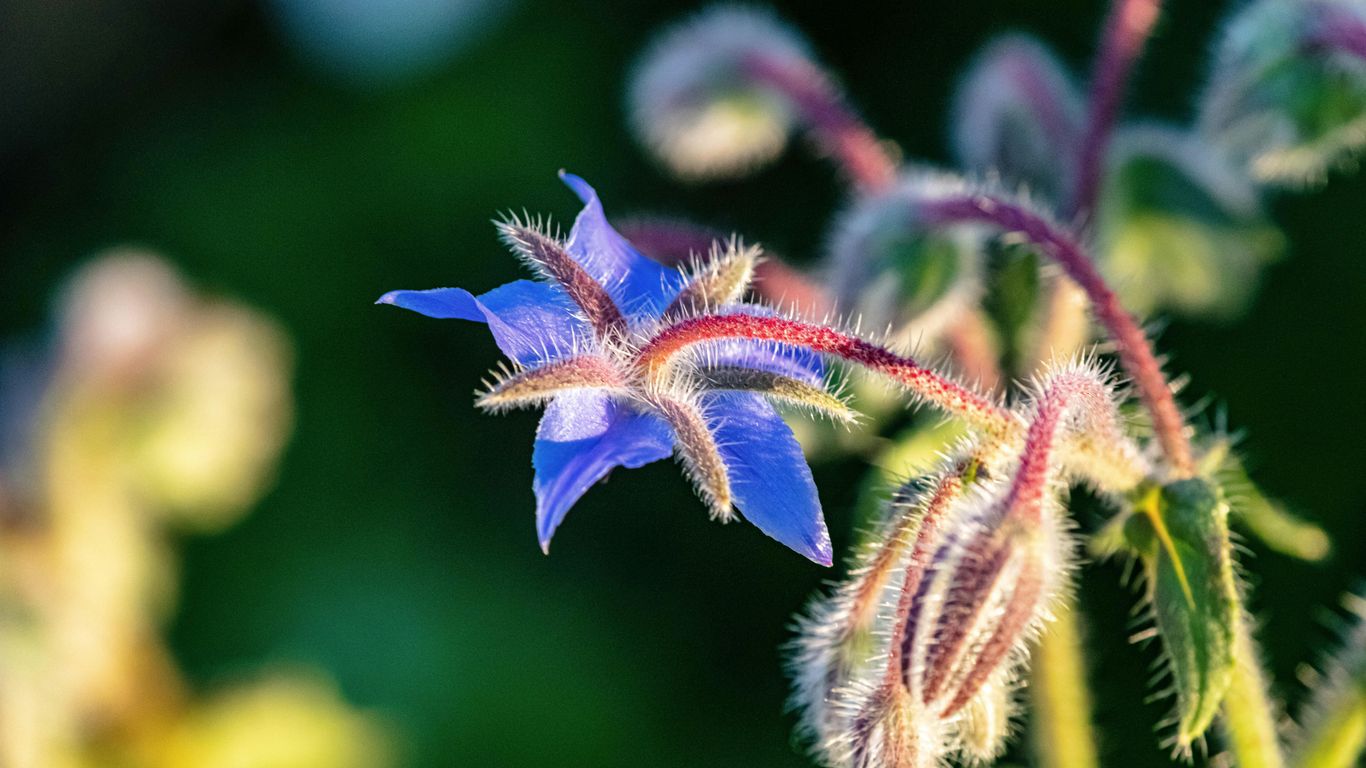
We love borage for a bunch of reasons when it comes to our tomato patch. This plant is a real friend to beneficial insects, especially bees. Its pretty, star-shaped blue flowers are like a beacon for pollinators, and more pollinators mean better fruit set for our tomatoes. Plus, borage is said to improve the overall health and growth of tomato plants. It’s a pretty easy-going plant, too, and doesn’t take up a ton of space. We find that letting it grow near our tomatoes just makes sense for a healthier garden.
Borage is known to attract bees and other beneficial insects, which is a big plus for tomato pollination. It’s thought to improve the growth and health of tomato plants. We’ve found it to be a simple addition that yields good results.
Borage is a fantastic plant to have around if you want to encourage more pollinators to visit your garden. Its flowers are a favorite among bees, and this increased activity can lead to a better yield from your tomato plants. It’s a simple way to support the ecosystem in your backyard.
We also like that borage can act as a bit of a living mulch, helping to keep the soil around our tomatoes a little more moist and suppressing weeds. It’s a win-win situation: we get more pollinators, healthier tomatoes, and less weeding to do. It’s definitely one of those companion plants that we wouldn’t want to be without in our tomato garden.
We often think of carrots as just a root vegetable, but they can actually be a pretty decent companion for our tomatoes. When we plant carrots near tomatoes, their roots help to gently break up and aerate the soil. This can make it easier for the tomato roots to spread out and get the nutrients and water they need. It’s a subtle benefit, but every little bit helps when we’re aiming for a big harvest.
Shorter carrot varieties tend to be the best choice here. The really long ones might struggle to reach their full potential because the tomato plants can take up a lot of space and resources. Plus, you get a bonus harvest of carrots! It’s a win-win situation for us gardeners.
While the direct benefits of carrots for tomatoes aren’t as dramatic as some other companions, they don’t cause any harm and can even offer a slight improvement to soil structure. It’s a low-risk, potentially low-reward pairing that fits well into a diverse garden ecosystem.
Here’s a quick look at why they work (or don’t):
It’s worth noting that the science behind companion planting isn’t always super clear-cut, and sometimes the benefits are more about creating a diverse garden than a direct, measurable boost for one specific plant. You can read more about the general idea of companion planting to get a better sense of the principles involved.
We love lavender in the garden, not just for its calming scent but also because it’s a fantastic friend to our tomato plants. Those beautiful purple blooms are like a beacon for bumblebees, and when those bees buzz around our tomatoes, they help shake loose the pollen needed for fruit to set. It’s a win-win for pollination!
Beyond attracting the good bugs, lavender’s strong, sweet fragrance seems to confuse or deter some of the less desirable visitors, like flea beetles and those pesky nematodes that can mess with our tomato roots. Plus, lavender likes it dry and sandy, which is quite different from what tomatoes prefer, so we often plant it in pots nearby. This way, it gets the conditions it needs without competing with the tomatoes for moisture.
Here’s a quick rundown of why lavender is a good neighbor:
While lavender thrives in well-drained, even dry soil, tomatoes need consistent moisture. Planting lavender in containers placed near your tomato beds allows both plants to get the conditions they need to flourish without competing for resources in the same soil patch.
So, if you’re looking for a plant that adds beauty, fragrance, and practical benefits to your tomato patch, lavender is definitely worth considering. We find it really helps round out our garden ecosystem.
We often see sunflowers as cheerful, towering giants in the garden, and while they do attract pollinators, they aren’t the best neighbors for our beloved tomato plants. Their massive root systems are quite thirsty and hungry, meaning they’ll compete fiercely with tomatoes for water and nutrients in the soil. This competition can really stunt the growth of your tomatoes, leaving them struggling to get the resources they need. Plus, those big, beautiful sunflower heads can cast a pretty significant shadow, blocking much-needed sunlight from your tomato plants, especially as they grow taller. It’s generally best to give sunflowers their own space, a good few feet away from your tomato patch.
While they might look pretty together, the reality is that sunflowers can actually draw pests like aphids and certain beetles, which can then easily hop over to your tomato plants. If you’re looking to attract beneficial insects, there are other flowers that do a better job without the competitive drawbacks. For instance, planting sunflowers a bit further away might help them act as a trap crop for some pests, drawing them away from the tomatoes, but interplanting them directly is usually a bad idea. We want our tomatoes to thrive, not fight for survival against their towering neighbors. Consider planting them in a separate area of the garden to maximize your tomato harvest and keep them healthy. You can find more information on companion planting strategies to help your garden flourish here.
We love zinnias in the garden, and it turns out tomatoes do too! These cheerful, colorful flowers are like a beacon for all sorts of beneficial insects. Bees, butterflies, and even some predatory wasps are drawn to their vibrant blooms. Planting zinnias near your tomatoes can significantly boost pollination, which means more tomatoes for us! They come in a wild array of colors – pinks, reds, oranges, yellows, purples – really adding a pop to the landscape. Plus, they’re super easy to grow from seed, making them a no-fuss addition. We find they do best when planted a little distance away from the tomato plants, perhaps at the edge of the garden bed, so they don’t compete too much for resources but still offer their pollinator-attracting benefits. They’re a fantastic way to bring more life into our garden ecosystem and help our tomato harvest along.
Here’s why we like them:
Zinnias are a great choice for gardeners looking to attract beneficial insects and add a splash of color. Their ability to draw in pollinators is a real plus for fruiting plants like tomatoes.
We’ve found that zinnias are pretty low-maintenance once they get going. Just make sure they get plenty of sun, and they’ll reward us with blooms all summer long. It’s a simple swap that makes a noticeable difference in the garden’s overall health and productivity. For more on attracting pollinators, check out this info on companion planting.
We love tucking sweet alyssum around our tomato plants. This little ground cover is a real workhorse in the garden. Its tiny, sweet-smelling flowers might seem insignificant, but they pack a punch when it comes to attracting beneficial insects. Specifically, they draw in predatory wasps and hoverflies. These little helpers are fantastic at munching on pests like aphids and other small, soft-bodied insects that might try to make a meal of our precious tomatoes.
It’s a great choice for filling in the gaps around your tomato plants, whether they’re in the ground or in containers.
Here’s why we like it:
While it’s not a plant that directly improves tomato flavor or growth, its role in natural pest control is a huge win for us. It’s low-growing and won’t compete with the tomatoes for sunlight or nutrients, making it a truly harmonious companion.
We like to tuck thyme around our tomato plants, especially in containers. This little herb is a powerhouse when it comes to pest control. Its essential oils are known to deter a whole host of unwanted visitors like ants, aphids, armyworms, grasshoppers, leafhoppers, and even wireworms. Plus, its tiny blooms are a magnet for beneficial insects, including pollinators and those helpful parasitic wasps that take care of hornworms.
Thyme is a low-growing, fragrant herb that comes in many varieties, some even with a citrusy scent. It doesn’t take up much space, making it perfect for interplanting or growing in pots alongside your tomatoes. We find it works best when planted in pots near tomatoes because thyme prefers drier soil conditions than tomatoes typically like. This way, we get all the benefits without stressing either plant.
It’s a fantastic choice for organic pest control and attracting good bugs.
Here’s a quick rundown of what thyme brings to the tomato party:
We’ve found that companion planting, like pairing tomatoes with herbs such as thyme, can really make a difference in the overall health of our garden. It’s all about creating a balanced ecosystem where plants help each other thrive, leading to better yields and fewer pest problems. It’s a simple way to improve your garden’s ecosystem.
When choosing thyme, consider varieties like lemon thyme or creeping thyme for a nice ground cover effect around your tomato plants. Just remember to give it well-draining soil and don’t overwater it, as it prefers to dry out between waterings.
We like to think of crimson clover as a garden superhero, especially when it comes to tomatoes. It’s a fantastic living mulch, meaning it grows right alongside your tomatoes, suppressing weeds and keeping the soil moist. But its real magic happens when we’re done with it for the season. We can till it right into the soil, and it works wonders by replenishing nitrogen that tomatoes love to gobble up. It’s a staple in permaculture for a reason!
Here’s why we’re fans:
Crimson clover is a cover crop that truly gives back to the soil. It’s a simple way to improve your garden’s fertility naturally, making it a win-win for both your tomatoes and the environment.
We generally think of corn and tomatoes as classic summer garden buddies, but when it comes to planting them close together, it’s actually not the best idea. They share a few common pests, like the dreaded tomato hornworm and the corn earworm, which can easily hop from one plant to the next. This means if one gets infested, the other is likely to follow.
Beyond pests, both corn and tomatoes are pretty hungry plants. They really go after the same nutrients in the soil, especially nitrogen and phosphorus. This competition can leave both of them feeling a bit depleted, leading to smaller harvests. Plus, tall corn stalks can end up shading out your tomato plants, blocking the sunlight they need to really thrive. It’s probably best to give these two a bit of space from each other in the garden.
So, eggplant and tomatoes. They’re in the same family, the nightshade family, which means they have pretty similar needs. You’d think they’d be best buds, right? Well, not exactly. While they share some requirements, planting them too close can actually cause problems for both.
The main issue is competition for nutrients. Both eggplant and tomatoes are hungry plants, and they both really like nitrogen. When they’re planted side-by-side, they end up fighting over that nitrogen, and neither plant gets enough to really thrive. This can lead to smaller plants and, you guessed it, a smaller harvest.
Another thing to consider is disease. Eggplants are particularly prone to blight, and if your tomatoes are nearby, they become more susceptible to it too. It’s like they’re sharing their vulnerabilities. Plus, tomatoes tend to grow taller, and eggplants don’t appreciate being shaded out. We want our eggplants to get plenty of sun, not be stuck in the shadow of their taller cousins.
Because of these issues, it’s generally best to give your eggplants some space from your tomatoes. Think of it as giving them their own little zones to grow without competing or sharing diseases. If you’re looking for good neighbors for your eggplant, consider planting them near beans or other plants that don’t compete as heavily for nutrients. You can find more information on companion planting for eggplant to help you plan your garden layout.
When it comes to planting peppers alongside tomatoes, we generally advise against it. Both peppers and tomatoes are part of the nightshade family, which means they share a lot of the same vulnerabilities. This includes attracting the same pests, like the notorious tomato hornworm, and being susceptible to similar diseases, such as blight. If these issues pop up, they can quickly spread and decimate both your pepper and tomato crops.
Beyond pests and diseases, they’re also both pretty hungry plants. They compete fiercely for nutrients in the soil, especially nitrogen and phosphorus. This competition can lead to stunted growth and lower yields for both. It’s a classic case of two plants wanting the same resources, and neither ends up getting enough. While tomatoes are excellent companion plants for bell peppers, it’s best to keep other types of peppers separate from your tomatoes. We’ve found that giving them their own space, or planting them in different areas of the garden, really helps them both thrive.
Planting peppers and tomatoes too close together is a recipe for shared pest problems and nutrient competition. It’s better to give them some breathing room to ensure a healthier harvest for both.
Consider planting peppers with plants that don’t share these same issues. For instance, basil or marigolds can be great companions for peppers, offering protection from pests without competing for the same resources or attracting the same problems. This way, you can enjoy a bountiful harvest of both your favorite tomatoes and your spicy peppers without the added garden drama.
We’ve got a bit of a mixed bag when it comes to beans and tomatoes. On one hand, beans are fantastic nitrogen fixers. This means they actually add nitrogen back into the soil, which is a nutrient tomatoes absolutely love. So, in theory, planting them together sounds like a win-win, right? They help each other out!
However, there’s a catch, and it’s a pretty big one. Both beans and tomatoes can be susceptible to some of the same garden baddies, like certain fungal diseases and pests. If one gets sick, the other is likely to follow. Plus, some types of beans, especially pole beans, can get pretty wild and tangled, potentially crowding out your tomato plants and messing with airflow. We want our tomatoes to have plenty of room to breathe and soak up the sun, not be choked out by a runaway bean vine.
So, while the nitrogen-fixing part is great, we need to be smart about it. It’s probably best to give them a little space. Maybe plant your beans a bit away from your main tomato patch. This way, you can still get the benefit of the nitrogen they add to the soil over time without risking a shared pest or disease outbreak. It’s all about finding that balance in the garden, you know?
Here’s a quick rundown:
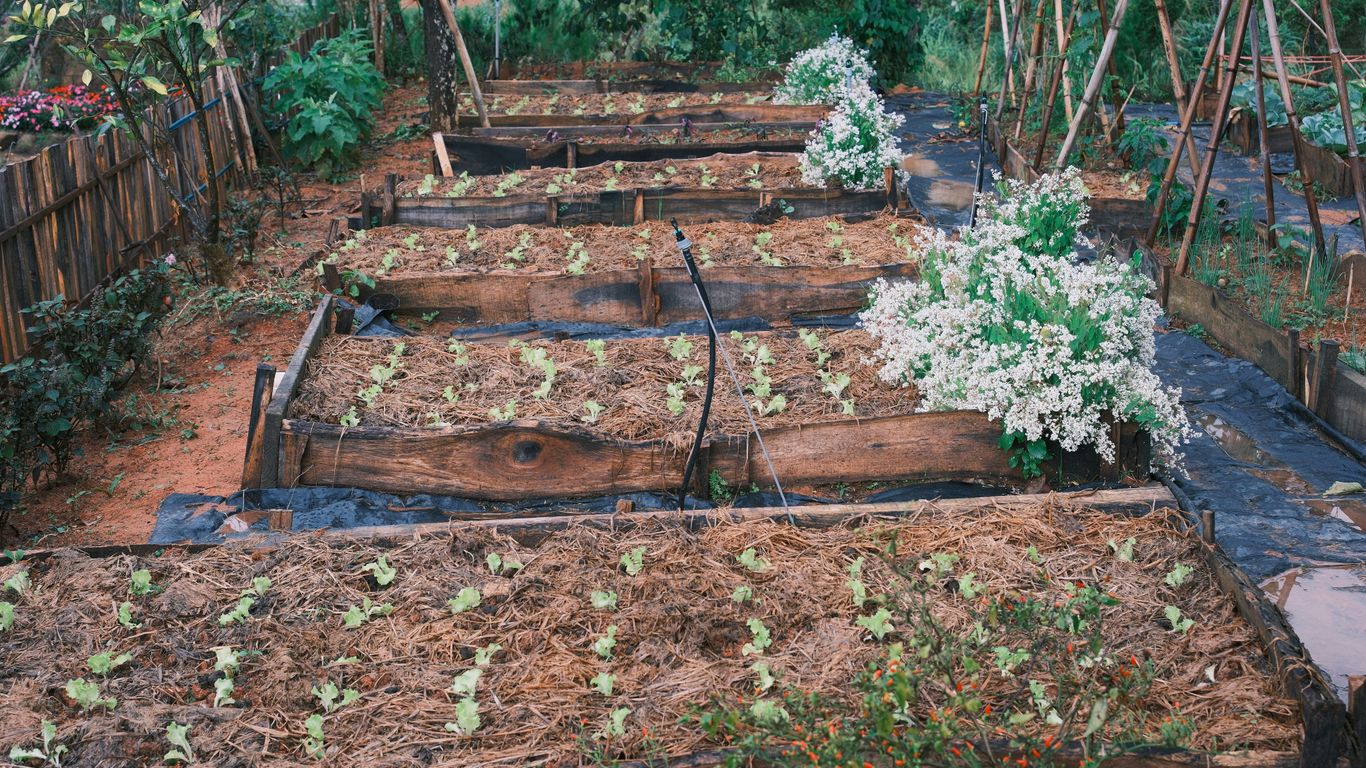
We often think of peas as beneficial because they’re legumes and fix nitrogen in the soil, which sounds great for tomatoes, right? Well, it’s not quite that simple. While peas do add nitrogen, tomatoes don’t always appreciate a sudden nitrogen boost, especially when they’re young. Too much nitrogen can actually encourage leafy growth at the expense of fruit production. Plus, the vining nature of many pea varieties can get tangled up with tomato cages or stakes, making harvesting a bit of a wrestling match. They also share some susceptibility to diseases like fusarium wilt and powdery mildew, so planting them too close could mean trouble if one of those diseases shows up.
It’s generally better to keep peas and tomatoes in separate areas of the garden.
Here’s a quick rundown:
While the idea of nitrogen-fixing peas helping tomatoes is appealing, the reality is that the potential downsides often outweigh the benefits for tomato health and yield. We prefer to give our tomatoes their own space to thrive without the competition or potential disease spread from peas.
When it comes to zucchini and tomatoes, we often think of them as summer garden staples that go great together on a plate. However, in the garden, they’re not exactly best friends. Both plants are pretty hungry and can really compete for nutrients in the soil. Zucchini plants are also known for being quite thirsty, and they can hog the water, which isn’t ideal for tomatoes that prefer things a bit drier.
Plus, zucchini can get really big and spread out, potentially shading your tomato plants and blocking out that much-needed sun. If you’re set on growing both, give them plenty of space. It’s best to plant them at least 24-36 inches apart, especially if you’re growing bush varieties of tomatoes and zucchini. This separation helps reduce competition for resources and allows for better air circulation, which can prevent some common garden diseases.
We’ve found that keeping zucchini a good distance away from our tomatoes really makes a difference in how well both crops produce. It seems like they just do better when they aren’t right on top of each other, fighting for the same space and food.
Here’s a quick rundown of why they aren’t the best pairing:
We generally try to keep our pumpkins and tomatoes separate in the garden, and here’s why. While they might seem like they’d get along, these two can actually cause problems for each other. For starters, they’re both pretty hungry plants, meaning they’ll duke it out for the same nutrients in the soil. This competition can lead to weaker plants for both tomatoes and pumpkins, and nobody wants that.
Beyond just competing for food, they can also attract some of the same pests. Think about it – if a pest likes both tomatoes and pumpkins, planting them close together is like rolling out the welcome mat for an infestation. It just gives those little critters more options and makes it harder for us to keep them under control. Plus, pumpkins can get pretty big and sprawling, and we don’t want them shading out our precious tomato plants or getting tangled up in their supports.
It’s best to give pumpkins their own space to spread out and do their thing, away from the tomato patch. This way, both plants can get the resources they need without fighting each other.
So, while the idea of a pumpkin patch next to your tomato plants might sound picturesque, it’s usually better for everyone involved if they have their own dedicated spots in the garden. This helps ensure healthier plants and, hopefully, a much bigger harvest for both.
When it comes to planting melons near your tomatoes, we generally steer clear. Both melons and tomatoes are pretty hungry plants, meaning they’ll duke it out for nutrients in the soil. This competition can lead to smaller yields for both crops, which is the last thing we want when we’re aiming for a big harvest.
Beyond just competing for food, melons can also attract some of the same pests that love tomatoes, like aphids and spider mites. It’s like rolling out the welcome mat for every bug in the neighborhood! Plus, some melon varieties can get quite large and spread out, potentially shading your tomato plants and blocking much-needed sunlight. We want our tomatoes to soak up those rays, not be hidden away.
While the idea of a melon patch next to your tomato plants might sound appealing for convenience, it’s usually best to give them their own space. This separation helps prevent nutrient depletion and reduces the chances of pests spreading between the two.
If you’re set on planting melons, consider giving them a dedicated spot away from your tomatoes. This way, both plants can thrive without competing or attracting unwanted guests. We’ve found that keeping them separate is the simplest way to ensure healthy plants and a bountiful harvest for both.
When we think about herbs that go well with tomatoes, rosemary often pops into our minds. It’s a fragrant, woody plant that many of us enjoy in cooking. However, when it comes to companion planting with tomatoes, rosemary isn’t the best choice. The main issue is their differing needs for water and soil conditions. Tomatoes are thirsty plants that need consistent moisture and rich soil to produce all those juicy fruits. Rosemary, on the other hand, prefers it drier and doesn’t need a lot of nutrients. Planting them too close together means one plant’s ideal conditions could stress the other.
Think about it: you’re trying to keep the soil moist for your tomatoes, but rosemary is sitting there, getting a bit too wet for its liking. This can lead to root rot for the rosemary and might not be ideal for the tomatoes either if the soil stays soggy for too long. Plus, rosemary can get quite large, and its sprawling nature might end up shading out the tomato plants, which definitely need full sun to really thrive.
While some sources might suggest herbs from the mint family, including rosemary, can be good companions because they repel pests and attract beneficial insects, the conflicting water and soil needs are a significant drawback for tomatoes. It’s generally better to grow rosemary in its own pot or a separate, drier part of the garden.
Here’s a quick rundown of why it’s not a top pick:
So, while we love rosemary for our roasted potatoes, it’s probably best to keep it away from our tomato patch.
So, we’ve talked a lot about what plants to plant with your tomatoes and what plants to keep far, far away. But what about other common garden dwellers? It’s a good question, and the answer is, well, it depends!
We’ve already covered some of the big ones like corn, eggplant, peppers, beans, peas, zucchini, pumpkin, and melons. Generally, these larger plants can be competitive for nutrients and space, and some share pests or diseases with tomatoes. It’s usually best to give them their own patch of the garden.
Remember, companion planting isn’t an exact science. What works in one garden might not work in another. It’s all about observation and experimentation!
Think about what your tomatoes need. They’re hungry plants, and they like good soil and plenty of sun. So, when you’re planning your garden layout, consider plants that can either help with soil health, deter pests, or are just generally low-maintenance and won’t compete too much. Herbs like rosemary and thyme, or flowers like zinnias and sunflowers, often fit this bill nicely. They add beauty and can bring in beneficial insects without causing too much drama for your tomato plants. We’ve covered many of these already, but it’s worth reiterating that a diverse garden is usually a healthy garden.
So, there you have it! We’ve gone over which plants are total garden buddies for your tomatoes and which ones you should probably keep on the other side of the yard. It might seem like a lot to remember, but honestly, a little planning goes a long way. By picking the right neighbors for your tomato plants, we can help them stay healthy, fight off bugs, and give us the best possible harvest. It’s all about creating a happy little ecosystem right in our own backyards. Happy gardening, everyone!
Companion planting is a cool gardening trick where we put different types of plants together on purpose. The idea is that some plants help their neighbors grow better, stay healthier, or keep bugs away, while others might cause problems. It’s like creating a little neighborhood in our garden where everyone gets along and helps each other out.
We use companion plants with tomatoes to give them a helping hand! Some plants can actually scare away pests that love to munch on tomatoes, like hornworms or aphids. Others can help prevent yucky diseases, make our tomatoes taste even better, or even help the soil stay healthy. It’s all about making our tomato harvest the best it can be.
Yes, for sure! Some plants just don’t play well with tomatoes. For example, planting corn too close can mean they both get the same bugs and fight over food. We also want to keep things like eggplant and peppers a bit separate because they can attract similar pests and diseases that tomatoes are also vulnerable to.
We’ve found that basil is a superstar companion for tomatoes! It helps keep pests away and can even make tomatoes taste better. Marigolds are also fantastic because they can fight off tiny worms in the soil and add a splash of color. Garlic and chives are great for deterring bugs with their strong smells.
Absolutely! Flowers like marigolds and sunflowers are wonderful companions. They bring in helpful insects like bees and butterflies that help pollinate our tomato flowers, leading to more fruit. Plus, some flowers, like nasturtiums, can even act as a decoy, attracting pests away from our precious tomatoes.
We believe it can make a significant difference! By choosing the right plant buddies, we can reduce the chances of pests and diseases taking over, which means fewer problems for our tomato plants. Healthier plants usually mean a bigger and better harvest for us to enjoy. It’s a simple way to boost our gardening success.
 March 7, 2026
High-Output Crops Perfect for Micro Homesteads
Gardening
Homestead Planning
Homesteading
Starting a Homestead
March 7, 2026
High-Output Crops Perfect for Micro Homesteads
Gardening
Homestead Planning
Homesteading
Starting a Homestead
Thinking about growing your own food but only have a little space? We get it. Many of us are looking for ways to be more self-sufficient, even if we don't have acres to work with. The good news is, you...
Read More March 5, 2026
How to Grow a Medicinal Herb Garden for Beginners
Gardening
Homesteading
Natural Fertilizers
Sustainable Living
March 5, 2026
How to Grow a Medicinal Herb Garden for Beginners
Gardening
Homesteading
Natural Fertilizers
Sustainable Living
We're excited to share how we got started with our own medicinal herb garden. It felt a bit overwhelming at first, but we learned that taking it step-by-step makes it totally doable. Growing our own healing plants has been so...
Read MoreWe love the charm and character that a hobby farm look brings to our outdoor spaces. It feels so welcoming and down-to-earth. If you're looking to capture that same vibe on your own property, we've gathered some simple and pretty...
Read More