



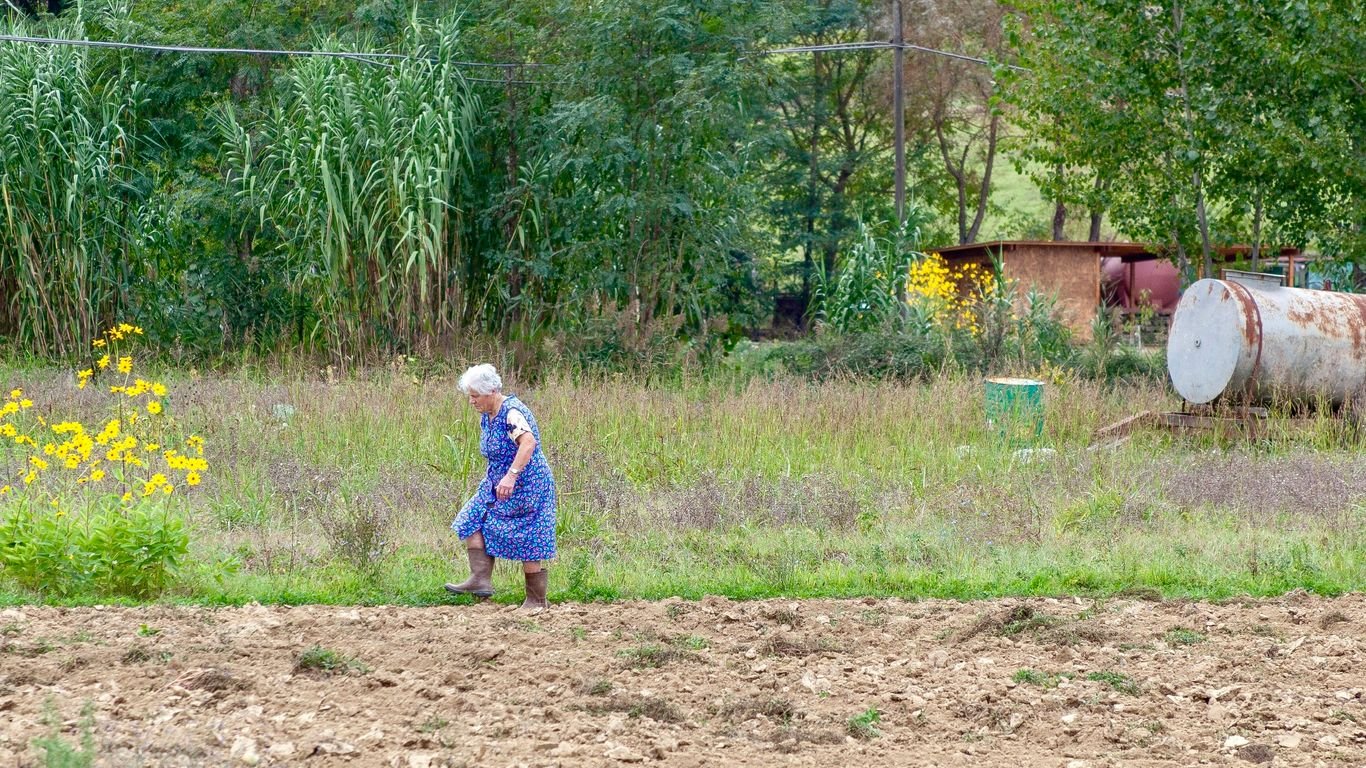
As farmers, we’re always looking for ways to make our operations more successful. It’s not just about growing food; it’s about growing smart to bring in a better income. We’ve been exploring different crops that can really boost our profits, especially with changing weather and market demands. It seems like focusing on the right plants, whether they’re ancient grains, tiny greens, or hardy trees, can make a big difference in our bottom line.
When we think about making a good living from our land, it’s easy to get stuck on the usual suspects. But there’s a whole world of crops out there that can really boost our profits, especially if we’re smart about what we grow and how we grow it. We’re talking about crops that demand a bit more attention, maybe a different growing method, but pay off big time.
Ancient grains are making a comeback, and teff is a prime example. This tiny grain, native to Ethiopia, is packed with nutrients and has a unique, earthy flavor that chefs and health-conscious consumers are seeking out. Growing teff isn’t overly complicated, and it can be quite resilient, even tolerating wet conditions better than some other grains. The demand for gluten-free and alternative grains is on the rise, making teff a potentially lucrative option for us.
Don’t let their size fool you; microgreens are tiny powerhouses of profit. These are essentially young vegetable greens harvested just after the cotyledon leaves have developed. They’re incredibly popular with restaurants and home cooks for their intense flavor and vibrant colors. The beauty of microgreens is that they grow fast, often ready for harvest in just a few weeks, and they don’t need a lot of space. You can grow them indoors or out, making them a flexible option. This rapid turnaround and high market price per pound make them incredibly appealing.
This one might seem a bit out there, but growing bonsai trees can be a surprisingly profitable niche. It requires patience and a good eye for aesthetics, but the market for well-crafted bonsai is strong, especially among collectors and enthusiasts. It’s a long-term investment, for sure, but the potential return on a mature, artfully shaped bonsai can be substantial. We’re looking at a different kind of farming here, one that blends horticulture with artistry. It’s about nurturing a living sculpture over years, sometimes decades. If you have the knack for it, this could be a unique way to diversify your farm’s offerings.
Growing high-value crops isn’t just about picking the most expensive item. It’s about understanding your market, your growing conditions, and your own skills. Sometimes, a crop that seems less glamorous can be more profitable due to lower input costs or consistent demand. We need to look at the whole picture.
Here’s a quick look at what makes these crops stand out:
These options require a different approach than traditional commodity crops, but they offer a chance to capture higher margins and tap into growing consumer trends.
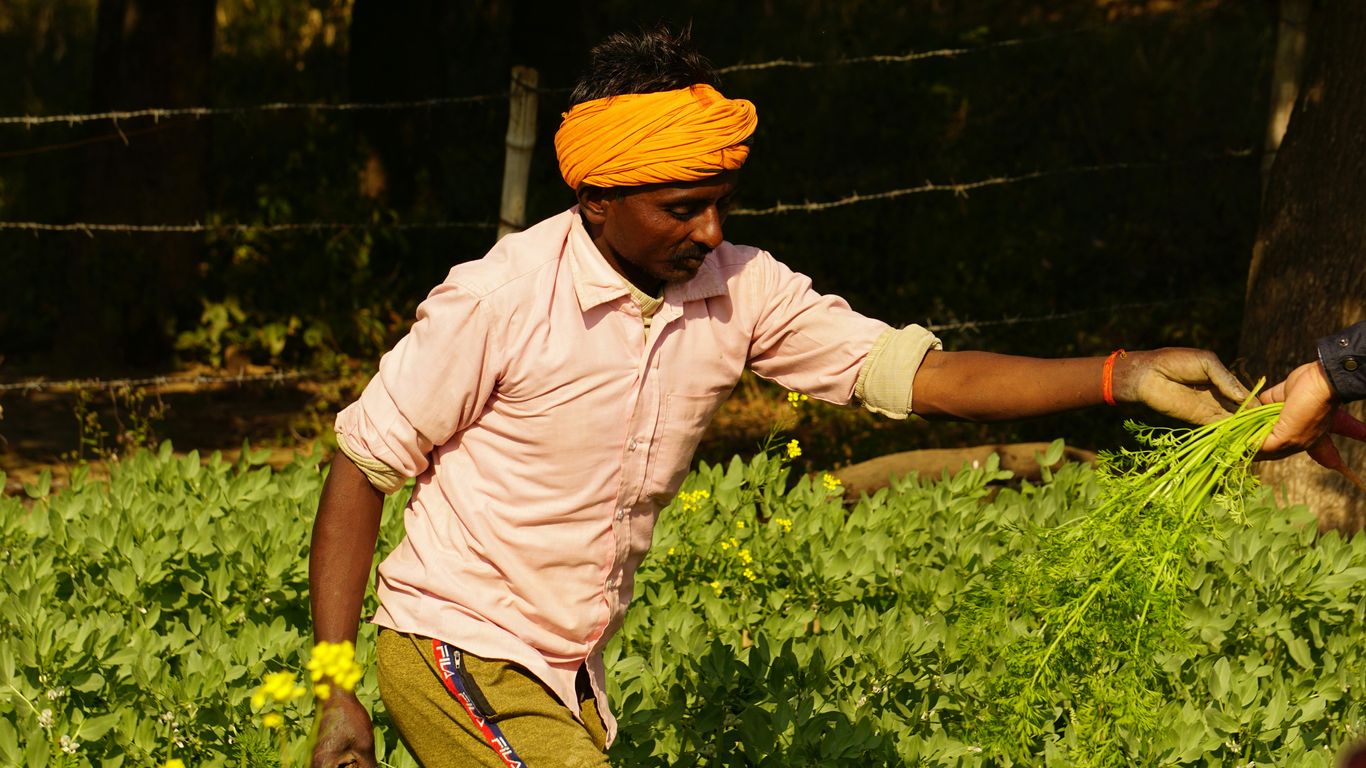
We all know the usual suspects like corn and soybeans, but lately, we’ve been looking at crops that can really bring in the dough, especially when the weather gets weird or the big commodity prices take a nosedive. Diversifying our farm with specialty produce is becoming a smart move. These crops often fetch better prices, can be grown with fewer inputs, and sometimes, they even help out our soil and the local pollinators. Plus, they open up cool opportunities with local restaurants and farmers’ markets.
Garlic is one of those crops that just keeps on giving. It doesn’t need a ton of fancy equipment, and once it’s in the ground, it’s pretty hands-off until harvest. We’ve found that planting it in the fall gives it a head start, and by the next summer, we’re pulling up bulbs that sell like hotcakes. You can sell it fresh, dried, or even make value-added products like roasted garlic or garlic powder. It’s a solid performer for us, especially when we’re looking for something reliable.
Growing mushrooms might sound a bit niche, but honestly, they’re becoming a big deal. We’ve seen folks have success growing them indoors in controlled environments, which means you’re not really at the mercy of the weather. Oyster and shiitake mushrooms, for example, can grow on all sorts of substrates, from sawdust to straw. This makes them a pretty sustainable option, and restaurants and specialty stores are always looking for high-quality, fresh mushrooms. It’s a way to get a good price for a product that doesn’t take up a huge amount of space.
Lavender isn’t just pretty to look at; it smells amazing and can be surprisingly profitable. It loves well-drained soil and plenty of sun, and it’s pretty drought-tolerant once established, which is a big plus these days. Since it’s a perennial, you plant it once and enjoy harvests for years, cutting down on annual labor. We’ve seen people sell dried bundles, essential oils, soaps, and even lavender-infused treats. It’s a crop that appeals to a lot of senses and can really add a unique offering to our farm stand.
Diversifying with specialty crops can reduce our reliance on traditional commodities and open up new, profitable markets. It’s about finding those plants that offer a good return for the effort and resources we put in, while also being mindful of sustainability and changing environmental conditions.
Here’s a quick look at how some of these stack up:
| Crop | Growing Needs | Potential Products |
|---|---|---|
| Garlic | Well-drained soil, full sun | Fresh bulbs, dried, roasted, powder, infused oils |
| Mushrooms | Controlled environment (indoor) | Fresh caps, dried, powders, tinctures |
| Lavender | Well-drained soil, full sun, low water | Dried bundles, essential oils, soaps, culinary uses |
We’ve all noticed the weather’s been a bit wild lately, right? With more dry spells and heatwaves becoming the norm, thinking about what we grow and how we water is becoming super important. It’s not just about keeping our gardens alive; it’s about making smart choices for our farms that can handle less rain. This is where drought-tolerant plants really shine. They’re tough, need less water, and can actually be quite profitable.
Bamboo might sound like it needs a lot of water, but many varieties are surprisingly resilient once established. Plus, it grows fast and can be sold in pots to local nurseries or even online. Think about offering different sizes, from small starter plants to larger specimens. Ground covers are another great option. They help retain soil moisture, reduce weeds, and can be sold in flats or rolls. Customers love them for low-maintenance landscaping. Choosing the right varieties that are native or well-adapted to drier conditions is key.
Landscapers are always on the lookout for plants that won’t die at the first sign of a dry spell. This is a huge market, especially in areas prone to drought. We’re talking about plants like succulents, ornamental grasses, and certain types of shrubs and perennials that naturally thrive with less water. Selling these directly to landscapers can provide a steady income stream. You could even specialize in creating drought-tolerant garden kits for homeowners. It’s a good way to tap into the growing interest in climate-smart agriculture.
The shift towards drought-tolerant crops isn’t just about survival; it’s about smart business. These plants often require less intensive care, reducing labor and input costs. They can also open up new markets for us, appealing to environmentally conscious consumers and businesses looking to reduce their water footprint.
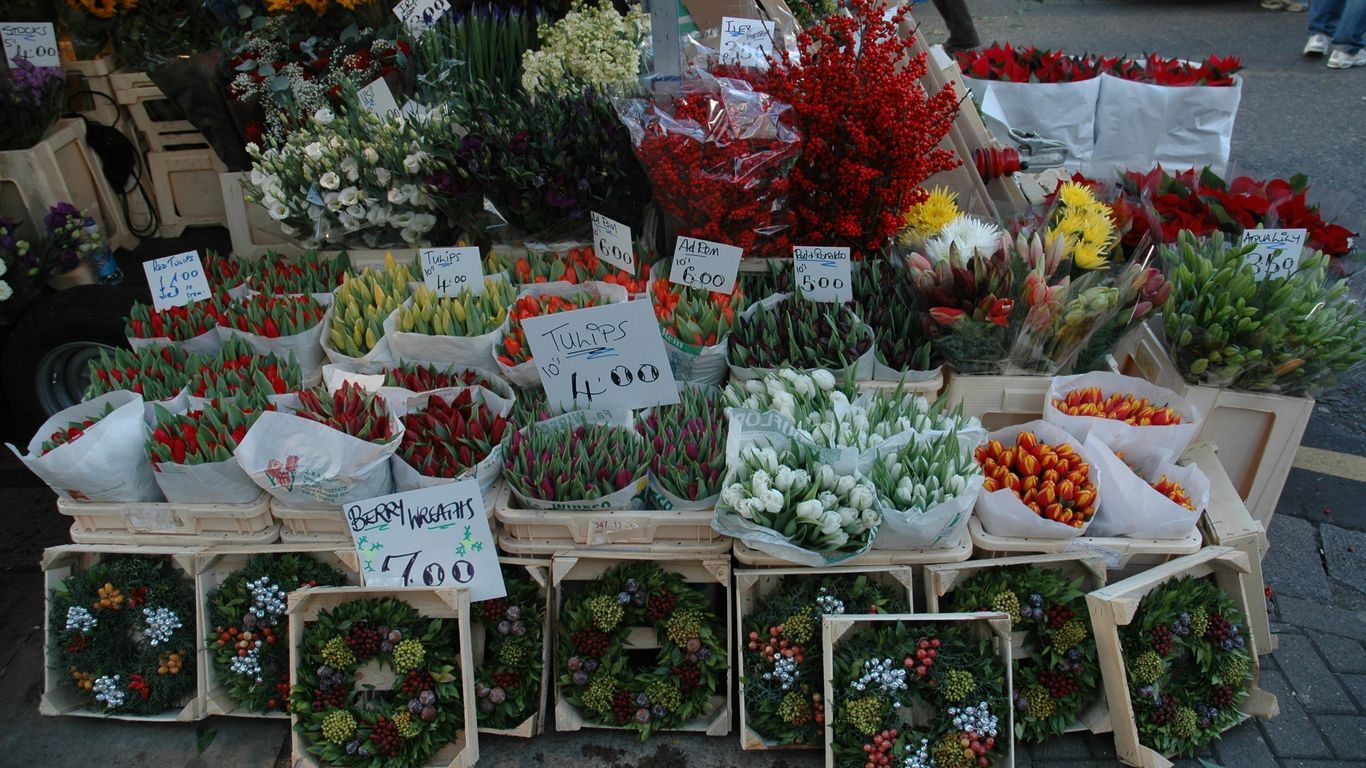
When we think about making money from our land, we often picture big fields of corn or soybeans. But there’s a whole world of smaller, more specialized crops that can bring in some serious cash, and herbs and flowers are definitely part of that. We’ve found that focusing on these can be a really smart move, especially if we don’t have a ton of acreage.
Growing culinary herbs in small pots is a fantastic way to get started, or to add a profitable sideline to an existing operation. Think about it: people are always looking for fresh herbs to spice up their cooking. We can grow things like basil, mint, rosemary, thyme, and cilantro right in containers. These little plants don’t need much space, and they grow pretty quickly. We can sell them at farmers’ markets, to local restaurants, or even through a small roadside stand. The profit margins can be surprisingly good because the demand is consistent, and the cost to produce them is relatively low. We just need to make sure they get enough sun and water, and we’re golden.
Here’s a quick look at some popular choices and what we might expect:
| Herb | Pot Size | Market Price (per pot) | Notes |
|---|---|---|---|
| Basil | 4-inch | $3 – $5 | Fast-growing, popular in summer |
| Mint | 6-inch | $4 – $6 | Spreads easily, good for larger pots |
| Rosemary | 4-inch | $4 – $7 | Drought-tolerant once established |
| Thyme | 4-inch | $3 – $5 | Low-growing, good for borders |
| Cilantro | 4-inch | $3 – $5 | Prefers cooler weather, bolts in heat |
Selling cut flowers is another area where we can really see some profit. It’s not just about growing pretty blooms; it’s about understanding the market and providing what people want for bouquets, events, or just to brighten their homes. We can grow a mix of annuals and perennials. Annuals like sunflowers, zinnias, and cosmos give us quick returns during the growing season, while perennials like peonies, dahlias, and roses come back year after year, reducing our planting effort over time. We can sell them by the stem, in pre-made bouquets, or even offer subscription services. Restaurants, florists, and event planners are often looking for reliable local sources.
Some tips for success:
The key to making cut flowers a profitable venture is to treat it like any other business. We need to track our costs, understand our sales channels, and consistently deliver high-quality products. It might take some trial and error to figure out which flowers grow best for us and which ones sell the fastest, but the rewards can be significant.
Don’t forget about woody ornamentals! These are plants like shrubs and small trees that people use for landscaping. Things like hydrangeas, ornamental grasses, dogwoods, and even certain types of bamboo can provide income not just for a season, but for years to come. Once established, many of these plants require less intensive care than annuals. We can sell them as bare-root stock, in containers, or even offer them to landscapers. Some, like willow or red-twig dogwood, can be harvested for their branches, which are used in floral arrangements or crafts, offering a different kind of income stream from the same plants. This is a great way to build long-term value on our land.
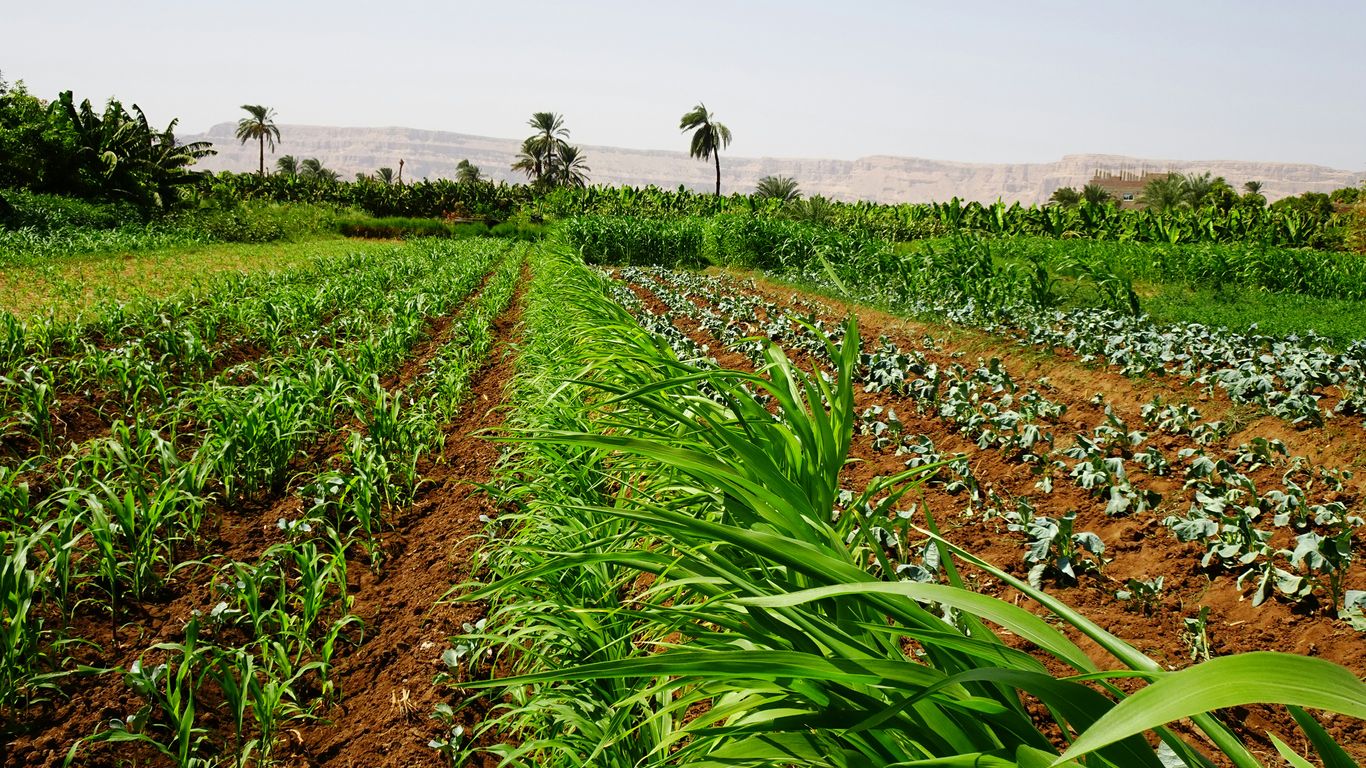
We’ve all heard about hemp, right? It’s been in the news a lot lately, and for good reason. This plant is incredibly versatile. We can use it for fiber, for seeds, and even for CBD products. Growing hemp can be a really smart move for farmers looking to diversify their income streams. It’s a vigorous grower, which is great, but it also means we need to be prepared for its rapid growth. It doesn’t need a ton of water, which is a plus, especially if we’re dealing with drier spells. Plus, it can help improve soil health, which is always a win in our book.
Ginseng is a different beast altogether. This isn’t a quick cash crop; it’s more of a long-term play. It takes years for ginseng roots to mature and reach their full market value. We’re talking about a patient farmer’s game here. It prefers shady, wooded areas, so it’s perfect for underutilized forest land. The demand for ginseng, especially for medicinal purposes, remains strong. It requires specific knowledge about cultivation and harvesting, but the payoff can be substantial if we’re willing to wait.
When we think about row crops, soybeans and corn usually come to mind. But have we considered canola? It’s a fantastic alternative, and it’s gaining traction. Canola is a great source of oil and animal feed. Plus, planting it can actually help with crop rotation, reducing pests and making our soil healthier. It’s also eligible for crop insurance in many areas, which offers a bit of security. It’s a crop that fits well with sustainable farming practices and offers a solid return.
Here’s a quick look at what makes these crops stand out:
Diversifying our crops is key to building a resilient farm. Exploring options like hemp, ginseng, and canola can open up new markets and provide more stable income, especially as we face changing environmental conditions and market demands.
Sometimes, we look for ways to add a little extra income without completely overhauling our main farming operation. That’s where trees and shrubs come in handy. They can be a great way to build a side business, often requiring less intensive daily management than annual crops once they’re established. We’re talking about things like maple, fruit, and nut trees, plus bushes that produce fruit or ornamental shrubs. It’s a slower burn, for sure, but the payoff can be pretty steady.
Maple trees are a classic for a reason, especially if you’re in an area where tapping for syrup is feasible. It’s a bit of a seasonal hustle, but the demand for pure maple syrup is always there. Then there are fruit and nut trees. Planting a few rows of apple, cherry, or pecan trees might seem like a long-term play, and it is, but think about the future income. You can sell the fruit directly, process it into jams or pies, or even sell the nuts. The initial investment in saplings and preparing the ground is the main hurdle, but after that, it’s mostly about pruning and waiting for the harvest.
Christmas trees are another interesting option. Setting up a small Christmas tree farm, even just a few acres, can bring in significant income during a short, concentrated period each year. It takes patience, as trees take several years to mature, but the return can be quite good. Similarly, fruit bushes like blueberries, raspberries, or currants can be a fantastic addition. They often produce fruit sooner than trees and can be easier to manage in smaller spaces. We’ve seen folks do really well selling these berries at local farmers’ markets or even setting up a small U-pick operation.
Don’t overlook the market for ornamental plants. Roses, hydrangeas, and other flowering shrubs are always in demand for landscaping and home gardens. If you have a knack for propagation, you can start with a few parent plants and grow your inventory over time. Selling these to local nurseries, garden centers, or directly to customers can provide a consistent income stream. The key here is to focus on varieties that are popular in your region and known for their hardiness.
Establishing trees and shrubs for a side business is about planning for the future. It requires an initial investment of time and resources, but the ongoing management can often be less demanding than annual crops. Think about what grows well in your climate and what your local market is looking for. It might be syrup, fresh fruit, nuts, or beautiful landscaping plants.
So, we’ve looked at a bunch of different crops that can actually make us some money. It’s not just about picking the fanciest plant; it’s about figuring out what works for our land, our market, and our schedule. Whether it’s something quick like microgreens or a longer game like bonsai, the key is to be smart about it. We need to think about what people want to buy and how we can grow it efficiently. Don’t be afraid to try new things, but always keep an eye on those numbers. Happy growing, and here’s to a profitable season!
We’ve found that crops like garlic and microgreens are often good starting points. Garlic doesn’t need a lot of space or money to get going, and microgreens can bring in good money even from a small area. Both can give us a nice return without too much fuss.
If space is tight, we should look at microgreens. They’re grown in trays and don’t take up much room at all, yet they can be harvested multiple times a year. Bonsai trees are another option if we have a small patch of land or even some containers.
Yes, absolutely! With changing weather, drought-tolerant plants are becoming super important. We can grow things like bamboo, certain ground covers, and other hardy plants that don’t need a lot of watering. These are also popular with landscapers.
For those willing to wait, ginseng is a great example. It takes several years to mature, but the roots can sell for a lot of money. Maple, fruit, and nut trees are also long-term investments that can provide income for years to come.
We can grow culinary herbs in small pots for easy sales, or go for cut flowers. Selling bouquets or individual blooms for events like weddings can be very profitable. Woody ornamentals, like certain bushes, can also be harvested year after year.
Hemp is one we should consider, as it’s becoming legal in more places and is quite versatile. Canola is an oilseed that’s often overlooked but can be a good option for crop rotation. Gourmet mushrooms, grown indoors or out, also have strong demand.
 March 7, 2026
High-Output Crops Perfect for Micro Homesteads
Gardening
Homestead Planning
Homesteading
Starting a Homestead
March 7, 2026
High-Output Crops Perfect for Micro Homesteads
Gardening
Homestead Planning
Homesteading
Starting a Homestead
Thinking about growing your own food but only have a little space? We get it. Many of us are looking for ways to be more self-sufficient, even if we don't have acres to work with. The good news is, you...
Read More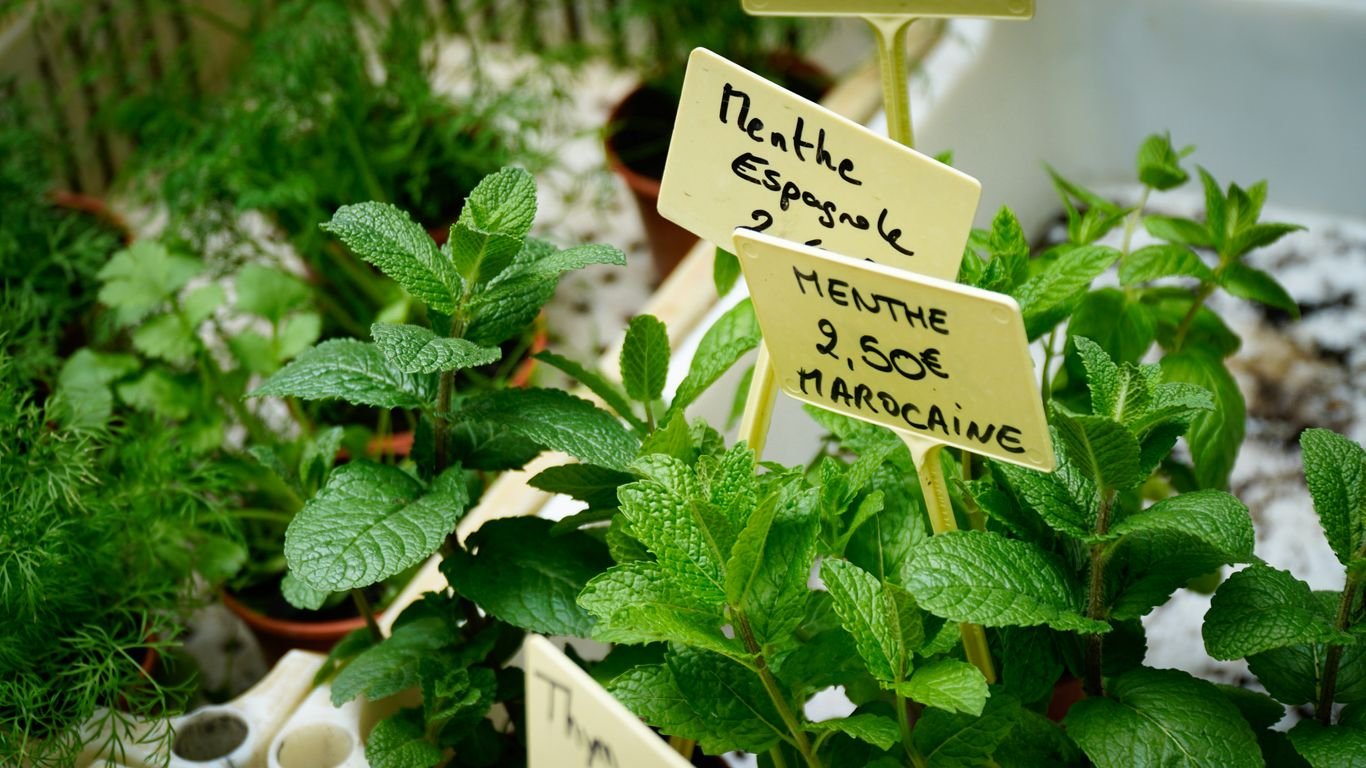 March 5, 2026
How to Grow a Medicinal Herb Garden for Beginners
Gardening
Homesteading
Natural Fertilizers
Sustainable Living
March 5, 2026
How to Grow a Medicinal Herb Garden for Beginners
Gardening
Homesteading
Natural Fertilizers
Sustainable Living
We're excited to share how we got started with our own medicinal herb garden. It felt a bit overwhelming at first, but we learned that taking it step-by-step makes it totally doable. Growing our own healing plants has been so...
Read MoreWe love the charm and character that a hobby farm look brings to our outdoor spaces. It feels so welcoming and down-to-earth. If you're looking to capture that same vibe on your own property, we've gathered some simple and pretty...
Read More