


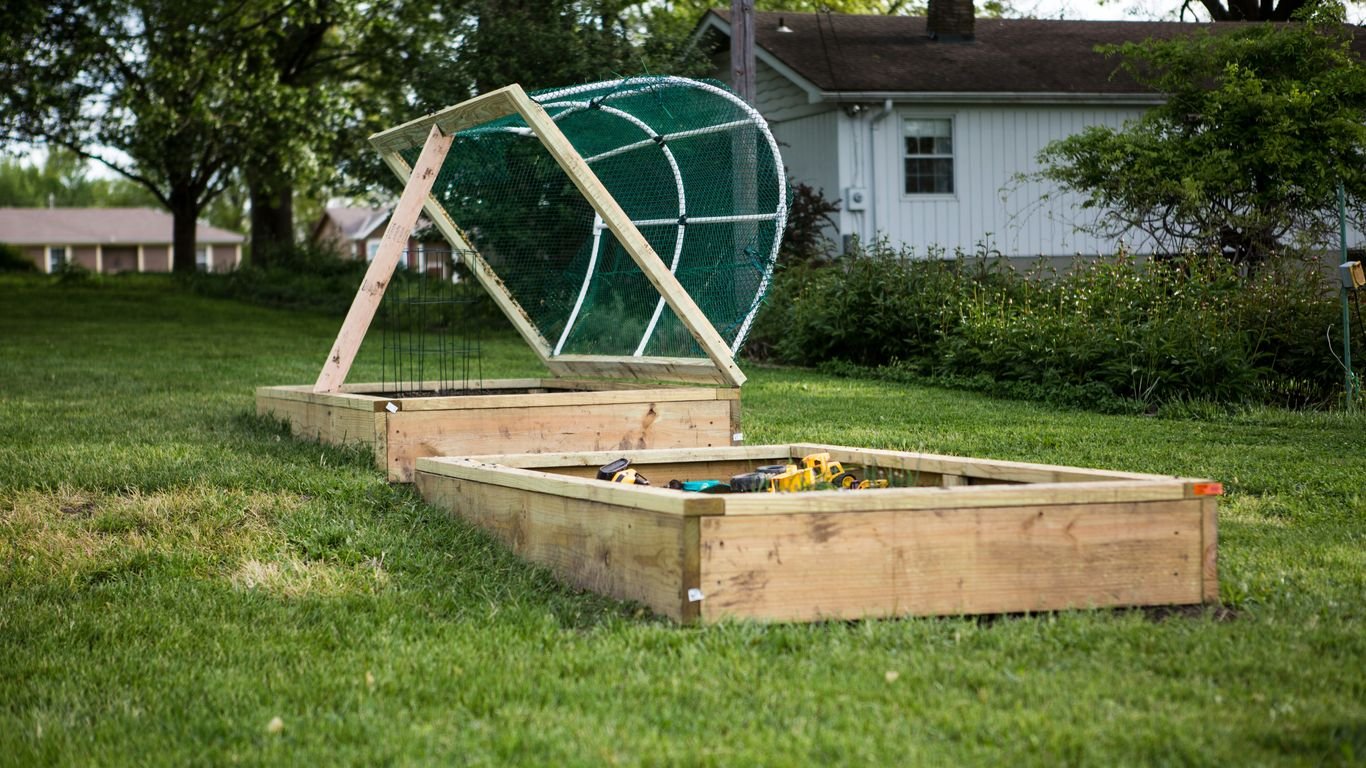
We’ve all been there, staring at a garden bed that’s just overrun with weeds. It feels like a losing battle, doesn’t it? This year, we decided to try a different approach, aiming to build a no-weed garden bed in just one weekend. We wanted a space that looked good without constant fighting against unwanted growth. It turns out, with a few simple steps, we could create a beautiful, low-maintenance garden area that we can actually enjoy.
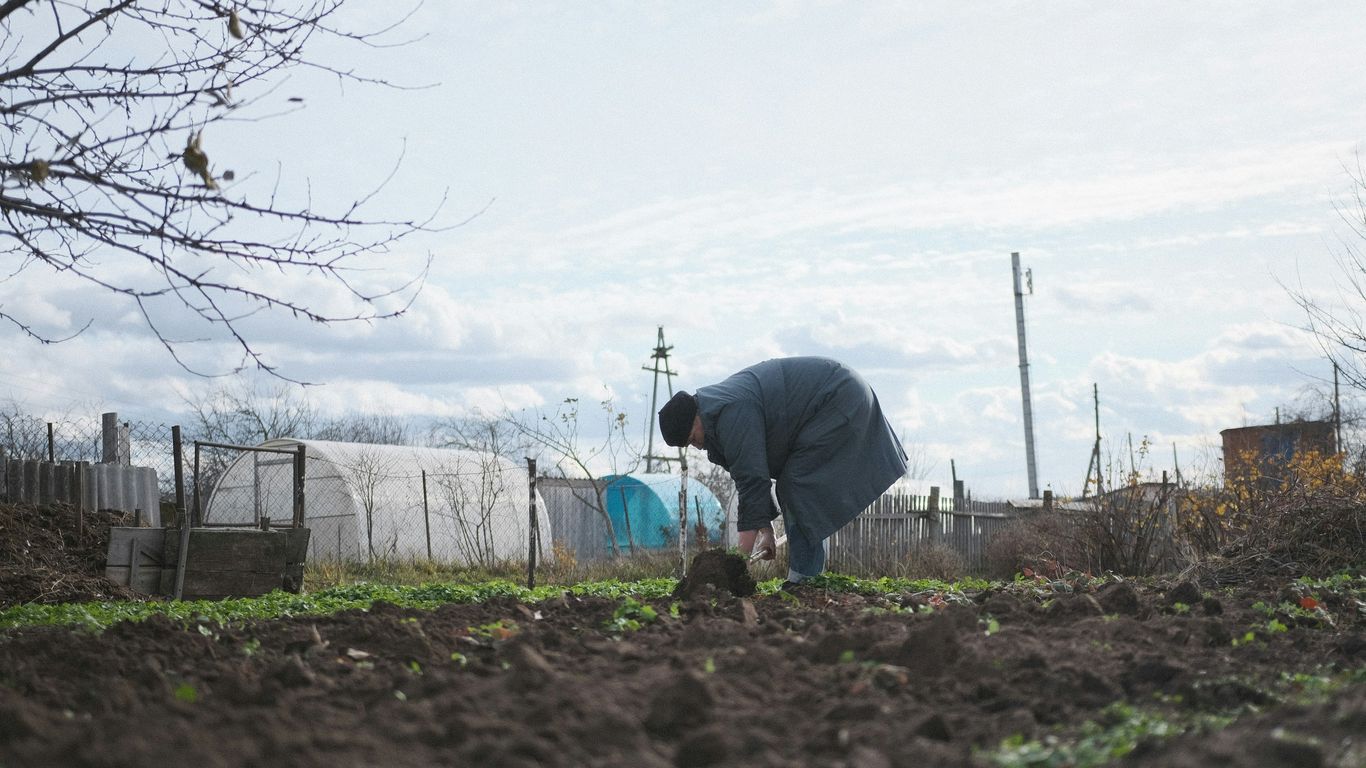
Before we can even think about planting, we need to get the site ready. This first step is all about clearing the ground and making sure we’re starting with a clean slate. It might seem like a lot of work, but trust us, it’s the foundation for a garden that stays weed-free.
First things first, we need to remove everything that’s currently growing in the spot where our new garden bed will be. Grab your gloves and a shovel or trowel. Carefully dig up any plants you want to keep and set them aside, maybe on a tarp to keep things tidy. Anything you don’t want, well, it’s time for it to go. This is also a good time to think about any larger plants like shrubs or trees you might want to add later; you can even plant them now, just make sure they’re a bit higher than the final soil level to account for the layers we’ll be adding.
Once the area is clear, we need to tackle the soil itself. The goal here is to get rid of as many roots and existing weeds as possible. If the soil is a bit dry, giving it a light watering can make it easier to work with, but avoid making it muddy. Use your shovel to turn the soil over, breaking up any large clumps. Then, grab a cultivator or a bow rake and go over the area several times in different directions. You’ll be surprised how many roots this tool can snag. Toss all the roots and debris into a bucket or onto a tarp to haul away. The more roots we remove now, the less chance they have of growing back.
With all the roots cleared out, it’s time to make the surface nice and even. Use your bow rake to spread the soil around, filling in any low spots and knocking down high ones. Once it’s looking pretty level, give it a good compacting. You can use a tamper for this, or even just the back of your shovel or your feet. This step helps to create a firm base for the layers that will follow and prevents the soil from settling too much later on. We want the bed to be slightly lower than the surrounding lawn to help contain everything we add. This preparation is key to a successful no-dig garden setup.
We’re aiming for a smooth, firm surface. This isn’t about creating a fluffy seedbed right now; it’s about preparing a solid foundation that will suppress weeds and hold our new layers in place.
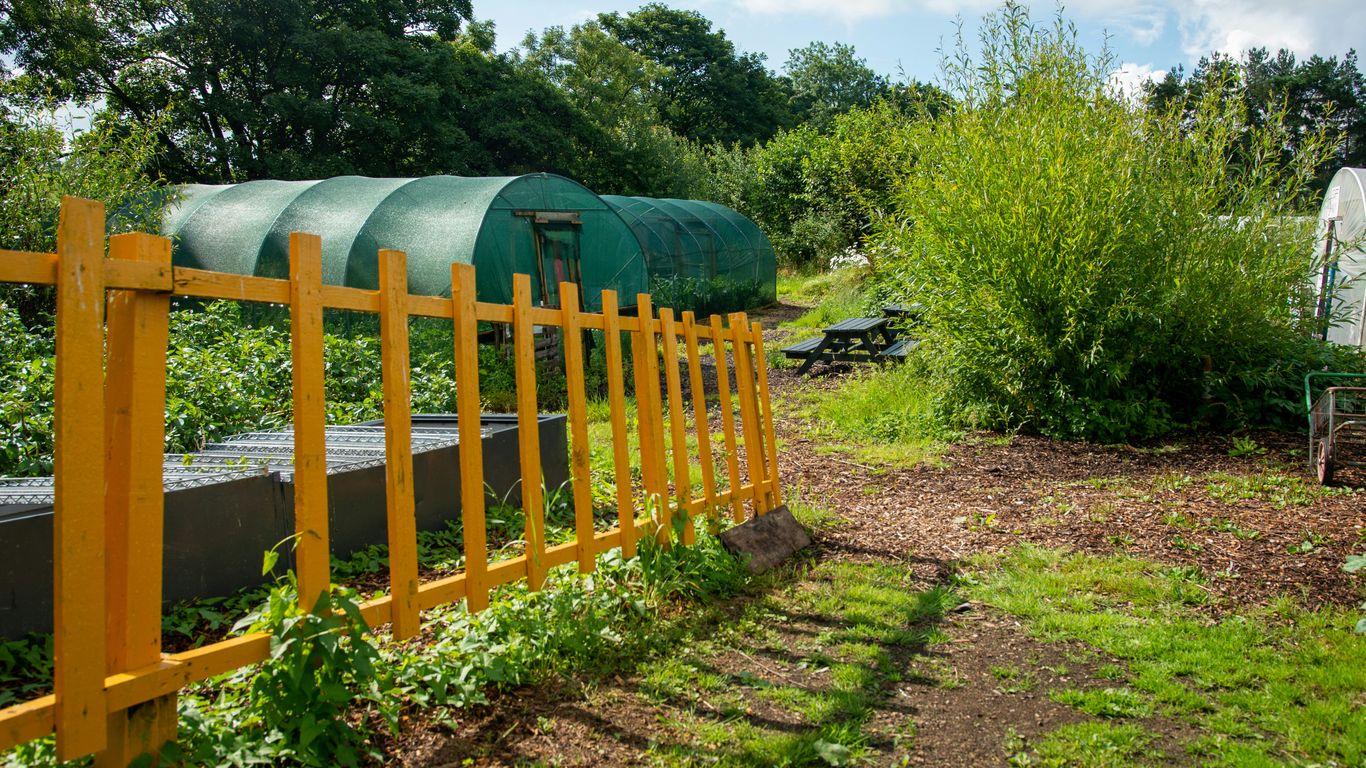
Alright, we’ve prepped our site, and now it’s time to put up the first line of defense against those pesky weeds. This is where we lay down the weed block fabric. This layer is super important for stopping weeds from popping up through your new garden bed. We want to cover the entire area we’ve cleared. Start at one end and unroll the fabric, letting it spread out over the soil. If it’s a bit windy, you might want to weigh down the edges with some rocks or bricks to keep it from blowing away while you work. Don’t worry about trimming it perfectly just yet; we’ll do that later. Just make sure it’s covering everything.
This is a step we absolutely cannot skip. When you’re laying down the weed block fabric, especially if you have a larger area, you need to make sure the pieces overlap. We’re talking at least a 6-inch overlap, maybe more if you’re feeling cautious. Think of it like shingles on a roof – you don’t want any gaps where a determined weed could sneak through. Go back over your seams and make sure they’re well-covered. This overlap is key to creating a truly weed-proof barrier. We want to give ourselves the best chance possible to keep those unwanted plants out.
Now, while fabric is what we’re using here, we know not everyone is a fan. Some folks prefer to use layers of cardboard or newspaper instead. If you go this route, make sure you’re using plain, uncoated cardboard (no shiny tape or plastic) and overlap those pieces really well, just like with the fabric. You’ll want several layers – maybe 8 layers of newspaper or a good thick layer of cardboard. Some people even find that a layer of thick plastic sheeting works, though we find fabric breathes a bit better. Whatever you choose, the goal is the same: block out the light so weeds can’t grow. We tried newspaper and cardboard ourselves a while back, but honestly, with how much open space we have around here, it just didn’t hold up as well as the fabric did for us. It’s all about what works best for your situation and what you have available.
Alright, we’ve got our site prepped and the weed barrier is in place. Now comes the fun part – making it look like a garden! This is where we add the layers that will not only suppress any sneaky weeds but also feed our plants and make the bed look fantastic. We’re going to build this up like a delicious garden lasagna.
If you’re going for a more modern or xeriscape look, or if you just love the clean lines of gravel, this is your moment. We’ll spread a good layer of rock or gravel over the weed barrier. This isn’t just for looks; it adds weight to keep the fabric down and provides a nice, permeable surface. Make sure it’s deep enough to cover the fabric completely, usually a couple of inches should do the trick. This layer is especially great for pathways or areas where you want a very low-maintenance finish.
This is where the magic really happens for feeding your plants. If you skipped the gravel, or if you’re planting directly into this bed, we’re going to add a generous layer of compost right over the weed block fabric (or directly over the cardboard/newspaper if you used that as your primary barrier). We’re talking at least 2-3 inches here. This compost is packed with nutrients that will slowly break down and feed your soil. It also creates a nice, soft bed for planting. If you used cardboard or newspaper as your weed barrier, spread the compost right on top of that. Make sure to get it into all the nooks and crannies.
To top it all off, we’ll add a final layer of mulch. This does a few things: it looks great, helps retain moisture in the soil, and provides an extra defense against any weeds that might try to pop up. You can use all sorts of things here – wood chips, shredded bark, straw, or even compost if you want to keep that rich look. Aim for about 2-3 inches of mulch. This final blanket seals everything in and gives your new garden bed that finished, inviting appearance. This layered approach is key to keeping weeds at bay while building healthy soil.
Remember, the goal here is to create a system where weeds have a really hard time getting established. By layering materials, we’re not just blocking light; we’re creating a rich environment for our plants and making it tough for anything else to grow.
So, we’re talking about building a garden bed without all the back-breaking digging, right? That’s where the ‘no-dig’ philosophy comes in. Essentially, it’s about working with nature, not against it. Instead of turning the soil over and disturbing all the tiny creatures and structures that live within it, we’re going to layer organic materials on top. This method mimics how forests create new soil, with leaves and debris breaking down over time to build fertility. We’re letting the soil life do the heavy lifting for us.
No-dig gardening is a way of creating and maintaining garden beds without ever turning over the soil. Think of it as a gentle approach. We don’t dig, till, or fork the soil. Instead, we add compost and other organic matter directly to the surface. This preserves the soil’s natural structure, which is full of tiny air pockets and channels that are great for plant roots and water drainage. It’s a method that’s been around for ages, and it’s gaining popularity because it’s easier and better for the soil. You can find out more about the history and practice from folks like Charles Dowding, who has done a lot of work showing the benefits compared to traditional tilling.
Tilling might seem like the obvious way to prepare a garden bed, but it actually causes more problems than it solves. When we dig or till, we break up the soil’s natural structure. This can destroy the homes of earthworms and other beneficial organisms that help keep our soil healthy. Plus, tilling brings dormant weed seeds to the surface, where they can sprout and give us more work to do. It also disrupts the network of fungi in the soil, which is important for nutrient transfer to plants. We want to keep that underground ecosystem intact.
Sticking to the no-dig approach has some pretty great perks for your garden’s soil. For starters, it builds up the organic matter content over time, which means better water retention and improved drainage – a win-win! The soil structure stays intact, creating a welcoming environment for earthworms and microbes. This leads to healthier plants that are more resistant to pests and diseases. Plus, fewer weeds pop up because we’re not bringing buried seeds to the surface. It really is a more sustainable way to garden, and you’ll notice the difference in your plants’ vigor. It’s all about creating a thriving, living soil ecosystem right under our feet, and it makes gardening much easier in the long run.
Alright, let’s talk about what you’ll need to get this no-weed garden bed built. We’re going to break it down into a few categories so you can make sure you’ve got everything ready before you start. Having the right stuff on hand makes the whole process go way smoother, trust us.
Before we even think about stopping weeds, we need to get the site ready. This involves some basic digging and leveling. You probably have most of these in your garage already.
This is the core of our no-weed strategy. You have a couple of good options here, and the best choice might depend on your budget and how serious your weed problem is.
Remember, the goal is to smother any existing plant life and prevent new seeds from germinating. A good barrier is your first line of defense.
Once the barrier is in place, we need to add the layers that will make your garden bed look good and support your plants. This is where you can get a bit creative.
Here’s a quick look at how much material you might need, though this can vary a lot:
| Material | Typical Layer Thickness | Notes |
|---|---|---|
| Cardboard/Paper | 1-2 layers / 8+ layers | Overlap edges well |
| Compost | 2-4 inches | More if starting with a very weedy area |
| Rock/Gravel | 2-3 inches | Enough to cover the barrier completely |
| Mulch | 2-3 inches | Organic matter that breaks down over time |
Don’t forget to consider any plants you plan to put in pots, as you’ll need those containers and the appropriate potting mix for them too!
Now that we’ve got our weed barrier in place and topped it off, it’s time for the fun part: planting! If you’re planting directly into the soil beneath your new top layer, you’ll need to create openings. For beds with a gravel or rock top layer, you’ll carefully push aside the stones to expose the fabric underneath. Then, using a sharp utility knife or scissors, cut an ‘X’ or a circle in the weed barrier fabric, just large enough for your plant’s root ball. Gently pull back the fabric to create a planting hole. For beds with a compost or mulch top layer, you can often just dig your hole directly through the material, making sure to clear away any stray weeds that might have snuck in. The key is to make sure your plant’s roots can reach the soil below.
This method is super straightforward and works great for adding instant impact, especially with succulents or pre-started plants. You’ll essentially be creating pockets for your pots. For gravel or rock beds, dig a hole large enough to accommodate the pot, then carefully remove the plant from its container and place it in the hole. Backfill around the root ball with soil, making sure the top of the soil in the pot is level with your garden bed’s surface. If you’re using a softer top layer like compost, you can often just dig a hole directly into the mulch and place your potted plant in, adding soil as needed. This is a fantastic way to add height and texture without disturbing the weed barrier too much.
Beyond just plants, we can really make this garden bed pop! Think about adding some decorative elements. Bird baths, small statues, or even solar-powered path lights can add personality and charm. When placing these, you’ll want to be mindful of your weed barrier. For heavier items like bird baths, you might need to dig down a bit to create a stable base, ensuring the feature sits securely and doesn’t compromise the fabric. Smaller items can often be placed directly on top of the mulch or gravel. We even added a small, decorative trellis for a climbing plant, which just required digging a small hole for its base. It’s all about creating a space that’s not only low-maintenance but also beautiful to look at.
So there we have it! We took a patch of yard that was constantly fighting weeds and turned it into a clean, low-maintenance garden bed, all in just a weekend. It feels pretty good, right? We can finally spend less time pulling stubborn weeds and more time actually enjoying our garden. Whether you added rocks, mulch, or just went with a good layer of compost, you’ve set yourself up for a much easier gardening season ahead. Give yourselves a pat on the back – you’ve earned it!
Basically, ‘no-dig’ gardening means we don’t turn over or till the soil when we create our garden beds. Instead of digging and messing with the dirt, we layer materials on top. It’s a way to build a garden without all the hard digging, and it’s actually better for the tiny creatures living in the soil that help keep it healthy.
Tilling can mess up the natural structure of the soil, which is like a cozy home for helpful bugs and microbes. It also tends to bring dormant weed seeds to the surface, giving them a chance to sprout. By not tilling, we keep the soil’s structure intact and prevent a bunch of new weeds from popping up.
We use a few tricks! First, we clear out any existing plants and roots. Then, we lay down a barrier, like fabric or cardboard, to block sunlight. We cover this with layers of compost and mulch. This combination smothers any weeds trying to grow and makes it super hard for new ones to get started.
Yes, we absolutely can! By following these steps – clearing, laying the barrier, and adding our top layers – we can get a beautiful, weed-resistant garden bed ready for planting in a single weekend. It takes some effort, but it’s totally doable.
We’ll need some basic tools like a shovel and rake for clearing. For the weed barrier, we can use landscape fabric, cardboard, or thick layers of newspaper. Then, we’ll add compost and a top layer of mulch, like wood chips or gravel, for that finished look and extra weed protection.
You sure can! If you’re using landscape fabric, you can cut holes in it to plant directly into the soil below. If you’re using the cardboard or newspaper method, you’ll plant right into the compost layer on top. We can also place potted plants directly onto the finished bed.
 February 24, 2026
Top 12 Crops Perfect for Container Homesteading
Gardening
Homesteading
Starting a Homestead
February 24, 2026
Top 12 Crops Perfect for Container Homesteading
Gardening
Homesteading
Starting a Homestead
Even if we don't have a huge backyard, we can still grow a lot of our own food. We've found that with the right pots and plant choices, container homesteading can be super rewarding. It's amazing what you can grow...
Read More February 21, 2026
How to Start a Backyard Plant Nursery for Extra Income
Gardening
Homesteading
Starting a Homestead
Sustainable Living
February 21, 2026
How to Start a Backyard Plant Nursery for Extra Income
Gardening
Homesteading
Starting a Homestead
Sustainable Living
We've been thinking about starting a backyard plant nursery for a while now, and honestly, it seems like a pretty cool way to make some extra cash. It's not like we're going to get rich overnight, but the idea of...
Read More February 20, 2026
How to Build an Indoor Microgreen Station
Gardening
February 20, 2026
How to Build an Indoor Microgreen Station
Gardening
We've been wanting to grow our own fresh greens right in our home, and after a bit of research, we decided a microgreen growing station was the way to go. It seemed like a simple project, and honestly, it really...
Read More