


We all want a garden that’s bursting with life, but sometimes that life includes uninvited guests like bugs and critters. Dealing with garden pests can be a real headache, turning our peaceful gardening time into a constant battle. But what if we told you that you don’t need those harsh chemical sprays? We’ve found that the best approach to natural garden pest control often starts right in our own kitchens. This guide is all about showing you how to use simple, safe, and effective homemade solutions to keep your plants healthy and happy.
Dealing with bugs and critters in our gardens can be a real headache, right? We’ve all been there, staring at chewed leaves or sticky aphid trails and wondering what to do. For a long time, the go-to answer was often a chemical spray, but we’re learning there’s a much better way. Choosing natural pest control isn’t just about avoiding those harsh chemicals; it’s about working with our garden’s ecosystem instead of against it. It means we can have beautiful, productive plants without worrying about harming beneficial insects, our pets, or ourselves.
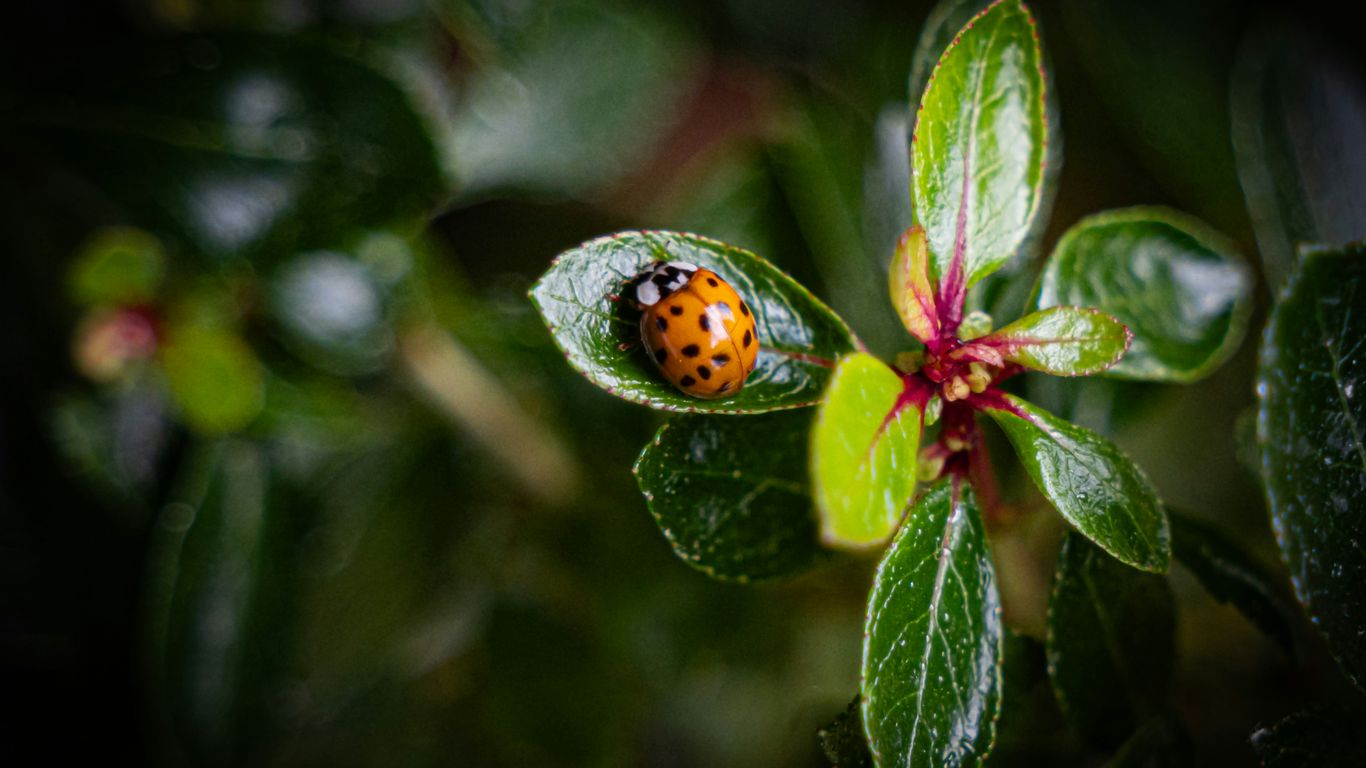
Honestly, the reasons are pretty compelling. For starters, those conventional pesticides can be pretty rough. They often kill off the good bugs – the ladybugs, the lacewings, the bees – right alongside the pests we don’t want. Plus, they can leave residues on our veggies and fruits, which isn’t ideal. When we opt for natural methods, we’re aiming for a garden that’s balanced. We want to encourage predators that eat the pests, use plant-based sprays that break down quickly, and create an environment where healthy plants can naturally fend off trouble. It’s a gentler approach that leads to a healthier garden overall.
Think of it like building up our own immune system. A strong, healthy plant is way less likely to be bothered by pests in the first place. So, before we even think about sprays or barriers, we need to make sure our garden is in tip-top shape. This means focusing on the soil. Good soil, rich with organic matter, gives plants the nutrients they need to grow strong roots and sturdy stems. We also need to make sure we’re watering correctly – not too much, not too little – and that our plants are getting the right amount of sun. When plants are thriving, they’re just naturally more resilient.
Here’s a quick rundown of what makes a healthy garden:
A thriving garden ecosystem is the most effective pest control method we have. When plants are healthy and the soil is alive, they can better withstand pest pressures naturally.
Before we can tackle a pest problem, we need to know who we’re dealing with. It sounds simple, but sometimes what looks like one thing is actually another, and the treatment might differ. Are those tiny green bugs on your roses aphids? Are those holes in your lettuce leaves the work of slugs or caterpillars? Taking a moment to really look at the damage and the culprits can save us a lot of guesswork. We can often identify pests by the type of damage they cause or by seeing them directly on the plants. Knowing your enemy is half the battle, and it helps us choose the most effective natural solution without wasting time or resources on the wrong fix.
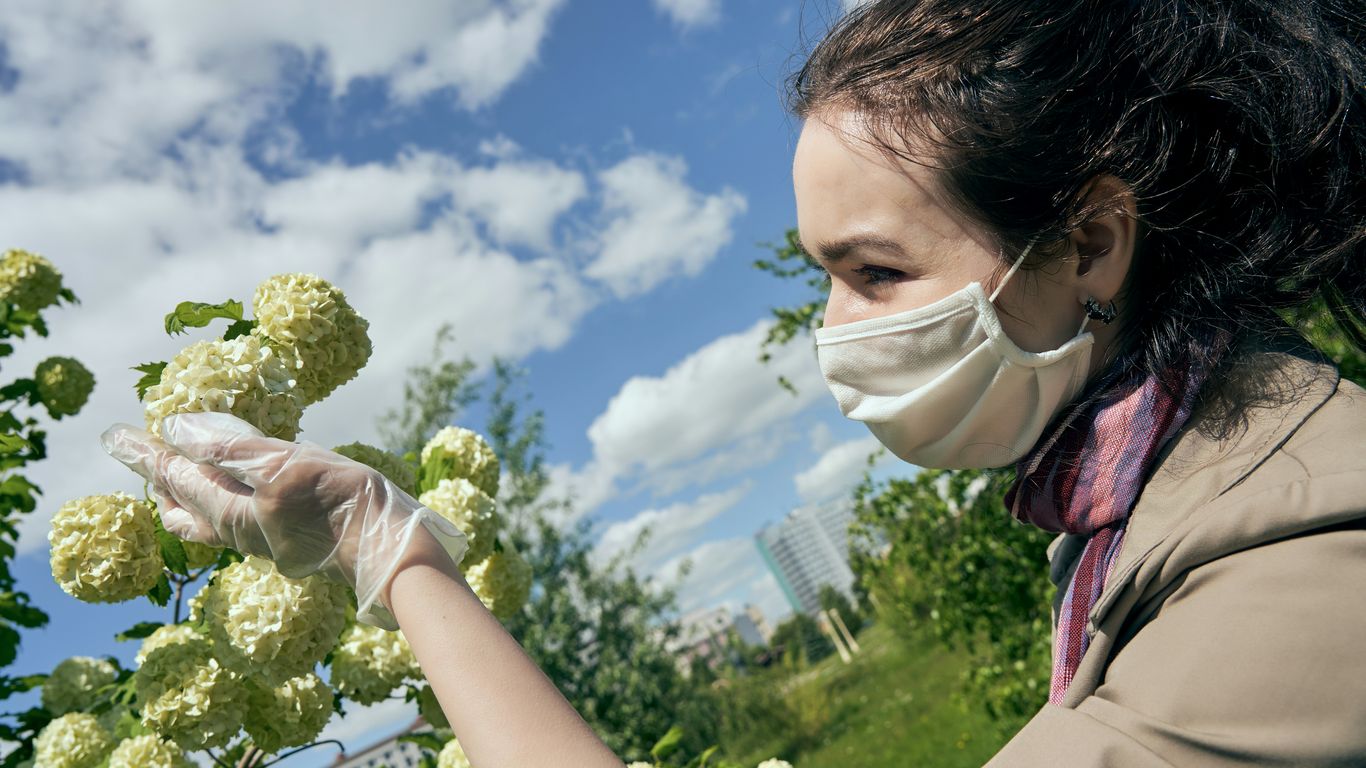
Sometimes, you just need a quick fix for those tiny invaders munching on your precious plants. We’ve found that whipping up your own sprays from common kitchen ingredients can be surprisingly effective. These aren’t magic bullets, but they can certainly help keep the population of certain pests in check without resorting to harsh chemicals.
Neem oil is a real workhorse in the natural pest control world. It comes from the neem tree and works in a few ways. It can disrupt insect hormones, making it hard for them to grow and reproduce, and it also acts as a repellent. Plus, it has some fungicidal properties, which is a nice bonus.
We’ve found that neem oil is best for tackling things like aphids, spider mites, whiteflies, and even some fungal issues. It’s not an instant killer, but over time, it really makes a difference. Just remember to always dilute it properly with water and a little bit of mild soap to help it mix. A common ratio we use is about 1-2 teaspoons of neem oil and a teaspoon of soap per quart of water.
This is probably the easiest one to make and use. All you really need is some mild liquid soap (like Castile soap, not the heavy-duty degreaser kind) and water. The soap works by breaking down the outer coating of soft-bodied insects, like aphids and mealybugs, causing them to dehydrate. It’s a direct contact killer, so you need to spray them directly.
Here’s how we usually mix it up:
Just mix them gently in a spray bottle. Make sure to spray the affected areas thoroughly, especially the undersides of leaves where pests love to hide. We usually do this in the early morning or late evening when it’s cooler to avoid scorching the leaves.
If you’ve got a strong stomach for smells, this one is great for deterring a wider range of pests, including some mammals. The idea here is to make your plants unappealing. Garlic has a strong scent that many insects dislike, and chili peppers add a spicy kick that irritates them.
To make this, you’ll typically blend a few cloves of garlic and a couple of hot peppers (like jalapeños or even hotter ones if you’re brave) with water. Let it steep for a while, then strain it really well to avoid clogging your sprayer. It’s more of a repellent than a killer, so you’ll likely need to reapply it more often, especially after rain.
When using any homemade spray, it’s always a good idea to test it on a small part of the plant first. Wait a day or two to see if any damage occurs before spraying the whole thing. Some plants can be a bit sensitive, and we don’t want to cause more problems than we solve!
Sometimes, the best solutions for garden problems are hiding right in our own kitchens. We don’t always need fancy store-bought sprays when common household items can do the trick. It’s pretty neat how a few simple ingredients can help keep our plants healthy and pest-free.
We’ve all dealt with those annoying fungal diseases like powdery mildew or black spot that can really mess up our plants. A simple baking soda spray can help. It’s not a miracle cure for everything, but it can really make a difference, especially for those early signs of trouble.
Here’s how we make it:
We usually repeat this every few days until we see the problem clearing up. It’s a gentle way to tackle fungal issues without using anything harsh.
Did you know that used coffee grounds can be more than just compost material? They can actually act as a barrier against certain garden invaders. Slugs and snails, for instance, don’t seem to like crawling over them. Plus, they add a bit of organic matter back into the soil as they break down.
We like to sprinkle a ring of dried coffee grounds around plants that seem particularly attractive to these slimy pests. It’s a simple step that can help protect our vulnerable seedlings and leafy greens. It’s not foolproof, but it’s another tool in our natural pest control arsenal.
It’s amazing how many everyday items can be repurposed for garden use. Thinking creatively about what we already have can save us money and reduce waste, all while keeping our gardens healthier.
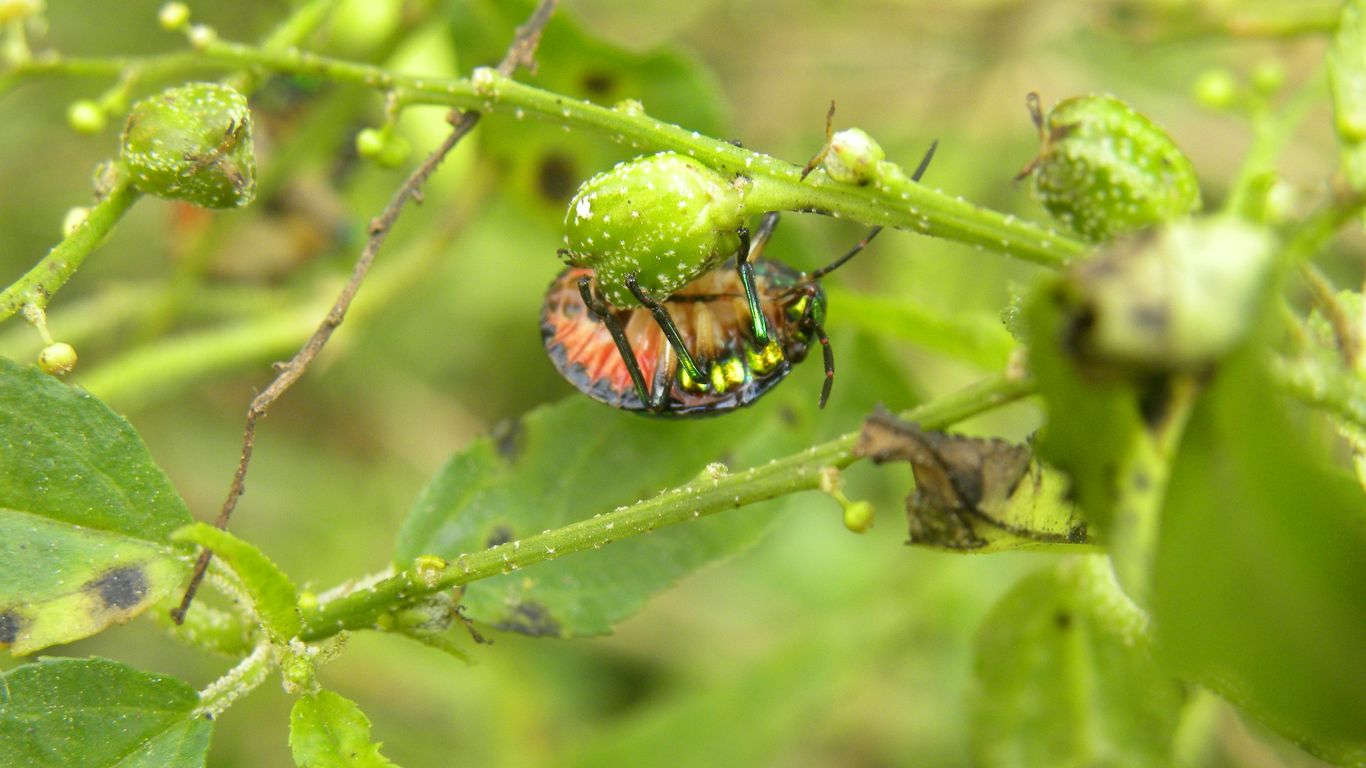
Sometimes, the best way to deal with garden pests is to let nature do the heavy lifting for us. We can actually invite helpful creatures and plants into our garden space to keep the unwanted guests in check. It’s all about creating a balanced ecosystem right in our own backyards.
This is one of those gardening tricks that sounds a bit like magic, but it really works. Companion planting is basically growing different plants together that benefit each other. Some plants can actually repel pests that bother their neighbors, while others might attract beneficial insects. For example, planting marigolds around your vegetable beds is a classic move. Their scent is said to deter nematodes in the soil and also keep away certain flying insects. Basil planted near tomatoes can improve the tomato’s flavor and also repel flies and mosquitoes. It’s like creating a little neighborhood watch for your plants.
Here are a few pairings we’ve found helpful:
Beyond just planting things, we can actively make our gardens more welcoming to the good guys. Think of it as building a bed and breakfast for bugs that eat the bad bugs. Ladybugs, lacewings, hoverflies, and certain types of wasps are all fantastic predators of common garden pests like aphids, mealybugs, and spider mites. The more of these natural pest controllers we have, the less we have to worry about.
How do we get them to stick around? Provide them with food and shelter! Many beneficial insects feed on nectar and pollen, just like bees. So, planting small-flowered plants like dill, fennel, yarrow, and cosmos can be a big draw. Even letting a few weeds go to flower in a designated area can help. We also try to avoid using broad-spectrum pesticides, because those kill the good bugs just as easily as the bad ones. If we need to spray something, we opt for targeted, natural solutions.
Creating a small
Sometimes, the most straightforward approach is the best. We’re talking about physically stopping pests from getting to our precious plants. It’s like putting up a little fence or a moat around your garden, but way more stylish and natural.
This stuff is pretty wild. Diatomaceous earth (DE) is basically made of fossilized aquatic organisms. When you look at it under a microscope, it’s like tiny, sharp shards. These little edges do a number on the exoskeletons of crawling insects like slugs, snails, ants, and even those pesky earwigs. They basically get dried out and cut up as they try to move across it. We find it’s most effective when the ground is dry. Just a light dusting around the base of your plants or on pathways can make a big difference. Remember to use food-grade DE and wear a mask when applying, as the dust can be irritating to our lungs.
This is where we get a bit more hands-on. Think of it as fortifying your garden. For larger critters like rabbits or deer, you might need to consider fencing. But for smaller invaders, there are simpler solutions.
We’ve also found that sometimes, a good blast from the hose can do the trick for pests like aphids. Just be gentle with your more delicate plants; a strong spray is best for tougher, more mature specimens. It’s a quick way to dislodge them before they cause too much damage.
So, we’ve armed ourselves with all sorts of natural sprays and barriers. That’s awesome! But just like keeping our own bodies healthy, our garden’s defense system needs a little ongoing attention to really work its magic. It’s not a one-and-done kind of deal, you know?
Think of it like watering your plants – you can’t just do it once and expect them to thrive all season. The same goes for our natural pest control methods. Pests are persistent little critters, and they can get used to things if we’re not careful. Regular application is your best friend here. We’ve found that reapplying our chosen sprays every week to ten days usually does the trick. And definitely give them another spritz after a good rainstorm washes away the last application.
This is where we become super-garden detectives. We need to keep our eyes peeled. Are those little green aphids still hanging around? Did that soap spray seem to do the trick, or are we seeing more of them? Maybe the slugs are back after a wet spell. It’s all about watching what’s happening and being ready to switch things up if something isn’t working as well as we’d hoped. Sometimes, a different spray or a physical barrier might be needed for a specific problem.
Knowing when to reapply is part of that observation game. Here’s a quick rundown:
Remember, a healthy garden ecosystem is our ultimate goal. These natural methods aren’t just about killing pests; they’re about creating a balanced environment where plants can thrive and pests are kept in check naturally. It takes a little patience and observation, but the results are so worth it for a vibrant, healthy garden.
So, we’ve gone through a bunch of ways to keep those pesky critters away from our plants without using anything too harsh. It’s pretty cool, right? We learned that a healthy plant is the first line of defense, and then we got into some simple DIY sprays and barriers that actually work. Remember, it’s not about getting rid of every single bug – nature has a balance, and we’re just trying to keep things fair for our veggies and flowers. Don’t be afraid to try these out. Start with one or two, see how they work for your garden, and just keep an eye on things. We think you’ll be surprised at how effective these natural methods can be. Happy gardening, everyone!
Opting for natural pest control is a great choice for our gardens and the planet. Chemical sprays can harm helpful insects like bees and ladybugs, which are vital for a healthy garden. They can also pollute our water and soil. Natural methods, on the other hand, work with nature, keeping our gardens safe for us, our pets, and all the creatures that live in them.
The best defense is a healthy garden! We can make our plants strong and less appealing to pests by using good soil, watering them just right, and making sure they get enough sun. It’s like building up our plants’ natural defenses so they don’t get sick or bothered by bugs as easily.
First, we need to figure out what’s munching on our plants. Is it tiny aphids, slugs, or something else? Once we know the culprit, we can pick the best natural spray. For example, neem oil is good for many different bugs, while a soap spray works great on soft-bodied insects like aphids.
Absolutely! Our kitchens are full of useful ingredients. Things like baking soda can help with plant diseases, and coffee grounds can create a barrier that slugs and snails don’t like to cross. It’s amazing how simple, everyday items can be so effective in protecting our plants.
Consistency is super important. Natural remedies often need to be applied more often than chemical ones. We should plan to reapply our sprays about every week or so, and definitely after it rains, to keep those pests away. It’s like giving our plants a regular protective shield.
Don’t get discouraged! Sometimes pests can be stubborn. If one method isn’t doing the trick, we can try a different one. We can also mix things up by using a spray along with a physical barrier, like diatomaceous earth, or by planting certain flowers that attract good bugs. It’s all about observing our garden and adapting our plan.
 March 7, 2026
High-Output Crops Perfect for Micro Homesteads
Gardening
Homestead Planning
Homesteading
Starting a Homestead
March 7, 2026
High-Output Crops Perfect for Micro Homesteads
Gardening
Homestead Planning
Homesteading
Starting a Homestead
Thinking about growing your own food but only have a little space? We get it. Many of us are looking for ways to be more self-sufficient, even if we don't have acres to work with. The good news is, you...
Read More March 5, 2026
How to Grow a Medicinal Herb Garden for Beginners
Gardening
Homesteading
Natural Fertilizers
Sustainable Living
March 5, 2026
How to Grow a Medicinal Herb Garden for Beginners
Gardening
Homesteading
Natural Fertilizers
Sustainable Living
We're excited to share how we got started with our own medicinal herb garden. It felt a bit overwhelming at first, but we learned that taking it step-by-step makes it totally doable. Growing our own healing plants has been so...
Read MoreWe love the charm and character that a hobby farm look brings to our outdoor spaces. It feels so welcoming and down-to-earth. If you're looking to capture that same vibe on your own property, we've gathered some simple and pretty...
Read More