


When we first thought about homesteading, we pictured big animals, like cows or horses. But honestly, those can be a lot of work, and sometimes, a lot of surprises. We learned pretty quickly that you don’t need a huge farm to enjoy having animals around. There are actually a bunch of smaller critters that are way easier to manage and still give us great rewards, whether it’s food or just something interesting to watch. If you’re like us and want to add some animals to your place without turning your life into a full-time job, this is for you. We’re talking about some really great low-maintenance homestead animals that won’t take over your life.
When we first started thinking about adding animals to our homestead, the idea of managing a whole herd of cows or a flock of sheep felt a bit overwhelming. We’re busy people, after all, and the thought of adding a ton of daily chores just wasn’t appealing. Luckily, we discovered that you don’t need a massive amount of land or endless hours to enjoy the benefits of having livestock. There are some fantastic, smaller animals that are surprisingly easy to care for and still provide us with so much.
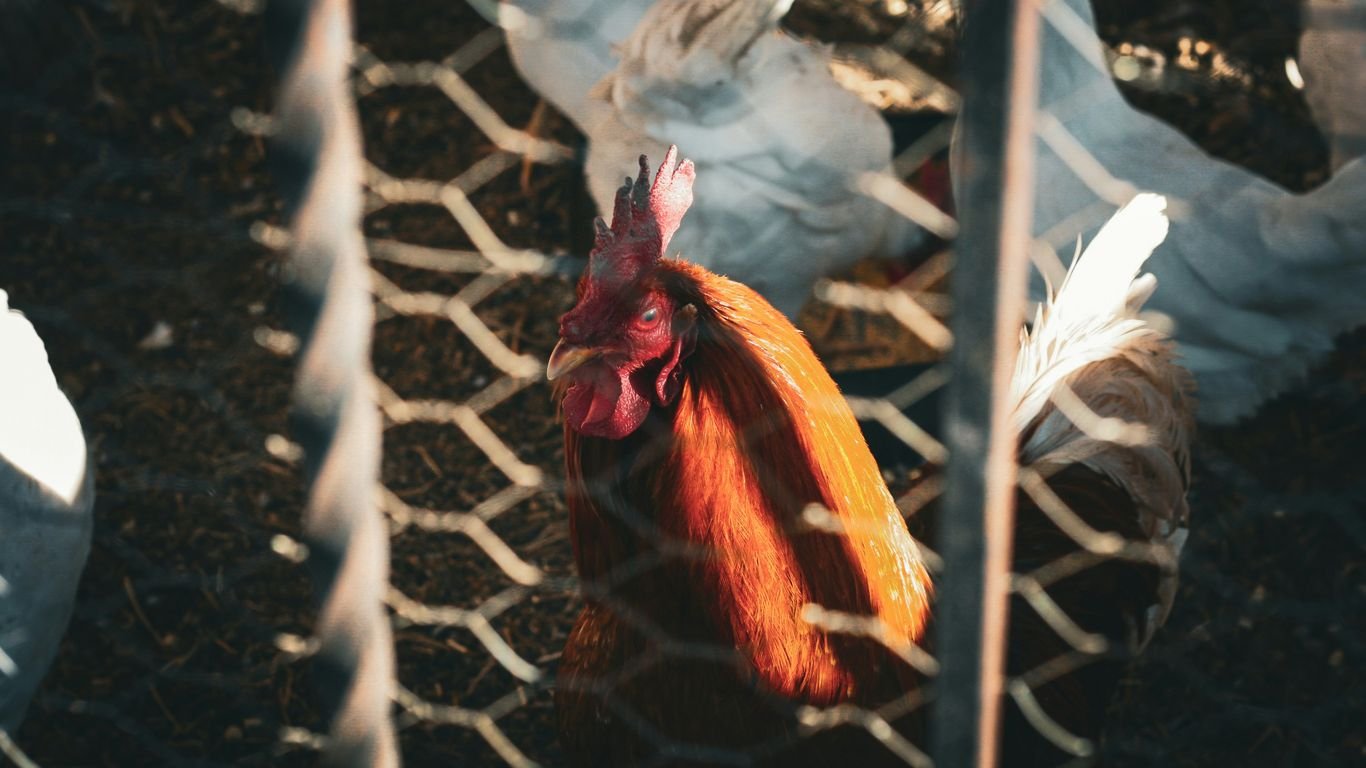
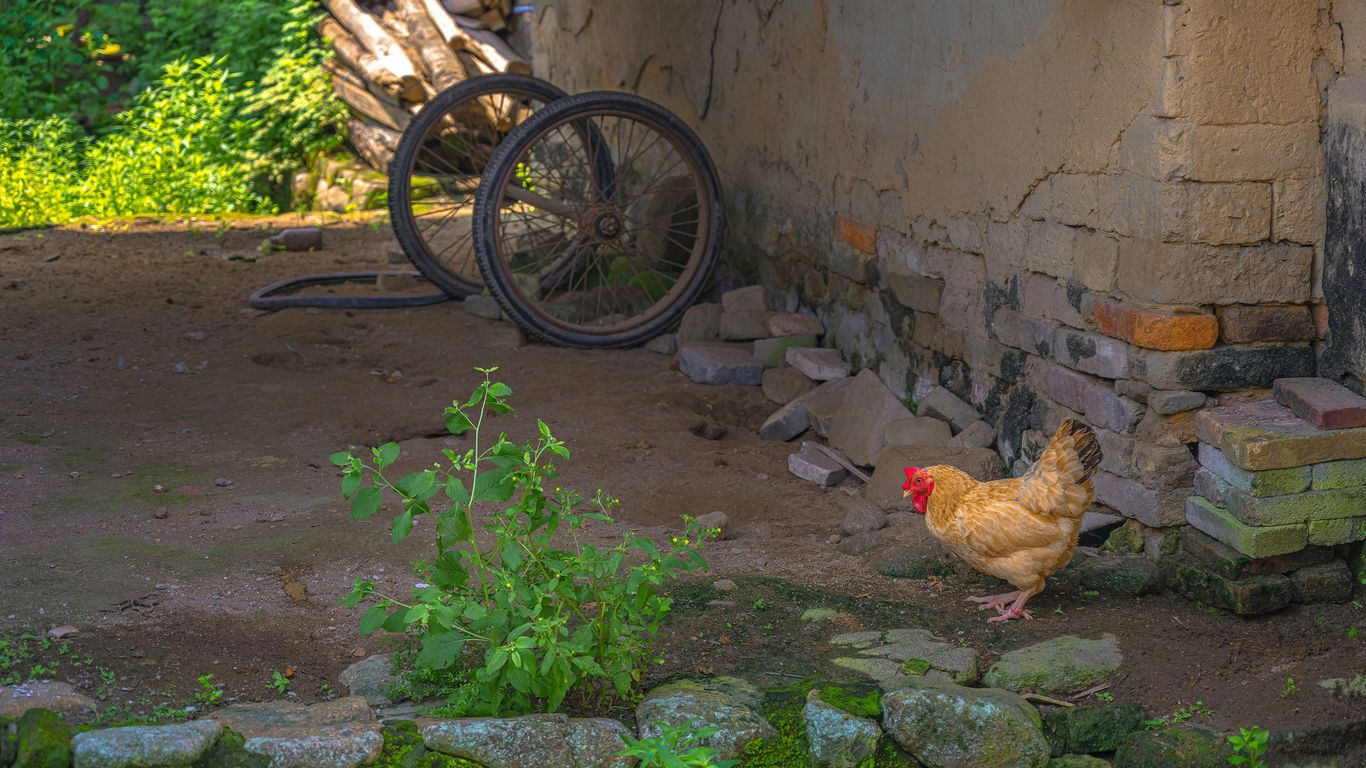
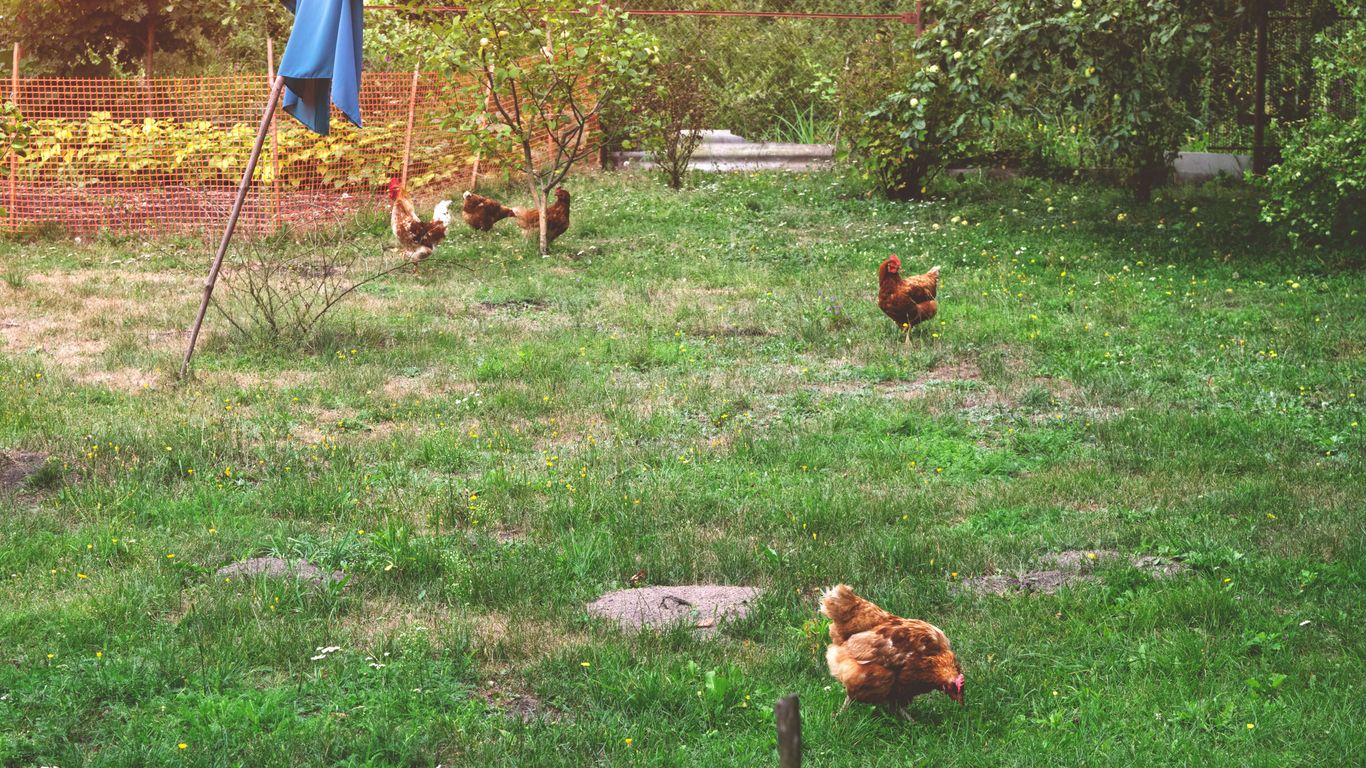
Chickens are pretty much the superstars of low-maintenance homesteading, and for good reason. They’re tough, don’t need a huge amount of space, and can even do well in a suburban backyard. Our flock gives us fresh eggs almost every single day, which is a huge win. Beyond the eggs, they’re also great at eating bugs and garden pests, and they happily gobble up kitchen scraps, turning them into valuable fertilizer. We just make sure they have a secure coop to sleep in at night (predators are a real thing!) and consistent food and water. It’s a simple setup that pays off big time.
Rabbits are another excellent choice if you’re looking for quiet, clean animals. They don’t take up much room, and a sturdy hutch with good airflow is all they really need. Their diet is pretty straightforward – mostly hay, some greens, and a good quality pellet. We found them to be incredibly easy to manage, and they’re quite productive if you decide you want to raise them for meat or even just for their manure, which is fantastic for the garden. They’re a great option for smaller homesteads or if you have limited space.
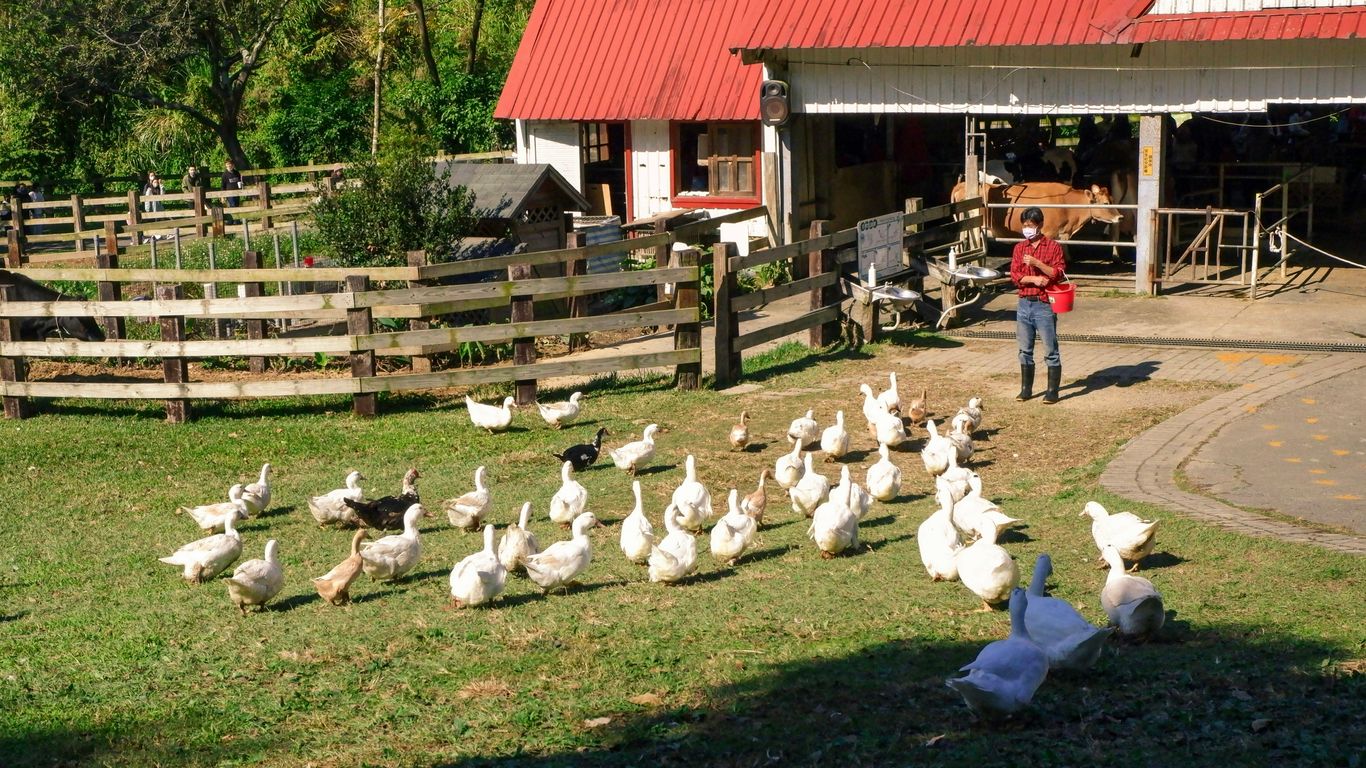
If you’re after eggs but want something a little different from chickens, ducks and quail are worth considering. Ducks are hardy and can keep laying even when the weather gets cooler. Plus, they’re fantastic at pest control, especially around ponds or damp areas. Quail are even smaller and mature really quickly, providing both eggs and meat with minimal fuss. Both require basic housing, clean water, and food, but they often do well in smaller spaces than chickens might. They’re a good way to diversify your egg supply without adding a lot of work.
When we first started thinking about homesteading, we pictured big animals, you know, cows and horses. But honestly, that felt a bit overwhelming. Turns out, you don’t need acres of land or a full-time farm schedule to get a lot of value from animals. There are some smaller critters that are surprisingly easy to care for and still give us plenty back. We’ve found that miniature livestock can really make a difference without taking over our lives.
We were a little hesitant about goats at first. They have a reputation for being escape artists, and honestly, we didn’t want that kind of drama. But then we looked into miniature breeds, like Nigerian Dwarfs. They’re a whole different ballgame! They’re much easier to handle than their full-sized cousins, and they still give us a good amount of milk. It’s not enough to run a dairy, but for our family’s needs, it’s perfect. Plus, they’re just fun to watch. They’re curious and playful, and they add a lot of life to our little homestead. The biggest thing with goats is making sure their fencing is solid. Once that’s sorted, they’re pretty low-maintenance.
Turkeys often get a bad rap for being difficult, but we’ve found that heritage breeds are actually pretty hardy and independent. They do need a bit more space than chickens, but they’re great foragers. We let ours roam a good bit, and they find a lot of their own food, which cuts down on our feed costs. The meat from heritage turkeys is fantastic, way better than what you find in the store around Thanksgiving. Raising a small flock means we pretty much have our own Thanksgiving bird covered every year. They can also be surprisingly friendly and curious, which makes them interesting to have around. We were surprised by how much personality they have!
We learned that choosing the right breed makes a huge difference. Heritage turkeys are generally more robust and easier to manage than some of the commercial breeds. They’re also better mothers if you’re thinking about breeding them.
Here’s a quick look at what they offer:
We’ve found that these animals, while not as common as chickens, offer a lot of bang for their buck. They fit well into a busy lifestyle because their needs are manageable, and the rewards are definitely worth it.
When we think about homestead animals, our minds usually jump to the furry or feathered. But what about the tiny, buzzing ones? Honeybees might seem intimidating, but honestly, they’re surprisingly low-maintenance and offer some pretty sweet rewards. Setting up a hive isn’t as complicated as you might think, and once they’re established, they mostly take care of themselves. They’re fantastic pollinators for our garden, which means more veggies and fruits for us. Plus, who doesn’t love a bit of homegrown honey? It’s a little bit of magic right in our backyard.
Okay, this one might sound a bit out there, but hear us out: worms are seriously underrated homestead helpers. If you’ve got kitchen scraps or yard waste piling up, a worm bin is your best friend. These little guys are composting machines. They munch on organic material and turn it into nutrient-rich fertilizer, often called ‘worm castings,’ which is pure gold for our gardens. It’s a quiet, contained system that doesn’t take up much space and, if managed correctly, doesn’t smell bad at all. They’re basically nature’s recyclers, working hard for us 24/7.
Worm composting, or vermicomposting, is a fantastic way to reduce household waste and create a top-notch soil amendment for your plants. It’s a win-win for both your compost pile and your garden’s health.
Here’s a quick rundown on getting started:
So, we’ve talked about the little guys, but what if we’re thinking a bit bigger? Sometimes, even with a busy schedule, we want animals that offer a bit more, like substantial meat or fiber. Don’t let the size fool you; some larger animals can still fit into a low-maintenance lifestyle if we plan smart.
Sheep can be a really rewarding addition to our homestead. They’re generally pretty docile, which is nice, and they can provide us with both wool and meat. Plus, they’re fantastic grazers. If you’ve got some overgrown areas, sheep can help manage that land naturally. They’re like living lawnmowers that also give us cozy sweaters and dinner.
We do need to make sure they have secure fencing, as sheep can be escape artists. Regular hoof trimming is also a must, and shearing happens at least once a year. While they need a bit more space than chickens, a small flock can be quite manageable. We’ve found that focusing on breeds known for hardiness and good mothering instincts helps keep the daily work down.
Pigs are often thought of as messy, but honestly, they can be surprisingly efficient homestead animals, especially if we’re looking to produce a good amount of meat. They’re incredibly smart and, given the right setup, can be relatively low-maintenance.
We need to provide them with sturdy shelter and a reliable water source. Rotational grazing can also be beneficial for both the pigs and the land. While they might not be cuddly like some other animals, their practical benefits for meat production and waste management are hard to ignore. We’ve learned that a good mud wallow is pretty important for keeping them cool and happy in the summer, which also helps keep them from digging up areas they shouldn’t be.
When considering larger animals, it’s always best to start small. A single pig or a small group of sheep can teach us a lot without overwhelming our resources. We can always expand later once we’re comfortable with their care and routines.
Even the animals we call "low-maintenance" still need us to pay attention. They’re living beings, after all, and each one has its own quirks and needs. It’s not just about tossing some food their way and calling it a day. We’ve found that a little bit of planning goes a long way in keeping our critters happy and healthy, without taking over our lives.
This is non-negotiable. Predators are always looking for an easy meal, and the weather can be brutal. We learned early on that a flimsy coop or run just won’t cut it. Think sturdy construction, good ventilation, and protection from rain, wind, and sun. For smaller animals like rabbits or quail, a secure hutch is a must. For chickens, ducks, or even miniature goats, a well-built coop or shelter keeps them safe and sound. Making sure their living space is predator-proof is probably the single most important step we take. It saves us a lot of heartache and potential loss.
This sounds obvious, right? But consistency is the name of the game. Animals thrive on routine. We make sure our animals always have access to fresh, clean water. This means checking waterers daily, especially in hot weather or when it’s freezing. Food is also important, and while many of these animals can forage or eat scraps, they still need a balanced diet. For example, chickens need layers’ pellets for good egg production, and rabbits need plenty of hay. We keep a schedule for feeding and stick to it as much as possible. It helps them feel secure and keeps their digestive systems happy.
We’re not vets, but we’ve gotten pretty good at spotting when something’s off. A quick once-over each day can catch problems before they get serious. We look for changes in behavior, appetite, or appearance. Are the chickens roosting normally? Is the rabbit active? Are the ducks drinking? We also keep an eye on their droppings, as that can tell us a lot. If we see anything concerning, we don’t wait. It’s better to address a small issue early than to deal with a major health crisis later. Sometimes, it’s just a matter of isolating an animal for a bit or adjusting their diet, but knowing what to look for is key. It’s also a good idea to have a local vet who knows about livestock, just in case. We’ve found that being proactive with health saves us a lot of trouble down the road and helps us turn our homesteading skills into income by keeping our animals productive.
We learned that even the most laid-back animals need a watchful eye. It’s about building a relationship with them, understanding their normal behaviors, and intervening only when necessary. This approach keeps them healthy and us from getting overwhelmed.
See? You don’t need acres of land or a full-time farm schedule to raise animals that add value to your life. From egg-laying quail to compost-making worms, these small animals prove that homesteading can be simple, fun, and incredibly rewarding. We can start with one or two that fit our lifestyle. Maybe chickens for eggs or rabbits for fertilizer. Once we get the hang of it, we’ll find that each little creature adds its own charm and usefulness to our homestead. After all, self-sufficiency isn’t about doing everything at once. It’s about taking small, doable steps toward a more sustainable life. And sometimes, the smallest animals make the biggest difference. So which of these are you currently raising?
For folks just getting started, chickens are usually the easiest. They’re pretty tough, don’t need a huge amount of space, and give us fresh eggs almost daily. Rabbits are also a great choice because they’re quiet and don’t take up much room, just needing a simple hutch.
Not at all! Many of these animals, like chickens, ducks, quail, and rabbits, can do well in smaller spaces, even a decent-sized backyard. Miniature goats and sheep also don’t need vast pastures, especially if we manage their grazing well.
Most of them need a safe place to sleep that keeps predators out and protects them from bad weather. This could be a simple coop for chickens and rabbits, a sturdy hutch, or a small, secure pen or shelter for goats and sheep. Bees just need their hives, and worms need a bin.
That’s the best part! For many of these animals, daily care might just be a few minutes to give them food and fresh water. Checking on them, collecting eggs, or doing a quick health scan takes a little more time, but it’s usually manageable even for busy schedules. Bees, for example, might only need an hour a week once their hive is set up.
That’s totally fine! Chickens, ducks, and quail are fantastic for eggs. Honeybees give us honey and help our gardens grow. Worms create amazing compost for our plants. Even rabbits can be kept just for their manure, which is great for gardening, without needing to raise them for meat.
Absolutely! Chickens and ducks are great at eating bugs and weeds in our gardens. Worms are the ultimate composters, turning our kitchen scraps into valuable fertilizer. And some breeds of goats are fantastic at clearing overgrown brush, helping us manage our land naturally.
 March 7, 2026
How to Turn Food Preservation Into a Side Hustle
Canning
Homestead Kitchen
Homesteading
Sustainable Living
March 7, 2026
How to Turn Food Preservation Into a Side Hustle
Canning
Homestead Kitchen
Homesteading
Sustainable Living
We've all got those hobbies or skills that we love doing, right? Maybe it's baking, gardening, or even making your own jam. What if we told you that you could turn those passions into a little extra cash? It might...
Read More March 7, 2026
High-Output Crops Perfect for Micro Homesteads
Gardening
Homestead Planning
Homesteading
Starting a Homestead
March 7, 2026
High-Output Crops Perfect for Micro Homesteads
Gardening
Homestead Planning
Homesteading
Starting a Homestead
Thinking about growing your own food but only have a little space? We get it. Many of us are looking for ways to be more self-sufficient, even if we don't have acres to work with. The good news is, you...
Read More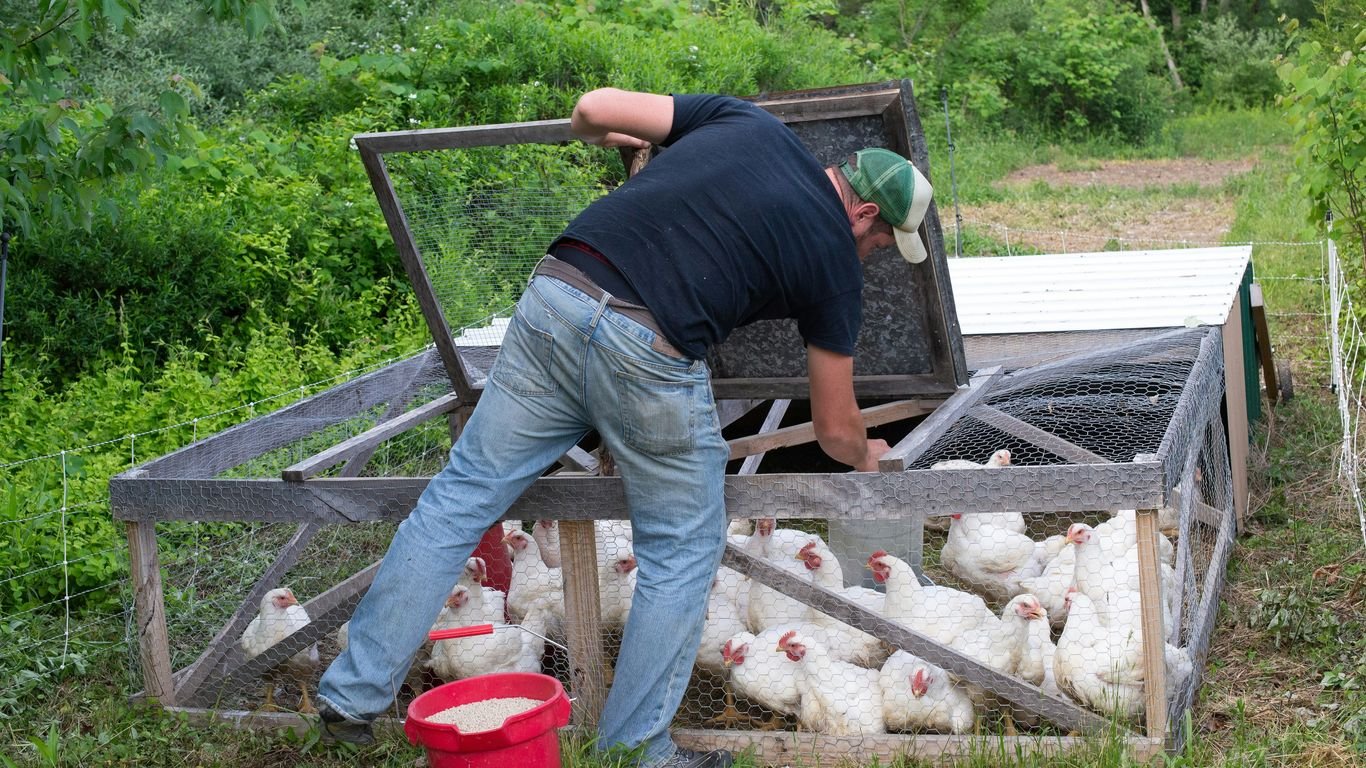 March 6, 2026
10 Low-Cost Homestead Side Hustles That Make Money
Homestead Planning
Homesteading
Starting a Homestead
March 6, 2026
10 Low-Cost Homestead Side Hustles That Make Money
Homestead Planning
Homesteading
Starting a Homestead
We all dream of a simpler life, right? One where we're more connected to the land and the seasons. But let's be real, that dream needs some funding. That's where low cost homestead side hustles come in. These aren't about...
Read More