


We’ve been thinking a lot about how to make the most of our space when planning our homestead. It’s amazing what you can achieve, even with a small plot of land. Whether you’re dreaming of fresh vegetables, a few chickens, or just a more self-sufficient lifestyle, a well-thought-out small homestead layout is key. We’ll explore how to design a functional and productive space that fits your needs and your land.
Getting started with designing your small homestead layout can feel like a big task, but it’s really about figuring out what you want and what you’ve got to work with. We’ve found that breaking it down makes it much more manageable. It’s not just about slapping a garden bed here and a chicken coop there; it’s about creating a system that works for you and your land.
Before we even think about where to put things, we need to sit down and really think about what we want from our homestead. Are we aiming for a little extra fresh food, or do we want to be mostly self-sufficient? Maybe we want a place for the kids to play safely while we work. Jotting these down helps us prioritize.
Thinking about your ‘why’ from the start helps prevent you from getting sidetracked by trendy ideas that don’t actually fit your life. It’s about building a homestead that serves us.
Now, let’s look at the actual space we have. Every piece of land is different. We need to be honest about its quirks and advantages. Observing your land’s natural characteristics is key to a successful design.
This is the part that can sometimes be a buzzkill, but it’s really important. We need to know the rules before we start building or planting. Nobody wants to have to tear something down because it wasn’t allowed.
We usually find that checking the local government website or giving the planning department a call is the best way to get this information. It’s better to know upfront than to find out the hard way.
Even if we don’t have acres of land, we can still create productive and beautiful homesteads right in our suburban neighborhoods. It’s all about being smart with the space we’ve got. We’re going to look at a few ways to approach this, from using bigger suburban plots to getting really creative with smaller yards.
If we’re lucky enough to have a larger suburban lot, we might think it’s mostly taken up by the house and driveway. But there’s often more potential than we realize. We can set up a permaculture fruit tree guild, mixing berries and trees like pawpaws. Adding substantial flower borders with blooms that last a long time is also a great idea. We can fit in a couple of garden areas, maybe some beehives for pollination and honey, and definitely a chicken tractor or mobile coop. Don’t forget compost and leaf mold bins to keep our soil happy.
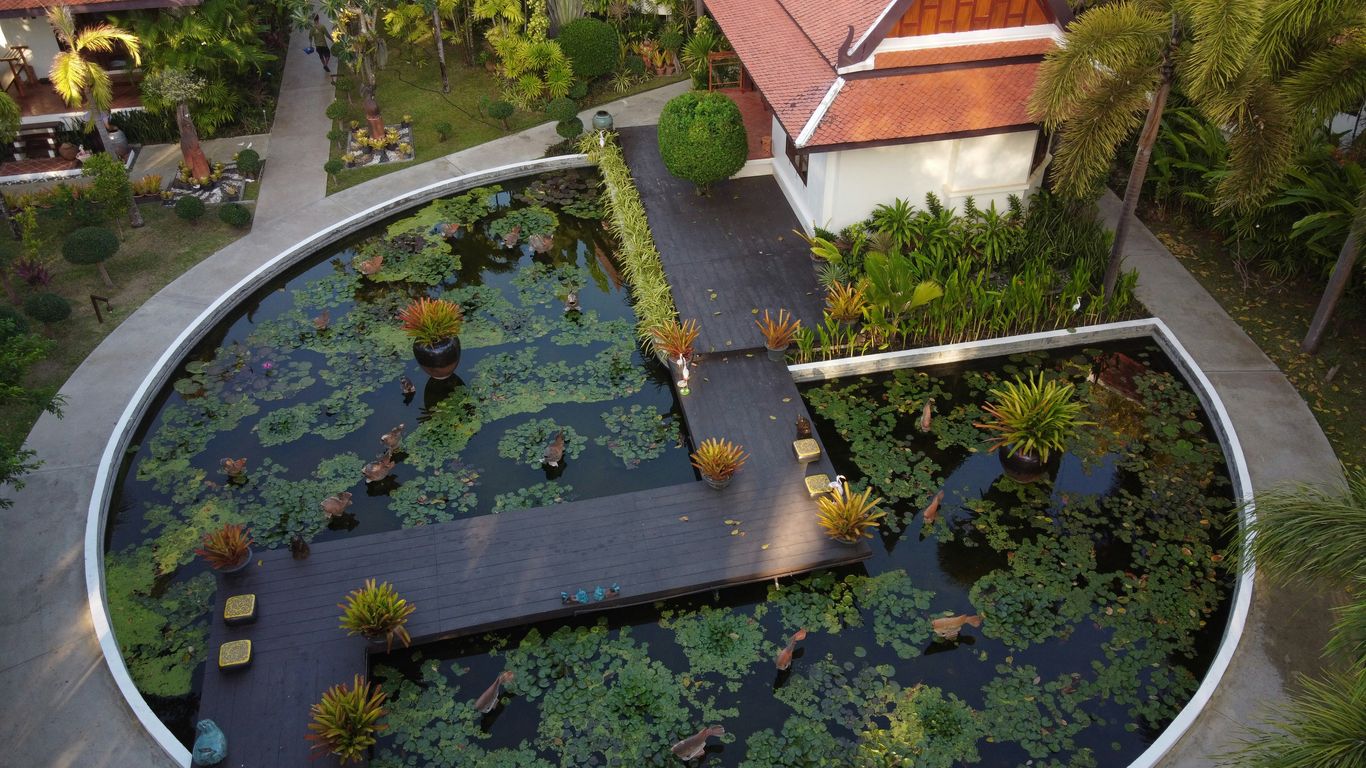
For those with a medium-sized backyard, we still have room for kids or pets to play while also getting a productive food forest going. We can even put a mini food forest in the front yard! A geodesic dome greenhouse can extend our growing season for veggies. We’ll want a dedicated composting area, and we can keep small livestock like rabbits or chickens. Beehives are good here too. A keyhole garden bed is a smart choice for maximizing planting space. If we have a greenhouse with a pond, we can explore aquaponics and grow food year-round.
Living in a smaller space, maybe even a duplex, doesn’t mean we can’t homestead. Raised beds are fantastic because we can easily turn them into mini hoop houses to get more out of the growing season. Beehives help pollinate our gardens and give us honey, and composted manure from livestock is gold for the soil. We can set up a perennial vegetable bed, a composting area, and a rabbit hutch with a run. A mobile chicken coop is perfect for small spaces. Even patio planters can grow herbs and strawberries.
The key is to look at every inch of our property and ask, ‘How can this space work harder for us?’
Here’s a quick rundown of what we can aim for:
When planning, it’s helpful to sketch out our ideas. We can measure our land and any existing structures. Researching local rules about keeping animals is a must. Then, we list what we want and start drawing. It doesn’t have to be perfect at first; we can adjust as we go.
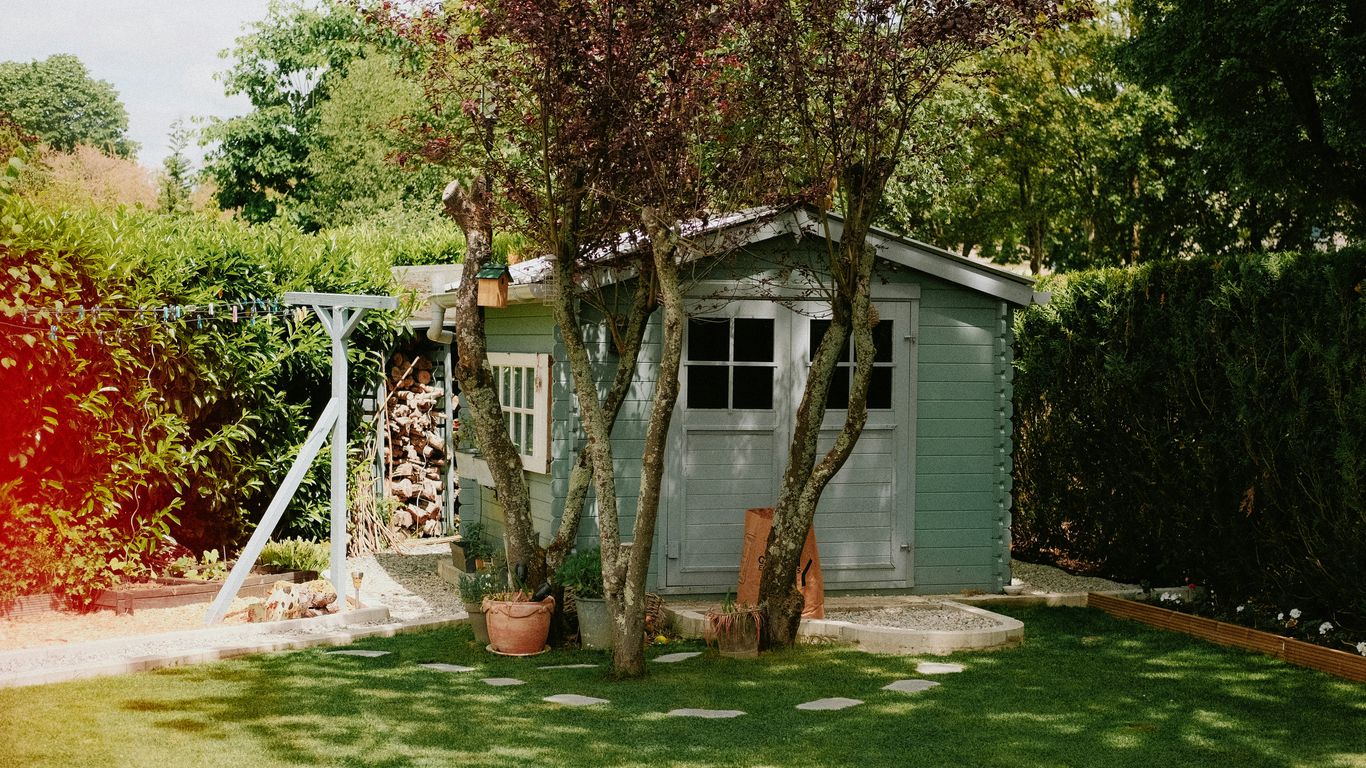
When we’re thinking about our small homesteads, getting the garden right is a big deal. It’s not just about sticking seeds in the ground; it’s about making every inch count. We’ve found that raised beds are a game-changer. They let us control the soil quality, which is super important for healthy plants, and they make weeding and harvesting way easier. Plus, they look neat and tidy. For us, a good setup often involves a mix of raised beds for things like tomatoes and peppers, and maybe some in-ground areas for root vegetables or larger crops like squash if we have the space. Don’t underestimate the power of good soil; it’s the bedrock of everything we grow. We also like to think about vertical gardening for things like beans and cucumbers. Trellises and supports mean we can grow more upwards, freeing up ground space for other things. It really helps when you’re trying to pack a lot of food production into a small area.
Adding animals to a small homestead can feel tricky, but it’s totally doable and adds so much to our lives. For us, chickens are usually the first to arrive. They give us eggs and help with pest control. We’ve learned that a movable chicken coop, sometimes called a chicken tractor, is brilliant. It lets us move them around the yard to graze and fertilize different spots, and it keeps them safe from predators. If we have a bit more space, maybe a couple of rabbits for meat or even a small goat or two can work. The key is to plan their housing so it’s efficient and doesn’t take over our whole yard. We also need to think about where their food and water will come from, and how we’ll manage their waste – which brings us to compost!
Honestly, we can’t talk about productive homesteading without talking about compost. It’s like black gold for our gardens. We set up a simple compost bin system, often with two bays. One bay is for adding fresh kitchen scraps, garden waste, and even chicken manure, while the other is for the stuff that’s actively breaking down. This way, we always have a pile that’s ready to use. Rotating crops and using cover crops in between growing seasons also helps keep our soil from getting tired. Healthy soil means healthier plants, fewer pests, and better yields. It’s a cycle: healthy soil grows good food, which feeds us and our animals, whose waste then helps build even better soil. It’s a win-win-win.
We’ve found that a good compost system not only reduces waste but also significantly cuts down on the need for store-bought fertilizers, saving us money and making our homestead more sustainable.
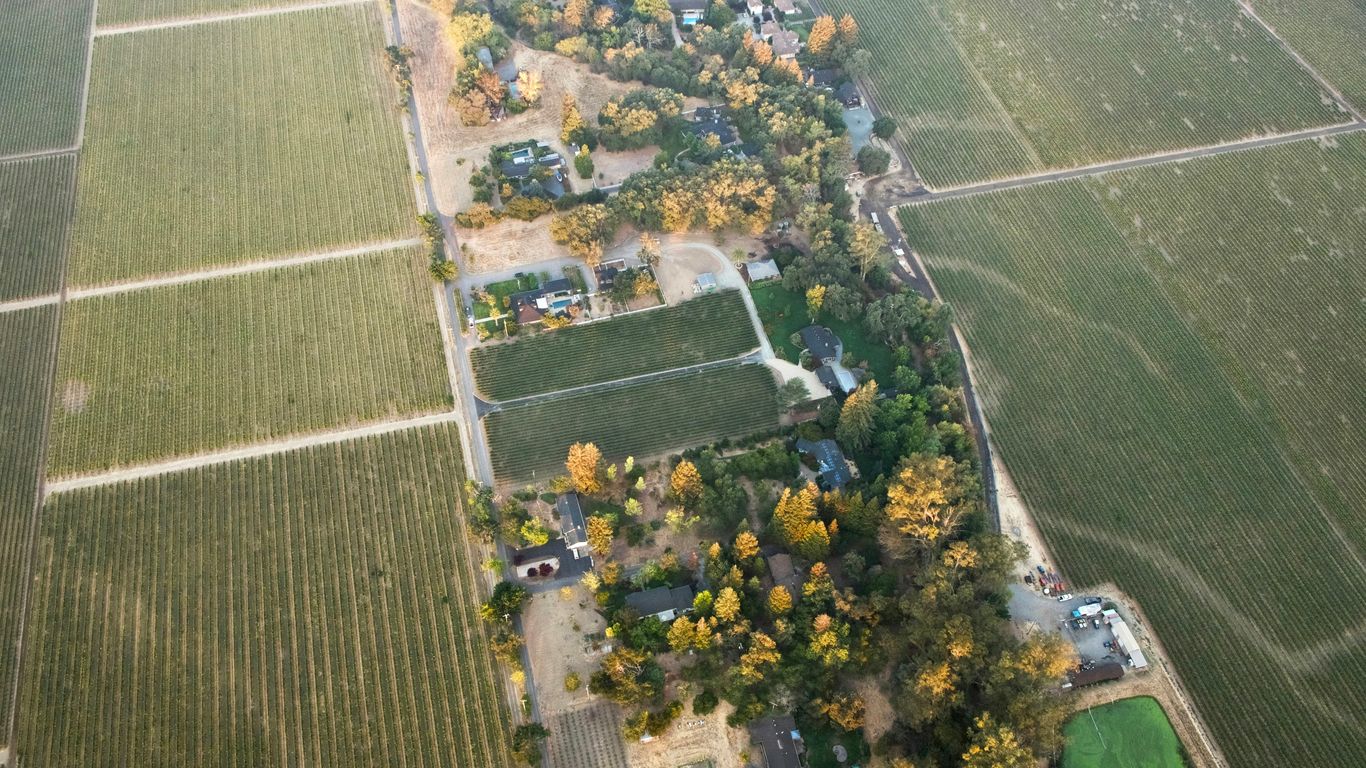
When we think about setting up our homestead, the amount of land we have really shapes what’s possible. It’s not just about having more space; it’s about how we use that space effectively. Whether we’re working with a cozy couple of acres or a sprawling ten, the layout is our blueprint for making things happen.
On two acres, we’re looking at a setup that’s efficient and balanced. It’s enough room to get a good garden going, maybe raise some chickens or a couple of goats, and even fit in a small orchard. The key here is smart placement. We want our garden beds and animal housing close to the house for easy daily chores. Think about using raised beds or vertical gardening to pack more into your planting space. For animals, compact housing like a movable chicken coop or a well-designed goat pen works wonders. A few fruit trees or berry bushes can provide a nice harvest without taking over. We need to be mindful of how we use every square foot.
With five acres, we get a bit more breathing room. This size allows us to diversify more. We can have larger garden areas, maybe even a small field for staple crops, and more options for livestock. It’s a good size for separating different functions – like having a dedicated zone for crops, another for animals, and perhaps a spot for a workshop or storage shed. Planning for water collection systems becomes more practical here, and we can really think about rotational grazing for any animals we have. It’s about creating distinct areas that work together.
Ten acres opens up a whole new level of possibilities. We can think about larger-scale farming, more extensive livestock operations, or even specialized projects like ponds for fish or dedicated areas for orchards and forest gardens. This acreage allows for more significant infrastructure, like multiple barns, larger pastures, and the space to implement advanced systems. We can really plan for long-term projects and sustainability, perhaps incorporating food forests or permaculture designs that require more space to mature. It’s about building a resilient system that can support a lot of different activities.
On ten acres, we can really start to think about creating a self-sustaining ecosystem. This means planning for not just immediate needs but also for the future, allowing space for perennial crops to establish and for different animal systems to coexist harmoniously. It’s a significant commitment, but the rewards in terms of productivity and resilience are substantial.
When we’re working with limited space on our homesteads, getting creative is key. We don’t have acres to spread out, so we need smart ways to pack in productivity. It’s all about thinking outside the box, or in this case, thinking up and around.
This is a game-changer for small plots. Instead of just planting in rows on the ground, we can use vertical space. Think trellises for beans and cucumbers, or stacking planters for herbs and strawberries. Even walls can become living surfaces with the right setup. We’ve found that by growing upwards, we can significantly increase our harvest without taking up more ground space. It makes a huge difference, especially in our vegetable gardens.
These aren’t your average garden beds. Keyhole gardens are circular or kidney-shaped beds with a central compost basket. We fill this basket with organic matter, and as it breaks down, it feeds the surrounding soil and plants. This means less watering and more nutrients for our crops. Plus, the shape makes it easy to reach the center from all sides, reducing soil compaction. It’s a really efficient way to grow a lot in a small footprint, and they look pretty neat too.
For those of us with a few chickens or other small livestock, mobility is everything. Instead of a fixed coop that takes up permanent space, we use chicken tractors or mobile coops. These are essentially portable chicken houses on wheels. We can move them around the yard or even to different garden beds. This does a few things: it gives the chickens fresh grass and bugs, it fertilizes different areas of the garden naturally, and it helps prevent soil depletion. It’s like having a self-propelled lawnmower and fertilizer spreader all in one! We also find it helps keep pests away from specific garden areas by rotating the chickens through. It’s a simple concept that really boosts our homestead’s flexibility and soil health, contributing to living sustainably.
We’ve learned that sometimes the most effective solutions aren’t the most complicated. Simple, well-designed tools and techniques can make a world of difference when space is tight. It’s about working with our land, not against it, and using every inch wisely.
Getting your small homestead layout just right takes some thought. We’ve all been there, sketching out grand plans on paper, only to realize later that we’ve overlooked something pretty important. It’s easy to get excited and want to do everything at once, but a little planning goes a long way.
Before we get into what not to do, let’s talk about how we can plan better. There are tons of tools out there to help us visualize our space. If you’re a digital person, you might like using software like SketchUp to build a 3D model of your property. It lets you see your layout from every angle before you even break ground. For garden-specific planning, tools like the Almanac Garden Planner can be super helpful with drag-and-drop features and crop rotation ideas. If you prefer something simpler, even a basic online garden designer can give you a good starting point.
But honestly, don’t discount the old-school methods! A good old piece of graph paper and a pencil can be incredibly effective. You can even print out a satellite image of your land from Google Maps and sketch directly on it. This low-tech approach is great for quickly trying out different ideas and seeing how they might fit.
Now, for the pitfalls. We’ve learned a few things the hard way, and hopefully, you can avoid them.
The goal isn’t just to place things on your land, but to make each element serve multiple purposes. Think about how a fence can also support climbing plants, or how a pond can help with drainage while also providing habitat.
This is a big one we often forget. It’s easy to design for your needs today, but what about five or ten years from now? Will you want to add more animals? Expand your garden? Build a greenhouse?
Remember, your homestead is a living system. Designing with flexibility and future growth in mind will save you a lot of headaches down the road.
So, we’ve looked at how even a small patch of land can become a super productive homestead. It’s all about smart planning, right? Whether you’ve got a tiny backyard or a couple of acres, figuring out where everything goes makes a huge difference. We saw how you can fit in gardens, maybe some chickens, and still have space for kids or pets. It really shows that you don’t need a massive farm to grow your own food and feel more self-reliant. The key is to really think about what you want to do and then design your space to make it happen. It might take some time to get it all set up, but the payoff of having a functional, productive homestead, no matter the size, is totally worth it.
Before we even think about where to put things, we need to figure out what we want our homestead to do for us. Are we aiming for tons of veggies, raising some chickens, or maybe both? Knowing our main goals helps us decide how much space each part needs. We also need to get a good look at our land – how big is it, and what’s already there, like slopes or sunny spots?
Even tiny yards can be super productive! We can use vertical gardening, like growing plants up trellises or walls, to save ground space. Raised garden beds are great for growing more in a smaller area, and some can even be turned into mini greenhouses. We can also get creative with compost bins that double as planters, or use keyhole garden beds which give us more growing room.
For smaller spaces, we often start with chickens for eggs and meat, or perhaps rabbits. They don’t need a huge amount of room and their waste makes great compost. If we have a bit more space, maybe a couple of goats could work. The key is to research local rules about animals and make sure we have enough room for their housing and any outdoor space they need.
Absolutely! It’s super important. We need to find out what the local government says about things like raising animals, where we can build sheds, or how tall fences can be. Ignoring these rules could mean we have to change our whole plan later, which would be a big headache. So, we check these rules first to make sure our dream layout is actually allowed.
We don’t need fancy software to start. Using graph paper and sketching out our ideas is a fantastic way to begin. We can draw our property and then play around with where to put the garden, the chicken coop, or fruit trees. There are also free online tools and apps that can help us visualize our space in 3D, which is pretty cool.
One big mistake is trying to do too much all at once! It’s easy to get excited and want everything, but cramming too many things into a small space can make it hard to manage. We should focus on our main goals first and leave room to grow later. It’s also a mistake to ignore how our land naturally works, like its sunny spots or slopes – working with nature makes things easier.
 March 7, 2026
How to Turn Food Preservation Into a Side Hustle
Canning
Homestead Kitchen
Homesteading
Sustainable Living
March 7, 2026
How to Turn Food Preservation Into a Side Hustle
Canning
Homestead Kitchen
Homesteading
Sustainable Living
We've all got those hobbies or skills that we love doing, right? Maybe it's baking, gardening, or even making your own jam. What if we told you that you could turn those passions into a little extra cash? It might...
Read More March 7, 2026
High-Output Crops Perfect for Micro Homesteads
Gardening
Homestead Planning
Homesteading
Starting a Homestead
March 7, 2026
High-Output Crops Perfect for Micro Homesteads
Gardening
Homestead Planning
Homesteading
Starting a Homestead
Thinking about growing your own food but only have a little space? We get it. Many of us are looking for ways to be more self-sufficient, even if we don't have acres to work with. The good news is, you...
Read More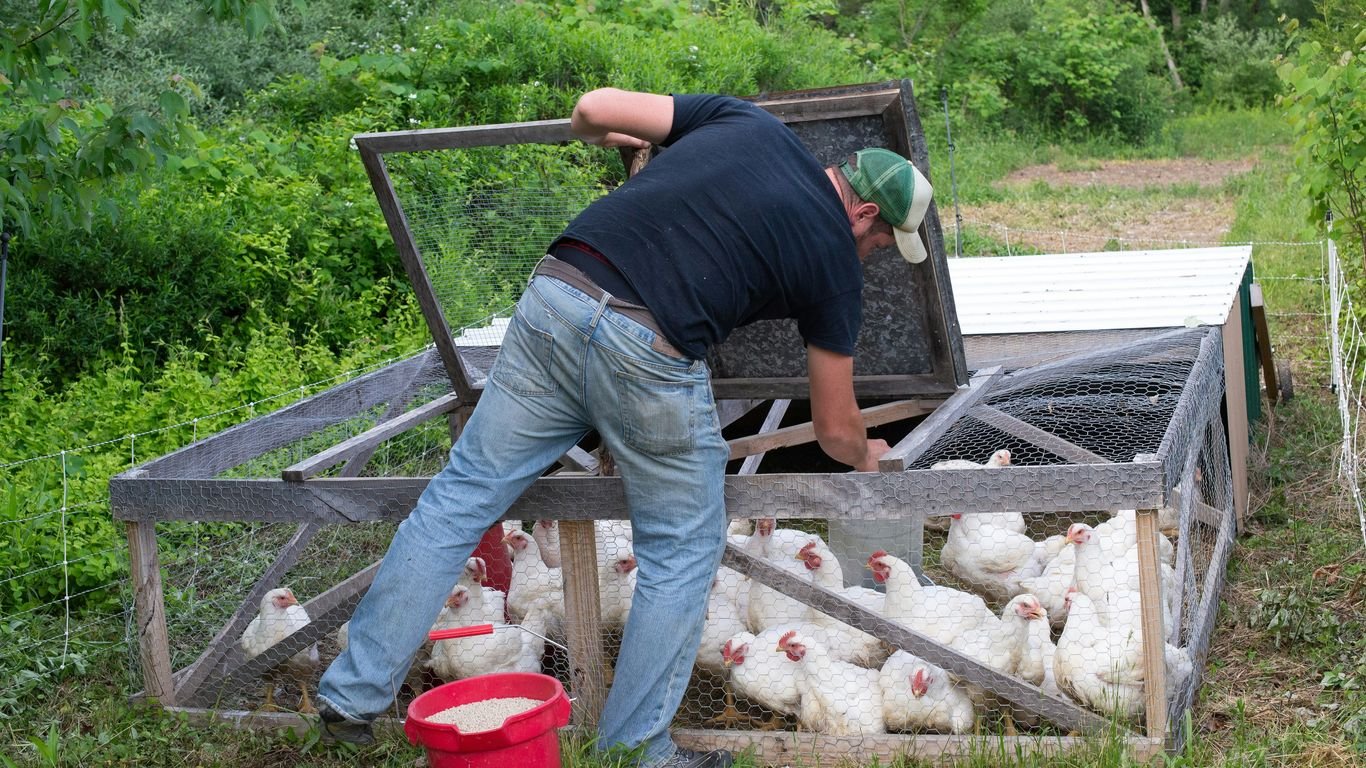 March 6, 2026
10 Low-Cost Homestead Side Hustles That Make Money
Homestead Planning
Homesteading
Starting a Homestead
March 6, 2026
10 Low-Cost Homestead Side Hustles That Make Money
Homestead Planning
Homesteading
Starting a Homestead
We all dream of a simpler life, right? One where we're more connected to the land and the seasons. But let's be real, that dream needs some funding. That's where low cost homestead side hustles come in. These aren't about...
Read More