


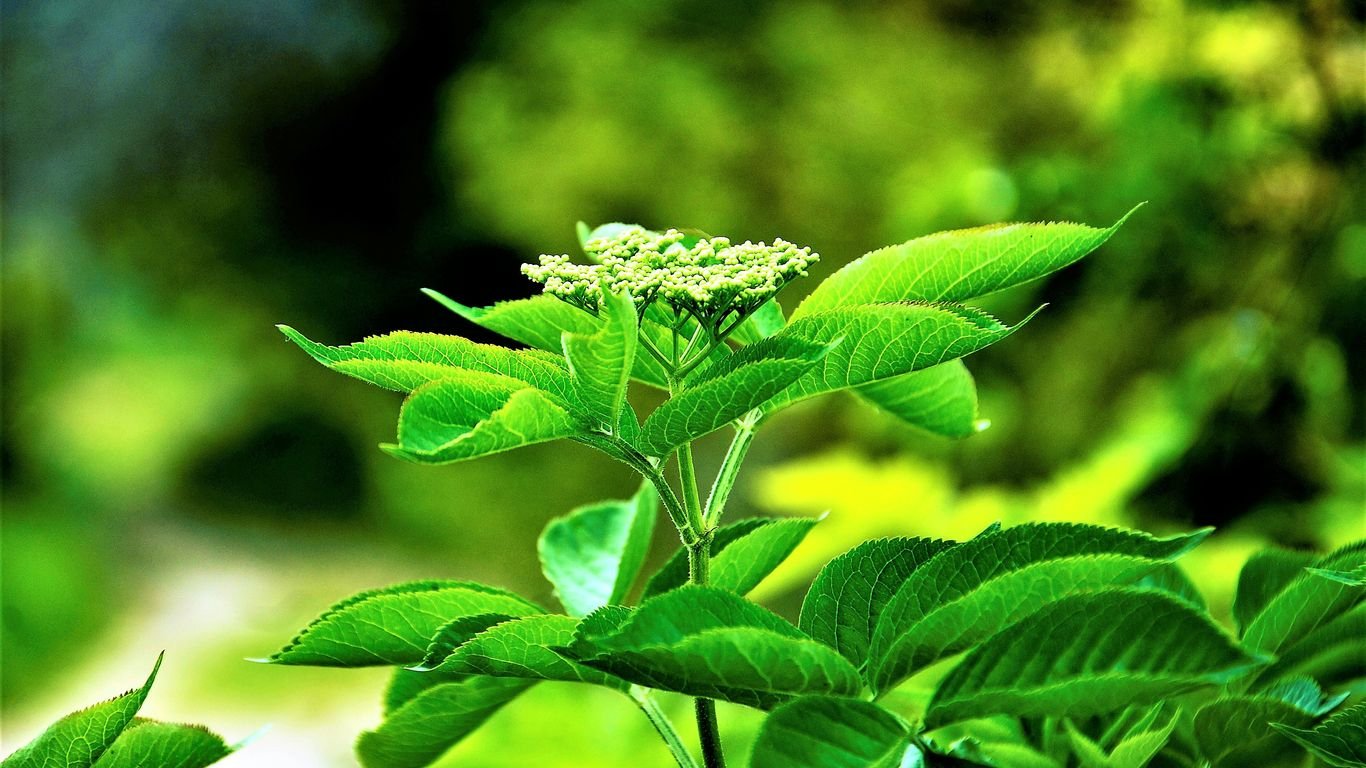
Living on a homestead means we often rely on what nature provides. Sometimes, that means a scraped knee or a bug bite needs more than just a band-aid. We’ve found that growing our own herbs for first aid has been a game-changer. It’s a way to connect with the land and have natural remedies right at our fingertips. Building up our collection of homestead first aid herbs has given us a quiet confidence in caring for our family.
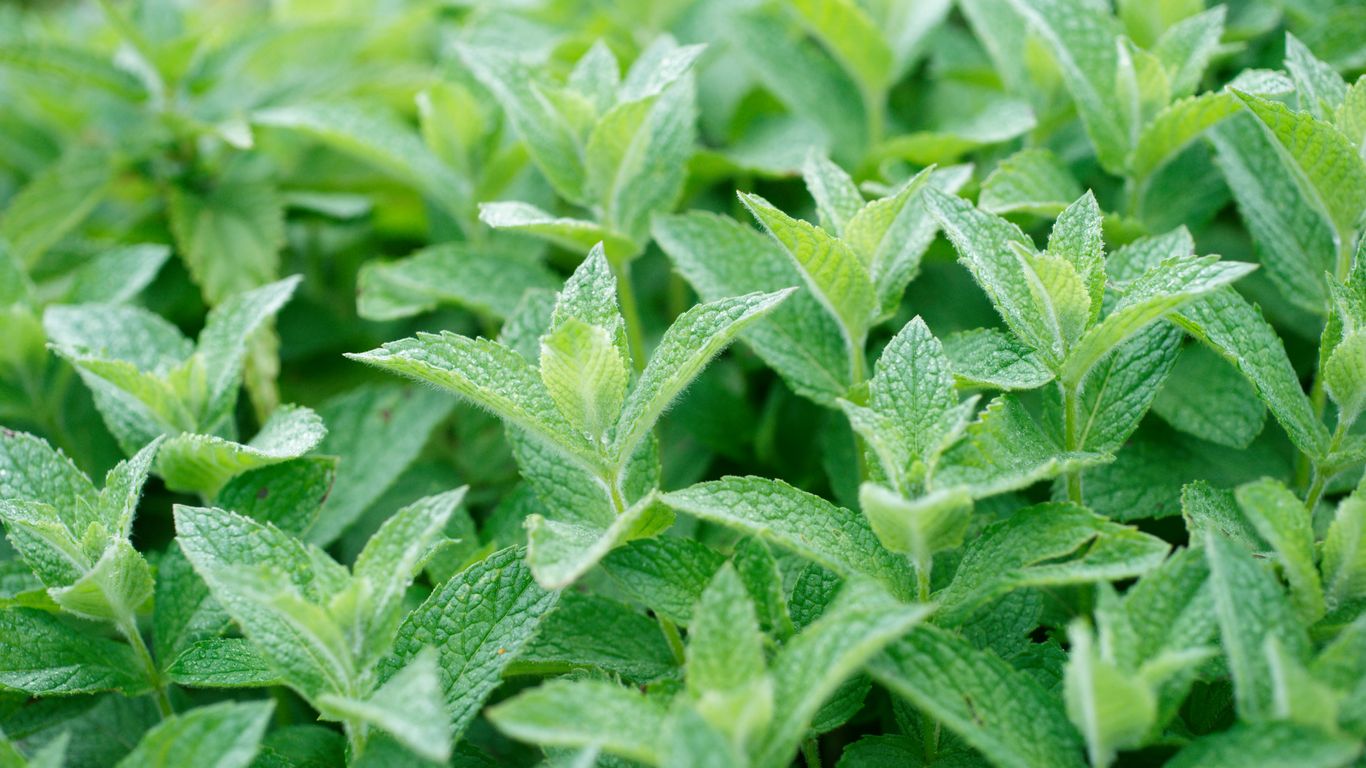
Starting an herbal first aid collection for our homestead felt like a big step, but honestly, it’s one of the most rewarding things we’ve done. It’s about connecting with the plants around us and feeling more prepared for whatever comes our way. We’re not talking about replacing conventional medicine entirely, but having these natural allies on hand gives us a real sense of confidence.
Before we even thought about which plants to grow or gather, we sat down and really thought about what happens most often around here. What are the common little emergencies or discomforts we deal with? For us, it’s usually things like:
Your homestead might have different common issues. Maybe you have more kids prone to earaches, or perhaps you’re dealing with more foot injuries from hiking. Taking a moment to honestly assess your family’s typical health concerns is the first, most important step. It helps us focus our efforts on the herbs that will actually be useful for us.
Once we had a clearer picture of our needs, we started thinking about how to get our hands on the right plants. There are a few ways we go about this:
This is where the magic really happens! Gathering the herbs is one thing, but preparing them into usable remedies is the next step. We started simple and gradually added more techniques:
Building this collection isn’t a race. It’s a slow, steady process of learning and growing, much like tending a garden. Each herb you add, each remedy you make, builds your confidence and your self-sufficiency. We started with just a few key plants, and over time, our herbal apothecary has blossomed.
When we first started thinking about a homestead first aid kit, we knew we wanted to rely on what we could grow. It just makes sense, right? Having these plants readily available means we can deal with little scrapes, burns, or bug bites without a trip to town. We’ve found a few plants that have become absolute staples for us.
Plantain might look like a common weed, but don’t let its humble appearance fool you. This plant is a powerhouse for healing. We’ve used it countless times for cuts, scrapes, and even insect stings. It has a way of drawing out impurities and calming down angry-looking skin.
Mallow, marshmallow, and hollyhock are all cousins, and they share a wonderful, soothing quality. We find them particularly helpful for anything that feels dry or irritated, especially on mucous membranes.
The mucilage in these plants creates a protective layer, which is why they are so good at soothing irritated tissues. It’s like a gentle balm from nature.
Calendula, often called pot marigold, is like a little bit of sunshine in our garden and our first aid kit. Its bright orange petals are a sign of its healing power, especially for skin issues.
Getting your hands dirty and growing your own healing plants is one of the most rewarding parts of homesteading. It’s not just about having remedies on hand; it’s about connecting with the earth and understanding the power that grows right outside your door. We’ve found that starting with a few key herbs makes the process feel manageable and incredibly satisfying.
Plantain is one of those plants that seems to pop up everywhere, and honestly, we love it for that! It’s incredibly resilient and doesn’t ask for much. Whether you find it growing wild or decide to plant some seeds, having plantain readily available is a game-changer for everyday scrapes and cuts. We just let it grow in a corner of the garden or even in some pots on the porch. It’s a true workhorse for wound care.
Calendula, with its cheerful, sunny blooms, is another favorite. It’s not just pretty; its petals are packed with compounds that are fantastic for skin health and healing. We find it’s a great addition to any garden, bringing both beauty and medicinal value.
Comfrey is a powerhouse for healing, especially when it comes to skin regeneration and mending tissues. It’s a vigorous grower, so giving it its own space is a good idea. We’ve found that a little bit of comfrey goes a long way in making potent salves and balms.
Growing your own first aid herbs is a journey that builds confidence. It’s about understanding the plants, nurturing them, and then using their gifts to care for your family. Start small, learn as you go, and you’ll be amazed at what your garden can provide. You can find simple herbal remedies for common ailments using readily available herbs and household ingredients on this page.
Once we’ve gathered our herbs, the next step is getting them ready for use and making sure they’ll last. It’s not complicated, but a little care goes a long way in keeping them potent. We want our homemade remedies to be reliable when we need them, right?
Drying is how we preserve most of our herbs for later. It stops mold and keeps the plant’s good stuff from breaking down too fast. We usually dry leaves and flowers in a single layer on screens or screens in a place with good air movement, out of direct sunlight. Sunlight can bleach out some of the plant’s power. Roots are a bit different; we often slice them thin before drying. Trying to dry a whole root is tough, and it takes forever to grind later. The goal is to get them dry enough that they crumble easily, not bend.
When we talk about poultices, we’re usually talking about using dried, powdered herbs mixed with a little warm water to make a paste. This paste gets spread directly onto a wound or sore, then covered with a clean cloth or bandage. It’s great for drawing out splinters or soothing an infected cut. Salves are a bit more involved. We often infuse dried herbs into an oil (like olive or almond oil) for a few weeks, then strain the herbs out. We then melt beeswax into that infused oil to create a solid balm. This salve is wonderful for skin irritations, burns, and dry patches.
How we store our dried herbs and finished remedies makes a big difference in how long they stay good. We like to use clean glass jars with tight-fitting lids. These jars should be stored in a cool, dark place, like a pantry or cupboard. We always label each jar with the name of the herb, which part of the plant we used (like leaf or root), and the date we harvested or prepared it. This helps us keep track of what we have and use the oldest first. For salves, keeping them out of heat is also important so they don’t melt.
Building up your herbal remedies is a process. Don’t feel like you need to do it all at once. Start with a few herbs you use often, get comfortable preparing and storing them, and then gradually add more. It’s a journey that unfolds over time, much like tending a garden.
Once we’ve got the core herbs like plantain and calendula sorted, it’s natural to want to add more powerhouses to our homestead apothecary. Think of it like building a solid foundation and then adding the rooms that make a house a home. We’re talking about herbs that tackle more specific issues or offer broader support. It’s about getting more comfortable with what nature provides.
Burdock root is a fantastic addition when we want to help our bodies clear out things it doesn’t need. It’s known for supporting the liver, which is our main detox organ. We often use it as a tea or add the powdered root to smoothies. It has a slightly bitter taste, but it’s worth it for the benefits. It’s a gentle but effective way to support our internal cleansing processes.
Stinging nettle might sound intimidating, but don’t let the sting fool you. Once dried or cooked, it’s completely safe and incredibly nourishing. We use nettle leaves for teas and tinctures, especially for allergies or to get a good dose of vitamins and minerals. The seeds are also gaining popularity for kidney support. It’s amazing how something so common can be so packed with goodness. We’ve found it really helps with seasonal sniffles. You can find nettle seeds for your collection.
Mullein is another one of those plants that seems to grow everywhere, and it’s a lifesaver for coughs and respiratory issues. The soft, fuzzy leaves are great for making a tea that soothes dry, hacking coughs. And don’t forget the flowers! A simple infused oil made from mullein blossoms is a go-to for ear discomfort. It’s a gentle remedy that has been used for ages.
Here’s a quick look at how we incorporate these into our kit:
Building this kind of toolkit takes time. We started with just a few herbs and gradually added more as we learned what our family needed most. It’s a rewarding process that connects us more deeply to the natural world around our homestead.
It’s really about building confidence in our ability to care for ourselves and our families using the plants we can grow or find. Each new herb we add feels like gaining a new friend in our natural first aid collection.
Okay, so we’ve gathered our herbs, maybe dried some, maybe even whipped up a salve or two. Now comes the really important part: making sure we know what’s what. Labeling everything clearly is non-negotiable. It might seem like a small thing when you’re just starting out and only have a couple of jars, but trust me, when you’ve got a shelf full of remedies, things can get confusing fast. We learned this the hard way after a mix-up that almost led to someone using calendula oil instead of mullein for an earache – yikes!
Here’s a simple system we use:
We use simple paper labels and a permanent marker. It’s not fancy, but it works. It’s all about making sure that when you reach for a remedy in a pinch, you’re grabbing the right one without a second thought.
Building your own herbal first aid kit is a journey, not a race. It’s about connecting with the plants and feeling more in charge of your family’s well-being. Start by thinking about what happens most often on your homestead. For us, it’s usually little cuts, scrapes, burns from the kitchen, and the occasional bug bite. Your needs might be different, so tailor your kit to what you actually use. You can grow many of these herbs yourself, forage for them, or buy them from trusted sources. The joy comes in the making, whether it’s just dried herbs for tea or more involved salves and oils. It’s a labor of love that really pays off when you need it most. Having these natural remedies on hand transforms how we approach health, reminding us of our connection to the earth and the power of simple healing medicinal herbs.
Honestly, having a well-stocked herbal first aid kit has changed how we handle minor health issues around here. It’s more than just having supplies; it’s about living more in tune with nature and using what’s right in our backyard. Every time I grab a jar of calendula salve or make some nettle tea, I think about all the people who came before us who relied on these same plants. It’s a grounding feeling. It’s not just about fixing boo-boos, either. The whole process of making and using these remedies feels good. It’s a quiet confidence that comes from knowing you can care for your family using what the earth provides. You really can do this, and it doesn’t have to be complicated.
Building your home apothecary doesn’t happen overnight. It’s like learning to bake bread or can food; you grow into it. Start with one herb, get comfortable using it, and then add another when you feel ready. Before you know it, you’ll have a beautiful system of care right in your own home.
So there you have it. We’ve talked about some really useful plants you can grow right at home for when life throws you a curveball. It might seem like a lot at first, but remember, we didn’t learn all this overnight. We started small, with just a few herbs, and slowly built up our knowledge and our little home apothecary. Think of it as a journey, not a race. The more you work with these plants, the more you’ll see how simple and effective they can be for everyday stuff. And honestly, there’s a real sense of peace that comes with knowing you can handle common scrapes and sniffles using what nature provides. You’ve got this, and we’re here to help along the way.
We think it’s smart to begin with plants that are easy to find and use for common issues. Plantain is fantastic for cuts and scrapes because it helps draw out yuckiness and heal wounds. The Mallow family, like marshmallow root, is super gentle and great for soothing sore throats or upset tummies. Calendula is like sunshine for your skin, helping with burns and skin irritations. Starting with these gives us a solid foundation for our natural remedies.
There are a few simple ways we prepare our herbs. We often dry them to keep them for a long time. Once dried, we can use them to make teas, or we can grind them into powders for poultices. We also love making salves by infusing herbs in oil and adding beeswax, which are perfect for skin issues. Infused oils are also great for things like earaches.
Not at all! Many of these herbs are super forgiving. Plantain often pops up on its own, almost like a weed, and it’s happy in many spots. Calendula is a cheerful bloomer that’s easy to grow from seed and often replants itself. Comfrey is also quite hardy. Growing them ourselves makes us feel more connected to our medicine and ensures we always have a fresh supply.
Proper storage is key to keeping our remedies strong. We always make sure our dried herbs and finished salves are in clean, airtight containers. We store them in a cool, dark place, like a cupboard, away from heat and sunlight. This helps them last longer and keeps their healing power intact.
Clear labeling is super important for safety! We always write the name of the herb, what part of the plant we used (like leaves or root), and the date we made it. We also add simple instructions on how to use it, like ‘for poultices’ or ‘drink as tea.’ This way, we know exactly what we’re reaching for, especially when we’re in a hurry.
While these herbs are amazing for everyday bumps, scrapes, and minor issues, it’s important to know their limits. For deep wounds, severe burns, serious infections, or ongoing health problems, we always seek professional medical help. Our herbal kit is our first line of defense for common, less severe problems, and it works wonderfully for that. We see it as a complement to, not a replacement for, conventional medical care when needed.
 March 7, 2026
How to Turn Food Preservation Into a Side Hustle
Canning
Homestead Kitchen
Homesteading
Sustainable Living
March 7, 2026
How to Turn Food Preservation Into a Side Hustle
Canning
Homestead Kitchen
Homesteading
Sustainable Living
We've all got those hobbies or skills that we love doing, right? Maybe it's baking, gardening, or even making your own jam. What if we told you that you could turn those passions into a little extra cash? It might...
Read More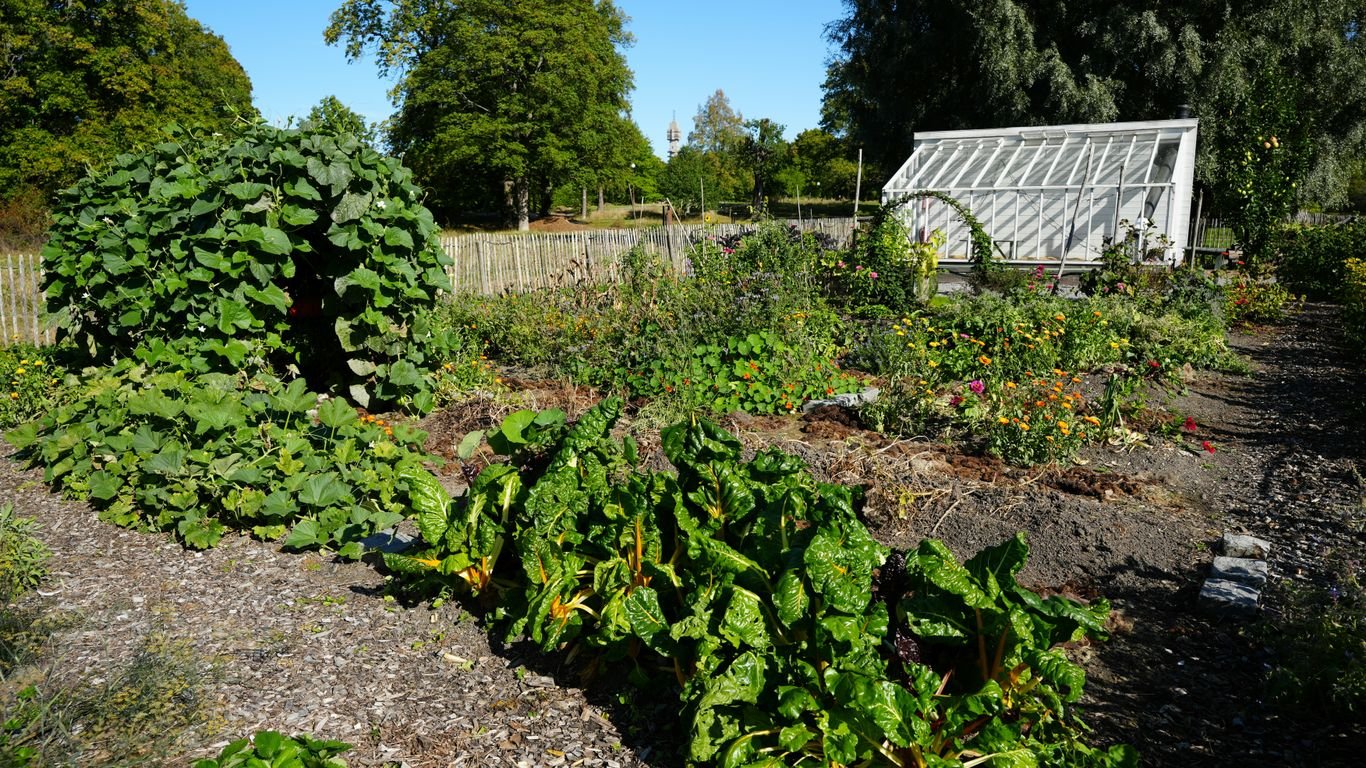 March 7, 2026
High-Output Crops Perfect for Micro Homesteads
Gardening
Homestead Planning
Homesteading
Starting a Homestead
March 7, 2026
High-Output Crops Perfect for Micro Homesteads
Gardening
Homestead Planning
Homesteading
Starting a Homestead
Thinking about growing your own food but only have a little space? We get it. Many of us are looking for ways to be more self-sufficient, even if we don't have acres to work with. The good news is, you...
Read More March 6, 2026
10 Low-Cost Homestead Side Hustles That Make Money
Homestead Planning
Homesteading
Starting a Homestead
March 6, 2026
10 Low-Cost Homestead Side Hustles That Make Money
Homestead Planning
Homesteading
Starting a Homestead
We all dream of a simpler life, right? One where we're more connected to the land and the seasons. But let's be real, that dream needs some funding. That's where low cost homestead side hustles come in. These aren't about...
Read More