


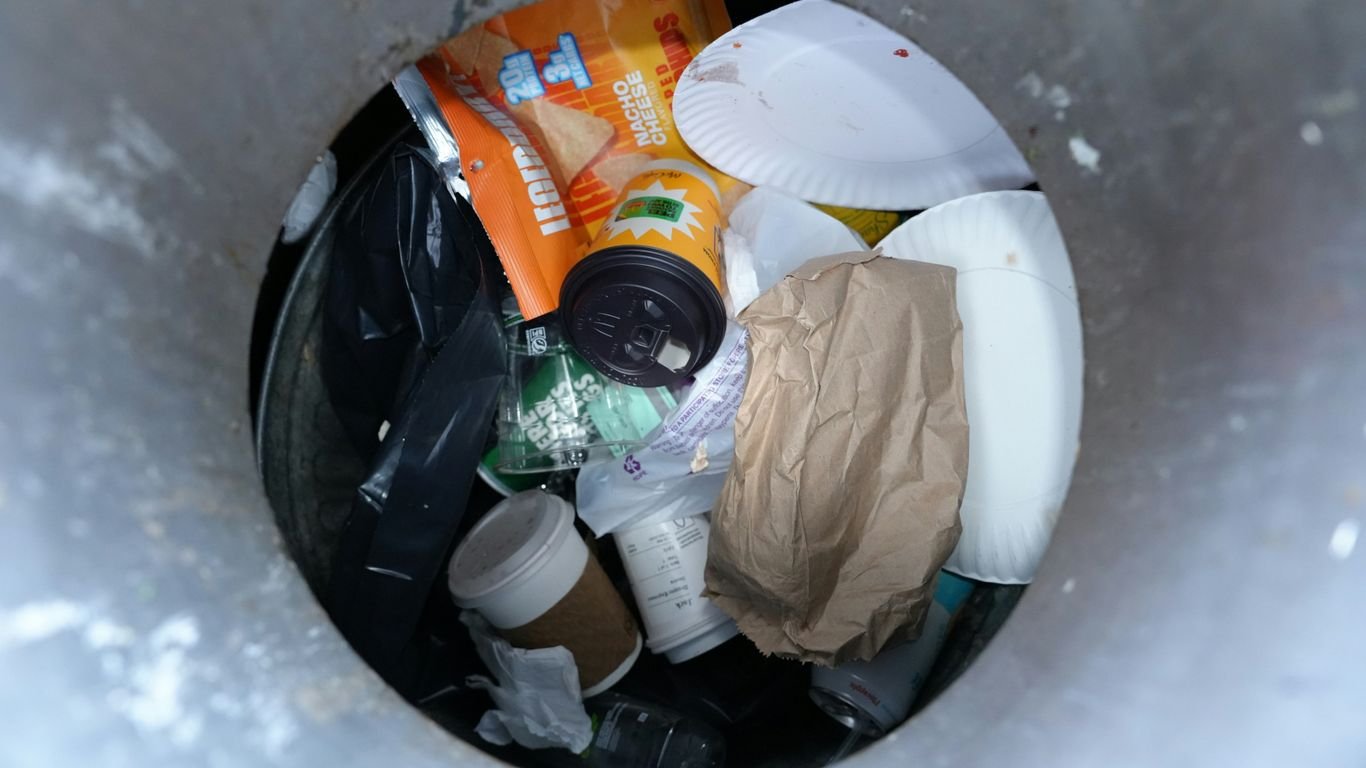
Have you ever looked at your kitchen scraps and wondered if there was a better way than just tossing them in the trash? We certainly have. Composting kitchen scraps is a fantastic way to reduce waste and create something amazing for your garden. It might sound complicated, but we’re here to show you just how simple composting kitchen scraps can be. Let’s turn that food waste into garden gold together!
We get it. The idea of saving your banana peels and coffee grounds might seem a little strange at first. We used to just toss all that stuff in the trash without a second thought. But honestly, once we started looking into it, we realized there’s a whole lot more to composting than just getting rid of scraps. It’s actually a pretty powerful way to make a difference, both for our gardens and for the planet.
Did you know that a huge chunk of what we throw away is actually compostable? We’re talking food scraps, paper products, yard waste – stuff that doesn’t need to end up in a landfill. When all that organic material sits in a landfill without air, it breaks down and releases methane, a greenhouse gas that really warms up the atmosphere. By composting, we can cut down on those emissions. It’s a simple action, but it helps fight climate change. Plus, it means less trash piling up, which is always a good thing.
This is where the magic really happens for us. Instead of buying fertilizers, we can create our own nutrient-rich soil amendment right from our kitchen. Compost is like a superfood for your garden. It helps the soil hold onto water better, which means less watering for us, and it also improves drainage so plant roots don’t get waterlogged. It adds vital nutrients that plants need to grow strong and healthy, and it can even help keep weeds at bay. Turning our kitchen waste into garden gold feels incredibly rewarding.
This one is pretty straightforward. When we started composting, we were genuinely surprised at how much less trash we were producing. That big kitchen trash can that used to fill up in just a couple of days? Now, it takes way longer. It’s a tangible way to see our impact. We’re not just throwing things away; we’re giving them a new life. It makes us feel more mindful about what we consume and what we discard. It’s a small change in our routine that leads to a significant reduction in the amount of waste we send out.
So, you’re ready to turn those kitchen scraps into garden gold? Awesome! It might seem a little strange at first, saving your banana peels and coffee grounds instead of tossing them. But trust us, it’s a game-changer for your garden and the planet. We’re going to walk you through the simple steps to get your compost party started.
When we first started, we felt a bit overwhelmed by all the options. But really, there are just a few main ways to go about it, and one will probably fit your life perfectly. You can go super simple with just a pile in the yard, or get a bit fancier with a bin or tumbler. For those in apartments or with limited space, there are even worm bins and other cool methods.
We found that for our backyard, a simple bin was the best balance of ease and effectiveness. It’s a good way to start and see how you like composting food scraps.
Location, location, location! Just like real estate, where you put your compost matters. You want it to be somewhere accessible so you’ll actually use it, but also not right under your nose where it could be, well, less than pleasant.
We learned that a spot that’s too sunny can dry out the pile too quickly, while a spot that’s too damp and shady can make it soggy and smelly. It’s all about finding that sweet spot.
Don’t worry, you don’t need a whole shed full of fancy gadgets to start composting. Most of what you need, you probably already have.
That’s pretty much it! With these basics, you’re well on your way to turning your kitchen waste into something amazing for your garden.
Alright, let’s talk about the good stuff – what actually makes it into our compost bins. It’s not just a free-for-all; there’s a bit of a science to it, but don’t worry, it’s super simple once you get the hang of it. We want to create a balanced environment for those tiny decomposers to do their magic.
Think of your compost pile like a well-balanced meal for microbes. We need two main types of ingredients: "greens" and "browns." Greens are the nitrogen-rich materials, and browns are the carbon-rich ones. Getting the ratio right is key to avoiding stinky messes and speeding up decomposition. A good rule of thumb we like to follow is aiming for about two parts browns to one part greens by volume. This helps keep things from getting too wet or too dry and smelly.
Some kitchen items are compost superstars, breaking down relatively fast. We love tossing these in:
Chopping larger items into smaller pieces before adding them can really speed things up. It gives those microbes more surface area to work with. You can find more ideas for compostable kitchen scraps to add to your mix.
Now, for the "do not pass go" items. Some things, while biodegradable, can cause problems in our compost bins. They might attract pests, create foul odors, or introduce diseases. It’s best to steer clear of these:
Sticking to the "greens and browns" rule and avoiding the "no-go" items will set you up for composting success. It’s all about creating a healthy environment for decomposition, and your garden will thank you for it!
Remember, covering your kitchen scraps with a layer of brown material is a good practice. It helps keep fruit flies away and balances the nitrogen from the scraps.
Once we get our compost pile going, it needs a little attention to really do its best work. Think of it like tending a garden; a little care goes a long way. We need to keep an eye on a few key things to make sure those tiny decomposers are happy and busy.
This is probably the most important thing to get right. Our compost pile should feel like a wrung-out sponge – damp, but not soaking wet. If it gets too dry, everything slows down, and the microbes get sluggish. If it’s too wet, it can start to smell funky and might not get enough air. We can check the moisture by grabbing a handful. If water drips out, it’s too wet. If it feels dusty and falls apart, it’s too dry. When it’s too dry, we just give it a good sprinkle of water and turn it. If it’s too wet, we add more of our brown materials, like shredded cardboard or dry leaves, and give it a good mix.
Those little microbes that break everything down need air to breathe! If our pile gets too compacted, they can’t get enough oxygen, and that’s when we might notice unpleasant smells. Turning the pile is our main way to introduce air. We can use a garden fork to mix things up, bringing the material from the outside into the center and vice versa. Doing this every week or two, especially when the weather is warm and things are breaking down faster, really helps keep the process moving smoothly. It also helps the pile heat up, which is great for breaking down materials faster and killing off weed seeds.
Sometimes, things don’t go exactly as planned, and that’s okay! We’ve all been there.
We’ve found that a good ratio of greens to browns, keeping the pile moist but not soggy, and turning it regularly are the best ways to prevent most problems before they even start. It’s all about finding that sweet spot where the decomposition process can happen efficiently and without any drama.
So, you’ve been diligently adding your kitchen scraps, balancing greens and browns, and giving your pile a good turn now and then. How do you know when all that effort has paid off? The magic moment arrives when your compost looks, smells, and feels like rich, dark soil. It should be crumbly, not clumpy, and have a pleasant, earthy aroma – like a forest floor after a rain. If you can still identify the original food scraps, it’s not quite ready yet. Give it a bit more time and maybe another turn.
Once your compost is ready, it’s like striking gold for your garden! We like to think of it as nature’s superfood for plants. Here are a few ways we love to use it:
Using your finished compost is the most satisfying part of the whole process. It’s the culmination of turning waste into something truly beneficial for your plants and the environment.
While patience is a virtue in composting, sometimes we want that garden gold a little faster. Here are a few tricks we use:
Living in an apartment or a smaller home doesn’t mean we have to miss out on composting. We can still turn our kitchen scraps into garden gold! One of the most popular methods for small spaces is vermicomposting, which uses red wiggler worms. You can get a specialized worm bin, or even build one yourself, and keep it under your sink, on a balcony, or in a closet. Just remember to feed your worms a balanced diet of food scraps and bedding (like shredded newspaper or cardboard) and keep the moisture levels right. Another option is to look for local drop-off sites. Many community gardens, farmers’ markets, or even some restaurants will accept your food scraps. Some cities also offer curbside pickup services, which makes it super convenient.
If a big backyard bin isn’t your style, there are other ways to compost. Tumbler composters are a great option. These are enclosed bins that you can spin, which helps with aeration and speeds up the decomposition process. They’re usually more contained and can look tidier in a yard. For those who want to get their hands dirty but don’t have a lot of space, consider a bokashi bin. This method uses fermentation to break down food scraps, including meat and dairy, which you typically can’t compost in a traditional bin. The fermented material then needs to be buried in soil or added to a regular compost pile to finish breaking down.
Composting dog waste might sound a bit daunting, but it’s definitely doable and a great way to keep it out of landfills. It’s really important to do this safely, as dog waste can contain pathogens. We shouldn’t use this compost on food gardens, but it’s great for ornamental plants. You’ll want a dedicated compost bin, separate from your kitchen scraps or garden compost. Layer the waste with plenty of
Well, we’ve covered a lot about turning those kitchen scraps into garden gold. It might seem like a lot at first, but honestly, once you get into the swing of it, it’s pretty straightforward. We’ve seen how it helps our soil, cuts down on waste, and just feels good to do. Whether you’re digging a hole in the yard, using a fancy bin, or even trying out worms, the main thing is to just start. Don’t overthink it too much. Grab a container, start saving those peels and grounds, and see where it takes you. We think you’ll be surprised at how simple and rewarding it can be to give your food waste a second life.
Composting kitchen scraps is awesome because it helps the planet by reducing the amount of trash that goes into landfills. When food waste sits in landfills without air, it creates harmful gases. Plus, the compost we make is like superfood for our gardens, making the soil healthier and helping our plants grow strong. It’s a win-win for us and the Earth!
We find that leafy greens, like lettuce and spinach, and fruit peels, such as banana and apple pieces, break down super fast in the compost pile. Coffee grounds and tea bags are also great additions that disappear quickly. Just remember to chop them into smaller bits to help them along!
We need to keep meat, fish, bones, and dairy products like cheese and milk out of our compost bins. These can attract unwanted critters and make our compost smell bad. Greasy foods and oils are also a no-go. It’s best to stick to plant-based scraps for a happy, healthy compost pile.
We know our compost is ready when it looks dark and crumbly, kind of like rich soil. It should also smell fresh and earthy, not yucky. If it still looks like the original scraps or smells bad, it needs more time to break down.
No worries! Even if we live in a small apartment, we can still compost. We can use a worm bin, which is a small container where special worms eat our scraps and turn them into amazing fertilizer. Another option is a Bokashi bin, which ferments scraps indoors.
A common reason for compost smells is an imbalance between ‘greens’ (like food scraps) and ‘browns’ (like dry leaves or paper). We want to aim for more browns than greens, usually about two parts browns to one part greens. Also, making sure the pile has enough air by turning it helps a lot!
 March 7, 2026
How to Turn Food Preservation Into a Side Hustle
Canning
Homestead Kitchen
Homesteading
Sustainable Living
March 7, 2026
How to Turn Food Preservation Into a Side Hustle
Canning
Homestead Kitchen
Homesteading
Sustainable Living
We've all got those hobbies or skills that we love doing, right? Maybe it's baking, gardening, or even making your own jam. What if we told you that you could turn those passions into a little extra cash? It might...
Read More March 7, 2026
High-Output Crops Perfect for Micro Homesteads
Gardening
Homestead Planning
Homesteading
Starting a Homestead
March 7, 2026
High-Output Crops Perfect for Micro Homesteads
Gardening
Homestead Planning
Homesteading
Starting a Homestead
Thinking about growing your own food but only have a little space? We get it. Many of us are looking for ways to be more self-sufficient, even if we don't have acres to work with. The good news is, you...
Read More March 6, 2026
10 Low-Cost Homestead Side Hustles That Make Money
Homestead Planning
Homesteading
Starting a Homestead
March 6, 2026
10 Low-Cost Homestead Side Hustles That Make Money
Homestead Planning
Homesteading
Starting a Homestead
We all dream of a simpler life, right? One where we're more connected to the land and the seasons. But let's be real, that dream needs some funding. That's where low cost homestead side hustles come in. These aren't about...
Read More