


Thinking about starting your own homestead garden? It can seem like a lot, especially if you’ve tried before and it didn’t quite work out. We get it. We’ve been there, thinking gardening was as simple as tossing seeds and waiting for food. Turns out, there’s a bit more to it! But don’t worry, you don’t need a magic green thumb. With some smart homestead garden planning, we can set ourselves up for success. This guide breaks down the steps to get your garden growing, making it less overwhelming and more rewarding.
Picking the right spot for our homestead garden is a big deal, and honestly, it’s one of the first things we really need to nail down. It’s not just about finding an empty patch of dirt; we’ve got to think about what the plants need to thrive and what makes our lives easier.
Sunlight is like food for plants, so we need to find a place that gets enough of it. Most vegetables and fruits need at least six to eight hours of direct sun each day. Some plants are okay with a bit of shade, but for a good harvest, we want to maximize that sunshine. We can observe our property throughout the day and across different seasons to see which areas get the most sun. Using an app can also help map out the sun’s path over our yard. Finding a spot that gets consistent sun is probably the most important factor for a successful garden.
Gardens get thirsty, and lugging water can become a real chore if we’re not smart about it. We need to think about how we’ll water our plants. Is there a spigot nearby? How long will the hose need to be? If we’re far from a water source, we might end up spending a lot of time hauling buckets, which can be exhausting. Ideally, we want a location where watering is convenient, maybe even close enough to set up a simple irrigation system down the line. Thinking about water access now saves us a lot of backaches later. It’s worth looking into different watering strategies to see what fits our setup.
Nobody wants their plants sitting in a puddle. We need to check how the ground drains after it rains. If water pools in a certain area, our plants could get root rot. We should look for a spot that drains well. Also, think about protection. Are there strong winds that could flatten our plants? Are there animals like deer or rabbits that might see our garden as a buffet? We might need to consider fencing or choose a spot that’s naturally a bit more sheltered. A location that offers some protection from the elements and critters will make our gardening life much simpler.
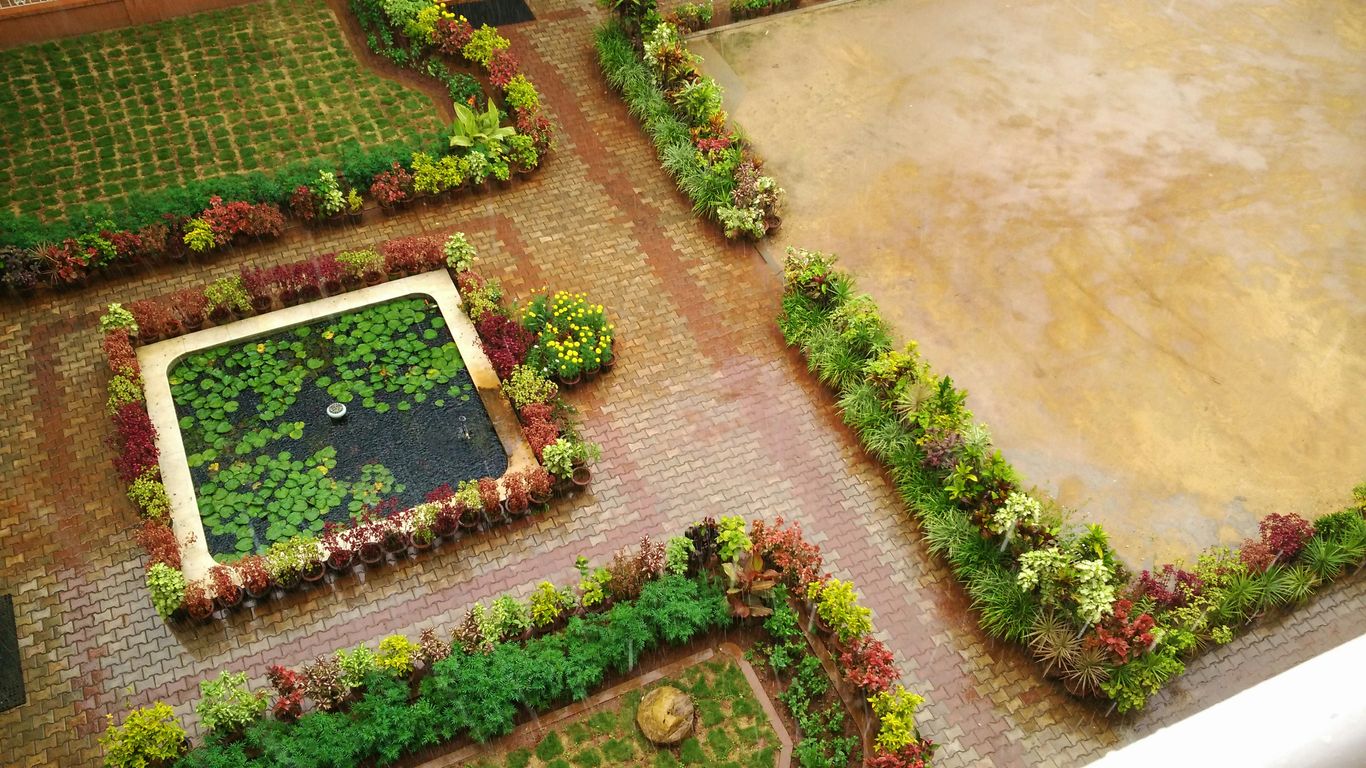
When we first started thinking about our homestead garden, the urge to go big was strong. We pictured rows and rows of everything we could possibly eat, plus extra for canning and sharing. But honestly, that’s a recipe for feeling overwhelmed really fast. Starting small is the smartest move we made. It lets us learn what works on our land without getting buried under a mountain of tasks.
Think about it: a massive garden means a massive amount of work. We’re talking about planting, weeding, watering, and harvesting on a scale that can quickly become a full-time job, especially when you’re just figuring things out. Instead, we recommend starting with one or two manageable raised beds or even a few large containers. This approach allows us to get a feel for the rhythm of gardening, understand our soil better, and see which plants actually thrive in our specific microclimate. It’s much easier to expand later when you know what you’re getting into, rather than trying to scale back from an unmanageable project. We learned this lesson ourselves; our first attempts were a bit ambitious and led to a lot of frustration.
It’s easy to get swept up in the romantic idea of a bountiful harvest, but the reality is that gardening involves a learning curve. Pests, unpredictable weather, and plants that just don’t cooperate are all part of the game. By keeping your initial garden size modest, you give yourself grace. You can focus your energy on learning the basics of soil health, watering techniques, and pest management without feeling like you’re constantly playing catch-up. This way, you build confidence with each successful harvest, rather than getting discouraged by setbacks. Remember, even a small garden can provide a surprising amount of fresh produce and a great introduction to growing your own food. It’s about building a sustainable habit, not achieving perfection overnight. We found that focusing on a few key crops we loved to eat made the process much more rewarding and helped us explore permaculture design ideas for future expansion.
Here’s a simple way to think about your starting size:
The goal is to create a positive and rewarding experience from the start. A smaller, well-tended garden is far more satisfying than a large, neglected one. We want you to feel successful and motivated to continue growing.
Once we’ve picked the perfect spot for our garden, the next step is figuring out how to arrange everything. This is where we get to visualize our future harvest! A well-thought-out layout makes gardening easier and more productive. We want to make sure our plants have the best chance to thrive.
If we’re using raised beds, now’s the time to decide on their size and placement. Think about how much space we have and what we plan to grow. We don’t want them to be so wide that we can’t reach the middle without stepping in them. A common width is about 3-4 feet. The length can vary based on our space. We should also consider the path between beds – enough room to walk, use a wheelbarrow, and maybe even turn it around.
We know that most vegetables need a good amount of sun, usually 6-8 hours a day. When we’re laying out our garden, we need to pay attention to where the sun hits throughout the day. Taller plants, like tomatoes or pole beans, should go on the north side of the garden so they don’t cast shade on shorter, sun-loving plants like lettuce or carrots. It’s like arranging a neighborhood where everyone gets their fair share of sunshine!
This is a fun part of garden planning! Companion planting is all about putting certain plants together that help each other out. Some plants can deter pests, improve soil, or attract beneficial insects. For example, planting basil near tomatoes is said to improve tomato flavor and repel some pests. Marigolds are often planted around the garden to keep nematodes away. We can do a little research to find out which plant pairings work best for what we want to grow.
Thinking about how plants interact can save us a lot of trouble down the line. It’s like setting up a little ecosystem where everyone benefits. We can group plants that have similar watering needs too, which makes our watering routine much simpler.
Here are a few common companion planting ideas:
We should also think about where we’ll store our tools and keep our compost pile. Having these things close by makes garden chores much easier. A small shed or even a designated corner for tools, and a compost bin within easy reach, will save us a lot of steps and make our gardening experience more enjoyable.
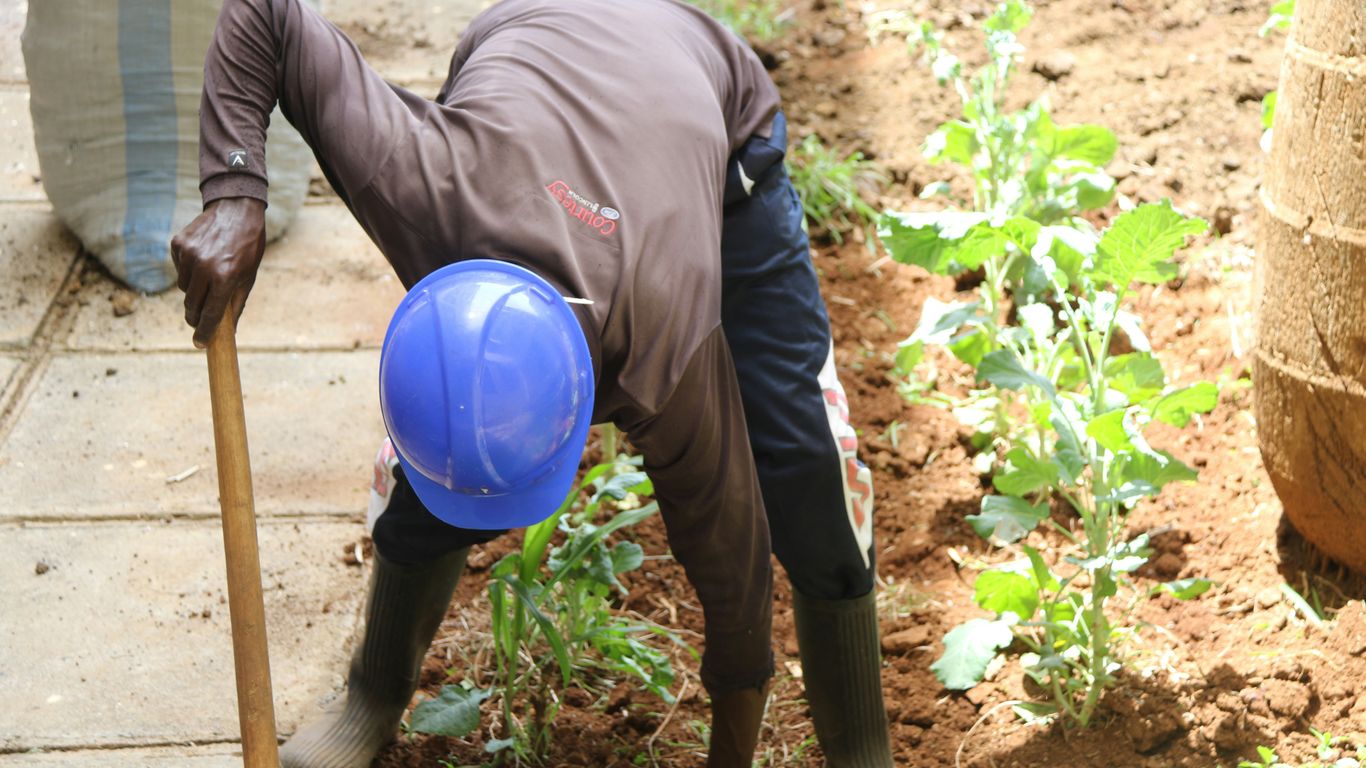
Getting the soil right is a big deal for our homestead garden. It’s really the foundation for everything we want to grow. We’ve learned that you can’t just throw seeds into any old dirt and expect magic to happen. So, let’s talk about how we approach soil.
Every plant has its own preferences, but most vegetables and herbs we grow thrive in soil that’s rich, well-draining, and full of organic matter. Think of it like a good meal for your plants – they need the right nutrients to grow strong and healthy. We’ve found that testing our soil is a good first step. It tells us what we’re working with, like the pH level and if there are any nutrient deficiencies. You can get simple soil test kits from garden centers or even send samples to a local extension office.
We also pay attention to the texture. Is it heavy clay that holds too much water, or is it sandy and drains too quickly? Ideally, we’re aiming for something in the middle, often called loam, which has a nice balance.
This is where the real transformation happens for us. Compost is like gold for the garden. It improves soil structure, adds nutrients, and helps with water retention. For new garden beds, especially raised ones, we usually add a good few inches of compost. It’s a bit of an investment upfront, but it makes such a difference.
Here’s a general idea of how we approach it:
We’ve learned that healthy soil isn’t just about adding amendments once. It’s an ongoing process of feeding the soil so it can feed our plants. Using organic compost is our go-to method because it’s natural and builds soil health over time.
Beyond compost, we sometimes add other things depending on what the soil test tells us or what the plants need. Things like aged manure, worm castings, or even specific mineral supplements can be beneficial. But for us, compost is the non-negotiable star of the show. It’s what makes the difference between a so-so garden and one that really thrives.
This is where the fun really begins! After all the planning, it’s time to decide what delicious things we’re going to fill our homestead garden with. It can be tempting to want to grow absolutely everything you see in a seed catalog, but we’ve learned that starting with a focused approach is much more rewarding.
First things first, we need to think about where we live. Knowing your USDA Plant Hardiness Zone is super important. This tells you which plants are likely to survive and thrive in your climate based on average winter temperatures. You can easily find your zone online. Once you know your zone, you can start looking at plants that are suited for it. Trying to grow something that needs a tropical climate in a cold zone is just setting yourself up for disappointment, and nobody wants that!
This is a big decision for new gardeners. Do we start from scratch with seeds, or buy little starter plants (seedlings) from a nursery? Starting from seed is often cheaper and gives you access to a wider variety of plants, but it requires more patience and planning. You’ll need to start seeds indoors weeks before the last frost or sow them directly in the garden at the right time. If you’re buying seedlings, it’s a bit more of a direct route to planting, but you’ll want to make sure they’re ready for your local conditions. We’ve found that a mix of both works well for us. For some things, like tomatoes and peppers, we like to start them from seed indoors. For others, like lettuce or herbs, we often buy seedlings so we can get a head start. Remember to look into ‘hardening off’ your seedlings if you started them yourself; it’s a process to get them used to the outdoors before planting them permanently. Nursery seedlings are usually already hardened off for you.
Beyond the veggies, we’ve also found a lot of joy in growing our own medicinal herbs. These can be incredibly useful to have on hand. Think about what common ailments you or your family experience. Things like chamomile for relaxation, peppermint for digestion, or calendula for skin issues are relatively easy to grow and can be dried for later use. Even if you don’t plan on making tinctures or salves, having fresh herbs like basil, parsley, or cilantro readily available for cooking is a game-changer. We’ve found that planting a few herbs alongside our vegetables not only adds flavor to our meals but also attracts beneficial insects to the garden. It’s a win-win!
When deciding what to grow, the most important rule is to plant what you and your family will actually eat. It sounds obvious, but it’s easy to get carried away with exciting new varieties or things that look good in pictures. If no one in your household enjoys eating it, it’s not the best use of your precious garden space and resources. Start with your family’s favorites and then, once you have a handle on things, you can experiment with new things.
Here are a few ideas to get you started:
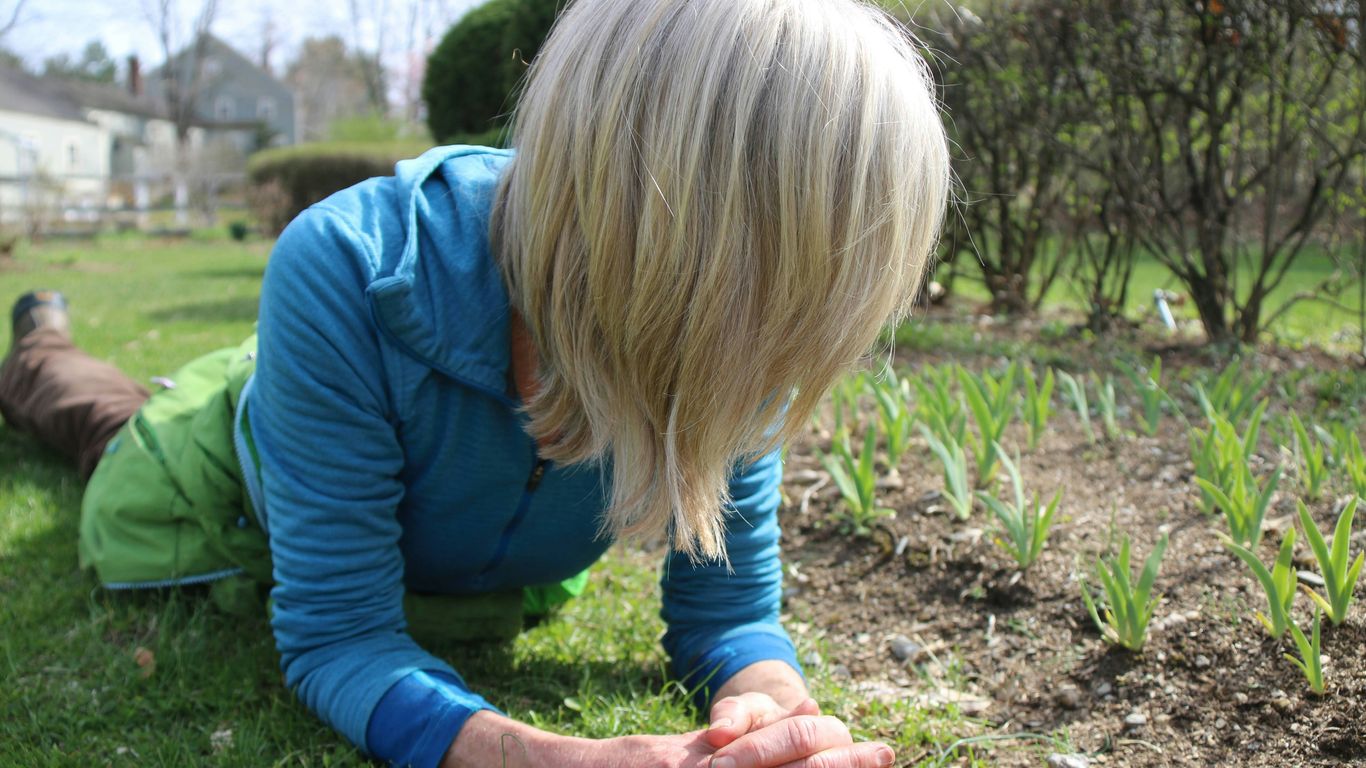
Alright, so we’ve picked a spot, figured out how big we want to go, and even sketched out a layout. Now, let’s talk about the nitty-gritty – what does our garden actually need to thrive? It’s not just about sticking plants in the ground and hoping for the best, you know. We need to make sure we’re setting ourselves up for success.
This is a big one. Most of the veggies we want to grow need a good dose of sunshine, usually around 6 to 8 hours of direct light each day. If your chosen spot is a bit shady, don’t despair! Some plants, like leafy greens, can handle less sun, and others might even prefer it. It’s worth spending a day observing your garden area to see how the sun moves across it throughout the day. You can even use apps on your phone to help map this out. Getting this right from the start saves a lot of headaches later.
Plants get thirsty, and we can’t always rely on rain. Before we even think about planting, we need a solid plan for watering. How will we get water to the garden? Are we lugging hoses, setting up a drip system, or using watering cans? We need to consider the distance from our water source and how much effort it will take. A consistent watering schedule is key, especially when plants are young or during dry spells. We don’t want our hard work wilting away!
Ah, pests. They’re a fact of life when you’re growing food. Depending on where we live, we might be dealing with deer, rabbits, slugs, or a whole host of insects. It’s a good idea to do a little research on the common garden nuisances in our area. This might mean investing in some fencing, row covers, or even just keeping a watchful eye and being ready to act. We want to protect our harvest, not share it all with the local wildlife!
Here’s a quick rundown of common pest protection needs:
Thinking about pest control early on means we’re less likely to be caught off guard. It’s better to have a plan in place before those hungry critters discover our delicious veggies.
Alright, we’ve covered a lot of ground, from picking the right spot to getting your hands dirty. It might seem like a lot at first, but remember, we all started somewhere. Our first attempts weren’t perfect either – think weeds, forgotten waterings, and maybe a few too many seeds bought on impulse. The key is just to begin. Start small, learn as you go, and don’t be afraid to make mistakes. Every gardener does! The most important thing is that we’re taking steps towards growing our own food, and that’s a pretty awesome feeling. We can’t wait to see what you grow!
Most veggies love soaking up the sun, needing about six to eight hours of direct light each day. Some plants are okay with a little less, or even dappled shade, but generally, the sunnier, the better for your garden’s success.
We always recommend starting small! Trying to manage a huge garden right away can be super overwhelming. Begin with just one or two raised beds or a few pots. It’s much easier to handle and learn from when you’re just getting your feet wet.
While you can plant directly in the ground, using good soil makes a huge difference. We suggest adding compost to enrich your soil. It gives your plants the nutrients they need to grow strong and healthy, making your efforts much more rewarding.
It’s important to know your USDA hardiness zone! This tells you which plants can survive the winter in your area. You can easily find your zone by entering your zip code online. Once you know your zone, you can pick plants that are suited for your climate and the current season.
For beginners, starting with seedlings from a local nursery is often easier. They’re already growing and give you a head start. Growing from seed is also an option, but it requires a bit more patience and care in the early stages.
Having a water source nearby is super important. Lugging heavy watering cans long distances gets old fast! We suggest picking a spot where a hose can easily reach, or where you could potentially set up a watering system later on. Consistent watering is key for healthy plants.
 March 7, 2026
How to Turn Food Preservation Into a Side Hustle
Canning
Homestead Kitchen
Homesteading
Sustainable Living
March 7, 2026
How to Turn Food Preservation Into a Side Hustle
Canning
Homestead Kitchen
Homesteading
Sustainable Living
We've all got those hobbies or skills that we love doing, right? Maybe it's baking, gardening, or even making your own jam. What if we told you that you could turn those passions into a little extra cash? It might...
Read More March 7, 2026
High-Output Crops Perfect for Micro Homesteads
Gardening
Homestead Planning
Homesteading
Starting a Homestead
March 7, 2026
High-Output Crops Perfect for Micro Homesteads
Gardening
Homestead Planning
Homesteading
Starting a Homestead
Thinking about growing your own food but only have a little space? We get it. Many of us are looking for ways to be more self-sufficient, even if we don't have acres to work with. The good news is, you...
Read More March 6, 2026
10 Low-Cost Homestead Side Hustles That Make Money
Homestead Planning
Homesteading
Starting a Homestead
March 6, 2026
10 Low-Cost Homestead Side Hustles That Make Money
Homestead Planning
Homesteading
Starting a Homestead
We all dream of a simpler life, right? One where we're more connected to the land and the seasons. But let's be real, that dream needs some funding. That's where low cost homestead side hustles come in. These aren't about...
Read More