


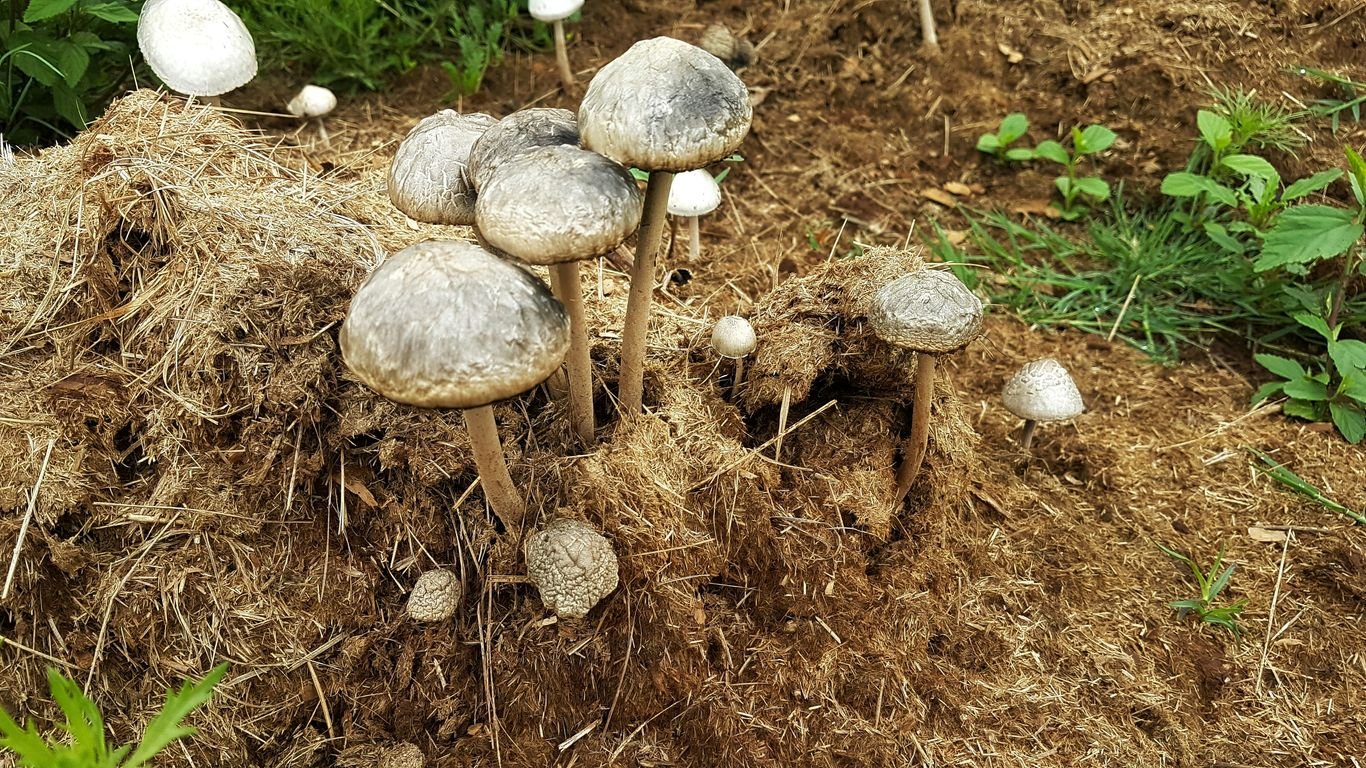
We’ve been thinking about trying our hand at growing our own mushrooms for a while now. It seems like such a cool way to add something different to our garden, and honestly, the idea of harvesting our own mushrooms is pretty exciting. We figured that backyard mushroom growing couldn’t be *that* hard, right? So, we decided to put together a simple guide based on what we’ve learned, hoping it helps you get started too. It’s all about finding the right spot and giving them what they need to thrive.
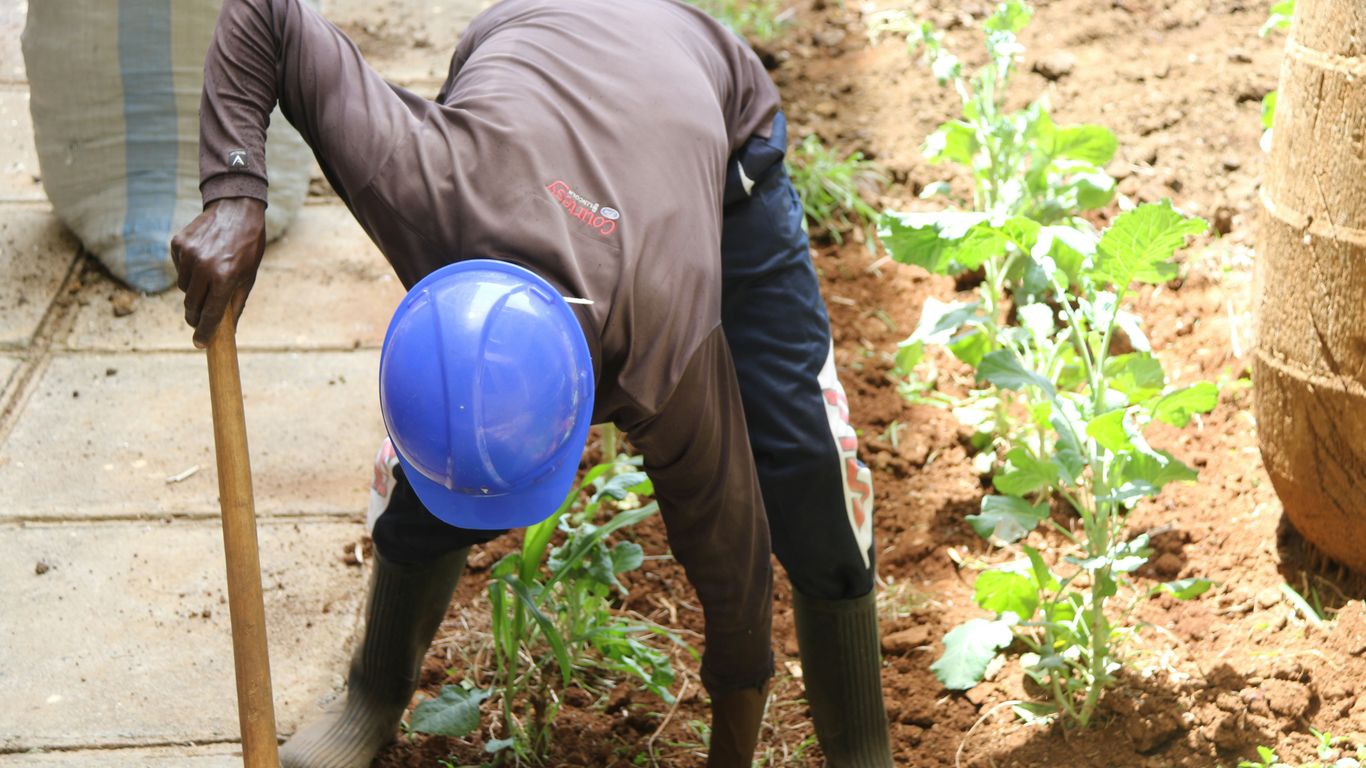
Alright, let’s talk about where we’re going to set up our mushroom haven. Picking the right spot is pretty important, and honestly, it’s not too complicated once you know what to look for. We want to give our fungi the best chance to thrive, right?
First things first, mushrooms generally don’t like direct, harsh sunlight. Think of them like us – a little shade is usually preferred, especially during the hottest parts of the day. Too much sun can dry out the substrate we’ll be using, which is a big no-no for mushroom growth. We’re aiming for a spot that gets dappled light or is shaded for most of the day. Areas under trees are often ideal, but make sure it’s not too deep in the shade where nothing else grows. We’re looking for a balance. Also, try to avoid areas where you know chemicals or pollutants might have seeped into the soil, as mushrooms can sometimes absorb what’s around them.
Our local climate plays a role, of course. If we live somewhere super dry, we’ll need to be extra diligent about watering. If it’s consistently damp, that’s a bonus! Most common outdoor mushroom varieties, like Wine Caps, are pretty forgiving and can handle a range of conditions, but they do appreciate consistent moisture. We don’t want our patch to turn into a desert or a swamp. A good rule of thumb is to think about where moisture tends to linger in our yard after it rains. That’s often a good indicator of a naturally humid microclimate.
This one’s straightforward but often overlooked. We’ll be watering our mushroom patch, especially when we first set it up and during dry spells. So, it makes a lot of sense to choose a location that’s reasonably close to a water source, like a hose spigot or even just a spot where we can easily carry watering cans. Lugging water a long distance every time gets old fast, trust me. Having easy access means we’re more likely to keep up with the watering needs, which directly impacts how well our mushrooms grow.
Alright, so we’ve picked out the perfect shady spot for our mushroom patch. Now, let’s talk about what we actually need to get this fungal party started. It’s not a super long list, but getting the right stuff makes a big difference.
This is basically the seed for your mushrooms. You can’t just scatter random mushroom bits from the forest floor and expect a harvest. We need to get some spawn, which is like grain or sawdust that’s been colonized by the mushroom’s mycelium – the underground network. For beginners, oyster mushrooms are a fantastic choice. They’re pretty forgiving and grow well outdoors. We found some great options for mushroom spawn that are perfect for starting out. Think of it as choosing the right variety of plant for your garden; you want something that’s known to do well in your conditions.
Next up is what the mushrooms will actually grow in. This is called the substrate. For outdoor patches, wood chips or straw are usually the way to go. They mimic the natural environment mushrooms love. We want to avoid using just plain garden soil because it can have competing organisms that might mess with our mushroom growth. Using something like hardwood chips or straw gives our mushroom mycelium a clean slate to work with. It’s like preparing a nice, rich bed for your veggies.
Here’s a quick rundown of common substrates:
We don’t need a whole workshop, but a few basic tools will make setting up the patch much easier. You’ll want something to move your substrate around, like a shovel or a sturdy rake. A watering can or hose is also a must, as keeping things moist is key, especially when you first set up the patch. Honestly, a good pair of gloves is also a smart idea – mushroom spawn can be a bit dusty!
Getting the right supplies upfront means less fuss later. It’s better to have what you need before you start digging and mixing.
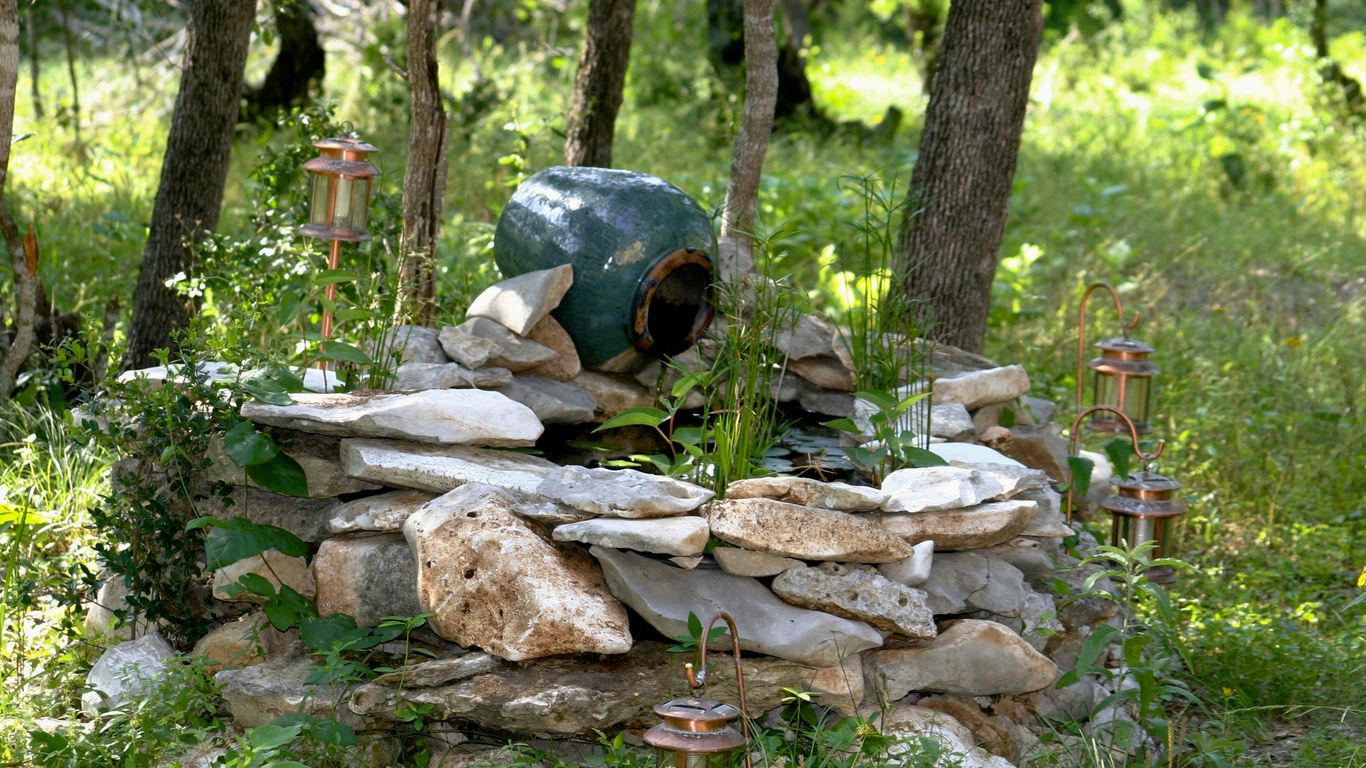
Alright, we’ve picked our spot, and now it’s time to get our hands dirty. First things first, we need to clear the ground where our mushroom patch will live. Grab a rake and get rid of any loose debris like twigs, old leaves, or any other random bits of organic stuff that might be hanging around. We want a nice, clean slate for our fungi to get started. If you want to get fancy, you could even line the edges with some small logs or rocks to define the space, but honestly, it’s not a must-do. The main goal here is just to have a clear patch of soil to work with.
Now that we’ve got a clean spot, we’re going to build the base for our mushroom kingdom. This is where we start adding the good stuff. We’ll be using wood chips, and it’s a good idea to give them a little soak beforehand so they’re nice and moist, but not soaking wet. Think damp, like a wrung-out sponge. We’ll spread a layer of these moistened wood chips, about 1 to 2 inches deep, right over the cleared area. This layer acts as the initial food source and bedding for our mushroom spawn.
This is the exciting part – adding the actual mushroom spawn! You’ll usually get this in a bag, and it looks like sawdust or grain covered in white, stringy stuff. That white stuff is the mycelium, the main body of the mushroom. We’ll carefully spread this spawn evenly over the first layer of wood chips. Then, we’ll cover the spawn with another layer of those moistened wood chips, again about 1 to 2 inches thick. After that, we gently mix everything together. We’re not going crazy here, just a light mix to make sure the spawn is well distributed throughout the wood chips. This even distribution is key for a healthy mushroom patch.
Here’s a quick rundown of what we’re aiming for:
We want to create a cozy, moist environment for the mycelium to spread. It’s like tucking them into bed with a good meal.
Alright, we’ve got our patch prepped and the spawn is in. Now comes the part where we play the waiting game, but with a little bit of active care. Think of it like tending to a new garden bed – it needs attention, especially in the beginning.
As soon as you’ve incorporated the mushroom spawn and topped off your bed, give it a good, thorough watering. We’re not talking about a quick sprinkle here; we want to make sure the moisture penetrates down to the spawn and the substrate. This initial soaking helps everything settle in and kickstarts the colonization process. This is arguably the most critical watering you’ll do.
After that first big drink, the goal is to keep the patch consistently moist, but not waterlogged. Imagine a wrung-out sponge – that’s the ideal moisture level. We check ours daily, especially when it’s dry or windy out. If the top layer feels dry to the touch, it’s time for another watering. We usually use a gentle spray from the hose or a watering can to avoid disturbing the substrate too much. Over time, you’ll get a feel for how much water your specific patch needs based on the weather. For log cultivation, keeping the wood consistently damp is key, perhaps soaking them once or twice a week if things get dry [fb09].
This is where the real magic happens, and it requires a good dose of patience. The mycelium, the underground network of the mushroom, needs time to spread through the substrate. This can take anywhere from a few weeks to a few months, depending on the species, the conditions, and how well we did our prep work. We try not to hover over it constantly. Instead, we give it space and check in regularly. Look for signs of the mycelium spreading – you might see white, thread-like growth on the surface. When you start seeing those little pins, the baby mushrooms, that’s when the excitement really builds!
Here’s a quick rundown of what to look for:
Don’t get discouraged if you don’t see results immediately. Mushroom growing is a natural process, and nature operates on its own schedule. Keep the moisture levels right, protect it from harsh sun and wind, and trust the process. Sometimes, the best thing we can do is just let it do its thing.
Alright, the moment we’ve all been waiting for! After all that work setting up your patch and keeping it happy, it’s time to see the fruits (or, well, fungi) of your labor. Harvesting your homegrown mushrooms is pretty straightforward, but there are a few things to keep in mind to get the best results.
So, how do you know when it’s time to pick? It really depends on the type of mushroom you’re growing, but generally, we’re looking for a few signs. For many common varieties like oyster or wine caps, you’ll see the caps start to flatten out and the edges might begin to lift slightly. The gills underneath the cap will also become more pronounced. If you’re growing something like shiitake, you might see the veil underneath the cap starting to break away from the stem. Don’t wait too long, though! Overripe mushrooms can get a bit mushy and lose some of their best texture and flavor.
Here’s a quick guide for some popular types:
When it’s time to harvest, we want to do it cleanly to encourage more growth. The best way to do this is usually by gently twisting and pulling the mushroom at its base. If it feels stuck, a gentle wiggle should do the trick. For cluster-growing mushrooms like oysters, you can often harvest the whole cluster at once. Try to avoid cutting the mushrooms at the base with a knife, as this can leave a stump that might rot and potentially harm the mycelium. We want to remove the entire mushroom, leaving the substrate as undisturbed as possible.
Harvesting isn’t just about getting your mushrooms; it’s also about setting yourself up for more harvests down the line. After you’ve picked your mushrooms, give the patch a good watering, especially if the weather has been dry. This helps the mycelium recover and prepare for its next fruiting. Sometimes, you might see smaller ‘second flushes’ of mushrooms appearing a week or two later. Keep an eye on your patch and continue to provide moisture. Don’t be discouraged if some areas produce more than others, or if there are gaps between harvests. Mushroom growing is a natural process, and patience is key. With good care, your patch can provide you with delicious mushrooms for several seasons!
And there you have it! We’ve walked through picking the right spot, getting our materials together, and setting up our very own mushroom patch. It really isn’t as complicated as it might seem at first glance. Now comes the fun part: waiting and watching. Keep an eye on your patch, give it a little water when it’s dry, and before you know it, you’ll be harvesting your own delicious mushrooms. It’s a pretty cool feeling to grow your own food, and honestly, it adds a bit of magic to the garden. We can’t wait to see how ours turns out, and we hope you’ll share your own mushroom-growing adventures with us!
We’ve found that the ideal place for our mushroom patch is somewhere shady. Too much direct sun can dry out the spot too quickly, which isn’t great for the mushrooms. It’s also good if it’s not too windy and has easy access to water. Think about areas near trees or under bushes where the ground stays a bit more damp.
To begin, we’ll need mushroom spawn, which is like the mushroom seeds. We also need a growing material, often called a substrate, like wood chips or straw. You’ll also want some basic tools like a rake and a shovel to prepare the area.
First, we clear the chosen spot of any old leaves or twigs. Then, we spread a layer of our chosen material, like wood chips. After that, we mix in the mushroom spawn, making sure it’s spread out well, and then cover it up with another layer of the material.
After setting up the patch, we give it a really good soaking. For the first little while, especially if the weather is dry, we’ll want to keep it consistently moist. This means watering it regularly, maybe a light watering every few days, to help the mushrooms get established.
Patience is key! It can take a few weeks to a couple of months before we start seeing mushrooms pop up. We need to keep an eye on the patch, making sure it stays damp, and wait for the mushroom network, called mycelium, to grow through the material.
When the mushrooms look plump and are a good size, we can harvest them. It’s best to gently twist and pull them from the base, or use a clean knife to cut them off. Doing this carefully helps the patch keep producing more mushrooms in the future.
 March 7, 2026
High-Output Crops Perfect for Micro Homesteads
Gardening
Homestead Planning
Homesteading
Starting a Homestead
March 7, 2026
High-Output Crops Perfect for Micro Homesteads
Gardening
Homestead Planning
Homesteading
Starting a Homestead
Thinking about growing your own food but only have a little space? We get it. Many of us are looking for ways to be more self-sufficient, even if we don't have acres to work with. The good news is, you...
Read More March 5, 2026
How to Grow a Medicinal Herb Garden for Beginners
Gardening
Homesteading
Natural Fertilizers
Sustainable Living
March 5, 2026
How to Grow a Medicinal Herb Garden for Beginners
Gardening
Homesteading
Natural Fertilizers
Sustainable Living
We're excited to share how we got started with our own medicinal herb garden. It felt a bit overwhelming at first, but we learned that taking it step-by-step makes it totally doable. Growing our own healing plants has been so...
Read MoreWe love the charm and character that a hobby farm look brings to our outdoor spaces. It feels so welcoming and down-to-earth. If you're looking to capture that same vibe on your own property, we've gathered some simple and pretty...
Read More