


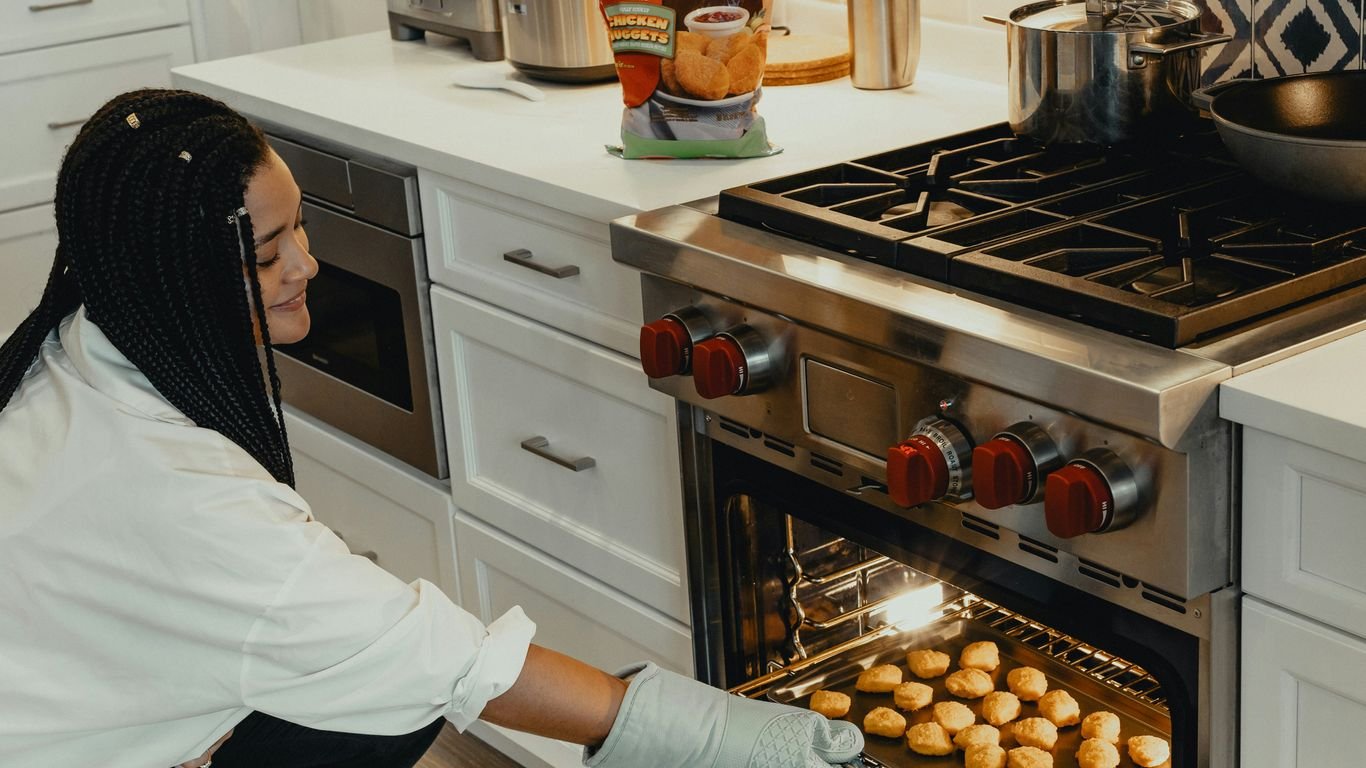
Thinking about turning your passion for baking or cooking into a business? We get it. Many of us love making delicious food and dream of sharing it with others while earning some money. The good news is, with the right approach, you can absolutely do this legally from your own home. We’re going to walk through how to set up your very own cottage food business, making sure you follow all the rules so you can focus on what you do best: creating amazing food.
Getting your food business off the ground from your own kitchen sounds pretty great, right? It can be, but we need to talk about the rules. These aren’t meant to be a buzzkill; they’re there to make sure everyone stays safe and healthy. Think of them as the guardrails for your culinary adventure.
Basically, a cottage food business is any food-related operation run out of your home. This could be anything from baking cookies and making jams to whipping up spice blends. The key thing is that it’s home-based and usually deals with low-risk foods. These are typically items that don’t need special temperature control to stay safe, like most breads, candies, and preserves. It’s a fantastic way to start small without the huge overhead of renting a commercial space. Many successful bakers actually started this way before expanding. It’s a growing market, too, with people really wanting to support local producers.
This is where things can get a little tricky, but don’t worry, we’ll break it down. Cottage food laws aren’t the same everywhere. They change from state to state, and sometimes even city to city. You absolutely need to figure out the specific rules where you live. Your local health department or department of agriculture is your best friend here. They can tell you what permits or licenses you might need, if your home kitchen needs to be inspected, and what types of food are even allowed. For example, some places might let you sell baked goods but not anything with meat. It’s all about checking the local cottage food laws.
So, what counts as "low-risk"? Generally, these are foods that are shelf-stable and don’t require refrigeration. This keeps things simpler and safer for you and your customers. Here are some common examples:
Foods that need refrigeration, like cheesecakes, quiches, or anything with raw meat or dairy, are usually not allowed under cottage food laws because they pose a higher risk if not kept at the right temperature. Always double-check with your local authorities to be sure about your specific product.
It’s really important to understand that these laws are in place for a reason. They protect you from liability and, more importantly, protect the people who buy and eat your food from getting sick. Taking the time to learn these regulations upfront will save you a lot of headaches down the road.
So, you’ve got a knack for baking, or maybe you make killer jams. That’s awesome! But turning that passion into a business, even a small home-based one, takes more than just a great recipe. We need to get organized and set ourselves up for smooth sailing. Thinking about your business plan, where you’ll get your ingredients, and how you’ll tell people about your goodies are the next big steps.
Look, we know "business plan" sounds super official and maybe a little intimidating. But honestly, it’s just a way to think through how your business will actually work. It doesn’t need to be a 50-page document. For a cottage food business, it can be pretty simple. What are you going to make? Who are you going to sell it to? How much will you charge? Thinking about these things helps you avoid surprises later on. It’s like having a map before you start a road trip.
Your food is only as good as the stuff you put into it, right? For us, this means finding reliable places to get our ingredients. Maybe you have a favorite local farm for berries, or a bulk store for flour. Using good quality ingredients not only makes your products taste better but also helps build trust with your customers. If you’re making something special, like gluten-free cookies, sourcing the right flours and ensuring they’re not cross-contaminated is super important. We found that building relationships with suppliers can sometimes get us better prices or access to unique items. For those in Ontario, understanding specific regulations around ingredients is also key, as some home-prepared foods are exempt from certain rules [8f4a].
This is where you figure out what makes your business special. Are you the go-to for amazing sourdough bread? Do you make the most beautiful decorated cakes for birthdays? Or maybe you focus on vegan treats? Having a niche helps you stand out. Instead of trying to be everything to everyone, focus on what you do best. Think about who your ideal customer is. Are they busy parents looking for quick treats? Health-conscious folks? Once you know that, you can start thinking about how to reach them. This could be through social media, local events, or even just word-of-mouth.
Here are a few ideas to get you thinking:
Figuring out your unique selling proposition is more than just picking a product; it’s about understanding the problem you solve for your customers and communicating that clearly. It’s the story behind your food that will draw people in.
Alright, let’s talk about the nitty-gritty – the legal stuff. We know it’s not the most exciting part of starting your food business, but it’s super important to get it right so you can operate legally and avoid any headaches down the road. Think of it as building a strong foundation for your delicious creations.
First things first, you’ll need to figure out what permits and licenses your specific location requires. This can vary a lot depending on your state and even your local city or county. It’s not a one-size-fits-all situation. You’ll likely need to contact your local health department or a similar agency to find out exactly what you need. They’re the ones who will tell you if your home kitchen needs to be inspected. For many low-risk foods, like baked goods or jams, a home kitchen might be fine, but they’ll want to make sure it meets certain safety and sanitation standards. Don’t skip this step; it’s your ticket to operating legally.
This one’s pretty straightforward. In most places, anyone who handles food for sale needs to get a food handler’s permit or certification. This usually involves taking a short course and passing a test. It shows that you know the basics of safe food handling, which is, you know, kind of the whole point when you’re selling food to people. It’s not usually super expensive, and it’s a good way to learn best practices.
Labeling is another big one. You can’t just slap your product in a bag and call it a day. There are specific rules about what information needs to be on your labels. This typically includes:
Some states also have specific rules about how you should state that the product was made in a home kitchen. Always check with your local authorities for the exact requirements in your area. Getting this wrong can lead to issues, so pay close attention!
It’s really important to remember that cottage food laws are designed to protect both you and your customers. By following the rules, you’re not just staying out of trouble; you’re also building trust and showing that you care about the quality and safety of what you’re selling. This can make a huge difference in how customers perceive your business.
When we start our cottage food business, it’s easy to get caught up in the fun part – creating delicious treats! But we absolutely have to talk about the money side of things. This isn’t the most exciting topic, but it’s super important for staying legal and keeping our business healthy.
First off, let’s get this straight: your business money and your personal money need to live in different bank accounts. Seriously. Mixing them up is a recipe for headaches, especially when tax time rolls around. It makes tracking income and expenses a nightmare and can even cause problems if you ever need to prove your business is legitimate. We need to set up a separate checking account, maybe even a savings account, just for the business. All sales go in, all business expenses come out. Simple, right?
Here’s a quick look at what we should track:
This is where keeping those finances separate really pays off. Since we’re running our own show, we’re responsible for paying taxes on our business profits. Depending on where we live, this could mean income tax, self-employment tax, and maybe even sales tax on certain items. It’s a good idea to set aside a percentage of every sale for taxes. A common recommendation is to put away 20-30%, but it’s best to check with a local tax pro.
Think about it this way: if you sell a $10 cake, and your ingredients and packaging cost $3, you’ve made $7 profit. If you need to pay 15% income tax on that profit, that’s about $1.05. If you don’t set that aside, you might not have it when the tax bill comes due.
Look, tax laws can be confusing, and they change. What’s taxable in one state might not be in another, and there can be weird exceptions. For example, some places tax ready-to-eat foods but not baked goods sold without plates. Trying to figure all this out on your own can lead to mistakes – either overpaying or underpaying, and neither is good. Finding a tax professional who knows about cottage food laws in our specific area is a smart move. They can help us understand exactly what we owe, how to file correctly, and make sure we’re not missing out on any deductions we’re entitled to. It might cost a bit upfront, but it can save us a lot of trouble and money in the long run.
Keeping good financial records isn’t just about taxes; it helps us see how our business is actually doing. We can figure out which products are most profitable and where we might be spending too much. This information is gold for making smart decisions about our business’s future.
Alright, so you’ve got your amazing treats ready to go, and you’re eager to start selling. This is where the fun really begins, but we also need to make sure we’re doing it by the book. Different places have different rules about where and how you can sell your homemade goodies.
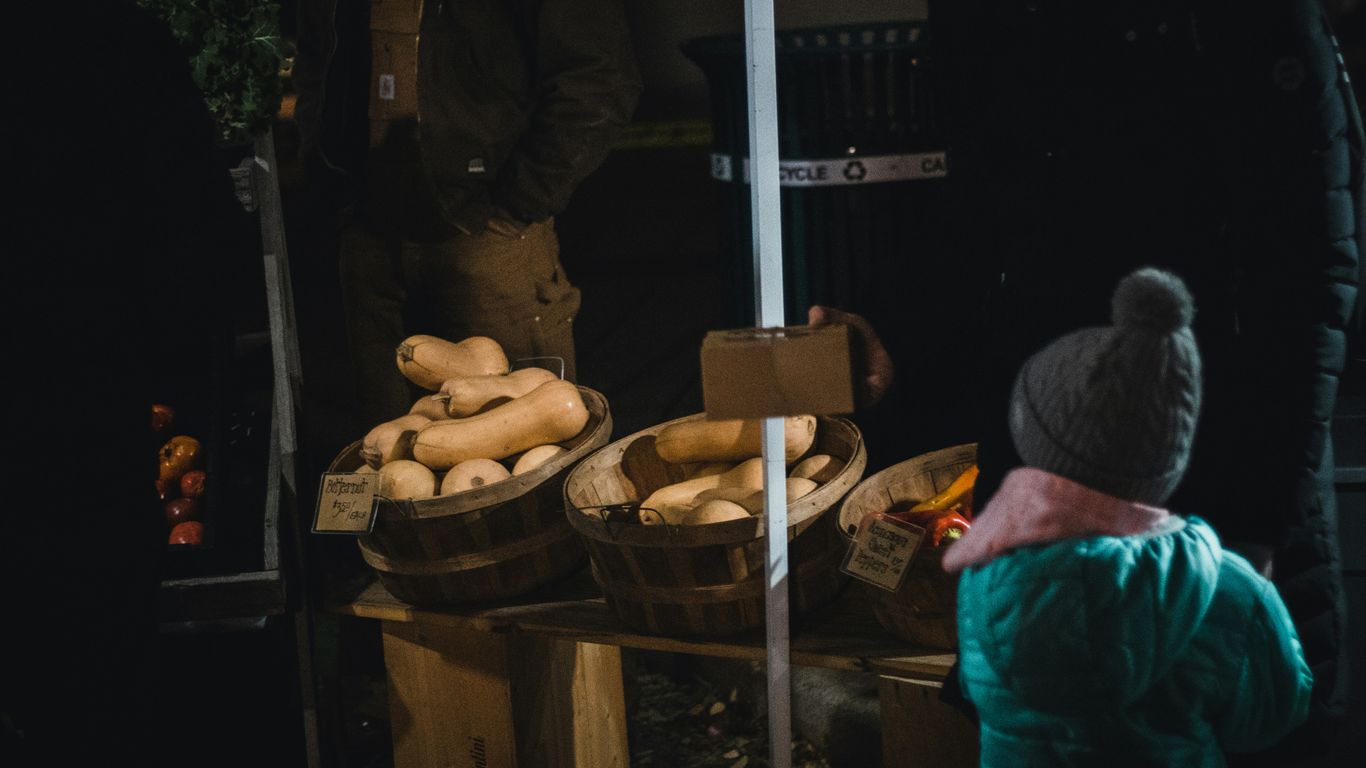
Farmers’ markets and local food fairs are fantastic spots to connect with customers face-to-face. It’s a great way for people to see, smell, and taste what you’ve made. However, you’ll often need a temporary food permit from your local health department to set up shop. This permit is all about making sure you’re handling and storing food safely while you’re there. The exact process can change depending on where you are, so it’s always best to check with your local health unit. Some market organizers might also ask for proof of liability insurance or require you to get your own event-specific insurance. It’s a good idea to have this sorted before you pack up your baked goods.
Selling online can be super convenient, both for you and your customers. You can reach a wider audience without even leaving your kitchen! Many states allow you to sell directly to consumers online, often through simple order forms or dedicated e-commerce platforms. This is often the easiest way to start because it might not require extra permits beyond what you already have for your cottage food operation. Think about setting up a simple website or using social media to take orders. Make sure your online listings clearly state what’s in your food and any potential allergens.
This is the bread and butter of cottage food laws – selling directly to the people who will enjoy your food. This includes sales from your home (if allowed by your specific state and local laws), through online orders, or at places like farmers’ markets. Some states are pretty strict and only allow direct-to-consumer sales, meaning you can’t sell to other businesses like local cafes or shops. Always double-check your local regulations to see what channels are open to you. It’s all about making sure your business model fits within the legal framework of your area.
It might seem like a lot to keep track of, but most of these rules are in place to keep everyone safe and healthy. By understanding where and how you can sell, you’re setting yourself up for a successful and stress-free business.
Okay, so we’ve talked about making the food, getting the permits, and even selling it. But what about keeping your business safe and sound? It’s not just about making delicious treats; it’s also about protecting ourselves and our customers. We need to think about potential problems before they happen.
This is a big one. Imagine someone gets sick from something you baked, or maybe they have an allergic reaction because a label was missed. It happens, even with the best intentions. Liability insurance is like a safety net. It can help cover costs if someone sues your business. It’s not always required by law for cottage food operations, but honestly, we think it’s a really smart move. It gives us peace of mind knowing that if something unexpected happens, we won’t be personally ruined financially. Think of it as a small price to pay for significant protection. You can often find policies specifically for small home-based businesses.
Most places that allow cottage food operations have limits on how much money you can make in a year. This is usually because these laws are designed for small-scale operations run from home. If you start making too much, it signals that you might be operating more like a commercial business, and then different, stricter rules apply. It’s super important to know what your state or local area’s limit is. For example, some places might cap sales at $20,000 a year, while others might go up to $50,000 or even more. Staying within these limits keeps you compliant with cottage food laws. If you’re getting close to the limit, it might be time to start thinking about the next step.
Here’s a quick look at how sales limits can work:
Always check your specific local regulations, as these numbers can change.
So, what happens if you blow past those sales limits, or maybe you just want to grow bigger? That’s where transitioning to a commercial kitchen comes in. This means moving your food production out of your home kitchen and into a licensed, commercial space. It’s a significant step, but it opens up a lot more possibilities. You can often produce more, sell to more types of businesses (like wholesale to stores), and you won’t be bound by the same sales caps. It involves more regulations and likely higher costs, but it’s the natural progression for a successful cottage food business looking to expand. It’s a sign of success, really! If you’re interested in the broader regulatory landscape for food businesses, you might find information on food business applications helpful as you consider future growth.
It’s easy to get caught up in the excitement of creating and selling food, but we can’t forget the practical side. Thinking ahead about insurance, sales caps, and future growth plans helps us build a business that’s not only delicious but also sustainable and protected.
So, there you have it! We’ve walked through the ins and outs of making money with cottage food laws, and hopefully, it doesn’t seem as daunting as it might have at first. Remember, it’s all about knowing your local rules, keeping things organized, and putting your delicious creations out there. Whether you’re just looking to make a little extra cash on the side or dreaming of turning your home kitchen into a full-blown business, cottage food laws give us a pretty sweet way to get started. Just do your homework, bake with care, and enjoy the journey of sharing your food with the world!
A cottage food business is basically a small food-making operation that you run right from your own home kitchen. Think of it like a mini-bakery or candy shop, but without needing a separate store. These businesses are allowed to operate because of specific laws called ‘cottage food laws,’ which are different from the rules for big restaurants.
Generally, cottage food laws allow us to sell ‘low-risk’ foods. This means foods that don’t need to be kept cold, like most baked goods (cakes, cookies, breads without creamy fillings), candies, jams, jellies, and spice mixes. Foods that need refrigeration, like cheesecakes or anything with raw meat, are usually not allowed.
Yes, we usually do! Even though we’re working from home, we still need to follow the rules. This often means getting a permit or license from our local government or health department. We might also need to take a food safety course to prove we know how to handle food properly.
Many states have a limit on how much money a cottage food business can earn in a year. If we make more than this amount, we might have to stop selling for the year or even move our business out of our home kitchen and into a commercial space. It’s important to check our state’s specific rules on sales limits.
We have a few options! We can sell directly to people at farmers’ markets, food fairs, or even through online sales. Some places might let us sell to local stores, but we need to check the laws carefully, as some areas only allow direct sales to customers.
It’s super important to keep our business money separate from our personal money. We need to track all our income and expenses carefully. We should also plan for taxes and consider talking to a tax professional who knows about cottage food businesses to make sure we’re doing everything right.
 March 7, 2026
How to Turn Food Preservation Into a Side Hustle
Canning
Homestead Kitchen
Homesteading
Sustainable Living
March 7, 2026
How to Turn Food Preservation Into a Side Hustle
Canning
Homestead Kitchen
Homesteading
Sustainable Living
We've all got those hobbies or skills that we love doing, right? Maybe it's baking, gardening, or even making your own jam. What if we told you that you could turn those passions into a little extra cash? It might...
Read More March 7, 2026
High-Output Crops Perfect for Micro Homesteads
Gardening
Homestead Planning
Homesteading
Starting a Homestead
March 7, 2026
High-Output Crops Perfect for Micro Homesteads
Gardening
Homestead Planning
Homesteading
Starting a Homestead
Thinking about growing your own food but only have a little space? We get it. Many of us are looking for ways to be more self-sufficient, even if we don't have acres to work with. The good news is, you...
Read More March 6, 2026
10 Low-Cost Homestead Side Hustles That Make Money
Homestead Planning
Homesteading
Starting a Homestead
March 6, 2026
10 Low-Cost Homestead Side Hustles That Make Money
Homestead Planning
Homesteading
Starting a Homestead
We all dream of a simpler life, right? One where we're more connected to the land and the seasons. But let's be real, that dream needs some funding. That's where low cost homestead side hustles come in. These aren't about...
Read More