


We get it. Waiting for plants to grow can feel like an eternity when you’re eager for a taste of your own homegrown veggies. Whether you’re new to gardening, working with a short growing season, or just have a bit of impatience, we’ve got you covered. We’ve rounded up some of the best fast growing vegetables that give you a quick reward for your efforts. These are the types of plants that go from seed to your plate in a flash, keeping that gardening enthusiasm high.
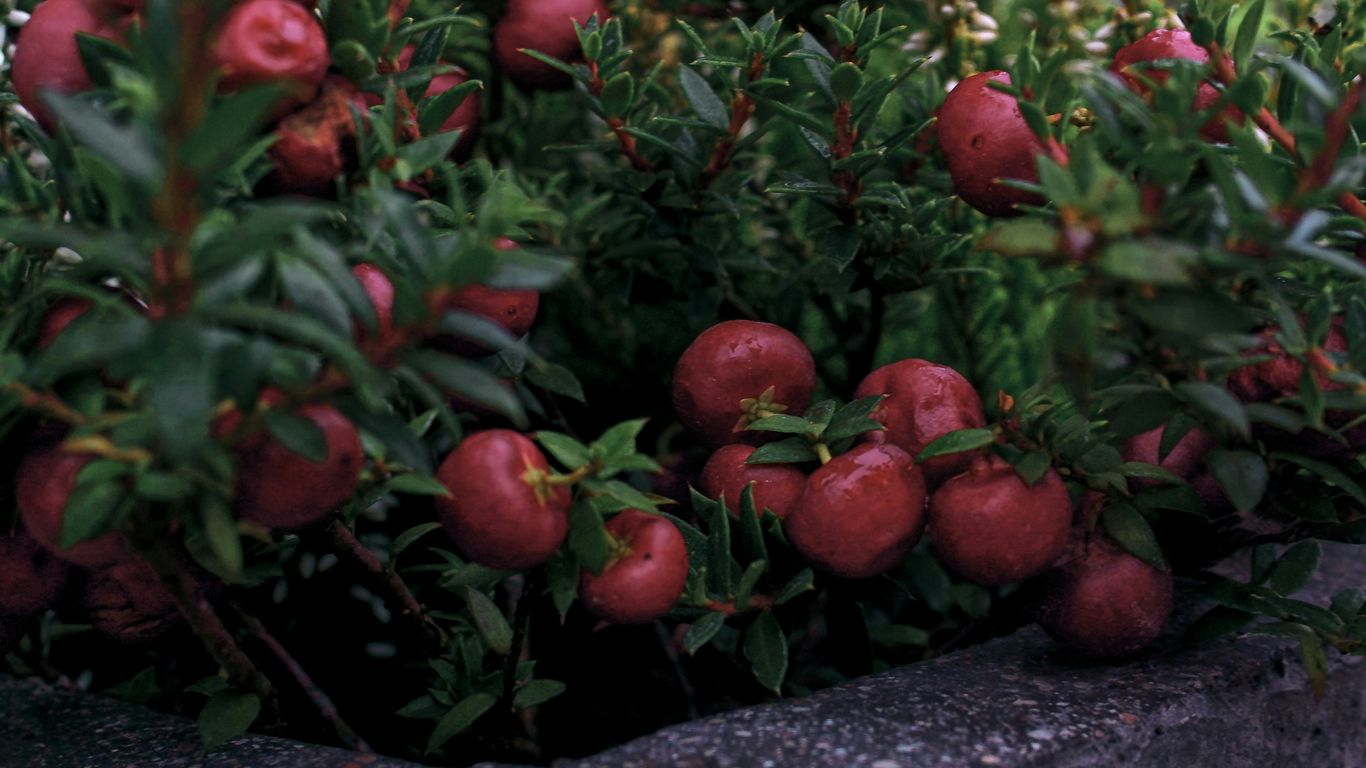
If you’re looking for a vegetable that practically screams ‘grow me now!’, radishes are definitely it. We’re talking about getting from tiny seed to a crisp, peppery bite in as little as three to four weeks. Seriously, it’s hard to beat that kind of speed in the garden. They’re perfect for filling in those little gaps between slower-growing crops or for when you just can’t wait to see something sprout.
We love planting radishes because they don’t need a ton of space, and you can even grow them in containers. Just make sure they get enough sun – about 4-6 hours a day should do the trick. When it comes to varieties, there are tons to choose from. Some popular ones are ‘Cherry Belle’, which is round and red, or ‘French Breakfast’, which is a bit longer with a white tip. They all have that satisfying crunch and a little bit of spice that wakes up your taste buds.
Here’s a quick rundown on what makes them so fast:
A common mistake is letting radishes get too big. Over-mature radishes can become woody and way too spicy. It’s better to harvest them when they’re on the smaller side for the best flavor and texture. Succession planting, meaning sowing a few seeds every week or two, is the way to go for a continuous harvest throughout the growing season. Just remember, they prefer cooler weather, so avoid planting them when it’s really hot outside avoiding hot weather.
Don’t be surprised if you end up with more leaves than roots sometimes. That usually just means they need a bit more room to grow. Giving them adequate spacing is key to getting those nice, plump roots we’re all after.
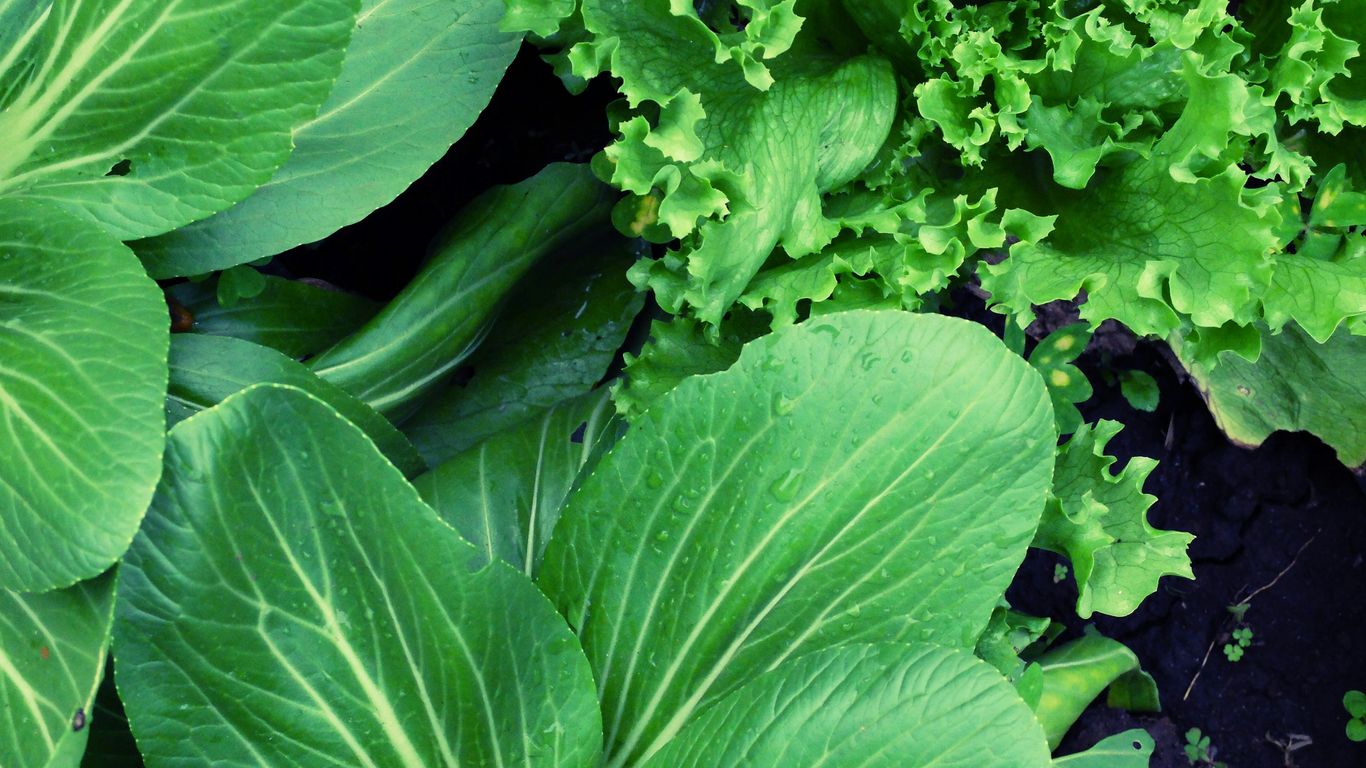
If you’re looking for a leafy green that practically grows itself, lettuce is our go-to. We love it because you can start harvesting the outer leaves in just a few weeks, and the plant keeps on giving. It’s the definition of a cut-and-come-again crop, meaning you don’t have to wait for a whole head to mature.
We usually sow seeds directly into the garden or pots. Just a light covering of soil and keeping them moist is all they need to get started. You’ll see tiny seedlings popping up in no time. For the impatient gardener, varieties like ‘Salad Bowl’ or ‘Lollo Rosso’ are fantastic choices because they grow fast and are perfect for repeated harvests.
Here’s a quick rundown on keeping your lettuce happy:
We find that loose-leaf varieties are the most forgiving and productive for us. They’re also super versatile in the kitchen, perfect for salads, sandwiches, or even just as a fresh garnish. Getting fresh greens from your own garden so quickly is a real treat.
For a steady supply of greens, consider planting a variety of lettuce seeds that suit your taste and growing conditions.
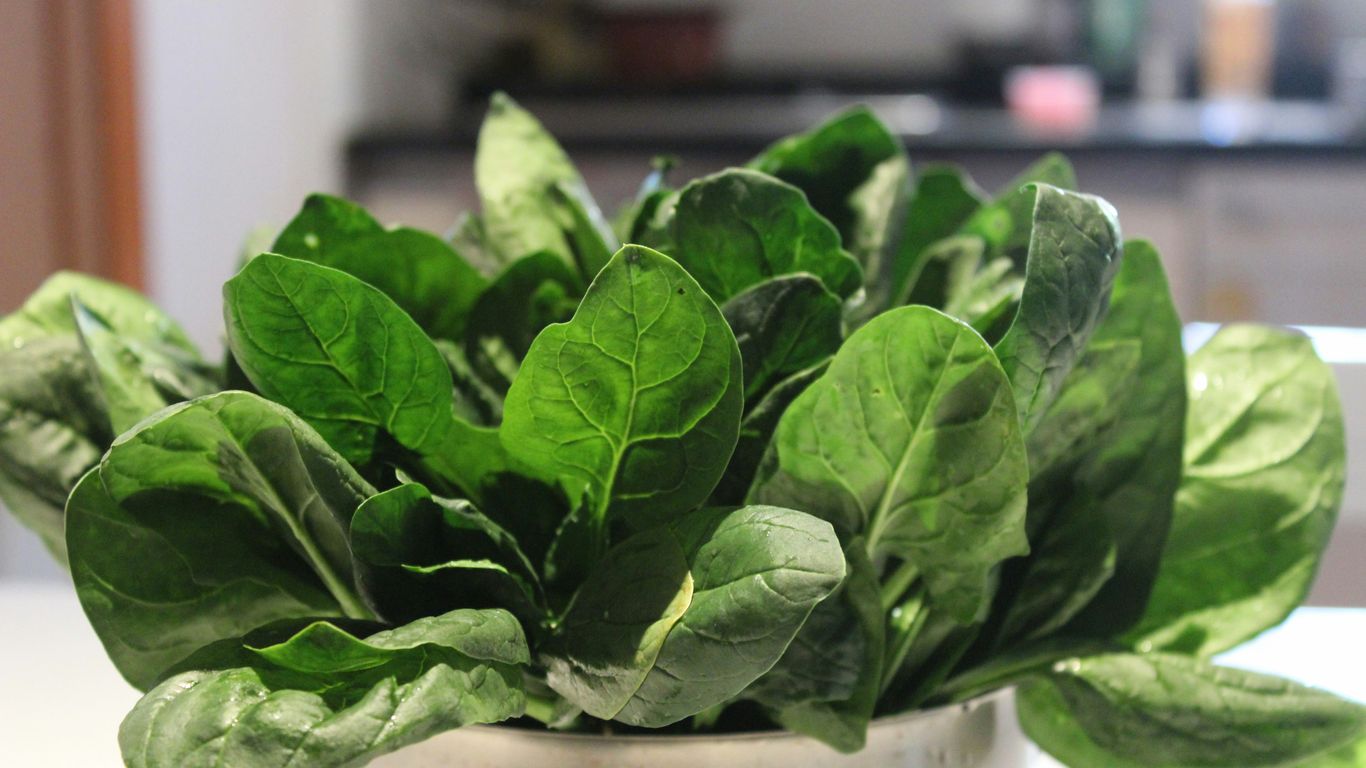
Spinach is one of those greens that just keeps on giving, and thankfully, it grows super fast. We love it because you can get a harvest in as little as 4 to 6 weeks, depending on the variety you pick. It’s perfect for those of us who get a bit antsy waiting for our garden bounty.
We usually plant ours as soon as the soil can be worked in the spring, and it does great until the summer heat really kicks in. If you want to keep the harvest going, just remember to snip off the outer leaves and leave the center part of the plant to keep growing. A little trick we learned is that a light frost actually makes spinach taste sweeter, which is pretty neat. Just make sure to let it thaw out before you pick it.
Here’s a quick look at some common spinach types and their general timelines:
Spinach is packed with vitamins and minerals, making it a healthy addition to salads, soups, and smoothies. Its rapid growth rate is ideal for those who want to enjoy nutrient-packed greens without the long wait.
We find that sowing spinach in succession every couple of weeks gives us a steady supply. It’s a win-win: we get fresh greens, and the plants keep producing if we harvest them right.
If you’re looking for something with a bit of a peppery kick, rocket, or arugula as some call it, is a fantastic choice for impatient gardeners. We’ve found that this leafy green is super quick to get going, often ready for its first harvest in as little as 3 to 4 weeks. It’s perfect for adding a zesty flavor to salads, sandwiches, or even pizzas. We love sowing seeds directly into the ground or containers, and it really thrives in cooler weather, making it great for early spring or late summer planting.
We’ve noticed that the flavor is best when the leaves are young and tender. As the plant matures, the peppery taste gets a lot stronger, which might be exactly what you’re after, but for a milder bite, harvest early.
Here’s a quick rundown of what we’ve learned:
We’ve found that keeping the soil consistently moist is key to preventing bitterness and encouraging rapid growth. A little bit of compost mixed into the soil before planting really helps give it the nutrients it needs to shoot up fast. It’s amazing how much difference good soil preparation makes!
For a continuous supply, you can sow seeds every couple of weeks. This way, you’ll always have fresh rocket ready to go. It’s one of those plants that really rewards you for your minimal effort with a speedy return. You can find seeds specifically for fast-growing greens if you want to be sure you’re getting the quickest varieties.
We love kale because it’s a super tough leafy green that doesn’t mind a bit of cold. Seriously, it actually tastes better after a frost! For us impatient gardeners, this is a big win. You can start harvesting baby kale leaves in as little as 28 days, or let them grow into full-sized, hearty leaves in about 50 days. It’s pretty forgiving, too; we’ve even grown it successfully in containers.
There are tons of varieties, each with its own charm. If you want something a little different, try ‘Dwarf Red Russian’ or ‘Siberian Kale’ for a pop of color and a slightly sweeter taste. For a more classic look with those bumpy, dark leaves, ‘Tuscan Cavalo Nero’ is a great pick. We’ve found these types tend to mature a bit quicker than the common curly varieties.
Kale is one of those plants that just keeps on giving. You can snip off outer leaves, and the plant will keep producing more from the center. It’s like a little leafy machine in your garden!
Here’s a quick look at what to expect:
If you’re looking for a leafy green that’s as pretty as it is productive, we’ve got to talk about Swiss chard. Seriously, this stuff is gorgeous with its vibrant, colorful stems – think reds, yellows, oranges, and whites. It’s like a rainbow exploded in our garden beds! And the best part? It grows pretty darn fast.
We can usually start harvesting baby leaves in about a month, or wait for full-sized leaves around 55 days. It’s a great substitute for spinach, especially when the weather gets a bit too warm for spinach to handle. Even the stems are edible and add a nice, mild beet-like flavor to dishes. We love the ‘Bright Lights’ variety for its stunning colors.
Here’s a quick look at its growth timeline:
We find that Swiss chard is super forgiving. You can harvest it using the ‘cut-and-come-again’ method, which means you snip off the outer leaves and the plant keeps producing more from the center. This way, we get a continuous supply without having to replant constantly. It’s a real workhorse in the garden and adds such a lovely splash of color. Plus, it’s pretty resilient and can handle a bit of heat, making it a reliable choice for impatient gardeners like us. You can find seeds for this amazing plant at many garden suppliers.
It’s a fantastic way to get a lot of greens with minimal fuss, and honestly, it just makes our garden look amazing.
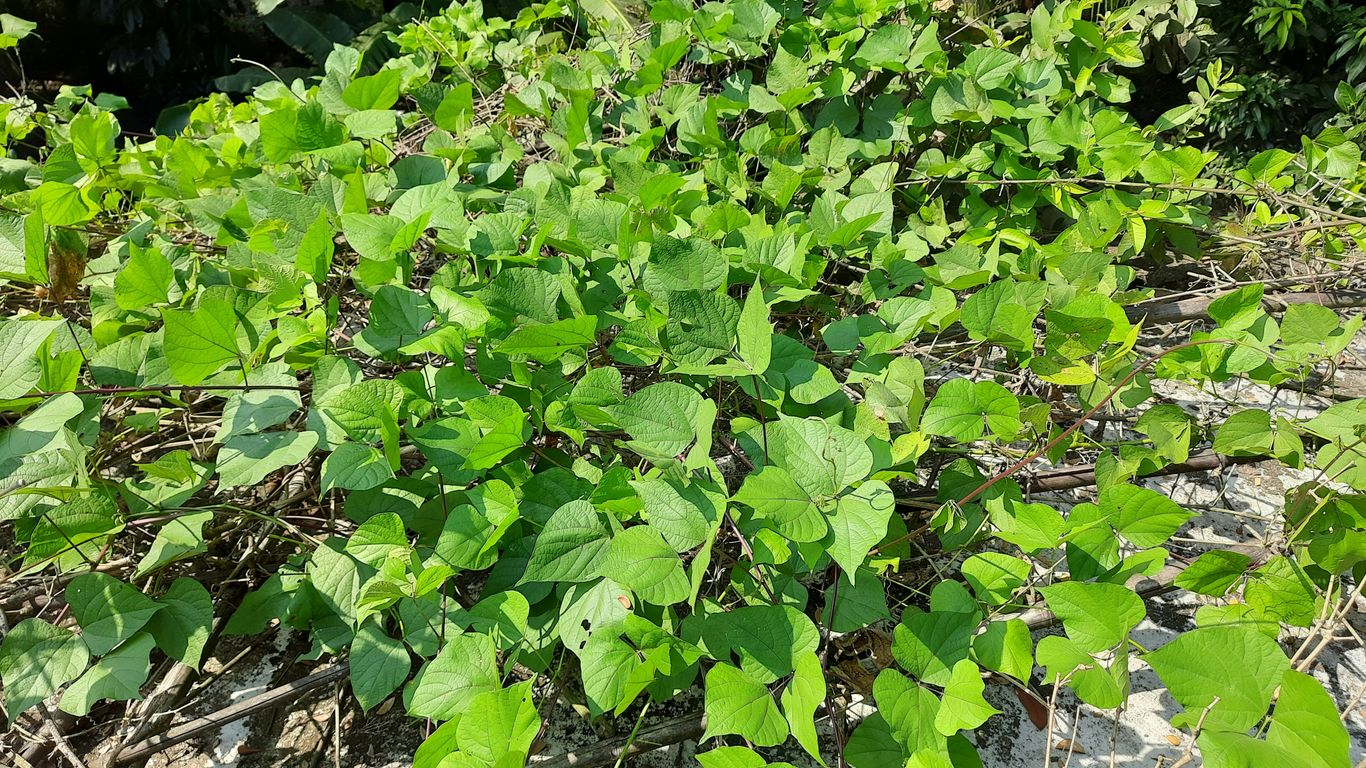
We love green beans because they’re pretty forgiving and give us a good harvest relatively quickly. You can pop seeds right into the ground after the last frost, usually around late spring or early summer. They germinate fast and don’t like being moved, so direct sowing is the way to go. We usually aim for a soil temperature of at least 70°F (21°C) before we plant.
There are two main types: bush beans and pole beans. Bush beans grow into compact plants and produce their beans all at once, making them super quick for a single harvest. Pole beans, on the other hand, need something to climb on, like a trellis or stakes, and they keep producing beans over a longer period. For impatient gardeners, bush beans are often the go-to because they tend to mature a bit faster.
Here’s a quick look at what to expect:
We find that picking them regularly actually encourages the plants to produce more, which is a nice bonus. Just give them a good soak and enjoy them fresh, steamed, or in your favorite recipes. Getting a good harvest from your own garden is always a win!
Planting green beans is a straightforward process. Ensure they have plenty of sunshine and well-drained soil. Keep them watered, especially when they’re flowering and forming pods, and you’ll be rewarded with delicious beans before you know it.
We love sugar snap peas because they’re so rewarding for us impatient gardeners. You can often start harvesting these sweet, crunchy pods as early as 51 days after planting. They don’t really have any special needs, just a sunny spot with good air circulation is perfect. We find that planting a bush variety is a great time-saver since they don’t need any trellising, and they’re just the right height for little hands to help pick the pods.
Here’s a quick rundown on why we like them:
Planting peas early in the spring, as soon as the soil can be worked, is key to getting a good harvest before the weather gets too hot. Peas prefer cooler temperatures to really thrive.
We’ve had great success with bush varieties like ‘Sugarsnap’ which mature in about 56-58 days. It’s amazing how quickly those vines grow and the pods start to plump up. It’s a satisfying crop to grow, and the taste of fresh peas straight from the garden is unbeatable. For anyone looking to add a quick, tasty crop to their garden, sugar snap peas are definitely a winner. You can find more tips for growing perfect peas here.
If you’re looking for a vegetable that practically begs to be harvested, summer squash, or zucchini as we often call it, is your plant. We’re talking about a crop that can go from seed to plate in about 50 days, which is seriously fast in the gardening world. It’s one of the quickest fruiting plants you can grow.
These plants get pretty big, so make sure they have enough room to spread out – some can get up to 4 feet wide! They absolutely love the heat and need consistent watering to produce those delicious fruits we all know and love. Don’t just stick to the standard green zucchini; consider trying yellow crookneck or the fun, flat patty pan varieties. They all grow just as quickly and add a nice bit of variety to your garden and your meals.
Here’s a quick look at what to expect:
Remember that summer squash can be a bit demanding when it comes to soil nutrients. It’s a good idea to give your soil a boost with some organic matter or compost before planting to help these hungry plants thrive and produce their best.
If you’re looking for the absolute fastest thing you can grow and eat from your garden, microgreens are it. Seriously, we’re talking about harvesting in as little as a week or two! These are basically baby plants, harvested when they’re just a few inches tall. They pack a serious nutritional punch and add a fantastic burst of flavor and texture to pretty much anything. Think salads, sandwiches, soups – you name it.
Growing them is super simple. You just need a shallow tray, some potting mix, and seeds. We like to scatter seeds pretty thickly over some damp soil and then lightly cover them. Keep them moist and in a bright spot, and before you know it, you’ll have tiny greens ready to snip. The key is to harvest them when they have their first set of true leaves, but before they get too big.
Here are a few of our favorites to get you started:
It’s a good idea to buy seeds specifically labeled for microgreens, as they’re usually tested for germination and quality. You can even grow these indoors year-round, especially if you don’t have a lot of outdoor space or it’s winter. Just make sure they get enough light; otherwise, they can get a bit leggy. We’ve found that using old food containers works just fine for trays, so you don’t need fancy equipment to get started with growing microgreens indoors.
The beauty of microgreens is their versatility and speed. You can sow small batches every week or two to have a continuous supply of fresh greens. It’s a rewarding way to get a quick harvest and add some healthy greens to your meals without a long wait.
So there you have it! We’ve looked at a bunch of veggies that won’t make you wait forever to see some results. Whether you’re planting radishes that pop up in weeks or beans that are ready before you know it, there’s something here for everyone. It’s pretty cool how quickly we can go from planting a tiny seed to harvesting our own food, right? Don’t be afraid to try a few of these out. We think you’ll be surprised at how rewarding it is to get a quick harvest, and hopefully, it’ll get you hooked on growing even more.
When we talk about fast-growing vegetables, we mean plants that go from a tiny seed to something you can eat in just a few weeks, not months. It’s like getting a quick reward for your hard work in the garden!
Several things make a difference! The type of vegetable, the variety you pick, and even the weather play big roles. Some plants are naturally programmed to grow super fast, while others take their sweet time.
Absolutely! Many of these quick growers, like radishes, lettuce, and microgreens, do wonderfully in containers or small garden beds. You don’t need a huge yard to enjoy fresh veggies.
Giving them the right conditions helps a lot! Make sure they have good soil that’s not too wet or too dry, plenty of sunshine, and the right temperature for the season. Consistent care is key.
It really depends on the vegetable! Some, like microgreens, can be ready in as little as a week or two. Others, like radishes or lettuce, might take about three to four weeks. You’ll be picking your own food before you know it!
Yes, we can! By planting a little bit every week or two, a technique called succession sowing, we can keep harvesting fresh veggies all season long. It’s a smart way to avoid having too much at once.
 March 7, 2026
High-Output Crops Perfect for Micro Homesteads
Gardening
Homestead Planning
Homesteading
Starting a Homestead
March 7, 2026
High-Output Crops Perfect for Micro Homesteads
Gardening
Homestead Planning
Homesteading
Starting a Homestead
Thinking about growing your own food but only have a little space? We get it. Many of us are looking for ways to be more self-sufficient, even if we don't have acres to work with. The good news is, you...
Read More March 5, 2026
How to Grow a Medicinal Herb Garden for Beginners
Gardening
Homesteading
Natural Fertilizers
Sustainable Living
March 5, 2026
How to Grow a Medicinal Herb Garden for Beginners
Gardening
Homesteading
Natural Fertilizers
Sustainable Living
We're excited to share how we got started with our own medicinal herb garden. It felt a bit overwhelming at first, but we learned that taking it step-by-step makes it totally doable. Growing our own healing plants has been so...
Read MoreWe love the charm and character that a hobby farm look brings to our outdoor spaces. It feels so welcoming and down-to-earth. If you're looking to capture that same vibe on your own property, we've gathered some simple and pretty...
Read More