


We all see those perfect homestead pictures online, right? Rolling hills, fresh eggs, and happy families. It looks so peaceful and rewarding. But what’s the real story behind the homestead expectations vs reality? We’ve been diving deep into this, and let’s just say, it’s a lot more involved than the glossy photos suggest. It’s a journey, for sure, and one that comes with its own set of challenges and surprises. We’re here to share what we’ve learned, the good, the messy, and everything in between.
We’ve all seen them: the sun-drenched photos of perfectly arranged mason jars, vibrant vegetable gardens, and smiling families harvesting plump tomatoes. It’s easy to get swept up in that vision, the idea of a peaceful, self-sufficient life. But let’s be real, the reality is often a lot messier. Our mornings aren’t always filled with gentle birdsong and dew-kissed flowers. More often, they involve pulling on boots that are already caked in mud, dealing with a leaky water trough, or figuring out why the chickens are suddenly staging a protest. The romantic ideal we see online rarely shows the early mornings, the late nights, or the sheer physical effort involved. It’s a life that demands a lot of sweat, a bit of grit, and a willingness to get your hands dirty – sometimes literally covered in manure.
When we picture the "simple life," we often imagine a slower pace, fewer worries, and more time for quiet reflection. While homesteading can offer moments of profound peace and connection to nature, it’s far from simple. It’s a constant cycle of tasks, problem-solving, and learning. We’re juggling animal care, garden maintenance, repairs, and preservation, all while trying to fit in our other life responsibilities. It’s a different kind of busy, one that requires constant attention and effort. The idea of having endless free time to read by the fire often gets replaced by the urgent need to fix a fence before the sheep escape.
What we see on social media is usually a curated highlight reel. It doesn’t show the blisters from weeding, the sunburn from a long day in the garden, or the frustration of a crop failure. It doesn’t show the financial strain when selling produce doesn’t quite cover the costs, or the emotional toll of losing an animal to predators. The reality of homesteading is that it’s a demanding lifestyle that requires a robust skillset, a strong back, and a resilient spirit. It’s about embracing the challenges alongside the rewards, understanding that the beauty often lies in the effort and the lessons learned, not just the picture-perfect outcome.
We all picture ourselves selling baskets of vibrant veggies at a local market or perhaps having a few dozen happy hens providing us with eggs to sell. The idea of homesteading often comes with a romantic notion of self-sufficiency, which naturally extends to financial independence. But let’s get real for a moment. The ‘making money’ part of homesteading is often a lot harder than it looks, and the ‘saving money’ part comes with its own set of surprises.
It’s easy to get excited about the potential income from selling your surplus. You’ve grown beautiful tomatoes, maybe some extra zucchini, or perhaps you’ve mastered the art of making jam. The dream is to offset your homesteading costs, or even turn a profit. However, the reality can be a bit of a letdown. The prices we can realistically charge often don’t cover the true cost of production, especially when you factor in your time. Think about it: if you’re spending hours tending your garden, harvesting, washing, and packaging, that’s time you could potentially be earning money elsewhere. Plus, the market is often flooded with cheaper alternatives, making it tough to compete. We’ve seen folks charge $5 for a carton of eggs, only to get pushback from people who expect them for $2. It’s a tough market out there for small-scale producers trying to make a living wage.
Beyond the day-to-day costs of feed, seeds, and supplies, there are other financial hurdles we often don’t anticipate. Regulations can sneak up on you. Depending on where you live and what you’re selling, there might be permits, licenses, or specific packaging requirements that add to your expenses. Then there are the animals. Predators are a constant threat, and while we try our best to protect our flocks and herds, losses can happen. The cost of building robust fencing, secure coops, or even investing in livestock guardian animals adds up quickly. We learned this the hard way when a fox got into our chicken coop. The cost of replacing the birds and reinforcing the coop was a significant hit to our budget. It’s not just about the initial setup; it’s about ongoing protection and compliance.
This is a question we had to ask ourselves early on. Are we trying to run a profitable enterprise, or are we doing this for personal enjoyment and to supplement our lifestyle? If you’re aiming for profit, you need to approach it like a business. This means detailed record-keeping, understanding your profit margins, and marketing effectively. It might even mean investing in enterprise budgeting tools to truly understand your numbers. If it’s more of a hobby, then the financial expectations need to be adjusted accordingly. We found that trying to do both without a clear plan led to a lot of frustration. It’s important to be honest about your goals and what you expect financially from your homestead.
Here’s a rough idea of how costs can add up, even for something as simple as raising chickens:
| Expense Category | Initial Cost | Ongoing Monthly Cost | Notes |
|---|---|---|---|
| Coop/Housing | $500 – $2000 | $20 (repairs) | Can be DIY or purchased |
| Chickens (Chicks) | $50 – $150 (for 12) | $0 | Depends on breed and source |
| Feed | $0 | $50 – $100 | Varies with flock size and feed type |
| Bedding | $0 | $20 – $40 | Straw, wood shavings |
| Waterers/Feeders | $50 – $100 | $10 (replacement) | |
| Health/Supplements | $0 – $50 | $10 | Wormers, electrolytes |
| Total Estimated | $600 – $2250 | $100 – $170 | This doesn’t include your time! |
The allure of saving money by doing it yourself is strong, but we quickly learned that the upfront investment in tools, materials, and the learning curve itself can be substantial. Sometimes, buying the finished product initially is more cost-effective until you’ve got the skills and setup to produce it yourself efficiently. We spent almost a year making soap before the savings truly outweighed the cost of buying it, even though ours was much better quality.
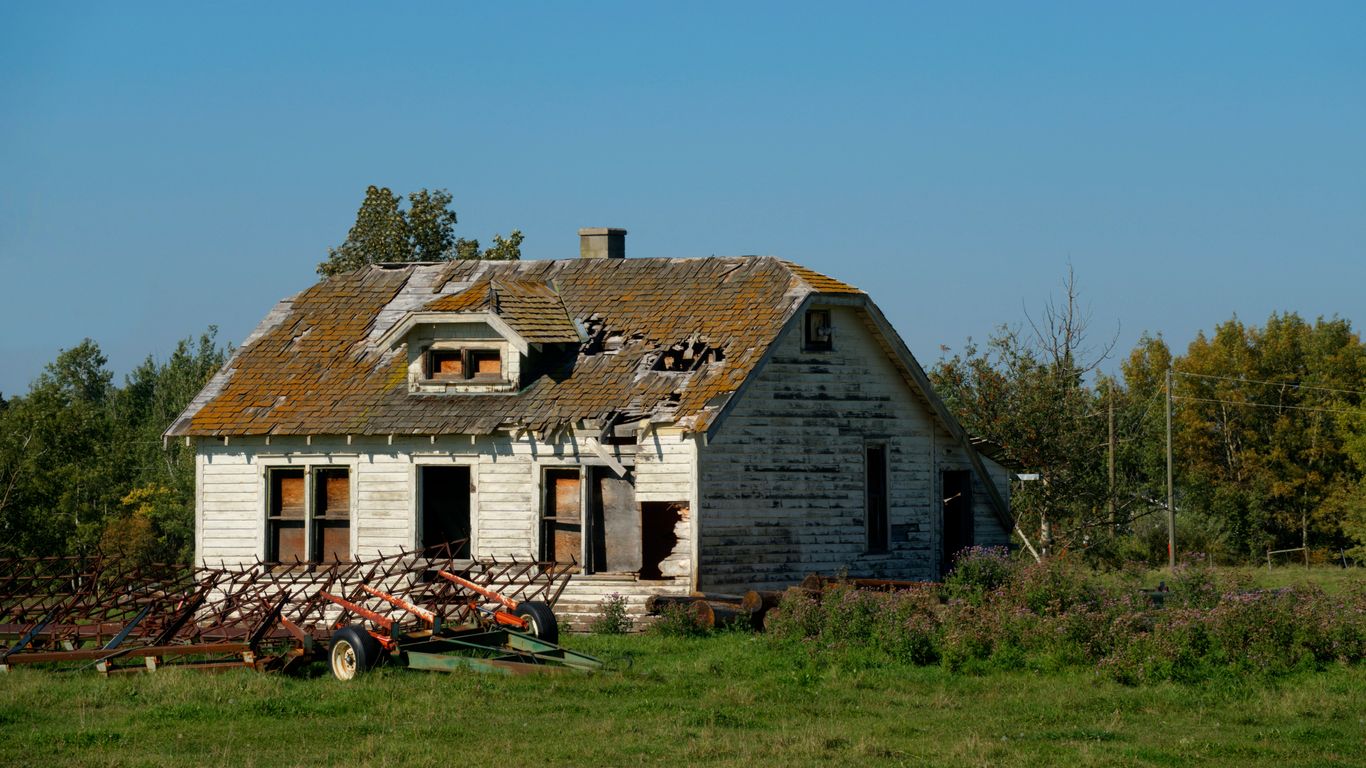
When we first started dreaming about homesteading, we pictured sprawling fields and a barn overflowing with animals. The reality check hit hard when we looked at our actual property. It’s easy to get carried away with grand plans, but we quickly learned that honesty about our land and its limits is key.
Our land isn’t a vast prairie; it’s a modest plot with some wooded areas and a decent-sized yard. We had to ask ourselves some tough questions: What can we realistically grow here? What kind of animals can we actually support without them suffering, or us going broke? We realized that trying to cram too much onto a small space would be a recipe for disaster. It’s better to have a few things thriving than a lot of things struggling.
We mapped out our property, thinking about how we use different areas. We have our ‘Zone 1’ right around the house where most of our daily activity happens – the kitchen garden, a small herb patch. Then ‘Zone 2’ is a bit further out, where we have our berry bushes and a few fruit trees. Our ‘Zone 3’ is where the chicken coop and a small shed are located. This zoning helps us manage chores more efficiently, so we’re not running all over the place constantly.
This is where the romanticized dream often clashes with reality. We wanted goats, sheep, and a cow. But looking at our acreage, we knew that wouldn’t work. Goats, especially, can be escape artists and need sturdy fencing. Sheep need good pasture rotation. A cow? Forget about it on our current setup. We settled on chickens and a couple of rabbits, which fit our space and our ability to manage them. We learned that even small animals have big needs.
Consider the feed. Even if you have space for animals, can you afford to feed them year-round? If you can’t grow your own hay for goats or cows, you’ll be buying it, and that adds up fast. We saw friends get overwhelmed by the sheer volume of feed required for animals they’d acquired without fully thinking through the long-term costs.
Our neighbors are mostly suburban folks. While they’re generally friendly, we’ve had to be mindful of noise and smells. We also learned that not everyone understands or appreciates the homesteading lifestyle. A neighbor’s dog that frequently roams onto our property became a real problem for our free-ranging chickens, forcing us to build a more secure run. We also had to consider proximity to busy roads and any potential for chemical drift from nearby agricultural operations.
Being honest about your property’s size, its limitations, and what surrounds it is not about giving up on your dreams; it’s about setting yourself up for success. It means making smart choices that align with your resources and your lifestyle, rather than fighting against them.
Here’s a quick look at how we assessed our animal capacity:
| Animal Type | Number We Can Support | Space Needed (Approx.) | Daily Time Commitment (Approx.) |
|---|---|---|---|
| Chickens | 12-15 | Small coop & run | 15-20 minutes |
| Rabbits | 4-6 | Hutch space | 10-15 minutes |
| Ducks | 4-6 | Coop & water access | 15-20 minutes |
We’ve learned that starting small and understanding our land’s capacity has been far more rewarding than trying to do too much too soon.
Let’s be real, homesteading is a massive undertaking. It’s not just about planting seeds and collecting eggs; it’s a lifestyle that impacts every part of our lives. And if you’re doing this with a partner, their buy-in is absolutely everything. We’ve seen friends start down the homesteading path with all the best intentions, only to have it fizzle out because one person wasn’t fully on board. It’s tough when one of you is out in the barn at 5 AM while the other is still hitting snooze. Open conversations about expectations, workload, and the financial side of things are non-negotiable. Without your spouse’s genuine support, the dream can quickly turn into a constant source of friction.
We all have that romanticized image in our heads, right? The one where we’re effortlessly churning butter and mending fences. But we need to be honest with ourselves about what we’re actually capable of. Are you good with your hands? Do you have the patience for animal care? What about the physical demands? It’s easy to get caught up in the idea of homesteading, but the reality requires a good dose of self-awareness. We found that tackling one new skill at a time, like learning to preserve food or basic carpentry, was much more manageable than trying to become experts at everything overnight.
Here’s a quick check-in we did:
The idea of being completely self-sufficient is a bit of a myth. We all rely on others in some way, whether it’s for tools, information, or even just a friendly chat. Our goal is more about reducing dependency and building resilience, not cutting ourselves off entirely.
Even with a supportive spouse and a realistic view of our own skills, we can’t do it all alone. Building a community around our homestead has been a game-changer. This means connecting with other homesteaders, whether online or in person. Sharing knowledge, trading skills, and just having people who get it makes a huge difference. We’ve learned so much from neighbors who have been doing this for years, and they’ve been incredibly generous with their time and advice. Don’t underestimate the power of a good neighbor or a local farming group when you’re facing a challenge you can’t solve on your own.
We all start somewhere, right? For many of us, that "somewhere" is a stack of books and a hopeful internet search history. We pore over guides, memorizing planting schedules and animal husbandry tips. And honestly, books are a lifesaver when you’re starting out. They give us a framework, a starting point when we know absolutely nothing. We read about building a chicken coop, or how to start a sourdough starter, and we feel like we’re getting somewhere. It’s easy to trust the printed word, especially when it’s presented with authority.
But here’s the thing we learn pretty quickly: the real world doesn’t always follow the script. We might read that a certain crop thrives in full sun, only to find out our specific patch of dirt gets blasted by afternoon heat that scorches it. Or a book might describe the ‘ideal’ way to manage a goat herd, but our goats have other ideas. It’s in these moments that our own observations start to matter more than the textbook. We begin to see that the advice, while well-intentioned, might not fit our unique situation, our specific land, or even our particular animals.
This is where our neighbors and local community become gold. Think about it: folks who have been farming or homesteading in your area for years have a wealth of knowledge that no book can replicate. They’ve dealt with the same soil, the same weather patterns, the same local pests. They know which apple varieties do best in your climate, or how to handle that one stubborn weed that seems to take over everything. We’ve found that striking up conversations at the farmer’s market, or offering to help a neighbor with a task, can lead to some of the most practical advice we’ve ever received.
It’s not just about getting tips, either. It’s about building connections. When we first moved out here, we felt like outsiders. But over time, by being present, helping out, and sharing what we have (even if it’s just a few extra zucchini), we’ve started to feel like part of the community. And that sense of belonging makes all the difference when you’re facing a tough season or a project that feels overwhelming.
Ultimately, homesteading is a journey of learning by doing. We can read all we want, talk to all the experienced folks we can find, but there comes a point where we just have to try it ourselves. We have to get our hands dirty, make mistakes, and figure things out. That first year, we tried to follow a very specific watering schedule for our tomatoes, based on a popular gardening book. It was a disaster. The plants were either drowning or parched. It took us a while to realize that our soil, our microclimate, needed a different approach. Now, we just look at the plants, feel the soil, and water accordingly.
It’s a process of constant adaptation. What worked last year might not work this year. What works for our neighbor might not work for us. We’ve learned to keep a mental (and sometimes physical) notebook of what we observe. We pay attention to the subtle signs our animals give us, the way our plants respond to different conditions, and the feel of the earth beneath our feet. This hands-on experience, combined with the knowledge we gain from books and our community, is what truly shapes our homesteading path. It’s about blending the theoretical with the practical, and trusting our own growing intuition.
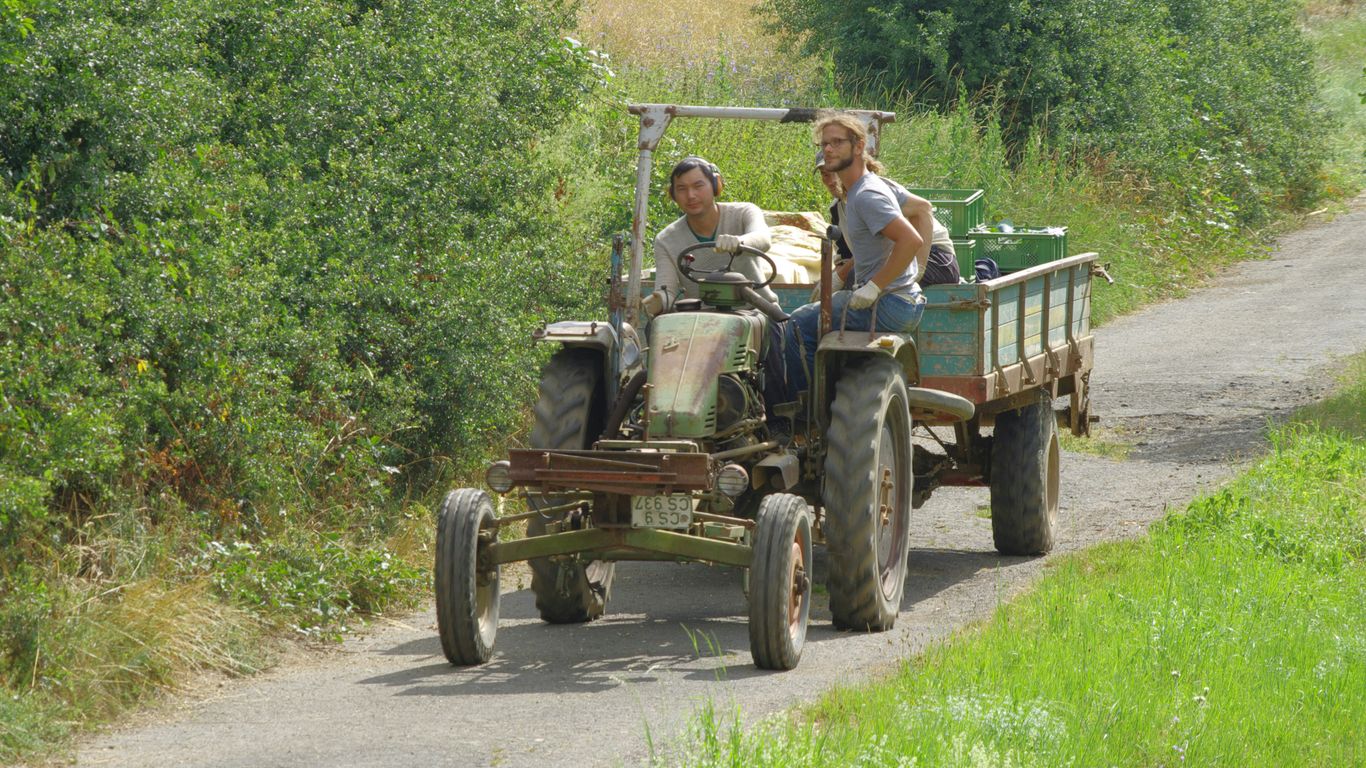
We all picture ourselves as spry and capable, wrestling goats and hauling hay well into our golden years. But the reality is, our bodies have limits, and homesteading is physically demanding. Think about those early mornings, the heavy lifting, the constant bending and squatting. What happens when we have a bad back, a knee that gives out, or just a really rough pregnancy? Suddenly, those tasks that seemed easy become monumental. We’ve seen friends have to scale back or even stop because of health issues that popped up unexpectedly. It’s not just about pushing through; sometimes, our bodies just can’t keep up, and that’s okay. We need to be honest about what our current health allows and what might become a problem down the line.
Homesteading isn’t a sprint; it’s a marathon. We need to think about what happens when we’re older. Will we still be able to manage a large property and all its demands? Maybe the dream of hundreds of acres needs to shift to something more manageable, closer to the house, or even a smaller plot with less intensive upkeep. It’s about adapting the dream to our evolving physical capabilities. We also need to consider if we’ll have help as we age. Will family be around? Will we need to plan for hired help? Thinking about these things now can save a lot of heartache later.
Pregnancy brings its own set of challenges, and adding farm chores to the mix can be intense. Even a healthy pregnancy can make tasks like squatting to milk a cow or lifting heavy feed bags incredibly difficult, sometimes even impossible. We’ve heard stories of women having to stop all farm work in their third trimester because they simply couldn’t manage the physical strain. It’s a good reminder that our reproductive health, and the health of our partners, plays a significant role in our homesteading journey. We need to factor in these life stages and potential limitations when planning our homesteading life.
We all start with a grand vision, right? Maybe it’s a sprawling garden, a flock of happy chickens, and a pantry stocked to the brim. But as we get into the thick of it, we learn that homesteading isn’t always about sticking rigidly to that initial plan. Life happens, land has limits, and sometimes, our own energy levels change. It’s okay, and actually pretty smart, to adjust our dreams as we go.
When we first started, we thought we’d have a cow and make all our own cheese. Sounds idyllic, doesn’t it? But after a few months of wrestling with milking schedules and the sheer amount of feed a cow needs, we realized that might be a bit much for us right now. So, we shifted gears. We still have dairy animals, but we opted for goats, which felt more manageable for our space and time. It wasn’t giving up on the dream, just adapting it to what felt realistic for us at that moment. Flexibility is key to long-term homesteading success.
There will be times when you have to look at your homestead and ask, "Can we really keep this up?" Maybe it’s the sheer number of animals, the constant upkeep of a large property, or even just the financial strain. It’s not a sign of failure to decide that a particular goal is too ambitious. We had to do this with our market garden. We loved selling produce, but the hours were intense, and it started taking away from family time. We scaled back to a much smaller plot, focusing on what we can grow for ourselves and a few close friends. It meant letting go of the idea of being a major produce supplier, but it brought back a sense of balance.
Here are a few things to consider when re-evaluating:
Sometimes, the most rewarding parts of homesteading aren’t the things we initially planned for. We thought our main goal was self-sufficiency in food. But we’ve found so much joy in the community we’ve built with other homesteaders, sharing seeds, tools, and advice. We also discovered a knack for preserving food in ways we never imagined, which has become a creative outlet. It’s about embracing the journey and finding happiness in the unexpected detours. The original vision is a starting point, not a rigid map. We’ve learned to appreciate the detours and the new landscapes they reveal.
Look, homesteading is a wild ride, no doubt about it. We went into it thinking it would be all sunshine and perfectly ripe tomatoes, but reality hit us pretty fast. It’s a lot more dirt, sweat, and figuring things out as we go. We’ve learned that books are great, but your own eyes and the advice of folks who’ve been doing this for years often tell a truer story. Being honest about what you and your land can actually handle is huge, and sometimes, the dream of selling everything you grow just doesn’t pan out like you hoped. It’s okay if your homestead looks different than you imagined, or if you need to ask for help. The most important thing is to stay flexible, keep learning, and remember why you started in the first place. It’s not always easy, but for us, the good days still outweigh the tough ones.
We often imagine homesteading as a peaceful, beautiful life, like in pictures on Pinterest. But the truth is, it’s a lot of hard, dirty work. Instead of perfect gardens, we often find ourselves covered in mud and manure. The ‘simple life’ we dream about is actually really tough and demanding, with early mornings and late nights, no matter the weather.
It can be much harder than we think. We might expect to sell our extra eggs, veggies, or crafts and make a good profit. However, after paying for supplies, dealing with regulations, and facing unexpected problems like predators costing us animals, the money we make might not cover our costs. Sometimes, it’s better to just raise enough for ourselves.
We need to be honest about our property’s size and what it can really support. Can we grow the food we want? Do we have enough space for the animals we dream of raising? We also need to consider our surroundings, like busy roads or neighbors, and if we have enough help or can do the work ourselves. It’s important to match our plans to what our land and our lives can actually handle.
Having support, especially from a spouse or partner, is super important. Homesteading is physically demanding, and if you’re doing it alone or without help, it can be overwhelming. We also need to be realistic about our own health and energy levels, and how they might change over time. Having people we can rely on makes a huge difference.
Books and online guides are helpful starting points, but they don’t always tell the whole story. Real-life experience and the advice of experienced neighbors who know the local conditions are often more valuable. We learn best by doing, observing, and adapting what we read to our specific situation, trusting our own eyes and hands over time.
Our physical well-being can definitely impact how much we can do on the homestead. Things like pregnancy, injuries, or just getting older can make farm chores difficult. We need to think about our long-term health and how our needs might change. It’s wise to plan for the future and consider if our homesteading goals are still realistic as we get older or if our health changes.
 March 7, 2026
How to Turn Food Preservation Into a Side Hustle
Canning
Homestead Kitchen
Homesteading
Sustainable Living
March 7, 2026
How to Turn Food Preservation Into a Side Hustle
Canning
Homestead Kitchen
Homesteading
Sustainable Living
We've all got those hobbies or skills that we love doing, right? Maybe it's baking, gardening, or even making your own jam. What if we told you that you could turn those passions into a little extra cash? It might...
Read More March 7, 2026
High-Output Crops Perfect for Micro Homesteads
Gardening
Homestead Planning
Homesteading
Starting a Homestead
March 7, 2026
High-Output Crops Perfect for Micro Homesteads
Gardening
Homestead Planning
Homesteading
Starting a Homestead
Thinking about growing your own food but only have a little space? We get it. Many of us are looking for ways to be more self-sufficient, even if we don't have acres to work with. The good news is, you...
Read More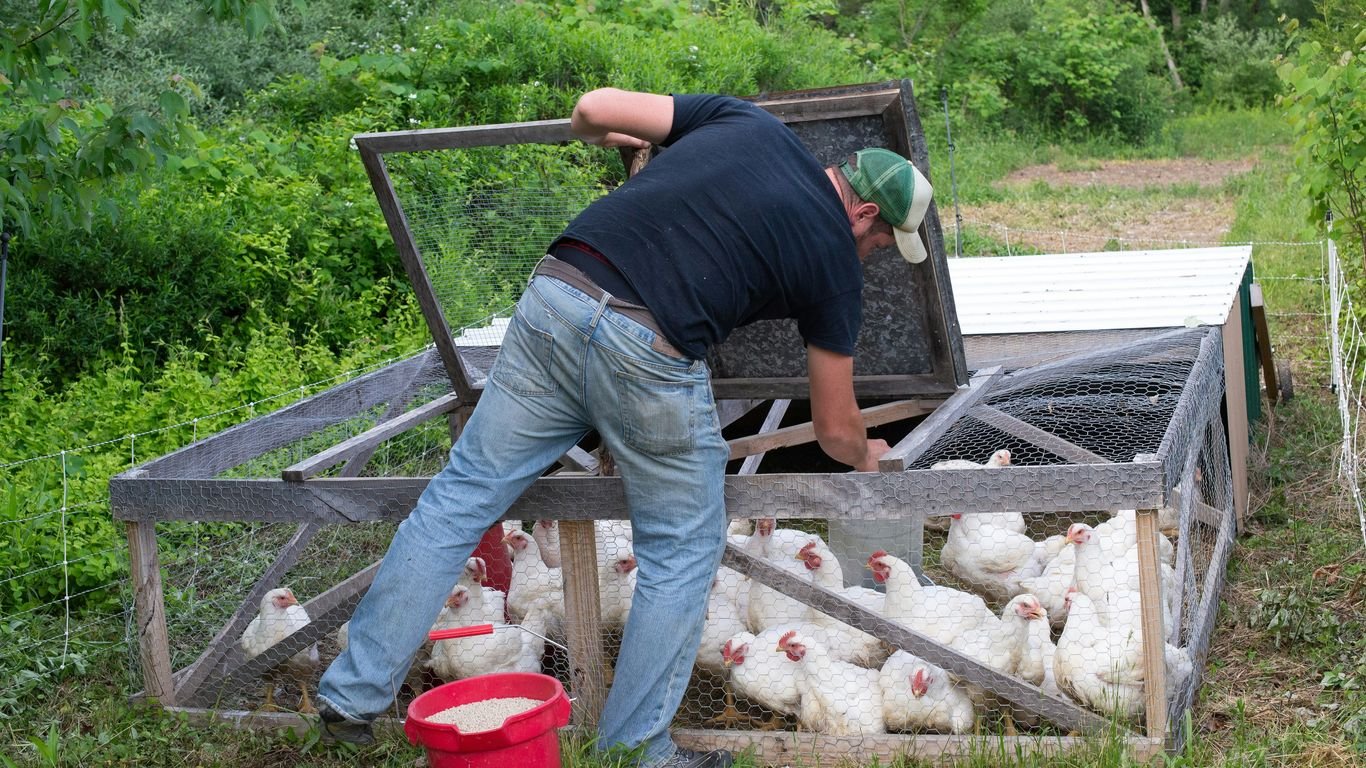 March 6, 2026
10 Low-Cost Homestead Side Hustles That Make Money
Homestead Planning
Homesteading
Starting a Homestead
March 6, 2026
10 Low-Cost Homestead Side Hustles That Make Money
Homestead Planning
Homesteading
Starting a Homestead
We all dream of a simpler life, right? One where we're more connected to the land and the seasons. But let's be real, that dream needs some funding. That's where low cost homestead side hustles come in. These aren't about...
Read More