


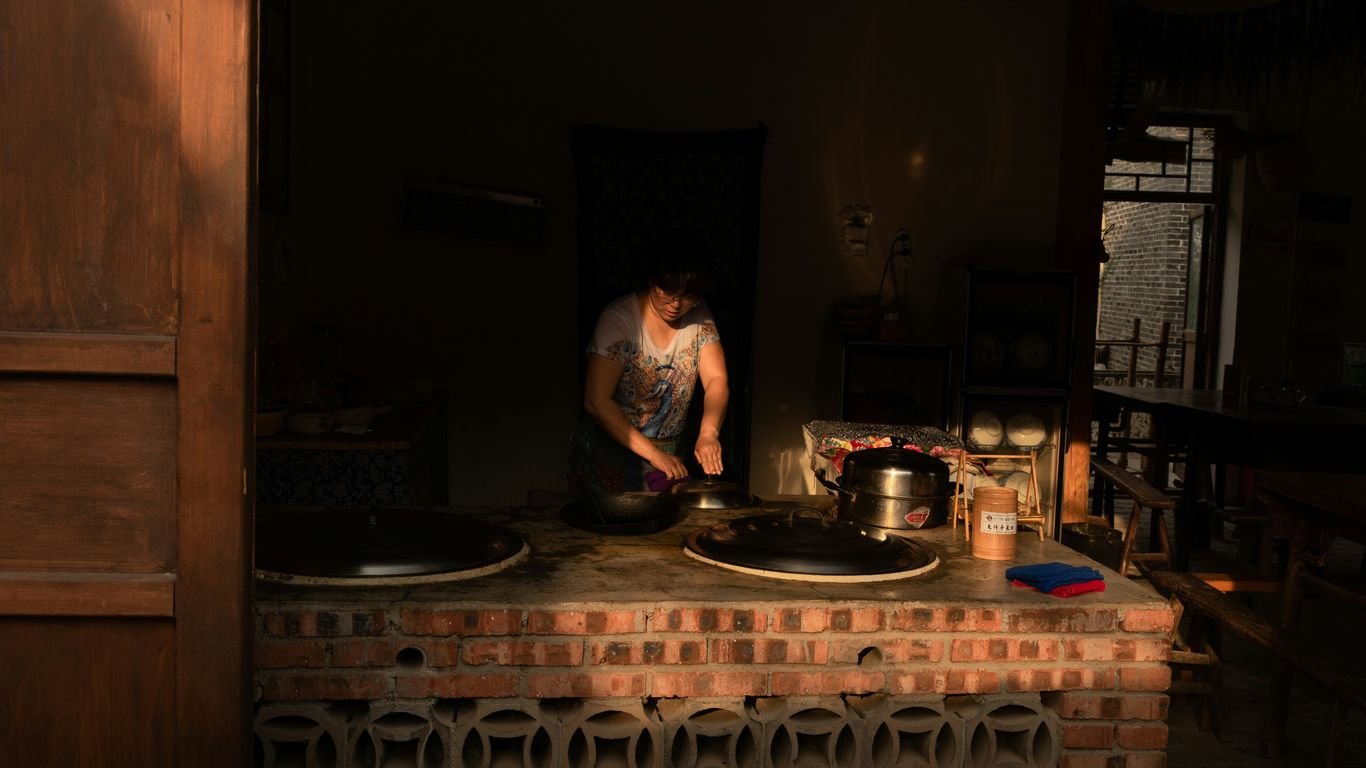
We all know that getting a good meal on the table every day can feel like a challenge, especially when life gets busy. We’ve found that dedicating just one day a week to cooking can make a huge difference. This approach to homestead meal prep means we spend less time stressing about dinner and more time enjoying our food and our family. It’s all about working smarter, not harder, in the kitchen.
Getting our meals sorted for the week ahead on the homestead isn’t quite the same as a typical grocery-store-dependent household. We’re working with what we’ve grown, preserved, and raised, which means our planning needs a slightly different approach. The goal is to make the most of our resources and save time and energy throughout the week.
Eating with the seasons just makes sense when you’re managing a homestead. It means we’re using produce when it’s at its peak flavor and nutrient density, and honestly, it’s just less work. When you’re not trying to force out-of-season ingredients, cooking becomes simpler. Plus, it naturally guides our meal planning. If it’s zucchini season, we’re thinking zucchini bread, grilled zucchini, and zucchini noodles. It’s about working with nature, not against it.
We can’t stress this enough: know what you have! Regularly checking our pantry, freezer, and root cellar is a game-changer. This isn’t just about seeing what’s there; it’s about understanding what needs to be used up soonest. We keep a running list, and it helps us decide what meals to plan for the week. It also tells us what we might need to grow more of next season or preserve more of.
Here’s a quick look at how we might track our inventory:
| Food Category | Item | Quantity | Notes |
|---|---|---|---|
| Produce | Tomatoes | 5 lbs | Use in next 3 days |
| Freezer | Chicken Breasts | 10 | Plenty left |
| Pantry | Dried Beans | 3 bags | Good for a few weeks |
Having a loose theme for each day of the week can really simplify decision-making. It doesn’t have to be rigid, but it gives us a framework. For example, we might have:
This structure helps us use up ingredients efficiently and makes the "what’s for dinner?" question much easier to answer, especially when we’re tired after a long day of chores.
Planning meals around what’s abundant in our garden or what needs to be used from storage is key. It’s not just about convenience; it’s about being resourceful and minimizing waste. This approach helps us stretch our preserved goods and rely less on store-bought items.
When we’re looking to get ahead on our homestead meals, batch cooking is a game-changer. It’s all about making larger quantities of food at once, so we don’t have to cook from scratch every single day. Think of it as cooking smarter, not harder. We’ve found that dedicating a chunk of time, even just a few hours, to this process saves us so much time and mental energy throughout the week.
This is probably the easiest way to start with batch cooking. Instead of making just enough for dinner, we simply double or triple the recipe for meals we already know our family loves. It doesn’t require learning new recipes or buying special ingredients. If we’re already making a big pot of chili or a lasagna, why not make two? One goes into the fridge for a quick meal later in the week, and the other goes straight into the freezer for a future dinner. It’s a simple strategy that immediately cuts down on cooking time.
Another great approach is to cook up a big batch of a basic protein. We often roast a whole chicken or cook a large cut of beef or pork with just simple seasonings like salt, pepper, and garlic. Once it’s cooked and cooled, we can shred or dice it. This pre-cooked protein then becomes the foundation for so many different meals during the week. We can use it for tacos, add it to salads, mix it into pasta dishes, or even make quick sandwiches. Having this ready to go means we can assemble meals much faster.
Here’s a quick idea of how we use prepped proteins:
These appliances are our best friends when it comes to batch cooking. We can toss ingredients into the slow cooker in the morning and come home to a fully cooked meal. The Instant Pot is fantastic for cooking large batches of grains, beans, or even whole chickens quickly. We often use them for "dump and go" meals, where we combine all the ingredients for a recipe in a bag or container and then just dump it into the slow cooker or Instant Pot on cooking day. It makes the actual cooking process almost effortless.
We’ve learned that not all foods freeze equally well. High-water-content vegetables like mushrooms or green peppers can get mushy after thawing. For those, it’s often better to add them fresh when you reheat the meal. Similarly, dairy-based sauces can sometimes separate when frozen and reheated, so we might add the dairy component at the end of the cooking process instead.
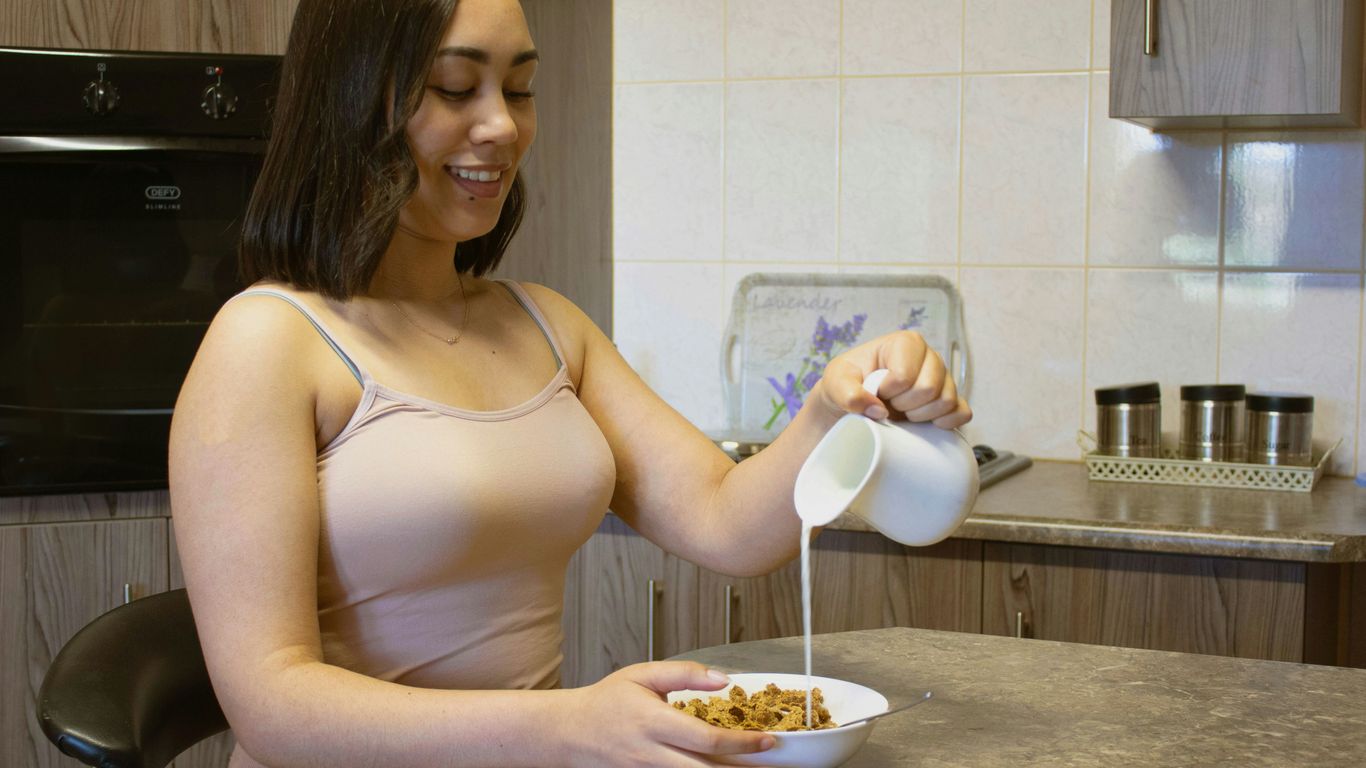
Getting your kitchen set up right can make all the difference when you’re trying to cook for the whole week in one go. It’s all about making things flow smoothly so you’re not running around like a headless chicken. We’ve found that having a plan for your prep and cooking space really cuts down on the time and stress.
Before you even think about turning on the stove, get all your chopping, dicing, and measuring done. This is where the real time-saving magic happens. Imagine having all your onions chopped, your garlic minced, and your veggies prepped and ready to go. It makes the actual cooking part so much faster. We like to use little containers or bags to keep everything organized. It might seem like extra work upfront, but trust us, it pays off big time when you’re in the thick of cooking.
Once your ingredients are prepped, arrange them like an assembly line. If you’re making a big batch of soup, have your chopped veggies, your broth, your spices, and your cooked meat all within easy reach. This setup means you’re not constantly searching for things or taking extra steps. Think of it like a production line for your meals. We even use a folding table sometimes if our counter space gets too crowded. The goal is to minimize movement and maximize efficiency.
Don’t forget about where your food is going to live after it’s cooked! Make sure you have enough clean containers, jars, or bags ready to go. Whether you’re freezing, refrigerating, or canning, having your storage sorted beforehand prevents that last-minute scramble. We learned the hard way that trying to find a clean container while your chili is simmering on the stove is a recipe for disaster. Having everything clean and accessible means you can pack up your meals right away, preserving their freshness and saving you more time later.
We often get so caught up in planning our dinners that breakfast and lunch can feel like an afterthought. But with a little planning, these meals can be just as streamlined and satisfying as our evening meals. Making breakfast and lunch simple is key to a successful week of homestead cooking.
Breakfast casseroles are our go-to for a reason. They’re incredibly versatile and can be prepped ahead of time, then simply baked when needed. Think of them as a blank canvas. We start with basic pantry staples like eggs, bread, and cheese, then we can add whatever we have on hand. Canned peaches, fresh berries from the garden, frozen blueberries, or even freeze-dried raspberries from last year’s harvest can all be incorporated. Baked oatmeal is another favorite that works similarly. You can mix in whatever fruit or nuts you have available.
This is probably our biggest time-saver: cook once, eat twice. Planning to make enough dinner to cover lunch the next day means one less meal to think about. If we have fresh greens growing, we’ll often make a big salad to go with our leftovers, which helps stretch the meal even further. The type of salad we make usually depends on what else is in season.
Don’t underestimate the power of leftovers. They can transform a busy lunch hour from a scramble into a relaxed meal. Plus, it’s a fantastic way to reduce food waste and save money.
Sometimes, even a casserole is too much. For those mornings, we rely on quick, grab-and-go options. This could be a simple homemade yogurt with fruit, or a pre-made instant breakfast mix. We often assemble these in jars the night before so they’re ready to be eaten as we head out the door. Having things like sandwiches or wraps ready to go also makes lunch a breeze if leftovers aren’t an option. We find that having a few go-to recipes for these quick meals makes a big difference.
Sometimes, even with the best intentions, our meal plans can feel a bit stale. We get into a rut, making the same few meals over and over. It’s easy to fall into this trap, especially when we’re busy and just want something familiar. But there are ways to shake things up without adding a ton of extra work. The key is flexibility and a little bit of smart strategy.
One of the simplest ways to keep things interesting is to set up a rotating schedule. Think of it like assigning a theme to each day of the week. For us, Sundays might always be a roast chicken or a hearty stew, Mondays could be pasta night, and Tuesdays might be soup and salad. This takes the guesswork out of deciding what to make each night. If you’ve got a system, you can even save old menus. Your family probably won’t mind having the same spaghetti on a Tuesday every few weeks, especially if it means dinner is ready without a fuss. It’s a great way to make sure you’re using up ingredients and not letting things go to waste.
Who knows what your family wants better than they do? We’ve found that letting everyone have a say makes mealtime much smoother. You could assign each family member a night to choose the meal, or even have them help prepare it. This not only takes some of the planning burden off your shoulders but also encourages picky eaters to try new things when they’ve had a hand in the decision. We often put a few recipe ideas on a whiteboard and let the kids pick their favorite for the week. It’s amazing how much more they’ll eat when they feel like they’ve had a say in the matter. This can also be a great way to discover new favorites that can be added to your regular rotation. For more ideas on weeknight dinners, check out this guide on preparing weeknight dinners.
While routine is good, we also like to keep things fresh. Trying a completely new recipe every week can be overwhelming, but introducing one new dish every couple of weeks can be fun. We’ll often ask family members to submit recipe ideas they’ve seen or heard about. Then, we’ll pick one or two to try out. If it’s a hit, it gets added to our recipe bank. If it’s not, no big deal – we just move on to the next one. It’s important to remember that not every meal has to be a gourmet production. Sometimes, having the ingredients ready for sandwiches or a big salad is perfectly fine and much more budget-friendly than eating out. The goal is to have a plan that works for us, not to stick to a rigid schedule that makes us feel stressed.
Our pantry is more than just a place to store food; it’s the heart of our homestead kitchen. When we plan our meals for the week, we always start by taking a good look at what we already have. This isn’t just about checking expiration dates; it’s about seeing what’s abundant and what’s running low. Planning meals around what’s already on hand saves us a ton of money and reduces food waste.
We try to keep a good stock of basics that form the foundation of many meals. Think grains like rice and oats, dried beans and lentils, pasta, flour, sugar, and cooking oils. Having these on hand means we can whip up a meal even if fresh ingredients are scarce. We also make sure we have plenty of spices and seasonings – they’re small but mighty when it comes to adding flavor. Keeping a running inventory of these staples helps us know when to buy more before we run out completely.
This is where our garden really shines throughout the year. When the harvest is bountiful, we spend time preserving. Canning, freezing, and dehydrating are our go-to methods. We’ve found that learning how to can properly is a game-changer for long-term storage learn the fundamentals of canning. This means we can enjoy summer tomatoes in the dead of winter or have a stash of dried herbs ready for any recipe. It takes effort, but the payoff of having our own food available year-round is huge.
Before we even think about a recipe, we ask ourselves a few questions:
This approach shifts our mindset from
So there you have it! We’ve gone through how to get a whole week’s worth of meals prepped and ready to go, all in one day. It might seem like a lot at first, but once you get into the swing of things, it really does save us so much time and stress during the week. No more last-minute dinner scrambles or expensive takeout orders. We hope this guide helps you take charge of your kitchen and makes mealtime a little bit easier for your family too. Happy prepping!
It’s a good idea to look at your food supplies pretty often, maybe once a week or even more. This helps us know what’s in our garden, when we can harvest things, and what we’ve already stored away. Keeping track means we can make our stored food last longer and buy less from the store.
We like to think about ‘what kind of meal’ we want each day. For example, Mondays could be pasta night, Tuesdays soup, and Wednesdays stir-fry. This helps us use up what we have and makes planning easier. We also use a big calendar to see what’s coming up.
Making bigger batches of food we already like is a great trick. We can also cook basic meats like chicken or ground beef with simple seasonings. Then, we can use that cooked meat in different meals later, like tacos or casseroles, saving us cooking time later in the week.
Absolutely! Making extra dinner so we can have it for lunch the next day is a huge time-saver. We call it ‘cook once, eat twice.’ It means less cooking during the busy lunch hour and helps us use up all the food we prepared.
We can switch things up by having a different type of meal on certain days, like pasta on Mondays and soup on Tuesdays. We also save menus we’ve used before, so we can repeat them. Sometimes, we even let family members pick what they want for dinner on a specific night to add some fun!
We love making breakfast casseroles at the start of the week. We can just bake them when we need them. Having quick things like yogurt with fruit or a simple breakfast mix ready to go is also super helpful for those rushed mornings.
 March 7, 2026
How to Turn Food Preservation Into a Side Hustle
Canning
Homestead Kitchen
Homesteading
Sustainable Living
March 7, 2026
How to Turn Food Preservation Into a Side Hustle
Canning
Homestead Kitchen
Homesteading
Sustainable Living
We've all got those hobbies or skills that we love doing, right? Maybe it's baking, gardening, or even making your own jam. What if we told you that you could turn those passions into a little extra cash? It might...
Read More March 7, 2026
High-Output Crops Perfect for Micro Homesteads
Gardening
Homestead Planning
Homesteading
Starting a Homestead
March 7, 2026
High-Output Crops Perfect for Micro Homesteads
Gardening
Homestead Planning
Homesteading
Starting a Homestead
Thinking about growing your own food but only have a little space? We get it. Many of us are looking for ways to be more self-sufficient, even if we don't have acres to work with. The good news is, you...
Read More March 6, 2026
10 Low-Cost Homestead Side Hustles That Make Money
Homestead Planning
Homesteading
Starting a Homestead
March 6, 2026
10 Low-Cost Homestead Side Hustles That Make Money
Homestead Planning
Homesteading
Starting a Homestead
We all dream of a simpler life, right? One where we're more connected to the land and the seasons. But let's be real, that dream needs some funding. That's where low cost homestead side hustles come in. These aren't about...
Read More