


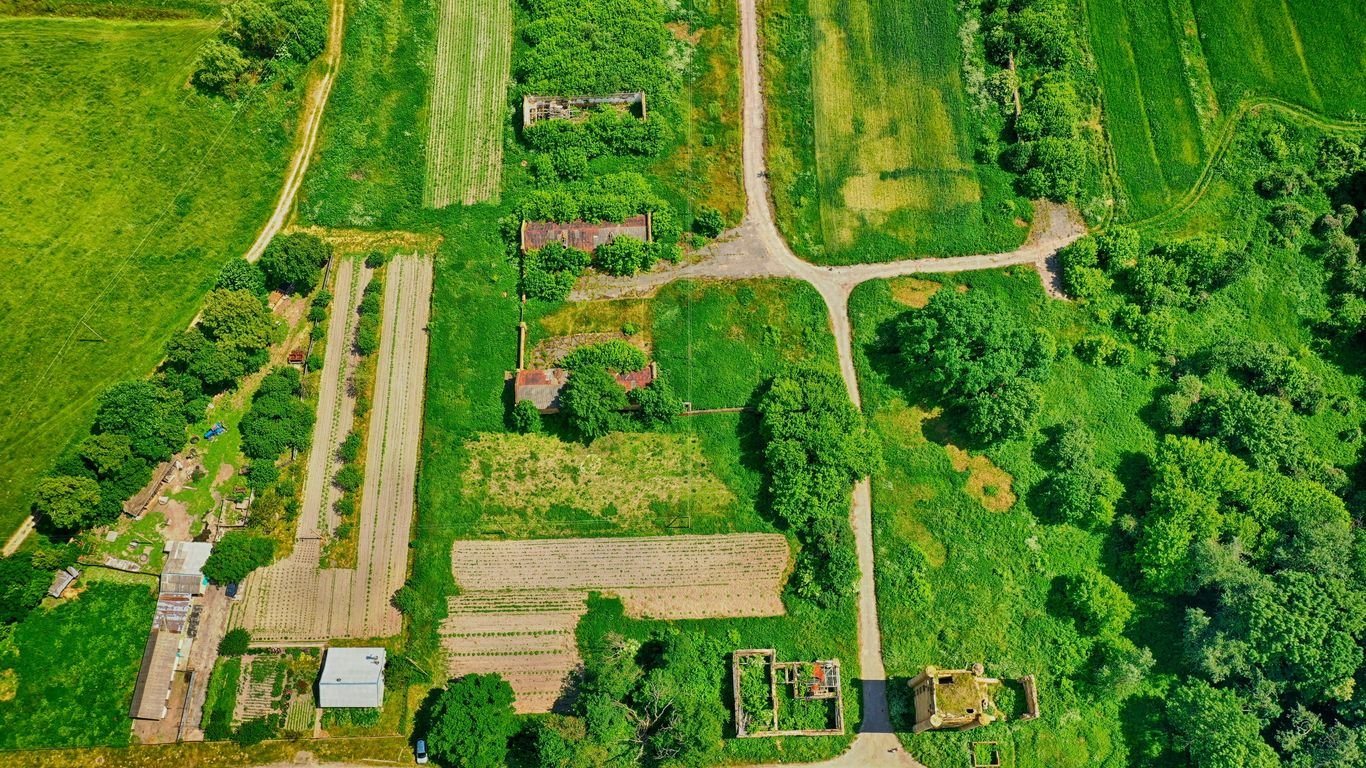
Planning out our self sufficient homestead layout can feel like a big job, but it’s also super exciting! We want our space to work for us, making daily chores easier and our harvests more bountiful. Whether we’re starting with a little land or a lot, thinking through where everything goes is key to making our homestead dreams a reality. It’s all about creating a functional, productive place that feels right for us.
When we’re thinking about setting up a self-sufficient homestead, the very first thing that needs serious attention is water. Without a reliable water source, nothing else really works. It’s the backbone of everything, from keeping ourselves hydrated to watering the garden, supporting livestock, and even for fire safety. We need to figure out where our water is coming from and how we’ll get it where it needs to go.
There are a few main ways we can get water:
Placement is key here. We don’t want to be hauling water buckets miles every day. Thinking about where the water source is in relation to the house, garden, and animal areas will save us a ton of time and energy in the long run. It might seem like a small detail now, but over years, those extra steps add up big time.
We should really consider the flow of water on our land. Where does it naturally collect? Are there areas that are always dry or always wet? This can tell us a lot about where water might be most accessible or where it could be best utilized for different purposes on the homestead.
When we first started thinking about our homestead layout, we didn’t give pathways much thought. Honestly, it seemed like a minor detail. But let me tell you, having well-planned paths makes a huge difference in daily life. Good access is the backbone of an efficient homestead.
We learned pretty quickly that grouping high-traffic areas like the garden, chicken coop, and storage sheds near our main pathways simplifies everything. It means fewer muddy tracks through the yard and less wear and tear on the land. Plus, it makes getting supplies where they need to go so much easier, whether you’re carrying buckets or driving a tractor.
Here are a few things we considered for our pathways:
We also found that considering the terrain is important. Steep slopes can lead to erosion if not managed, so sometimes a slightly longer, flatter path is better than a steep shortcut. It’s all about making your daily tasks as smooth as possible. Thinking about how you’ll move things around the property, especially during different seasons, is a big part of planning your homestead’s infrastructure.
Don’t underestimate the power of good pathways. They might seem simple, but they directly impact your time, energy, and the overall functionality of your homestead. It’s worth taking the time to plan them out properly from the start.
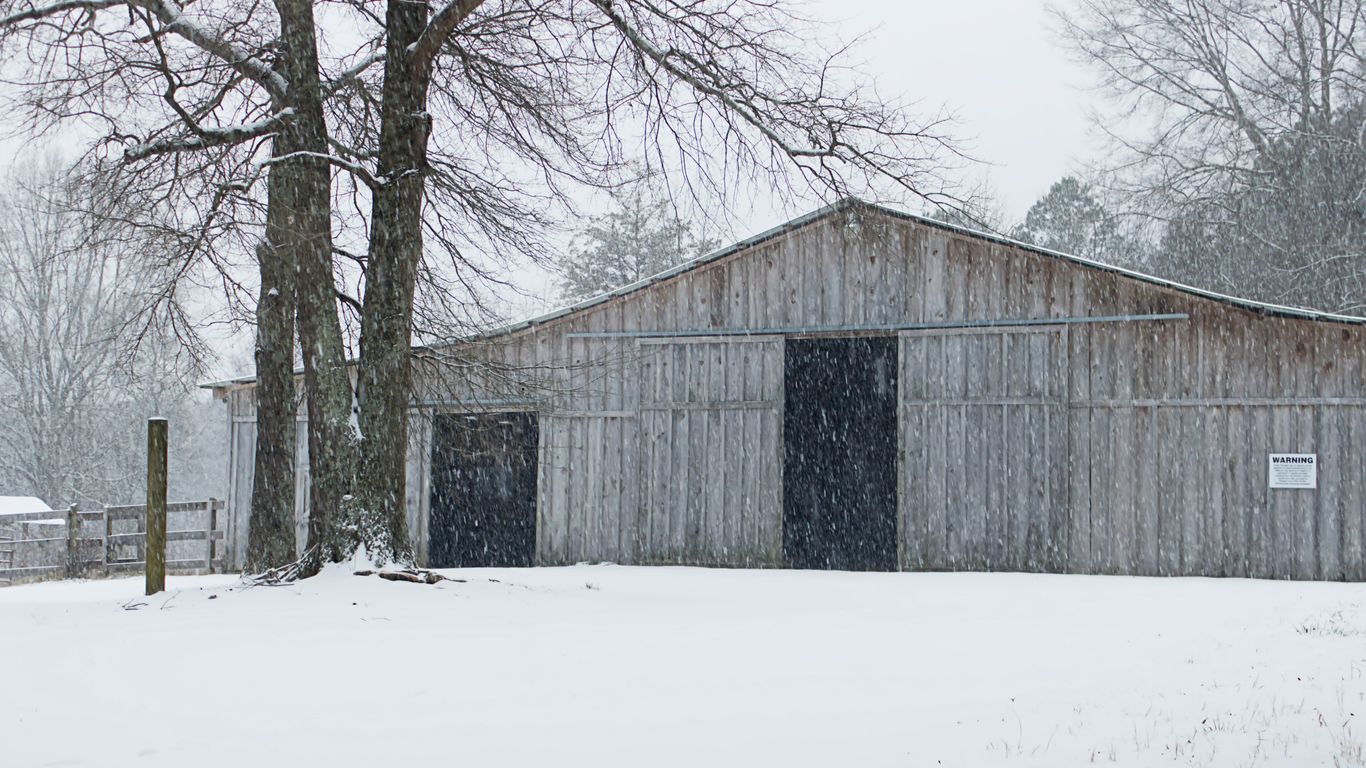
When we first started thinking about our homestead layout, we realized that having a place for everything, and everything in its place, was going to be a big deal. You can’t just leave tools out in the rain or feed exposed to pests. Proper storage is key to keeping things running smoothly and making sure our hard-earned supplies last.
We’ve found that having a few different types of storage areas works best for us. Think about what you need to store and where it makes the most sense to keep it. For us, proximity to where things are used is a huge factor.
Here’s a quick rundown of what we consider:
Don’t underestimate the importance of a good mudroom or entry area too. It’s the first line of defense against tracking dirt and mud into the house, especially after working outside or dealing with animals. It’s a practical space for boots, coats, and general clutter.
Planning your storage needs early on will save you a lot of headaches down the road. Think about the volume of things you’ll need to store, how often you’ll access them, and what environmental conditions they need to stay in good condition.
When we think about setting up our homestead for the long haul, energy is a big one. It’s not just about keeping the lights on; it’s about having the power we need for everything from pumping water to running tools. Reliable energy systems are a game-changer for homesteaders, especially if we’re aiming for that self-sufficient vibe. We’ve looked at a few options that seem to work well for us.
We’ve got solar panels, of course. They’re great for harnessing the sun’s power, and it feels good knowing we’re using clean energy. Then there are wind turbines. If your property gets a decent amount of wind, these can be a solid choice for renewable power. And for those times when the sun isn’t shining or the wind isn’t blowing, a generator is a must-have backup. It’s all about having a mix that works for our specific needs and location.
Here’s a quick rundown of what we’re considering:
Planning your energy systems early on can save a lot of headaches later. It’s worth taking the time to figure out what will best suit your homestead’s needs and your budget. We found that looking into off-grid living helped us understand the possibilities.
We’re always trying to find ways to make our energy use more efficient. It’s a constant learning process, but having a solid energy plan makes a huge difference in our daily lives.
When we think about self-sufficiency, power is a big one. While we aim to generate our own power through solar or wind, having a backup is just smart. That’s where generators come in. They’re not always the prettiest or the quietest, but they can be a lifesaver when the sun isn’t shining or the wind isn’t blowing, or if your main system has a hiccup.
We’ve looked at a few options, and it really depends on what you need to power. For basic needs – keeping the fridge running, some lights, and maybe charging devices – a smaller portable generator might do the trick. If you’re looking to power more, like a well pump or larger appliances, you’ll need something more substantial, maybe even a whole-house generator.
Here’s a quick rundown of what to consider:
Having a generator means we can keep critical systems running even when our primary renewable sources are down. It’s about having that peace of mind, knowing we won’t lose our food in the freezer or be left in the dark.
We always make sure to store fuel safely and have a plan for refueling. It’s easy to forget about the logistics when you’re just thinking about the power itself, but it’s a really important part of the whole setup.
We all know that good soil is the bedrock of a thriving homestead, right? It’s not just dirt; it’s a living ecosystem that feeds our plants and, in turn, feeds us. Building and maintaining healthy soil is probably one of the most important things we can do for long-term self-sufficiency. It’s about working with the soil, not against it.
Think of it like this: healthy soil means better water retention, fewer pests, and more nutrient-dense food. We’ve found that focusing on soil health from the start has saved us so much trouble down the line. It’s a bit of an investment upfront, but the payoff is huge.
Here are a few ways we focus on keeping our soil happy:
We’ve learned that observing our land is the first step. Where does water naturally gather? What plants are already growing well? Listening to what the land tells us helps us make better decisions about how to improve the soil in specific areas, rather than just imposing our own ideas.
It’s a continuous process, and we’re always learning. But the effort we put into our soil directly translates into the health and abundance of our homestead. It’s truly the foundation for everything else we do.
When we first started thinking about setting up our homestead, we knew we wanted to be as waste-free as possible. That’s where a good compost system comes in. Having a centralized compost area is key to turning kitchen scraps, garden waste, and animal manure into black gold for our soil. It might not be the most glamorous part of homesteading, but it’s definitely one of the most important for keeping our gardens and pastures healthy.
We’ve found that keeping our compost bins relatively close to the house makes a huge difference. It’s just so much easier to toss those veggie peels and coffee grounds out the back door when the compost pile isn’t a trek away. Plus, if you have animals, having a spot for their manure nearby means you can easily incorporate it into your compost mix.
Here’s a quick rundown of what we put in our compost:
We’re currently using a simple three-bin system made from old pallets. It works great for us because we can have one bin for adding new material, one for actively decomposing, and one for finished compost ready to be spread. It’s a pretty straightforward setup that allows us to manage the process efficiently.
We learned pretty quickly that the location of the compost matters. Too far and you won’t bother, too close and it can get smelly. Finding that sweet spot is important for making it a regular habit.
We’ve also noticed that the type of materials we add can affect how quickly things break down. Adding a good mix of ‘greens’ (like kitchen scraps) and ‘browns’ (like dried leaves or cardboard) helps keep the pile working well. Turning the pile every so often also speeds things up, though honestly, sometimes life gets busy and it just decomposes on its own time. Either way, it’s a win for our garden.
When we talk about rotational planting, we’re really talking about giving our soil a break and keeping pests and diseases from getting too comfortable. It’s a simple idea, but it makes a huge difference in how productive our gardens are year after year. Basically, we don’t plant the same thing in the same spot every single season. We move our crops around.
Why bother with this? Well, different plants use different nutrients from the soil. If you keep planting, say, tomatoes in the same patch, you’re going to deplete those specific nutrients. Rotating crops helps balance things out. Plus, many plant diseases and pests are specific to certain plant families. If you move those families around, you break their life cycle. It’s like playing a game of hide-and-seek with nature, and we want to be the ones doing the hiding.
Here’s a basic way we think about it:
We usually aim for a four-year rotation, but even a simple two-year rotation is better than nothing. For example, you might plant your tomatoes one year, then follow them with beans the next, then maybe carrots, and finally a cover crop. This simple shift can dramatically improve your harvest and reduce the need for extra fertilizers.
It’s not about complicated charts or rigid rules. It’s about observing your plants, understanding their needs, and working with the natural cycles of your land. Think of it as a conversation with your garden, where you’re listening to what it needs to stay healthy and productive.
When we think about self-sufficiency, the vegetable garden is usually the first thing that pops into our minds. It’s where we get a lot of our fresh food, and honestly, it’s pretty satisfying to eat something you grew yourself. We’ve found that the size and placement of your garden really matter.
For a good start, we recommend dedicating a decent chunk of space. On an 8-acre homestead, for instance, aiming for around 2,000 square feet for your main garden is a solid goal. You don’t have to tackle it all at once, though. Starting with a smaller section or just a few raised beds is totally fine, especially when you’re just getting going. It’s better to manage a smaller plot well than to get overwhelmed by a huge one.
Here are a few things we consider when planning our vegetable gardens:
We also like to experiment with different garden styles. Raised beds are fantastic for drainage and can make weeding a bit easier. Vertical gardening is another trick we use, especially for vining plants like beans or cucumbers, to maximize space. It’s all about making the most of the area we have. If you’re looking for inspiration on different garden setups, exploring various sample garden layouts can give you some great ideas.
Planning your vegetable garden involves thinking about what you want to grow, how much space you have, and what resources are available. It’s a dynamic process that evolves as you learn more about your land and your growing preferences. Don’t be afraid to adjust your plans as you go.
When we think about setting up our homestead, the animals are a big part of the picture. Where they live needs to be practical for us and safe for them. The best animal housing is designed with both daily chores and long-term animal health in mind.
We’ve found that grouping animals with similar needs makes things simpler. For instance, chickens and ducks might share a general coop area, but they’ll need different setups. Chickens love roosting high, while ducks need easy access to water. Goats, on the other hand, are natural climbers and browsers, so their pens should reflect that. Pigs are pretty low-maintenance in terms of space, but they do need sturdy enclosures. For larger animals like sheep or cows, you’ll want more open pasture access with a sturdy barn or shelter.
Here are some general ideas for different animals:
We also learned that placing daily-tended animals closer to the house really cuts down on travel time. Think about your daily routine – feeding, watering, collecting eggs. Having those areas nearby makes a huge difference. For animals that are more pasture-based, like sheep or cows, their housing can be further out, integrated with their grazing areas.
Building animal housing isn’t just about putting up walls; it’s about creating a functional ecosystem. Consider how waste can be managed, perhaps by placing chicken coops near compost areas to help break down manure. Think about water access and how to make feeding as efficient as possible. Good design now saves a lot of work later.
When we think about long-term food production on our homestead, orchards are a big part of the plan. Planting fruit and nut trees is an investment that pays off for years, even decades. We’re not just talking about apples and pears, though those are great! Think about cherries, plums, peaches, and even nut trees like walnuts or hazelnuts if your climate allows. These trees provide food, but they also offer shade for animals and can even be integrated into a larger permaculture design.
We’ve learned that perennial plants, like fruit trees, take time to get established. So, we started planting ours as early as possible. It’s a bit of an upfront effort and cost, but the reward is food year after year with much less hands-on work compared to annual gardens. We’ve even considered planting some dwarf varieties closer to the house, making it easy for anyone, even the kids, to grab a fresh piece of fruit right off the tree. It’s a nice way to have accessible snacks and a bit of beauty.
Here are a few things we consider when planning our orchard:
Integrating an orchard into your homestead layout is about more than just fruit. It’s about creating a diverse, productive landscape that supports other elements of your self-sufficient life, from animal forage to aesthetic beauty. We’re always looking for ways to incorporate more perennial food sources, and orchards are a fantastic way to do that. Exploring different permaculture design ideas can really spark inspiration for how to best fit an orchard into your unique space.
We’ve also found that planting a mix of trees, including some that produce nuts, can diversify our food sources and provide valuable fats and proteins. It’s a slow process, but watching the trees grow and eventually bear fruit is incredibly rewarding. We’re always looking to expand our orchard, adding more varieties and filling in gaps as we go.
Rotational grazing is a game-changer for how we manage our pastures and keep our animals healthy. Instead of letting our cows wander all over one big field, we divide the land into smaller sections, or paddocks. We move the animals from one paddock to the next on a schedule. This gives the grass in the previous paddock time to recover and regrow before the animals return. It’s a simple idea, but it makes a huge difference.
We’ve found that this method really helps with pasture health. When animals graze one area too long, they tend to overgraze the good stuff and leave the less tasty plants behind. Plus, all that concentrated manure can lead to parasite problems. By moving them regularly, we spread out the manure more evenly and give the plants a break. This encourages a wider variety of grasses and legumes to grow, which is better for the animals and the soil.
Here’s a basic rundown of how we approach it:
The key is to observe your land and your animals. What works for one homestead might need tweaking for another. Pay attention to how the grass is responding and how your animals are doing. It’s a continuous learning process, but the benefits to soil health, animal well-being, and pasture productivity are undeniable.
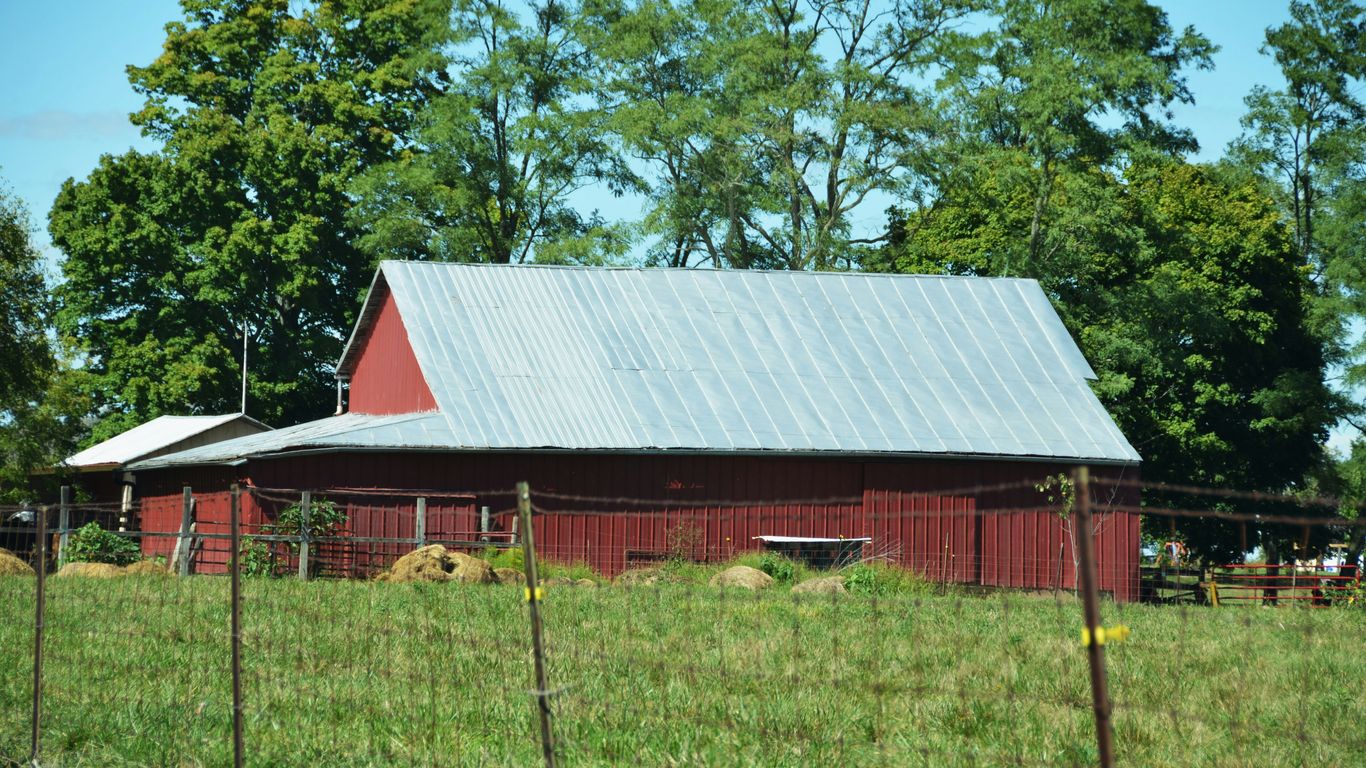
When we first started thinking about our homestead layout, the barn felt like a big decision. It’s not just a building; it’s the central hub for so many of our operations. A well-placed barn can seriously streamline your daily chores and protect your valuable resources. We decided to put ours relatively close to the house, but not so close that the smell or sounds would be an issue. This makes it easy to grab feed, store tools, or check on animals without trekking across the entire property.
Think about what you’ll primarily use your barn for. Is it mostly for storing hay and equipment? Or will it house livestock? The size and internal layout will depend heavily on this. We opted for a pole barn design because it was more budget-friendly and allowed for a lot of open space, which we then sectioned off as needed.
Here are a few things we considered when planning our barn:
We found that dedicating a section of the barn for animal stalls, another for feed and hay storage, and a third for tools and equipment worked well for us. This separation keeps things organized and prevents cross-contamination between feed and animal areas.
Don’t forget about the ground inside. We put down gravel, which helps with drainage and keeps things from getting too muddy, especially around the animal areas. It’s a simple thing, but it makes a big difference in keeping the barn clean and functional.
We can’t stress enough how important having a dedicated space for our tools is. It might seem like a small thing, but a well-organized tool shed makes a world of difference in our daily homestead tasks. Think about it: no more hunting for that specific wrench or digging through piles of stuff to find the shovel. A good tool shed keeps everything in its place and protected from the elements.
We’ve found that the size and design really depend on what you need to store. For us, it started small, just big enough for garden hand tools and some bags of fertilizer. But as we got more into projects, we realized we needed more space for larger equipment like the tiller and the chainsaw. We even considered building our own, but honestly, looking at ready-made options like those from FiberWood offers shed plans saved us a lot of headaches. They have some really practical designs that are built to last.
Here’s a quick rundown of what we keep in ours:
It’s also a good idea to think about shelving and organization systems. Pegboards are fantastic for hanging tools, and sturdy shelves can hold bins of smaller items. We even added a small workbench for quick repairs. Having a designated spot for everything means less time searching and more time actually doing. It really streamlines our workflow and keeps our main barn from getting too cluttered with things that don’t belong there.
When we talk about preserving our harvest, a root cellar is pretty much non-negotiable for a self-sufficient homestead. It’s that cool, dark place where we can keep things like potatoes, carrots, apples, and even canned goods fresh for months without needing electricity. Think of it as nature’s refrigerator. We’ve found that building one into a hillside or even a basement works really well. The key is consistent cool temperatures and good ventilation.
We’ve seen a few different approaches to building these, but here are some common elements we always look for:
Building an energy-free root cellar is totally achievable, and it’s a fantastic way to reduce reliance on modern conveniences. We’ve looked into different designs, and many folks use passive cooling techniques. It’s amazing what you can do with just good insulation and airflow.
We’ve found that a well-designed root cellar isn’t just for vegetables; it’s a cornerstone of food security on the homestead. It allows us to truly extend the bounty of our growing season well into the lean months. It’s a project that takes some planning, but the payoff in preserved food is immense.
We’ve found that adding a pond to our homestead has been a really great move. It’s not just about aesthetics, though a bit of water does make things look nice. For us, it’s been a practical addition that supports a few different parts of our self-sufficient life.
One of the first things we noticed was how much wildlife it attracted. Ducks, frogs, and all sorts of beneficial insects have made it their home. This brings a natural balance to the property. Plus, if you’re thinking about raising ducks, having a pond is pretty much a must. They seem so much happier with a place to swim and splash around. We’ve seen them lay more eggs when they have access to water, which is a nice bonus.
Beyond the wildlife, a pond can also be a water source for other needs. In a pinch, it could be used for irrigating gardens or providing water for livestock, though we have other systems for those primary needs. It’s a versatile resource that offers multiple benefits.
Here are a few things we considered when planning our pond:
We learned that even a small pond can make a big difference. It adds a peaceful element to the homestead and supports biodiversity in ways we hadn’t fully anticipated. It’s a simple feature that pays off in many ways.
When we think about extending our growing season and having fresh produce year-round, a greenhouse quickly becomes a top priority. It’s not just about having tomatoes in January, though that’s a nice perk! For us, it’s about having a controlled environment where we can start seedlings early, protect tender plants from late frosts, and even grow things that might not normally thrive in our local climate.
A well-placed greenhouse can significantly boost our self-sufficiency. We’ve found that positioning it to get maximum sunlight, especially during the shorter winter days, is key. We also consider proximity to water sources and our main house for convenience.
Here are a few things we look for when planning our greenhouse setup:
We’ve experimented with different types, from simple hoop houses to more permanent structures. For us, the ideal greenhouse is one that fits our budget, our space, and our specific growing needs. It’s a place where we can experiment, learn, and ultimately, produce more food for our table.
Building a greenhouse might seem like a big project, but even a small one can make a huge difference in what we can grow and when we can grow it. It’s an investment in our food security and a really rewarding part of homesteading.
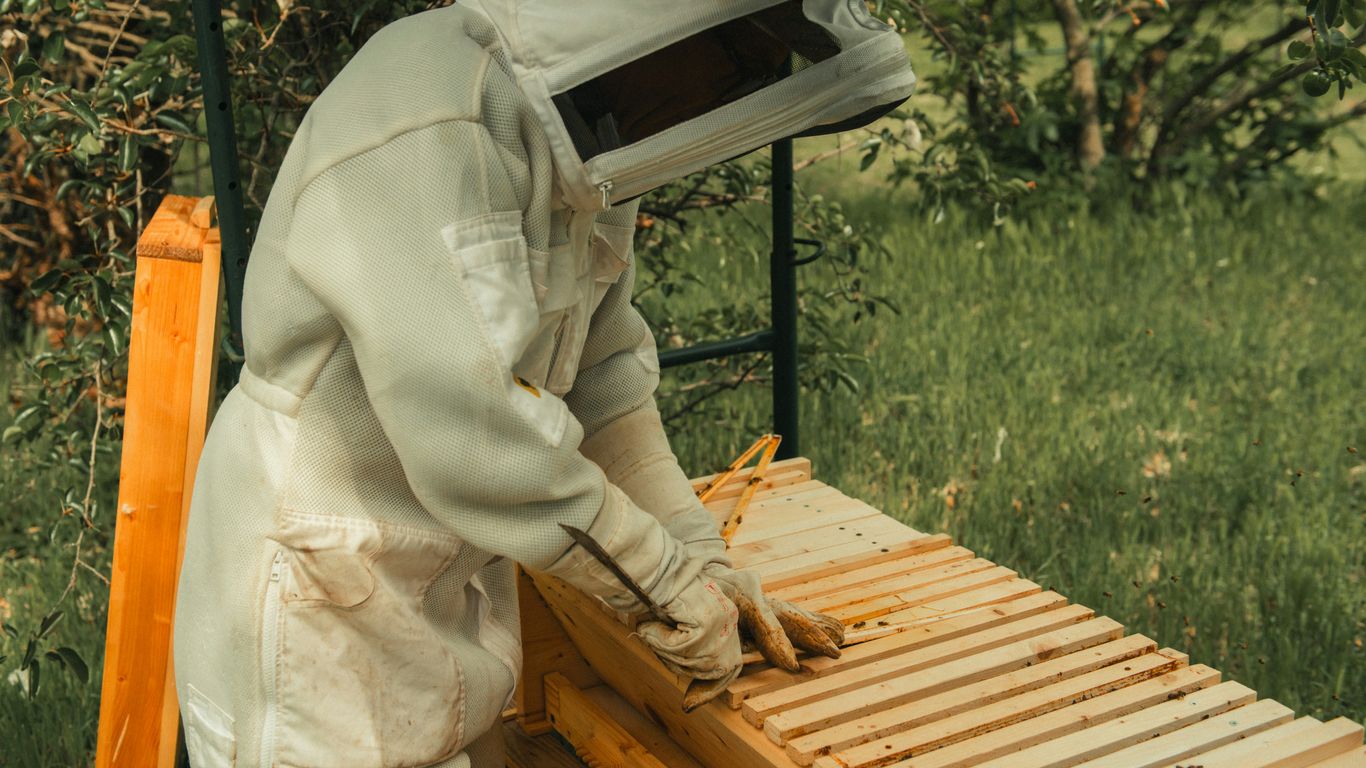
Adding bees to our homestead has been one of the most rewarding decisions we’ve made. It’s not just about the honey, though that’s a pretty sweet perk! Bees are incredible pollinators, and having them around has made a noticeable difference in the fruitfulness of our gardens and orchards. We started with just one hive, and honestly, the learning curve wasn’t as steep as we feared. There’s a bit to learn about hive management, but it’s manageable.
Bees are surprisingly space-efficient for the benefits they bring. A single hive doesn’t take up much room, making them a great option even for smaller homesteads. Plus, the honey they produce is unlike anything you can buy in a store – pure, local, and made with love (and nectar!).
Here’s a quick rundown of why we think bees are a must-have:
We found that placing our hives in a spot that gets morning sun but is shaded during the hottest part of the afternoon worked best. It seems to keep them comfortable and active. We also made sure they had a nearby water source, which is important for them, especially during dry spells.
We learned that it’s best to get your equipment and bees from a reputable local supplier. They can offer advice tailored to our specific climate and help us get started on the right foot. Don’t be afraid to ask questions; beekeepers are usually a friendly bunch!
If you’re looking to boost your homestead’s productivity and add a unique element to your farm, seriously consider getting some bees. It’s a small investment for a big return in both tangible products and ecological benefits.
When we talk about designing our homestead, permaculture principles are a game-changer. It’s not just about slapping a garden here and a chicken coop there; it’s about creating a system that works with nature, not against it. Think of it as building a miniature ecosystem where everything has a purpose and supports something else. The core idea is to observe how natural systems function and then mimic those patterns on our land. This means placing things strategically. For instance, we want to put the things we use most often, like our kitchen garden or compost bin, closest to the house (Zone 1). Less frequently visited areas, like a distant woodlot, can be further out (Zone 5).
We try to follow a simple rule: every element should serve multiple functions. So, instead of just planting a tree for shade, we might choose a fruit tree that also provides food, attracts pollinators, and helps build soil. This stacking of functions is key to making our homestead efficient and resilient.
Here are a few ways we apply permaculture thinking:
Permaculture design is about creating a sustainable and productive landscape by observing natural patterns and applying them to our homestead. It’s a way of thinking that helps us build a system that is both efficient and in harmony with the environment, reducing waste and maximizing resources.
We’re really excited about the idea of food forests on our homestead. Think of it like a natural woodland, but instead of just wild trees, we’re planting a mix of fruit trees, nut trees, berry bushes, perennial vegetables, and even some herbs and flowers. The goal is to create a layered ecosystem that mimics nature, producing food year after year with less work once it’s established.
We’re starting with a few key elements:
The beauty of a food forest is its resilience and productivity. It’s a long-term investment that keeps giving. We’re also thinking about how we can integrate animals into this system. For instance, letting pigs forage for windfall fruit or using chickens to help manage pests in certain areas. It’s all about creating a balanced system that works with nature, not against it. We’ve found that focusing on perennial plants really cuts down on the yearly planting effort, making our homestead more self-sufficient over time. It’s a different way of thinking about gardening, more like cultivating a mini-ecosystem that provides a diverse range of foods and resources. We’re aiming for a truly self-sufficient tropical homestead, and this is a big part of that vision [f9c3].
We’re not just planting trees; we’re building a living system that supports itself and provides for us. It’s about diversity, sustainability, and a bit of wild beauty all rolled into one.
When we first started thinking about living off-grid, solar panels were high on our list. It just makes sense to harness the sun’s energy, right? It’s a clean way to get power and can really cut down on those monthly bills. We figured out that about 25 panels can power a decent-sized house, maybe around 2,000 to 2,500 square feet, depending on how much electricity we use. It’s a good idea to track your own energy use for a month to get a better idea of what you’ll need.
We’ve seen folks put them on their roofs, but sometimes a ground mount is better, especially if your roof isn’t ideal or you want to adjust the angle easily. It’s also worth looking into battery storage systems. These store the extra power generated during the day so you can use it at night or when it’s cloudy. Without batteries, you’re pretty much at the mercy of the weather.
Here are a few things we considered:
Setting up a solar system is a big step, and it’s definitely something we researched thoroughly before committing. Learning from others’ mistakes, like those made when starting off-grid living, can save a lot of headaches down the road mistakes made when starting off-grid living.
We’re still learning, but having our own solar setup feels like a huge win for our self-sufficiency goals.
When we think about powering our homesteads, solar panels often come to mind first. But for those of us with properties that get a good amount of wind, a wind turbine can be a fantastic addition to our energy mix. It’s not just about having electricity; it’s about generating our own clean power, especially when the sun isn’t shining.
A well-placed wind turbine can significantly contribute to our energy independence. We need to consider a few things before installing one. First, check your local zoning laws and see if there are any restrictions on height or placement. Some areas might require permits, so it’s always best to do that homework upfront. We also need to assess the wind resource on our land. Is it consistently windy, or are there long lulls? A site assessment or even a temporary anemometer can give us a good idea.
Here are some points to keep in mind when considering a wind turbine:
We’ve found that combining wind power with solar can be a smart move. When one source is less productive, the other can often pick up the slack, giving us more consistent power throughout the year. It’s all about creating a resilient energy system that works for us, no matter the weather.
While the initial investment can seem significant, the long-term benefits of generating free, clean electricity make it a worthwhile consideration for many self-sufficient homesteads. It’s another step towards truly living off the grid and reducing our reliance on external power sources.
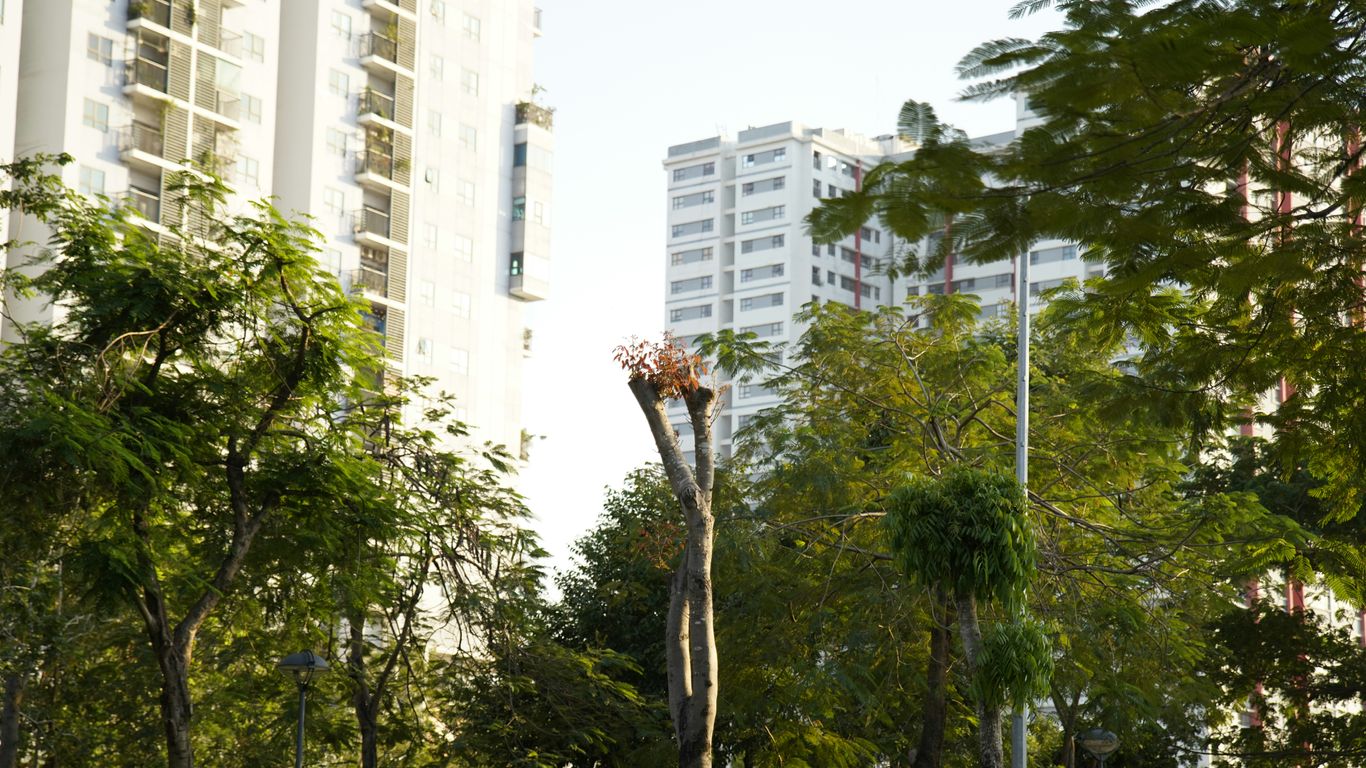
When we first started thinking about maximizing our growing space, especially on our smaller plots, vertical gardening quickly became a go-to strategy. It’s amazing how much you can grow upwards when you’re short on ground space. We’ve found it’s not just for tiny urban lots either; even on a larger homestead, it can help streamline certain areas and make harvesting easier.
Think about it: instead of spreading out, we’re building up. This means more food from the same footprint, which is a win-win. We’ve used it for everything from vining plants like cucumbers and beans to even some smaller fruiting plants.
Here are a few ways we’ve incorporated vertical gardening:
The key is to choose the right structure for the plant and to make sure it’s well-anchored. We learned that the hard way with a strong gust of wind taking out a poorly supported cucumber trellis one year. It’s also important to consider how you’ll water and harvest from these higher levels; sometimes a small step stool is all you need.
Vertical gardening isn’t just about saving space; it’s about creating a more efficient and productive growing system. By thinking upwards, we can increase our yields, reduce the physical effort of weeding and harvesting in some cases, and add a unique aesthetic to our homestead.
When we first started thinking about our garden space, we knew we wanted to get the most out of our soil, especially since we were starting with less-than-ideal ground. That’s where raised beds really came into play for us. They’re not just about looking neat, though they do that too! Building raised beds means we can control the soil mix completely. We fill them with a good blend of compost, topsoil, and whatever else our plants need to thrive. This is a game-changer, especially if your native soil is heavy clay or super sandy.
We found that raised beds are fantastic for a few reasons:
We’ve experimented with different materials over the years. Wood is popular, but we’ve also used cinder blocks and even just mounded earth for a more temporary setup. The key is to make sure whatever you choose is sturdy enough to hold the soil. For our main vegetable plots, we usually aim for beds that are about 4 feet wide. This width lets us reach the middle from either side without stepping into the bed, which keeps the soil from getting compacted. Length can vary based on your space, but we often make them 8 to 10 feet long.
Building raised beds is a solid investment for any homesteader looking to improve their garden’s productivity and make the gardening process more enjoyable. It gives us a lot of control over the growing environment right from the start.
When we talk about self-sufficiency, water is probably one of the first things that comes to mind. We can’t live without it, and relying solely on the tap just doesn’t cut it for a homestead. That’s why setting up robust water collection systems is so important. Rainwater harvesting is a game-changer for reducing our reliance on external water sources. We’ve found that a combination of methods works best.
We started with simple rain barrels connected to our house and barn roofs. It’s amazing how much water you can collect, even from a moderate rain. This water is perfect for watering the garden or even for washing equipment. For larger needs, like irrigation for our main crops or filling livestock troughs, we’ve looked into more substantial systems. This might involve larger cisterns or even digging small ponds to capture runoff. Remember to check local regulations, as some areas have rules about water collection.
Here are a few things we consider when setting up our systems:
Thinking about water collection isn’t just about gathering rain. It’s about managing the water cycle on your property. Consider how you can slow down, spread out, and sink water into the land, not just collect it in tanks. This helps recharge groundwater and keeps your soil healthy.
Beyond just collecting rainwater, we also think about other water needs. This includes ensuring our wells are properly maintained and that our ponds are positioned to benefit the whole homestead, not just one area. It’s all about creating a resilient water plan that supports everything we do.
So, we’ve walked through a bunch of ideas for how to set up your homestead, whether you’ve got a little patch of land or a whole lot. It’s not about finding some magic blueprint that works for everyone. It’s really about looking at your own space, figuring out what you want to grow or raise, and then making a plan that makes sense for you. Don’t get too caught up in making it perfect right away. Start with what you can, learn as you go, and remember that every little bit you do brings you closer to living a more self-sufficient life. Happy planning, and even happier homesteading!
The most crucial thing is to figure out what we want our homestead to do. Are we aiming for lots of fresh veggies, raising animals, or being totally self-sufficient? Knowing our main goals helps us decide how much space we need for each part of our homestead.
Even a smaller space, like two acres, can be plenty for a good garden, some small animals like chickens or rabbits, and a few fruit trees. The key is to use the space wisely, maybe with things like vertical gardens or movable coops, to make sure we can manage it easily.
Yes, it’s usually a good idea to keep the areas we visit daily, like vegetable gardens and chicken coops, close to our home. This makes chores quicker and easier, especially when the weather isn’t great.
We should work with the land, not against it. We can use slopes for better drainage or to place buildings, and low spots might be perfect for a pond or a place to collect rainwater. Knowing our soil’s quality also helps us decide where things will grow best.
Having a good water plan is essential. We can use wells for consistent water, ponds for irrigation and animals, or set up systems to collect rainwater. Just remember to check local rules about collecting water.
Absolutely! It’s smart to plan with flexibility. If we think we might want to add a greenhouse or more animal pens later, we should leave some space for those projects. Planning ahead saves us a lot of work and effort down the road.
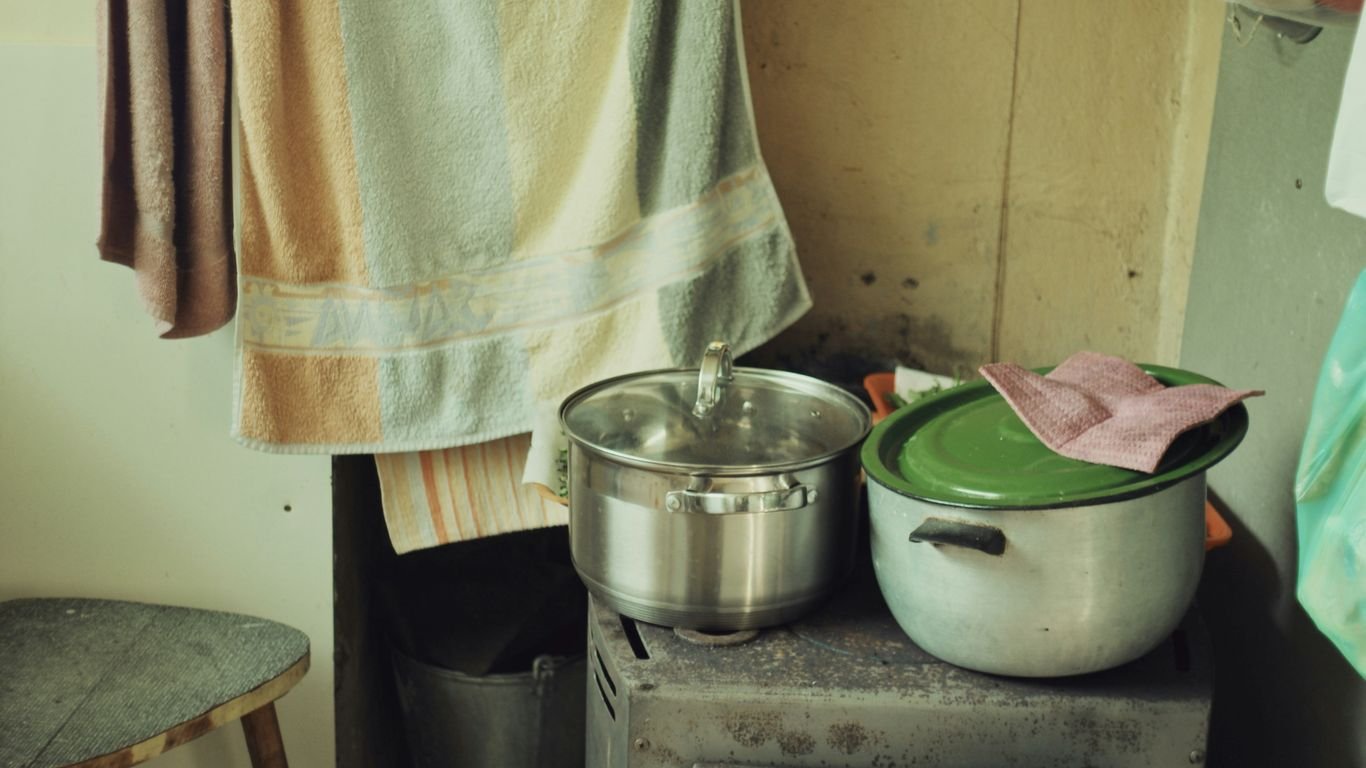 March 7, 2026
How to Turn Food Preservation Into a Side Hustle
Canning
Homestead Kitchen
Homesteading
Sustainable Living
March 7, 2026
How to Turn Food Preservation Into a Side Hustle
Canning
Homestead Kitchen
Homesteading
Sustainable Living
We've all got those hobbies or skills that we love doing, right? Maybe it's baking, gardening, or even making your own jam. What if we told you that you could turn those passions into a little extra cash? It might...
Read More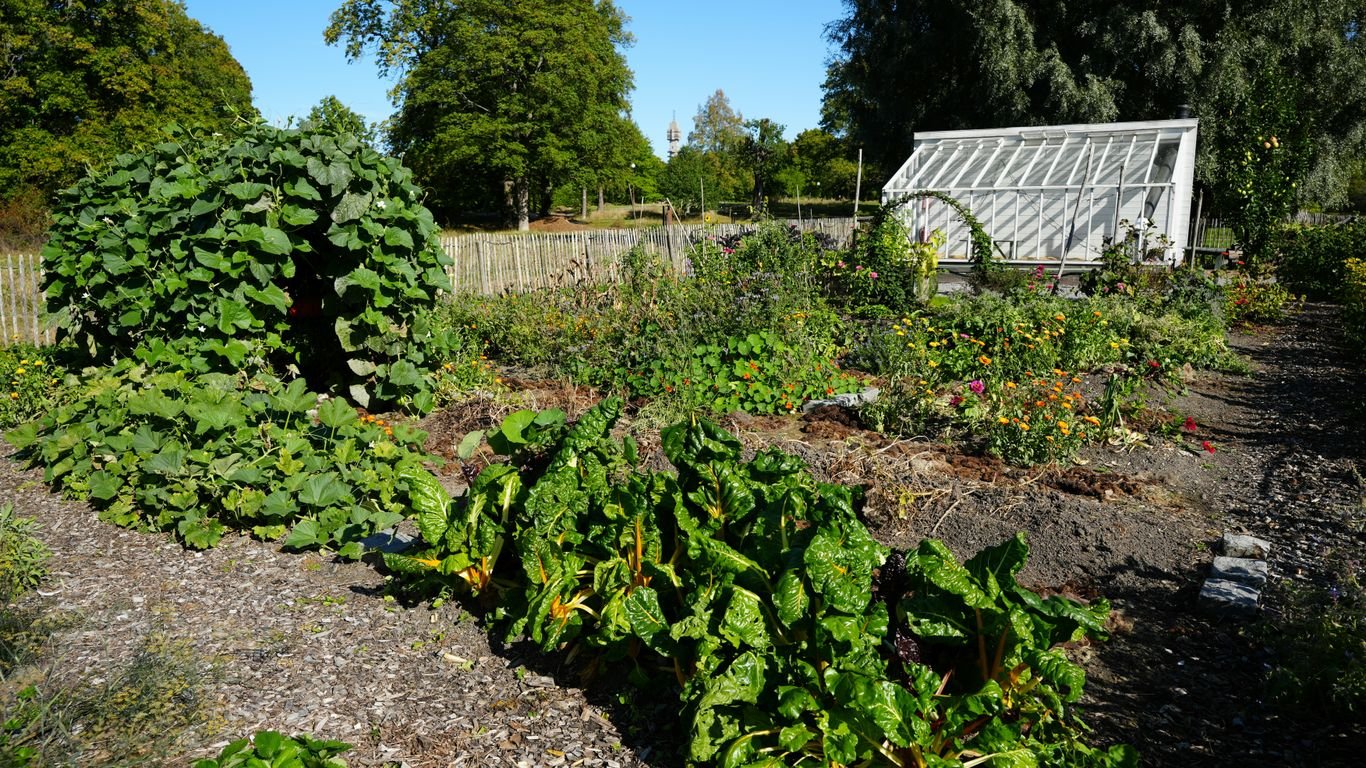 March 7, 2026
High-Output Crops Perfect for Micro Homesteads
Gardening
Homestead Planning
Homesteading
Starting a Homestead
March 7, 2026
High-Output Crops Perfect for Micro Homesteads
Gardening
Homestead Planning
Homesteading
Starting a Homestead
Thinking about growing your own food but only have a little space? We get it. Many of us are looking for ways to be more self-sufficient, even if we don't have acres to work with. The good news is, you...
Read More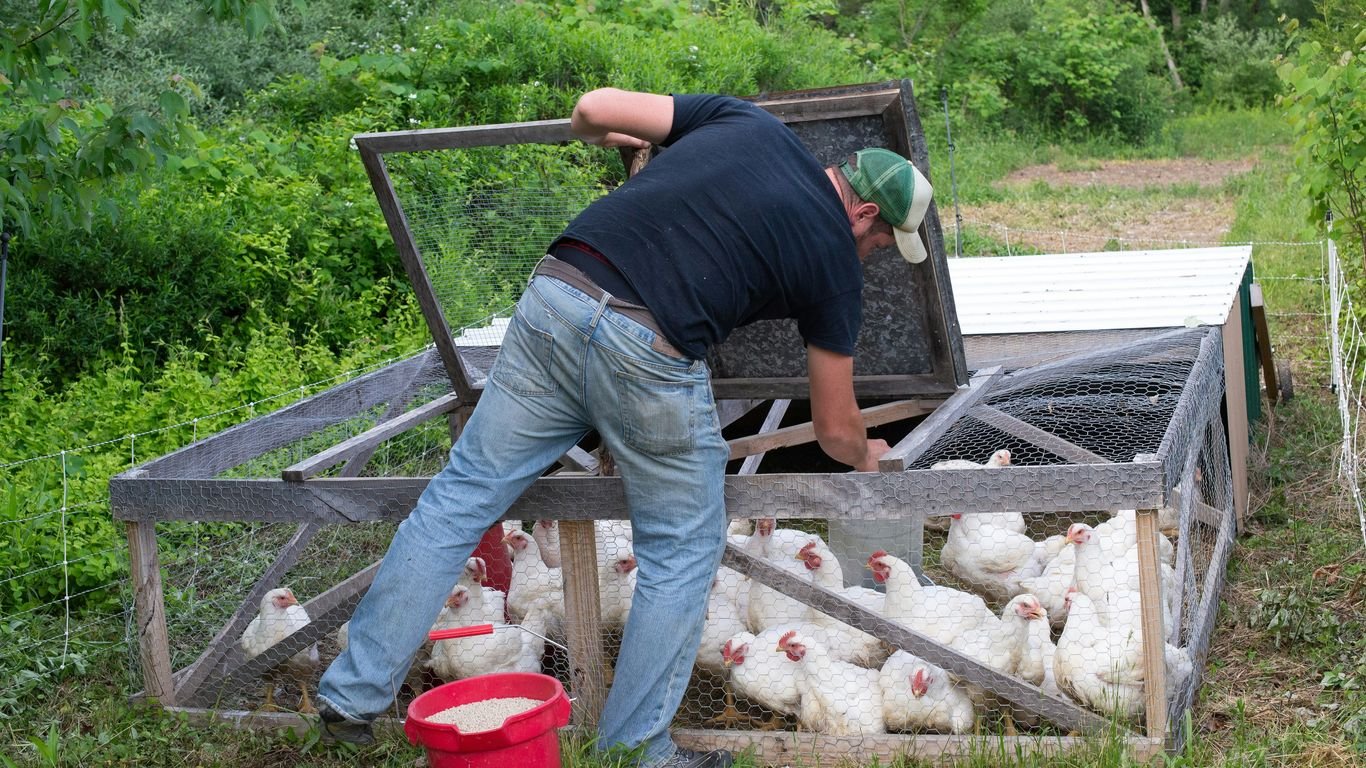 March 6, 2026
10 Low-Cost Homestead Side Hustles That Make Money
Homestead Planning
Homesteading
Starting a Homestead
March 6, 2026
10 Low-Cost Homestead Side Hustles That Make Money
Homestead Planning
Homesteading
Starting a Homestead
We all dream of a simpler life, right? One where we're more connected to the land and the seasons. But let's be real, that dream needs some funding. That's where low cost homestead side hustles come in. These aren't about...
Read More