


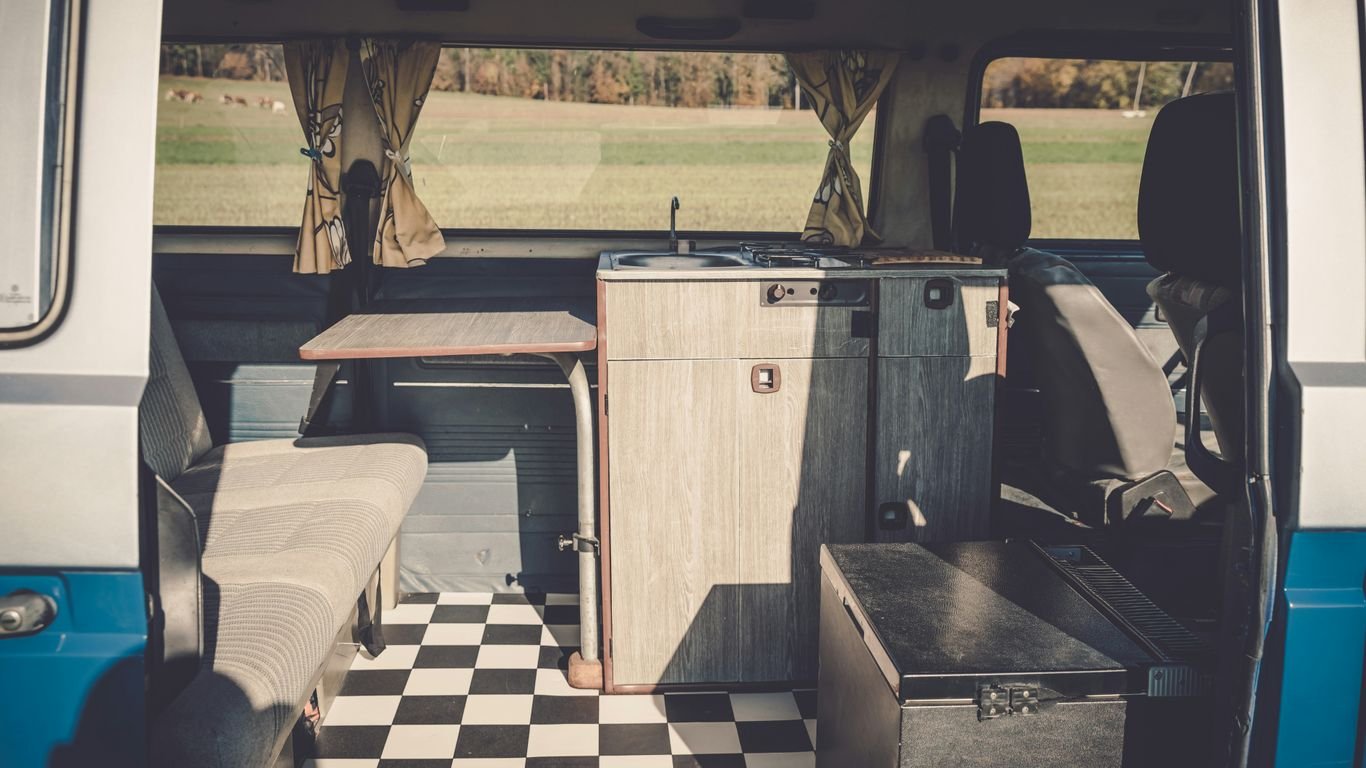
We’re diving into creating a kitchen that feels like a warm, inviting homestead. It’s all about blending that cozy, rustic charm with the practical needs of everyday life. Think of it as building a space where you can cook, gather, and make memories, all while keeping that lovely homestead kitchen aesthetic front and center. We want it to feel lived-in and functional, a true heart of the home.
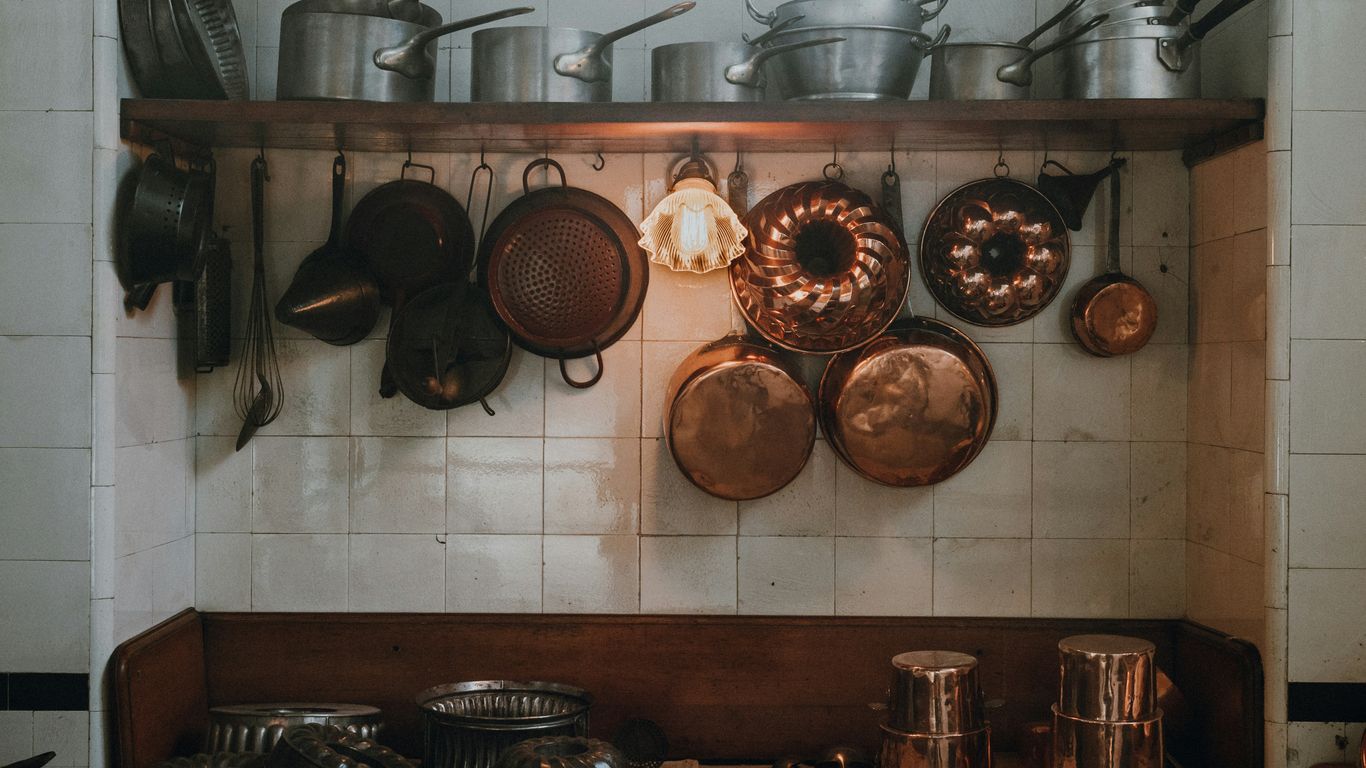
When we think about a homestead kitchen, we’re picturing a space that feels lived-in, functional, and full of warmth. It’s not about perfection; it’s about creating a hub for daily life, cooking, and gathering. The core idea is to blend practicality with a timeless, welcoming charm. We want a kitchen that works hard for us, whether we’re canning vegetables, baking bread from scratch, or just enjoying a cup of coffee with family.
Before anything else, a homestead kitchen needs to be a place where we can actually do things. Think about how we move through the space. Is it easy to get from the fridge to the sink to the stove? We want to set up our kitchen so that our daily routines make sense within its layout. This means considering:
We’re aiming for a kitchen that feels intuitive, where everything has its place and is easy to reach. It’s about making the work of cooking and managing a household feel less like a chore and more like a natural rhythm.
To get that cozy, inviting feel, we’ll lean heavily on natural materials. Wood is a big player here, whether it’s in our cabinetry, open shelving, or even a sturdy wooden dining table. Think about the tactile quality of these materials – the smooth grain of a wooden countertop, the rough texture of a stone backsplash, or the softness of a woven rug underfoot. These elements bring a sense of the outdoors in and create a grounded, comfortable atmosphere.
Our homestead kitchen should reflect our lives. What are our typical days like? Do we spend a lot of time preserving food? Do we entertain often? Are we constantly bringing in fresh produce from the garden? Understanding these routines helps us design a space that truly supports us. For instance, if we’re always canning, we’ll need ample counter space and easy access to jars and equipment. If we have a big family that gathers for meals, a generous dining table becomes non-negotiable. It’s about tailoring the kitchen to our specific needs and habits.
When we think about a homestead kitchen, a farmhouse sink often comes to mind first. These sinks are usually large, deep, and made of materials like fireclay or cast iron. They’re not just pretty; they’re incredibly practical. We find that the deep basin is perfect for washing big pots and pans, or even giving a quick bath to a small pet if needed. They really are the workhorse of the kitchen.
Shaker cabinets are a natural fit for a homestead vibe. Their simple, clean lines and flat panels give a timeless look that feels both functional and unfussy. We love how they don’t have a lot of ornate details, which means they’re easy to clean and don’t feel dated. They offer plenty of storage space without being visually overwhelming, making them a solid choice for any kitchen aiming for that cozy, lived-in feel.
No homestead kitchen is complete without a substantial dining table. This isn’t just a place to eat; it’s where homework happens, where we gather for coffee, and where friends and family can pull up a chair and chat while we cook. We like to think of it as the heart of the home. Ideally, it’s large enough to comfortably seat everyone, and placing it close to the kitchen area makes for easy serving and keeps the conversation flowing between the cook and the diners.
When we think about a homestead kitchen, it’s not just about how it looks, but how it works for us. We want a space that feels warm and inviting, sure, but it also needs to handle the daily grind of cooking, preserving, and gathering. It’s about making our lives easier and more enjoyable.
Let’s be real, a busy kitchen can get cluttered fast. We need smart storage that keeps things tidy without feeling like a chore. Think about where you put things away. Are pots and pans easy to grab? Are your spices organized? We’ve found that a mix of closed cabinets and accessible drawers works best. We like to use drawer dividers for utensils and smaller items, and deep drawers for pots and pans. It makes a huge difference when you can find what you need without digging.
Here are a few ideas we’ve implemented:
This is something we learned the hard way. You come in with groceries, mail, a kid’s backpack – where does it all go? Having a designated spot, maybe near the back door or a main entrance, is a game-changer. It could be a sturdy bench with storage underneath, a wall-mounted shelf with hooks, or even just a clear section of counter space. This small area helps keep the main kitchen clear and prevents that "drop zone" chaos. We like to have a basket for mail and a hook for keys. It’s simple, but it really cuts down on clutter.
An island can be so much more than just extra counter space. For us, it’s become the hub of the kitchen. We use it for prepping meals, of course, but also for casual breakfasts, homework sessions, or just chatting while someone else cooks. If you have the space, consider an island with seating. It makes the kitchen a more social place. We also like to have storage built into the island – drawers or cabinets can hold anything from extra linens to seldom-used kitchen gadgets. It’s a workhorse that ties the whole room together.
Beyond the practicalities, we want our homestead kitchens to feel like a warm hug. It’s about creating a space that’s not just functional but also deeply personal and inviting. We can achieve this by playing with different styles and personal touches.
Forget perfectly matched cabinets all around. The unfitted look is all about mixing and matching furniture-style pieces, like a freestanding dresser for storage or a separate hutch. This approach gives your kitchen a collected-over-time feel, making it look less like a showroom and more like a well-loved home. It’s a great way to incorporate unique finds and add a touch of vintage charm. Think about using a beautiful old dresser as a base for your countertop or a separate pantry cabinet.
Open shelving is a homestead kitchen staple for a reason. It’s not just about easy access to your everyday dishes and spices; it’s a chance to display your personality. We love using open shelves to showcase pretty ceramic bowls, cookbooks, or even a collection of antique jars. Measuring your tallest items and adding an inch or two before spacing shelves is key to making sure everything fits comfortably. This approach makes your kitchen feel lived-in and personal. For a truly rustic feel, consider wood beams as part of your shelving structure.
The colors we choose play a huge role in the overall mood of our kitchen. For a homestead vibe, we lean towards earthy, natural tones. Think warm creams, soft greens, muted blues, and gentle grays. These colors create a calming backdrop and make the natural materials in your kitchen really pop. They also tend to be quite forgiving, which is a bonus in a busy kitchen environment. A good starting point might be a soft sage green or a warm off-white.
When we think about our homestead kitchen, we’re not just talking about how it looks, but how it feels and how it helps us get things done. The layout is a huge part of that. It’s about making sure we can move around easily, whether we’re prepping vegetables, baking bread, or just grabbing a cup of coffee. We want a space that feels natural to work in, not one where we’re constantly bumping into things or backtracking.
This is a classic for a reason. The idea is to arrange your sink, refrigerator, and stove so they form a triangle. It sounds simple, but it makes a big difference in how smoothly we can cook. Imagine reaching for an ingredient from the fridge, then moving to the sink to wash it, and then over to the stove to cook – all without taking too many steps or getting in each other’s way. We found that keeping the legs of the triangle between 4 and 9 feet works best for us, and the total distance shouldn’t feel like a marathon. It’s all about making those everyday tasks feel less like a chore and more like a natural flow. This concept is a great starting point for any kitchen renovation, helping to optimize efficiency and flow kitchen renovations.
For us, an open-plan layout has been a game-changer. It means the kitchen isn’t shut off from the rest of the house. When we’re cooking, we can still chat with family or friends who are in the living or dining area. It makes the whole house feel more connected and welcoming. Plus, it’s fantastic for entertaining. No more feeling isolated in the kitchen while everyone else is having fun! It really turns the kitchen into the true heart of the home, where everyone can gather.
We can’t stress enough how much a well-designed pantry helps with kitchen layout and function. It’s not just about storing food; it’s about keeping things organized and accessible. Think about having dedicated spots for your dry goods, canned items, and even appliances you don’t use every day. A pantry can also help clear clutter from your main kitchen counters, making your workspace feel larger and more manageable. We’ve found that a pantry, especially one with deep shelving, can really support a from-scratch cooking lifestyle by keeping all our ingredients within easy reach.
The best kitchen layouts are the ones that adapt to your life, not the other way around. It’s about creating zones for different activities – prep, cooking, cleaning, and gathering – and making sure the transitions between them are smooth and logical. We’ve learned that even small adjustments can make a huge difference in daily comfort and efficiency.
We think a backsplash is a fantastic place to inject some personality into your homestead kitchen. Forget plain white subway tiles if that’s not your vibe. Think about materials that have a story or a bit of texture. Reclaimed wood can add incredible warmth, or perhaps some handmade ceramic tiles with a slightly irregular finish. Even a simple, durable material like a honed soapstone can look amazing and is super practical. It’s all about finding something that feels authentic to you and your home. We’ve seen some really cool kitchens that use old, salvaged materials for their backsplashes, which really drives home that built-over-time look.
Don’t underestimate the power of textiles to make a kitchen feel cozy! A good, sturdy rug underfoot can make a world of difference, especially if you spend a lot of time standing at the counter or stove. Look for something durable that can handle spills and foot traffic – natural fibers like wool or jute are great options. They add color, pattern, and a much-needed layer of comfort. Plus, they help define different zones in your kitchen, like the prep area or the sink.
Lighting is so important, and for a homestead kitchen, we want it to feel inviting and functional. Think about layers of light. You’ll need good task lighting over your work surfaces, of course, but don’t forget ambient lighting for when you’re just hanging out. Pendant lights over an island or a sink can add a lot of character. We also love the idea of using dimmer switches so you can adjust the mood from bright and busy during the day to soft and cozy in the evening. Consider fixtures that have a bit of a vintage feel or are made from natural materials like wood or metal to tie into the overall aesthetic. Good lighting can truly transform the space, making it feel more welcoming and lived-in. For a wide range of kitchenware that can complement your rustic country aesthetic, check out kitchenware selections.
So, there you have it! Building a homestead-inspired kitchen is all about making a space that feels right for you. It’s not about perfectly replicating some magazine spread, but about creating a functional, warm place where you can actually do the things you need to do, whether that’s canning a mountain of tomatoes or just making a simple weeknight dinner. We’ve talked about storage, those classic farmhouse sinks and stoves, and how natural materials can make a big difference. Remember, the best homestead kitchen is one that works for your life and makes you feel good when you’re in it. Don’t be afraid to mix and match ideas and make it your own. Happy building!
We think a homestead kitchen should feel warm, useful, and lived-in. Think about using natural stuff like wood and stone, keeping things simple but practical, and making sure there’s plenty of space for cooking and gathering. It’s all about making a cozy spot where we can cook, eat, and hang out together.
Definitely a big farmhouse sink – they’re great for washing big pots! Shaker-style cabinets are also a classic choice because they look nice and hold a lot. And we always need a big table where everyone can sit down to eat or help out.
We need smart storage solutions to keep things tidy. Having a special spot, like a counter or small table, to put down groceries or fresh veggies when we bring them in is super helpful. Also, a kitchen island can be a real game-changer for extra counter space and a place to chat.
We can achieve this by using open shelves to show off our favorite dishes or collections. Sometimes, not having everything built-in, like using a separate table instead of a fixed island, gives it a more relaxed, collected feel. Choosing colors found in nature, like earthy greens or warm browns, also helps.
Thinking about the ‘work triangle’ – the space between your sink, fridge, and stove – is key for making things easy to move around. An open-plan layout lets us connect with family in other rooms while we cook. And a well-organized pantry is a lifesaver for storing all our food.
We can add a cool backsplash, maybe with some interesting tiles. Putting down a soft rug makes the floor more comfortable, especially when we’re standing for a long time. And the right lighting can totally change the mood, making it feel extra cozy.
 March 7, 2026
How to Turn Food Preservation Into a Side Hustle
Canning
Homestead Kitchen
Homesteading
Sustainable Living
March 7, 2026
How to Turn Food Preservation Into a Side Hustle
Canning
Homestead Kitchen
Homesteading
Sustainable Living
We've all got those hobbies or skills that we love doing, right? Maybe it's baking, gardening, or even making your own jam. What if we told you that you could turn those passions into a little extra cash? It might...
Read More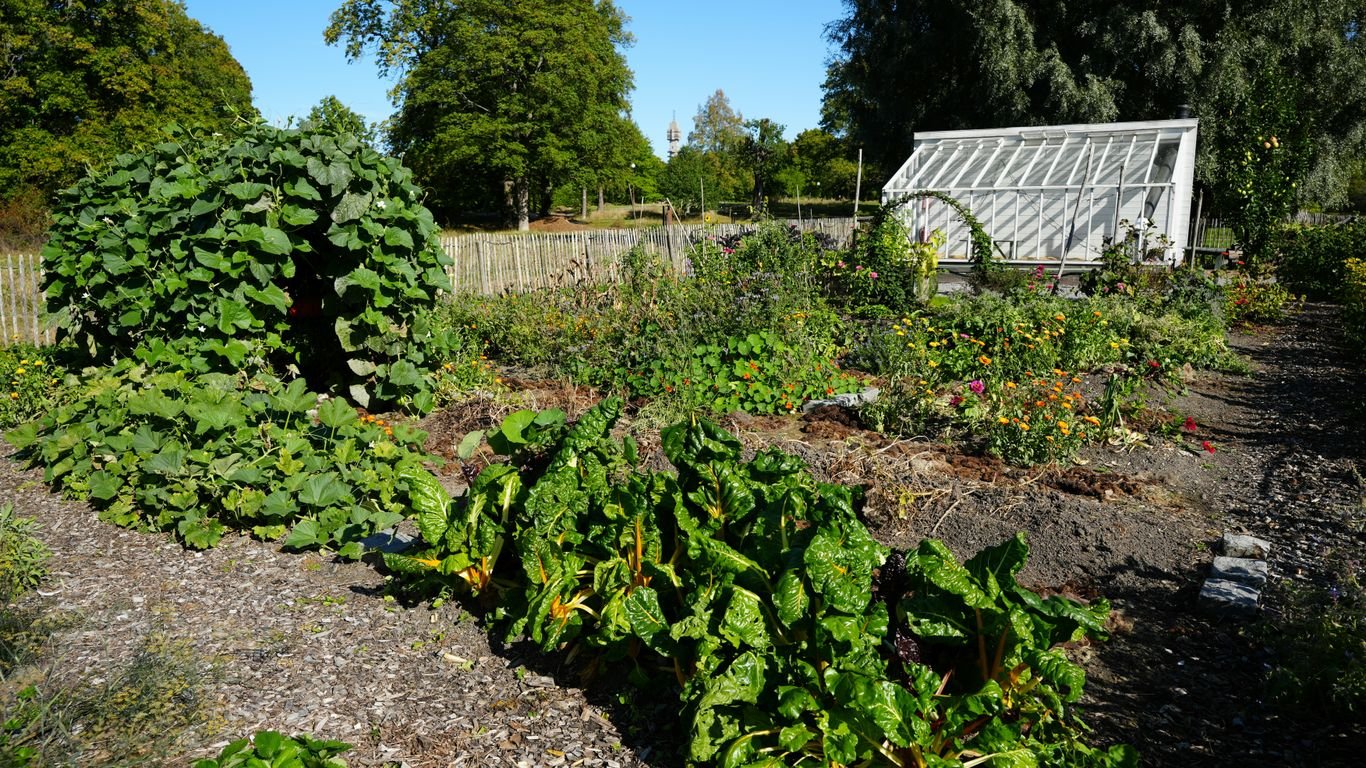 March 7, 2026
High-Output Crops Perfect for Micro Homesteads
Gardening
Homestead Planning
Homesteading
Starting a Homestead
March 7, 2026
High-Output Crops Perfect for Micro Homesteads
Gardening
Homestead Planning
Homesteading
Starting a Homestead
Thinking about growing your own food but only have a little space? We get it. Many of us are looking for ways to be more self-sufficient, even if we don't have acres to work with. The good news is, you...
Read More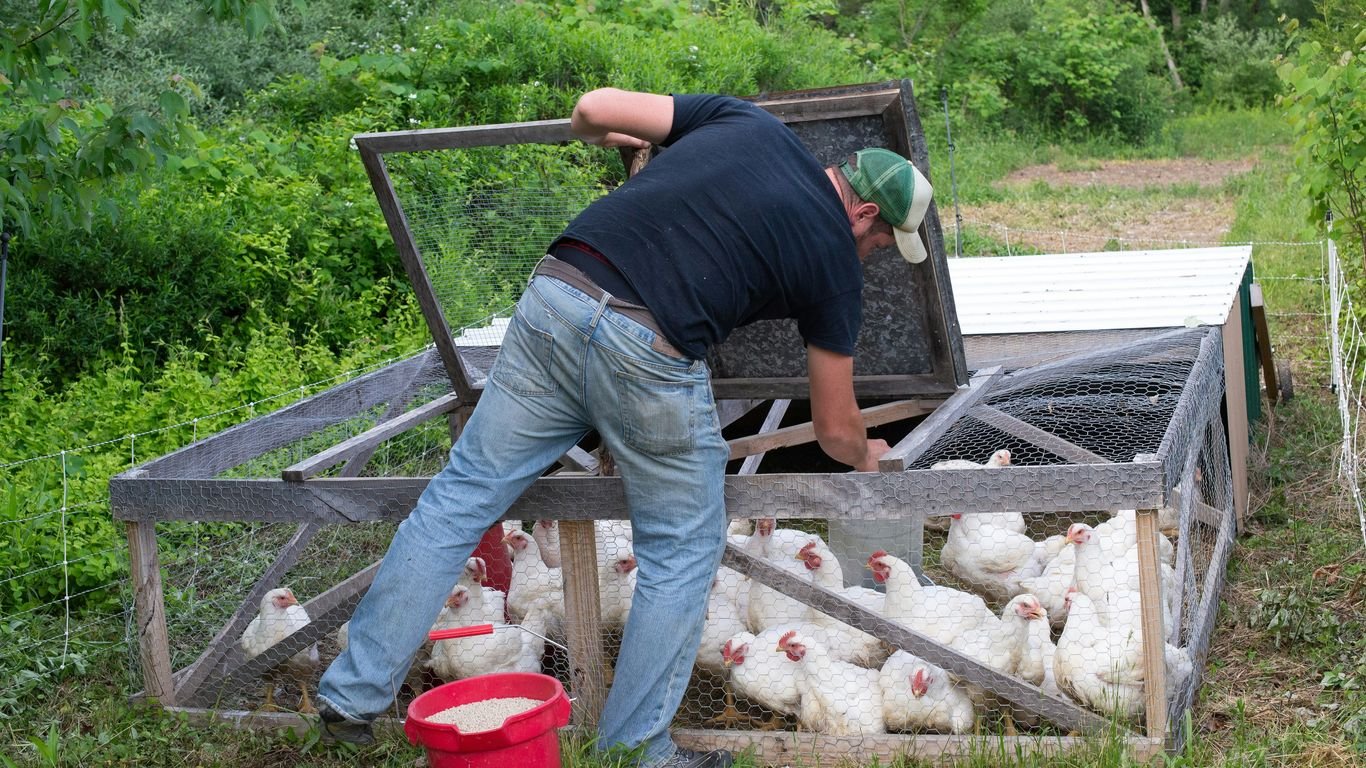 March 6, 2026
10 Low-Cost Homestead Side Hustles That Make Money
Homestead Planning
Homesteading
Starting a Homestead
March 6, 2026
10 Low-Cost Homestead Side Hustles That Make Money
Homestead Planning
Homesteading
Starting a Homestead
We all dream of a simpler life, right? One where we're more connected to the land and the seasons. But let's be real, that dream needs some funding. That's where low cost homestead side hustles come in. These aren't about...
Read More