



We’ve been thinking a lot lately about how to make our homestead work a little harder for us. It’s not that we don’t love the work, but let’s be real, it costs money to live this way. So, we started looking into ways we could turn some of the things we’re already doing into income. We found so many cool ideas for homestead side hustles, and we wanted to share them. You don’t have to do all of them, or even any of them, but if you’re curious about bringing in a little extra cash from your land, stick around. We’ve got some solid options here.
We’ve found that selling baked goods at local farmers markets can be a really rewarding way to make some extra cash. It’s not just about whipping up a few cookies, though. We’re talking about the kind of treats that make people stop and say, "Wow, that looks amazing!" Think flaky pies made with real butter, or muffins bursting with fresh, local berries. The key is to make things that taste as good as they look.
When we first started, we learned pretty quickly that not all baked goods are created equal when it comes to profit. A whole pie, while delicious, can eat up a lot of expensive ingredients like fresh raspberries and butter. Plus, it takes a good chunk of time to make. We found that smaller, individual-sized items often sell better and can bring in more money per batch. Things like personal pan pies or rich brownies are fantastic because they’re easy for people to grab and eat while they’re walking around the market. They also use ingredients efficiently. For example, a big pan of brownies can be cut into many portions, and if you’ve got extra eggs from your chickens, they’re a perfect way to use them up.
Here’s a quick look at how we think about pricing and what sells:
We also found that presentation matters. A nice display and good packaging can make a big difference. It’s about showing off the quality of what you’ve made. If you’re interested in seeing some ideas for bake days, there’s a great breakdown of how to organize your baking process.
Planning is everything. You need to know your costs for ingredients, how long each item takes to make, and what people are willing to pay. Don’t forget to check the rules for your specific market, as they often have their own guidelines on what you can sell and how you need to present it.
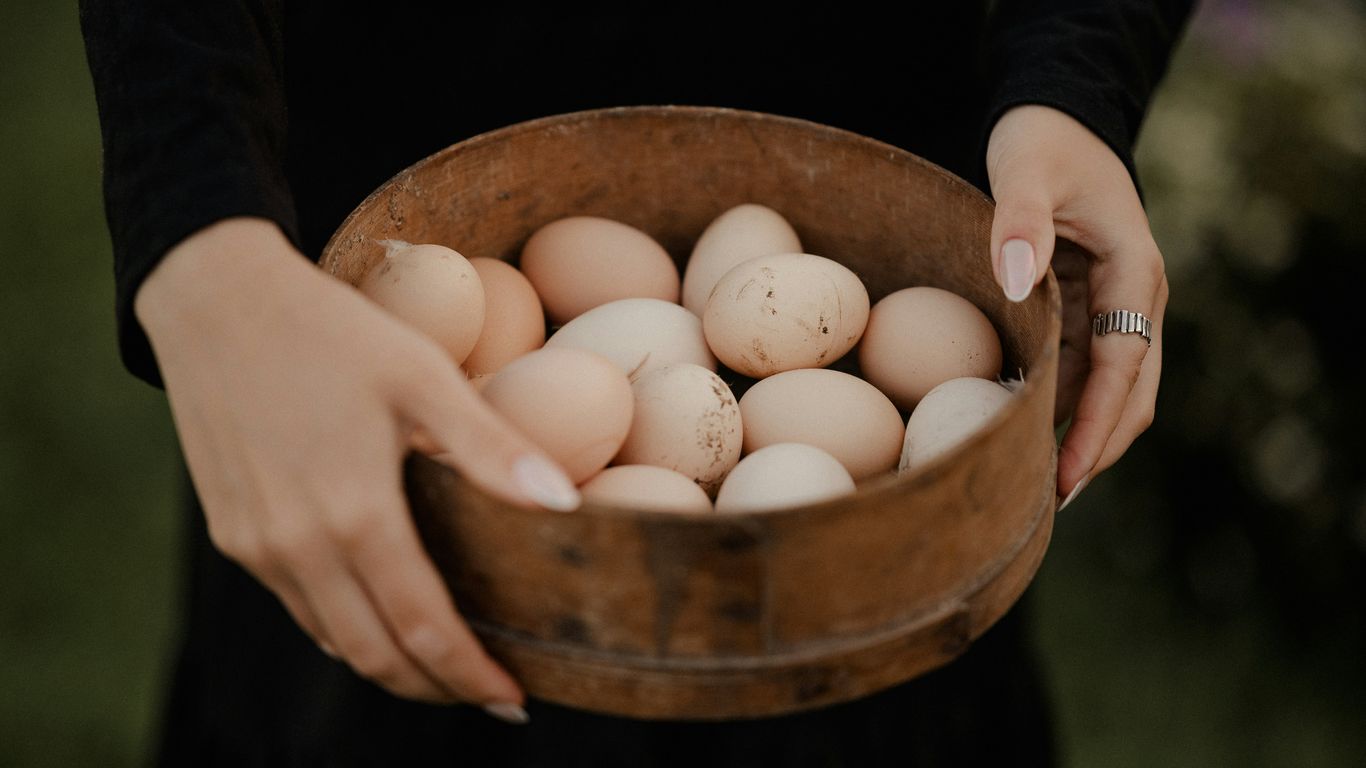
Selling regular eggs from our flock is a nice way to offset feed costs, but honestly, it rarely makes us much profit. We’ve found that taking it a step further and selling hatching eggs can be a much more rewarding venture, both financially and in terms of building a reputation. If you’ve got a rooster in your flock, you’ve already got the potential for this side hustle.
The key is genetics and breed desirability. People are willing to pay a premium for eggs from specific breeds, especially if they’re rare in your area or known for unique traits like fancy feather patterns or specific egg colors. Think about what breeds you have and if they’re in demand. It’s not just about selling eggs; it’s about selling the promise of new life and quality birds.
Here’s a quick look at what you might expect:
| Breed Type | Potential Price Per Hatching Egg | Notes |
|---|---|---|
| Common/Standard | $2 – $5 | Good starting point, steady demand |
| Specialty/Rare | $5 – $15+ | Higher profit, requires specific breeds |
| Unique Egg Colors | $4 – $10 | Chocolate, olive, blue eggs are popular |
Getting started involves a few simple steps:
Selling hatching eggs takes a bit more attention to detail than selling table eggs, but the potential return is significantly higher. It’s a great way to share your passion for quality poultry and build a customer base that trusts your breeding stock.
We’ve found that turning a passion for plants into a little side hustle is totally doable, even if you only have a small backyard. It all starts with propagation, which sounds fancy, but it’s really just about making more plants from existing ones. Think about it: you’re already pruning those grapevines or dividing those hostas, right? Why not turn those cuttings and divisions into something you can sell?
Many perennials are super easy to grow from seed or by dividing them up each year. Asparagus, rhubarb, and strawberries are good examples. The seeds themselves are cheap, but the plants you buy at the store can cost a pretty penny. If you’ve got a few garden beds, you can easily start a nursery that not only looks nice but also brings in some cash.
Here’s a quick look at what you might focus on:
The key is to transform something that’s essentially free or low-cost into a desirable product. It’s about a little planning, some patient care, and clear labeling. Don’t underestimate the appeal of a well-cared-for plant ready for a new home.
We learned that simply potting up divisions, labeling them clearly, and letting them recover for a bit can turn ‘freebies’ into plants that sell for $10 or more. It’s amazing what a little effort can do. If fruit trees are more your speed, grafting takes practice, but the payoff can be significant, with trees selling for $35 to $100 each. You just need to find your niche and match it with your skill level.
Making your own soaps and salves can be a really rewarding side hustle, and honestly, people love buying them. It feels good to create something useful and natural for others. Many folks are trying to get away from all the chemicals in store-bought products, so handmade items are a big draw.
When we first started looking into soap making, it seemed a bit complicated, especially with the lye. But once you get the hang of the cold process method, it’s not so scary. Plus, there’s always the melt-and-pour option if you want to skip the lye altogether. It’s a great way to get into the market without a huge learning curve.
Here’s a basic idea of what goes into making soap:
Salves are even simpler to get started with. They’re basically oils infused with herbs and then thickened with beeswax. They’re fantastic for soothing dry skin, minor cuts, or bug bites. If you’re already growing herbs, this is a natural fit. You can use herbs like calendula, comfrey, or lavender, which are known for their healing qualities.
The beauty of making these items is that you can often use ingredients you already have on your homestead. Growing your own herbs for infusions or using animal fats can significantly cut down on costs, making your profit margins even better. Plus, it adds a great story to your product.
Pricing can be quite good. Locally, we see handmade soaps selling for around $8 a bar, and salves can go for a similar amount, especially if they’re made with special ingredients. Once you get a good batch size going, it’s totally possible to make a steady income from this.
| Product Type | Estimated Cost Per Unit | Potential Selling Price | Profit Margin (Est.) |
|---|---|---|---|
| Handmade Soap Bar | $1.50 – $3.00 | $7.00 – $10.00 | 65% – 80% |
| Small Salve Jar | $1.00 – $2.50 | $6.00 – $9.00 | 60% – 85% |
Remember to check your local regulations regarding selling homemade body care products. Some places have specific rules you’ll need to follow to stay compliant.
We’ve found that growing mushrooms is a surprisingly accessible and profitable side hustle, even if you don’t have a lot of land. Many varieties, like oyster, shiitake, and even portobello, can be grown indoors or on simple outdoor setups like logs. It’s pretty neat turning things like coffee grounds or straw into delicious food.
Oyster mushrooms are particularly easy to get started with. You can grow them on a variety of substrates, and they grow fast. We’ve seen them packaged in simple pint containers, with just one large mushroom per container, selling for about $5 each at local markets. That adds up quickly!
Here’s a basic idea of what you might need:
Growing mushrooms doesn’t require vast fields. A small corner of a shed, a basement, or even a countertop can be enough to get a productive mushroom operation going. The key is controlling the environment for fruiting.
If you’re looking for something that produces quickly and can be scaled up without needing acres, mushrooms are definitely worth considering. Plus, the satisfaction of harvesting your own fungi is pretty great.
There’s something pretty special about making a little money from things you find growing wild. We’ve found that you don’t need a huge amount of land for this, but you do need to know your stuff. A good eye, a bit of patience, and knowing where to look are key. If you’re responsible and follow the rules, it can feel less like work and more like getting paid to explore.
Wild mushrooms, for example, are a big hit at farmers markets. People will pay a good price for them, and they often sell out fast. Learning to identify them takes time, though. We always start with the really obvious ones, the kind that are hard to mistake for anything else. Never, ever sell anything you aren’t 100% sure about. Your reputation is worth more than a quick sale.
Beyond mushrooms, think about other edibles and medicinals. Dandelions, for instance, are everywhere, and their greens are perfectly edible. We’ve also had luck with wild berries and certain types of edible flowers. For medicinal plants, things like echinacea or elderberries can be quite valuable. It’s important to understand the legalities of foraging in your area, though. Some places have restrictions on what you can take and where.
Here are a few things we’ve found to be good starting points:
Remember, responsible wildcrafting means taking only what you need and ensuring the plant population can recover. It’s about sustainability, not just taking.
Once you get more comfortable, you could even teach others. Offering foraging walks or workshops can be another way to earn income while sharing your knowledge. It’s a great way to help people connect with nature and learn a bit of self-reliance.
We’ve found that growing medicinal herbs can be a really rewarding side hustle, both for our own use and for selling. Unlike some vegetables that pests and deer just love to munch on, many herbs have natural defenses, meaning they often get left alone. Think about sage, bee balm, or valerian – they just keep coming back year after year, reseeding themselves and growing like crazy, even after we harvest them. It’s pretty amazing how persistent and productive they are.
The real money, though, often comes from making value-added products. While selling fresh herbs is good, turning them into things like tinctures, salves, or dried blends can significantly increase their value. For instance, a simple echinacea or elderberry tincture can fetch a good price, especially if you’re growing the herbs yourself. The cost of the raw ingredients is low, and after bottling and labeling, the profit margin can be quite healthy. It’s a way to take something you grow and give it a much higher perceived value.
Here are a few herbs that we’ve had good luck with, both in growing and in potential sales:
Starting with a small patch in your backyard is a great way to begin. You can learn what grows well in your specific climate and what your local market might be interested in. Don’t feel like you need acres of land to get started; even a few well-chosen plants can be the beginning of a profitable venture.
If you’ve got trees on your property, especially if they’ve come down in storms or you’re clearing space, selling firewood can be a pretty straightforward way to make some cash. It does require some muscle and the right tools, though. We’re talking chainsaws, log splitters, and a good place to let the wood season properly.
Here’s a quick rundown of what’s involved:
Remember, firewood is a seasonal purchase for most folks, so plan your harvesting and selling schedule accordingly. It’s a physically demanding job, but if you’ve got the resources and the grit, it’s a solid homestead side hustle.
Pricing can vary a lot based on your location and the type of wood, but a rough estimate for a cord of seasoned hardwood might be anywhere from $100 to $300. It’s always a good idea to check what others in your area are charging.
Saving seeds from your own garden plants is a fantastic way to preserve unique varieties and share them with others. We’ve found that many plants produce more seeds than we could ever use ourselves, making this a natural fit for a homestead side hustle. It’s not just about saving money on future plantings; it’s about contributing to biodiversity and offering something special that you just can’t find at the big box stores.
When we started saving seeds, we focused on plants that were particularly hardy and productive in our own garden. This meant we could confidently sell seeds that were already proven to grow well in our local climate. Think about what grows exceptionally well for you – maybe it’s a specific variety of tomato that resists blight, or beans that produce abundantly even in a dry spell. These are the kinds of seeds people are looking for.
Here’s a simple breakdown of how we got started:
Selling these seeds can be done in a few ways. We’ve had success selling at local farmers’ markets, through online platforms, and even directly to neighbors. It’s a great way to connect with other gardeners and share your passion. If you’re interested in the creative side of agriculture, you might find inspiration in stories like Erin Benzakein’s journey as a flower farmer and seed breeder.
The satisfaction of growing something from seed, then saving that seed to grow again next year, and then sharing it with others is incredibly rewarding. It’s a cycle that connects us to the past and helps secure the future of our food.
Beekeeping is a fascinating way to connect with nature and, bonus, it can bring in some extra cash. We’ve found that managing a few hives isn’t as overwhelming as it might seem at first. The bees do most of the heavy lifting, of course, but there’s still work involved in getting that liquid gold from the hive to your customers.
First, you’ll need to get yourself some bees and the right equipment. This includes the hives themselves, protective gear (you don’t want to be stung!), and tools for harvesting. We started with a couple of basic hives and learned as we went. There are tons of great resources out there, like books and local beekeeping groups, that can really help you get started.
Once your bees have made plenty of honey, the next step is extraction. This involves carefully removing the frames from the hive, uncapping the wax seals on the honeycombs, and then spinning them in an extractor to release the honey. It can get a little messy, but it’s pretty satisfying to see all that honey come out!
After extraction, we filter the honey to remove any bits of wax or debris. Then comes the bottling. We like to use nice glass jars that show off the beautiful color of the honey. Making sure your honey is pure and properly bottled is key to customer satisfaction.
Selling your honey can happen in a few ways. Farmers’ markets are a classic spot, and people often seek out local honey. You could also sell directly from your homestead, or even partner with local shops. We’ve found that people really appreciate knowing where their food comes from, and local honey is a big draw.
Here’s a quick look at what you might need:
The amount of honey you get can vary a lot depending on the season, the health of your bees, and the types of flowers they have access to. Don’t expect a huge harvest your first year; it’s a learning process for both you and the bees.
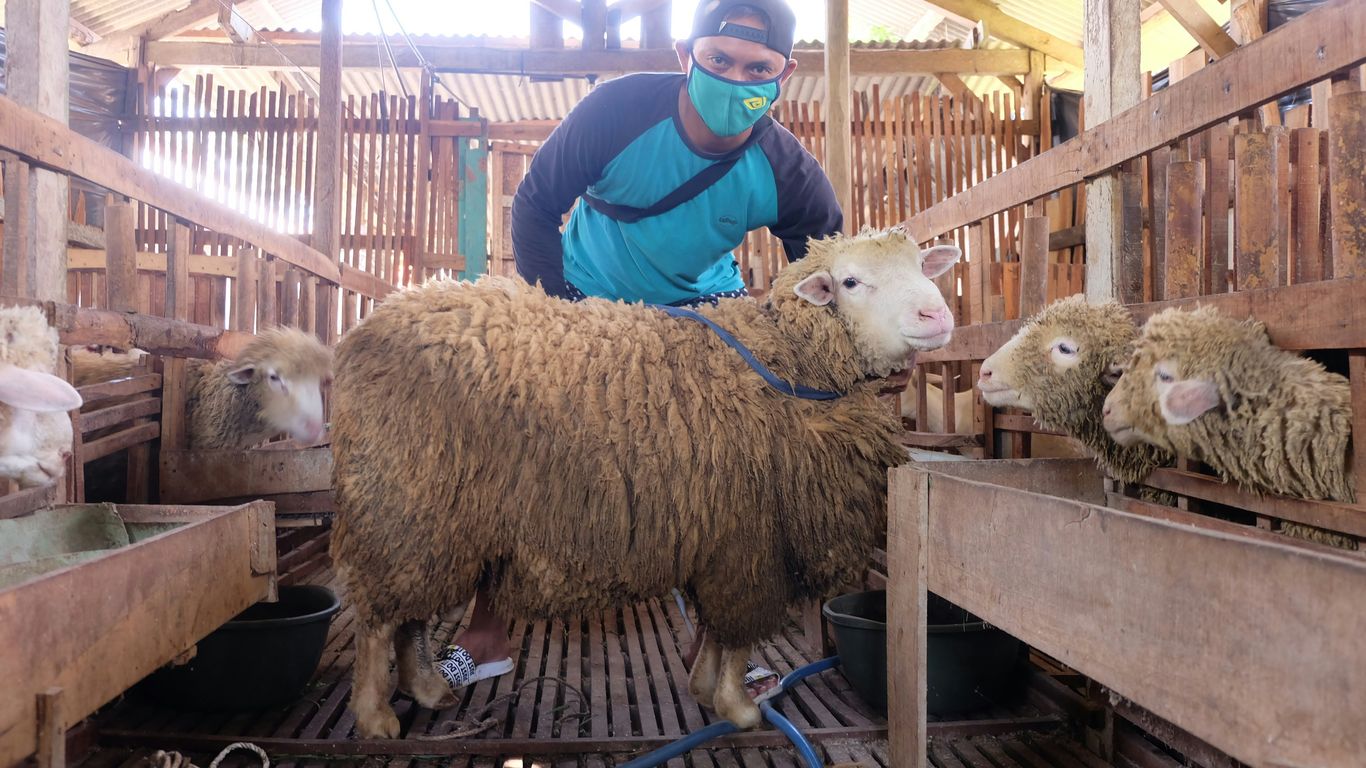
If you’ve got fiber animals like sheep, alpacas, or goats, you’ve got a potential side hustle right there in their fleece. Shearing day can feel like a lot of work, and then there’s the skirting and cleaning of the fiber. But guess what? Some folks actually prefer to buy raw, unwashed fleece. They like to do the washing and processing themselves, just the way they like it.
This is a great way to get started with minimal upfront processing. You can sell it by the pound, and if you have a particularly unique breed or color, you might even fetch a better price. It’s a good idea to know what kind of fiber you’re selling – is it fine and soft, or coarser? This helps buyers know what they’re getting.
Here’s a quick look at what you might consider:
Selling raw fiber means less work for you upfront, but you’ll likely get less money per pound than if you processed it further. However, the demand for raw fleece from hand spinners and crafters is steady, making it a solid option for homesteaders looking to make a little extra cash without investing in expensive processing equipment right away.
Do you have a flock of fancy chickens, guineas, or other birds with beautiful plumage? Don’t let those gorgeous feathers go to waste! We can collect them, give them a good clean, and sell them to crafters and jewelry makers. It’s a surprisingly simple way to add a little extra cash to our pockets. And guess what? This is a fantastic project that kids can get involved in too – imagine the fun they’d have helping gather and prepare feathers for sale. It’s a great way to teach them about resourcefulness.
If we’re already harvesting rabbits for meat, we’re halfway there to selling pelts. There’s a market for them! People use them for clothing, and even some youth groups need them for learning traditional tanning skills. Why toss something that has potential value? We can learn to process them ourselves or find local tanneries. Turning what might be considered waste into a sellable product is a core homesteading principle.
Here’s a quick look at what we might consider:
We shouldn’t underestimate the market for these items. What seems like a byproduct to us might be exactly what another person needs for their craft or project. It just takes a little effort to see the potential and prepare the items for sale.
If you’ve got a knack for building, this can be a surprisingly good side hustle. Not everyone is handy with a hammer, and many new homesteaders or animal enthusiasts find themselves needing a safe, sturdy place for their critters but lacking the time or skills to build it themselves. We’ve learned that people are often willing to pay for convenience and quality craftsmanship.
Think about what kinds of structures are in demand. Chicken coops are obvious, but don’t forget about rabbit hutches, sturdy brooder boxes for raising chicks or ducklings, and even nesting boxes. If you can build a few different designs and showcase their durability and thoughtful features, you might find a ready market.
Here are some things to consider when building:
We’ve found that offering custom builds can really set you apart. You can start by building a few for your own animals, testing out different designs, and then advertising your services locally. Online marketplaces and community bulletin boards are great places to start.
Building these structures requires a good understanding of animal needs and basic carpentry. It’s not just about slapping some wood together; it’s about creating safe, functional homes for animals. People who are new to homesteading often need guidance, and a well-built coop or hutch can be a huge help to them.
If you’ve got a quality male animal – think a handsome buck, a fine ram, or a sturdy boar – and the space to keep him healthy and separate, you can offer stud services. This is a fantastic way to monetize your best genetics without needing to raise a whole herd of females. People often prefer live cover because it’s generally more reliable than artificial insemination, especially for smaller homestead operations.
It’s all about providing a service that helps others improve their own livestock.
Before you start, it’s wise to get a handle on your male’s fertility and health. You’ll also want to think about how you’ll manage visiting females to prevent any disease from spreading to your own animals. This might mean having separate pens or a quarantine period. If your animal is registered, that can often command a higher fee. While selling semen is an option, it’s complex and usually involves third-party collectors, so sticking to local, in-person services is often simpler for us homesteaders.
Here are a few things to consider:
Offering stud services requires careful planning and a commitment to animal health and biosecurity. It’s not just about having a male; it’s about managing the process responsibly to benefit both parties and maintain the integrity of your herd or flock.
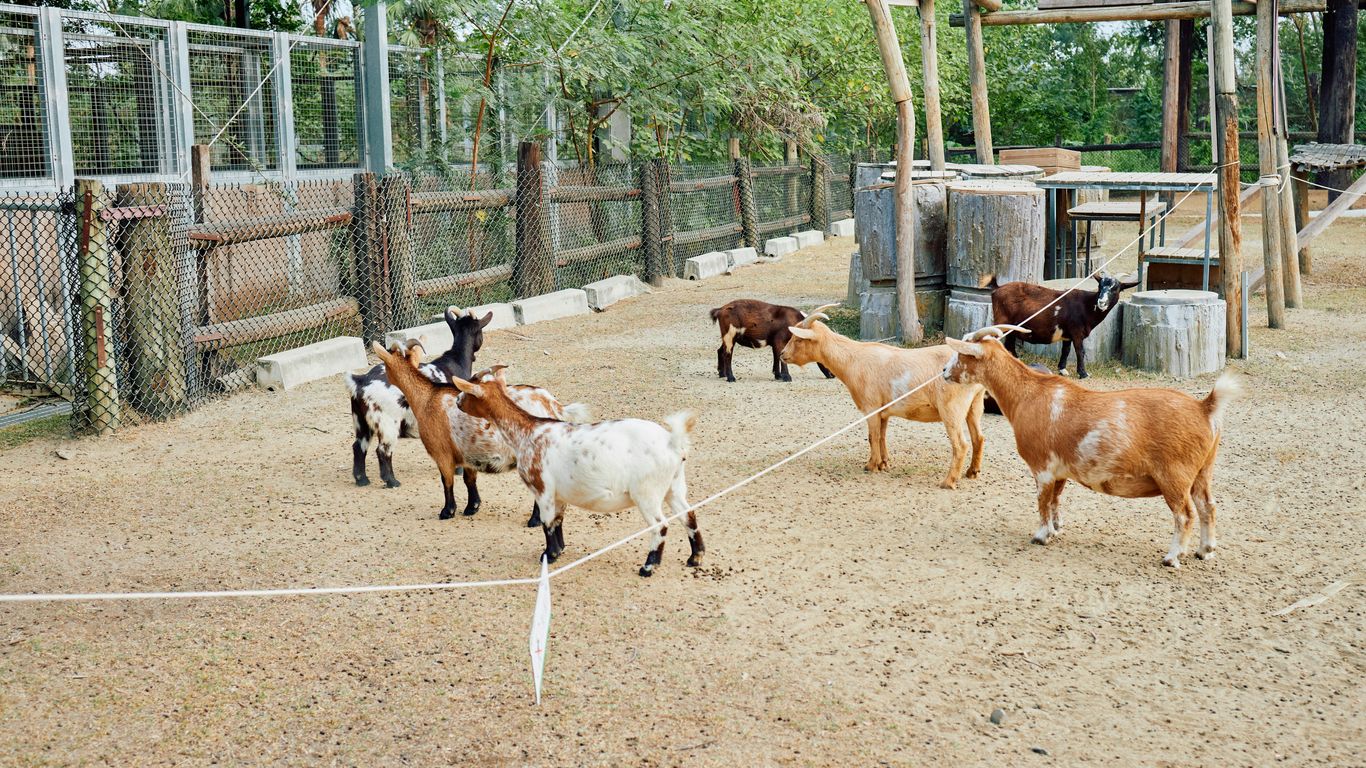
Do you have a knack for working with dogs, especially those big, fluffy guardians of the flock? If so, training Livestock Guard Dogs (LGDs) could be a fantastic side hustle for us. These aren’t your average pets; they’re bred and trained to protect sheep, goats, cattle, and other farm animals from predators like coyotes, foxes, and even stray dogs. It takes a special kind of dog and a special kind of handler to get it right.
We’ve found that there’s a real demand for well-trained LGDs. Many new homesteaders or farmers get the dogs, but they don’t have the time or the know-how to properly train them. That’s where we come in. We can offer our services to train these dogs, teaching them to bond with livestock, recognize threats, and deter predators without harming their charges.
Here’s a breakdown of what training typically involves:
It’s important to remember that responsible breeding and training are key. We’re not just selling a trained dog; we’re providing peace of mind to other farmers. A good LGD can save a farmer a lot of money and heartache by preventing livestock losses.
The investment in a well-trained Livestock Guard Dog is significant, but the return in saved livestock and reduced stress for the farmer is often immeasurable. It’s a skill that requires patience, consistency, and a deep understanding of canine behavior and livestock needs.
If you’ve got a knack for working with dogs and understand how to guide livestock, offering herding dog training can be a fantastic side hustle. Many homesteaders and farmers need reliable dogs to help manage their flocks or herds, but they don’t always have the time or the know-how to train them properly.
We’ve found that people are often willing to pay for someone with the skills to turn a good dog into a working partner. It’s not just about teaching commands; it’s about understanding the dog’s instincts and channeling them effectively. This involves a lot of patience, consistency, and a deep connection with the animal.
Here’s a general idea of what goes into training a herding dog:
The market for skilled herding dog trainers is often local, but word-of-mouth can spread quickly. If you have a successful track record, you might even find yourself with a waiting list. It’s rewarding work, seeing a dog and handler team become effective on the farm.
Training a herding dog requires a unique blend of understanding animal behavior, clear communication, and physical conditioning for both dog and handler. It’s a partnership built on trust and consistent effort, not just a set of tricks.
We all have those recipes that just sing, right? Maybe it’s your grandma’s famous strawberry jam or a killer spicy tomato sauce you whip up every fall. Why not turn those kitchen triumphs into a little extra cash? Making jams, jellies, pickles, sauces, and other preserved goodies is a fantastic way to use up surplus produce from your garden or local farms. Plus, people absolutely love homemade treats that taste like they came straight from a loving kitchen.
The key is presentation and understanding your market. While the taste is king, how you package your creations makes a big difference. Think about nice jars, attractive labels, and maybe even a little story about the ingredients or your inspiration. This adds perceived value and makes your products stand out.
Here are a few ideas to get your kitchen buzzing:
When you’re starting out, it’s smart to focus on a few items you do exceptionally well. Figure out your costs for ingredients and packaging, and then price them so you’re making a fair profit for your time and effort. Remember to check your local cottage food laws, as they dictate what you can and cannot sell from your home kitchen.
Don’t underestimate the power of a good label. It’s the first thing a customer sees and can tell a story about your product, your farm, or your passion. A well-designed label can make your homemade goods look as professional as anything you’d find in a specialty store.
We’ve all seen those beautiful, healthy plants at the garden center, right? Well, guess what? We can grow those ourselves and sell them! It’s a fantastic way to make some extra cash, especially if we already have a garden or a bit of space. Think about starting seeds indoors early in the season for popular vegetables like tomatoes, peppers, and herbs. Once they’re big enough and the danger of frost has passed, we can offer them to our neighbors or at local farmers’ markets.
It’s not just about starting from seed, either. We can also propagate plants we already have. Dividing perennials in the spring or fall is a great way to get more plants. If we pot up those divisions, give them a little care, and label them clearly, they become much more appealing to buyers. This is especially true for popular perennials that people are always looking to add to their gardens.
Here are a few ideas for what we could grow and sell:
Growing plants from seed or cuttings takes patience, but the payoff can be significant. We’re essentially turning a small investment in seeds or cuttings into a much larger return when we sell the mature plants. Plus, it’s incredibly rewarding to see our own homegrown plants thriving in other people’s gardens.
Don’t forget about specialty items. If we have a knack for growing specific things, like heirloom tomatoes or unique pepper varieties, we can create a niche for ourselves. We could even explore growing high-value crops like garlic or specialty herbs that might not be readily available elsewhere. It’s all about finding what grows well for us and what people in our community are looking for.
So, you’re living that homestead life, right? Maybe you’re growing your own food, raising a few animals, or just figuring out how to fix things yourself. Guess what? A lot of people out there are super curious about all of it. They might not have the space or the time, but they love reading about it. That’s where starting a blog comes in.
Think about what you’re already doing and learning. We started our blog because we were constantly looking up how to do things, like canning or building a chicken coop. We figured if we had questions, others probably did too. So, we started writing down what we learned. It felt a bit weird at first, like, who would want to read about our messy garden or our latest DIY fail? But it turns out, people do! Sharing your real experiences, the good and the bad, is what makes a blog interesting.
Getting started isn’t as complicated as it sounds. You’ll need a place to host your blog (think of it like renting space on the internet) and a platform to build it on. WordPress is a popular choice because it gives you a lot of freedom to make it look how you want. Don’t get too caught up in having the perfect setup right away. The most important thing is to start writing.
Here are a few things to consider when you begin:
You don’t need to be an expert to start. Just share what you’re learning as you go. People connect with authenticity. Your journey is interesting to someone else.
It might take a little while to build an audience, but as you share your homesteading adventures, you can start to see a small income come in through ads or affiliate links. It’s not going to make you rich overnight, but it’s a fantastic way to share your passion and make a little extra money doing it.
We’ve talked about growing herbs and selling them fresh, but that’s just the beginning. The real magic happens when we turn those herbs into something more. Think about tinctures, salves, and infused oils. These are products people want and are willing to pay a good price for, especially if they’re made with care and quality ingredients.
Making tinctures, for example, is pretty straightforward. You take your dried herbs, soak them in alcohol or vinegar for a few weeks, and then strain. It sounds simple, but the result is a concentrated form of the herb’s goodness that lasts a long time. Elderberry and echinacea tinctures are always popular, and if you’re growing them yourself, your profit margin can be really nice. We’ve seen small bottles of tinctures go for $15 an ounce, and the cost to make them, especially if you’re harvesting your own herbs, is way less than that.
Here are a few ideas to get you started:
Turning your homegrown herbs into finished products is a smart way to increase your income. It takes a little extra effort, but the payoff can be significant, transforming simple plants into desirable goods that people are looking for.
If you’ve got fiber animals, you know that shearing is just the first step. After that, you’ve got to skirt the fleece, clean it, and then decide what to do with it. Selling raw fiber is an option, and some spinners actually prefer it that way. But if you want to add more value, processing it into roving or yarn is a great way to go.
Turning raw fleece into roving means carding or combing it to align the fibers. This makes it much easier for someone to spin into yarn. You can sell roving by the pound, and it’s a popular choice for hand spinners. If you’re feeling ambitious and have a spinning wheel, you can take it a step further and spin it into yarn yourself. You can create different weights and thicknesses, catering to various crafting needs. Novelty yarns can be particularly profitable because they stand out from the generic options.
Here’s a basic breakdown of the process:
Consider specializing in unique fibers or natural dyes to make your products stand out. For instance, using plants to naturally dye fiber can attract customers looking for chemical-free options. This added touch can justify a higher price point, compensating you for your time and effort. You might find that selling semi-worsted yarns in unique weights appeals to a specific market.
Processing fiber takes time and practice. Don’t get discouraged if your first attempts aren’t perfect. Each batch is a learning opportunity, and your skills will improve with every animal’s fleece you work with. The goal is to create a desirable product that crafters will love.
Think about the types of animals you have. Different breeds produce different qualities of fiber. Knowing your fiber animals, like sheep, alpacas, or goats, and understanding their fleece characteristics is key. This knowledge helps you market your processed fiber effectively, highlighting its unique qualities to potential buyers.
If you’re already processing animals for meat or other purposes, don’t let those hides go to waste! Tanning hides can turn a byproduct into a profitable venture. It takes some practice and patience, but the results can be quite rewarding. We’ve found that people are often looking for unique, natural materials for crafting, and tanned hides fit the bill perfectly.
There are several methods for tanning, each with its own pros and cons. Some common ones include brain tanning, bark tanning, and using commercial tanning solutions. Brain tanning, for instance, uses the natural oils in animal brains to preserve the hide, resulting in a soft, pliable leather. Bark tanning, on the other hand, uses tannins from tree bark and can produce a more durable, water-resistant material. Commercial tanning agents offer a quicker route but might not appeal to those seeking a more natural approach.
Here’s a basic rundown of what’s involved:
We’ve found that vegetable-tanned leather is particularly popular because it’s easier to work with for various projects, whether you’re engraving, carving, or dyeing. This leather is ideal for customization. Selling tanned hides can open up a market for everything from moccasins and bags to decorative wall hangings. It’s a fantastic way to utilize every part of an animal and add another income stream to the homestead.
We all have different skills and resources on the homestead. Maybe you’ve got a knack for animal care, or perhaps you have extra space that others could use. This opens up a whole world of services we can offer to fellow homesteaders and animal lovers.
Think about what you’re already doing. Are you great at raising bottle-fed calves? Maybe you have a few extra stalls in your barn. We can turn these existing assets into income.
Here are a few ways we can help others with their animal needs:
We’ve found that offering services is often less about having unique products and more about filling a need that already exists in our community. People are busy, and sometimes they just need an extra hand or a bit of space.
We can also help with more specialized tasks. For instance, if you’re skilled in training livestock guardian dogs or herding dogs, there’s a definite market for that. People are always looking for well-trained animals to protect their flocks or manage their herds. Even something as simple as collecting and selling manure for gardens can be a service if you have a steady supply and a local market.
Drying herbs from our gardens is a fantastic way to preserve their flavor and medicinal properties long after the growing season ends. We’ve found that many people are looking for high-quality dried herbs for cooking, teas, and natural remedies, and this is a great way to meet that demand. It’s not just about tossing them in a dehydrator; there’s a bit of art and science to it to keep them potent.
The key is to harvest at the right time and dry them properly to retain their essential oils. We usually harvest in the morning after the dew has dried but before the sun gets too hot. This helps preserve the most flavor and active compounds. For drying, we often use a food dehydrator on a low setting, but simple air-drying in a well-ventilated, dark space works wonders too, especially for hardier herbs.
Here’s a quick look at some popular herbs we dry and sell:
We package our dried herbs in airtight containers, often glass jars or resealable bags, to keep them fresh. Labeling is important, too – include the herb name and perhaps a suggestion for use. If you plan to sell food products, remember to check your local regulations regarding food handling and sales; you might need to look into food licence application processes.
Drying herbs is a simple process that can turn a garden surplus into a steady income. It requires minimal equipment and space, making it accessible for almost any homesteader. The market for natural products is growing, and dried herbs fit right into that trend.
Selling fresh herbs from our homestead is a fantastic way to connect with our community and make a little extra cash. It’s not just about growing basil and mint, though those are great starters. Think about the culinary powerhouses like rosemary, thyme, and oregano, which are always in demand. We’ve found that people really appreciate having access to fresh, high-quality herbs, especially when they can’t find them at the local grocery store or when they’re out of season.
Beyond the usual suspects, consider branching out. Specialty herbs for teas, like chamomile or lemon balm, can fetch a good price. Medicinal herbs are another avenue, but that requires a bit more knowledge about their properties and safe usage. If you’re interested in that side of things, exploring resources on herbalism is a good first step. You could even focus on a single plant and build a business around it, like growing medicinal herbs.
Here’s a quick look at what we’ve found sells well:
We usually sell our herbs in bunches, tied with twine. For a more professional look, we’ve seen people use small paper bags or even little compostable containers. Pricing can vary, but we generally aim for a price point that reflects the quality and freshness compared to store-bought options. A good rule of thumb is to check what similar items sell for at local farmers markets or specialty stores.
Don’t underestimate the power of presentation. Even simple herbs look more appealing when they’re neatly bundled and labeled. We learned this the hard way when we first started selling, and a little extra effort made a big difference in sales.
If you have a surplus, don’t let it go to waste! You can also dry herbs for later sale or use them to create value-added products like herb-infused oils or vinegars. It’s all about maximizing what our land gives us.
We’ve gone over a bunch of ways we can make a little extra cash from our homesteads this year. Remember, you don’t have to do all of these things. Pick one or two that sound good to you and give them a try. It’s your homestead, after all, so you get to decide what works best for your family and your land. Don’t feel pressured to turn everything you do into a business. Sometimes, just enjoying the fruits of your labor is reward enough. But if you’re looking to bring in a little extra income, these ideas are a great place to start. Happy homesteading, and happy hustling!
Homesteading takes a lot of work and costs money, time, and energy. Starting a side hustle can help bring in some extra cash to help cover those costs. It’s a way to make a little money from the things we’re already doing on our land, making our self-sufficient lifestyle a bit easier to manage.
Absolutely not! No one has to make money from their homestead. Many people are happy just providing for their families and enjoying a simpler life. If the idea of dealing with laws or extra work sounds like too much, it’s perfectly fine to just use what you grow or make for yourselves and as gifts.
Raw products are things that come straight from nature or our animals, like eggs, honey, or raw wool. Value-added products are things we make by using those raw products, like baking bread from our wheat, turning wool into yarn, or making jam from our berries. It takes a little more work, but can often bring in more money.
Yes, there are! We can offer services, like training animals, building coops, or even sharing our knowledge by starting a blog. These services use our skills and time, and people are often willing to pay for them, helping us build a reputation and earn money without always needing to create a physical product.
Think about what you’re already good at, what you enjoy doing, and what resources you have available. It’s also smart to look at what people in your community might need or want. Don’t try to do too many things at once; start with one or two that seem like a good fit and build from there.
It’s important to know the rules and laws in your area, like cottage food laws for baked goods or regulations for selling at farmers markets. Also, think about how you’ll present your products – nice packaging and good photos can make a big difference. Quality is key, so make sure your products are great before you even think about selling them.
 March 7, 2026
How to Turn Food Preservation Into a Side Hustle
Canning
Homestead Kitchen
Homesteading
Sustainable Living
March 7, 2026
How to Turn Food Preservation Into a Side Hustle
Canning
Homestead Kitchen
Homesteading
Sustainable Living
We've all got those hobbies or skills that we love doing, right? Maybe it's baking, gardening, or even making your own jam. What if we told you that you could turn those passions into a little extra cash? It might...
Read More March 7, 2026
High-Output Crops Perfect for Micro Homesteads
Gardening
Homestead Planning
Homesteading
Starting a Homestead
March 7, 2026
High-Output Crops Perfect for Micro Homesteads
Gardening
Homestead Planning
Homesteading
Starting a Homestead
Thinking about growing your own food but only have a little space? We get it. Many of us are looking for ways to be more self-sufficient, even if we don't have acres to work with. The good news is, you...
Read More March 6, 2026
10 Low-Cost Homestead Side Hustles That Make Money
Homestead Planning
Homesteading
Starting a Homestead
March 6, 2026
10 Low-Cost Homestead Side Hustles That Make Money
Homestead Planning
Homesteading
Starting a Homestead
We all dream of a simpler life, right? One where we're more connected to the land and the seasons. But let's be real, that dream needs some funding. That's where low cost homestead side hustles come in. These aren't about...
Read More