


Thinking about starting your own homestead garden? It can feel a bit overwhelming at first, especially if you’re new to growing things. We’ve been there, and let me tell you, picking the right beginner crops makes a world of difference. It’s not about finding magic seeds, but more about choosing plants that are a bit more forgiving as we learn the ropes. After trying a bunch of things, we’ve found some real winners that give us a good harvest without too much fuss. These are the kinds of plants that help build confidence and make the whole homesteading dream feel a lot more reachable.
When we first started thinking about growing our own food, potatoes were high on our list, and for good reason. They’re incredibly forgiving and give you a lot of bang for your buck. Seriously, you can just toss a piece of potato with an ‘eye’ into the ground, and before you know it, you’ve got a whole mess of them.
We’ve found they don’t need super fancy soil, and they can handle a bit of neglect, which is great when you’re just getting the hang of things. Forget to water them for a day or two? No big deal. They’re pretty tough.
One of the coolest things about potatoes is how adaptable they are to different growing spaces. Don’t have a big garden plot? No problem. You can grow them in large containers, old buckets, or even a stack of tires. The trick is to keep covering the growing stems with soil as the plant gets bigger. When the leaves start to turn yellow and die back, that’s your signal that harvest time is near. Digging them up feels like finding buried treasure!
Storage Tip: Make sure to cure your potatoes properly after harvesting. This means letting them dry in a cool, dark, and humid place for a couple of weeks. This helps their skins toughen up, making them last much longer in storage.
Here’s a quick look at how we usually plant them:
Potatoes are one of those crops that really make you feel like a successful homesteader right from the start. The sheer volume you can get from a small space is amazing, and having your own potatoes through the winter is a fantastic feeling.
Tomatoes are a classic for a reason, and we think they absolutely deserve a spot in any beginner homesteader’s garden. They’re incredibly versatile – think fresh salads, sauces, salsas, and even drying or freezing for later. Plus, the satisfaction of biting into a sun-warmed tomato you grew yourself is hard to beat.
We’ve found that cherry tomatoes are particularly forgiving for newcomers. They tend to be more disease-resistant and produce abundantly throughout the summer, often without needing too much fuss. Even if you forget to water them for a day or two, they usually bounce back and keep producing. It’s a great way to get a quick win and build confidence.
Here are a few tips to get you started:
While tomatoes can be a bit dramatic about water and sun, starting with easier varieties like cherry tomatoes means you’re practically guaranteed success. They grow fast, produce a ton, and keep going all summer long. They’re perfect for salads, snacking, and impressing people when you casually mention that you grow your own food.
If you’re looking to get a head start, you can begin by starting seeds indoors in late winter, following a simple tomato growing plan. Transplanting them out after the last frost will set you up for a bountiful harvest. Don’t be afraid to experiment with different types; finding your favorite slicing or sauce tomato is part of the fun!
Beans are a fantastic choice for any beginner homesteader, and for good reason. They’re relatively easy to grow, offer a good yield, and can be stored for a long time, especially if you opt for dry varieties. We’ve found that planting about 10-20 plants per person is a good target if you’re aiming to supplement your diet for the entire year with beans. If you’re just looking to boost your food stores, even 5 plants per person can make a noticeable difference.
There are two main types we usually consider: bush beans and pole beans. Bush beans are great because they grow compactly and don’t need any support, making them perfect for smaller garden spaces. Pole beans, on the other hand, are climbers. They’ll happily scramble up trellises, fences, or poles, which means you can grow them vertically. This is a smart way to maximize your garden space, especially if you don’t have a lot of ground to work with.
The real magic of beans for homesteaders lies in their versatility and storage potential. Dry beans, like kidney, black, or pinto beans, are nutritional powerhouses that store exceptionally well without needing any special preservation methods like canning. Just make sure they are thoroughly dried and kept in airtight containers. Green beans are also a popular choice; they’re quick to mature and can be easily preserved by canning or freezing for later use.
Here’s a quick look at what you might expect:
When you’re starting out, the satisfaction of harvesting your own beans, whether they’re crisp green pods or hearty dried legumes, is immense. They grow fast enough that you’ll see results pretty quickly, which is super encouraging when you’re learning the ropes of homesteading.
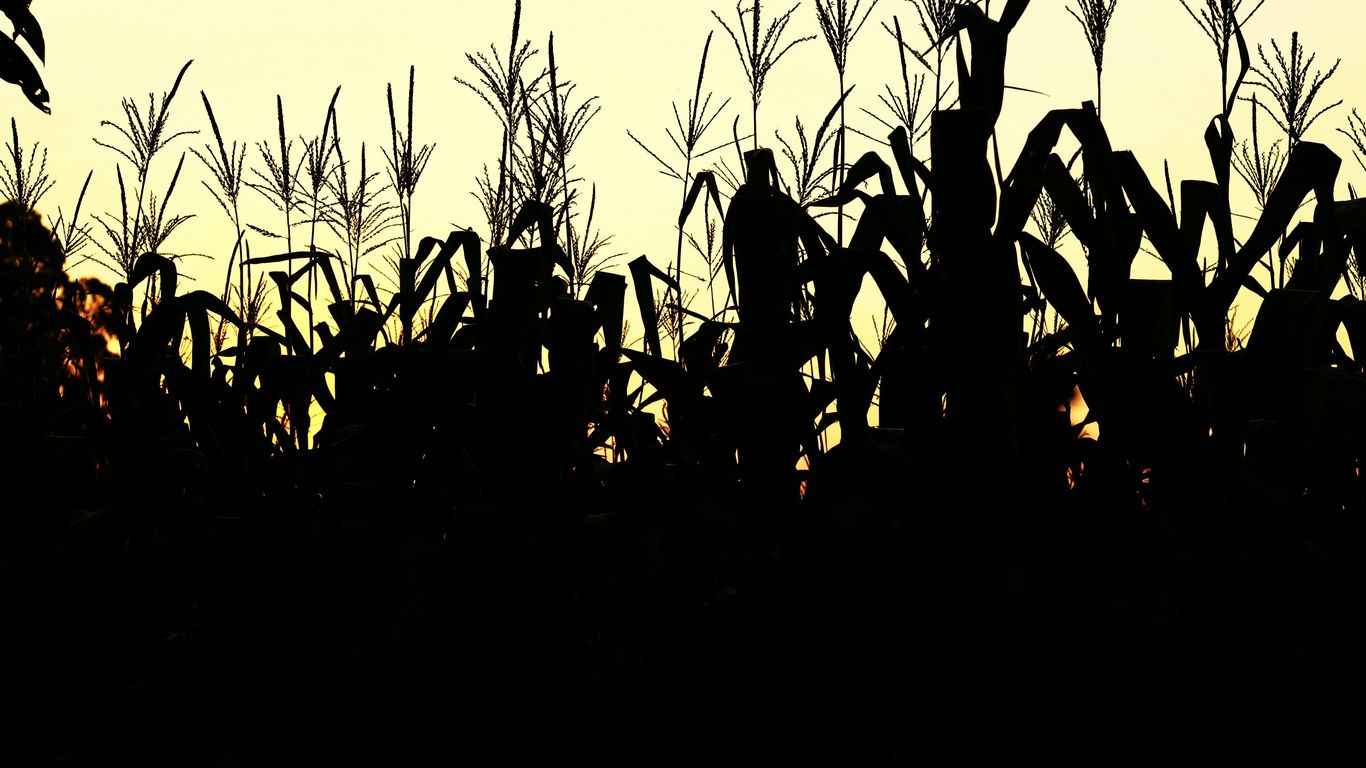
Corn is a North American native, which means it generally likes growing in our soil, and it’s way more diverse than just the sweet corn we grab at the store or the massive GMO fields you see. Think about the old-timey varieties – flint, flour, and dent corn. These aren’t always the sweetest for eating fresh, but they’re fantastic for drying and turning into staples like cornmeal, hominy, or flour. Growing your own corn can be a really rewarding way to add a substantial food source to your homestead.
If you’re thinking about corn as a long-term staple, especially the non-GMO kind, you’ll want to be able to save your own seed. This is where things can get a bit tricky. Corn is wind-pollinated, so if you live near large-scale corn farms, your saved seeds might get cross-pollinated. It’s best if you’re in an area with little to no commercial corn production. If you’re lucky enough to be in such a spot, finding pure, heirloom seeds from places that test for GMOs is a good idea.
There are six main types of corn to know about:
For homesteaders, focusing on flint, flour, or dent varieties makes the most sense if you’re aiming for a storable grain. They might not be as sweet as modern sweet corn, but their ability to dry and store for months or even years is a huge advantage for self-sufficiency.
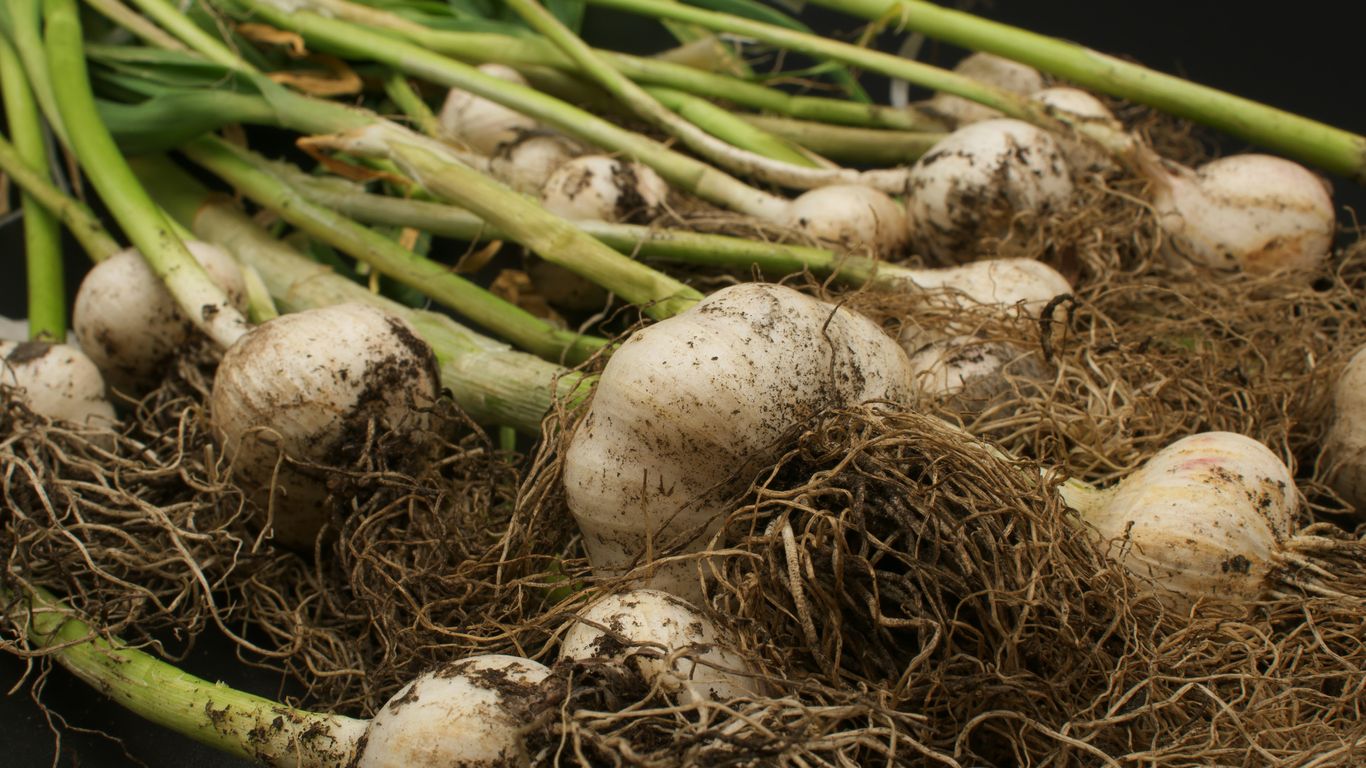
Garlic is one of those crops that just makes us feel like gardening pros, even when we’re just starting out. We plant the cloves in the fall, give them a bit of space, and then honestly, we mostly forget about them over the winter. Come summer, we’re digging up these beautiful, full bulbs and feeling pretty smug about it. It’s almost like magic!
One of the best parts about growing garlic is how little attention it demands. It doesn’t need a ton of watering, and it even helps keep some of those pesky garden bugs away. Plus, think of all the money we’ll save by not buying garlic at the store anymore. Using our own homegrown garlic in cooking? That’s a whole other level of satisfaction, and a little secret weapon in the kitchen.
Here’s a quick rundown on getting started:
We’ve found that garlic is incredibly forgiving. Even if you’re not a perfect gardener, it tends to produce a decent harvest. It’s a real confidence booster for any new homesteader looking to add some serious flavor to their pantry without a lot of fuss.
Onions are another fantastic choice for us beginners. They’re pretty forgiving and don’t demand a lot of attention once they’re established. We can grow them from sets, seeds, or even transplants, giving us options depending on how quickly we want to get started. Planting onion sets is probably the easiest way to go; you just pop them in the ground and let them do their thing.
We’ve found that onions are quite resilient. They can handle a bit of neglect and don’t usually get hit hard by pests. Plus, having a steady supply of homegrown onions means we’ll be saving money at the grocery store. Fresh onions add so much flavor to our cooking, and knowing they came from our own garden is a great feeling.
Here’s a quick rundown on how we approach growing them:
We’ve also had success with growing green onions in containers, which is a great option if garden space is limited. They grow fast and can be harvested multiple times. You can find some good tips on growing green onions if you’re interested in that route.
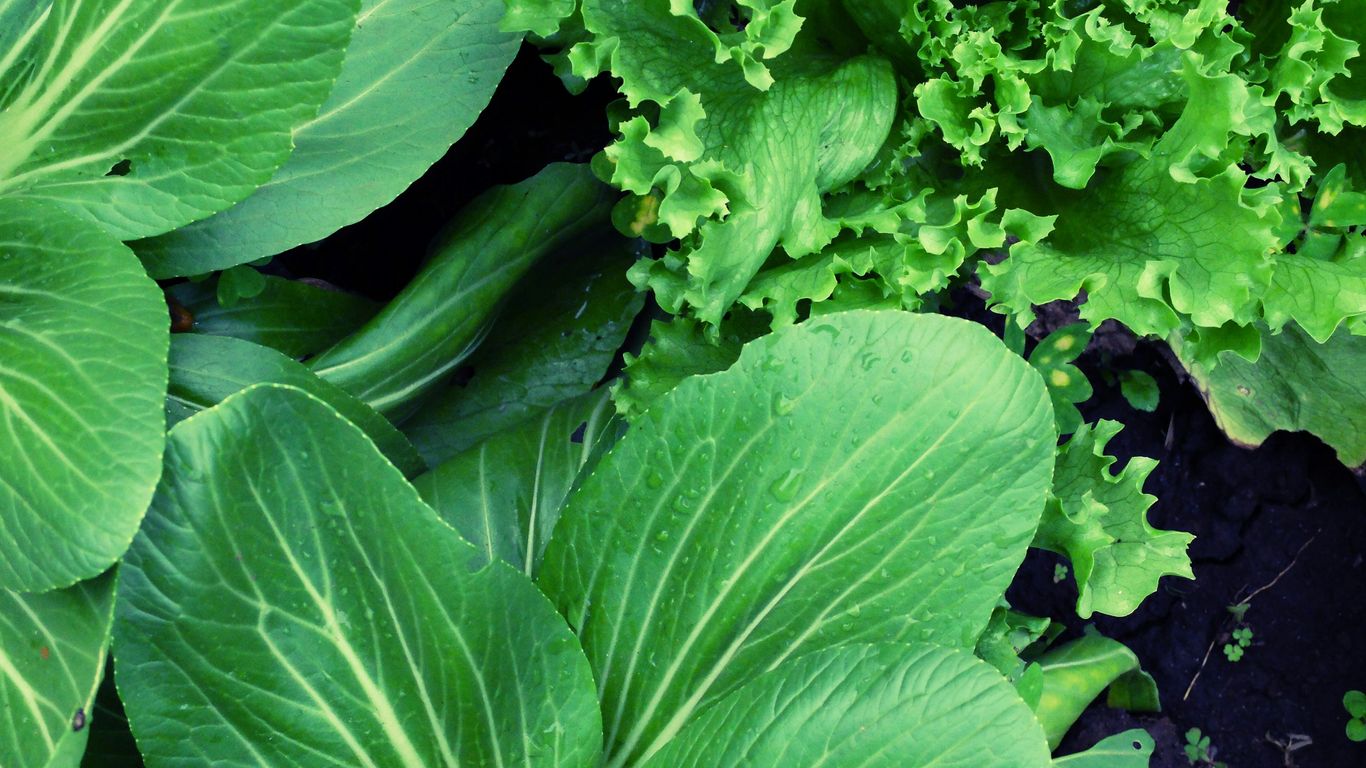
When we first started thinking about growing our own food, lettuce seemed like a no-brainer. And honestly, it really is! It’s one of those super forgiving plants that gives you a lot of bang for your buck, especially if you’re just getting your hands dirty for the first time. We love lettuce because it grows fast and doesn’t demand a whole lot of attention. You can literally sow seeds, give them a drink, and before you know it, you’ve got fresh greens.
One of the best things about lettuce is that you don’t have to harvest the whole plant at once. You can just snip off the outer leaves as you need them, and the plant will keep producing more. This means you can have a continuous supply of salad greens for weeks, maybe even months, depending on the variety and how you care for it. It’s perfect for those small garden spaces or even for growing in containers on a patio or balcony.
Here are a few tips for getting started with lettuce:
We found that planting lettuce in a spot that gets morning sun but some afternoon shade really helped extend our harvest, especially during the warmer parts of the year. It’s a simple trick that makes a big difference in keeping the leaves tender and sweet.
When we first started thinking about growing our own food, kale was one of those things that just seemed like a no-brainer. It’s a superfood, right? And it turns out, it’s also super easy to grow, which is a big win for us beginners. The best part about kale is that you don’t just get one harvest and then it’s done. You can keep picking the outer leaves, and the plant just keeps on producing more. It’s like a never-ending supply of healthy greens!
We’ve found that different varieties do better in different conditions. If you’re in a warmer spot, Lacinato kale (sometimes called dinosaur kale because of its bumpy texture) is a good choice because it handles heat pretty well. For cooler climates, most standard kales will do just fine and can even withstand a bit of frost.
Here’s a quick rundown on why we love it:
We learned pretty quickly that kale doesn’t need a ton of fuss. Just decent soil, regular watering, and a spot with some sun, and it’ll reward you. Don’t be afraid to try it, even if you think you don’t like the taste – fresh-picked kale is a whole different ballgame than the stuff you find in the grocery store.
If you’re looking for a gardening win that happens almost immediately, radishes are your new best friend. Seriously, these little guys are the ultimate confidence booster for anyone just starting out. We’re talking about going from seed to crunchy, peppery goodness in as little as three to four weeks. That’s less time than it takes to binge-watch a new series!
They don’t demand perfect soil conditions, which is a huge relief when we’re still figuring things out. Just pop the seeds in the ground, give them some water, and watch them grow. It’s pretty amazing to pull up your first harvest and realize you actually grew something edible in such a short amount of time.
Radishes are fantastic because you can eat both the root and the greens. The greens are a bit peppery, but they’re great in salads or sautéed.
We love them because they offer such quick results. It’s easy to get discouraged in gardening, but radishes give us that immediate feedback that we’re doing something right. Plus, they add a nice little bite to salads or can be enjoyed on their own.
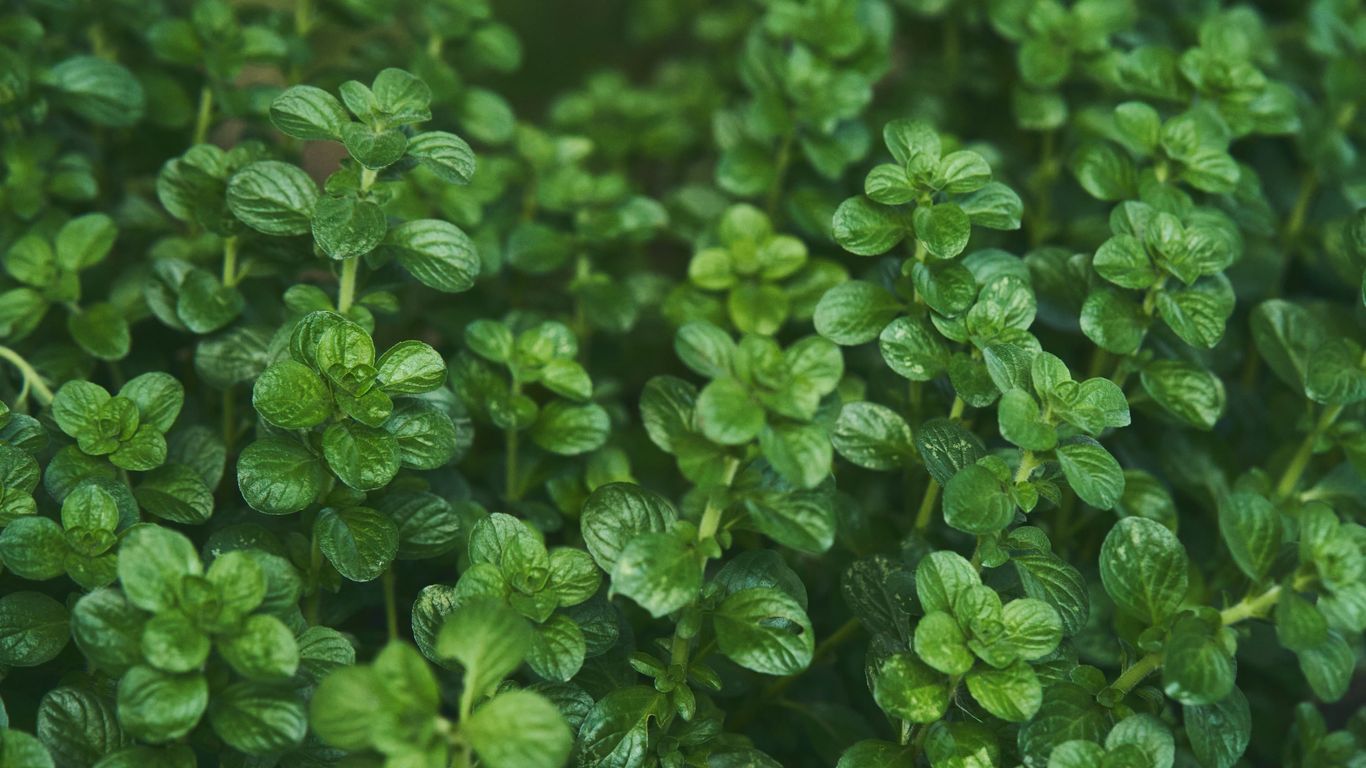
We think herbs are a fantastic addition to any beginner homesteader’s garden. They don’t take up a lot of space, and they can really elevate your cooking. Plus, many herbs have medicinal uses, making them a sort of ‘grow-your-own pharmacy.’
Growing your own herbs is surprisingly simple. You can start most of them from seed, and they’re pretty forgiving. We’ve found that annual herbs like basil, dill, and cilantro are especially easy to get going. Just pop the seeds in the ground, give them some water, and watch them sprout. It’s incredibly rewarding to snip fresh herbs right from your garden for dinner.
Here are a few of our favorites to get you started:
Don’t forget about drying your herbs! It’s a simple way to preserve their flavor for use throughout the year, especially for those that only grow for one season. Just hang bundles upside down in a cool, dry place.
If you’re looking to add a bit more variety, consider growing some perennial herbs like rosemary or thyme. They’ll come back each year with minimal fuss. For a quick start, you can often find herb starter plants at your local nursery, which is a great way to get a jump on the growing season. We’ve had good luck with kitchen herb garden kits when we wanted a variety pack.
When we think about easy-to-grow, high-yield crops for a new homestead, squash definitely comes to mind. Both summer and winter varieties are fantastic choices. Summer squash, like zucchini, grows incredibly fast. You can literally plant a couple of seeds, and before you know it, you’ll have more squash than you know what to do with. Seriously, one plant can produce enough to feed a small army, so start small! They’re pretty forgiving and just need some sun and water to thrive. We’ve found that ‘Black Beauty’ zucchini is a reliable producer for us.
Winter squash, on the other hand, offers the bonus of long-term storage. Varieties like ‘Waltham Butternut’ are known for being pest-resistant and producing a good harvest. Plus, they store well for months if cured properly, meaning you can enjoy your harvest well into the colder seasons. This makes them a staple for food security.
Here’s a quick look at why we love them:
Don’t be surprised if you find yourself giving away zucchini to neighbors and friends. It’s a common, and often humorous, side effect of growing this prolific plant. Embrace the abundance!
We’ve all seen it in bread, pasta, and pastries, but have you ever thought about growing your own wheat? It might sound like a lot of work, and honestly, it can be, but for those aiming for a more self-sufficient lifestyle, it’s a really rewarding crop. Wheat is a grass, and like most grasses, it’s pretty persistent once it gets going. There are tons of varieties out there, some that grow in cooler weather and some that prefer the heat. It’s a good idea to check with your local agricultural extension office to see what types do well in your specific area. This can save you a lot of guesswork.
We’re growing an heirloom variety called Red Fife on our place. It stores well for us and grinds up nicely in our manual grain mill. Even on a smaller scale, you can manage wheat production using some older, manual methods. It’s a process that can become a natural part of your yearly routine, and honestly, there’s something pretty special about heading out to the field with a scythe on a sunny morning.
Growing your own staple grains like wheat can feel like a big step towards true self-reliance. It connects you to the land and the food you eat in a way that’s hard to describe.
If you’re new to growing grains, consider starting with a variety known for its hardiness. Some people even find that if they have trouble with wheat, rye is a more forgiving option. It’s tough stuff and can handle less-than-ideal soil conditions. Plus, it can overwinter like a champ, giving you a head start in the spring.
Beets are a fantastic choice for us beginners because they’re pretty forgiving and give us two crops in one: the roots and the greens. We can get a good harvest even if we mess up a little. Plus, they grow relatively fast, so we don’t have to wait forever to see results.
We can plant beet seeds directly in the ground. Aim to sow them about an inch deep and an inch apart, with rows spaced around 10 inches apart. If we’re planting later in the season, like after mid-May, we might want to look into different planting methods to ensure success.
Here’s a quick rundown on why beets are great for us:
Some varieties are known for being more resistant to pests, which is always a win in our book. And get this, some beets can grow to be absolutely massive – like, 20 pounds massive! While we probably won’t be growing those giants for our dinner table, it’s pretty cool to know they exist. For most of us, sticking to standard varieties will be plenty. We can use the greens in salads or sauté them, and the roots are great roasted, pickled, or added to stews. They’re a versatile addition to our homestead pantry. You can find good quality beet seeds from many garden suppliers.
Peppers are a fantastic addition to any homesteader’s garden, offering a splash of color and a kick of flavor. While some might find them a tad more demanding than, say, a radish, we’ve found they’re totally manageable, especially if we give them what they love: warmth. Starting peppers from seed indoors a few weeks before the last frost is our go-to strategy. This gives them a head start and ensures we have sturdy little plants ready to go when the weather warms up.
We like to grow a mix of sweet bell peppers and some spicier varieties. Bell peppers are great for stuffing and adding to stir-fries, while jalapeños and serranos are perfect for salsas and hot sauces. It’s amazing how much you can produce from just a few plants!
Here are a few tips we’ve picked up:
We’ve learned that peppers can be a bit sensitive to sudden temperature changes. If we’re transplanting seedlings, we make sure to ‘harden them off’ gradually by exposing them to outdoor conditions for increasing periods over a week or so. This helps prevent shock and sets them up for success.
Don’t be afraid to experiment with different types. From the mild sweetness of a bell pepper to the fiery bite of a habanero, there’s a pepper out there for everyone. Plus, they dry and freeze really well, extending their usefulness long after the growing season ends.
Eggplant might seem a little fancy, but honestly, we find them pretty forgiving for a homestead crop. They do like warmth, so make sure you’re planting them after the last frost. We’ve had good luck with standard globe eggplants, but there are also smaller varieties like Fairy Tale or Little Fingers that are super productive and fun to grow.
The key is consistent moisture and plenty of sun. If they get too dry, they can get stressed, and nobody likes a stressed eggplant. We usually aim for at least one good watering a day, maybe more if it’s really hot.
Here’s a quick rundown of what we’ve learned:
We’ve found that once they get going, eggplants are surprisingly resilient. They might not be the absolute easiest thing to grow, but the payoff in delicious dishes like baba ghanoush or simple grilled slices makes it totally worth the effort. Plus, they look pretty cool in the garden!
Cabbage is a pretty solid choice for us beginners. It’s a cool-weather crop, which means we can often plant it in the spring or fall, and it’s surprisingly hardy. We can even leave it in the ground later into the season than a lot of other veggies, and it stores well in a cool spot like a root cellar or an unheated greenhouse. This makes it a great candidate for extending our harvest well into the colder months. Plus, think about all the possibilities: sauerkraut, coleslaw, or just roasted cabbage wedges. It’s versatile!
When we’re thinking about planting, it’s good to know that cabbage likes consistent moisture and fertile soil. We can start seeds indoors a few weeks before the last frost or sow them directly outside once the danger of hard frost has passed. Spacing is important; we usually give them about 18-24 inches between plants, depending on the variety, to allow them room to form those big, beautiful heads.
Here are a few things to keep in mind:
Cabbage is a fantastic crop for learning the ropes of vegetable gardening. Its resilience and storage potential mean we get a lot of bang for our buck, both in terms of yield and the ability to preserve our harvest.
Collard greens are a fantastic addition to any homesteader’s garden, especially if we’re looking for hardy, nutrient-dense greens that can withstand cooler weather. They’re related to kale and cabbage but often have a milder flavor, making them super versatile in the kitchen. One of the best things about collards is their resilience; they can often survive light frosts, extending our harvest season well into the fall and even early winter in some climates.
When we’re planting collards, we want to give them some space. Aim for about 18 inches between plants, and make sure the soil is rich and drains well. Adding compost before planting is always a good idea. We can start them from seed indoors a few weeks before the last frost, or sow them directly in the garden once the soil has warmed up a bit. They do appreciate consistent moisture, so regular watering is key, especially when they’re young.
Harvesting collards is pretty straightforward. We can pick the outer leaves as needed, which encourages the plant to keep producing more from the center. This
We absolutely love sunflowers on our homestead. They’re not just pretty to look at; they’re incredibly useful. For starters, they produce tons of seeds, which are great for us to eat and also for feeding our chickens. Plus, those seeds mean we can easily grow more sunflowers next year without buying new ones.
Beyond the seeds, sunflowers are fantastic for attracting pollinators to our garden. More bees and butterflies mean better pollination for all our other crops, leading to a more productive garden overall. It’s a win-win situation.
Here’s why we think they’re a great choice for beginners:
We find that planting a few rows of sunflowers around the edges of our garden really helps bring in the beneficial insects. It’s a simple step that makes a big difference in our overall harvest. If you’re looking to boost your garden’s health and get a tasty snack, sunflowers are definitely worth considering for your survival garden.
We’ve found millet to be a surprisingly easy grain to grow, especially if we’re looking for something that doesn’t demand a lot of attention. Honestly, it started for us by accident when some seed we’d put out for the ducks sprouted on its own. Even with zero care, it grew thick and produced a good amount of seed. Since we use millet in our cooking pretty often, deciding to plant it on purpose this year was a no-brainer.
Millet really shines in drier climates and doesn’t need much fuss. It’s been a staple food in parts of Africa, India, and East Asia for thousands of years, which tells you something about its hardiness. We’re planning to try a Japanese variety this spring to add to our food stores.
Here’s a quick rundown of why we like it:
It’s worth noting that if you’re looking to save seed for next year, you’ll want to make sure you get hulled millet, as some processed versions won’t sprout. We’ve had good luck finding it from suppliers who sell cover crops or even from bulk food stores that sell whole grains.
We’ve seen sorghum around, maybe in birdseed mixes or even as broom corn, but did you know there are edible varieties? This grain is a real workhorse, especially if you live somewhere with hot summers. It grows fast and tall, looking a bit like corn until its seed heads appear. It’s surprisingly easy to grow and harvest, making it a solid choice for beginners.
Sorghum really thrives in heat and doesn’t need a ton of fuss. It’s been a staple food in parts of Africa for thousands of years, and for good reason. The grain itself has a pleasant, slightly sweet taste and a texture that works well in various dishes once it’s processed.
Growing Tips:
While it might look like just another tall grass, sorghum offers a nutritious grain that can be ground into flour or used whole. It’s a fantastic option for adding diversity to our homestead food stores, especially in warmer climates where other grains might struggle.
We’ve found that processing the grain involves drying the heads thoroughly and then threshing them to separate the seeds. From there, it can be ground into flour for baking or cooked as a porridge. It’s a bit of work, but the payoff in self-sufficiency is totally worth it.
Barley is another grain that we’ve been looking into for our homestead. It’s pretty hardy and can grow in a variety of conditions, which is a big plus when you’re just starting out and figuring out what works best on your land. We’ve heard it’s a good option if you’ve had trouble with wheat, as it’s known for being tough.
When we were researching, we found that getting hulled barley is important if you want to be able to sprout it for future planting. A lot of the barley you find in stores has been pearled, and that process removes the hull and kills the seed, making it impossible to grow. So, keep an eye out for "pot" barley or look for it in seed catalogs, maybe even in the cover crop section. It might take a little digging to find viable seed, but it could be worth it for a reliable grain crop.
Here’s a quick look at some general growing info:
Growing your own grains like barley can feel like a big step towards self-sufficiency. It’s a process that connects you to the land in a really tangible way, from planting the seed to eventually harvesting and milling your own flour. It might seem a bit daunting at first, but breaking it down into manageable steps makes it totally doable.
We’ve talked a lot about grains, and oats are another solid contender for your homestead. They’re pretty forgiving and can grow in a variety of conditions, which is always a plus when you’re just starting out. Think of them as a hardy, reliable grain that doesn’t demand too much fuss.
Growing oats can be a rewarding experience, providing us with a versatile grain for our kitchen. We’ve found that they do well even in less-than-ideal soil, which is great because not all of our land is perfect. Plus, they’re a fantastic cover crop if you decide to let a section of your garden rest for a season. It helps keep the soil healthy and prevents weeds from taking over.
Here’s a quick rundown on why we like oats:
When we first started, we were a bit intimidated by growing grains. It seemed like a lot of work compared to, say, planting some beans. But oats are surprisingly straightforward. You just need to get your seeds in the ground at the right time – usually early spring or fall, depending on your climate. Harvesting involves cutting the stalks when the grain is mature and then threshing it to separate the kernels. It’s a process, for sure, but it’s totally doable on a small scale.
We’ve learned that even if you don’t have perfect conditions, oats can still give you a decent harvest. It’s all about experimenting and seeing what works best on your own land. Don’t be afraid to try something new; that’s how we discover our favorite homestead crops.
While rice might seem like a crop that’s out of reach for the average homesteader, especially if you don’t live in a tropical climate, we’ve found it’s more adaptable than you might think. Many varieties can be grown in temperate zones, and some even tolerate cooler weather. It’s a staple for a huge portion of the world’s population for a reason – it’s filling, nutritious, and stores well.
Growing rice can be a bit different from other grains we’ve discussed. It often requires a good amount of water, so consider if you have a suitable spot. Some methods involve flooding the fields, while others can be grown in drier conditions, sometimes called ‘upland rice’.
Here’s a quick look at what we’ve learned:
We’ve found that experimenting with different rice varieties is key to success on our land. Some types might surprise you with how well they adapt. It’s definitely a crop worth exploring if you’re looking to diversify your staple food production.
Quinoa might sound a bit fancy, but we’ve found it’s actually a pretty straightforward grain to grow, even for us beginners. It’s a pseudo-grain, meaning it’s not technically a grass like wheat or corn, but it’s used in much the same way. This makes it a fantastic gluten-free option for our homestead pantry.
We were a little intimidated at first, thinking it would be tricky, but it turns out quinoa is quite hardy. It can handle a variety of soil types and doesn’t need a super long growing season, which is a bonus for us. Plus, the plant itself looks kind of cool with its feathery seed heads. We’ve been experimenting with it, and it’s been a rewarding addition to our food crops.
Here’s a quick rundown of what we’ve learned:
It’s a great way to diversify our grain supply and add a nutritious staple to our meals. If you’re looking for a grain that’s a bit different but still manageable, give quinoa a try.
When we talk about expanding our homestead’s food sources, we often think about the usual suspects like beans, corn, and potatoes. But there’s a whole world of other possibilities out there, especially if we look to trees and less common grains. Chestnuts, for instance, are a fantastic option. These nuts are packed with carbs and can produce a good harvest every few years. We’ve found them to be pretty straightforward to grow and even simpler to harvest. Plus, they can be eaten fresh or transformed into chestnut flour, which opens up a lot of baking doors. You can find more details on how to handle them here.
Beyond chestnuts, we’ve also experimented with acorns. Yes, the same things that fall from oak trees and send squirrels into a frenzy. Native American cultures have a long history of using acorns, and with the right processing, they become a nutritious and versatile food. The main thing is leaching out the tannins, which can be a bit of a process, but the resulting acorn meal is quite good. The best part? You don’t even need to plant them if you have oak trees on your land. They’re a perennial crop that keeps on giving for decades.
We’ve also dabbled with grains like millet and sorghum. Millet is surprisingly easy to grow and doesn’t demand much attention, making it a good choice if you’re looking for low-maintenance crops. Sorghum is another grain that can be quite productive. These less common grains can add a lot of variety to our pantry and offer different nutritional profiles compared to wheat.
Growing a diverse range of crops, including nuts and less common grains, can significantly boost our self-sufficiency. It’s about exploring beyond the typical garden vegetables and embracing what nature provides or what can be cultivated with a bit of extra effort.
It’s all about trying new things and seeing what works best for our specific location and our family’s needs. Don’t be afraid to plant a few experimental crops each year; you might be surprised at what becomes a new homestead staple.
So, there you have it! We’ve talked about some pretty easy-to-grow crops that should get us all started on our homesteading adventures. Remember, things might not go perfectly the first time, and that’s totally fine. We’re all learning as we go, and honestly, the best way to figure things out is just to jump in and try. Pick a few things that sound good to you and that you actually like to eat, because that’s half the battle. Happy growing, everyone!
For us beginners, plants like lettuce, radishes, and kale are super simple to grow. They don’t need a lot of fuss, grow pretty quickly, and can handle a bit of neglect. Potatoes are also a fantastic choice because they’re quite forgiving and can even be grown in containers if space is tight.
It’s often best for us new homesteaders to steer clear of plants that take a really long time to grow, like Brussels sprouts or broccoli. Also, some plants, like peppers and eggplant, need consistently warm weather, which can be tricky. Plants that need a lot of nutrients might struggle if our soil isn’t perfect yet.
To get a good idea of what works best for us, we should spend some time observing our land. See where the sun shines the most and where water tends to flow. It’s also a really good idea to contact our local cooperative extension office; they can often help us test our soil and give us advice specific to our area.
Definitely not! When we’re starting our garden, it’s way better for us to invest in good quality seeds. Think of it as a foundation for our plants. Cheaper seeds might not grow as well or might be more prone to problems, so spending a little more upfront can save us a lot of heartache later.
It’s really important for us to grow things we actually like to eat! If we’re excited about harvesting and eating what we’ve grown, it makes the whole experience much more rewarding. Also, paying attention to where we plant things – considering sunlight and water – is a big help.
Yes, we absolutely can! Beans, especially dry beans, are great because they store well. Wheat might seem intimidating, but it can be grown and harvested using simpler methods. It’s all about finding the right varieties for our area and being patient as we learn the process.
 March 7, 2026
How to Turn Food Preservation Into a Side Hustle
Canning
Homestead Kitchen
Homesteading
Sustainable Living
March 7, 2026
How to Turn Food Preservation Into a Side Hustle
Canning
Homestead Kitchen
Homesteading
Sustainable Living
We've all got those hobbies or skills that we love doing, right? Maybe it's baking, gardening, or even making your own jam. What if we told you that you could turn those passions into a little extra cash? It might...
Read More March 7, 2026
High-Output Crops Perfect for Micro Homesteads
Gardening
Homestead Planning
Homesteading
Starting a Homestead
March 7, 2026
High-Output Crops Perfect for Micro Homesteads
Gardening
Homestead Planning
Homesteading
Starting a Homestead
Thinking about growing your own food but only have a little space? We get it. Many of us are looking for ways to be more self-sufficient, even if we don't have acres to work with. The good news is, you...
Read More March 6, 2026
10 Low-Cost Homestead Side Hustles That Make Money
Homestead Planning
Homesteading
Starting a Homestead
March 6, 2026
10 Low-Cost Homestead Side Hustles That Make Money
Homestead Planning
Homesteading
Starting a Homestead
We all dream of a simpler life, right? One where we're more connected to the land and the seasons. But let's be real, that dream needs some funding. That's where low cost homestead side hustles come in. These aren't about...
Read More