



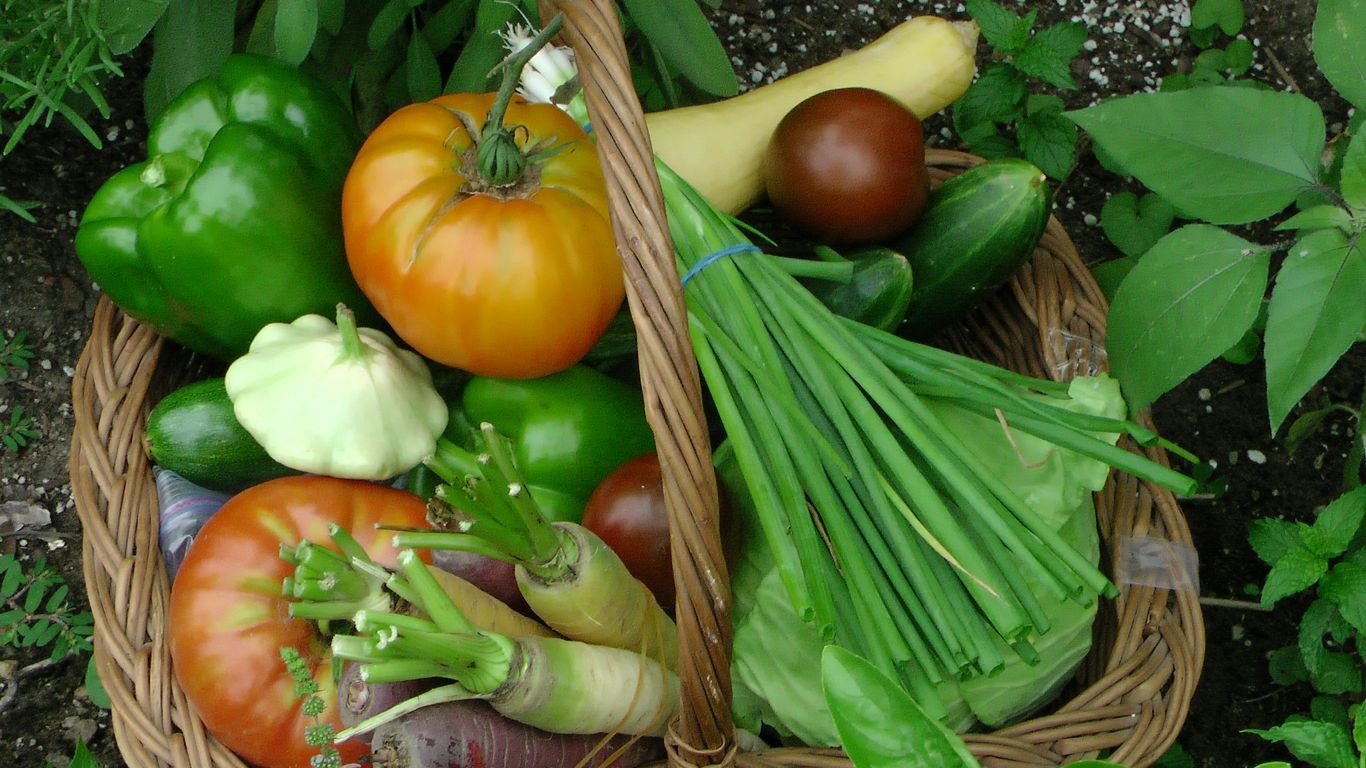
We’ve all been there – you plant a garden, or maybe you just hit the farmer’s market a little too hard, and suddenly you’re staring down a mountain of fresh produce. It’s a good problem to have, right? But what do you do with all those extra fruits and veggies before they go bad? We’ve put together some of our favorite uses for extra produce that will help you cut down on waste and enjoy your harvest.
When we have a mountain of fruit that’s just about to go soft, our go-to move is to toss it straight into the freezer for future smoothies. It’s honestly one of the easiest ways to use up a big harvest, especially berries, bananas, and stone fruits. You don’t even need to chop most things; just wash, dry, and freeze them in a single layer on a baking sheet before transferring to a freezer bag. This stops them from clumping together.
We like to make little smoothie packs. Just grab a freezer bag and toss in your chosen fruits, maybe some spinach if you have extra greens, and a bit of ginger or turmeric if you’re feeling fancy. When you’re ready for a drink, dump the contents into the blender, add your liquid of choice (water, milk, yogurt, or juice), and blend away. It’s a fantastic way to get a healthy breakfast or snack without much fuss. Plus, using frozen fruit means you don’t need to add ice, resulting in a thicker, more flavorful smoothie.
Here are some of our favorite fruit combinations:
Freezing fruit whole is a simple trick that saves time and prevents waste. It’s a game-changer for busy mornings when you need something quick and nutritious.
This method is perfect for using up those fruits that are just a little too ripe for eating fresh but still have plenty of flavor. We’ve found that almost any fruit works well, though some, like strawberries, can get a bit mushy when thawed. However, in a smoothie, that texture difference is completely unnoticeable. For more ideas on preparing fruit for smoothies, check out this guide on healthy smoothie packs.
We all know that feeling when the produce drawer is overflowing, right? Instead of letting those sad-looking carrots and celery stalks go to waste, we can turn them into a fantastic base for so many dishes: vegetable stock. It’s surprisingly easy and way better than anything you can buy in a box.
Think of all those bits and bobs you usually toss: onion skins, carrot peels, celery ends, herb stems, even those slightly wilted greens. They all have flavor! We just collect them in a bag in the freezer until we have enough to make a batch. This is a game-changer for reducing food waste and saving money.
Here’s a basic rundown of what we usually toss into our stockpot:
We try to avoid starchy vegetables like potatoes, as they can make the stock cloudy and a bit gummy. Also, cruciferous veggies like broccoli or cabbage can sometimes give the stock a strong, slightly bitter taste, so we use those sparingly or skip them.
Making your own stock is a simple yet powerful way to use up produce that might otherwise end up in the bin. It’s a foundational ingredient that elevates soups, stews, risottos, and sauces, giving them a depth of flavor you just can’t get from water alone.
Once we have a good collection of scraps, we just toss them into a big pot, cover them with water, add a bay leaf or two if we have them, and let it simmer for at least an hour, or even longer for a richer flavor. Then, we strain it all out, and voilà! We have liquid gold ready to be used or frozen for later. It’s a simple process that makes a big difference.
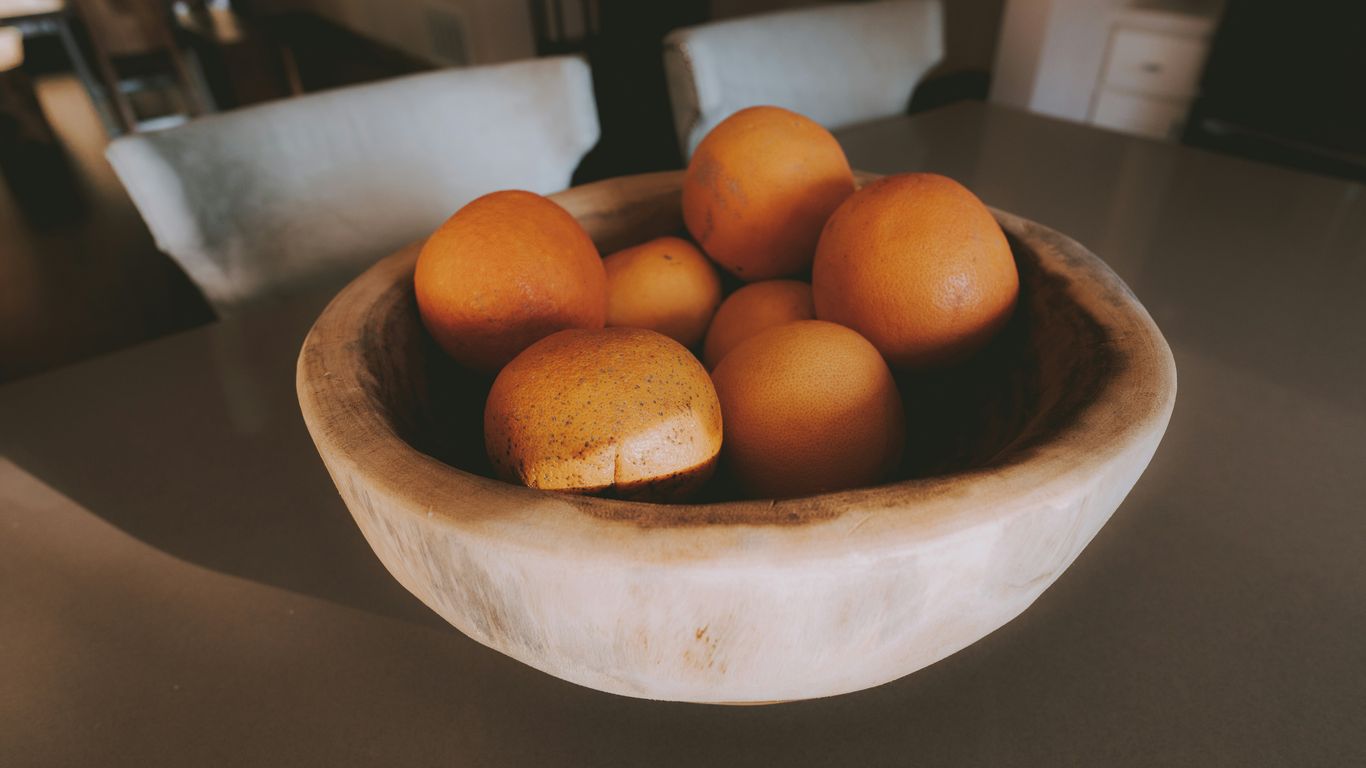
When we have a surplus of fruit, making a compote is one of our go-to methods. It’s super simple and lets the natural sweetness of the fruit shine through. Think of it as a slightly looser, less set version of jam, perfect for spooning over yogurt, pancakes, or ice cream. We usually aim for a consistency that’s thick but still pourable.
Here’s a basic idea of how we put it together:
We find that compote is incredibly forgiving. If it’s too thin, just simmer it a bit longer. If it gets too thick, a little extra liquid will loosen it right up. It’s a great way to use up fruit that might be a little past its prime for eating raw but still has plenty of flavor.
When we have a surplus of veggies, pickling is one of our favorite ways to preserve them. It’s not just about cucumbers, either! Think about carrots, radishes, onions, green beans, and even cauliflower. Pickling transforms them into a tangy, crunchy treat that’s great on sandwiches, salads, or just eaten straight from the jar.
Making quick pickles is surprisingly simple. You basically create a brine – a mix of vinegar, water, sugar, and salt – and pour it over your prepared vegetables. The magic happens as they sit in the fridge, soaking up all those delicious flavors. We often use a combination of white vinegar and apple cider vinegar for a nice balance. Adding spices like dill seeds, mustard seeds, peppercorns, and a clove of garlic really kicks things up a notch.
Here’s a basic idea of what goes into a simple brine:
We like to add a few sprigs of dill and some peppercorns to the jar before pouring the brine over sliced cucumbers and red onions. They’re usually ready to eat in about 24 hours, but they get even better after a few days. It’s a fantastic way to use up those extra veggies and have a zesty condiment on hand. You can find more detailed instructions on how to make quick-pickled vegetables if you want to give it a try.
When we have a surplus of fruit, especially berries, apples, or stone fruits, making a fruit crisp is a fantastic way to use them up. It’s a simple, comforting dessert that lets the natural sweetness of the fruit shine. We usually go for a mix of whatever’s in season or whatever’s about to turn.
The magic really happens with the topping. We like to make ours with a blend of rolled oats, flour, brown sugar, and a good amount of butter. Some cinnamon or nutmeg mixed in adds a lovely warmth. For a bit of crunch, we sometimes toss in some chopped nuts like pecans or walnuts.
Here’s a basic ratio we often use for the topping:
We just mix the dry ingredients together, then cut in the cold butter with our fingers or a pastry blender until it looks like coarse crumbs. Then, we spread our prepared fruit (tossed with a little sugar and maybe some cornstarch if it’s very juicy) into a baking dish, top it with the crumble mixture, and bake until it’s bubbly and golden brown. It’s perfect served warm with a scoop of vanilla ice cream or a dollop of whipped cream.
This dessert is incredibly forgiving. Don’t stress too much about exact measurements for the topping; it’s hard to get wrong. The fruit filling can also be adapted to whatever you have on hand. Just make sure it’s sweet enough, and if it’s a bit watery, a tablespoon or two of cornstarch or flour can help thicken it up during baking.
Got a bunch of bananas that are looking a little too spotty for your liking? Don’t toss them! Overripe bananas are actually perfect for baking, especially for banana bread. Their sweetness and soft texture blend right into the batter, making for a moist and flavorful loaf. We usually just mash them up with a fork and mix them in.
It’s a fantastic way to use up those bananas that are past their prime for eating raw. You can even freeze overripe bananas (peeled, of course!) until you’re ready to bake. Just pop them in a freezer bag and pull them out when a banana bread craving strikes.
Here’s a simple way we like to make it:
This recipe is super forgiving. Feel free to add in chopped nuts, chocolate chips, or even a sprinkle of cinnamon for extra flavor. It’s a classic for a reason!
When we end up with a mountain of apples, apple butter is one of our go-to solutions. It’s like a super-concentrated, spiced apple sauce that’s incredibly versatile. We love slathering it on toast, stirring it into oatmeal, or even using it as a base for baked goods. Making it is pretty straightforward, though it does take a bit of time simmering on the stove.
Here’s a basic rundown of how we usually make it:
The key to great apple butter is patience. It needs that long, slow cook to develop its deep flavor and thick texture. We usually aim for a consistency that’s like thick peanut butter. It’s a wonderful way to preserve the taste of fall apples long after the season is over.
We’ve all got that one vegetable that seems to multiply in the fridge, right? For us, it’s often cauliflower. When we end up with a surplus, one of our favorite tricks is to turn it into cauliflower rice. It’s surprisingly versatile and a fantastic way to lighten up a meal or sneak in some extra veggies.
Making cauliflower rice is super simple. You can either use a food processor to pulse the florets until they resemble rice grains, or if you’re feeling a bit more rustic, a box grater works too. Just be careful not to over-process, or you’ll end up with mush instead of rice!
Here are a few ways we like to use it:
Don’t toss those cauliflower leaves either! They’re perfectly edible and can be cooked up just like other greens, adding another layer of flavor to your meals.
It’s a game-changer for using up extra cauliflower, and honestly, once you start making it, you’ll find yourself reaching for it more often than you’d think.
Got a surplus of potatoes? Don’t let them languish in the pantry! We can turn those spuds into something delicious with potato cakes. They’re a fantastic way to use up a big harvest, especially if you have some leftover mashed potatoes from a previous meal.
Making potato cakes is pretty straightforward. You’ll want to start with cooked potatoes, whether they’re boiled, baked, or even leftover mashed. If you’re using whole potatoes, mash them up well. Then, we add a binder to help them hold their shape. A common ratio is about one large egg and two tablespoons of flour for every two pounds of potatoes, which helps them stick together without getting too dense. Season them however you like – salt and pepper are a must, but you could add chives, garlic powder, or even a pinch of paprika for a little kick.
Here’s a basic rundown:
These cakes are super versatile. We love them as a side dish, a breakfast item alongside eggs, or even as a base for toppings like sour cream and chives. They’re a great way to give humble potatoes a new life and make a satisfying meal out of something you might otherwise forget about. For a good binding agent, remember the egg and flour ratio to keep things from falling apart.
When life gives us lemons, we make lemonade! It sounds cliché, but it’s true, especially when we’ve got a surplus of citrus. Making your own lemonade is surprisingly simple and way more satisfying than anything from a carton. We love using a basic syrup and fresh lemon juice for that perfect tart-sweet balance.
It’s a fantastic way to use up a bunch of lemons or limes that are looking a little sad. You can even freeze lemon slices to pop into your drinks later, adding a burst of flavor and a nice chill. If you’re feeling adventurous, try adding other fruits like berries or mint to the mix for a unique twist.
Here’s a super simple way we like to make it:
We’ve found that using a simple syrup instead of just sugar makes for a much smoother, less gritty lemonade. It dissolves completely, giving you a consistent flavor throughout.
For a really quick and easy version, check out this Meyer lemonade recipe. It’s a lifesaver on a hot afternoon!
We all have those bits of bread hanging around, right? The heels, the slightly stale slices we forgot about, maybe even some leftover rolls. Instead of tossing them, we can turn them into something super useful: breadcrumbs! It’s a fantastic way to cut down on food waste and have a handy ingredient ready for all sorts of dishes.
Making your own breadcrumbs is surprisingly simple. Just let your bread get a little dry – not moldy, just not fresh. Then, you can either tear it into pieces and pulse it in a food processor until you get the texture you want, or grate it using a box grater. For finer crumbs, a quick whirl in the processor is best. If you don’t have a food processor, don’t worry! You can also dry the bread out in a low oven and then crush it in a sturdy plastic bag with a rolling pin.
We love using breadcrumbs as a crunchy topping for casseroles and pasta bakes, or even mixed with a little cheese and herbs for a quick gratin. They’re also great for adding texture to meatballs or veggie burgers, helping to bind them together. You can even toast them lightly and use them as a salad topping instead of croutons.
Here are a few ideas for what to do with your homemade breadcrumbs:
Stale bread, whether it’s white, whole wheat, or even sourdough, can be transformed. Just make sure it’s dry but not hard as a rock. If it’s too soft, it’ll turn into paste. If it’s too hard, you might need a more powerful blender or food processor.
When we end up with a surplus of oats, nuts, or seeds, making our own granola is always a go-to. It’s surprisingly simple and way better than most store-bought options. Plus, you get to control exactly what goes in it. We usually start with a base of rolled oats, then toss in whatever nuts and seeds we have on hand – almonds, walnuts, pumpkin seeds, sunflower seeds, you name it. A little bit of sweetener, like honey or maple syrup, and some oil (coconut or vegetable works well) helps everything get nice and toasty in the oven. Don’t forget a pinch of salt to bring out the flavors!
Here’s a basic idea of what we toss in:
We spread it all out on a baking sheet and bake it at around 300°F (150°C) for about 20-25 minutes, stirring halfway through. The key is to watch it closely so it doesn’t burn. Once it’s golden brown and smells amazing, we let it cool completely. This is when we stir in any dried fruit, like raisins or cranberries, so they don’t get too hard. It’s perfect for breakfast with yogurt or just by the handful as a snack. You can find a simple homemade granola recipe if you need a starting point.
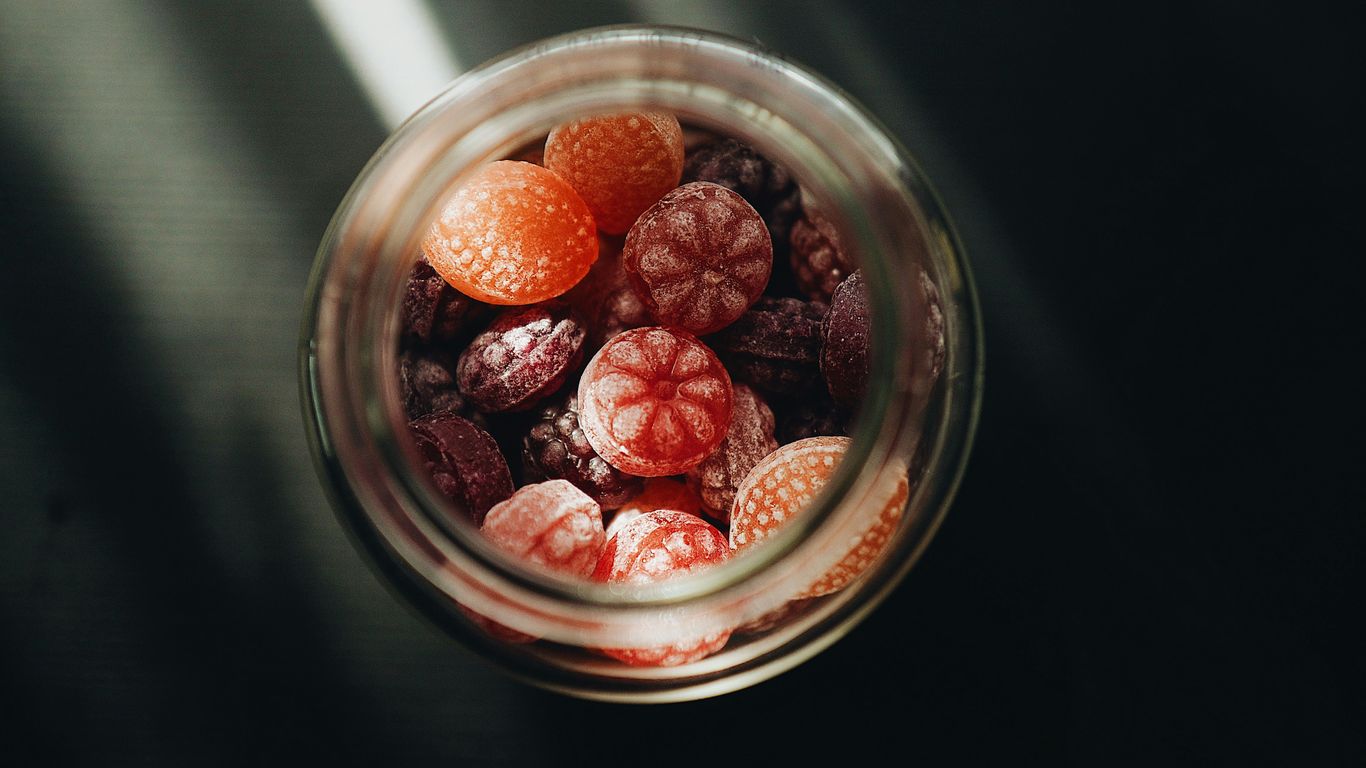
When we have a surplus of fruit, making a bright and tangy fruit curd is a fantastic way to preserve that flavor. It’s surprisingly simple and incredibly versatile. Think of it as a rich, smooth custard made primarily from fruit juice, sugar, eggs, and butter.
We usually make ours with lemons, but you can adapt this for limes, oranges, or even berries like raspberries or passionfruit. The tartness of the fruit cuts through the richness of the butter and eggs, creating a balanced treat.
Here’s a basic idea of how we put it together:
Fruit curd is amazing spread on toast, scones, or pancakes. We also love swirling it into yogurt, using it as a filling for tarts or cakes, or even dolloping it onto ice cream. It really brightens up any dessert!
When we have a surplus of veggies, making a big pot of vegetable soup is always a winner. It’s such a flexible dish, perfect for using up those odds and ends that might otherwise go to waste. Think about all those carrots that are starting to get a bit soft, or that half an onion and a lonely celery stalk in the crisper drawer. They all have a place in the soup pot!
We like to start by sautéing some aromatics like onions, garlic, and celery. Then, we toss in whatever vegetables we have on hand. Root vegetables like potatoes, carrots, and parsnips add heartiness, while greens like spinach or kale can be stirred in towards the end. Don’t forget about those leftover cooked grains or beans – they can bulk up the soup nicely. A good vegetable stock is the backbone of any great soup, so if you have homemade stock, even better! If not, a good quality store-bought one works too. We often add leftover wine to our soups for an extra layer of flavor.
Here’s a basic idea of what we throw in:
We find that blending part or all of the soup can create a wonderfully creamy texture without needing any dairy. It’s a great way to make those slightly sad-looking vegetables taste amazing.
This hearty soup is a fantastic way to eat your vegetables and feel good about reducing food waste. It’s also incredibly satisfying, especially on a cooler day. You can find more ideas for using up root vegetables in a hearty root vegetable soup.
When we have a surplus of tomatoes, peppers, or even herbs like basil, making a big batch of pasta sauce is always a good idea. It’s one of those versatile staples that we can freeze and pull out on busy weeknights. We like to start by sautéing some onions and garlic, then add our chopped tomatoes and any other veggies we have on hand. A good splash of olive oil and some Italian herbs like oregano and basil really bring it all together.
We find that using a mix of ripe tomatoes gives the best flavor. If we have a lot of peppers, we’ll roast them first to deepen their sweetness before adding them to the sauce. For an extra kick, a pinch of red pepper flakes works wonders. We also sometimes sneak in other vegetables like zucchini or carrots, which just blend in and add extra nutrients.
Here’s a basic idea of how we put it together:
We often add a bit of tomato paste for richness, and sometimes a splash of red wine if we’re feeling fancy. Once it’s cooled, we portion it into freezer-safe containers or bags. This way, we have homemade pasta sauce ready to go whenever the craving strikes. It’s a great way to use up those garden goodies and have a delicious meal ready in minutes. You can even add roasted peppers to make a flavorful red pasta sauce [7bdc].
Freezing sauce in smaller portions makes it easy to thaw just what we need for a single meal. We also like to make a big batch of pesto with extra basil and freeze that in ice cube trays to add a burst of fresh flavor to our pasta later on.
When we have a bumper crop of fruit, turning it into jelly is a fantastic way to preserve that sweetness for months to come. It’s not as complicated as you might think, and the results are so rewarding. We love making jelly because it captures the pure flavor of the fruit without any of the pulp or seeds, giving us a clear, vibrant spread.
Making jelly is all about extracting the juice and then cooking it with sugar until it reaches that perfect, wobbly consistency. The natural pectin in fruits like apples, grapes, and berries is what helps it set. If your fruit is a bit low on pectin, a little lemon juice can often do the trick to help it along.
Here’s a basic idea of how we approach it:
We’ve found that using fruits like Concord grapes or even tart apples works wonderfully for jelly. It’s a great way to use up fruit that might be a little too soft for eating fresh but still packed with flavor. Plus, homemade jelly makes for a really thoughtful gift!
The beauty of jelly is its clarity and concentrated flavor. It’s perfect for spreading on toast, scones, or even as a glaze for meats. We’ve had great success using ripe apricots for a beautiful, jewel-toned jelly that’s just divine.
When we have a surplus of fruit, baking is always a fantastic option. It’s a wonderful way to transform those ripe, maybe slightly bruised, fruits into something truly special. Think about cobblers, crumbles, pies, and cakes. We love using up apples, berries, peaches, and even pears in these kinds of treats.
Don’t let a few soft spots stop you; they often add even more flavor to baked goods. For instance, slightly overripe bananas are practically begging to be mashed into a moist banana bread or muffins. Similarly, berries that are past their prime for fresh eating are perfect for a bubbling fruit crisp or a rustic pie.
Here are a few ideas to get you started:
Baking with excess produce is a rewarding way to reduce waste and create delicious treats. It’s a chance to get creative in the kitchen and enjoy the sweet rewards of your harvest.
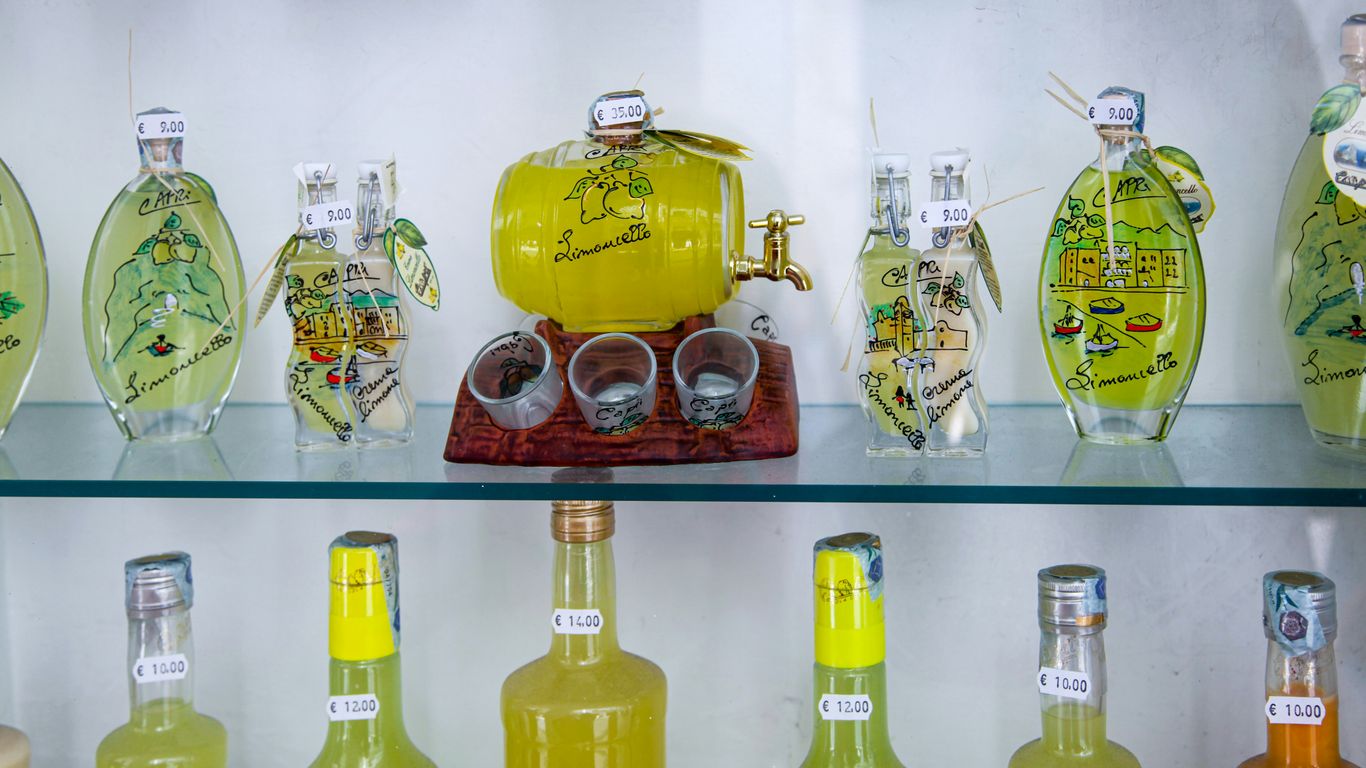
Got a ton of fruit that’s just sitting there? We can turn that into something special: a homemade fruit liqueur. It’s a fantastic way to preserve the taste of summer and have a little something extra for guests, or just for ourselves.
Making fruit liqueur is surprisingly simple. You basically just need your fruit, some sugar, and a good quality spirit like vodka or brandy. The alcohol does the work of extracting the flavor and also acts as a preservative, meaning you don’t have to worry too much about canning or sealing.
Here’s a basic idea of how we can do it:
We can adjust the sweetness and the type of fruit to create all sorts of unique flavors. Think raspberry, cherry, or even a mixed berry blend. It’s a fun project that yields a delicious and impressive result.
Don’t toss those citrus peels after you’ve squeezed out all the juice! We can turn them into a sweet, chewy treat that’s perfect for snacking or adding a little something special to baked goods. Candied citrus peel is surprisingly simple to make, and it’s a fantastic way to use up every last bit of your lemons, oranges, or grapefruits.
First, we need to get rid of some of the bitterness. We do this by blanching the peels. Cut your citrus into quarters, remove the pulp, and then cut the peel into strips about a quarter-inch wide. Place these strips in a pot, cover them with water, and bring to a boil. Drain them, and repeat this process two or three times. This step is key to a pleasant flavor.
After blanching, we simmer the peel strips in a sugar syrup. A good starting ratio is about one cup of water to one cup of sugar for every cup of citrus peel. Bring this mixture to a simmer and let it cook until the peels look translucent and are tender. This usually takes about an hour, but keep an eye on it. You want the syrup to thicken up nicely.
Once they’re done simmering, we drain the peels, reserving the delicious citrus-infused syrup for other uses – maybe in cocktails or drizzled over pancakes! Then, we lay the peels out on a wire rack to dry slightly. For an extra touch, you can roll the slightly sticky peels in granulated sugar. Let them air dry completely on the rack, which can take a few hours or even overnight.
Storing your candied citrus peel is easy. Once they’re fully dry, we can keep them in an airtight container at room temperature for a couple of weeks. For longer storage, they can be popped into the fridge. They’re great just as they are, or chopped up and added to cookies, cakes, or even sprinkled on top of ice cream.
Got a ton of extra produce and wondering what to do with it all? Don’t toss those seeds! Many fruits and vegetables can be turned into seed starters, giving you a head start on next year’s garden. It’s a fantastic way to reduce waste and grow even more food.
Think about those bell peppers, tomatoes, cucumbers, and squash. Most of them are packed with seeds that are perfectly viable for planting. We just need to get them out, clean them up, and dry them properly. It’s not complicated at all, and honestly, it feels pretty rewarding to see those little seeds sprout.
Here’s a simple way we like to do it:
We’ve found that seeds stored this way can remain viable for several years, meaning you’ll have a steady supply for future planting seasons. It’s a simple habit that makes a big difference in our garden planning and budget.
Well, we’ve gone through a ton of ideas, haven’t we? From turning leftover veggies into stock to freezing fruit for smoothies, it’s pretty clear we don’t have to let all that good produce go to waste. It’s kind of amazing how many different ways we can use up what we have, whether it’s a little bit extra or a whole lot. Hopefully, this gives us all some fresh inspiration for our next big harvest, or even just for those random bits and bobs left in the fridge. Let’s get cooking and stop wasting!
We’ve found that freezing is a super handy way to keep fruits and veggies for later. You can also make things like jams, pickles, or sauces to preserve them. For things like root vegetables, a cool, dark place works wonders.
Most fruits freeze really well, especially berries and bananas, which are great for smoothies. For veggies, it’s often best to blanch them (briefly boil then shock in ice water) before freezing. This helps them keep their color and texture. Some watery veggies, like lettuce, don’t freeze as nicely.
Don’t toss them! Slightly soft fruits are perfect for smoothies, compotes, or baking into things like banana bread or fruit crisps. Overripe veggies can often be used in soups, stocks, or sauces where their texture won’t matter as much.
Absolutely! Things like broccoli stems can be sliced and stir-fried or added to soups. Carrot tops can be made into pesto, and cauliflower leaves can be cooked like greens. Even veggie scraps like onion peels and carrot ends are great for making flavorful vegetable stock.
Pickling is a fantastic method for many vegetables, like cucumbers, carrots, and peppers. Making jams, jellies, or fruit butters also preserves fruit for a long time. Drying fruits and some vegetables is another option if you have the equipment.
For a big harvest of tomatoes, we love making big batches of pasta sauce or salsa and freezing or canning them. You can also roast them to bring out their sweetness and use them in various dishes, or even dry them for later use.
 March 7, 2026
How to Turn Food Preservation Into a Side Hustle
Canning
Homestead Kitchen
Homesteading
Sustainable Living
March 7, 2026
How to Turn Food Preservation Into a Side Hustle
Canning
Homestead Kitchen
Homesteading
Sustainable Living
We've all got those hobbies or skills that we love doing, right? Maybe it's baking, gardening, or even making your own jam. What if we told you that you could turn those passions into a little extra cash? It might...
Read More March 7, 2026
High-Output Crops Perfect for Micro Homesteads
Gardening
Homestead Planning
Homesteading
Starting a Homestead
March 7, 2026
High-Output Crops Perfect for Micro Homesteads
Gardening
Homestead Planning
Homesteading
Starting a Homestead
Thinking about growing your own food but only have a little space? We get it. Many of us are looking for ways to be more self-sufficient, even if we don't have acres to work with. The good news is, you...
Read More March 6, 2026
10 Low-Cost Homestead Side Hustles That Make Money
Homestead Planning
Homesteading
Starting a Homestead
March 6, 2026
10 Low-Cost Homestead Side Hustles That Make Money
Homestead Planning
Homesteading
Starting a Homestead
We all dream of a simpler life, right? One where we're more connected to the land and the seasons. But let's be real, that dream needs some funding. That's where low cost homestead side hustles come in. These aren't about...
Read More