


We all love homesteading, but sometimes life gets in the way. Between work, family, and just, well, life, it can feel impossible to keep up with everything. We’ve found that breaking down our homesteading chores into small, manageable chunks makes a huge difference. These quick homestead tasks can be done in 15 minutes or less, helping us stay on track without feeling overwhelmed. We think you’ll find them helpful too!
When we’re in a rush, the first thing that often gets skipped is making sure our animal friends have a full belly and fresh water. It’s easy to think, ‘Oh, they have a little bit left,’ but that can quickly turn into an empty trough and thirsty critters. A quick check and refill of feeders and waterers takes mere minutes, but it makes a huge difference to their well-being.
We try to make this a daily habit, even on the busiest days. It’s not just about filling up the main feed bins; it’s also about topping off any supplemental feeders for minerals or salt blocks. Our chickens, goats, and horses all appreciate having what they need readily available.
Here’s a simple routine we follow:
This small act of daily care prevents a bigger mess later and keeps our animals happy and healthy. It’s a task that truly pays off for the minimal time it requires.
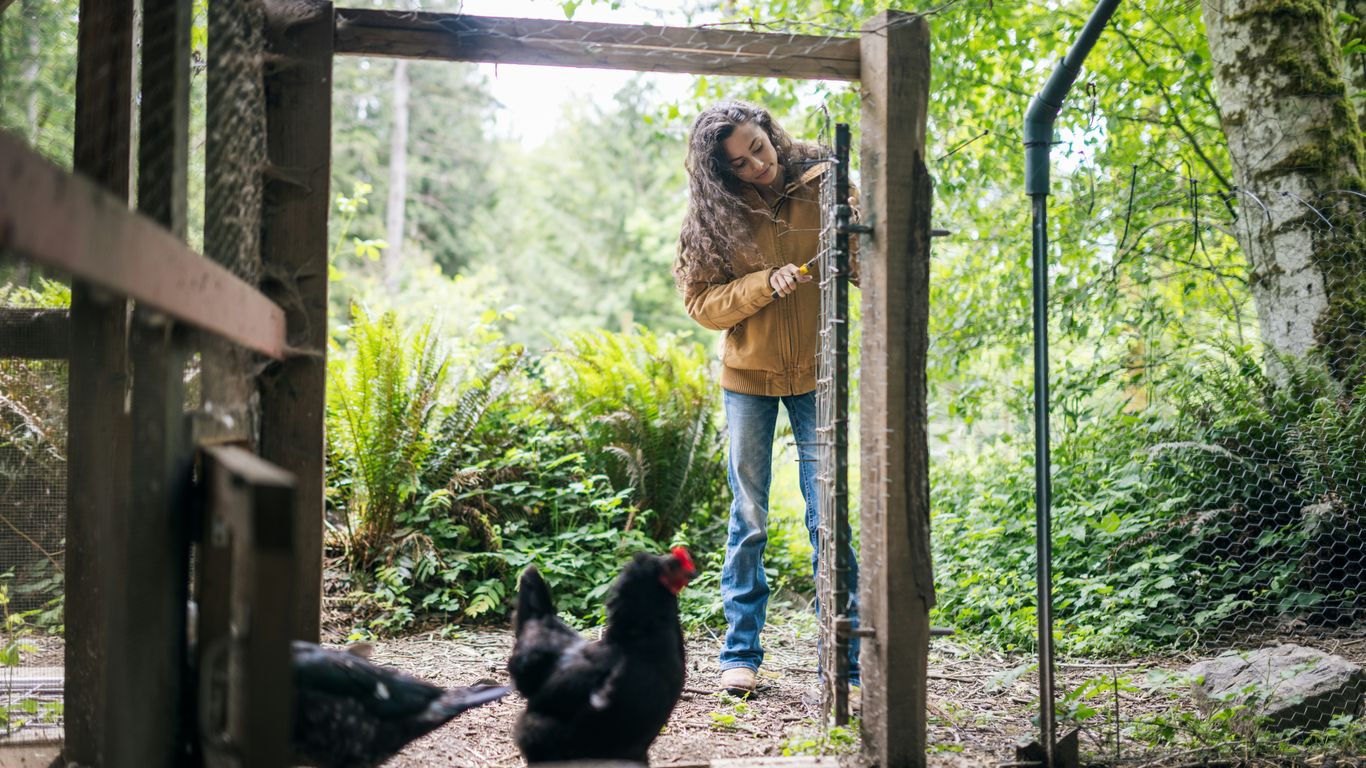
We all know that collecting eggs is a daily chore, but it’s one that can easily be done in under 15 minutes. It’s a simple task, but it’s important for keeping your hens happy and your eggs clean. A quick check of the nesting boxes each morning and evening is usually all it takes.
Why is this so important? Well, leaving eggs in the nesting boxes for too long can lead to a few problems. First, the hens might start to think of them as a place to sit and hatch, which can disrupt their normal laying cycle. Second, and more practically, eggs left sitting can get dirty, cracked, or even broken by other hens. Nobody wants to deal with a pile of broken eggs, right?
Here’s a simple routine we follow:
This routine not only ensures we get our eggs but also helps maintain a clean environment for our flock. It’s a small effort that pays off big time, especially if you’re looking to sell your farm-fresh eggs to neighbors or at a local market.
Keeping nesting boxes clean is key. Adding fresh shavings daily prevents dirty eggs and makes washing them unnecessary. It’s a small step that makes a big difference in the quality of the eggs we collect.
Weeding can feel like a never-ending battle, but tackling it in short bursts makes a huge difference. We find that dedicating just 10 to 15 minutes a day to pulling weeds can keep them from taking over. Focus on one small area at a time – maybe a single garden bed or a patch near the house. This way, you see progress quickly, which is super motivating. It’s amazing how much you can clear when you’re just focused on one spot for a short period.
It’s all about consistency. If we let the weeds get too big, it turns into a massive chore that we dread. But a quick daily session? That’s totally doable. We often do this right after collecting eggs or before we head inside for dinner. It’s a great way to get a little fresh air and clear our heads while also tending to the garden.
Here’s a simple approach we use:
Don’t get discouraged if you can’t get to it every single day. Life happens! The goal is to make it a regular habit, not a source of stress. Even a few minutes here and there adds up over time and keeps the garden looking tidy. Consistent upkeep is key to a healthy garden, and this small task contributes significantly to overall garden health.
Weeds are opportunistic, so staying on top of them prevents them from stealing water and nutrients from our desired plants. It’s a small task that pays off big time in the long run.
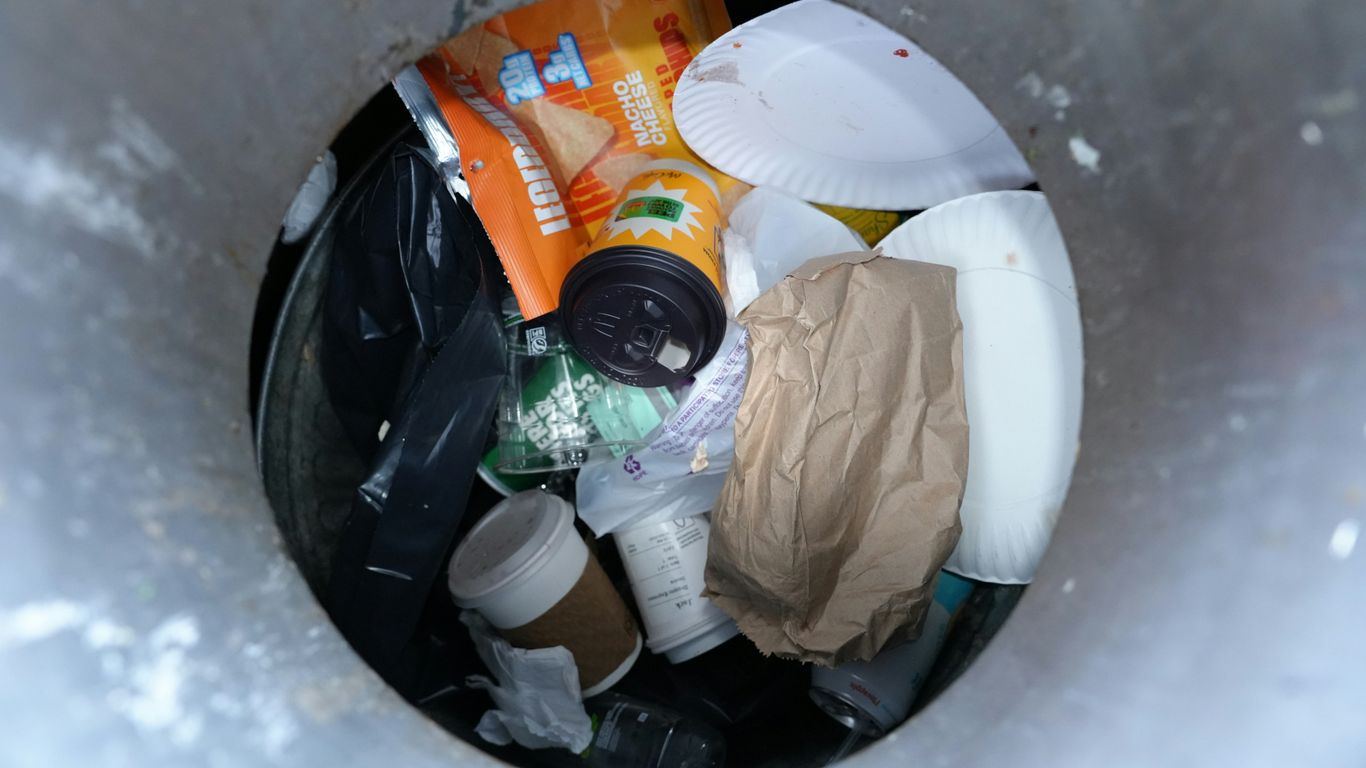
We all know that compost is black gold for our gardens, but it needs a little help to get there. A quick turn of the compost pile is one of those tasks that makes a big difference without taking much time. Just a few minutes with a pitchfork can speed up decomposition significantly.
Why do we turn it? Turning the compost pile introduces air, which is super important for the microbes doing all the hard work. Without enough air, the pile can get stinky and break down slower. It also helps mix the drier outer layers with the moister inner layers, keeping everything at a good consistency for decomposition. We usually aim to turn ours at least once a week, especially if we’re adding a lot of fresh material.
Here’s a simple way we tackle it:
It’s not about perfection; it’s about giving the pile a good mix. This simple action helps us get nutrient-rich compost ready for our garden beds faster. Plus, it’s a good way to get a little bit of exercise and connect with the natural cycle of things. For more on what goes into a healthy pile, check out this info on balancing compost materials.
A well-managed compost pile is a cornerstone of a productive homestead, turning waste into a valuable resource for soil health.
We all know that composting is a fantastic way to reduce waste and create nutrient-rich soil for our gardens. But sometimes, the thought of hauling big loads or doing a full turn can feel like a chore. That’s where the quick "add to the compost" task comes in! It takes literally minutes to grab your kitchen scraps – think vegetable peels, coffee grounds, and eggshells – and toss them into the bin. This simple act, done regularly, keeps your compost pile active and ready to break down.
Don’t forget to add your "browns" too! Things like dry leaves, shredded cardboard, or even junk mail (as long as it’s not glossy) are important for balancing out the "greens" from your kitchen. Aim for a good mix to help the decomposition process along. If you’re not sure about the ratio, a good rule of thumb is to try and add about as much brown material as you do green. It’s a small effort that makes a big difference in creating that black gold for your garden. You can even use this as a chance to clear out some old paper or yard waste. It’s a win-win for your garden and your waste reduction efforts.
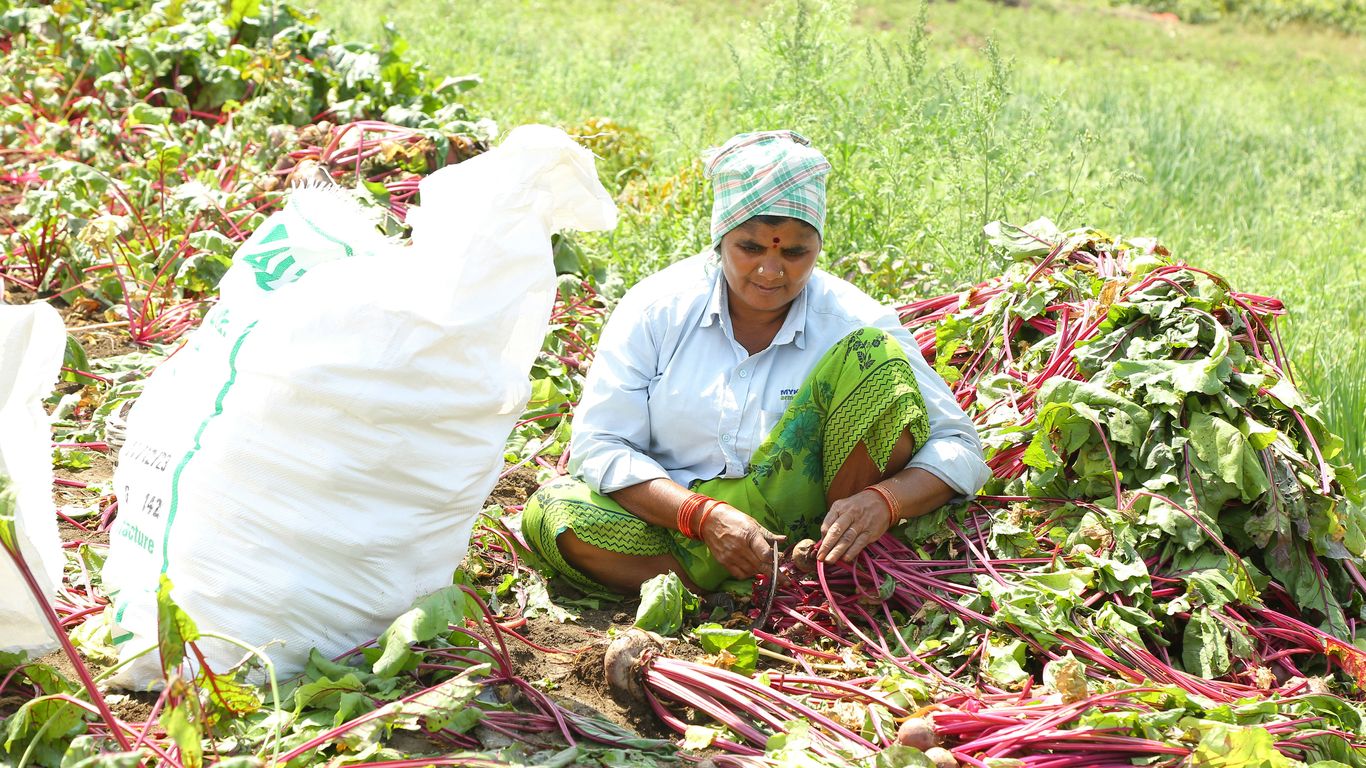
We all know that feeling – you walk out to the garden, and suddenly, you’re faced with a bounty! Sometimes it feels like everything ripens all at once. Don’t let that beautiful produce go to waste. A quick 15-minute harvest can make a big difference. We like to do a quick sweep of the most productive areas, grabbing anything that looks ready. This could be a few ripe tomatoes, a handful of beans, or some leafy greens.
It’s easy to forget what’s ready when you’re busy. We’ve definitely had those moments where we discover a forgotten zucchini or a bunch of peas that are past their prime. To avoid that, we try to do a quick check every day or two. Even just a few minutes spent looking for ripe vegetables or fruits can save a lot of food.
Here’s a quick rundown of what we might grab in a short harvest session:
Sometimes, the best harvest is the one you didn’t expect. A quick walk through the garden can reveal hidden gems ready for picking, preventing waste and adding fresh flavor to your meals.
We all love having fresh herbs from the garden, but what happens when you have more than you can use right away? Don’t let those fragrant leaves go to waste! Spending just a few minutes can preserve their flavor for months. Freezing or drying herbs is a super simple way to capture that garden goodness.
For freezing, the easiest method is to chop your herbs finely and then pop them into an ice cube tray. Cover them with a little water or olive oil, and once frozen, transfer the herb cubes to a freezer bag. This way, you have pre-portioned flavor bombs ready for soups, stews, or sauces. It’s a fantastic way to keep things like basil, parsley, or chives on hand.
If you have a dehydrator, drying is another great option. Just spread your clean herb sprigs on the trays and let the dehydrator do its work. For smaller amounts, you can even air-dry them by tying bundles together and hanging them upside down in a warm, dry place. Once they’re brittle, crumble them into jars for easy storage. This works wonderfully for heartier herbs like rosemary, thyme, and oregano. Preserving herbs this way means you can enjoy a taste of summer even in the dead of winter, making your meals much more interesting. It’s a small step towards self-sufficiency, and you can find more tips on beginner homesteading skills like this here.
We’ve found that having a good stock of preserved herbs makes a big difference in our cooking throughout the year. It’s so satisfying to pull out a cube of frozen basil or a jar of dried dill when you need it.
We love getting a batch of something fermented going. It’s a fantastic way to preserve food and add some gut-friendly goodness to our meals. Even if you only have a few minutes, you can get a fermentation project started. Think about making a quick batch of sauerkraut, kimchi, or even just feeding your sourdough starter. Chopping up some cabbage and mixing it with salt is surprisingly fast, and getting that brine ready for pickles or other veggies doesn’t take long at all. Starting a fermentation is a simple step towards delicious, healthy food.
Here’s a basic idea of how we get a quick ferment going:
It’s amazing how little time it actually takes to get a ferment bubbling away. We often do this while the coffee is brewing or right before we sit down for dinner. The hardest part is usually just waiting for it to be ready!
Don’t be intimidated by the process. There are tons of resources out there to help you get started, from simple recipes to guides on starting a homestead on a budget which often include food preservation tips.
Even on our busiest days, we try to spend a few minutes tidying up the animal areas. It makes a huge difference in keeping things pleasant and healthy for everyone. A quick sweep or scoop can prevent a much bigger mess later.
Here’s what we usually tackle in under 15 minutes:
We find that doing these small tasks regularly stops the barn from feeling chaotic. It’s all about small, consistent efforts rather than letting things pile up until it feels like a huge job. This approach helps us maintain a good environment for our animals and makes our own time in the barn more enjoyable. It’s a good idea to research micro homestead animals to understand their specific needs.
It might not seem like much, but these little bits of upkeep add up. Plus, it’s a good way to check in on each animal and make sure everyone is doing okay.
When we’re getting ready to can, there are a few small tasks that can make the whole process go much smoother, and we can knock them out in under 15 minutes. It’s all about getting a head start so that when we have a bigger block of time, we’re not scrambling for supplies.
First off, sterilizing jars is key. We usually just run them through the dishwasher on a hot cycle, but if that’s not an option, a quick soak in hot, soapy water followed by a good rinse works too. For any stubborn labels or sticky residue, a little bit of cooking oil can work wonders. Just let it sit for a few minutes, then scrub and wash as usual. Having clean, ready-to-go jars makes all the difference.
Here’s a quick rundown of what we do:
This prep work means that when we’re ready to actually can, we can focus on the preserving itself, like making meals in a jar or other goodies, without getting bogged down by the setup. It’s a small step that saves a lot of time and frustration later on.
See? Homesteading doesn’t have to be this huge, overwhelming thing. We can totally fit little bits of it into our busy lives. These quick tasks, the ones we can knock out in 15 minutes or less, really add up. They help keep our places running smoothly and us feeling like we’re actually making progress, even when we’re juggling a million other things. So next time you have a few spare minutes, try one of these out. You might be surprised at how much you can get done!
Doing little tasks often stops them from piling up into huge jobs. It helps us keep our homestead running smoothly without feeling overwhelmed, especially when we have other commitments like jobs.
We can break down bigger chores into smaller, 15-minute chunks. By scheduling these short bursts of activity throughout our day, we can make steady progress on our homestead goals.
A common pitfall is trying to do too much at once or getting overwhelmed by large lists. It’s better to focus on a few essential tasks and do them well, rather than trying to tackle everything and burning out.
Absolutely! Even a few minutes spent feeding animals, collecting eggs, or tidying up can prevent bigger problems later. It’s about consistent effort that adds up over time.
If we find ourselves with a few extra minutes, we can use that time to simply enjoy our homestead. Taking a moment to appreciate our surroundings can help prevent burnout and remind us why we love this lifestyle.
We should prioritize tasks that are most important for our homestead’s daily function or that prevent immediate problems. For example, ensuring animals have food and water is usually a top priority.
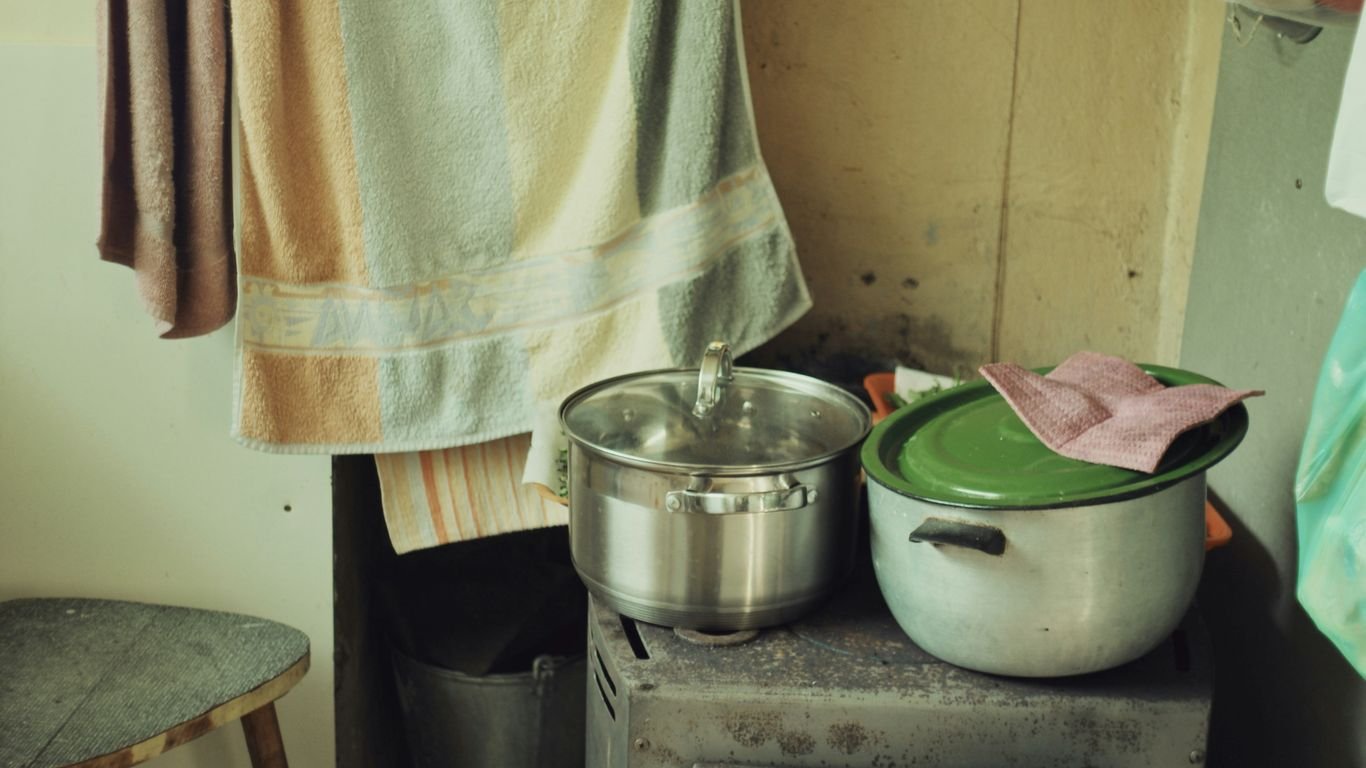 March 7, 2026
How to Turn Food Preservation Into a Side Hustle
Canning
Homestead Kitchen
Homesteading
Sustainable Living
March 7, 2026
How to Turn Food Preservation Into a Side Hustle
Canning
Homestead Kitchen
Homesteading
Sustainable Living
We've all got those hobbies or skills that we love doing, right? Maybe it's baking, gardening, or even making your own jam. What if we told you that you could turn those passions into a little extra cash? It might...
Read More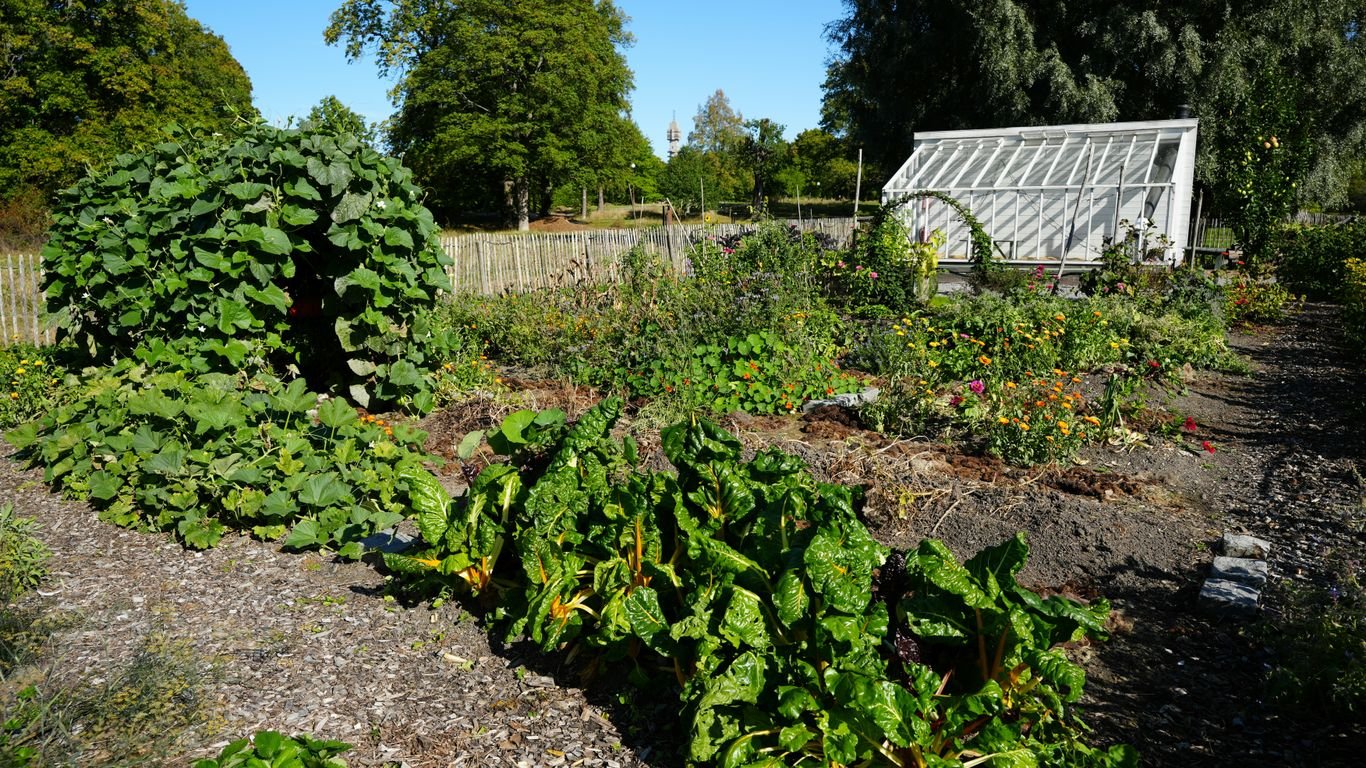 March 7, 2026
High-Output Crops Perfect for Micro Homesteads
Gardening
Homestead Planning
Homesteading
Starting a Homestead
March 7, 2026
High-Output Crops Perfect for Micro Homesteads
Gardening
Homestead Planning
Homesteading
Starting a Homestead
Thinking about growing your own food but only have a little space? We get it. Many of us are looking for ways to be more self-sufficient, even if we don't have acres to work with. The good news is, you...
Read More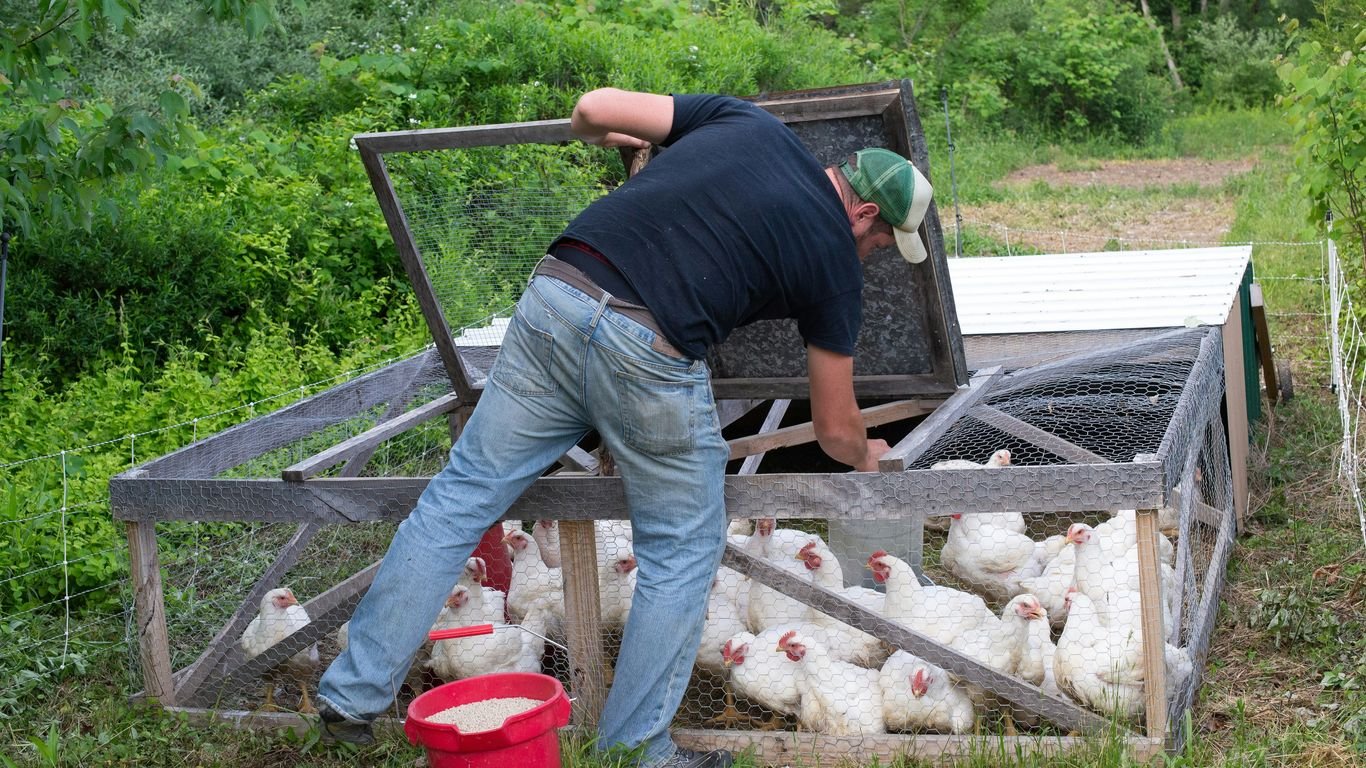 March 6, 2026
10 Low-Cost Homestead Side Hustles That Make Money
Homestead Planning
Homesteading
Starting a Homestead
March 6, 2026
10 Low-Cost Homestead Side Hustles That Make Money
Homestead Planning
Homesteading
Starting a Homestead
We all dream of a simpler life, right? One where we're more connected to the land and the seasons. But let's be real, that dream needs some funding. That's where low cost homestead side hustles come in. These aren't about...
Read More