


Winter on the homestead can feel a bit slower, can’t it? The garden’s asleep under a blanket of snow, and the usual hustle and bustle of planting and harvesting winds down. But this quiet time is actually a golden opportunity. We’ve found that winter is the perfect season to catch up on indoor tasks, refine our skills, and get ready for the year ahead. It’s a chance to look inward, tackle those projects we usually put off, and really strengthen our homesteading abilities. So, let’s get to it and make the most of these winter homestead chores.
Winter is a fantastic time to get ahead with meal prep. We often find ourselves with a bit more downtime, and using a weekend to prepare some meals can save us so much stress later on. Even if you’re not aiming to have a full month’s worth of food ready, having a few go-to meals on standby is a lifesaver for those busy days when cooking feels impossible.
Think about what your family enjoys and what keeps well. Root vegetables like carrots, potatoes, and onions are great for hearty stews and roasts. Hardy greens can be prepped for quick sautés. We like to make big batches of things like chili, shepherd’s pie, or casseroles that can be portioned out and frozen. It’s also a good time to use up some of those preserved goods from the summer harvest.
Here are a few ideas to get us started:
Taking the time now to stock our freezers and refrigerators with ready-to-heat meals means we can spend less time worrying about dinner and more time enjoying the cozy winter days. It’s a simple way to make our lives easier and ensure we’re eating well, even when we’re short on time. Plus, it’s a great way to utilize ingredients before they might go bad, like those root vegetables we harvested.
We find that having a few meals prepped makes a huge difference in our week. It reduces food waste and makes healthy eating so much more accessible when we’re tired or busy.
Winter is the perfect time to tackle that freezer. We all tend to shove things in there and forget about them, right? Now’s the time to pull everything out, give it a good defrost, and see what treasures we’ve been hoarding. A clean, defrosted freezer runs more efficiently, which means it uses less power. Plus, you might find some forgotten meals that can save you cooking time later.
Here’s a quick plan:
It’s easy to lose track of what’s in the freezer, especially when it’s packed full. Taking the time to organize it now will save you time and energy down the road, and you might even rediscover some forgotten ingredients that can become a quick meal.
Don’t forget to check for any mystery meats or freezer-burned items that have seen better days. It’s a good chance to take stock of what we’ve preserved and plan for future preservation projects.
Winter weekends are perfect for tackling a project like sourdough bread-making. The long, slow rise times fit right into a relaxed pace, and the oven adds a bit of welcome warmth to the house. There’s something incredibly satisfying about pulling a crusty loaf of homemade sourdough from the oven, especially when paired with a hearty winter soup.
Getting started with sourdough might seem a bit intimidating, but it’s really about nurturing a starter and then learning the rhythm of the dough. We find that once we get the hang of it, it becomes a regular part of our baking routine. The key is patience and consistent feeding of your starter.
Here’s a basic rundown of what’s involved:
Don’t worry if your first few loaves aren’t perfect. We certainly had our share of flat or dense loaves when we started. It takes practice to get a feel for the dough and understand how it behaves in different temperatures. If you’re looking for a great place to start, this recipe for fresh-milled sourdough sandwich bread is a fantastic option for beginners.
The smell of baking bread filling the house is one of the simple joys we cherish during the colder months. It’s a reminder of the food we’re making ourselves, from scratch, with our own hands.
We all love that morning cup, right? But have you ever thought about roasting your own coffee beans? It’s a surprisingly simple process that can really change your coffee game. Imagine the smell filling your home – it’s like your own personal cafe. Plus, you’ll have the freshest coffee around. We’ve found that experimenting with different beans is part of the fun. For instance, we really enjoy Haitian coffee for its smooth taste and deep flavors. It’s a great way to add a little extra self-sufficiency to our lives, and it’s a project that doesn’t take up too much time.
Here’s a basic rundown of how we do it:
The whole house smells like a cafe, and you’re guaranteed to have the freshest coffee on the block! It’s a rewarding process that gives us a delicious cup every time. If you’re looking for more ways to be independent around the house, exploring practical methods to enhance self-sufficiency is a good place to start.
Winter is a fantastic time to get ahead on making our own cleaning supplies. We all know how much stuff we can go through, and buying it all adds up. Plus, so many store-bought cleaners have ingredients we can’t even pronounce. Making our own is a great way to save money and keep our homes free of harsh chemicals.
We’ve found that a few basic ingredients go a long way. Think vinegar, baking soda, castile soap, and some essential oils for scent. These simple items can tackle most of our cleaning needs around the homestead. It’s surprisingly easy to replace most of your commercial cleaners with homemade versions.
Here are some of our go-to DIY cleaning recipes:
We’ve noticed that once we started making our own cleaners, we actually ended up using less product overall. It’s a win-win for our budget and the environment.

Winter is a fantastic time to really get a handle on how we spend our days. When the weather outside is less than cooperative, it’s easy to let tasks slide or feel overwhelmed by the sheer volume of things we could be doing. This is where honing our time management skills comes in handy.
We often find ourselves wishing for more hours in the day, but the truth is, we just need to be smarter about the ones we have. Think about it: how much time do we lose to distractions or inefficient processes? Taking a little time now to plan and organize can save us so much frustration later.
Here are a few ways we can improve our time management during these slower months:
We’ve found that using a good planner, whether it’s a physical notebook or a digital app, makes a huge difference. It helps us keep track of appointments, project deadlines, and even just daily chores, preventing that feeling of being constantly behind. It’s about creating a rhythm that works for our homesteading life, not letting the homestead run us.
Getting better at managing our time isn’t just about getting more done; it’s about reducing stress and making sure we have time for the things that truly matter, like family and enjoying the fruits of our labor. It’s a skill that pays dividends all year round, making our homesteading journey smoother and more enjoyable. For more on how to integrate homesteading into a busy life, check out this homesteading with a full-time job resource.
Winter is the perfect time to get our seed collection in order. We usually get our seed catalogs in the mail around December, and that’s our cue to take stock of what we have left from last year and figure out what we need to buy for the upcoming growing season. It’s easy for the seed stash to get a bit chaotic, so a good organizational session now will save us headaches later.
First, we pull out all the seed packets we’ve accumulated. We spread them out on a big table and go through each one. We check the expiration dates – anything past its prime might still be viable, but we make a note to test it first. We also group them by type: vegetables, herbs, flowers, and then by specific plant, like tomatoes or beans. This makes it so much easier when we’re planning our garden layout.
We use small plastic bins or even old shoeboxes to store them, labeling each one clearly. Some people like to use binders with plastic sleeves, which also works well. Having a well-organized seed collection means we can quickly see what we have and what we need to order, making our spring planting much smoother. It also helps us avoid buying duplicates, which we’ve definitely done in the past!
Seed inventory is key to a successful garden.
Here’s a quick way we sort:
Don’t forget to check out resources on seed starting problems; sometimes, even good seeds need a little help to get going.
This is also a good time to think about any new varieties we want to try or if we need to reorder favorites that are running low. Ordering early is usually best, as popular varieties can sell out. We’ve found that places like True Leaf Market have a great selection for all our homesteading needs.

Winter is the perfect time to sit down with our garden journals. We can look back at what we planted last year, what grew well, and what didn’t quite make it. It’s like having a cheat sheet for next season!
We should jot down notes about:
This review helps us make smarter decisions for the upcoming growing season. We can plan out our garden layout, decide which seeds to order, and even experiment with new things based on our past experiences. It’s all about learning from our successes and failures to grow even better next year.
Looking back at our garden journal isn’t just about remembering what happened; it’s about using that information to plan for a more abundant future. It helps us avoid repeating mistakes and build on what worked well.
Think of it as a conversation with your past self, who has already figured out some of the puzzles you’ll face again. What worked in that shady spot? Did that new tomato variety really taste better? These are the kinds of questions our journal can help answer. It’s a simple but powerful tool for improving our gardening skills year after year.
Winter is a great time to think about expanding our fruit trees and berry bushes. While we can’t plant them now, we can certainly do the planning and ordering. We should look at what’s already growing well on our homestead and consider what else might thrive in our climate and soil.
Think about what we want to harvest. Are we looking for more apples for cider, or maybe some stone fruits like peaches and plums? Perhaps we want to add more berries for jams and fresh eating. We should also consider disease resistance and how much space each type of tree or bush needs.
Here are a few things to consider:
It’s the perfect season to research varieties, compare suppliers, and place our orders so the trees and bushes arrive at the right time for spring planting. We can also start preparing the planting sites now, adding compost and amendments so the soil is ready when the time comes.
Winter is a great time to get our financial house in order. We like to use this quieter period to look back at the past year and get a clear picture of where we stand. This means reviewing all our income and expenses, especially those related to our homesteading ventures. It’s also the perfect opportunity to update our budget for the upcoming year, making sure it aligns with our goals and anticipated needs.
We usually set aside a few days to go through all the receipts and statements. It might not sound like the most exciting chore, but knowing our numbers helps us make better decisions for the future. We track everything from seed purchases to livestock feed, and even the cost of repairs. This detailed tracking helps us identify areas where we might be overspending or where we could potentially save money.
Here’s a quick look at what we typically cover:
Taking the time to sort out our finances now means we can start the new year with a solid plan and less stress. It’s all part of building a resilient homestead.
We also make sure to check our homestead business accounts and plan for any tax-related matters. Getting this done before the busy spring planting season begins really sets us up for success.
Even though winter often feels like a time for rest and indoor projects, we can’t completely let go of our daily routines. The animals still need feeding, water tanks might need de-icing, and the general upkeep of the homestead doesn’t just stop. It’s easy to let these small tasks slide when the weather is harsh, but staying on top of them prevents bigger problems down the line. Think of it as keeping the engine running smoothly.
We’ve found that having a simple checklist helps immensely. It doesn’t have to be complicated, just a reminder of what needs doing each day. This helps prevent that feeling of being overwhelmed and ensures nothing critical gets missed. It’s about consistency, not necessarily about doing more.
While the urge to hibernate is strong, neglecting daily chores can lead to burnout or bigger issues later. A little bit of consistent effort goes a long way in keeping our homestead running efficiently through the colder months.
We also try to use this time to refine our daily processes. Maybe there’s a more efficient way to collect eggs or a quicker method for checking on the animals. Winter provides a good opportunity to observe and make small improvements without the pressure of peak season demands. It’s a good time to review homesteading skills that might have been neglected during busier times of the year.
Winter is the perfect time to make sure our pantries are full. We like to think of it as our "insurance policy" against unexpected shortages or just plain old bad weather keeping us from the store. It’s not just about having food, but having the right food.
We focus on a few key areas when stocking up. First, we make sure we have plenty of shelf-stable basics. This includes things like rice, beans, oats, pasta, and canned goods. We also put a lot of effort into preserving what we grew during the warmer months. Canning is a big one for us; we’ve got jars of tomatoes, pickles, and jams lining our shelves. It’s a great feeling knowing we can still enjoy the fruits of our summer labor. You can find some great resources for canning, like this guide on preparing for the holidays.
Beyond the basics, we also think about comfort foods and baking supplies. Having flour, sugar, yeast, and spices means we can whip up fresh bread or cookies even when it’s freezing outside. We also keep a good stock of cooking oils, vinegars, and sweeteners.
Here’s a quick look at what we aim to have on hand:
Taking the time now to fill our pantry means less stress later. It’s a proactive step that pays off in peace of mind and delicious meals throughout the colder months.
Winter is a fantastic time to get into making your own herbal remedies. We usually harvest most of our herbs in the fall, right before the first frost, and then we dry them out. Once they’re properly dried, we store them away. Then, on those cozy winter weekends, we pull down our dried herbs, gather any other ingredients we might need, and get to work.
It just makes sense to prepare your winter wellness supplies during the winter months. You know firsthand what you might need to stay healthy as the season progresses. We like to make things like herbal lung tonics, cough syrups, and soothing salves. It’s a really rewarding process, and knowing exactly what goes into your remedies is a big plus.
Here are a few things we often make:
Making your own herbal remedies isn’t just about saving money; it’s about connecting with nature and taking a more active role in our family’s well-being. It’s a skill that pays dividends all year long, especially when those winter sniffles start to creep in.
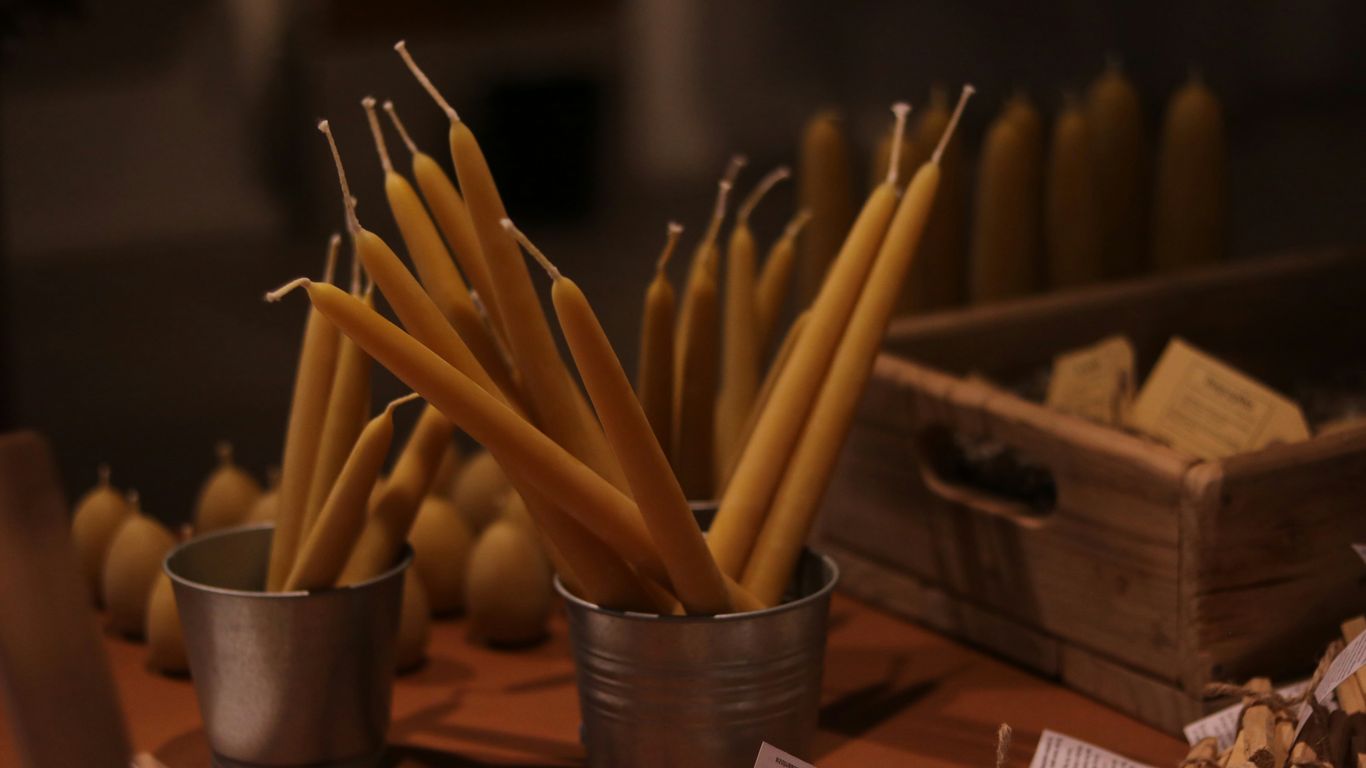
Winter is a fantastic time to get creative indoors, and making your own beeswax candles is a rewarding project. Not only do these candles add a warm, natural glow to our homes during the long nights, but they also make wonderful, thoughtful gifts. Plus, if you’re a beekeeper, this is a great way to use up any extra beeswax you might have from processing honey. We find that having a stash of homemade candles is also super handy for unexpected power outages.
Making them is pretty straightforward. You can go the simple route by melting down beeswax and pouring it into molds, or you can try dipping tapers. It’s a good idea to have a few different types of molds on hand, like those for pillars or even repurposing old containers. If you want to add a scent, a few drops of essential oil can do the trick, though we often prefer the natural, subtle honey aroma of the beeswax itself.
Here’s a basic rundown of what we usually do:
It’s a project that can easily fill an afternoon, and the satisfaction of lighting a candle you made yourself is pretty special. You can find some great instructions on how to create your own beeswax candles to get started.
We’ve found that the quality of the beeswax really makes a difference in the final candle. Local, raw beeswax tends to burn cleaner and longer than commercially processed versions. It’s worth seeking out a good source if you can.
It’s a simple skill that adds a lot of charm and practicality to homestead living.
Winter is a fantastic time to tackle that deep clean we often put off. When the weather outside is less than inviting, we tend to spend more time indoors, making it the perfect opportunity to really get into the nooks and crannies of our homes. Think of it as a reset before the busy spring season kicks into high gear. We usually wait until spring, but honestly, there’s just so much going on then. Why not use this quieter period to get things truly spotless?
We like to break it down room by room, or even by task. This way, it doesn’t feel so overwhelming. Here’s a general plan we follow:
This thorough cleaning process helps us feel more settled and prepared for the year ahead. It’s also a great time to declutter anything that’s accumulated. We often find things we forgot we had, which can be useful for future projects or donations. It’s amazing how much better a space feels when it’s truly clean.
Getting into a routine of deep cleaning during the winter months can make all the difference. It’s not just about tidiness; it’s about creating a healthier, more comfortable living space for ourselves and our families. Plus, it feels really good to have it done before the garden starts demanding all our attention.
Winter is the perfect time to tackle that clutter that seems to pile up throughout the year. When the weather keeps us inside more, it’s easy for things to get a bit messy. We find ourselves bringing in more stuff, and before we know it, piles start forming. Let’s take this downtime to sort through our belongings and get rid of anything we no longer need or use. It feels so good to clear out spaces, whether it’s the pantry, the garage, or even just a single drawer. Think about it: less stuff means less to clean and organize later. We can go room by room, or even tackle one shelf at a time.
Here’s a simple approach we like to use:
Clearing out the excess not only makes our homes tidier but also frees up mental space. It’s amazing how much lighter we feel when we’re not surrounded by things we don’t truly need.
This process isn’t just about getting rid of physical items; it’s about creating a more peaceful and functional living space for ourselves. Plus, donating items can really help others in our community.
Winter offers a quieter pace, which is the perfect time to brush up on our shooting skills. It’s not just about hunting; it’s about preparedness. Wild animals can become bolder in the colder months, and having confidence in our ability to handle a firearm safely is important for protecting our livestock and property.
We like to take this time to pull out any firearms that haven’t been used in a while. A good cleaning and inspection are in order. Checking for any wear or issues is key. Then, we spend some time at the range, getting reacquainted with the feel and accuracy of our weapons. It’s far better to be proficient now than to wish we were when a situation arises.
Here’s a quick rundown of what we focus on:
Practicing shooting isn’t about being aggressive; it’s about responsible preparedness. It’s a skill that requires regular attention, just like any other homesteading task. Taking the time during the winter downtime ensures we’re ready for whatever comes our way.
Winter is a great time to get into making your own yogurt. It’s simpler than you might think, and having a steady supply of homemade yogurt is a real treat. Plus, you can freeze any extra you make to enjoy later.
We like to start with a good quality milk, usually from a local source if we can get it. Then, we add a starter culture. You can buy a specific yogurt starter, or if you have a friend who makes yogurt, you can ask for a bit of their plain, unsweetened yogurt to use as a starter. The key is to use a starter that has live and active cultures.
Here’s a basic rundown of how we do it:
From there, you can eat it plain, add fruit, or use it in recipes. It’s a fantastic way to have a healthy, probiotic-rich food on hand without relying on store-bought options.

Winter might seem like a barren time, but there’s still plenty to be found if you know where to look. Foraging in the colder months is a bit different than in the warmer seasons, focusing more on hardy greens, roots, and perhaps some late-season berries or nuts. It’s a great way to supplement our pantry and connect with the land, even when it’s covered in frost. We always make sure to properly identify anything before we consider eating it.
We’ve found that focusing on a few key areas can make winter foraging more productive. Here’s what we usually look for:
It’s important to be prepared. We always carry a basket or bag, a small trowel or digging tool, gloves, and a field guide for identification. Knowing the local edible plants is key, and it’s always better to be cautious. If you’re new to this, consider joining a guided foraging walk or finding a mentor. Learning to identify wild edibles takes time and practice.
Winter foraging requires patience and a keen eye. It’s less about abundance and more about finding those hidden gems that the season offers. We often use what we find to add a unique flavor to stews or to make nourishing teas.
Winter is a fantastic time to get into fermenting. It’s a great way to preserve food and add some gut-friendly probiotics to our diet when fresh produce might be scarce. We like to make things like sauerkraut, kimchi, and pickles. It’s not as complicated as it sounds, and the results are super rewarding.
Here’s a basic rundown of how we get started:
It’s a simple process that gives us delicious, healthy food all winter long. Plus, it’s a skill that really fits the homesteading lifestyle. We’ve found that having a good set of fermentation crocks makes the process even easier.
Fermenting is all about creating an environment where beneficial bacteria can thrive, transforming simple ingredients into nutrient-dense, flavorful foods. It’s a time-honored tradition that’s surprisingly accessible for any homesteader.
We’ve also experimented with making milk kefir and kombucha, which are both fantastic fermented drinks. They’re a great way to use up milk or tea and get some extra probiotics in. It’s amazing what you can create with just a few basic ingredients and a little patience.
So there you have it! We’ve gone through a bunch of things we can tackle around the homestead this winter. It might seem like a lot, but remember, we don’t have to do it all at once. Winter is also a time to slow down a bit, enjoy the quiet, and maybe even learn something new. Think of these chores not as a burden, but as a way to get ahead and make our homestead even better. Let us know in the comments what other winter tasks you swear by!
Even when the garden is quiet under the snow, our homesteads still need care. Animals need feeding, water tanks can freeze, and there’s always snow to shovel. Winter is also a great time to build skills we don’t have time for during busy seasons, like meal prepping or organizing seeds for next year.
We can focus on skills that don’t require being outside. This includes things like meal prepping, making our own cleaning supplies, learning to bake sourdough, organizing our seed collection, reviewing our garden notes from last year, and planning for new additions to our orchard.
Yes, absolutely. While winter might feel slower, maintaining our day-to-day tasks is crucial. It keeps things running smoothly and ensures we’re ready for the busier seasons ahead. Plus, it helps us stay in a good routine.
Winter is the perfect season to tackle indoor projects. We can deep clean our homes, declutter spaces that have become messy, restock our pantries, make our own herbal remedies or beeswax candles, and even practice skills like coffee roasting or making yogurt.
We can use this time to plan for the future. This involves organizing our seeds, testing them for viability, and ordering new ones. We can also review our garden journal from the past year to see what worked well and what we want to change, and plan for any new trees or plants we want to add to our orchard.
Winter is also a time for rest and connection. We can spend quality time with our families playing games or cooking together. It’s also a good time to curl up with a good book, reflect on the past year, and recharge our batteries before spring arrives.
 March 7, 2026
How to Turn Food Preservation Into a Side Hustle
Canning
Homestead Kitchen
Homesteading
Sustainable Living
March 7, 2026
How to Turn Food Preservation Into a Side Hustle
Canning
Homestead Kitchen
Homesteading
Sustainable Living
We've all got those hobbies or skills that we love doing, right? Maybe it's baking, gardening, or even making your own jam. What if we told you that you could turn those passions into a little extra cash? It might...
Read More March 7, 2026
High-Output Crops Perfect for Micro Homesteads
Gardening
Homestead Planning
Homesteading
Starting a Homestead
March 7, 2026
High-Output Crops Perfect for Micro Homesteads
Gardening
Homestead Planning
Homesteading
Starting a Homestead
Thinking about growing your own food but only have a little space? We get it. Many of us are looking for ways to be more self-sufficient, even if we don't have acres to work with. The good news is, you...
Read More March 6, 2026
10 Low-Cost Homestead Side Hustles That Make Money
Homestead Planning
Homesteading
Starting a Homestead
March 6, 2026
10 Low-Cost Homestead Side Hustles That Make Money
Homestead Planning
Homesteading
Starting a Homestead
We all dream of a simpler life, right? One where we're more connected to the land and the seasons. But let's be real, that dream needs some funding. That's where low cost homestead side hustles come in. These aren't about...
Read More