


We all love a beautiful garden, but keeping it looking its best all year round means a bit of work. It might seem like a lot, but breaking down the tasks by season makes it much more manageable. We’ve put together this garden chores checklist to help us stay on top of things, so we can enjoy our outdoor spaces without feeling overwhelmed.
Alright, folks, the snow’s melting, and we can practically smell the fresh soil! It’s that time of year when we shake off the winter blues and get our gardens prepped for a fantastic growing season. We’ve got a few key things to tackle to make sure everything is set up for success.
First things first, let’s clear out the winter’s mess. We need to get our hands dirty and remove any lingering leaves, dead annuals, and any other debris that might have settled in over the colder months. It’s also a good time to gently loosen up any matted mulch from last year and add a fresh layer. This helps keep moisture in and weeds down. Remember to pull that mulch back a bit from the base of trees and shrubs to prevent any rot or mold issues. We’re aiming for a clean slate!
Our soil is the foundation of everything, so we need to give it some love. It’s a great idea to test your soil’s pH and nutrient levels. Based on what you find, we can amend it. Adding compost is always a good bet; it boosts nutrients and improves soil structure. If your soil is compacted, consider aerating it to help roots breathe and grow better. Healthy soil means healthier plants, plain and simple.
Now for the fun part – getting plants in the ground! We can start by sowing seeds indoors for those warm-season crops like tomatoes and peppers that need a head start. Outside, it’s time to think about cool-season crops. You know, the ones that can handle a bit of chill. We can get things like spinach, kale, and peas going early. It’s also the perfect time to plan out where those colorful annuals and new perennials will go. Don’t be afraid to try something new this year; maybe a different variety of flower or a veggie you’ve never grown before. You can even get a jump on planting some cold-hardy vegetables now, and they’ll be ready for an early harvest when the weather warms up.
As things start to warm up and new growth appears, so do the pests. We need to be vigilant. Early detection is key. Take a walk through your garden and inspect your plants, especially new shoots, for any signs of trouble like aphids or other little critters. If you spot any, try to deal with them quickly using organic methods if possible. We want to get ahead of any infestations before they become a big problem.
Getting our garden ready in the spring is like setting the stage for a great performance. A little effort now means a lot less work and a lot more beauty later on.

Summer heat can be tough on our plants, so we need to be smart about how we water. The best time to water is usually early in the morning or late in the evening. This helps the water soak in before the sun gets too hot and evaporates it all. If you have a lot of containers, they might need watering every single day, especially when it’s really hot out. We’ve found that using a drip irrigation system can really help save water and keep our plants happy, delivering water right to the roots where it’s needed most. Remember, consistent watering is key to keeping everything lush and healthy. For more tips on watering, check out this guide on watering your garden.
Don’t forget about mulch! Adding a fresh layer of mulch around your trees and in your flower beds is a game-changer. It acts like a blanket, keeping the soil from drying out too quickly, which is super important during those long, hot summer days. Plus, it helps keep weeds from popping up, giving your plants less competition for water and nutrients.
We’ve got to keep our eyes peeled for any unwanted visitors. Little bugs like aphids can show up seemingly out of nowhere. We like to use natural methods to deal with them, like introducing beneficial insects such as ladybugs, or using eco-friendly sprays like neem oil. It’s all about staying ahead of any problems before they get out of hand.
Our plants have been working hard all spring, and now in summer, they need a little extra boost. We usually feed our flowers and vegetables with a balanced fertilizer every few weeks. This helps them keep producing those beautiful blooms and tasty veggies we love. It’s like giving them a healthy snack to keep their energy up throughout the season.
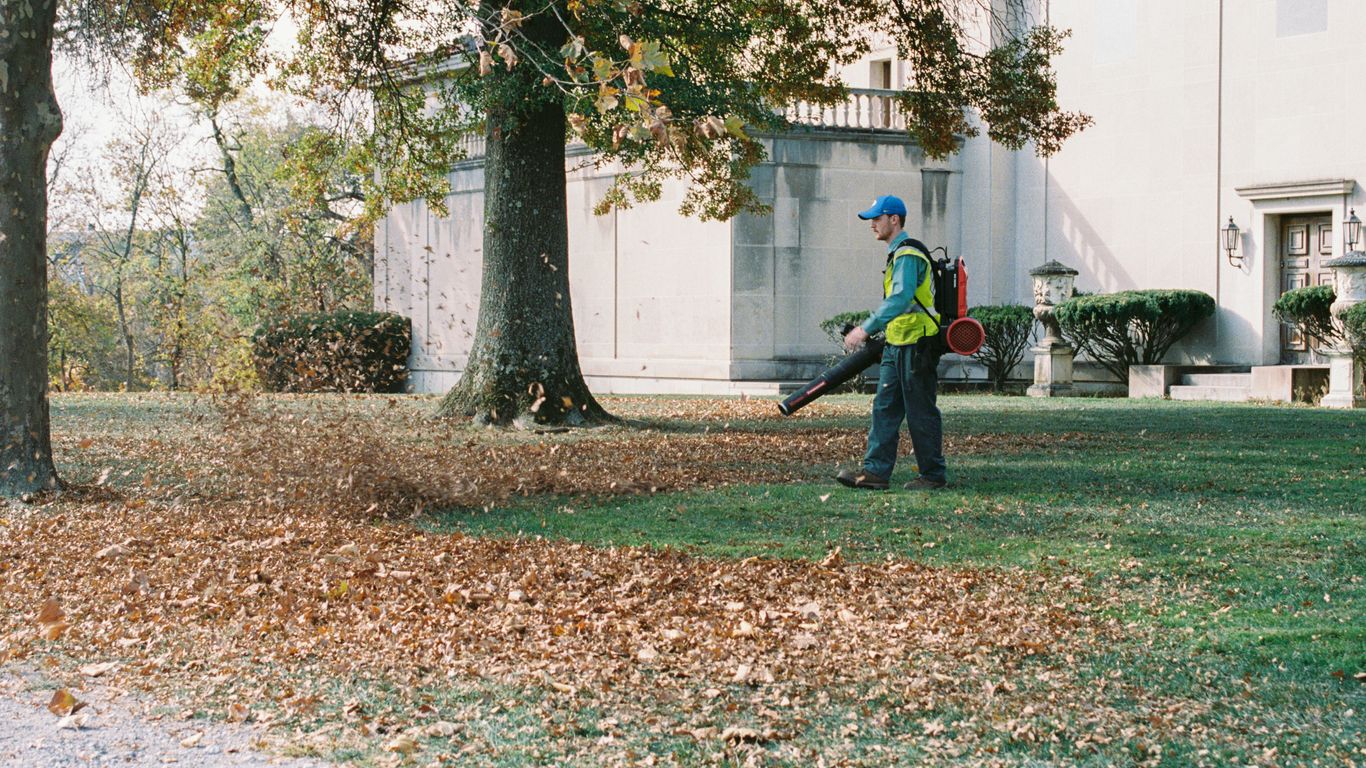
As the vibrant colors of summer begin to fade, we shift our focus to getting the garden ready for the cooler months ahead. It’s a time for winding down, but also for setting the stage for next year’s beauty. We need to start thinking about easing our plants into dormancy, planting those bulbs that will surprise us in the spring, and giving our soil a good boost before winter truly sets in.
This is the time to gradually reduce watering. As the days get shorter and cooler, plants naturally slow their growth. We should stop fertilizing most plants now, too, as they don’t need the extra push. For perennials, we can tidy them up by cutting back dead foliage. It’s also a good idea to remove any diseased leaves or stems to prevent problems from lingering over winter. This preparation helps plants conserve energy and survive the cold.
Autumn is prime time for planting spring-flowering bulbs. Think tulips, daffodils, and hyacinths – these will give us a wonderful show come spring. We can also get a head start on cool-season vegetables like lettuce, spinach, and carrots. Getting these in the ground now means we can enjoy a harvest even as the weather turns chilly, or they’ll be ready to go as soon as spring arrives. It’s a bit of planning that pays off big time.
Our soil works hard all year, so we need to give it some love before winter. Adding a layer of compost or well-rotted manure is a fantastic way to enrich the soil. This organic matter breaks down over winter, feeding the soil microbes and getting it ready for spring planting. We can also spread a slow-release fertilizer to give plants a final bit of nourishment before they go dormant. Remember to keep mulch away from the base of trees and shrubs to prevent rot.
Some of our more delicate plants might not handle a hard frost. We need to identify these and give them some extra care. This could mean covering them with frost cloths or burlap, especially on nights when a freeze is expected. For potted plants that are particularly sensitive, we might move them to a more sheltered spot, like against the house, or even bring them into an unheated garage or shed for the coldest periods. Proper harvesting and storage techniques are also key for any produce we plan to keep over winter, like squash or onions proper storage.
We should also take this time to clean up any fallen leaves and debris from the garden beds. This not only tidies things up but also helps prevent pests and diseases from overwintering in the garden. We can add these leaves to our compost pile – they make great mulch in the spring!
Even though our gardens are mostly sleeping, there’s still a bit of work to do during the colder months. We need to make sure our plants are protected and our tools are ready for spring. It’s a quieter time, for sure, but important for the health of our green spaces.
During winter, plants don’t need much water. We should only water when the soil feels dry to the touch, and even then, sparingly. Overwatering can lead to root rot, especially when it’s cold. For plants in pots, we might need to bring them inside or move them to a more sheltered spot, like a garage or a covered porch, to shield them from harsh winds and freezing temperatures. Protecting tender plants from frost is key to their survival.
When frost is in the forecast, we need to act fast. For any plants that can’t be moved indoors, we can use covers. Things like burlap, old blankets, or even specialized plant covers work well. We just drape them over the plants in the evening and remove them in the morning once the danger has passed. It’s a simple step that makes a big difference for sensitive species.
Winter is the perfect time to give our garden tools some TLC. We should clean them up, sharpen any blades, and maybe even give them a light coat of oil to prevent rust. It’s also a great time to look through seed catalogs and plan out what we want to plant next spring. Sketching out garden layouts and making a shopping list can save us a lot of time and hassle when the weather warms up.
While the outdoor garden rests, our houseplants are still with us. We should check on them regularly, wiping dust off their leaves and watering them only when the soil is dry. Some plants, like succulents, need even less water in the winter. It’s a good chance to give them some extra attention and make sure they’re happy and healthy until spring arrives.

Alright, let’s talk about the gear that makes our gardening life easier. Having the right tools on hand means we can tackle those chores without a fuss. It’s not about having a million gadgets, but about having a few trusty items that do the job well. Think of them as our gardening sidekicks!
These are probably the most used tools in our shed. We use them for everything from snipping away dead flower heads to shaping shrubs. Good pruning shears make clean cuts, which helps plants heal faster and prevents disease. We like to keep a couple of pairs handy – one for general trimming and a smaller, sharper pair for more delicate work on flowers. It’s worth investing in a decent pair; they’ll last for years if you take care of them.
Our hands take a beating in the garden, don’t they? From thorny roses to damp soil, a good pair of gloves is a must. We prefer ones that offer a good grip and are breathable so our hands don’t get too sweaty. Leather gloves are great for tougher jobs, while thinner, flexible ones are better for tasks where we need a bit more dexterity, like planting small seedlings. Keeping our hands protected means we can garden longer and more comfortably.
When autumn rolls around, or even after a windy spring day, rakes become our best friends. We have a couple of different types: a sturdy metal rake for heavier debris and tougher jobs, and a lighter, fan-shaped rake for gathering leaves from flower beds without disturbing the plants. Clearing away fallen leaves not only tidies things up but also helps prevent diseases from overwintering.
Keeping our plants hydrated is key, and we’ve found that having a good watering setup makes all the difference. This includes a reliable hose, maybe with a spray nozzle that has a few different settings for different plants. For larger areas or when we want to be more efficient, we’ve also looked into drip irrigation systems. They deliver water right to the roots, which is great for conserving water and keeping plants happy, especially during those hot summer months. You can find some great options for efficient watering systems that really help manage water use.
Having the right tools isn’t just about making chores easier; it’s about working smarter, not harder. It means we can spend more time enjoying our garden and less time struggling with tasks. Plus, well-maintained tools last longer, saving us money in the long run.
Keeping our gardens looking good all year takes a bit of planning, but it’s totally doable. We’ve found that the best way to stay on top of things is to create a yearly calendar. Think of it as your garden’s personal schedule. This helps us remember what needs doing and when, so nothing gets missed. Consistency is really the name of the game here.
We also learned that choosing the right plants makes a huge difference. Opting for varieties that are suited to our local climate and soil means less fuss later on. It’s also a good idea to mix in some native species; they’re usually tougher and great for local wildlife. For a garden that looks good even in winter, we make sure to include plants with interesting bark or evergreen foliage. You can find some great ideas for year-round appeal at Kadiyam Nursery Drought-Tolerant Plants Collection.
Here are a few more things we do:
Planning ahead and staying consistent with our tasks, no matter how small, has made all the difference. It means less scrambling and more time enjoying the garden throughout the year.
So, there you have it! We’ve walked through the whole year, from those first spring sprouts to getting things ready for winter’s rest. It might seem like a lot, but remember, we don’t have to do it all at once. Breaking it down by season, or even by month, makes it way more manageable. Think of it as a little bit of effort now for a whole lot of enjoyment later – like relaxing in a beautiful yard with a cool drink. Keep at it, and we’ll all have gardens we can be proud of, no matter the weather.
We can begin getting our gardens ready as soon as the last frost has passed in the spring. It’s a good idea to start with a good cleanup, checking the soil, and planning what we want to plant for the season ahead. Even in late winter, we can start sketching out plans and ordering seeds for spring.
During the hot summer months, we need to water our plants deeply but less often. The best times to water are early in the morning or late in the evening to help the water soak in better and avoid it evaporating too quickly in the sun. We should check the soil first; if it feels dry a few inches down, it’s time to water.
In the fall, we should focus on helping our plants get ready for winter. This means reducing watering, cleaning up dead leaves and plants, and planting bulbs or seeds for next spring. We also need to think about protecting any plants that might not survive the cold.
Winter is mostly a time for rest for our gardens, but we still have things to do. We water very little, mostly just protecting plants from frost and ice. It’s also a great time to clean and fix our gardening tools and plan out what we want to plant next year.
We’ll definitely need a good pair of pruning shears for trimming plants, sturdy gloves to protect our hands, and a rake for clearing leaves and debris. Having a reliable watering can or hose is also super important for keeping everything hydrated.
To keep our garden looking great without too much stress, we should create a yearly plan so we know what to do each month. Being consistent with small tasks each week really helps. Also, choosing plants that grow well in our area and using natural ways to feed the soil and keep moisture in, like mulch, makes a big difference.
 March 7, 2026
High-Output Crops Perfect for Micro Homesteads
Gardening
Homestead Planning
Homesteading
Starting a Homestead
March 7, 2026
High-Output Crops Perfect for Micro Homesteads
Gardening
Homestead Planning
Homesteading
Starting a Homestead
Thinking about growing your own food but only have a little space? We get it. Many of us are looking for ways to be more self-sufficient, even if we don't have acres to work with. The good news is, you...
Read More March 5, 2026
How to Grow a Medicinal Herb Garden for Beginners
Gardening
Homesteading
Natural Fertilizers
Sustainable Living
March 5, 2026
How to Grow a Medicinal Herb Garden for Beginners
Gardening
Homesteading
Natural Fertilizers
Sustainable Living
We're excited to share how we got started with our own medicinal herb garden. It felt a bit overwhelming at first, but we learned that taking it step-by-step makes it totally doable. Growing our own healing plants has been so...
Read MoreWe love the charm and character that a hobby farm look brings to our outdoor spaces. It feels so welcoming and down-to-earth. If you're looking to capture that same vibe on your own property, we've gathered some simple and pretty...
Read More