


We’re always looking for ways to be a little more self-sufficient, even if it’s just on a small scale. Sometimes, the biggest projects feel overwhelming, but what if we told you that you could start some awesome micro homestead projects this weekend? We’ve put together a list of 12 ideas that are totally doable in just a couple of days. Get ready to boost your homesteading skills without needing a whole lot of time or space.
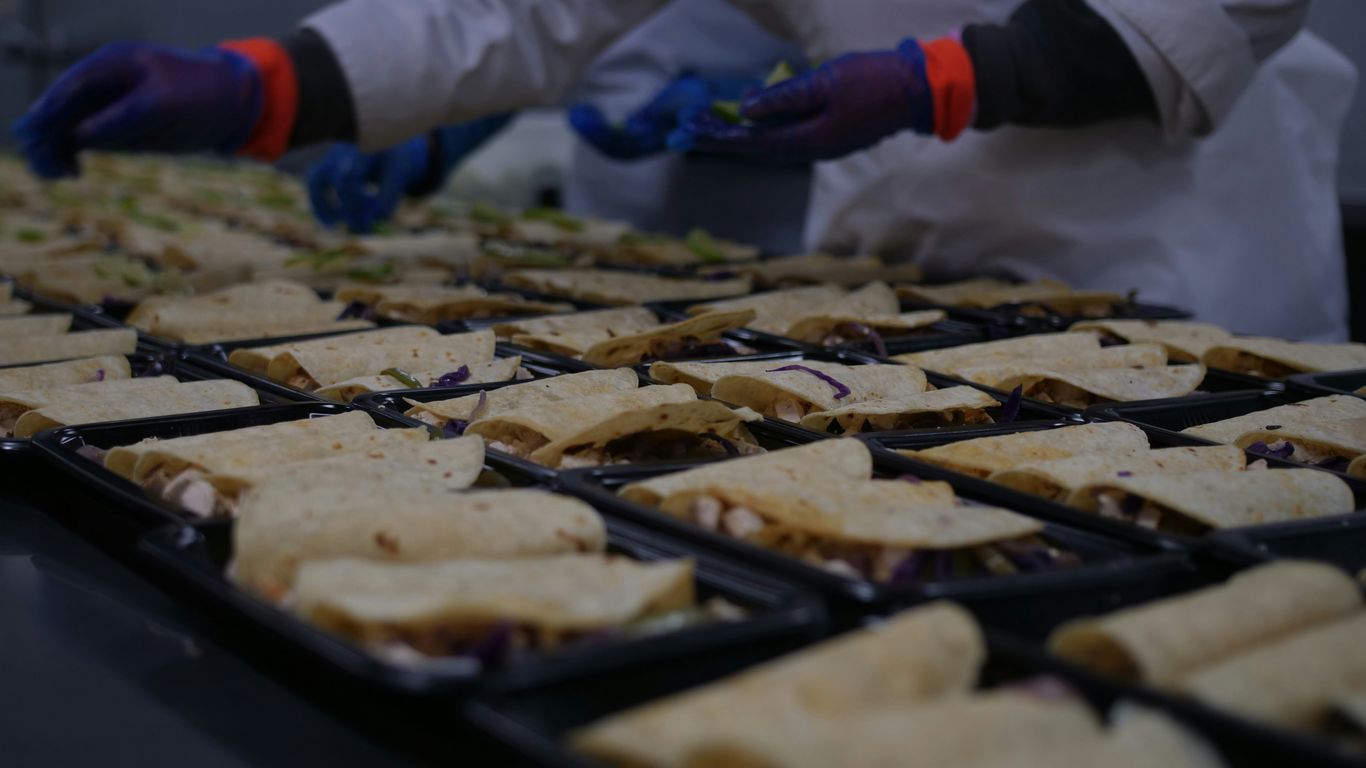
We know, the idea of meal prepping can sound like a lot, especially when you’re just starting out. But honestly, it’s a game-changer for busy weekends and hectic weeknights. Even if you’re not aiming to have a month’s worth of meals stashed away, having a few go-to dishes ready can save us so much time and stress.
Think about it: instead of scrambling to figure out dinner after a long day, you can just pull something delicious out of the fridge or freezer. It’s about setting ourselves up for success. We’ve found that prepping 2-5 basic meals or components can make a huge difference.
Here are a few ideas to get us started:
Taking just a few hours on a Saturday or Sunday to get these basics done means we can enjoy more relaxed evenings and less time stressing about what’s for dinner. It’s a simple way to make our lives easier and eat a bit better too.
We’ve all seen those beautiful loaves of sourdough bread with the perfect crust and airy crumb. It might seem complicated, but we can totally make it happen this weekend! Sourdough baking is a fantastic way to get into more traditional cooking, and honestly, the smell that fills the house while it bakes is worth the effort alone.
At its heart, sourdough relies on a starter, which is basically a fermented mix of flour and water. This starter is what gives sourdough its unique tangy flavor and chewy texture. Getting a starter going can take a week or so, but if you’re lucky, you might be able to get one from a friend or neighbor to speed things up.
Here’s a basic rundown of what you’ll need to do:
The long fermentation process makes sourdough easier to digest than regular bread. It’s a bit of a process, but totally doable for a weekend project. You can find tons of great resources online to help you get started, like this simple guide to baking sourdough bread.
Don’t be discouraged if your first loaf isn’t perfect. Sourdough baking is a skill that improves with practice. Each bake teaches you something new about your starter and your dough.
Making your own soap is a surprisingly accessible project, and it’s a fantastic way to control the ingredients that touch your skin. We’ve found that starting with a simple cold-process recipe is a great way to get your feet wet. You can make several batches in a single weekend, which means you’ll have plenty to use yourself and even some to give as gifts.
It might sound a bit intimidating at first, especially when you hear about lye, but with careful measuring and safety precautions, it’s totally manageable. We usually do this part outside just to be extra safe. The basic ingredients are pretty straightforward: fats (like olive oil or coconut oil) and a lye solution. You’ll want to have your oils measured out and your lye and water ready to go.
Here’s a general idea of the steps involved:
It’s a rewarding process, and the feeling of using soap you made yourself is pretty special.
Even if we don’t have a milk cow or goat right now, learning to make cheese is a really fun process. We started out making simple mozzarella and ricotta, and it was surprisingly easy. You can make a lot of delicious cheese with just a few basic ingredients and some patience. It’s a great way to use up extra milk or just to have some really fresh cheese on hand.
We found that starting with simple recipes is the best approach. Things like fresh mozzarella, chevre, or cream cheese are good entry points. Once you get the hang of those, you can move on to more complex cheeses.
Here’s a basic idea of what you might need:
Making your own cheese might seem a bit daunting at first, but it’s really not as complicated as it appears. Many recipes require minimal ingredients and equipment, making it accessible even for beginners. Plus, the taste of homemade cheese is often far superior to anything you can buy at the store.
There are tons of resources out there to help you get started. We found a great recipe for fresh cheese that uses just three ingredients and can be adapted for different types of cheese. It’s a fantastic starting point for anyone curious about this homesteading skill.
Smoking meats might sound like a big production, but we found it’s totally doable for a weekend project. It’s a fantastic way to preserve meat and add some serious flavor. We’ve been experimenting with different woods and rubs, and the results are just incredible.
Getting started doesn’t require a fancy setup. You can even use an old wood stove if it has a smoker shelf. Just make sure you’re not doing it on a super cold day if that’s your only heat source, because smoking takes a long time at low temperatures.
Here’s a basic rundown of what we learned:
The real magic happens when you can taste the difference from store-bought. It’s a rewarding process that makes your food taste amazing.
We learned that the type of wood you use really impacts the final taste. Experimenting with fruit woods like apple or cherry gives a milder, sweeter smoke, while hardwoods like oak or hickory provide a more robust flavor. It’s worth trying a few to see what you like best.
When we think about preserving the harvest, canning often comes to mind. It’s a fantastic way to keep fruits, vegetables, and even meats safe to eat long after their growing season is over. We’ve found that getting started with canning is less intimidating than it seems, especially if we focus on one type of food at a time. Tomatoes are a great starting point because they’re so abundant in late summer and early fall, and there are tons of recipes for sauces, salsas, and even ketchup.
Before we dive in, it’s good to have the right gear. You don’t need a ton of fancy equipment to begin, but a few key items make the process much smoother.
The basic idea is to heat food, pack it into sterilized jars, seal them, and then process them in the canner to create a vacuum seal. This kills any bacteria and prevents spoilage. It sounds like a lot, but once you do it a few times, it becomes second nature. We like to set aside a whole afternoon for canning, put on some music, and make a day of it. It’s incredibly satisfying to look at shelves full of our own preserved food, knowing we can enjoy the taste of summer all winter long.

When the lakes freeze over, we don’t just hibernate. Ice fishing is a fantastic way to get outside during the colder months and, believe it or not, it can be a productive homestead project. Fresh fish is a great addition to our winter meals, offering a healthy protein source that we caught ourselves. Plus, let’s be honest, it’s a pretty relaxing way to spend a weekend.
Getting started is simpler than you might think. You’ll need a few basic things:
We find that targeting panfish like perch and bluegill is a great way to start, as they’re often abundant and easier to catch. You can also try for larger game fish depending on your location and local regulations.
Remember to always check the ice thickness before venturing out. Safety first is the golden rule of ice fishing. We usually wait until the ice is at least 4 inches thick for walking and 6-8 inches for a small vehicle.
It’s a skill that takes a little practice, but the reward of a fresh, home-caught meal makes it totally worth the effort. It’s a chance to connect with nature and enjoy the quiet beauty of a frozen landscape.
Making your own herbal wines is a fantastic way to use up extra herbs and create unique, flavorful beverages. We love this project because it’s relatively simple and the results are both delicious and potentially medicinal. It’s a great way to add a special touch to meals or just enjoy a warming drink on a chilly evening.
The basic idea is to infuse herbs and spices into wine. You can use fresh or dried herbs, and the possibilities are endless. For a warming winter blend, try infusing cacao nibs and a chili pepper or two into a dry red wine like Cabernet Sauvignon. Just combine your ingredients in a large bottle on a Friday and strain them out by Sunday evening. You’ll have a delightful, circulation-boosting wine ready to share or enjoy yourself.
Here’s a simple process to get you started:
This process is similar to making mulled wine, but with a focus on longer infusion times for deeper flavor. It’s a wonderful way to experiment with different flavor combinations and create something truly your own. You can even find recipes for specific herbal wine infusions online to guide your first few attempts.
This weekend, we’re going to tackle hide tanning. It might sound a bit intense, but it’s a fantastic way to make sure nothing from a harvested animal goes to waste. Whether you’ve got a deer hide from a hunt, a rabbit from your backyard flock, or even a squirrel you happened upon, tanning it yourself is a rewarding process. We’re going to focus on a more natural method, using eggs instead of the harsh chemicals you might find in commercial tanning solutions. It’s a bit more hands-on, but the result is a beautifully preserved hide that you can use for all sorts of projects.
Here’s a basic rundown of what we’ll be doing:
Tanning hides is an ancient skill that connects us directly to the resources around us. It takes patience, but the satisfaction of transforming a raw hide into something useful is immense. Plus, it’s a great way to practice self-sufficiency.
It’s a process that requires a bit of time and effort, but transforming a raw hide into a usable material is incredibly satisfying. We’ll be using simple tools and readily available ingredients, making this a truly accessible homesteading project for the weekend.
If you’re looking to add a low-maintenance, high-yield animal to your homestead, rabbits are a fantastic choice. They don’t take up much space, reproduce quickly, and provide excellent meat. But to keep them happy and healthy, you’ll need a proper hutch. Building one yourself is a straightforward project that can easily be completed over a weekend.
We found that a simple, sturdy design is best. It needs to offer protection from predators and the elements while providing good ventilation. A common size for a hutch that can house a couple of rabbits is about 2 feet deep, 4 feet wide, and 2 feet tall. You can adjust these dimensions based on the number and size of rabbits you plan to keep.
Here are some key considerations when building:
A well-built hutch is an investment in your rabbits’ well-being and your homestead’s productivity. It doesn’t need to be fancy, just functional and safe. Think about ease of cleaning from the start; you’ll thank yourself later when you’re doing daily or weekly maintenance.
We usually build our hutches with a removable tray underneath the wire floor. This makes cleaning out droppings a breeze. Just pull out the tray, scrape it clean, and slide it back in. It saves a lot of time and effort, especially if you have multiple rabbits.
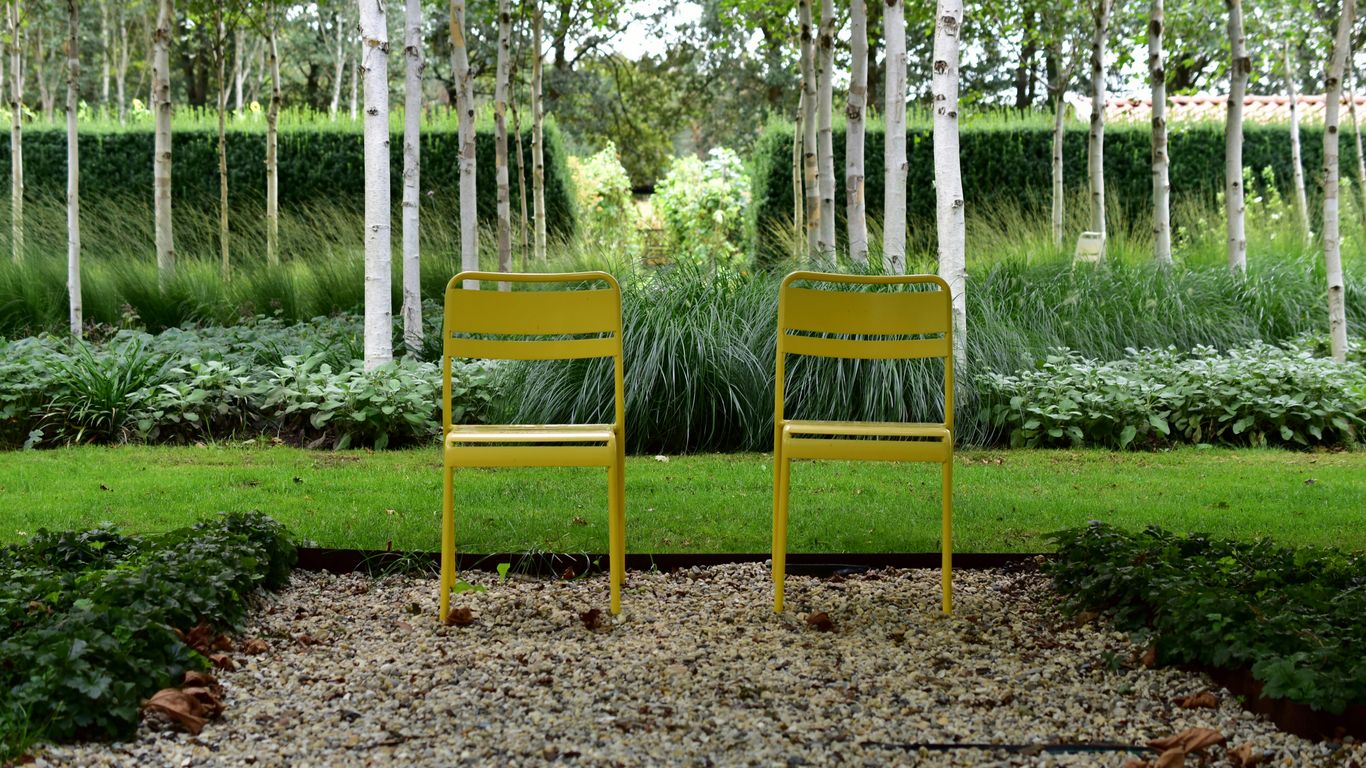
While it might seem a bit early, now is actually the perfect time to start thinking about and planning next summer’s garden. We know, we know, it’s cold outside and the last thing you might want to do is think about dirt and sunshine. But trust us, putting in a little bit of thought now will save us a lot of headaches and wasted effort later.
First off, let’s take stock of what worked and what didn’t this past season. Did that new variety of tomato actually produce? Were the beans a total flop? Jotting down these notes now, while it’s fresh in our minds, is super helpful. We should also think about what we want to eat more of next year. More zucchini? Less kale? This is the time to decide.
Here’s a quick checklist to get us started:
We also need to think about the stuff we’ll need. Do we have enough seeds? Are our tools in good shape? Maybe we need to order some new trellising or fencing materials. Getting these supplies sorted now means we won’t be scrambling when planting season hits.
Planning ahead also means we can start seeds indoors at the right time. Counting back from our last expected frost date is key for things like tomatoes and peppers. Getting this timing right makes a huge difference in our harvest.
Don’t forget about companion planting! Some plants help others by deterring pests or attracting beneficial insects. A little research here can go a long way in creating a healthier, more productive garden ecosystem. We can also start thinking about succession planting – planting quick-growing crops multiple times throughout the season to extend our harvest window. It’s all about maximizing our space and getting the most out of our efforts.
Winter might seem like a quiet time for beekeeping, but it’s actually a fantastic period to get ahead on hive construction. If you’re already a beekeeper, this is the perfect chance to build replacements or expand your apiary. If you’re planning to get bees in the spring, having your hives ready beforehand will make that transition much smoother. We find that building them indoors, perhaps by a warm fire, makes the process quite enjoyable, and you can use up any scrap wood you might have lying around.
Building a basic hive isn’t overly complicated. Most plans follow a similar structure, and you can find many free resources online. A standard Langstroth hive, for example, consists of several boxes (called supers), frames, a bottom board, and a lid. The key is to get the dimensions right so that the frames fit snugly but can still be removed easily.
Here’s a general idea of what you might need for a single hive body (a "deep" super):
We always aim to build at least one extra hive body than we think we’ll need. It’s always better to have a spare ready to go. Plus, if you get a swarm or decide to split an existing hive, you’ll be prepared.
Building your own hives can save a significant amount of money compared to buying pre-made ones. It also gives you a better understanding of the equipment your bees will call home.
So there you have it – a whole bunch of ideas to keep us busy and productive, even when we only have a weekend to spare. We know it can feel a little overwhelming at first, but remember, you don’t have to do everything at once. Pick one or two projects that sound fun or useful to you and just go for it. We’ve found that the best way to learn is by doing, and even if things don’t turn out perfectly the first time, we still gain something from the experience. Happy homesteading!
The main idea is to show you that even with a busy life, you can tackle fun and useful projects on your homestead in just a weekend. We want to inspire you to try new skills and make the most of your free time, whether it’s for preparing food, making things, or getting a head start on future plans.
Absolutely! We’ve picked projects that are generally easy to start with. Many of them don’t require a lot of special tools or experience. We believe in learning as we go, and these are great starting points to build your confidence and skills.
Not at all! While some projects like building a rabbit hutch or planning a garden might benefit from a bit of space, many others, like meal prepping, sourdough baking, or soap making, can be done right in your kitchen. We’ve tried to include a variety that fits different living situations.
That’s perfectly fine! We started with little to no experience ourselves. The goal is to learn and have fun. Think of these as opportunities to try something new. There are tons of resources online and in books to help you along the way if you get stuck.
We’ve focused on projects that can realistically be started and often completed within a typical weekend, usually around two days. Some might take a few hours, while others might involve a bit more hands-on time, but the idea is to make significant progress without needing weeks off.
Winter is a great time because outdoor chores might be less demanding, and we often have more downtime indoors. Plus, many of these projects, like baking bread or smoking meats, can actually add warmth and coziness to our homes during colder months. It’s also a perfect time to plan for warmer seasons.
 March 7, 2026
How to Turn Food Preservation Into a Side Hustle
Canning
Homestead Kitchen
Homesteading
Sustainable Living
March 7, 2026
How to Turn Food Preservation Into a Side Hustle
Canning
Homestead Kitchen
Homesteading
Sustainable Living
We've all got those hobbies or skills that we love doing, right? Maybe it's baking, gardening, or even making your own jam. What if we told you that you could turn those passions into a little extra cash? It might...
Read More March 7, 2026
High-Output Crops Perfect for Micro Homesteads
Gardening
Homestead Planning
Homesteading
Starting a Homestead
March 7, 2026
High-Output Crops Perfect for Micro Homesteads
Gardening
Homestead Planning
Homesteading
Starting a Homestead
Thinking about growing your own food but only have a little space? We get it. Many of us are looking for ways to be more self-sufficient, even if we don't have acres to work with. The good news is, you...
Read More March 6, 2026
10 Low-Cost Homestead Side Hustles That Make Money
Homestead Planning
Homesteading
Starting a Homestead
March 6, 2026
10 Low-Cost Homestead Side Hustles That Make Money
Homestead Planning
Homesteading
Starting a Homestead
We all dream of a simpler life, right? One where we're more connected to the land and the seasons. But let's be real, that dream needs some funding. That's where low cost homestead side hustles come in. These aren't about...
Read More