



We’ve been getting into canning lately, and it’s really changed how we think about food preservation. It feels good to have jars lined up on the shelves, knowing we’ve captured the best of the season. If you’re looking to do the same, we’ve put together a list of 15 canning recipes that we think every homesteader should have in their rotation. These are the ones that have become our go-tos for making sure we have delicious food on hand, no matter the time of year.
There’s something incredibly satisfying about opening a jar of homemade strawberry jam, especially when you know you made it yourself. We love making a simple, old-fashioned strawberry jam that really lets the fruit shine. It’s surprisingly easy, and the taste is so much better than anything you can buy at the store. This pectin-free recipe is a fantastic starting point for anyone new to canning.
We usually make ours with just fresh strawberries, sugar, and a bit of lemon juice. The lemon juice helps the jam set up a little and brightens the flavor. You don’t need a lot of fancy ingredients for this. We’ve found that using ripe, flavorful strawberries makes all the difference. If your berries aren’t super sweet, you might need to adjust the sugar slightly, but always follow a tested recipe for safety.
Here’s a basic idea of what goes into it:
We like to get our strawberries from a local farm stand when they’re in season. It makes the jam taste even more special. You can find great resources for canning recipes and tips online, like this guide on pectin-free strawberry jam.
When we first started canning, we were a little intimidated. There’s a lot of information out there, and you want to make sure you’re doing it safely. But honestly, starting with something like strawberry jam, which is a high-acid food, is a great way to build confidence. Just follow the steps carefully, and you’ll be enjoying your own jam before you know it.
Making jam is a wonderful way to preserve the taste of summer. We usually process ours in a water bath canner, which is pretty straightforward. Just make sure your jars are clean and sterilized, and that you’re following the correct processing times for your altitude. It’s a process that’s definitely worth the effort when you’re spreading that sweet, ruby-red goodness on toast on a cold winter morning.
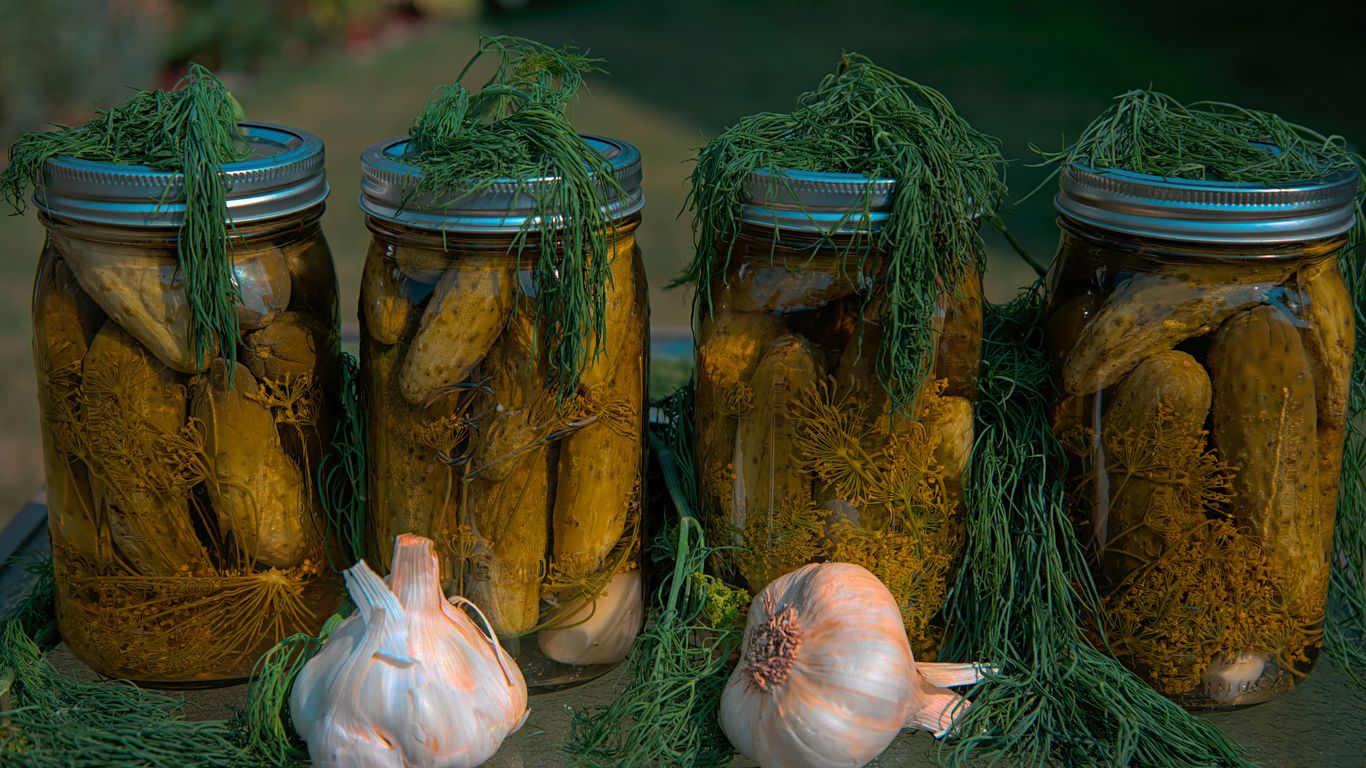
When it comes to preserving, pickles are a classic for a reason. They’re versatile, delicious, and a great way to use up a surplus of cucumbers. We’ve found that making your own pickles at home is surprisingly straightforward, and the results are so much better than anything you can buy at the store. The key to great homemade pickles is using a tested recipe and the right ingredients.
We like to make a big batch of dill pickles every summer. It’s a simple process that mostly involves chopping cucumbers and packing them into jars with a brine. Here’s a basic rundown of what you’ll need and how we usually do it:
When we make our dill pickles, we often use a recipe that calls for a low-temperature pasteurization method. This helps keep the pickles nice and crispy, which is exactly what we want. It sounds a bit fancy, but it’s really just about controlling the temperature during the canning process. Always make sure you’re using a recipe that has been tested for safety, especially when it comes to the acidity levels. It’s not worth the risk to mess with those ratios.
Here’s a quick look at the basic steps:
Canning pickles is a fantastic way to preserve the fresh taste of summer cucumbers. While creativity is limited in canning to ensure safety, sticking to tested recipes for pickles guarantees a safe and delicious product. We always opt for recipes that maintain that satisfying crunch.
We love a good salsa, and this peach habanero version is a real winner. It hits that perfect sweet and spicy note that makes it great for chips, tacos, or even as a glaze for grilled chicken. Making it at home means we can control the heat level, which is a big plus for us.
Here’s how we put it together:
This salsa is fantastic because it uses seasonal peaches and gives us a taste of summer all year long. It’s a bit of a project, but totally worth it for that homemade goodness.
We found that roasting the tomatoes first, if we were using them in a tomato-based salsa, really concentrated the flavor. For this peach version, we skip that step and let the fresh fruit shine.
Blueberry jam is a classic for a reason. We love having jars of this sweet, slightly tart spread ready to go on toast, biscuits, or even swirled into yogurt. Making it ourselves means we can control the sugar and get that perfect berry flavor without any weird additives.
The key to a good set is often the pectin, whether natural or added. Sometimes, depending on the ripeness of the blueberries, they might not have enough natural pectin to thicken up properly. We’ve found that using a reliable recipe and sometimes a little help from commercial pectin makes all the difference. It’s not cheating; it’s just smart canning!
Here’s a basic rundown of how we usually approach it:
We’ve had great success with recipes that use a combination of fruit and a bit of added pectin. It really helps achieve that perfect, spreadable consistency every time. If you’re looking for a good starting point, checking out resources on how to make blueberry jelly can give you a solid foundation for understanding the process, even if you’re aiming for jam.
Don’t be discouraged if your first batch isn’t perfect. Canning takes a little practice, and sometimes the fruit itself can be unpredictable. We’ve had batches that set beautifully and others that were a bit runnier, but they all tasted great! The important thing is to follow safe canning practices and enjoy the process.
It’s rewarding to open a jar of homemade blueberry jam on a cold winter morning, knowing you preserved that taste of summer yourself.
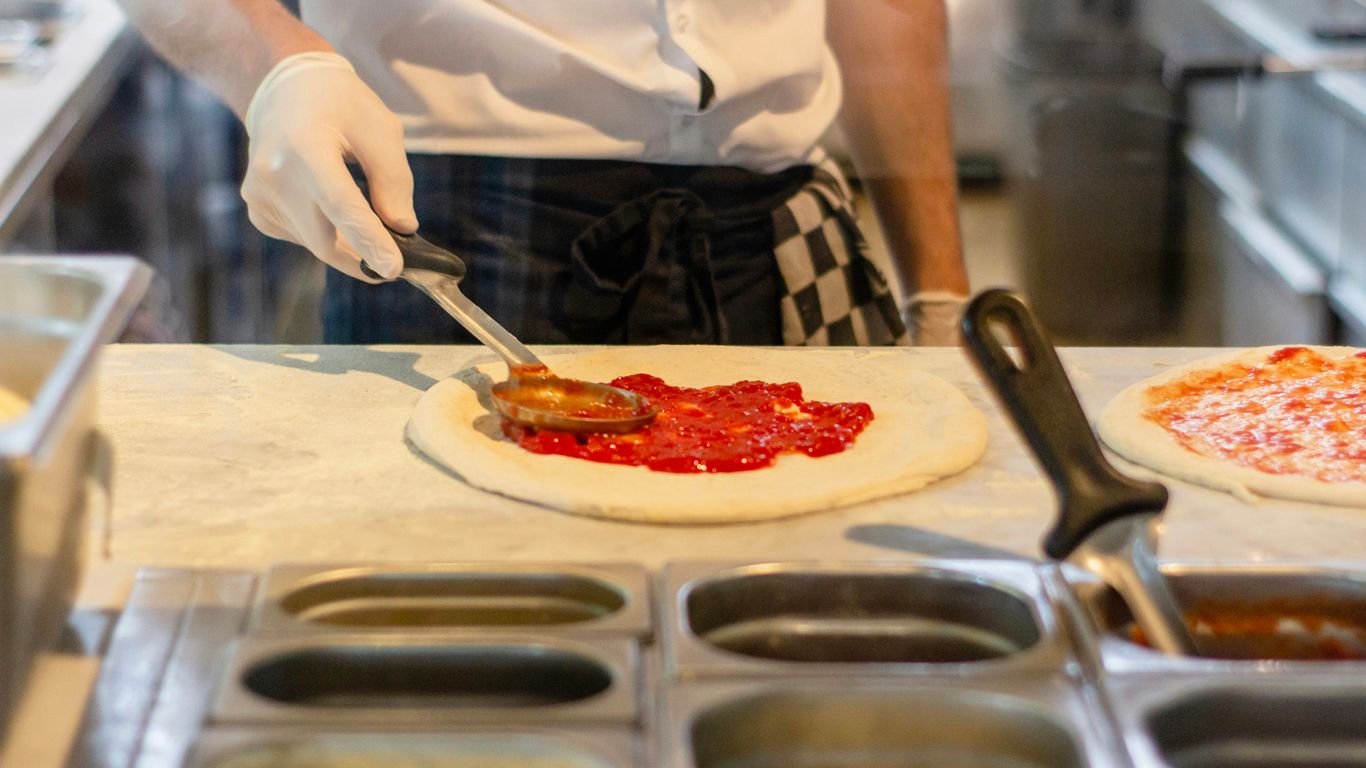
Making your own pizza sauce to can is a game-changer for quick weeknight meals. Forget those watery, bland store-bought versions; we’re talking about a rich, flavorful sauce that tastes like it came straight from a pizzeria. We found that roasting the tomatoes first really concentrates their flavor, making a huge difference. It’s a simple step that adds so much depth.
We like to make a big batch during tomato season and can it up. Then, when pizza night rolls around, we just pop open a jar. It’s so much better than using canned paste or sauce from the grocery store.
Here’s a basic idea of what goes into a good canning pizza sauce:
The key is to get the acidity right for safe canning, so we always stick to tested recipes. We usually aim for a recipe that yields at least 2 quarts at a time, as it’s a good amount to have on hand.
Canning pizza sauce means you’ve always got a delicious base ready for homemade pizzas, calzones, or even as a dipping sauce for breadsticks. It’s one of those pantry staples that just makes life easier and tastier.
When we think about comfort food, chicken noodle soup often tops the list. It’s the perfect remedy for a chilly evening or when you’re feeling a bit under the weather. Canning this classic soup means we can have a warm, nourishing bowl ready anytime, straight from our pantry. It’s so much better than anything you can buy in a store, and we get to control all the ingredients.
Making chicken noodle soup for canning involves a few key steps to ensure it’s safe and delicious. We’ll need cooked chicken, broth, noodles, and vegetables like carrots and celery. The trick is to get the noodles cooked just right so they don’t turn to mush during the canning process. Some folks prefer to add the noodles just before serving, but for a true "meal in a jar," we want them in there from the start.
Here’s a basic rundown of how we approach it:
The key to great canned chicken noodle soup is using a good quality broth and not overcooking the noodles before jarring. We also like to add a bit of fresh parsley at the end for extra flavor. It’s a simple process that yields a wonderfully satisfying meal, ready whenever we need it.
We love finding ways to use up our summer peach harvest, and this Rosemary Peach Glaze is a fantastic option. It’s not just for pork or chicken; we’ve used it on roasted vegetables and even as a topping for pancakes. The combination of sweet peaches and aromatic rosemary is surprisingly good.
Making this glaze is pretty straightforward, and it adds a gourmet touch to simple meals. We usually start with ripe, juicy peaches. You can use fresh or frozen, but fresh really gives the best flavor. The rosemary adds a nice savory note that balances the sweetness of the peaches perfectly. We find that using dried rosemary works just fine if fresh isn’t available, but you’ll want to adjust the amount slightly.
Here’s a general idea of what goes into it:
We usually simmer everything together until the peaches break down and the mixture thickens into a glaze consistency. It’s important to stir it often so it doesn’t scorch on the bottom of the pot. Once it’s thick enough, we ladle it into clean jars and process them using a water bath canner.
Canning this glaze means you have a delicious, homemade condiment ready to go all year round. It’s a great way to preserve the taste of summer and impress your dinner guests without a lot of fuss.
Cherries are one of those fruits that just scream summer, aren’t they? We love having jars of them ready to go for pies, cobblers, or just to eat straight from the jar. Canning cherries is pretty straightforward, and they’re considered a high-acid food, which means we can use the simpler water bath canning method. This is great because it doesn’t require any special equipment beyond what we already use for most fruit canning.
We always make sure to follow a tested recipe to ensure safety. While it’s tempting to just throw things in a jar, canning is really more like science. Messing with the sugar or liquid ratios can change the acidity, and that’s not something we want to play around with when it comes to food safety. The Ball Complete Book of Home Preserving is our go-to for reliable recipes.
Here’s a general idea of what goes into canning cherries:
Remember, a sealed lid is a good sign, but it doesn’t guarantee safety on its own. Always follow tested recipes and proper processing times. It’s better to be safe than sorry when it comes to preserving food.
We find that canned cherries last a good 12 to 18 months, though they’re often still good beyond that if the seal remains intact. The quality might dip a bit over time, but they’re usually perfectly fine to eat. Just give them a look and a sniff before you dig in!
We all know green beans are a garden staple, and canning them is a fantastic way to keep that fresh flavor all year long. It’s honestly one of the simplest things we can put up, and having them ready to go in the pantry makes weeknight meals so much easier. Think about it – no more washing, trimming, and snapping when you’re already tired after a long day.
When we can green beans, we usually go for a simple brine. It’s just water, salt, and maybe a little bit of sugar if we’re feeling fancy, though it’s not strictly necessary. The key is to pack them tightly into your jars. We like to use a hot pack method; it seems to give us the best texture and color.
Here’s a basic rundown of how we do it:
Properly canned green beans can last for years, but we aim to use them within 12-18 months for the best quality. They’re so versatile – great in casseroles, as a side dish with butter and almonds, or even tossed into a hearty soup.
When we think about preserving vegetables, carrots often come to mind. They’re versatile, store well, and are packed with nutrients. Canning them is a fantastic way to keep that sweetness and goodness on hand all year long.
We like to can carrots because they’re so easy to use later. Whether you’re tossing them into a stew, mashing them as a side dish, or adding them to a soup, having them ready in a jar saves so much time. Plus, they hold up really well to the canning process.
Here’s a quick rundown on how we typically prepare them:
Canning carrots is straightforward, but always remember to use a pressure canner. This is the safest method for preserving low-acid foods and guarantees that your carrots will be safe and delicious for future meals.
The nutritional payoff is pretty good too! A cup of canned carrots offers a decent amount of Vitamin A, which is great for our eyesight and immune system. They’re also a good source of fiber. We find that properly canned carrots can last for years, though we aim to use them within 18 months for the best quality.
We all know potatoes are a pantry staple, but did you know we can can them? It’s true! Canning potatoes is a fantastic way to preserve this versatile root vegetable, making them ready to go for all sorts of meals. Think mashed potatoes, roasted potatoes, or even adding them to stews and soups without a second thought.
When we’re canning potatoes, we’re looking for a few key things. First, pick good quality potatoes – firm, with no sprouts or green spots. We usually go for a hot pack method. This means we’ll peel and cube them, then boil them for a few minutes before packing them into jars. This step helps them hold their shape better and ensures they’re heated through.
Here’s a basic rundown of how we do it:
Canned potatoes are incredibly handy for quick weeknight meals. They’re a blank canvas, ready to be transformed into whatever your heart desires. Just remember to always check the seals before using them, and store them in a cool, dark place for the best quality.
Canning beef is a fantastic way to keep a hearty protein on hand for quick meals. We love having jars of beef ready to go for those nights when cooking from scratch just isn’t happening. It’s surprisingly straightforward, and you can preserve it in various forms – think cubes, slices, or even ground beef.
When we can beef, we usually opt for a pressure canner. It’s the safest method for low-acid foods like meat. You can pack the jars with raw beef, or you can pre-cook it slightly (hot pack) before jarring. For beef, we often use beef broth or even tomato juice as the liquid. The key is to leave about an inch of headspace in the jar to allow for expansion during the canning process.
Here are some of our favorite ways to can beef:
Remember, when you’re canning meat, it’s important to follow tested recipes. We’ve found that using a good canning cookbook is super helpful. For instance, pressure canning beef recipes often specify the exact processing times and pressures needed, which vary based on your altitude and canner type.
Always double-check your seals before consuming. If a jar doesn’t seal properly, refrigerate it and use it within a few days, or reprocess it if possible. Proper sealing is vital for food safety.
Canned beef is incredibly versatile. We often serve ours with canned potatoes or rice. It really cuts down on prep time, making weeknight dinners so much easier. Plus, knowing you have a reliable source of protein stored away gives us a real sense of security.
Canning chicken is a fantastic way to preserve this versatile protein, making it ready for quick meals anytime. Whether you’ve got a surplus from a sale, a garden-raised bird, or just want to stock up, canning is the way to go. We can use chicken breasts, thighs, or even whole birds, and you can choose to can them bone-in or boneless. Interestingly, canning bone-in chicken often requires a shorter processing time because the bones help heat the jar’s center more efficiently.
When canning chicken, especially for "meal-in-a-jar" recipes, remember that the bones take up space, meaning you’ll get less meat per jar. However, for smaller pieces like wings or legs, leaving the bones in can be easier than trying to debone them raw. We’ve found success with various recipes, from simple chicken soup to more complex dishes like chicken pot pie filling or chicken fajita meat.
Here are a few ideas for what you can do with canned chicken:
Always use a pressure canner for meats like chicken. This is non-negotiable for safety. Follow tested recipes precisely, paying close attention to processing times and pressure adjustments based on your altitude.
When preparing chicken for canning, ensure it’s clean and free of excess fat. You can pack jars raw or hot, but hot packing often yields better quality for many recipes. Always leave the correct headspace, typically 1 inch for meats, and use only approved canning lids and jars. Check your seals after the jars have cooled.
For pressure canner adjustments, remember:
Tomatoes are a homestead staple, and canning them is a fantastic way to preserve that summer freshness for use all year long. We love having jars of home-canned tomatoes ready for sauces, soups, and stews. It’s really not as complicated as it might seem at first.
When we can tomatoes, we’re usually talking about high-acid foods, which means we can use a water bath canner. However, it’s important to know that over the years, tomato varieties have changed, and some might not be acidic enough on their own for safe water bath canning. To be safe, most tested recipes will call for adding a bit of lemon juice or citric acid to boost the acidity. Always follow a tested recipe for safety.
Here’s a basic rundown of how we approach canning tomatoes:
Canning tomatoes is a straightforward process. It involves blanching and peeling the tomatoes, packing them into jars, and then using a water bath canning method to preserve them.
We find that having a good canning cookbook is a lifesaver. The Ball Complete Book of Home Preserving is one we reach for often. It has reliable recipes that take the guesswork out of it. Having these jars of tomatoes ready to go makes weeknight meals so much easier, and it feels good knowing we’ve preserved a bit of our harvest.
Beans are such a pantry staple, aren’t they? We love having jars of them ready to go for quick meals. Canning beans yourself means you know exactly what’s in them, and you can get creative with flavorings.
When we can beans, we usually go for a hot pack method. It seems to give us the best quality in the end. You can totally do a raw pack too, which is faster, but we’ve found the hot pack works better with more ingredients. Just remember, beans expand when they’re canned, so don’t overfill your jars. We aim for about an inch of headspace.
Here are a few ideas for what we like to can:
When canning meals with beans, stick to approved ingredients. Things like dairy, thickeners, pasta, or rice are a no-go. Also, dry beans need to be fully rehydrated before canning. Leafy greens and sweet potatoes are best in brothy meals, not hearty ones.
We always adjust our pressure canner based on our altitude. It’s super important for safety. For example, if you have a weighted gauge canner and you’re above 1,000 feet, you’ll need to use 15 lbs of pressure. If you have a dial gauge, it gets a bit more specific depending on how high up you are.
| Altitude Range | Weighted Gauge Pressure | Dial Gauge Pressure |
|---|---|---|
| 0-1,000 ft | 10 lbs | 11 lbs |
| 1,001-2,000 ft | 15 lbs | 11 lbs |
| 2,001-4,000 ft | 15 lbs | 12 lbs |
| 4,001-6,000 ft | 15 lbs | 13 lbs |
| 6,001-8,000 ft | 15 lbs | 14 lbs |
Properly sealed jars can last a long time, but we try to use ours within 12 to 18 months for the best flavor and texture. Always check that seal before you open a jar!
So there you have it – 15 recipes to get you started on your canning journey. We know it might seem like a lot at first, maybe even a little intimidating. But honestly, the more you practice, the easier it gets. We remember our first few times in the kitchen, a bit of a mess, wondering if we were doing it right. Now, though? It’s become second nature for many things. Having a pantry stocked with your own canned goods feels pretty amazing, like a real accomplishment. Don’t be afraid to try these recipes out. You’ve got this!
The most crucial thing to keep in mind is safety. We need to follow tested recipes and guidelines very carefully. It’s not like cooking where you can just wing it. Using the right methods ensures the food stays safe to eat and doesn’t spoil or cause illness.
Yes, we do! While we can start with basic items, having the right tools makes a big difference. Things like a jar lifter to safely handle hot jars, a special funnel for filling, and a headspace measurer are super helpful and keep us safe.
We use water bath canning for high-acid foods like fruits and pickles. For low-acid foods, such as meats, beans, and most vegetables, we absolutely must use a pressure canner. The higher temperature from pressure canning is needed to kill harmful bacteria.
We look for a few signs. The lid should be curved downward and not flex when pressed. If the lid pops up and down, or if the food looks moldy, smells off, or seems fizzy, we should not eat it. When in doubt, throw it out!
No, we should only use jars made specifically for canning. These jars are designed to withstand the heat and pressure of the canning process. We also need new lids each time for a good seal, but the rings can usually be reused if they’re not rusty or bent.
Absolutely! We can buy fresh produce from local farmers’ markets or even good quality produce from the grocery store when it’s in season. Canning is a great way to enjoy those flavors long after the season is over, even if we didn’t grow it ourselves.
 March 7, 2026
How to Turn Food Preservation Into a Side Hustle
Canning
Homestead Kitchen
Homesteading
Sustainable Living
March 7, 2026
How to Turn Food Preservation Into a Side Hustle
Canning
Homestead Kitchen
Homesteading
Sustainable Living
We've all got those hobbies or skills that we love doing, right? Maybe it's baking, gardening, or even making your own jam. What if we told you that you could turn those passions into a little extra cash? It might...
Read More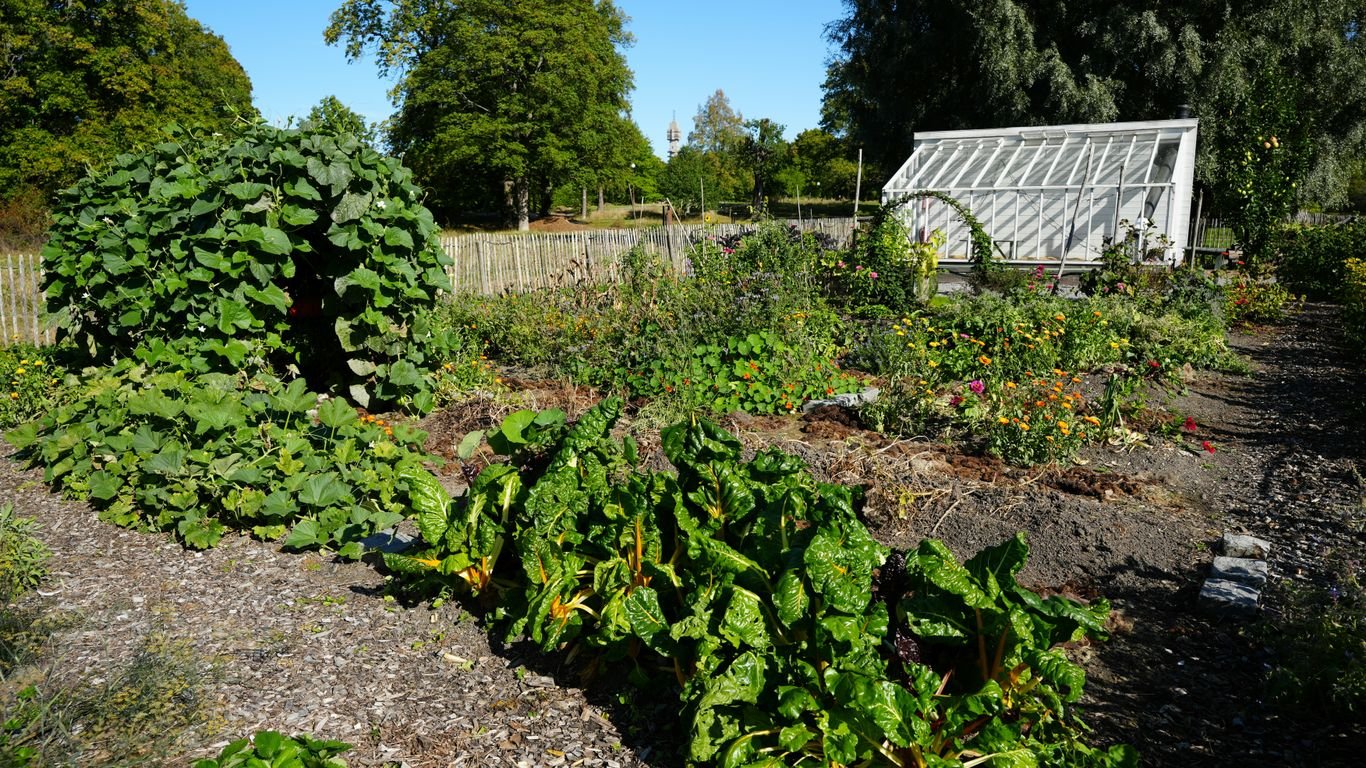 March 7, 2026
High-Output Crops Perfect for Micro Homesteads
Gardening
Homestead Planning
Homesteading
Starting a Homestead
March 7, 2026
High-Output Crops Perfect for Micro Homesteads
Gardening
Homestead Planning
Homesteading
Starting a Homestead
Thinking about growing your own food but only have a little space? We get it. Many of us are looking for ways to be more self-sufficient, even if we don't have acres to work with. The good news is, you...
Read More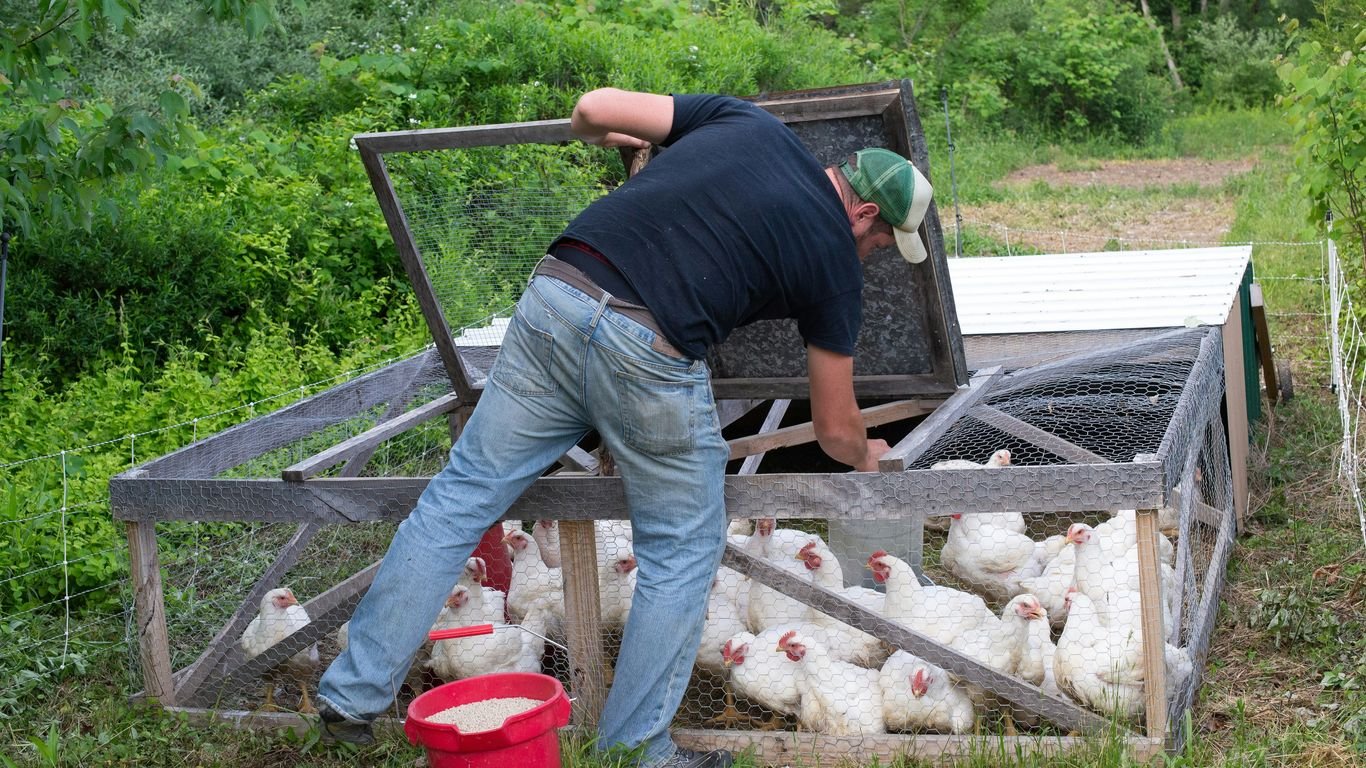 March 6, 2026
10 Low-Cost Homestead Side Hustles That Make Money
Homestead Planning
Homesteading
Starting a Homestead
March 6, 2026
10 Low-Cost Homestead Side Hustles That Make Money
Homestead Planning
Homesteading
Starting a Homestead
We all dream of a simpler life, right? One where we're more connected to the land and the seasons. But let's be real, that dream needs some funding. That's where low cost homestead side hustles come in. These aren't about...
Read More