


We’re all looking for ways to make our homes feel more like a sanctuary, right? For us, that means embracing a bit of that charming outdoor homestead aesthetic. It’s about creating spaces that are not only pretty to look at but also feel lived-in, functional, and connected to nature. Think less perfectly manicured lawn and more relaxed, purposeful beauty. We want our yards to be extensions of our homes, places where we can relax, entertain, and maybe even grow a little something.
When folks pull up to our place, the very first impression they get is the path leading to our front door. It’s like the handshake of our home, you know? Making that little stretch feel inviting sets the whole tone. We’ve found that even small changes can make a big difference in how welcoming our home feels.
Think about the journey from the sidewalk or driveway to your front door. Is it clear? Is it interesting? We like to make sure our paths aren’t just functional but also a little bit charming. Sometimes, just clearing away any clutter or overgrown plants makes a huge difference. We’ve also experimented with different materials for our walkways. Gravel can be nice and rustic, but it can also get everywhere. Pavers or natural stone often feel a bit more solid and intentional. A well-defined path guides visitors and makes them feel like they’re heading somewhere special.
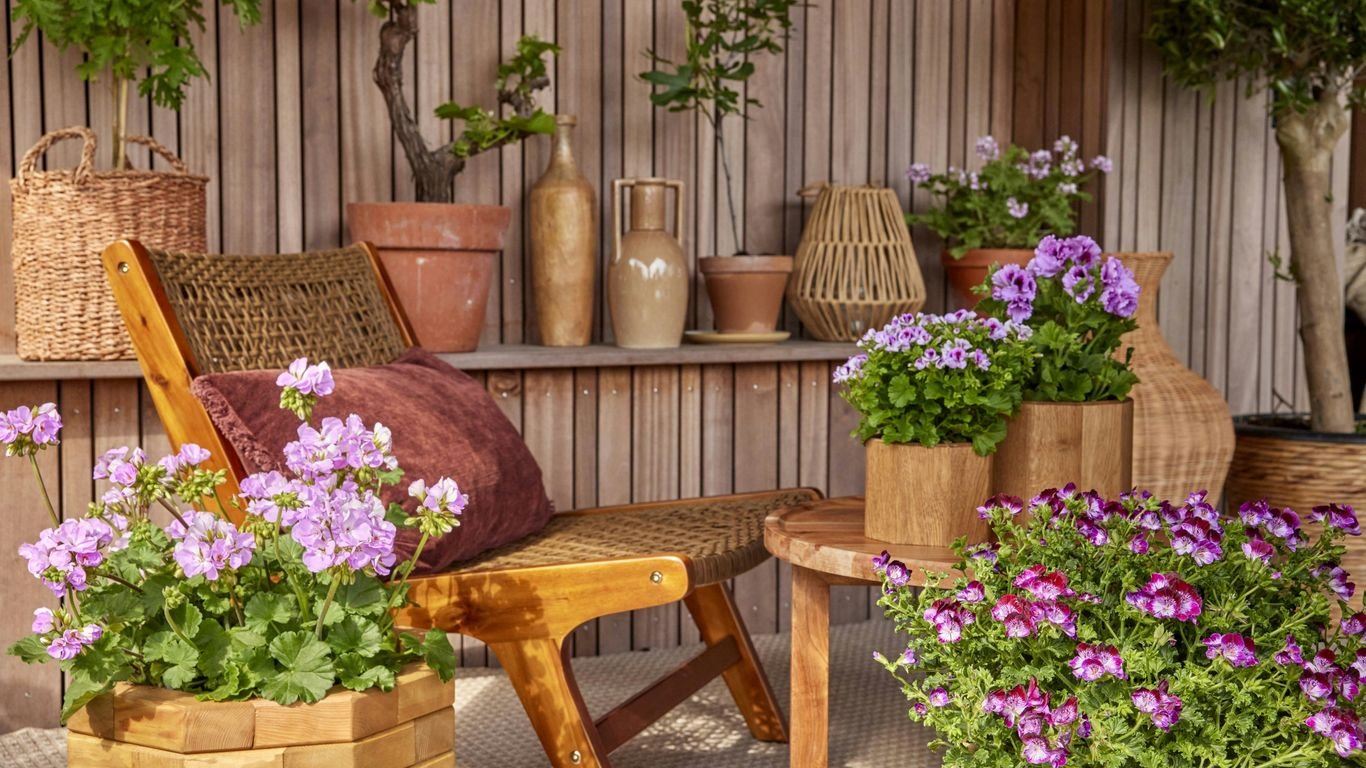
One of the easiest ways we’ve found to liven up our entryway is by adding plants in containers. It’s amazing how much life a couple of well-placed pots can bring! We try to pick planters that match our home’s style, whether that’s a classic terracotta or something a bit more modern. Filling them with colorful flowers or even some interesting greenery adds a pop of color that really draws the eye. It’s also a great way to introduce seasonal changes – think bright pansies in spring or mums in the fall.
Don’t forget the door itself! It’s the main event of the entryway, after all. We’ve learned that updating the doorknob, handle, and even the house numbers can make a surprisingly big impact. A new set of hardware can give an older door a fresh, updated look without needing a full replacement. We went with a matte black finish on our door hardware, and it really makes the wood grain pop. It’s a small detail, but it adds a touch of elegance that we really appreciate every time we come and go.
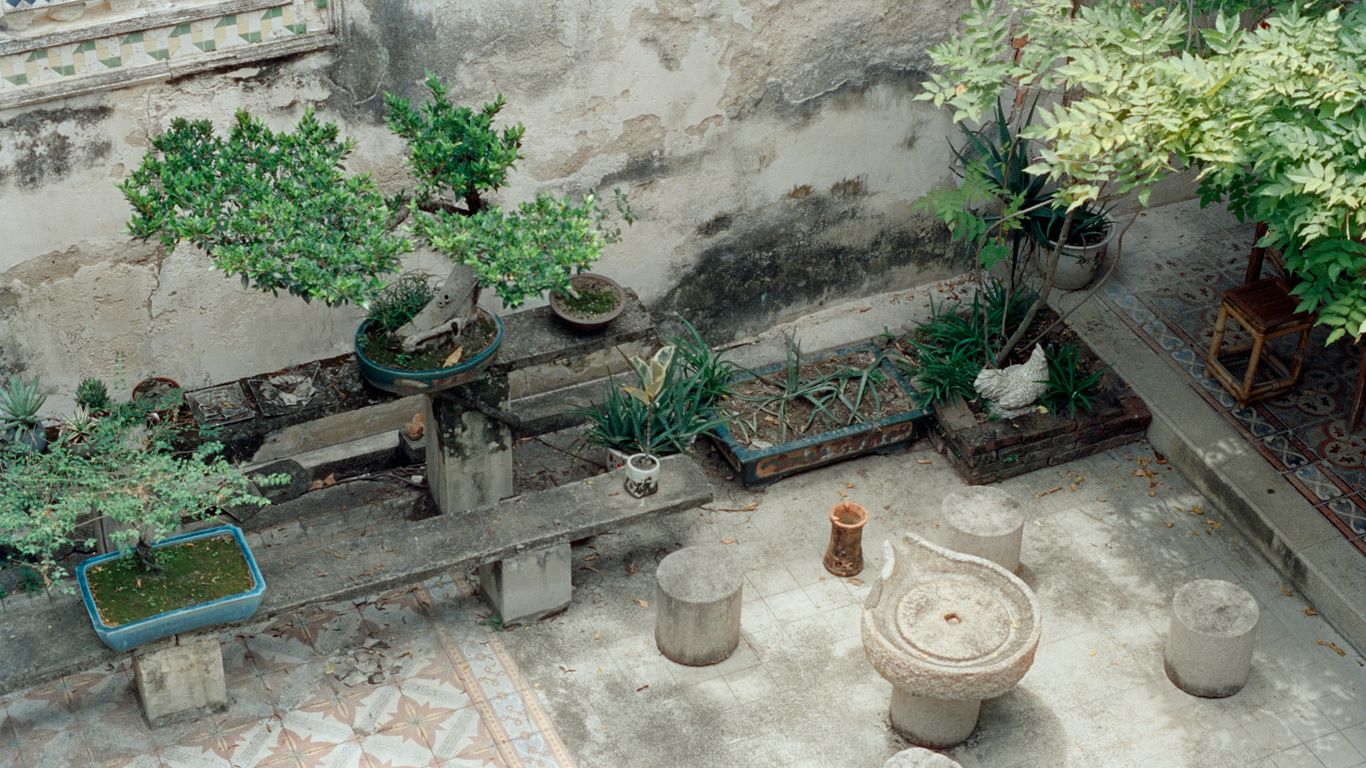
When we think about a homestead, we often picture rolling fields and rustic structures, but the hardscaping – the paths, walls, and patios – is just as important for that natural feel. It’s about making sure these functional elements blend right in with the landscape, not fight against it.
Forget straight, boring lines. We want our paths to invite exploration, to wind and meander through the garden or yard. Think about using materials that feel grounded and natural, like gravel, crushed stone, or even irregular flagstones. These kinds of paths don’t just look good; they also help with drainage and can make your outdoor space feel larger. We like to lay them out so they lead us from one point of interest to another, maybe from the back door to a quiet seating area, or past a particularly lovely flower bed. It’s all about creating a journey, not just a way to get from A to B.
If our property has any slopes, retaining walls are a must. But instead of harsh, modern concrete blocks, we opt for natural stone or timber that looks like it belongs there. These walls aren’t just for holding back dirt; they can create different levels in the yard, define garden beds, and add a lot of visual interest. A well-built stone wall can look like it’s been there for ages, adding that timeless homestead charm. We’ve found that using local stone, if possible, really helps it blend in with the surroundings.
For any hardscaping, durability is key. We want things that will last and won’t require constant upkeep. Materials like brick, natural stone, or even well-laid concrete pavers are great choices. They hold up well against the weather and foot traffic. The trick is to pick materials that complement the style of our home and the natural environment. We also look for finishes that add a bit of texture or character, like a rough-hewn stone or a brick with a bit of variation in color. It makes a big difference in the overall feel of the space.
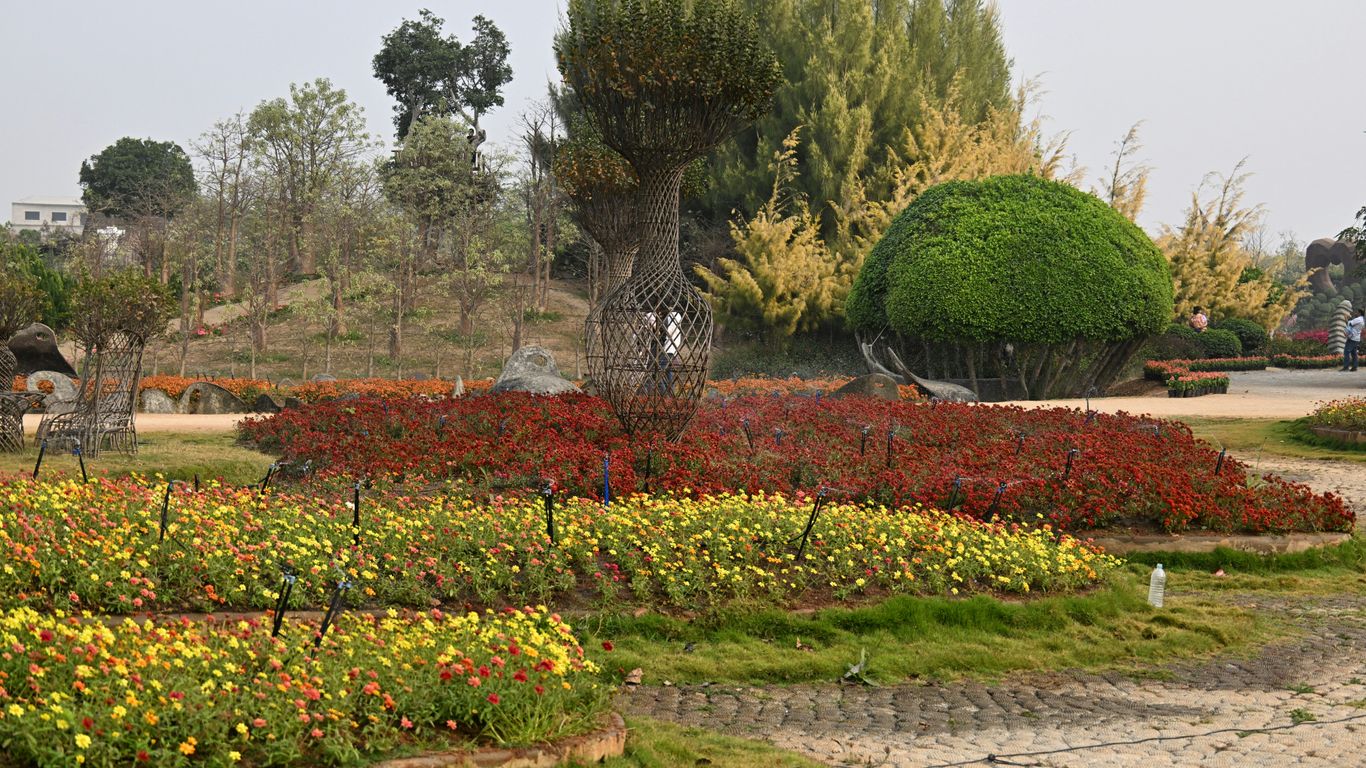
We want our gardens to be more than just pretty spaces; we want them to be productive and alive. Think about incorporating plants that give back, whether it’s food for our table or a haven for local wildlife. It’s about creating a little ecosystem right in our backyard.
Choosing plants that are native to our region is a smart move for a few reasons. They’re already adapted to our climate and soil, meaning less fuss and watering for us. Plus, they provide the best food and shelter for local birds, bees, and butterflies. We can look for things like coneflowers, milkweed, or native grasses. These aren’t just pretty; they’re workhorses that support our local environment. A garden full of native plants is a garden that truly belongs here.
Why not have our cake and eat it too? Edible landscaping, or ‘foodscaping’ as some call it, means weaving fruits, vegetables, and herbs right into our ornamental beds. Imagine blueberry bushes with their lovely spring flowers and fall color, or a row of colorful swiss chard adding a pop of vibrancy next to your perennials. We can espalier fruit trees against a fence to save space and add a neat, architectural look. Even herbs like rosemary or lavender can be clipped into tidy shapes that look great along a pathway. It makes our yards beautiful and functional.
To keep our gardens interesting all year, we need to think about blooms that come and go with the seasons. This means planning for a succession of color and interest. We can start with early spring bulbs, move into summer perennials and flowering herbs, and finish with fall-blooming asters or ornamental grasses that provide texture and color even after a frost. This approach also helps keep pollinators happy, as there’s always something for them to feed on. It’s a cycle that brings continuous life and beauty to our outdoor space.
We all want our outdoor spaces to feel like an extension of our homes, right? A place where we can relax, entertain, and just generally enjoy being outside. For that homestead vibe, we’re thinking comfortable, inviting, and a little bit rustic. Let’s look at how we can make that happen.
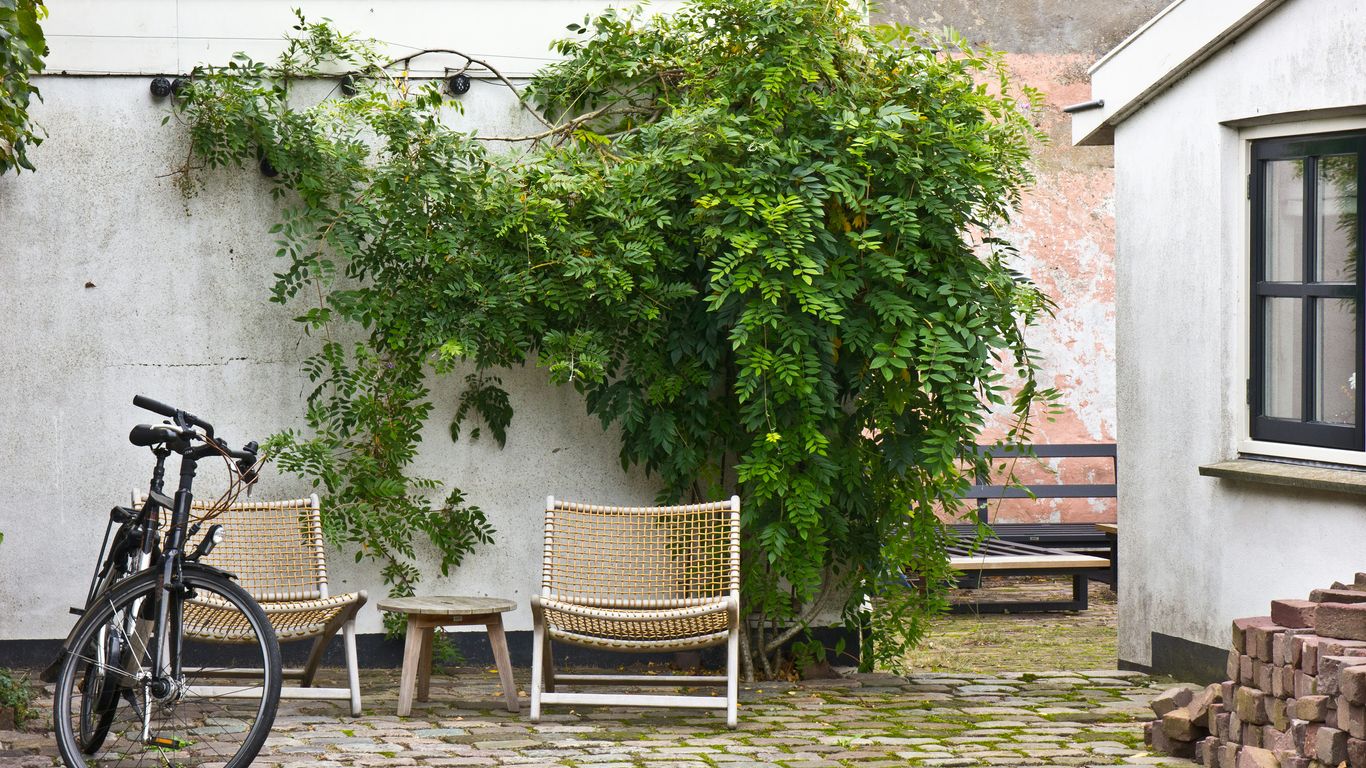
Think of your patio as your outdoor living room. To make it feel truly cozy, start with comfortable seating. We like to use sturdy outdoor furniture, maybe a nice wooden bench or a set of chairs, and then pile on the cushions and throws. This instantly makes the space feel more welcoming. You can also define the space with an outdoor rug – it adds color and texture, making it feel more like an intentional room. Don’t forget to think about the ground underfoot. Pavers, natural stone, or even a well-maintained gravel area can all work, depending on the look you’re going for. The key is to make it a place you want to spend time.
Protection from the sun and light rain makes a huge difference in how much we can actually use our outdoor areas. A pergola can add a lovely architectural element, and you can even grow vines on it for a natural, shaded canopy. If a pergola feels like too much, a retractable awning is a great option. It gives you flexibility – shade when you need it, sun when you don’t. We’ve found that having this overhead cover really extends the usability of our patios, letting us enjoy them even when the weather isn’t perfect.
Is there anything cozier than gathering around a fire? A fire pit is a fantastic focal point for any outdoor living space. It’s not just for warmth; it creates a natural gathering spot for friends and family. You can find them in all sorts of styles, from simple stone circles to more elaborate built-in designs. We love how a fire pit can transform a backyard into a destination, perfect for roasting marshmallows or just enjoying a quiet evening under the stars. It really adds that touch of homestead charm and encourages lingering outdoors.
Beyond just looking pretty, a homestead-style yard is about being smart with resources. We want our outdoor spaces to work for us and the planet. This means thinking about how we use water, manage waste, and even generate our own power.
Collecting rainwater is a simple yet effective way to reduce our reliance on municipal water. We can set up rain barrels under downspouts to capture this free resource. This water is perfect for watering our gardens and plants, especially during dry spells. It’s also free of the chemicals often found in tap water, which is a bonus for our plants.
Instead of tossing kitchen scraps and yard trimmings into the trash, we can turn them into black gold for our gardens. Composting reduces landfill waste and creates nutrient-rich soil amendment. Setting up a compost bin is pretty straightforward. We just need a mix of "greens" (like fruit peels and grass clippings) and "browns" (like dry leaves and shredded paper). Turning it occasionally helps speed up the process.
Thinking about energy is also part of the homestead vibe. We can look at small-scale renewable energy options. Solar panels are a popular choice for powering outdoor lights, water pumps, or even charging devices. Even something as simple as choosing solar-powered garden lights can make a difference. It’s about taking steps towards self-sufficiency and reducing our carbon footprint.
Making these sustainable choices not only benefits the environment but also often saves us money in the long run. It’s a win-win for our homestead and our wallets.
We’ve covered the big stuff, but sometimes it’s the little details that really make our outdoor spaces feel like home. These finishing touches are where we can really inject our personality and make our homestead aesthetic shine.
Think of your mailbox as the first handshake your home gives to the world. Instead of a plain, standard box, we can upgrade it to something that fits our style. Maybe it’s a sturdy wooden post with a hand-painted address, or perhaps a classic black metal design that complements our house trim. We could even add a small planter box on top for some seasonal flowers. It’s a small detail that makes a big first impression.
This is more than just about looks; it’s about practicality too. We want our house numbers to be easy to read from the street, not just for guests but for delivery drivers and, importantly, emergency services. We can find numbers made from durable materials like wrought iron, aged brass, or even carved stone. Consider the font and size – something clear and bold usually works best. Placing them on a contrasting background, like a stone pillar or a painted section of the house, makes them stand out.
Creating little spots to pause and enjoy the outdoors is key to the homestead feel. We don’t need a huge patio set to do this. A simple, sturdy wooden bench tucked under a favorite tree, a pair of Adirondack chairs on a small gravel area, or even a hanging swing on the porch can create a cozy nook. These spots invite us to slow down, read a book, or just watch the birds. They turn our yard from just a space into a place to truly live in.
These small additions are like the punctuation marks in our outdoor design. They guide the eye, add character, and make our homestead feel lived-in and loved. We can think about materials that age well, like wood and metal, which fit right into that rustic, natural vibe we’re going for.
So, there you have it! We’ve talked about how to bring that cozy, functional homestead vibe into your own backyard. It’s not just about making things look pretty, though that’s a big part of it. It’s about creating spaces that work for us, that feel good to be in, and that connect us a little more to the earth. Whether you’re adding a few simple touches or planning a big overhaul, remember that every little bit helps build a place that feels truly yours. Go on, get out there and make your outdoor space a little slice of homestead heaven!
We want our outdoor space to feel welcoming and look a bit like a cozy, working farm, even if it’s just for show. It’s about making things look nice while also being useful and feeling connected to nature. Think charming paths, pretty plants, and comfy spots to relax.
We can start by making the path to our front door look nice. Adding colorful flowers in pots or a cheerful welcome mat really makes a difference. Even changing the doorknob or adding a fresh coat of paint to the door can make it feel much more welcoming.
We should pick plants that grow well in our area, like native plants, because they don’t need a lot of fuss. It’s also fun to include plants we can eat, like herbs or vegetables, right alongside pretty flowers. This makes our garden both beautiful and productive.
We can build a nice patio area with comfy seating, maybe add a pergola or awning for shade, and even put in a fire pit for chilly evenings. These spots make our yard feel like another room in our house, perfect for spending time outdoors.
We can collect rainwater to water our plants, compost our kitchen scraps to make good soil, and choose plants that don’t need much water. These simple steps help us take care of the environment while making our yard look great.
We can make our mailbox look extra special, pick out stylish house numbers that are easy to see, and add a small bench or a cozy corner where we can sit and enjoy the outdoors. These details really make our yard feel like our own.
 March 7, 2026
How to Turn Food Preservation Into a Side Hustle
Canning
Homestead Kitchen
Homesteading
Sustainable Living
March 7, 2026
How to Turn Food Preservation Into a Side Hustle
Canning
Homestead Kitchen
Homesteading
Sustainable Living
We've all got those hobbies or skills that we love doing, right? Maybe it's baking, gardening, or even making your own jam. What if we told you that you could turn those passions into a little extra cash? It might...
Read More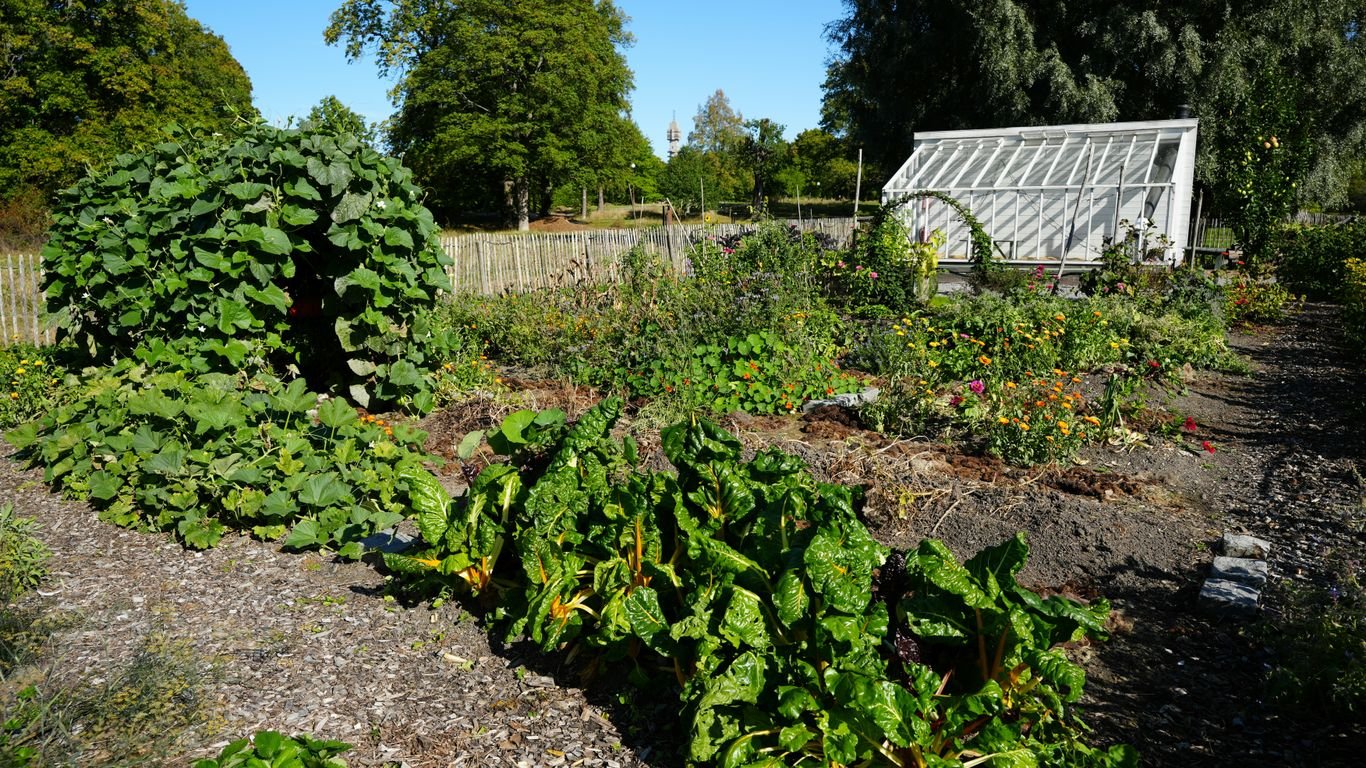 March 7, 2026
High-Output Crops Perfect for Micro Homesteads
Gardening
Homestead Planning
Homesteading
Starting a Homestead
March 7, 2026
High-Output Crops Perfect for Micro Homesteads
Gardening
Homestead Planning
Homesteading
Starting a Homestead
Thinking about growing your own food but only have a little space? We get it. Many of us are looking for ways to be more self-sufficient, even if we don't have acres to work with. The good news is, you...
Read More March 6, 2026
10 Low-Cost Homestead Side Hustles That Make Money
Homestead Planning
Homesteading
Starting a Homestead
March 6, 2026
10 Low-Cost Homestead Side Hustles That Make Money
Homestead Planning
Homesteading
Starting a Homestead
We all dream of a simpler life, right? One where we're more connected to the land and the seasons. But let's be real, that dream needs some funding. That's where low cost homestead side hustles come in. These aren't about...
Read More