


Storm season is no joke, especially when you’re running a homestead. We’ve learned a thing or two over the years about getting ready for whatever Mother Nature throws our way, and it’s not just about battening down the hatches. It’s a whole process, from knowing what kind of storms we might face to making sure our animals are safe and sound. This storm season prep is key to keeping our homestead running and our family safe, so let’s get into what we need to do.
When we think about storm season, it’s easy to picture coastal areas getting battered by hurricanes. But honestly, no matter where we live, we need to be aware of the potential threats. Even if you’re miles inland, severe weather can still pack a punch.
For those of us in the Atlantic Basin – that includes the Atlantic Ocean, Caribbean Sea, and the Gulf of Mexico – hurricane season officially kicks off on June 1st and wraps up on November 30th. The really active period, when storms tend to form more often, is usually from mid-August through late October. Knowing these dates helps us get into a preparedness mindset well before the first storm even forms. It’s a good idea to check the specific dates for your region, as they can vary slightly.
Don’t think you’re safe just because you’re far from the coast. Hurricanes, even after they make landfall, can travel hundreds of miles inland. They bring strong winds, heavy rain that can cause major flooding, and sometimes even spawn tornadoes. We’ve seen crops wiped out and homes damaged far from the ocean. It’s important to remember that severe weather doesn’t stop at the coastline. We need to prepare for the impacts that can reach us, no matter our location. This includes understanding how storms can affect our local infrastructure, like wastewater treatment plants.
Take a good, hard look at your homestead. What’s most at risk? Are there old trees close to the house that could fall? Is your fencing sturdy enough to withstand high winds, especially if you have livestock? How about your roof and siding? Are your windows and doors secure? Identifying these weak spots now, before a storm is on the horizon, is key. We should also think about our water sources and how they might be affected by heavy rains or drought conditions that can sometimes follow severe weather.
Being proactive about identifying potential problems on our property can save us a lot of headaches and heartache when the weather turns bad. It’s about being realistic with what we have and what could go wrong.
Here are a few things to check:
Keeping an eye on the sky and listening to what the weather folks are saying is a big part of homesteading, especially when storm season rolls around. We can’t control the weather, but we can sure try to stay ahead of it. This means being plugged into the right information channels so we know what’s coming our way.
Local news is often our first line of defense. They’re usually the quickest to report on developing storms, especially those that might affect our immediate area. We make it a point to tune into our local TV and radio stations when the weather looks iffy. They often have meteorologists who know our specific region’s quirks and can give us the most relevant updates. Don’t wait until the last minute to find out what’s happening.
We’ve found that having a few good apps on our phones is super helpful. Many official sources, like FEMA, have apps that can send push notifications directly to your phone for severe weather warnings or evacuation orders. It’s like having a weather station and an emergency alert system right in your pocket. We also like to check weather-specific apps that give us radar loops and detailed forecasts. It’s good to have a couple of options, just in case one service is overloaded.
When power goes out, our phones might die, and the internet could be down. That’s where a good old-fashioned battery-powered or hand-crank radio comes in handy. We keep one tuned to NOAA Weather Radio or local emergency broadcast stations. These are reliable sources for official information, especially during widespread outages when other communication methods fail. It’s a simple step, but it can make a huge difference in staying informed when it matters most.
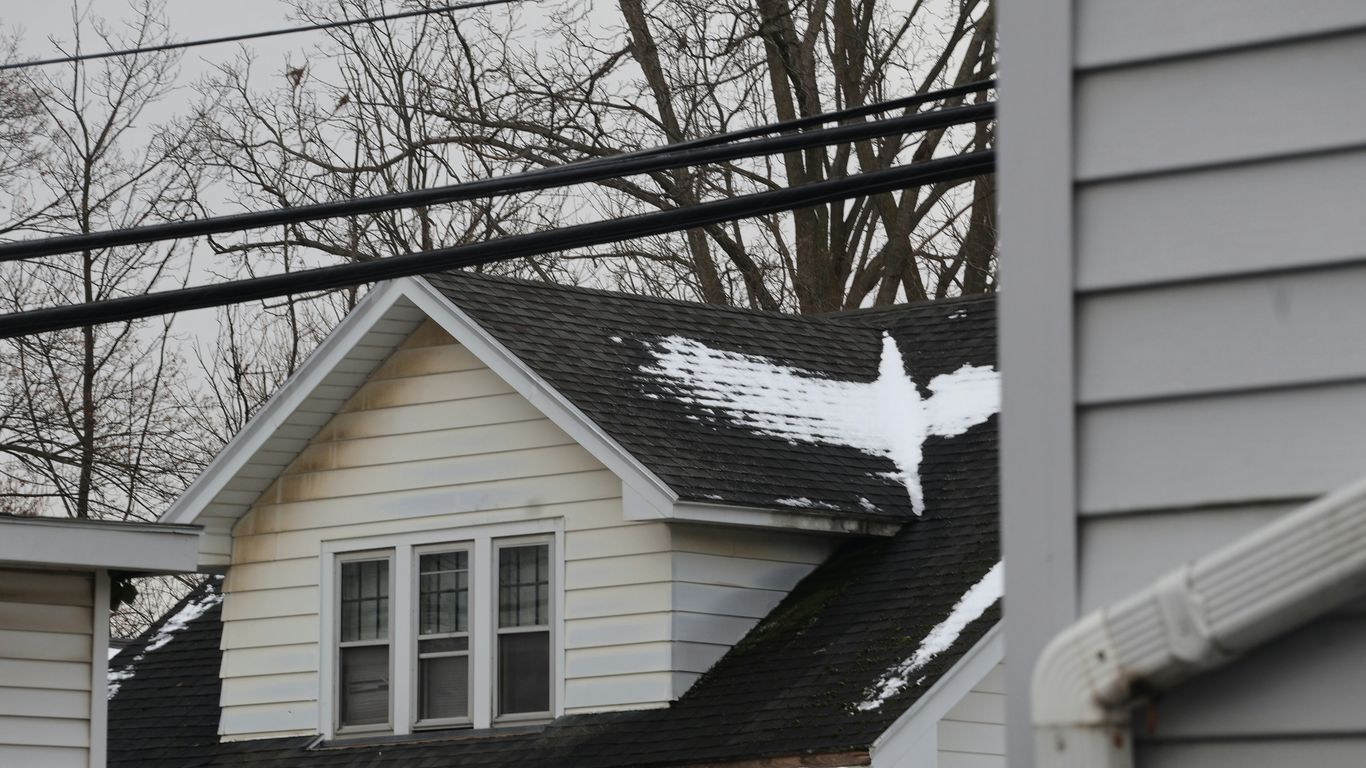
When storm season rolls around, we need to think about the buildings on our property. It’s not just about our house; barns, sheds, fences, and even trees can become hazards if they aren’t properly secured. Taking some time before the bad weather hits can save us a lot of headaches and damage later.
We should check the siding on our house and any outbuildings. Loose or damaged siding can be ripped off by strong winds, letting water and debris inside. For fencing, especially if we have animals, making sure it’s sturdy is key. We might need to add extra posts or reinforce weak sections. It’s a good idea to have some extra fencing materials on hand, just in case repairs are needed after a storm, because supplies can disappear fast.
Windows and doors are often the weakest points. We need to make sure they close and lock properly. For really bad storms, consider having plywood cut to size to cover windows and doors. It’s a bit of work, but it’s way better than dealing with shattered glass or wind blowing through the house. Boarding up windows and doors is a solid defense against high winds.
Overhanging branches are a big concern. We should regularly trim dead or weak branches from trees close to our house, barns, or any other structures. A falling branch, or even a whole tree, can cause significant damage. It’s also smart to plant new trees a good distance from buildings. Planting trees in groups can also help them support each other during high winds.
Anything left loose outside can become a projectile in strong winds. We need to do a thorough sweep of our property before a storm. This means putting away or securing things like garden tools, buckets, lawn furniture, and anything else that isn’t tied down. Even small items can cause damage when tossed around by the wind. We should also think about where water might flow and prepare those areas for potential flooding. You can find more tips on preparing for severe weather at Ready.gov/kit.
Taking these steps helps protect our structures from wind and water damage. It’s about being proactive and making sure our buildings can withstand the forces of nature.
When storm season rolls around, we’ve got to think about our four-legged (and sometimes feathered) family members, plus all the hard work we put into our gardens and orchards. Our animals and crops are often our livelihood, so giving them the best chance during severe weather is a big deal.
It might seem like a good idea to hunker down in a barn, but honestly, that’s usually the worst place for larger animals during high winds. Barns aren’t built to withstand hurricane-force gusts, and if they collapse, animals can get trapped or hurt. For most livestock, an open pasture is actually safer. They have a natural way of handling wind if they have space. If you have lower-lying areas that might flood, make sure your animals know to avoid them and have access to higher ground. For smaller critters like chickens, securing their coop is a must, making sure it’s sturdy and won’t blow away or get swamped.
Even if the animals aren’t inside, our barns, sheds, and other outbuildings hold important supplies and equipment. We need to make sure they’re as secure as possible. Check the structural integrity of the walls and roofs. If you have anything stored inside that could become a projectile in high winds – like tools or feed bags – try to secure them or move them to a lower, more stable spot within the building. Think about reinforcing any weak points in the siding or fencing that leads to these structures.
Our gardens and fruit trees are vulnerable. For smaller plants, consider covering them with tarps or row covers if you can secure them well. For fruit trees, especially those laden with fruit, strong winds can cause significant damage. If you have time, you might be able to stake some of the younger or weaker trees. It’s also a good idea to harvest any mature fruit or vegetables before the storm hits, as they’ll likely be lost otherwise. We also need to think about potential flooding in garden areas and try to create drainage if possible.
This is super important. We need to have at least a two-week supply of feed and fresh water for all our animals. Power outages can affect pumps, and debris can make it hard to get to stored supplies. Store feed in waterproof containers, elevated if possible, and make sure it’s easily accessible. For water, having backup options like a hand pump for a well, stored water containers, or even a solar water heater can be a lifesaver. Don’t forget to have enough water for cleaning and sanitation too. We should also keep all vaccination and medical records in a safe, dry place, just in case.
When storm season rolls around, we always make sure our pantry and supply closets are well-stocked. It’s not just about having enough food and water for ourselves, but also for our animals. Waiting until the last minute is a recipe for frustration, with empty shelves and long lines. We aim to get our shopping done at least a week or two before any predicted weather event.
We aim for at least a two-week supply of food that doesn’t need refrigeration. Think canned goods, pasta, rice, and dried fruits. Don’t forget comfort foods like cookies or candy – they can be a real mood booster when things get tough. We also keep a camp stove and fuel handy for cooking if the power goes out.
Water is non-negotiable. The general advice is one gallon per person, per day, for drinking and sanitation. If you have a well, remember it won’t work without power, so having extra stored water is a lifesaver. We also fill up bathtubs and any large containers we have before a big storm just in case.
Having a well-equipped first-aid kit is a must. We keep one in the house and a smaller one in the car, just in case. It should include bandages, antiseptic wipes, pain relievers, any personal medications, and a good manual. It’s also smart to have a kit ready for your animals, with their specific needs in mind.
Power outages are common, so extra batteries for flashlights, radios, and other devices are vital. We also make sure we have enough fuel for our generator and any propane heaters we might use. Don’t forget to fill up your vehicle’s gas tank well before the storm hits; gas stations can run dry quickly. Having a car kit with items like ponchos and blankets is also a good idea for unexpected situations on the road Prepare for winter emergencies by building a car kit.
It’s tempting to think you’ll be fine without these supplies, but when the power is out for days and stores are inaccessible, you’ll be incredibly grateful you took the time to prepare. Having these items on hand means one less thing to worry about when you’re already dealing with a stressful situation.
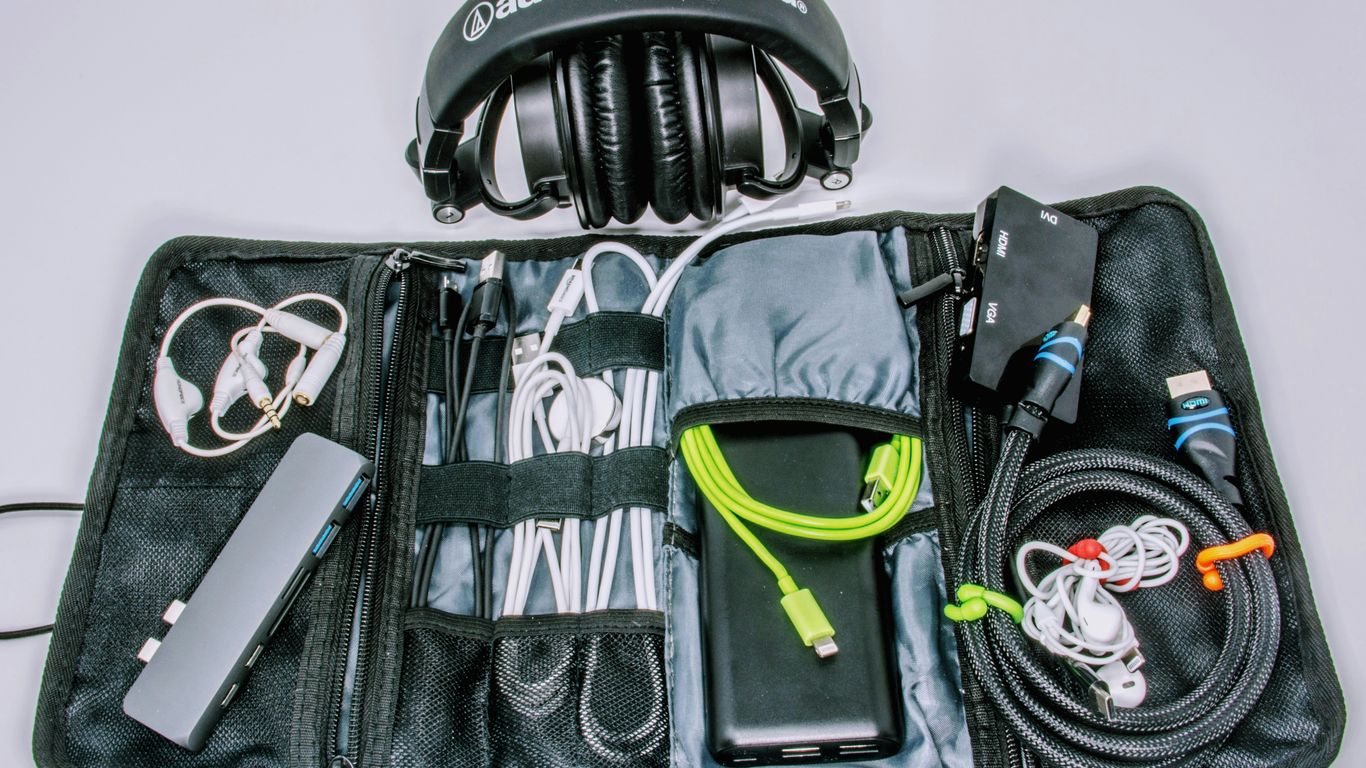
When storm season rolls around, losing power is almost a given. We’ve learned that relying on the grid is a gamble we can’t afford to take when the weather gets rough. Being prepared for extended outages means we can keep our homestead running and our family safe. It’s not just about having a few flashlights; it’s about having a real plan.
Generators are a lifesaver, no doubt about it. We found that a standard 5,000-watt model is usually enough to keep our essential systems going. The trick is to buy one before you actually need it. Stores sell out fast when a storm is brewing. Don’t forget to budget for fuel, too. If you have a well, you’ll need to power that pump. Some folks opt for solar panels with battery storage, which can be a great option, especially if you can take them down during high winds and re-install them later. We’ve also seen neighbors rig up exterior outlets so others can plug in smaller appliances if needed. It’s all about having a way to keep critical things running, whether it’s your well, your fridge, or even just charging devices. You can find generators and related supplies at most home improvement stores.
If a storm hits during colder months, staying warm without electricity is a big concern. We stockpile firewood for our wood stove well in advance, aiming for at least a year’s supply. Propane heaters are another option, but make sure you have plenty of fuel bottles and know how to use them safely. Some people even use camp stoves for cooking and heating water, which works in a pinch. Just remember to keep these items stored safely and accessible.
Before any storm even looks likely, we make it a habit to charge everything. Phones, tablets, radios – you name it. We also keep a few portable power banks charged up. These little guys have saved us more than once, letting us keep our phones alive for important calls or just to pass the time. Solar phone chargers are also a neat trick if you have reliable sun, though you might need to take them down during the storm itself. It’s also a good idea to unplug unnecessary electronics to protect them from power surges when the electricity eventually comes back on.
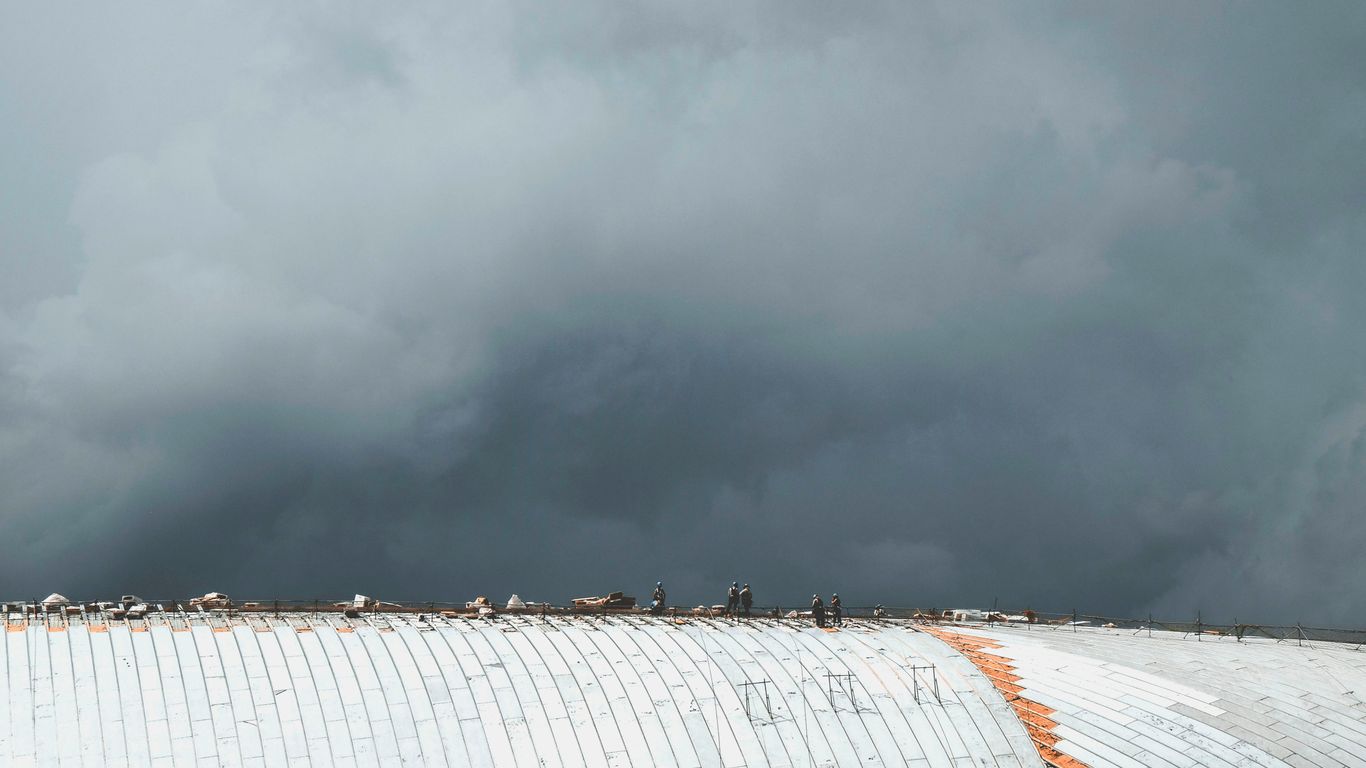
We all know homesteading is about self-reliance, but when a big storm rolls in, we’re stronger together. Thinking about our neighbors and how we can help each other makes our whole community tougher. It’s not just about our own fences and food stores; it’s about looking out for everyone around us.
Let’s be real, cell service can go down, and the internet might be spotty. So, how do we make sure we can reach each other? We need a plan before anything happens. This could be as simple as agreeing on a check-in time with a neighbor, or setting up a walkie-talkie system if you’re close enough. Having a reliable way to talk to each other is the first step to helping each other out. Maybe we can even create a neighborhood contact list with phone numbers and alternative ways to get in touch, just in case.
Nobody has everything they need all the time, especially after a disaster. Think about what you have that others might need, and vice versa. Maybe you’ve got a generator and your neighbor has a well-stocked first-aid kit. We could set up a simple system, maybe a shared document or even just a bulletin board at the end of the road, where people can list what they can share and what they need. This could cover anything from extra fuel and batteries to tools for clearing debris or even just a hot meal.
While we’re looking out for ourselves and our neighbors, it’s smart to know what the official plans are. Local emergency management agencies often have resources and plans in place. We should make an effort to know who they are and what their communication channels are. Attending local preparedness meetings or workshops can give us a better idea of how we fit into the bigger picture and how we can best support official efforts, or even how they can support us. It’s about making sure our community’s needs are known and considered.
So, we’ve gone over a lot of ground getting our homestead ready for storm season. It might seem like a lot, and honestly, sometimes it feels like a never-ending to-do list. But think about it – the more we do now, the less we have to worry about when the wind starts howling or the rain starts pouring. We’ve talked about securing our buildings, looking after our animals, stocking up on supplies, and even making sure our neighbors know we’ve got their backs. It’s all about being smart, being prepared, and leaning on each other. We homesteaders are a resilient bunch, and by working together and staying on top of our preparations, we can face whatever storm season throws our way with a lot more confidence.
We should plan to have at least one gallon of clean water for each person and pet every day for two weeks. If we have larger animals, we’ll need even more. It’s also smart to keep water purification tablets or filters handy, just in case our stored water gets contaminated.
Having a backup power source is key. We could look into gas generators, setting up solar panels, or using battery banks. We also need a plan for how we’ll run important things like our well pump or other farm equipment if the power is gone for a while.
Yes, there are programs that can help. The government offers disaster relief, and the USDA has programs for crop insurance that might provide aid or loans for repairs. We should also check with our state to see if they have any local disaster relief programs available.
For us, hurricane season runs from June 1st to November 30th. The busiest time for storms is usually from mid-August to late October. Even if we’re not right on the coast, we can still get strong winds and heavy rain from these storms.
Putting animals in a barn during high winds can actually be dangerous because the barn might collapse. It’s often better to move them to a more open area, like a pasture, where they have room to move. We need to make sure they have shelter from wind and flooding, and secure any barns or outbuildings we use.
We should regularly trim dead branches from trees and consider planting trees in groups so they can support each other. For gardens, good drainage is important, so planting in raised beds can help. We can also lay down trellises, add extra mulch, and cover smaller plants or move potted ones to a safer spot.
 March 7, 2026
How to Turn Food Preservation Into a Side Hustle
Canning
Homestead Kitchen
Homesteading
Sustainable Living
March 7, 2026
How to Turn Food Preservation Into a Side Hustle
Canning
Homestead Kitchen
Homesteading
Sustainable Living
We've all got those hobbies or skills that we love doing, right? Maybe it's baking, gardening, or even making your own jam. What if we told you that you could turn those passions into a little extra cash? It might...
Read More March 7, 2026
High-Output Crops Perfect for Micro Homesteads
Gardening
Homestead Planning
Homesteading
Starting a Homestead
March 7, 2026
High-Output Crops Perfect for Micro Homesteads
Gardening
Homestead Planning
Homesteading
Starting a Homestead
Thinking about growing your own food but only have a little space? We get it. Many of us are looking for ways to be more self-sufficient, even if we don't have acres to work with. The good news is, you...
Read More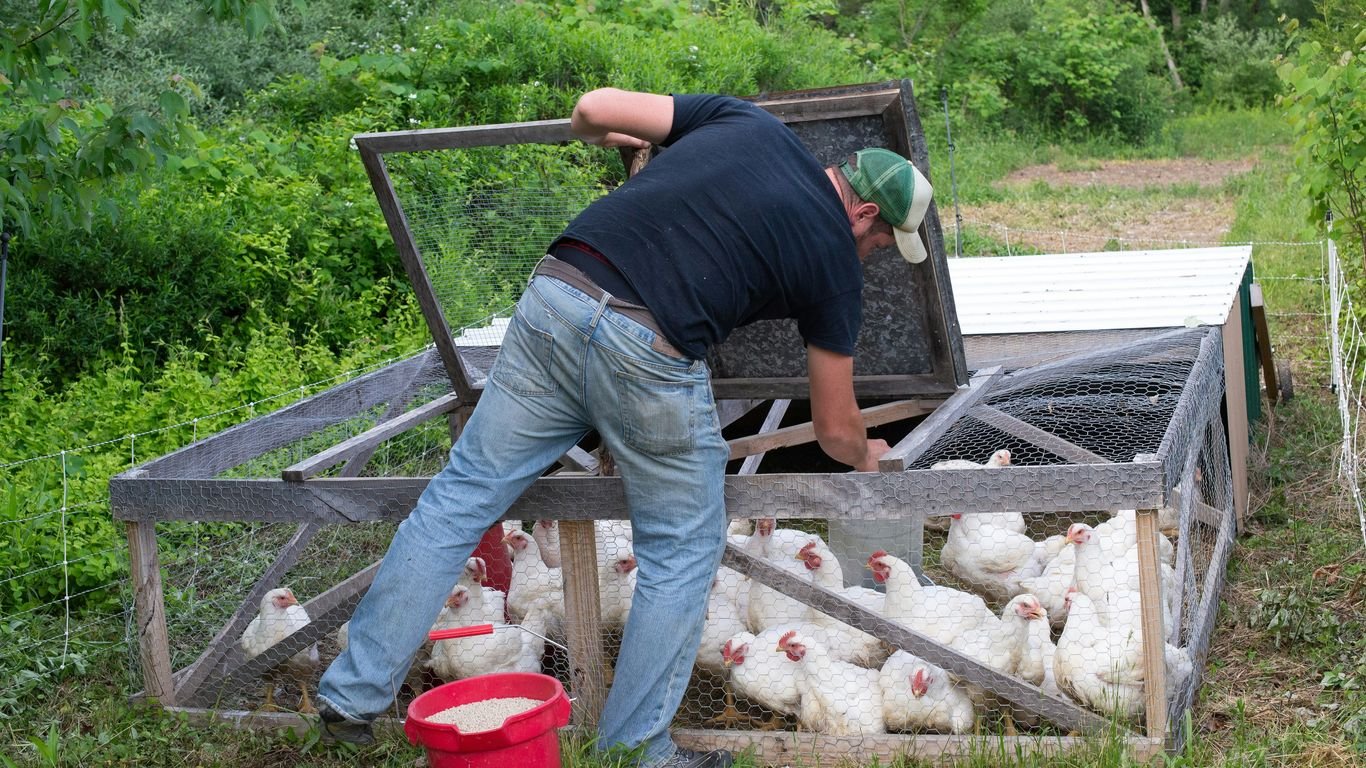 March 6, 2026
10 Low-Cost Homestead Side Hustles That Make Money
Homestead Planning
Homesteading
Starting a Homestead
March 6, 2026
10 Low-Cost Homestead Side Hustles That Make Money
Homestead Planning
Homesteading
Starting a Homestead
We all dream of a simpler life, right? One where we're more connected to the land and the seasons. But let's be real, that dream needs some funding. That's where low cost homestead side hustles come in. These aren't about...
Read More