



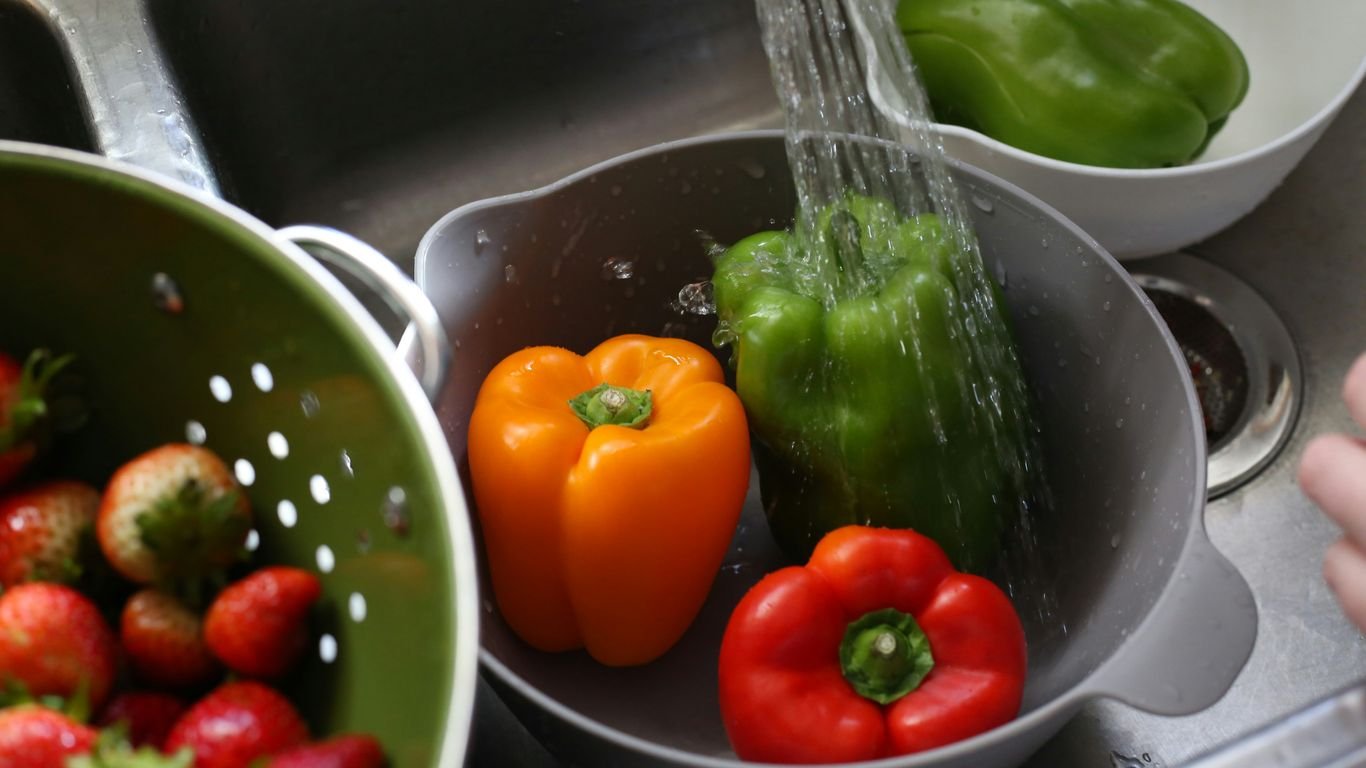
We’ve all been there, staring at a fridge full of produce that’s about to go bad. Instead of letting it all end up in the trash, we decided to explore how to dehydrate food right at home. It turns out, preserving fruits and vegetables this way is simpler than we thought and a great way to save money, especially when things are in season or on sale. Whether you’re getting extra from a community garden or just bought too much at the store, dehydration is a smart way to make sure nothing goes to waste.
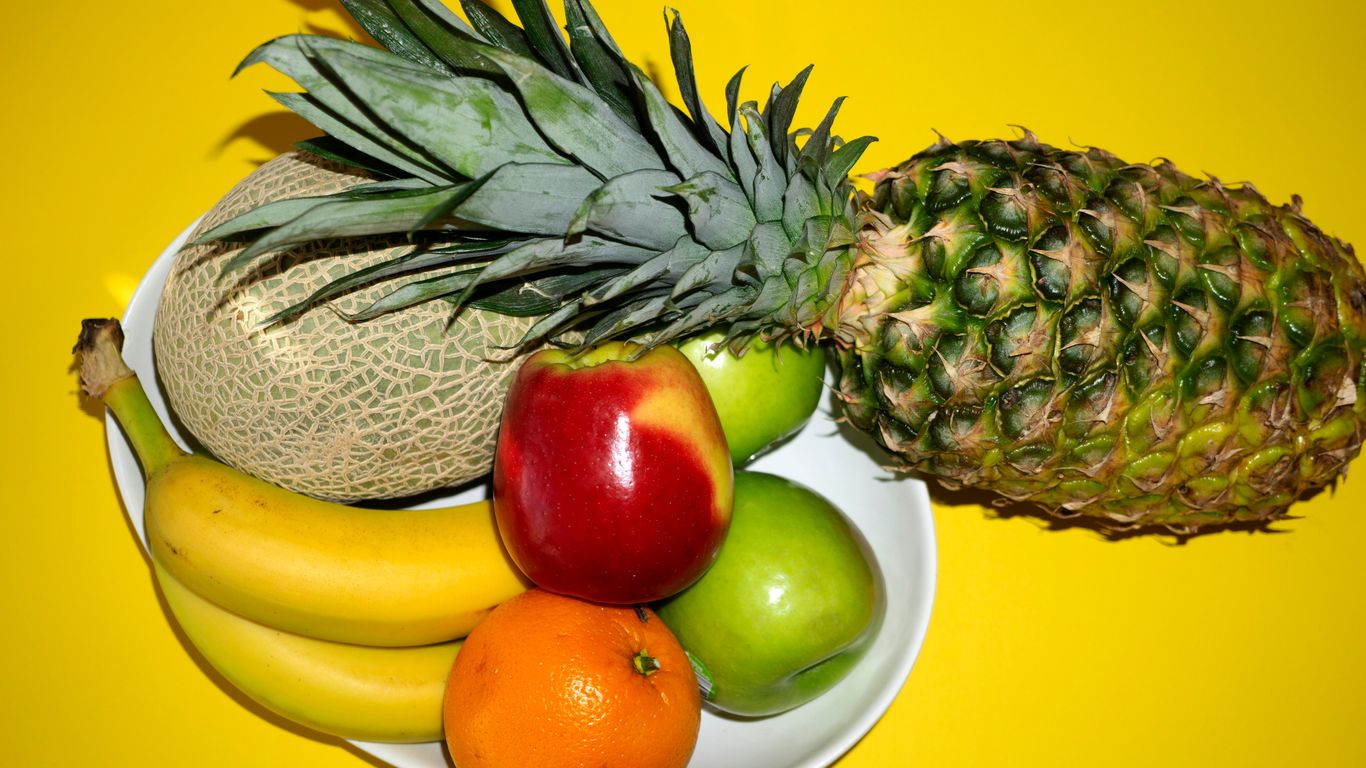
When we first thought about dehydrating food at home, the biggest question was: how are we actually going to do it? It turns out there are a few ways to go about it, each with its own pros and cons. We don’t all have the same setup or budget, so it’s good to know what your options are before you start. The method you choose will really depend on how much food you plan to dehydrate, how much time you have, and what equipment you already own or are willing to buy.
Electric dehydrators are probably what most people picture when they think of dehydrating. They’re basically boxes with heating elements and fans that circulate warm air. We found that looking for a unit with digital controls is a good idea because it lets us set the temperature and timer really precisely. This is important for getting the food dried just right without cooking it. Also, think about how many trays you’ll need; more trays mean you can dry more food at once. We learned that dehydrators with a rear-mounted fan tend to circulate air more evenly, which helps prevent hot spots and ensures everything dries uniformly. If you plan on doing a lot of dehydrating, investing in a good electric dehydrator is likely your best bet for consistent results.
This is a really interesting option, especially if you live somewhere with plenty of sunshine and not too much humidity. A solar dehydrator uses the sun’s energy to heat and dry your food. You can buy them pre-made, or if you’re feeling crafty, you can even build your own! Building one yourself can be a fun project and allows you to customize it to your needs. The main thing to remember with solar drying is that it’s slower than electric methods and totally dependent on the weather. You can’t just turn it on if it’s cloudy! It’s a more natural way to preserve food, and it uses no electricity, which is a nice bonus.
So, what if you don’t want to buy a special appliance? We discovered that your regular kitchen oven can actually do the job, though it takes a bit of managing. The trick is to set your oven to its lowest temperature, usually around 140-170°F. Because most ovens don’t go that low, you’ll often need to prop the oven door open a bit to let the moist air escape and prevent the food from cooking. You might even need to use a small fan to help circulate the air. It’s not the most energy-efficient method, and it’s definitely not practical on a hot summer day when you don’t want to heat up the kitchen even more. But, if you’re just starting out or only need to dehydrate small batches, it’s a perfectly workable solution.
Using your oven requires careful monitoring. You need to keep an eye on the temperature and airflow to make sure you’re drying the food, not baking it. It might take some trial and error to get it just right, but it’s doable if you’re patient.
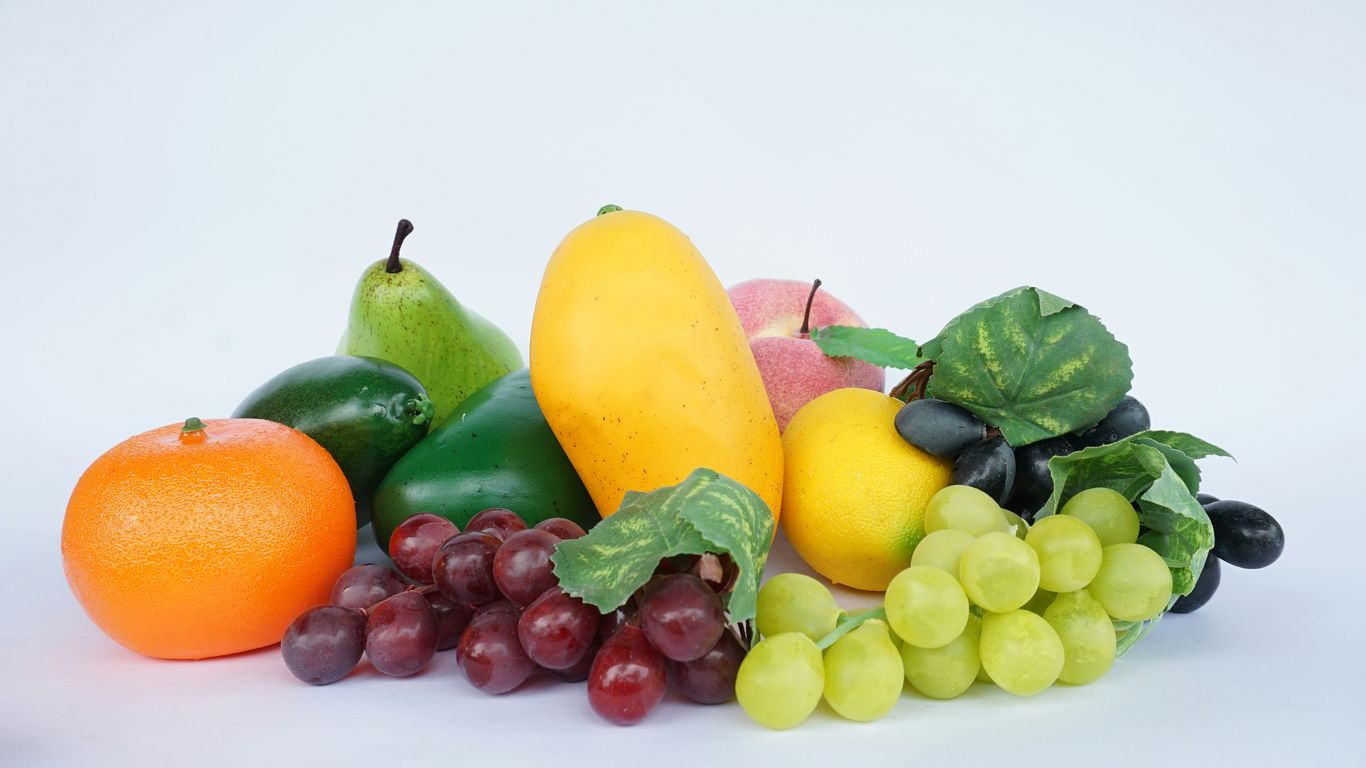
Before we even think about firing up the dehydrator or setting up our drying racks, we need to get our produce ready. This step is super important because it affects how well things dry, how long they last, and even how they taste. We want to make sure we’re starting with good quality ingredients and preparing them in a way that gives us the best results.
Think about it: if you have some slices of apple that are super thin and others that are really thick, what do you think will happen? The thin ones will dry out way faster, probably to the point of burning, while the thick ones will still be chewy and moist. That’s why cutting everything to a similar size and thickness is key for even drying. We’re aiming for consistency here. This applies to both fruits and veggies. For example, when we’re slicing potatoes for chips or carrots for snacks, we want those pieces to be roughly the same thickness so they all finish drying at the same time. This makes the whole process much smoother and prevents wasted food.
So, what’s the deal with blanching? It’s basically a quick dip in boiling water (or steam) followed by an ice bath. It sounds a bit extra, but for some foods, it’s a game-changer. Blanching helps to stop enzymes that can cause spoilage and loss of flavor or color. It also softens the produce a bit, which helps moisture escape more easily during drying and makes it rehydrate better later on. We usually blanch things like apricots, cherries, and plums, and for vegetables, it’s often a good idea for things like green beans, broccoli, and carrots. Onions, garlic, peppers, and herbs usually don’t need this step, though.
Here’s a quick rundown of what might benefit from a blanch:
Remember, the goal isn’t to cook them, just to give them a quick shock. A minute in boiling water is usually plenty, followed by a quick chill.
Some fruits, especially lighter-colored ones like apples, pears, and peaches, can turn brown and unappealing when they dry. This is oxidation, and we can fight it! A common way to prevent this is by using an acidic pretreatment. We can soak the cut fruit for a few minutes in a solution made from ascorbic acid (vitamin C) or citric acid mixed with water. Even a soak in equal parts lemon juice and water can work wonders. This not only keeps the color looking fresh but also helps preserve vitamins and makes the fruit last longer. It’s a simple step that really makes a difference in the final appearance and quality of our dried fruit snacks, like these homemade fruit leather rolls.
Some fruits, like blueberries and cranberries, have tough skins that need a little help. A quick dip in boiling water can crack these skins, allowing moisture to escape more easily during drying. Just be careful not to overdo it, or you’ll end up with mush instead of fruit!
After any of these preparation steps, we’ll spread our fruit and veggies out on the dehydrator trays. Make sure nothing is overlapping – give everything some breathing room so the air can circulate properly. This is where the real drying magic begins!
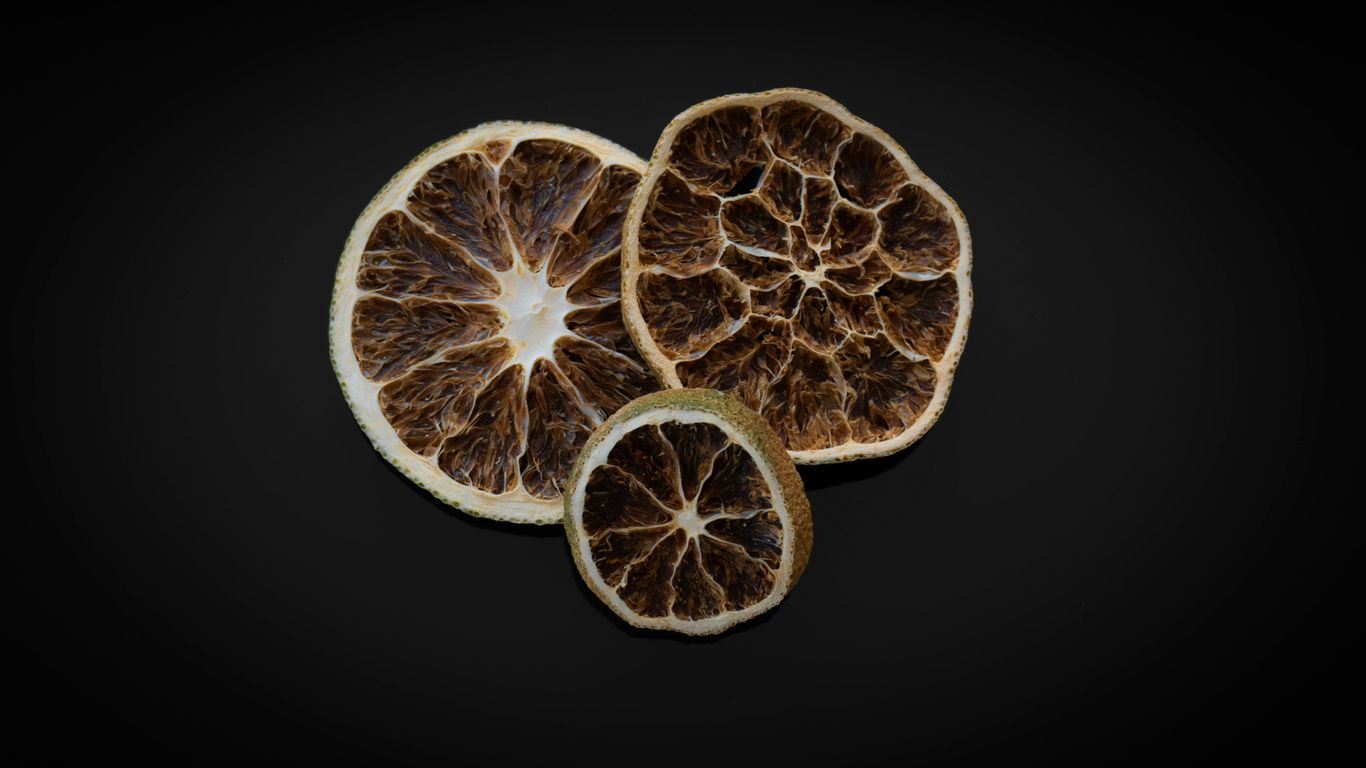
Drying food sounds easy enough—just remove the water, right? Turns out there’s a little more to it than that, especially if we want our fruits and veggies to taste good and last a long time. Let’s walk through the process, step by step, and share some of the tricks we’ve picked up along the way.
When it comes to drying out fruits and vegetables, heat matters—a lot! We usually start our dehydrator at a higher temperature (about 145°F) for the first hour or so, just to get rid of that surface moisture. After that, we drop it down to anywhere between 135°F and 140°F and keep it steady until our food is completely dry. Each type of produce has its own sweet spot, but here’s a quick guide:
| Food Type | Initial Temp (°F) | Finishing Temp (°F) |
|---|---|---|
| Fruits | 145 | 135–140 |
| Vegetables | 145 | 130–140 |
Too much heat and the outside of the food dries too fast, trapping moisture inside. Too little, and we’re stuck waiting forever. Striking a good temperature balance is key for both flavor and shelf life.
Ever pulled a dried peach off the tray and found the middle gummy and weird, while the outside is tough as shoe leather? That’s classic case hardening. It happens when the heat’s too high at the start, and the outside seals up. Here’s what helps:
If you’re using a homemade setup, like a DIY solar food dehydrator, you’ll want to keep an eye on sun exposure and tweak your airflow to prevent case hardening, especially since outdoor conditions can change fast.
This part takes practice—and a little faith. We usually check by feeling: dried veggies should snap, and fruits should feel dry, maybe a bit leathery, but not sticky or squishy. If we’re ever unsure, we just keep drying. You won’t overdo it unless you leave things for days! Here’s a quick test list:
Patience pays off here. Rushing leads to spoiled food later, so we always give it just a bit more time if we have doubts. A little caution always beats starting over next week with moldy snacks.
That’s really the basics of how we get our produce safely dried out and ready for storage. Once you’ve tackled case hardening and dialed in your drying times, you’re set for the next steps—conditioning for storage and, of course, tasting your handiwork!
So, you’ve got your dehydrator ready to go, or maybe you’re thinking about using your oven. Now comes the fun part: figuring out what to actually dry! We’ve found that some foods are just super simple to start with, making them perfect for beginners. These are the items that usually don’t need a lot of fuss and turn out great, whether you want a healthy snack or an ingredient for later.
When we think about veggies, a few stand out as really easy to dehydrate. Carrots and celery are fantastic because they’re often used in soups and stews. Drying them means you can just toss them into your pot later without having to chop fresh ones. Onions are another winner; dehydrated onion flakes or powder save so much time when you’re cooking. We’ve also had good luck with bell peppers and mushrooms. Just make sure you cut them into uniform pieces so they dry evenly. For things like carrots or celery, a quick blanch in boiling water for a minute or two, followed by an ice bath, can help keep their color and nutrients. It sounds like extra work, but it really makes a difference in the final product.
Fruits are often the stars of the show when it comes to dehydration. Apples are a classic for a reason – they turn into delicious, chewy snacks. Just core them and slice them up. Pears work similarly. Berries like strawberries and blueberries are also pretty straightforward; just spread them on the trays and let them do their thing. Bananas are another easy one, but watch them closely as they can go from perfect to burnt quickly. We’ve also dehydrated peaches and plums, which are great, but sometimes they need a little extra prep, which we’ll get to.
Now, not all fruits are created equal when it comes to drying. Some, like cherries, grapes, and apricots, have skins that can make it tough for the moisture to escape. This can lead to longer drying times or uneven results. For these, we often give them a little pre-treatment. A common method is to dip them briefly in boiling water, sometimes with a little baking soda added, and then immediately plunge them into ice water. This is called blanching, and it helps to slightly crack the skin, allowing moisture to escape more easily. It’s a small step that really helps ensure your fruits dry properly and don’t end up with that tough, leathery skin. You can find more details on how to prepare different fruits for drying on pages about fruit preparation.
So, you’ve gone through the whole process of drying your fruits and veggies, and they look fantastic. But wait, we’re not quite done yet! Before we can just toss them into jars and forget about them, there are a couple of important steps to make sure they last and stay tasty. Think of this as the final polish before the big show.
This step is super important, especially if you’re not using an oxygen absorber right away. Conditioning is basically a way to let any tiny bits of moisture that might still be hanging around find their way to other pieces and evaporate. It helps prevent mold later on. Here’s how we do it:
Now that our food is conditioned, we need to protect it. The main enemies here are air, light, moisture, and little critters. We want to keep our hard work from going to waste!
If you’re planning to keep your dehydrated goodies for more than a year, you’ll want to be a bit more strategic. Proper storage can make your dried fruits and veggies last for years!
We’ve found that using smaller containers that are just the right size for the amount of food you’re storing helps minimize the amount of air inside, which is always a good thing for preservation.
Remember, the goal is to remove as much air and moisture as possible and protect the food from light and heat. Do this, and you’ll have a pantry full of healthy snacks and ingredients ready whenever you need them!
So, you’ve gone through the whole process of dehydrating, and now you’ve got all these dried fruits and veggies. What do you do with them? Don’t let them just sit in jars forever! We’ve found that using them is actually pretty straightforward, and it opens up a whole new world of cooking and snacking.
Rehydrating fruits is super simple. We usually just toss them in a bowl with some lukewarm water for about 15 minutes. They come back to life pretty nicely! Once they’re rehydrated, you can eat them just like fresh fruit, or toss them into your favorite baked goods. Think apple pie or muffins – they add a great chewy texture and concentrated flavor. They’re also fantastic just tossed into oatmeal or yogurt in the morning.
Vegetables can be a little trickier, but still totally doable. For most, a quick soak in boiling water for about 15 minutes does the trick. Some tougher ones, like peppers, might need a bit longer. If you’re not using them right away, make sure to refrigerate them if they haven’t fully rehydrated within 30 minutes to keep them safe. A lot of times, though, we don’t even bother rehydrating them before adding them to dishes. For things like soups, stews, or chilis, we just toss the dried veggies right in. They absorb liquid and cook down beautifully. It’s a real game-changer for quick weeknight meals. We’ve even made our own pizza sauce from dehydrated tomatoes!
Beyond just rehydrating, there are tons of other ways to use these dried goodies. You can grind dried tomatoes into a powder to make a quick tomato paste or use them as a seasoning. Dried onions are amazing because you skip the chopping and crying altogether. We love adding a mix of dehydrated carrots, peas, and corn to backpacking meals to make them more substantial. It’s amazing how much flavor you can pack into a small amount of dried food. It really makes a difference when you’re out on the trail or just want a quick, flavorful meal at home. Don’t be afraid to experiment; you might surprise yourself with what you can create!
Remember, the goal is to make your preserved food useful and delicious. Don’t overthink it; start simple and build from there. The possibilities are pretty much endless once you get the hang of it.
So there you have it! We’ve walked through how to get your fruits and veggies dried and ready for storage. It might seem like a lot at first, but once you get the hang of it, it’s pretty straightforward. Think of all the yummy snacks and meals you’ll have on hand, saving money and cutting down on waste. We hope this guide helps you feel confident in giving dehydration a try at home. Happy drying!
We can use electric dehydrators, which are machines specifically designed for drying food. Another option is to use the sun, either with a solar dehydrator or by placing food in a sunny spot. Lastly, our kitchen oven can also be used by setting it to a very low temperature and allowing for air circulation.
No, not all of them. Some items like bell peppers, tomatoes, and onions don’t need blanching. However, many vegetables and some fruits, like apricots and cherries, benefit from a quick dip in boiling water followed by an ice bath. This helps keep their color and nutrients.
Generally, food is dry when it’s brittle and breaks easily, or it feels leathery and papery with no moisture. For fruits, you might notice some flexibility, but there shouldn’t be any wetness. When in doubt, it’s usually better to dry it a little longer; it’s quite hard to over-dry food.
After drying, we should store our food in airtight containers, like glass jars or vacuum-sealed bags. It’s crucial that the food is completely dry before sealing to prevent mold. For longer storage, keeping them in a cool, dark place, or even the freezer, is ideal.
Yes, we can rehydrate most vegetables by placing them in a bowl and covering them with boiling water for about 15 minutes. Some tougher vegetables might take a bit longer. We can also add them directly to dishes like soups or stews without rehydrating them first.
Dehydrating food uses less energy than freezing and takes up less storage space than canning. Dried foods are lightweight and compact, making them perfect for snacks on the go, like for hiking or camping. Plus, it’s a great way to save money and reduce food waste by using produce when it’s in season or on sale.
 March 7, 2026
How to Turn Food Preservation Into a Side Hustle
Canning
Homestead Kitchen
Homesteading
Sustainable Living
March 7, 2026
How to Turn Food Preservation Into a Side Hustle
Canning
Homestead Kitchen
Homesteading
Sustainable Living
We've all got those hobbies or skills that we love doing, right? Maybe it's baking, gardening, or even making your own jam. What if we told you that you could turn those passions into a little extra cash? It might...
Read More March 7, 2026
High-Output Crops Perfect for Micro Homesteads
Gardening
Homestead Planning
Homesteading
Starting a Homestead
March 7, 2026
High-Output Crops Perfect for Micro Homesteads
Gardening
Homestead Planning
Homesteading
Starting a Homestead
Thinking about growing your own food but only have a little space? We get it. Many of us are looking for ways to be more self-sufficient, even if we don't have acres to work with. The good news is, you...
Read More March 6, 2026
10 Low-Cost Homestead Side Hustles That Make Money
Homestead Planning
Homesteading
Starting a Homestead
March 6, 2026
10 Low-Cost Homestead Side Hustles That Make Money
Homestead Planning
Homesteading
Starting a Homestead
We all dream of a simpler life, right? One where we're more connected to the land and the seasons. But let's be real, that dream needs some funding. That's where low cost homestead side hustles come in. These aren't about...
Read More