


Planning out your homestead is a big step, and knowing where to put everything can feel a bit daunting. We’ve been there, trying to figure out the best spots for our animals, garden, and water sources. It’s all about making things work for us and the land. So, we decided to map our homestead, and it made a huge difference. Let’s walk through how we did it and what we learned.
Before we even think about where the chickens will roost or the best spot for the tomatoes, we need to get a solid handle on the edges of our own little world. This means really getting to know the land we’ve acquired. It’s not just about the deed; it’s about understanding the physical reality of our property.
This is probably the most straightforward, yet often overlooked, step. We need to physically walk the entire edge of our land. Don’t just rely on a map or a GPS app, though those are helpful tools. Get out there, feel the ground under your feet, and see what’s actually there. This walk is about more than just confirming property lines; it’s about observing.
This initial exploration is where we start to build a real connection with our homestead. It’s also a good time to start thinking about whether you’ll need to install new fencing or reinforce existing ones. Knowing your exact homestead compound boundaries is the first step to making sure you’re using your land effectively and respectfully.
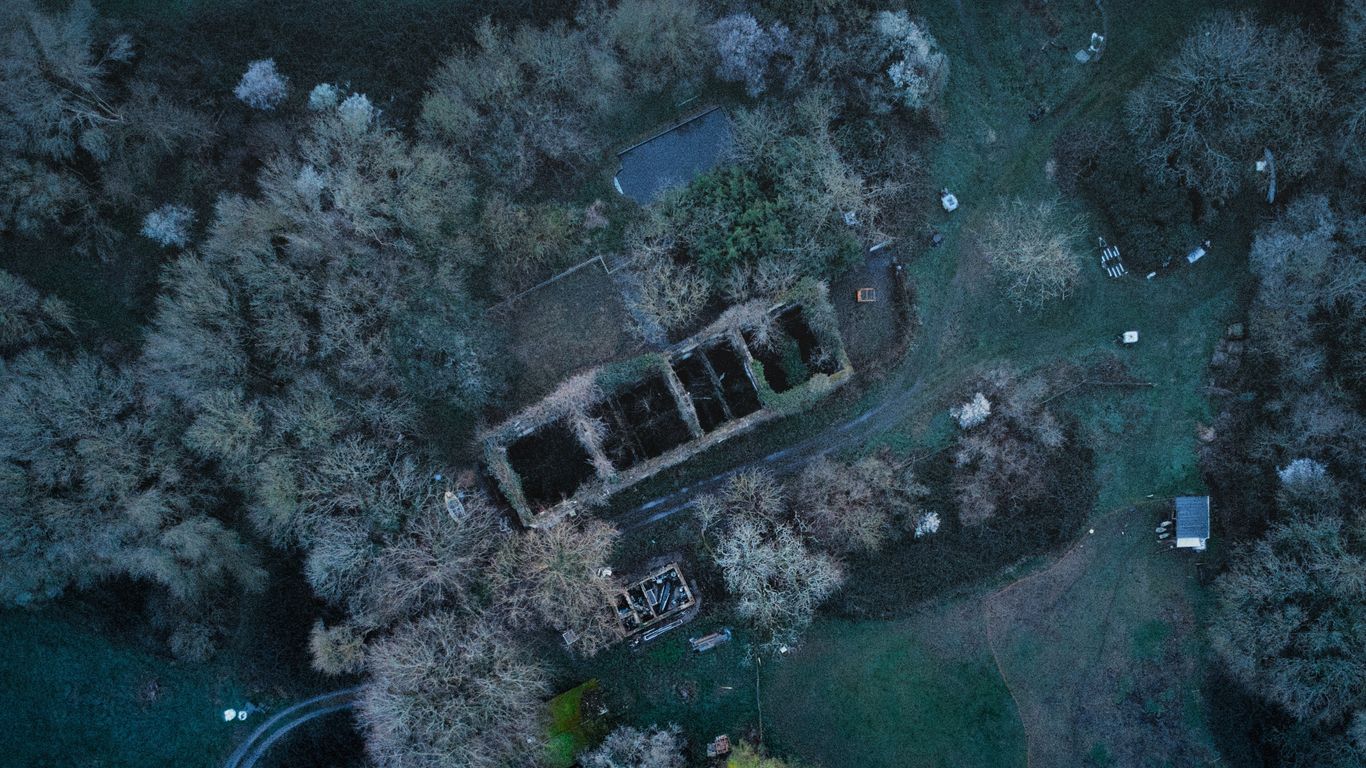
As we walk, we’re not just looking at the edges. We need to get a feel for what’s inside our boundaries too. What natural features are already present? Where are the existing ways to get on and off the property, or move around within it?
Understanding these existing elements helps us work with the land, rather than against it. It prevents us from trying to force our plans onto a landscape that might have better, more natural solutions.
Our homestead doesn’t exist in a vacuum. We share the land with others, and it’s important to be aware of our neighbors and their property. This isn’t just about avoiding disputes; it’s about fostering good relationships.
Being mindful of our neighbors from the start sets a positive tone for our homesteading journey. It’s about being a good steward of our land and a good member of the community.
Now that we’ve got a handle on our property lines and the lay of the land, it’s time to start thinking about the heart of our homestead. This is where we figure out where the most important things will go – our home, our water sources, and where our animals will live. It’s like drawing the main characters onto our property map before we add all the supporting details.
Where we build our house is a big decision. We want it to be comfortable, practical, and ideally, take advantage of what the land offers. Think about things like drainage – nobody wants a basement that floods! Also, consider how much sun your home gets throughout the day and year. A good spot might be on a slight rise to help with water runoff, but not so high that we’re constantly battling wind or hauling everything uphill. We also want to be close enough to our main activities but not right in the middle of everything. For instance, having our home tucked a bit towards a corner can free up more central space for gardens or animal areas. If you’re building from scratch, working with an architect or engineer is a good idea to get this right. If you have an existing structure, assess its placement – does it get good shade in the summer? Is it well-drained? We found that our home being surrounded by mature trees helps keep it cool, which is a nice bonus.
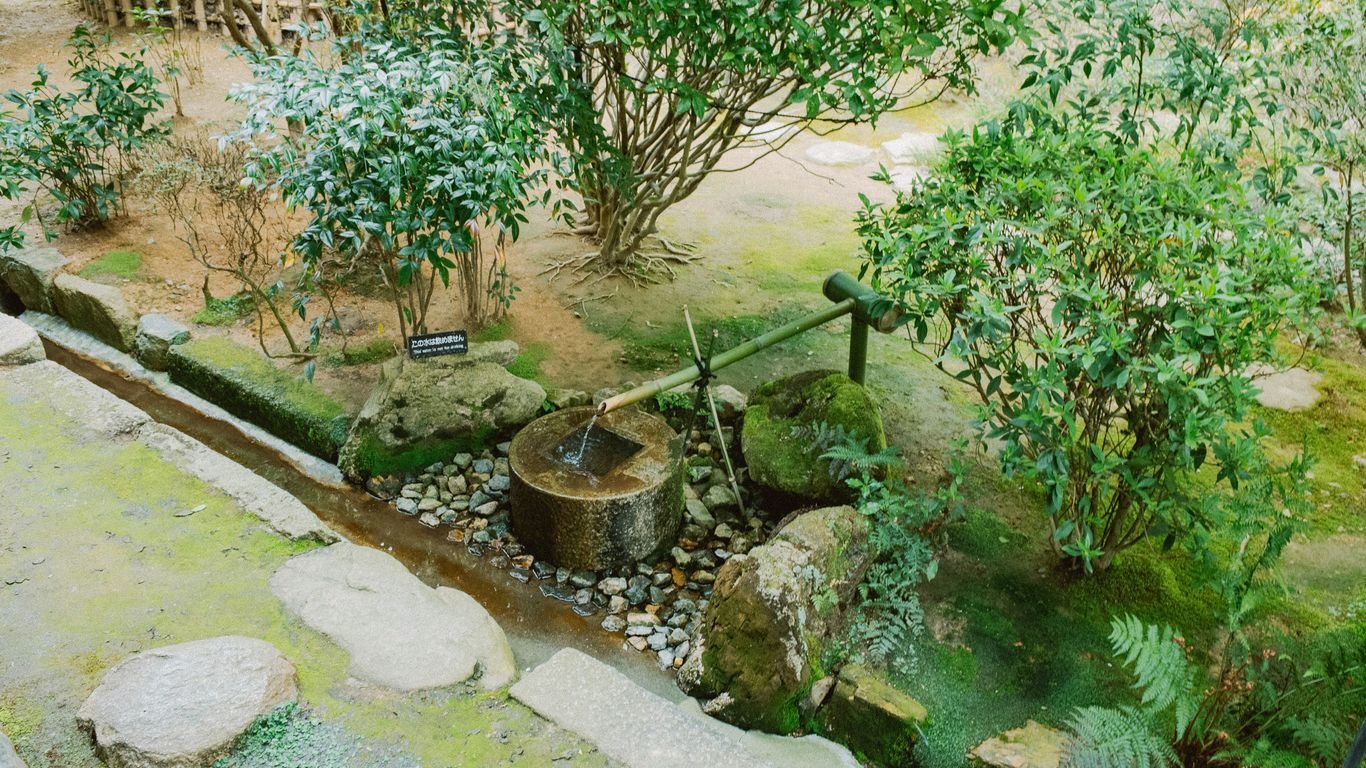
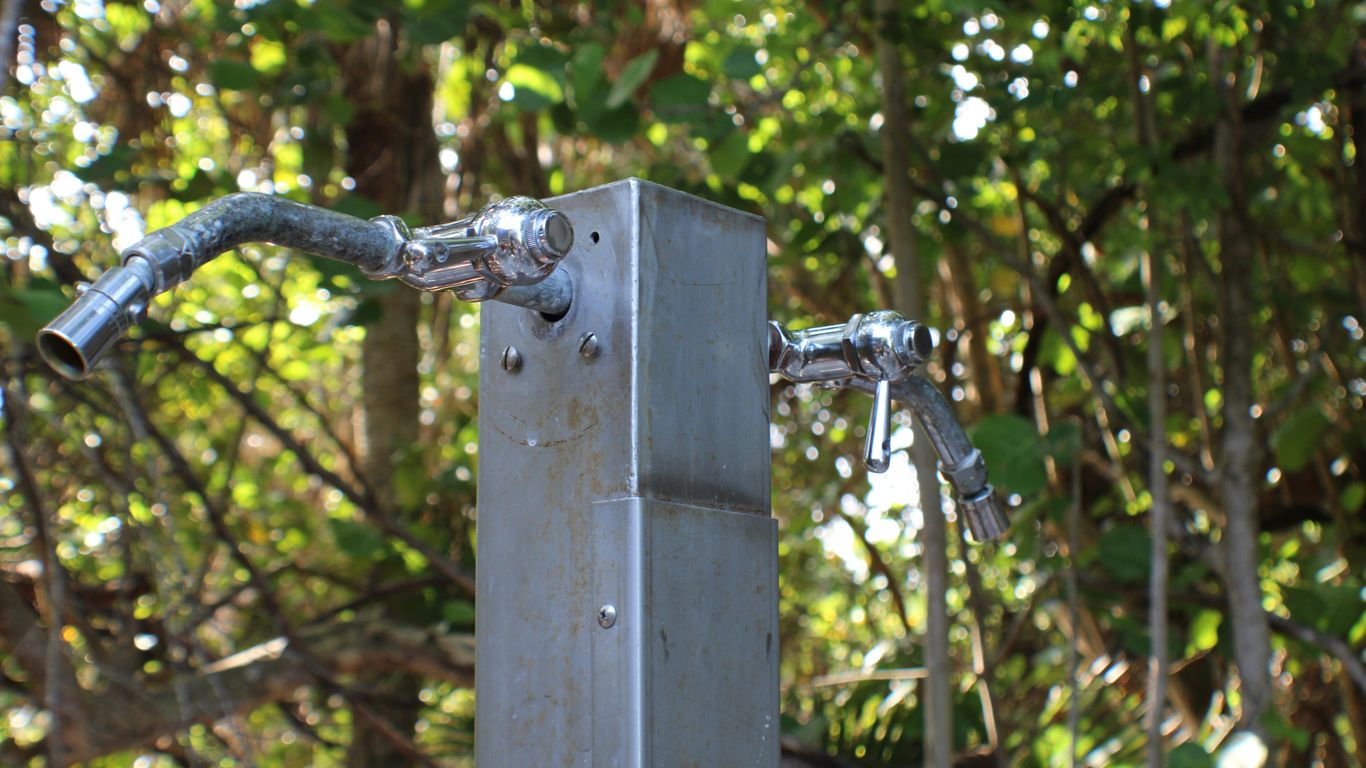
Water is life, right? So, finding and mapping out all our water sources is super important. This includes any existing wells, springs, creeks, or even areas where rainwater tends to collect. We need to know where this water is so we can plan how to use it effectively for drinking, gardening, and for our animals. It’s also about understanding the flow of water on our land – where does it come from, and where does it go? This knowledge will be key when we design our water systems later on. Knowing these spots helps us plan for a self-sufficient tropical permaculture homestead designing a self-sufficient tropical permaculture homestead.
Our animal friends need a place to call home too! When we’re mapping out their habitats, we need to think about their needs and how they fit into the overall homestead design. This means considering:
We don’t want to put the chicken coop way out at the back forty if we’re going to be feeding them twice a day. Grouping animals with similar needs can also make management simpler. For example, keeping the goats and sheep closer together might make sense if they can share some resources or if their grazing areas are adjacent.
Thinking about where our animals will live isn’t just about putting up a fence. It’s about creating a functional space that supports their well-being and makes our daily tasks easier. We want to integrate their needs into the whole system, not just tack them on as an afterthought.
When we think about where to put our gardens, it’s not just about finding a sunny spot. We need to really look at how the sun moves across our land throughout the day and year, and also pay attention to the slopes. Some areas might get baked all afternoon, which is great for tomatoes, but terrible for lettuce. Other spots might be low-lying and collect water, which could be a problem for root vegetables unless we manage it right.
We’ve learned that observing the sun’s path is key. We spent a whole day just watching where the shadows fell at different times. This helped us figure out which spots get full sun, partial shade, or deep shade. For us, the south-facing slope gets the most intense sun, so that’s where we put our heat-loving crops. The areas with a gentler slope are easier to work with and don’t wash out as much when it rains.
Here’s a quick look at how we categorized our potential garden spots:
| Area | Sunlight Exposure | Slope | Best For |
|---|---|---|---|
| East Field | Full Sun (AM) | Gentle | Root vegetables, leafy greens |
| South Slope | Full Sun (All Day) | Moderate | Tomatoes, peppers, squash, melons |
| North Patch | Partial Shade | Flat | Herbs, berries, shade-tolerant greens |
| West Corner | Full Sun (PM) | Steep | Needs terracing; potential for fruit trees |
Having a garden is one thing, but keeping it alive is another. We learned the hard way that lugging water cans a long distance gets old fast. So, we try to place our main garden beds reasonably close to a water source, whether that’s a spigot, a rain barrel, or a pond we can pump from. It also makes sense to have it near where we store our tools and harvested produce. Minimizing travel time for daily tasks really adds up. We don’t want to walk across the whole property just to water a few plants or put away a basket of beans.
We try not to think of the garden as just a separate plot of land. Instead, we look for ways to weave it into the rest of our homestead. Can we plant some berry bushes along the edge of a pasture? Could a perennial herb garden act as a living mulch around fruit trees? We also consider how the garden can support our animals, maybe by growing fodder or providing a safe place for chickens to forage after the harvest. It’s all about making things work together.
We’ve found that starting small and observing how things grow is better than trying to do too much at once. It’s easy to get overwhelmed, but by paying attention to the sun, water, and how our land lays, we can make smarter choices for our garden spaces.
Water is life, right? And on a homestead, it’s probably the most important resource we need to manage. Thinking about how we collect, store, and move water around our property is a big deal. It affects everything from our garden’s success to our animals’ well-being.
When we’re looking at where to put our water storage – whether that’s tanks, ponds, or cisterns – the best spot is usually up high. Why? Because gravity is our friend! If we can store water at a higher elevation, we can let it flow downhill to where we need it, like the house or the garden, without needing pumps. To figure out the best high spots, we need to look at our land’s shape. Topographic maps are super helpful here. They show us the contour lines, which are like a roadmap of the land’s ups and downs. We’re looking for those higher contours where we can place our storage so that water can be distributed easily.
Once we’ve got a place to store water, we need to think about how to fill it up. Rain is the most obvious source, but we can get clever about catching it. Rainwater runoff from roofs is a classic, but we can also capture water that flows across the land. Digging swales, which are shallow ditches on contour lines, can slow down and sink rainwater into the ground, and any overflow can be directed to our storage. Even our farm roads can be designed to help channel water. We can also look at existing streams or groundwater, but it’s often best to use surface water and rainfall first.
This is where that high-ground storage really pays off. Once the water is up there, we can use pipes to send it where it’s needed. The idea is to slow down, spread out, and sink the water into the land. We can lay out pipes from our storage tanks or ponds to different parts of the homestead. Placing these pipes along ridges can help us cover a large area downhill. It’s like creating our own little water network, powered by nature. This means less work hauling water and more consistent moisture for our plants and animals.
Planning our water systems first is a smart move. It sets the stage for so many other things on the homestead. Think of it as building the foundation before you put up the walls. Getting this right means less struggle later on.
When we’re planning out our homestead, thinking about how we’ll get around is just as important as where we’ll put the house or the garden. Good access makes daily chores way easier and saves us a ton of time and energy over the years. It’s about making sure we can move ourselves, our tools, and our animals where they need to go without a hassle.
Figuring out where to put our main roads and smaller tracks is a big decision. These aren’t just paths; they’re permanent features that shape how we interact with our land. We need to think about the lay of the land – hills, valleys, and where water flows. On gentler slopes, we have more freedom, but steeper areas mean we have to be more careful. The best spot for a main road is often along a ridge crest, high and dry, which makes it easier to maintain and less prone to washing out. We also consider placing roads along property lines or near water channels, but we always want to make sure they don’t mess up natural drainage too much. Putting roads on the contour can help prevent erosion and manage runoff.
The ground we’re working with and the weather we get really influence where our roads and paths should go. If we live somewhere with heavy rain or snow, we need roads that can handle it and won’t become impassable mud pits or ice rinks. Steep terrain might mean we need more switchbacks or even just simple walking paths instead of full-on vehicle tracks. We also want to think about how our roads might affect water flow – we don’t want to accidentally create a channel that washes away our soil.
Beyond the main roads, we need to think about the smaller access points – the gates, the paths to the chicken coop, the way to the garden shed. These are the spots we’ll use multiple times a day. If we have to walk a mile just to get to the barn, that’s a lot of wasted steps over time. We try to group things logically. For example, if the chickens and the compost bin are close to the garden, and the barn is nearby too, our morning and evening chores become much more streamlined. It’s all about minimizing travel time and making those everyday tasks as simple as possible.
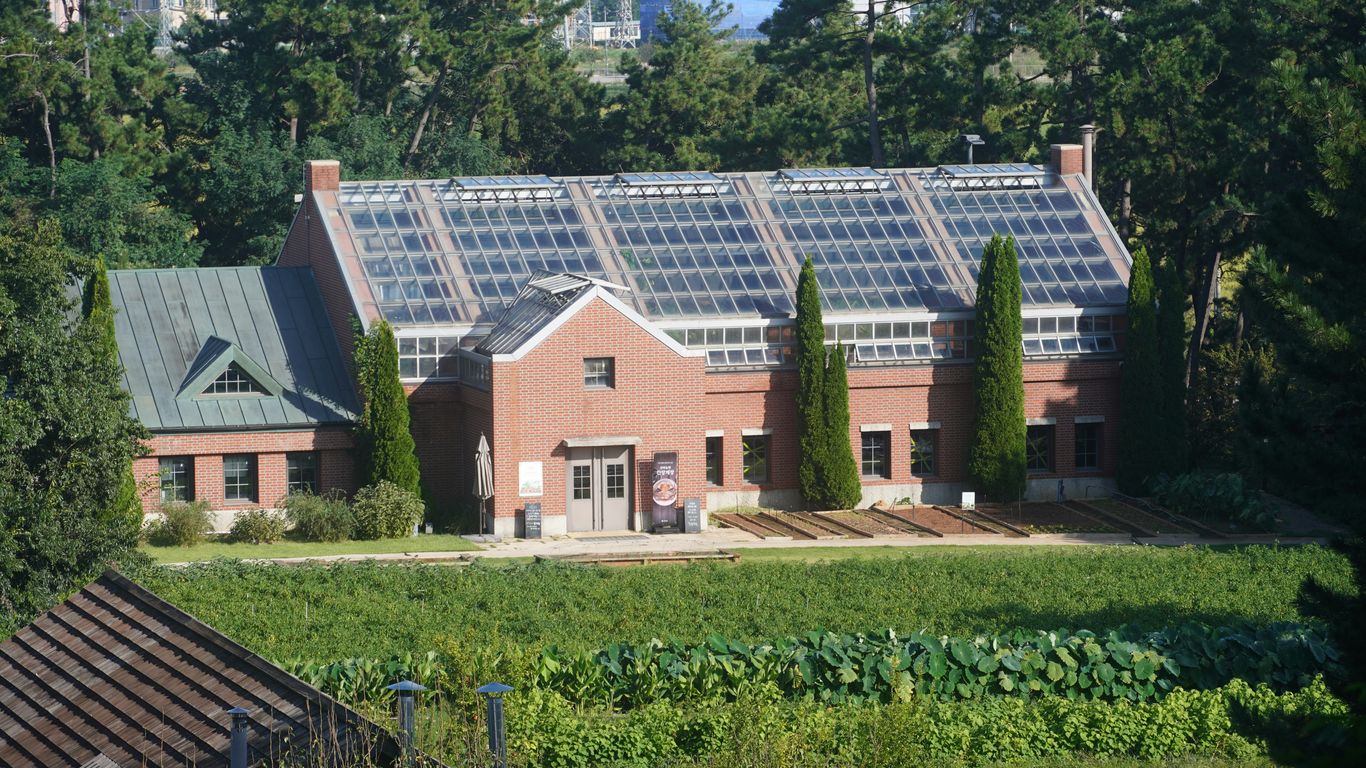
When we think about laying out our homestead, it’s easy to just put things wherever they seem to fit. But permaculture offers a smarter way to organize our space, making our daily chores much simpler and saving us a ton of energy. It’s all about placing elements based on how often we use them. Think of it like designing a kitchen: you want the fridge, stove, and sink all close together so you’re not running all over the place just to make a meal. The same idea applies to our homestead.
Permaculture zones are basically a way to divide our land into sections based on how much we visit them. Zone 0 is our house, the center of everything. Zone 1 is the area right around the house that we’ll be in multiple times a day. This is where we’ll put things we need constant access to, like our kitchen garden for fresh herbs and lettuce, or maybe a small animal shelter for pets. We want these things close by, especially when the weather isn’t great.
It makes a lot of sense to group things that we do around the same time or for the same purpose. For instance, if we’re heading out in the morning to collect eggs, it would be super convenient if the chicken coop is near the barn where we might milk a cow, and also not too far from the garden where we’ll grab veggies for breakfast. Clustering these activities saves us from making unnecessary trips across the property. We don’t want to walk to one end of the land for eggs, then to the other side for milk, and then back again for vegetables. Organizing our zones thoughtfully means less walking and more time for other things.
When we’re planning our homestead layout, it’s really helpful to think about the flow of our daily tasks. If we can arrange our zones so that common activities are close together, we’ll find ourselves moving more efficiently. This isn’t just about convenience; it’s about making our homestead work for us, reducing physical strain and making the whole process more enjoyable. It’s a core principle of smart land use.
When we actually start mapping our zones, it’s not always going to be perfect circles like a bullseye. Our land has its own shape, slopes, and existing features. We need to let the zones guide us, but also be creative. If we have a water source that’s best suited for Zone 3, like a pond for livestock, we place it there, even if it’s not in a perfect concentric ring. The goal is to make the layout functional for our specific needs and the unique characteristics of our land. We should observe our property, think about our daily routines, and then design the zones to fit, rather than trying to force the land into a rigid pattern. This approach helps us create a homestead that’s both productive and pleasant to live on.
So, we’ve walked through how to really get to know your land, from checking the boundaries to figuring out where water flows and where your garden beds or animal pens should go. It might seem like a lot, but remember, this is your space. Take your time, explore it, and don’t be afraid to adjust as you go. Every homestead is different, and what works for us might not be perfect for you. The most important thing is to create a place that works for your goals and makes your life easier. Happy planning!
Before we do anything else, we need to get to know our land really well. This means walking the edges of our property to see where it all begins and ends. Then, we should explore the inside, noting down everything we find, like trees, water sources, or existing structures. This helps us understand what we’re working with and makes sure our maps are accurate.
When placing our home, we should think about a few things. It’s good to consider where we get the most sun, especially in winter. Also, think about how close it is to water and where we’ll store things. We want it to be easy to get to and not too exposed to harsh weather, but also not stuck in a low-lying area that might flood.
Water is super important for everything on our homestead – for us, our animals, and our gardens. We need to find out where our water comes from, like wells or rain, and figure out the best way to store it, ideally in a high spot so we can use gravity to move it where we need it. This saves us a lot of work later on.
Where we place our animals depends on what kind of animals we have and how much land we own. Animals that need a lot of space to roam, like cows or sheep, need different spots than chickens or rabbits. We should also think about how often we need to visit them for feeding or collecting eggs, and try to keep those areas close to our house or other frequently visited spots.
Permaculture zones are like sections of our property that we divide up based on how often we visit them. Zone 0 is our house, and then we have zones that get visited daily (like the kitchen garden), weekly, or even less often. This helps us place things like gardens and animal shelters closer to home if we need them a lot, making our daily chores much easier and saving us energy.
It’s totally normal to make mistakes when planning and setting up a homestead! Instead of getting upset, we should see these as chances to learn. Maybe a fence isn’t in the best spot, or a tree we planted blocks a view. We can use these experiences to make our homestead better over time. Our land is always teaching us.
 March 7, 2026
How to Turn Food Preservation Into a Side Hustle
Canning
Homestead Kitchen
Homesteading
Sustainable Living
March 7, 2026
How to Turn Food Preservation Into a Side Hustle
Canning
Homestead Kitchen
Homesteading
Sustainable Living
We've all got those hobbies or skills that we love doing, right? Maybe it's baking, gardening, or even making your own jam. What if we told you that you could turn those passions into a little extra cash? It might...
Read More March 7, 2026
High-Output Crops Perfect for Micro Homesteads
Gardening
Homestead Planning
Homesteading
Starting a Homestead
March 7, 2026
High-Output Crops Perfect for Micro Homesteads
Gardening
Homestead Planning
Homesteading
Starting a Homestead
Thinking about growing your own food but only have a little space? We get it. Many of us are looking for ways to be more self-sufficient, even if we don't have acres to work with. The good news is, you...
Read More March 6, 2026
10 Low-Cost Homestead Side Hustles That Make Money
Homestead Planning
Homesteading
Starting a Homestead
March 6, 2026
10 Low-Cost Homestead Side Hustles That Make Money
Homestead Planning
Homesteading
Starting a Homestead
We all dream of a simpler life, right? One where we're more connected to the land and the seasons. But let's be real, that dream needs some funding. That's where low cost homestead side hustles come in. These aren't about...
Read More