


Even if we don’t have a huge backyard, we can still grow a lot of our own food. We’ve found that with the right pots and plant choices, container homesteading can be super rewarding. It’s amazing what you can grow on a balcony or patio! We’re going to share some of our favorite crops that do really well when planted in containers, giving you plenty of fresh food without needing a lot of space.
If there’s one plant we keep circling back to every spring, it’s cherry tomatoes. They’re complete show-offs in a container garden—easy, reliable, and crazy productive. One healthy cherry tomato plant can crank out handfuls of fruit for weeks on end, even in a pretty snug pot.
A few reasons we love growing cherry tomatoes in containers:
Let’s get practical for a second. Here’s what we stick to when setting up:
| Step | What We Do |
|---|---|
| 1. Container | Use a pot at least 12-14" across |
| 2. Soil | Fill up with rich, organic mix |
| 3. Support | Cage or stake immediately |
| 4. Watering | Keep soil moist, not soggy |
| 5. Prune | Pinch suckers for better airflow |
Growing them feels just right for us because they’re forgiving, pump out snack-sized tomatoes by midsummer, and honestly, nothing beats plucking a sun-warmed cherry tomato right off the vine.
Whenever we’re stumped about what to plant first, cherry tomatoes never let us down—they kick off the season with easy wins and keep us coming back for more.
Lettuce is a fantastic choice for container homesteading because it’s so forgiving and doesn’t need a ton of space. We love it because you can get a harvest really quickly, and if you do it right, you can keep harvesting from the same plant.
We find that most lettuce varieties are beginner-friendly and perfect for small spaces. They prefer cooler weather, so think spring and fall. If your area gets really hot, just move the pots to a spot with some shade, or tuck them near a bigger plant like a tomato. Since lettuce has shallow roots, a container that’s about 6 inches deep is usually plenty.
Here’s how we usually plant it:
It’s super satisfying to snip off a few leaves for a salad and know that the plant will keep growing. You can get a continuous harvest this way, which is a big win for container gardening. Plus, growing your own lettuce means you always have fresh greens on hand, which is way better than wilted store-bought stuff. You can even grow lettuce indoors using hydroponic systems if you want to keep a steady supply.
We’ve had great luck with ‘Crisphead’, ‘Butterhead’, and ‘Oakleaf’ varieties, but honestly, any lettuce seed mix works well. Just make sure your containers have good drainage, and you’ll be enjoying fresh salads in no time.
Radishes are seriously one of the easiest things we can grow, making them perfect for anyone just starting out with container homesteading. They’re super fast, too – some varieties are ready to eat in as little as 30 days! We love them because they don’t need much space, with each root only needing about an inch or so of room. This means we can pack quite a few into a single pot.
The key to a continuous harvest is planting in waves. Instead of sowing all your seeds at once, plant small batches every week or two. This way, you won’t end up with a mountain of radishes all at once, and you’ll always have some fresh ones ready to pull.
Here’s a quick look at what they need:
Radishes are great for filling in those little gaps between slower-growing crops. They pop up quickly and give you something to harvest while you wait for other things to mature.
If we’re growing food on a patio or balcony, peppers are just about perfect. These plants love heat, take up very little room, and can be very rewarding, even for beginners. What makes peppers especially suited for container homesteading is how compact and productive they are in pots.
Here’s what we usually keep in mind when growing peppers in containers:
We usually start the seeds indoors about 6-8 weeks before the last frost if we want a jumpstart on the season. The little seedlings will enjoy the extra heat and light indoors, and they’ll be ready to move outside when things warm up.
Here’s a quick table for ideal container size:
| Type | Container Size |
|---|---|
| Hot Peppers | 2–3 gallons |
| Sweet Peppers | 5 gallons (min.) |
Most days, just one or two pepper plants supply us with a steady stream of peppers for weeks. We keep their soil consistently moist (not soggy) and make sure they sit somewhere sunny, because peppers crave heat and light.
When the weather cools down, we actually find our container-grown peppers produce better than those in the ground—the soil in containers warms up faster, and that really gets them going.
If we’re tight on space or just want to add a little spice to our homegrown meals, peppers are definitely worth planting in containers.
Bush beans are a fantastic choice for container homesteading because they’re pretty low-maintenance and give us a good harvest relatively quickly. We love them because they don’t need a lot of space to grow, unlike their vining cousins. You can even grow them in a large window box or a decent-sized pot, and they don’t need super deep soil – about 6-8 inches is usually enough for their roots.
We find that bush beans are a great way to add some protein to our homegrown food supply. Plus, they have this cool ability to actually help the soil by fixing nitrogen, which is a bonus for any container garden. And if you’re looking to add some color, don’t shy away from the purple or yellow varieties; they look amazing spilling out of a pot!
Here are a few things we’ve learned about growing them:
We’ve noticed that harvesting frequently really makes a difference in how long the plants keep producing. It’s like they know we’re paying attention and want more delicious pods!
Getting fresh beans right from your patio is such a rewarding experience. They’re perfect for quick meals or preserving for later. You can find more tips on quick homesteading tasks like harvesting beans here.
If we’re looking for a leafy green that performs like a champ in containers, we can’t skip kale. Kale is a true workhorse for small spaces, pumping out nutritious leaves even when it’s squeezed into a big planter or a sturdy fabric grow bag. It’s not picky—tolerates cool weather, shrugs off light frosts, and just keeps going. Early spring or fall is the best time to get seeds or baby plants started; it doesn’t love summer heat and might bolt if things get too warm.
Here’s why we love raising kale in pots:
If you want a quick rundown of what to expect, check this out:
| Attribute | Container Requirements |
|---|---|
| Pot Size | Minimum 3 gallons |
| Sunlight | 6+ hours (full sun preferred) |
| Soil | Loose, well-draining, rich |
| Days to Harvest | 50-70 for full leaves |
One trick we’ve found handy: snip off just the lower leaves each time so the plant can focus on new growth up top. This way, a single plant can keep feeding us week after week with little fuss.
With kale, we get the satisfaction of growing a superfood—fresh, homegrown, and always ready to jazz up a meal.
Spinach is a fantastic choice for our container homesteads, especially when we want to keep harvesting greens even as the weather cools down. It’s a real trooper that can handle some frost, meaning we can extend our growing season well into fall and even winter in some spots. We love that we can get a lot of spinach out of a small space using the "cut and come again" method. Basically, you sow seeds fairly close together, and when the leaves are big enough – usually a few inches tall – you snip them off a couple of inches above the soil. As long as you leave the main growing part of the plant, it’ll sprout new leaves for another harvest in a few weeks.
If you prefer larger leaves, you can give each spinach plant its own smaller pot. Just pick the outer leaves as needed, similar to how we handle kale or chard. Just a heads-up, spinach isn’t a fan of hot weather; it won’t germinate well in warm soil and tends to ‘bolt’ (go to seed) when it gets too hot, so we usually avoid planting it in the peak of summer.
Here’s a quick rundown for growing spinach in containers:
We find that spinach is super forgiving and a great way to get a quick, nutritious harvest without needing a huge amount of space. It’s one of those reliable greens that just keeps on giving if you treat it right.
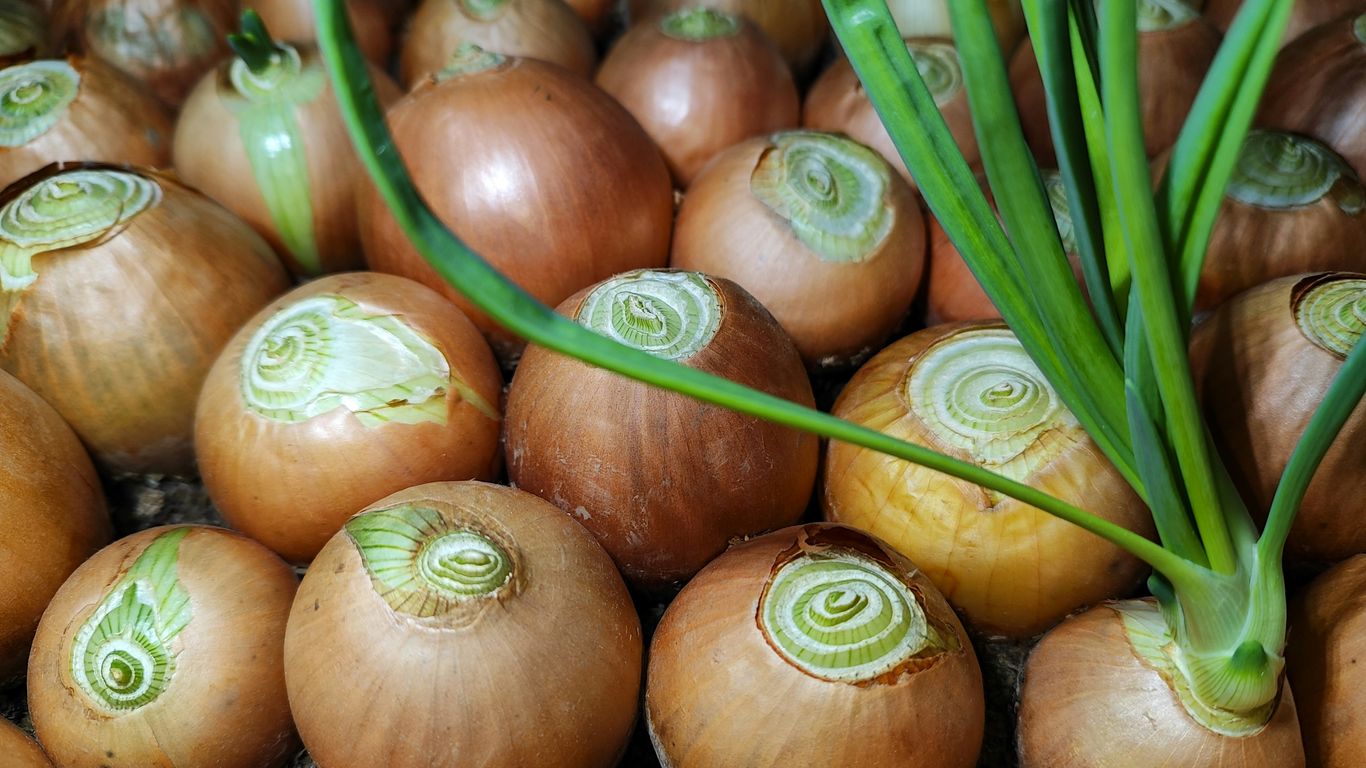
Green onions are one of those crops that always make us feel like gardening is easy. They hardly take up any room, need barely any fuss, and you can keep cutting them again and again for months. When we don’t have much space or time, tossing a few green onion seeds or bulbs into pots gives a steady supply for our meals.
You can start green onions from seed, from sets (tiny bulbs), or even from leftover scraps from the grocery store. If you’re new to this, here’s a quick process:
What’s great about green onions is that they tolerate a bit of shade, which makes them great for indoor or balcony gardens. Plus, we don’t need to pull up the entire plant—just snip what we want, and they’ll regrow several times.
Here’s a quick breakdown of why we love green onions for containers:
| Reason | Why It Matters |
|---|---|
| Small footprint | Perfect for tight spaces |
| Repeat harvest | Keeps coming back |
| Easy from scraps | Less waste, more food |
| Shallow roots | Small pots work just fine |
We’ve noticed if we keep clipping them regularly and don’t let the soil dry out, a single batch of green onions can last through the whole growing season. It’s the closest thing to instant gardening gratification out there!
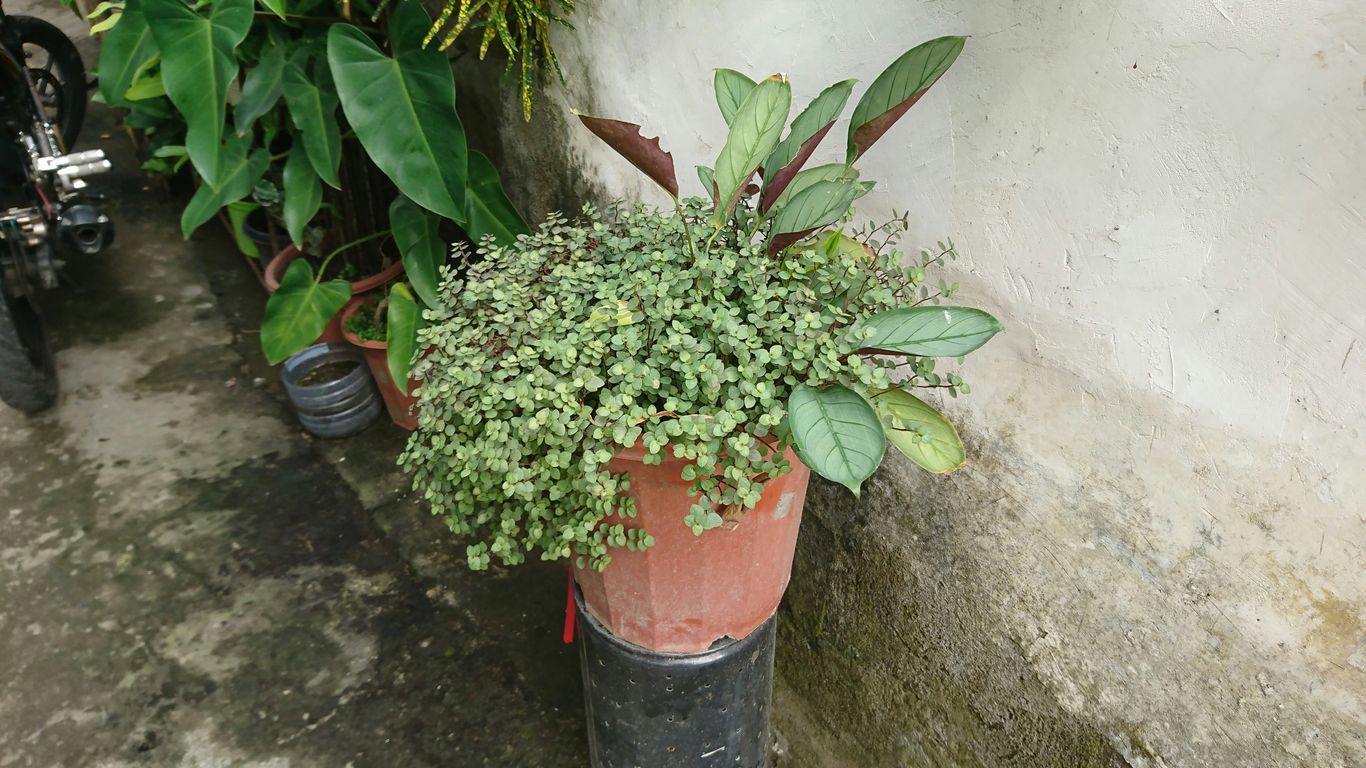
Basil is one of those herbs we just can’t live without if we’re growing food in containers. It keeps our meals interesting and, honestly, once we’ve tried homegrown basil, anything from the store just tastes a bit limp. This little green powerhouse does great in pots, soaking up the warmth they offer, especially compared to beds in the ground. If we plant in the spring, after any chance of frost is gone, a single basil plant can supply fresh flavor for months.
Let’s break down our experience growing basil in containers:
Here’s a little comparison of popular container varieties:
| Variety | Growth Habit | Pot Size Needed |
|---|---|---|
| Genovese Compact | Bushy | 8” |
| Everleaf | Upright | 8”+ |
| Tulsi (Holy Basil) | Bushy | 8” |
Regular picking is our secret for basil that keeps producing and doesn’t get bitter. If the weather turns chilly, don’t sweat it—just bring your pot indoors near a sunny window, and basil will keep trucking.
And if you’re wondering about what to do with a bumper crop, we find basil is one of those
herbs with a surprising profit boost for small homesteaders, whether selling fresh bunches or drying for later. So if there’s only space for one herb, make it basil—trust us, your taste buds and wallet will thank you.
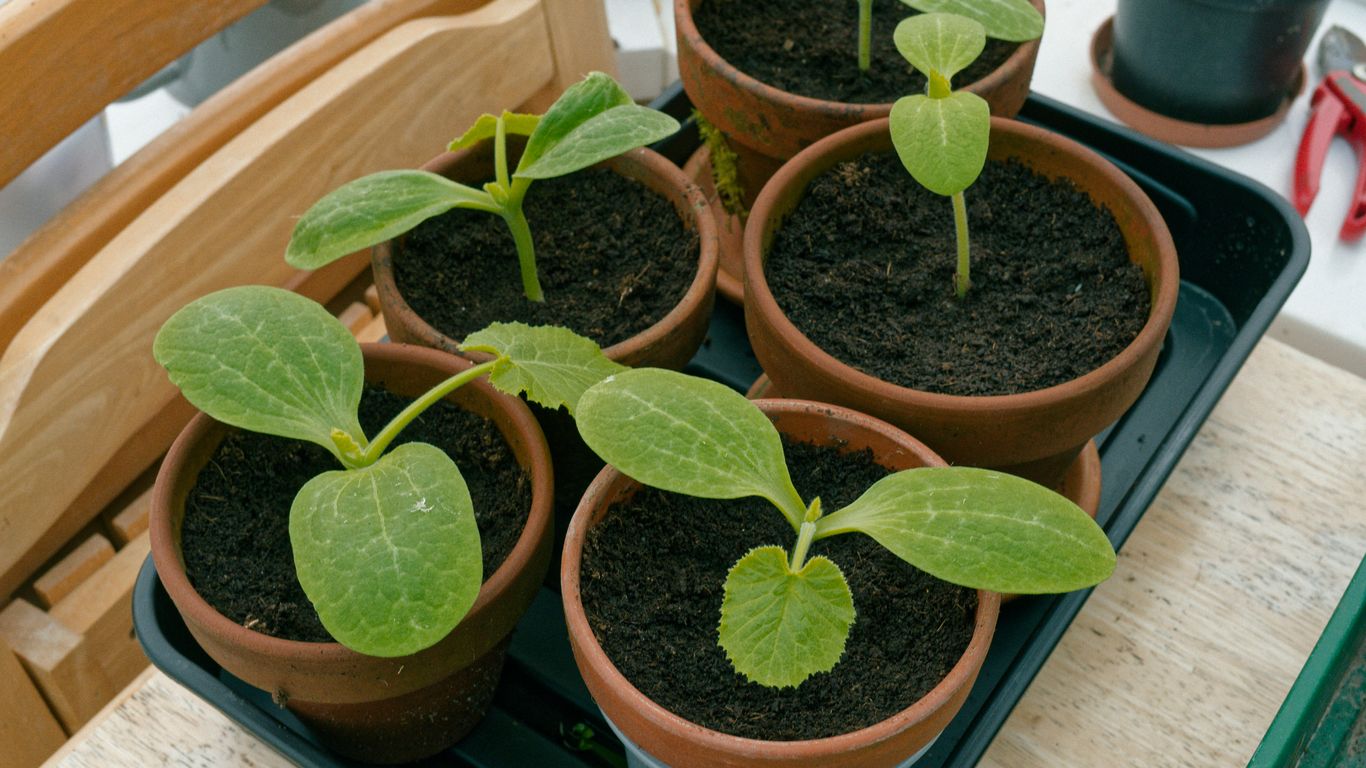
Zucchini might have a wild reputation for sprawl, but with the right setup, it fits into our container garden just fine. One compact bush zucchini can provide a mountain of squash, even from a single large pot. We lean toward those bush-type or container-friendly varieties, like ‘Astia’, because they keep things tidy without swallowing up the whole balcony. For a good harvest, think at least a 10-15 gallon pot per plant—bigger really is better for this veggie!
A few key points for container zucchini success:
| Variety | Height (inches) | Width (feet) | Days to Harvest | Mildew Resistance |
|---|---|---|---|---|
| Astia | 18 | 2.5 | < 50 | Yes |
Zucchini plants are a little greedy for nutrients, so we find it’s worth topping up with compost or balanced fertilizer through summer for a steady crop.
Harvesting daily not only keeps the fruits just right for cooking, but it also cranks up production—seriously, they just keep coming. If we keep our seeds sorted and organized, we’re always ready to start another round as soon as spring frost is behind us. (Here’s a great reminder that winter seed planning helps our container garden run even smoother!)
Zucchini in containers? Totally doable—and it makes the summer dinners unforgettable.
We’re always looking for ways to get more food from our small spaces, and potatoes are a fantastic option for container homesteading. They grow in a unique way that makes them perfect for pots. As the plant grows, we can add more soil around the stem, which encourages more tubers to form. This method means we can get a surprisingly good harvest from a relatively small footprint.
Harvesting is a breeze too! Instead of digging around in the dirt, we can just tip the container over onto a tarp and collect our spuds. It makes cleanup so much easier.
Here’s a quick rundown on how we approach growing them:
Growing potatoes in containers is a game-changer for small-scale food production. It allows us to grow a staple crop without needing a large garden plot, and the ease of harvest is a huge bonus.
We’ve found that using containers makes it much simpler to manage pests and diseases too. Plus, it’s incredibly satisfying to pull fresh potatoes right from your own patio or balcony. For more detailed tips on getting a great harvest, check out this guide on growing potatoes in pots.
Beets are surprisingly easy to grow in containers, and honestly, it makes sense for anyone wanting a bit more self-sufficiency at home. We can harvest beets twice—first for their fresh, vitamin-rich greens and then again for those sweet, earthy roots. You get double the harvest from just one crop, which feels pretty smart when space is at a premium.
What makes beets awesome for containers? Their roots aren’t picky as long as the pot is deep enough—about 10" or more lets them grow nice and round. Beets aren’t fussy about the type of soil, but they do need it to be loose so their roots can plump up. If you like experimenting, try out a few different beet varieties; some are extra sweet, and others have neat colors.
Here’s what works for us:
It’s also kind of neat that beets fit right into a long-term plan for self-sufficiency, just like planning your garden around crops with a strong storage life. Prioritizing root vegetables means food you can enjoy well after summer is gone.
If you want a crop that multitasks (offering both leafy greens and hearty roots) without taking up a ton of space, beets definitely deserve a spot in your next container planting.
So there you have it! We’ve gone through a bunch of great plants that can totally thrive in containers, even if you’ve only got a small balcony or patio. It’s pretty amazing what we can grow when we pick the right things and give them a little attention. Don’t let limited space stop you from enjoying fresh, homegrown food. Give some of these a try, and you might be surprised at how much you can harvest. Happy growing!
Most of the crops we grow in containers need at least 6 hours of sunlight every day. Some, like lettuce and spinach, can get by with a little less, but tomatoes, peppers, and zucchini need plenty of sun to grow well.
We should use good-quality potting soil for our containers. Regular garden soil can get too hard or not drain well. Potting soil holds water but still lets it drain, which helps our plants stay healthy.
Container plants usually need more water than those in the ground. We should check the soil every day, especially in hot weather. If the top inch feels dry, it’s time to water.
Yes, we can! Potatoes, beets, and even radishes do great in containers. We just need to make sure the container is deep enough for the roots to grow. For potatoes, a tall grow bag or bucket works well.
We can keep our plants healthy by giving them enough light, water, and food. Adding compost or slow-release fertilizer helps them grow strong. Also, picking leaves or veggies often encourages more to grow.
Yes, we can grow different crops together if they have similar needs. For example, we can plant kale, lettuce, and spinach in one big pot. Mixing herbs like basil with tomatoes also works well and can even help keep bugs away.
 March 7, 2026
How to Turn Food Preservation Into a Side Hustle
Canning
Homestead Kitchen
Homesteading
Sustainable Living
March 7, 2026
How to Turn Food Preservation Into a Side Hustle
Canning
Homestead Kitchen
Homesteading
Sustainable Living
We've all got those hobbies or skills that we love doing, right? Maybe it's baking, gardening, or even making your own jam. What if we told you that you could turn those passions into a little extra cash? It might...
Read More March 7, 2026
High-Output Crops Perfect for Micro Homesteads
Gardening
Homestead Planning
Homesteading
Starting a Homestead
March 7, 2026
High-Output Crops Perfect for Micro Homesteads
Gardening
Homestead Planning
Homesteading
Starting a Homestead
Thinking about growing your own food but only have a little space? We get it. Many of us are looking for ways to be more self-sufficient, even if we don't have acres to work with. The good news is, you...
Read More March 6, 2026
10 Low-Cost Homestead Side Hustles That Make Money
Homestead Planning
Homesteading
Starting a Homestead
March 6, 2026
10 Low-Cost Homestead Side Hustles That Make Money
Homestead Planning
Homesteading
Starting a Homestead
We all dream of a simpler life, right? One where we're more connected to the land and the seasons. But let's be real, that dream needs some funding. That's where low cost homestead side hustles come in. These aren't about...
Read More