



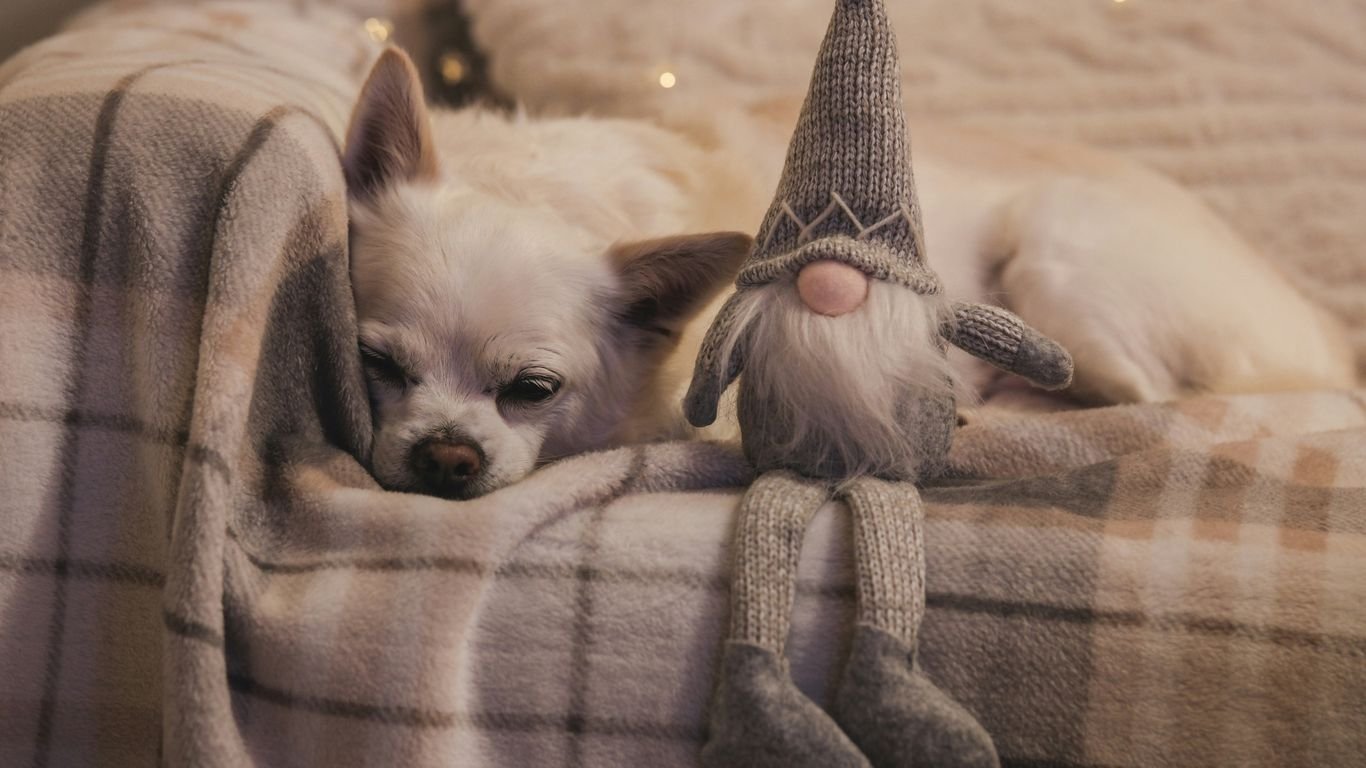
Winter is here, and while we might be cozying up indoors, our animal friends can face some real challenges when the temperatures drop. Keeping them safe and warm is something we all want to do. We’ve put together some straightforward tips to help make sure our pets, from the ones inside with us to those living outdoors, get through the cold season without any trouble. Good winter animal care is really about being prepared and showing a little extra kindness.
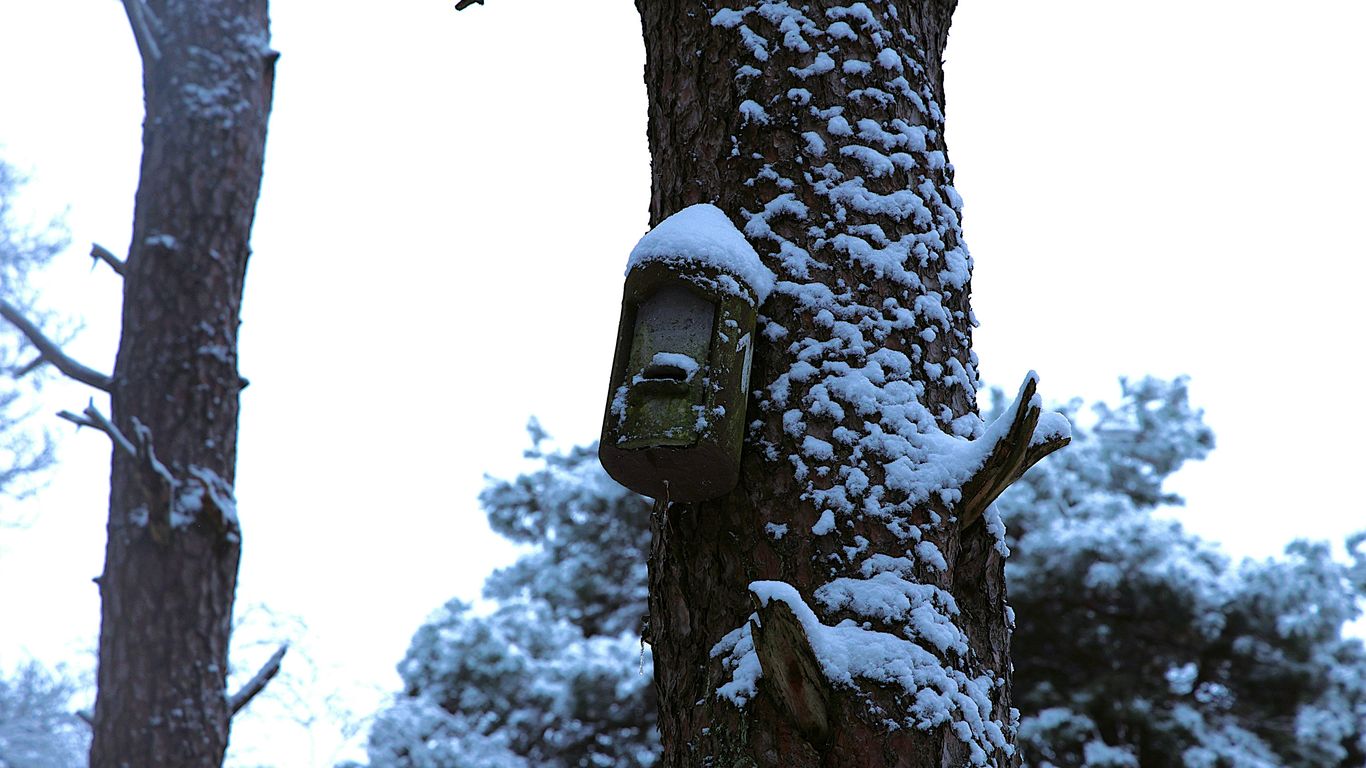
When the temperatures drop, our outdoor animal friends, whether they’re beloved pets or community strays, need a safe haven from the biting cold. We can all do our part to make sure they have a warm place to rest.
Keeping the wind out is key. Even a small draft can make a big difference in how warm an animal stays. For outdoor pets, like dogs who spend a lot of time in their kennels, we want to make sure their sleeping area is protected. Think about positioning their house so the entrance isn’t facing the prevailing wind. We can also add extra layers to the walls or create a simple windbreak using hay bales or sturdy panels. A well-built shelter conserves the animal’s body heat.
What’s inside the shelter matters just as much as the walls. We need materials that insulate and stay dry. Straw is a fantastic option because it traps air and provides good warmth. We should avoid using blankets or towels that can get wet and then freeze, making things worse. For cats, especially community cats, a thick layer of straw in their shelter is a lifesaver. We need to make sure we’re adding fresh bedding regularly, especially after snow or rain.
Here’s a quick look at some good bedding choices:
We can easily create simple, effective shelters for stray and feral cats in our neighborhoods. One popular method involves using plastic storage bins. We can cut an entrance hole (just big enough for a cat) and add a smaller escape hole. Then, we fill the bottom with straw for insulation and warmth. These shelters don’t need to be fancy, just functional. Placing them in quiet, sheltered spots can make a big difference for these animals. You can find many simple designs online for creating winter shelters.
It’s important to remember that even animals with thick fur need protection. A dry, draft-free space is vital for their survival and comfort during the coldest months. We can make a real impact with a little effort.
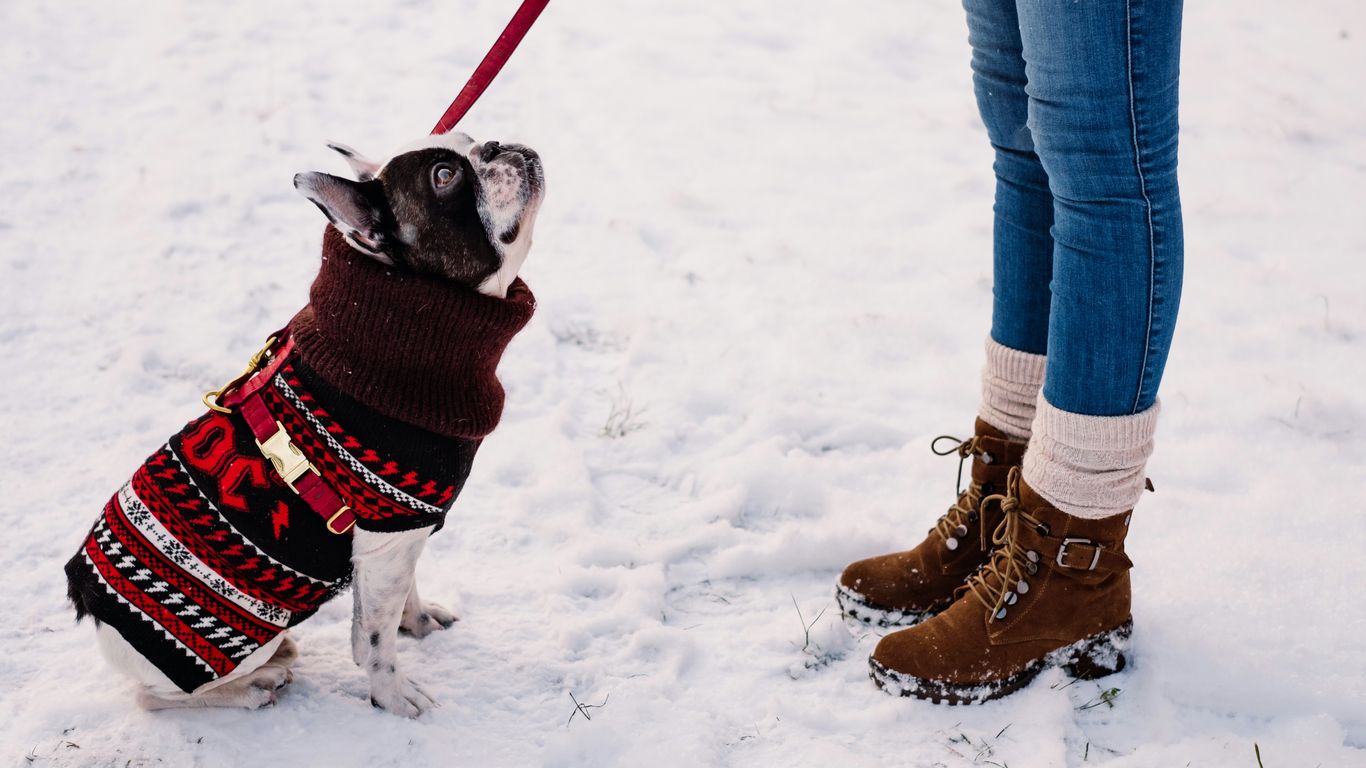
When the weather turns cold and icy, our pets’ paws and skin can really take a beating. We’ve all seen those little pads get dry and cracked, and it’s not just about discomfort. Those same conditions make them more vulnerable to all sorts of winter nasties.
First off, let’s talk about what we put on our sidewalks and driveways. Many of the ice melts we use are full of chemicals that can really irritate our pets’ paws. If they lick their paws after walking on treated surfaces, they can ingest these chemicals, which isn’t good. It’s a good idea to switch to pet-safe ice melt whenever possible. You can usually find these at pet stores or garden centers. Even with pet-safe options, it’s still a smart move to wipe your pet’s paws down with a damp cloth or a pet-safe wipe after they come inside. This gets rid of any lingering salt, sand, or ice chunks that might be stuck between their toes.
For extra protection, especially if your pet has sensitive paws or you live in an area with a lot of ice and snow, consider booties. They might look a little funny, but they offer a great barrier against the cold, ice, and those irritating chemicals. Just make sure they fit well so they don’t rub or cause discomfort. We usually have to try a couple of different styles before finding the ones our dog tolerates best!
If you notice your pet’s paws are looking a bit rough – dry, red, or even cracked – there are things we can do. Before heading out for a walk, we sometimes rub a bit of petroleum jelly or a special paw balm designed for pets onto their pads. This creates a protective layer. It’s like putting on moisturizer for their feet!
After walks, especially longer ones, we make sure to check their paws. If they seem irritated, a gentle soak in warm water can help. Sometimes, we’ll even use a bit of a vet-approved moisturizing shampoo during bath time, but we try not to bathe them too often in winter because it can strip away natural oils. If things look really bad, like deep cracks or signs of infection, it’s always best to check in with the vet.
This one is super important. We need to be really mindful of where our pets are walking. Those little ice balls that can form between a dog’s toes? They can trap moisture and irritants. And the salt and chemicals? They’re not just irritating; some can be downright toxic if ingested in larger amounts. We always try to stick to areas that are less likely to be treated with harsh chemicals, or we make sure to do that thorough paw wipe-down every single time they come inside. It might seem like a hassle, but it’s a small step that makes a big difference in keeping our furry friends comfortable and healthy all winter long.

When the temperatures drop, we all need to be a bit more mindful of how we spend time outside, and that includes our pets. While some dogs might seem like they were born for the snow, even the hardiest breeds can face risks when the mercury plummets. It’s all about finding that balance between keeping them active and keeping them safe.
It’s easy to underestimate how quickly the cold can affect our furry friends. Frostbite and hypothermia are serious threats, especially for pets with short fur, young puppies, older dogs, or those with underlying health issues. You know your pet best, so pay attention to their cues. Signs of frostbite can include pale or gray skin on the ears, nose, or paw pads, and eventually, these areas might become black. Hypothermia is a more general drop in body temperature, and you might notice excessive shivering, lethargy, weakness, or even a lack of coordination. If you see any of these signs, get your pet inside immediately and contact your vet.
Just like us, some pets benefit from a little extra warmth when they head outdoors. For dogs with thin coats, little body fat, or those who are older or have health problems, a well-fitting sweater or coat can make a big difference. It’s not just about fashion; it’s about protection. Make sure the clothing fits properly – it shouldn’t restrict movement or chafe. For dogs, consider a water-resistant coat if you’ll be out in snow or sleet. Remember, even with a coat, short-haired breeds or those sensitive to the cold shouldn’t be out for extended periods.
This is a simple but effective strategy. On days when it’s particularly frigid, windy, or wet, it’s wise to shorten your usual walking routes. Think about how long you can comfortably stay outside – your pet likely feels the same, if not more so. Even a quick potty break is better than a long trek in harsh conditions. We also need to be mindful of what’s on the ground. Road salt and de-icing chemicals can really irritate your pet’s paws, leading to cracking or soreness. Wiping their paws with a damp cloth after every walk is a good habit to get into, and you can also look into pet-safe ice melt options for your own walkways.
When the temperatures drop, we need to pay extra attention to what and how our animal friends are eating and drinking. It’s not just about keeping them full; it’s about making sure they have the energy to stay warm and healthy.
This is probably the most critical part of winter care for any animal that spends time outdoors, even if it’s just for a little while. Dehydration can happen surprisingly fast when water sources freeze over. We’ve found that heated water bowls or insulated containers work wonders. For our livestock friends, things like horse trough heaters are a lifesaver. We also make it a habit to check water bowls multiple times a day, breaking up any ice that forms. It might seem like a hassle, but seeing them drink freely makes it totally worth it.
Do our pets need more food when it’s cold? Generally, most indoor pets don’t need a significant increase in calories unless they are very active outdoors or have specific health needs. However, animals that live outside, like barn cats or livestock, do burn more energy just trying to stay warm. For them, a slightly more calorie-dense food or just a bit more of their regular food can make a difference. It’s always best to chat with your vet about your specific pet’s needs, but a good rule of thumb is to watch their body condition. If they’re looking a bit too thin, it might be time to adjust their intake.
This is a simple tip that can prevent a lot of pain. When it’s freezing outside, a pet’s tongue can stick to a metal water or food bowl. Imagine that! It’s a nasty surprise that can cause injury. We always switch to plastic or ceramic bowls for our outdoor animals during the winter months. It’s a small change that makes a big difference in keeping them safe and comfortable. Plus, plastic bowls are lighter and less likely to break if dropped.

When winter rolls around, our farm animals need a little extra attention to stay healthy and comfortable. We’ve learned that being prepared before the really cold weather hits makes a huge difference. It’s not just about keeping them warm, but also about making sure they have what they need to stay hydrated and fed properly.
Different animals have different needs when the temperature drops. For our pigs, a thick, dry bed of straw is a must. We pile on a whole round bale when it gets really cold, and they just burrow right in. Pigs also rely on body fat for warmth, so we make sure they’re well-fed with grains and supplements, and they’ll happily munch on extra hay too. Cows and horses, on the other hand, are usually pretty good with their natural coats, but they still need a dry spot out of the wind. A good stand of trees or a three-sided shelter works wonders. We make sure they have plenty of high-protein hay, especially during frigid spells. Our goats are a bit more sensitive; an older goat might need a cozy spot in the barn with a heat lamp and deep bedding. They get grain and good hay, and sometimes a treat of fir branches.
Shelter is key. For most of our animals, a dry place to stand and lie down, protected from the wind, is the most important thing. Even if they have thick coats, a strong wind can chill them to the bone. We pay close attention to wind direction and try to position shelters or use natural windbreaks like trees or fences to block the harshest gusts. Keeping bedding dry is also critical; wet bedding loses its insulating properties and can make animals colder.
Water is something we often overlook, but it’s super important in winter. Animals need to drink, and frozen water bowls are a real problem. We use heated water buckets and tank heaters to keep things liquid. It’s a small investment that prevents a lot of stress and dehydration for the animals. We also avoid metal bowls because, in extreme cold, an animal’s tongue could stick to them, which is a nasty surprise. Keeping water sources clean is just as vital as keeping them from freezing, so we check them daily. Making sure our animals have access to unfrozen water is a top priority.
Winter brings its own set of dangers that we need to be aware of to keep our furry friends safe. It’s not just about the cold; there are specific household items and even our cars that can pose risks.
We all know antifreeze is a big no-no. It’s got a sweet taste that can really attract pets, but it’s incredibly toxic, even in small amounts. We need to be super careful about cleaning up any spills immediately. Other chemicals, like rodenticides that some folks put out when pests try to get inside to escape the cold, are also a serious threat. Always store these kinds of things securely, way out of reach.
When it’s too cold or icy to go outside much, our pets can get bored. This can lead to them being a bit destructive or anxious. Keeping their minds busy is just as important as keeping them warm. Think about things like:
These activities help keep them happy and prevent stress.
This one’s a bit scary, but we need to talk about it. Outdoor cats, and sometimes even dogs, look for warm spots when it’s freezing. They might crawl up into a car’s engine compartment or near the tires to get cozy. Before we start our cars, especially when it’s cold out, we should always give the hood a tap or knock on the tires. A quick honk of the horn can also help scare away any hidden critters. It’s a small step that can literally save a life.
We also need to watch out for holiday decorations. Things like tinsel, ribbons, and even small ornament pieces can be tempting for pets to chew on or swallow. If ingested, these items can cause serious blockages in their digestive systems. It’s best to keep decorations out of reach or supervise pets closely when they’re around.
When the temperatures really start to drop, we often think about our own pets, but it’s a good time to remember the animals out there without a home. We can all do a little something to help stray cats, dogs, and other wildlife that are just trying to get through the cold.
One of the easiest ways to help is by providing a safe, warm spot. For community cats, a simple DIY shelter can make a huge difference. You can make one from a plastic storage bin with some straw for insulation – just make sure it’s elevated off the ground and has a flap to keep the wind out. Even a small gesture can save a life.
If you see outdoor animals, especially cats, near your car, give it a little tap or honk the horn before starting it up. Sometimes they seek warmth under the hood or near the tires, and a little noise can scare them away before you drive off. It’s a quick habit that can prevent a tragedy.
It’s not always obvious when an animal is struggling in the cold. We need to keep our eyes open for signs that might mean they need help. Shivering is a big one, of course, but also look for animals that seem unusually lethargic, are huddled in exposed areas, or seem disoriented.
For wildlife, if you see a bird that’s puffed up and not moving much, or a mammal that seems weak or injured, it might be in trouble. It’s important not to approach wildlife directly, as they can be unpredictable, especially when scared or sick.
Here are some things to watch out for:
If you spot an animal that you believe is in distress or danger, the best thing to do is reach out to the experts. Local animal shelters, humane societies, or wildlife rescue groups are equipped to handle these situations. They have the knowledge and resources to help safely.
When you call, be ready to give them as much information as possible: the animal’s location, a description of the animal, and what signs of distress you’re observing. They can tell you the best course of action, whether it’s for you to provide temporary aid or for them to dispatch a rescue team.
Remember, we all share this planet, and a little bit of kindness goes a long way, especially when the weather turns harsh. Our actions, no matter how small they seem, can provide much-needed relief and safety for animals facing the winter elements.
So, there we have it. Winter can be tough on our animal pals, whether they’re furry, feathered, or scaled. We’ve gone over a bunch of ways to help them stay warm and safe, from making sure they have a cozy spot to sleep to keeping an eye on what they eat and drink. It’s not always easy, and sometimes we might forget a thing or two, but the main thing is we try. A little bit of effort now means our animals can get through the cold months happy and healthy. Let’s all do our best to keep them snug until spring rolls around again.
We should build shelters that keep the wind out and are dry. Making sure the shelter is raised a bit off the ground helps keep it dry. Adding soft bedding like straw or cedar shavings makes it extra cozy and helps them stay warm. It’s also important that the shelter is just big enough to hold their body heat but still allows them to move around comfortably.
The stuff we use to melt ice on sidewalks can really hurt our pets’ paws. It can make them red, sore, and cracked. If they lick it off their paws, it can upset their stomachs or even be poisonous. We should try to use pet-safe ice melt whenever we can, and always wipe our pets’ paws after they walk on treated surfaces.
We need to watch for signs like shivering, lifting their paws up a lot, or seeming tired and slow. Even if they have fur, short-haired pets or older pets can get cold quickly. On really cold or windy days, we should keep our walks shorter and maybe even use a sweater or coat for extra warmth.
Pets need to drink water to stay healthy, just like we do. If their water is frozen, they can’t drink it, which can make them dehydrated. For pets that spend time outside, we need to check their water bowls often and make sure they have a way to keep it from freezing, like using a heated bowl. Using plastic bowls instead of metal ones is also a good idea because their tongues can stick to cold metal.
Yes, sometimes pets need a little extra food in the winter. Staying warm takes a lot of energy, so more calories can help them keep their body temperature up. However, we should check with our vet, as not all pets need more food, especially if they are less active indoors.
If we see an animal that looks like it’s in trouble because of the cold, we should try to help safely. We can offer food and water if it’s safe to do so, or provide a temporary shelter. It’s also important to contact local animal welfare groups or shelters. They know how to help these animals best and can make sure they get the care they need.
 March 7, 2026
How to Turn Food Preservation Into a Side Hustle
Canning
Homestead Kitchen
Homesteading
Sustainable Living
March 7, 2026
How to Turn Food Preservation Into a Side Hustle
Canning
Homestead Kitchen
Homesteading
Sustainable Living
We've all got those hobbies or skills that we love doing, right? Maybe it's baking, gardening, or even making your own jam. What if we told you that you could turn those passions into a little extra cash? It might...
Read More March 7, 2026
High-Output Crops Perfect for Micro Homesteads
Gardening
Homestead Planning
Homesteading
Starting a Homestead
March 7, 2026
High-Output Crops Perfect for Micro Homesteads
Gardening
Homestead Planning
Homesteading
Starting a Homestead
Thinking about growing your own food but only have a little space? We get it. Many of us are looking for ways to be more self-sufficient, even if we don't have acres to work with. The good news is, you...
Read More March 6, 2026
10 Low-Cost Homestead Side Hustles That Make Money
Homestead Planning
Homesteading
Starting a Homestead
March 6, 2026
10 Low-Cost Homestead Side Hustles That Make Money
Homestead Planning
Homesteading
Starting a Homestead
We all dream of a simpler life, right? One where we're more connected to the land and the seasons. But let's be real, that dream needs some funding. That's where low cost homestead side hustles come in. These aren't about...
Read More