


We’ve all got a passion for herbs, right? Maybe you love making soothing teas, or perhaps you’re great at whipping up natural skincare. Whatever it is, you’ve probably wondered if you could turn that hobby into something more, maybe even make some money. It can feel a little overwhelming figuring out where to start, especially if you want to sell herbal products. But honestly, it’s more doable than you might think. With a little planning and effort, we can share our love for herbs and build a business. We’re going to look at how we can take our herbal creations and get them out there to people who will appreciate them.
Getting your herbal products off the ground starts with deciding what you’ll actually make. It sounds simple, but there are so many possibilities! We’ve found that focusing on a few key areas can really help you build a cohesive and appealing product line. Think about what you enjoy making and what you see a need for. The most successful herbal businesses often start with a passion for a specific type of product.
Skincare is a huge market, and people are increasingly looking for natural alternatives. You don’t have to be a chemist to get started. Simple things like herbal-infused bath salts or luxurious body oils can be a great entry point. We’ve had a lot of success with handmade soaps and salves, especially lip balms. They’re relatively easy to make in small batches and people love them. You can experiment with different herbs for various skin concerns, like calendula for soothing or lavender for relaxation. Remember to keep your ingredients simple and high-quality.
Who doesn’t love a good cup of tea? Herbal teas are a fantastic way to introduce people to the benefits of plants. You can create blends for specific needs – think sleep aids, digestive support, or just a delicious, calming brew. Many people don’t have the time or knowledge to blend their own teas, so there’s definitely a market for well-crafted, flavorful options. We started by offering just a few signature blends, and it’s been a wonderful way to connect with customers. It’s also a great product to sell through local CSAs or at farmers’ markets.
Herbal extracts, often called tinctures, are another popular product. They’re concentrated and easy to take, making them super convenient for customers. You can make them using alcohol, vegetable glycerin, or even apple cider vinegar. Like teas, many people aren’t comfortable making their own extracts, so this is a great niche. You could focus on single-herb extracts or create synergistic blends. Herbal bitters for digestion or alcohol-free options are also big sellers. It takes a bit more precision than teas, but the shelf life is excellent.
So, you’ve put together some amazing herbal products – maybe it’s soothing teas, luxurious salves, or potent tinctures. Now comes the exciting part: getting them into the hands of people who will love them! It might feel a bit daunting at first, but there are several solid ways we can get our creations out there.
Think about Community-Supported Agriculture (CSA) programs. These are often looking for local goodies to add to their weekly produce boxes. It’s a fantastic way to reach people who are already interested in natural, local products. We can approach CSAs with a clear plan. What kind of herbal items would we offer? Would we provide something new each week, or maybe be a featured "guest maker" once a month? Since CSA members often sign up for the whole season, offering variety is key. A good starting point is to pilot the idea with one local farm to see how it works before expanding.
Local health food stores, independent boutiques, and even some gift shops can be great places to stock our herbal goods. These stores often have a customer base that’s already looking for unique, natural items. We’ll need to make sure our products look appealing on the shelf and that we can supply them consistently. It’s worth doing some research to see which local shops align with our brand and product type.
Having our own website gives us complete control. We can design it to reflect our brand perfectly and tell our story. Setting up an online shop is more accessible than ever. We can list all our products, share details about their ingredients and benefits, and connect directly with customers. This direct connection is invaluable for building loyalty. While it takes effort to drive traffic to our site, it offers the most freedom and potential for growth.
Okay, so you’ve got your amazing herbal products ready to go. That’s awesome! But how do people actually find out about them? This is where building your brand and getting the word out comes in. It’s not just about making great stuff; it’s about making sure the right people know about it and want to buy it.
Think of marketing as telling your product’s story. You’ve put so much care into making these herbal goodies, right? Now, you need to share that passion. Don’t just put your products out there and hope for the best. You need a plan. This means figuring out how to show people why your products are special. It could be through pretty labels, a nice display at a market, or even just a friendly chat with a potential customer. The goal is to make people curious and excited about what you offer.
Who are you trying to reach? Are you making calming teas for stressed-out parents, or maybe potent salves for gardeners with sore hands? Knowing who you’re talking to makes a huge difference. If you’re selling to busy moms, your marketing might focus on convenience and natural relief. If it’s for outdoor enthusiasts, you might highlight durability and natural ingredients for outdoor ailments. It’s like talking to a friend – you use different words and talk about different things depending on who you’re with. So, get clear on who your ideal customer is.
Here’s a quick way to think about it:
These days, the internet is your best friend for reaching people. You don’t need a massive budget to get started. A simple website is a good start, maybe even just a page with your product info and how to buy. Then, think about social media. Pick one or two platforms where your target audience hangs out. Is it Instagram for pretty product photos? Facebook for community groups? TikTok for short, engaging videos? Share behind-the-scenes looks at how you make your products, customer testimonials, or tips on using herbs. An email list is also gold – people who sign up are showing real interest, so you can send them updates and special offers directly. It’s all about being visible where your customers are looking.
Alright, let’s talk about the not-so-glamorous but super important stuff: the rules and how to play it safe when we’re making and selling our herbal goodies. It’s easy to get caught up in the fun of creating tinctures and salves, but we absolutely have to get this part right to keep our businesses running smoothly and legally.
First things first, we need to know what the rules are where we live and where we plan to sell. These can change a lot from state to state, and even county to county. What’s okay in one place might not be in another. We should look into things like:
It’s a good idea to check with our local city hall or county clerk’s office. They’re usually the best source for this kind of information.
This is all about making sure our products are made safely and consistently. Think of it as being really organized and clean in our workspace. The FDA has guidelines called Current Good Manufacturing Practices (cGMPs) that we should follow, even if we’re a small operation. This means:
We need to be super careful about what we say our products do. For example, saying a salve "heals" a cut could be seen as a drug claim, which is a big no-no unless we’re registered as a drug manufacturer. It’s safer to stick to describing what the ingredients are known for or how the product feels, like "soothing" or "moisturizing."
The Food and Drug Administration (FDA) has rules, and we need to know which ones apply to us. Our products could be classified as cosmetics, dietary supplements, or even drugs, and each has different rules. We need to be especially mindful of labeling. Making drug claims is a major pitfall we want to avoid. We also need to make sure our labels include necessary information like ingredients, net weight, and our business name and address. It’s worth spending time on the FDA’s website or talking to someone who understands these regulations to make sure we’re compliant. Getting this wrong can lead to serious trouble.
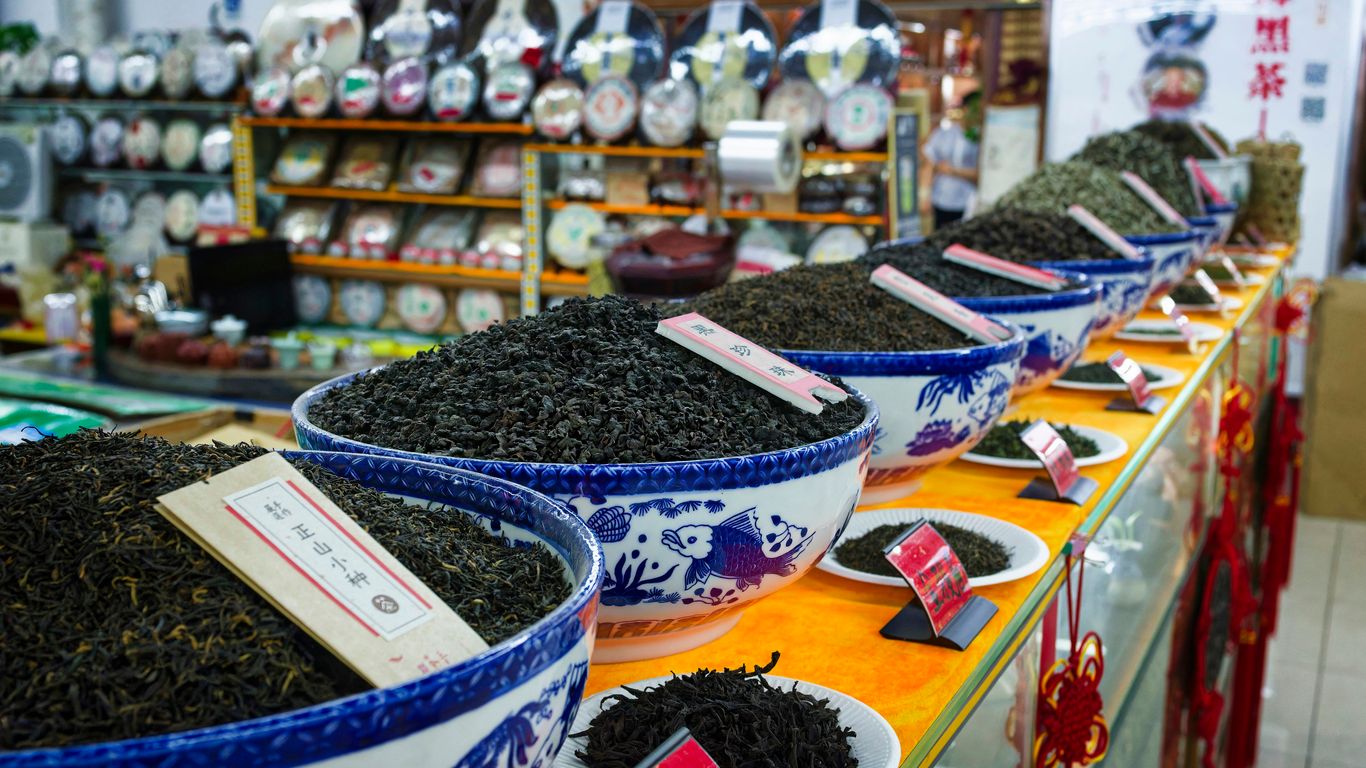
As more folks get into herbalism, the demand for quality dried herbs to make their own remedies at home is really taking off. This is a great way to get started, even if you don’t have a massive operation. You can source your herbs from reputable growers or wildcraft them yourself (responsibly, of course!). Then, you can sell them locally at farmers’ markets, to health food stores, or even just through word-of-mouth. Setting up an online shop to ship herbs across the country is another solid option.
If you’ve got a knack for blending herbs for specific needs, offering compounding services can be a real hit. This means creating custom herbal formulas for clients, either for your own customers or even for other practitioners who want to offer their clients specialized blends. It’s a more hands-on approach that really lets you share your knowledge directly. Think about creating unique formulas for things like sleep support, digestive health, or stress relief.
Once you’ve got a good handle on making your herbal products, think about selling them to other businesses. This could mean supplying your teas, tinctures, or salves to local shops, yoga studios, or even larger online retailers. It’s a way to get your products in front of more people without having to manage every single customer interaction yourself. You’ll need to figure out your pricing for bulk orders and make sure you can consistently produce enough product to meet demand. It’s a big step, but it can really grow your business.
Once we’ve got a good handle on making our herbal products, a natural next step is sharing what we know. It feels good to help others learn about plants and their uses, right? Plus, it can be a pretty neat way to bring in some extra income or even build a whole business around it.
Starting a blog is a fantastic way to share your passion. We can write about everything from identifying local plants to making simple remedies at home. To make it pay, we can use affiliate links for products we recommend, sell our own digital guides, or even run ads. It takes time to build an audience, but it’s a great way to connect with people who are also interested in herbs.
Platforms like Instagram, Facebook, and even TikTok are perfect for sharing quick tips, beautiful plant photos, and short videos of us making things. We can use these spaces to build a community and direct people to our blog or website. Consistency is key here; posting regularly helps keep people engaged. We can also run workshops or Q&A sessions directly through these platforms.
This is where we can really get hands-on with people. We can host local workshops on topics like making salves, brewing teas, or identifying common herbs. If we want to reach a wider audience, we can also offer online classes. Think about what people are asking for – maybe it’s a class on stress-relief herbs or beginner’s guide to herbal skincare. We can charge a fee for these sessions, which can be quite profitable.
Here’s a quick look at potential income streams from teaching:
| Activity | Potential Income (per event/month) | Notes |
|---|---|---|
| Local Workshop | $100 – $500 | Depends on duration, materials, attendees |
| Online Class | $200 – $1000+ | Scalable, depends on platform and price |
| Speaking Gig (local) | $50 – $200 | Often for community groups or libraries |
Sharing our knowledge isn’t just about making money; it’s about spreading awareness and helping others connect with the natural world. It builds trust and positions us as a go-to resource in the herbal community.
So, we’ve looked at a bunch of ways we can turn our love for herbs into something that brings in a little cash, or maybe even a lot. Whether you’re whipping up soothing salves, brewing flavorful teas, or growing your own herbs, there’s a market out there for what you create. It might seem a bit overwhelming at first, especially with all the different places you can sell and the rules you need to follow. But remember, we don’t have to do everything at once. Pick one path that feels right for you, put in the effort, and learn as you go. With a bit of patience and persistence, we can definitely make a success of our herbal ventures.
We can create a variety of herbal products! Think about things like soothing herbal teas for relaxation, natural skincare items like lotions and salves, or even potent herbal extracts that can help support our bodies. We could also sell dried herbs in bulk for others to use.
There are many places! We could team up with local Community-Supported Agriculture (CSA) programs to include our items in their weekly boxes. Exploring opportunities with local stores that sell natural products is another good idea. Of course, setting up our own website to sell directly to customers is also a great option.
Getting the word out is key! We need to spend time marketing our goods. It’s important to understand who our ideal customers are and then tailor our marketing messages to them. Using online tools like social media and email newsletters can really help people find us.
Yes, there are! We must look into the rules in our specific area, as they can differ. We also need to make sure we’re following good manufacturing practices to ensure our products are made safely and consistently. It’s also wise to be aware of guidelines from places like the FDA, especially for certain types of products.
Once we have a good start, we can think about expanding. We could offer our herbs in larger quantities for wholesale. Providing custom herbal compounding services for clients or other practitioners is another avenue. Looking into selling our products to other businesses, known as wholesale opportunities, can also help us reach more people.
Absolutely! We can share what we know by writing a blog about herbs and making it a source of income. Using social media to build a following and share tips is also effective. Teaching workshops or classes, either in person or online, is a fantastic way to share our expertise and earn money.
 March 7, 2026
How to Turn Food Preservation Into a Side Hustle
Canning
Homestead Kitchen
Homesteading
Sustainable Living
March 7, 2026
How to Turn Food Preservation Into a Side Hustle
Canning
Homestead Kitchen
Homesteading
Sustainable Living
We've all got those hobbies or skills that we love doing, right? Maybe it's baking, gardening, or even making your own jam. What if we told you that you could turn those passions into a little extra cash? It might...
Read More March 7, 2026
High-Output Crops Perfect for Micro Homesteads
Gardening
Homestead Planning
Homesteading
Starting a Homestead
March 7, 2026
High-Output Crops Perfect for Micro Homesteads
Gardening
Homestead Planning
Homesteading
Starting a Homestead
Thinking about growing your own food but only have a little space? We get it. Many of us are looking for ways to be more self-sufficient, even if we don't have acres to work with. The good news is, you...
Read More March 6, 2026
10 Low-Cost Homestead Side Hustles That Make Money
Homestead Planning
Homesteading
Starting a Homestead
March 6, 2026
10 Low-Cost Homestead Side Hustles That Make Money
Homestead Planning
Homesteading
Starting a Homestead
We all dream of a simpler life, right? One where we're more connected to the land and the seasons. But let's be real, that dream needs some funding. That's where low cost homestead side hustles come in. These aren't about...
Read More