


Living on a homestead offers a unique way of life, and it can also be a fantastic way to save money. We’ve found that by embracing self-sufficiency, we can significantly cut down our monthly expenses. If you’re looking for ways to boost your homestead money saving efforts, you’ve come to the right place. We’re going to share ten practical ideas that can help you pocket an extra $200 or more each month.
One of the most rewarding ways we cut down on grocery bills is by growing our own food. Starting a vegetable garden might seem like a lot of work, but honestly, it’s pretty straightforward once you get going. The savings really add up when you’re not buying produce that’s traveled miles and sat on shelves.
First things first, pick a good spot. Most vegetables need at least six hours of direct sun each day, so find a sunny patch in your yard. The soil is also super important. If yours is a bit sad and compacted, we like to mix in plenty of compost or well-rotted manure. This makes it easier for plant roots to grow and gives them the nutrients they need.
Here are a few beginner-friendly veggies that do well for us:
Don’t forget the basics: a shovel, rake, hoe, and a watering can are your best friends. As your plants grow, keep an eye on watering – most need about an inch of water per week, but check the soil first. If it feels dry a couple of inches down, it’s time to water. We also try to keep up with any pests organically, maybe by picking them off by hand or using natural sprays if needed. It takes a little effort, but having fresh veggies right outside our door feels amazing, and our wallets thank us later.
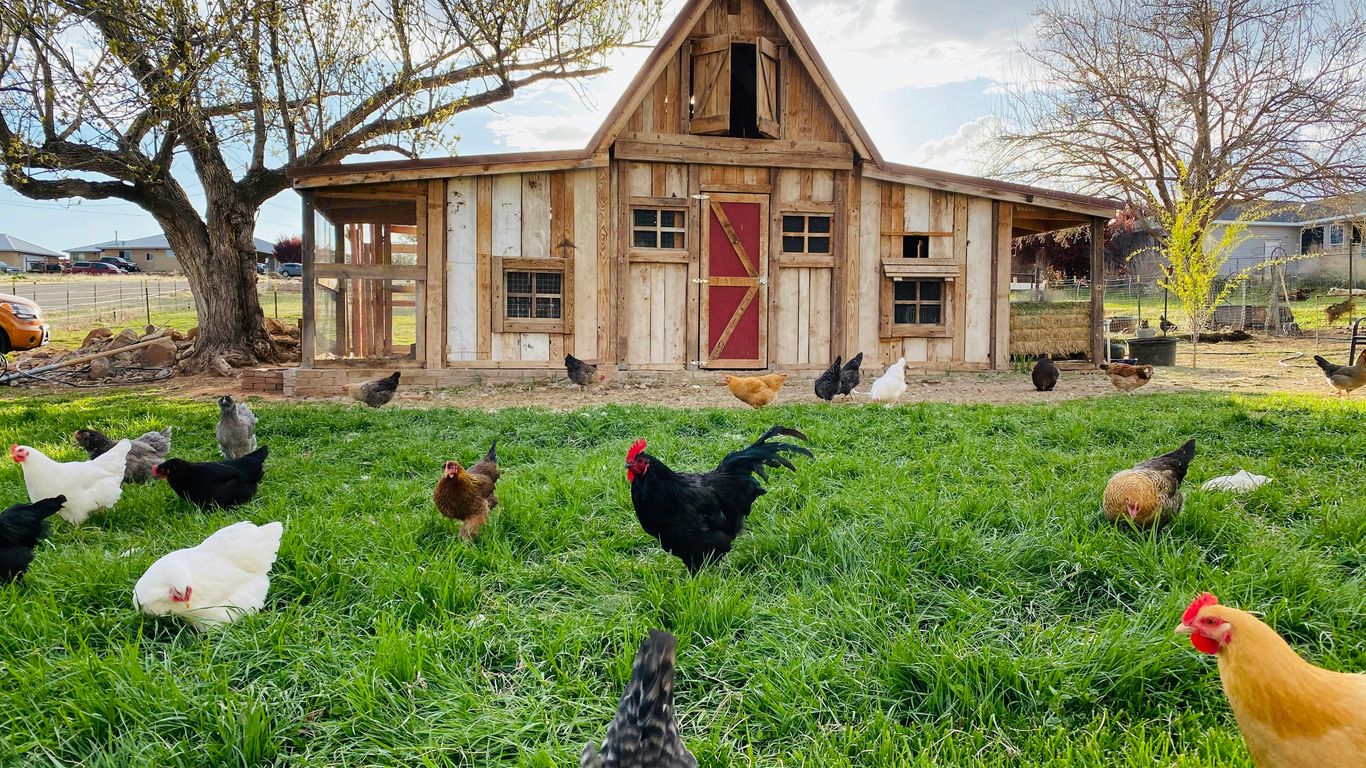
Getting a small flock of chickens is one of the most straightforward ways to boost your homestead’s self-sufficiency and cut down on grocery bills. We found that fresh eggs alone saved us a good chunk of change each month, not to mention the convenience of having them right in our backyard. Plus, they’re surprisingly fun to watch!
When we first started, choosing the right breed was a bit overwhelming. We ended up going with Rhode Island Reds because they’re known for being good layers and pretty hardy. Other popular choices for egg production include Plymouth Rocks and Leghorns, each with their own quirks. It’s worth doing a little research to see which breed fits your climate and needs best.
A secure coop is non-negotiable. You’ll need a place for them to sleep safely at night and lay their eggs. We aimed for about 4 square feet per bird inside the coop and at least 10 square feet per bird in the outdoor run. Good ventilation is key to keeping the coop healthy, and don’t forget nesting boxes – one for every three or four hens is usually a good ratio. We also made sure ours was easy to clean because, trust us, it needs doing regularly.
Here are a few things we learned are important for happy, productive chickens:
Keeping chickens isn’t just about eggs; they also help with pest control in the garden (when supervised!) and their manure is fantastic for composting, which in turn feeds your garden. It’s a wonderful cycle.
Beyond the initial setup, the ongoing costs are mainly feed and occasional bedding. If you have space, letting them free-range a bit can supplement their diet and reduce feed costs. Overall, the return on investment in terms of fresh eggs and reduced grocery spending is definitely there.
Solar power is one of those things we can add to our homestead that really pays off month after month. Instead of forking over cash to the electric company, we start making our own energy right at home. It’s amazing how much we can knock off our monthly bills once we get solar set up.
Here’s what we’ve learned about getting started with solar:
Here’s a simple breakdown of average monthly savings on electricity after switching to solar:
| System Size (kW) | Typical Monthly Bill Before | Typical Monthly Bill After | Est. Monthly Savings |
|---|---|---|---|
| 4 kW | $120 | $25 | $95 |
| 6 kW | $150 | $20 | $130 |
| 8 kW | $200 | $15 | $185 |
We’ve found it’s not just about the money, either. Energy freedom feels pretty great. The initial cost can be a bit scary, but there are often rebates or incentives that make it more manageable, and maintenance isn’t much more than hosing off the panels now and then.
We quickly realized, having solar means we’re a little less tied down to monthly bills and rising rates, and that’s a boost for our budget and our peace of mind.
If you’re thinking about solar, talk to local installers and maybe even neighbors who’ve gone through it. Running a homestead on sunshine isn’t just about going green — it seriously adds up in savings over time.
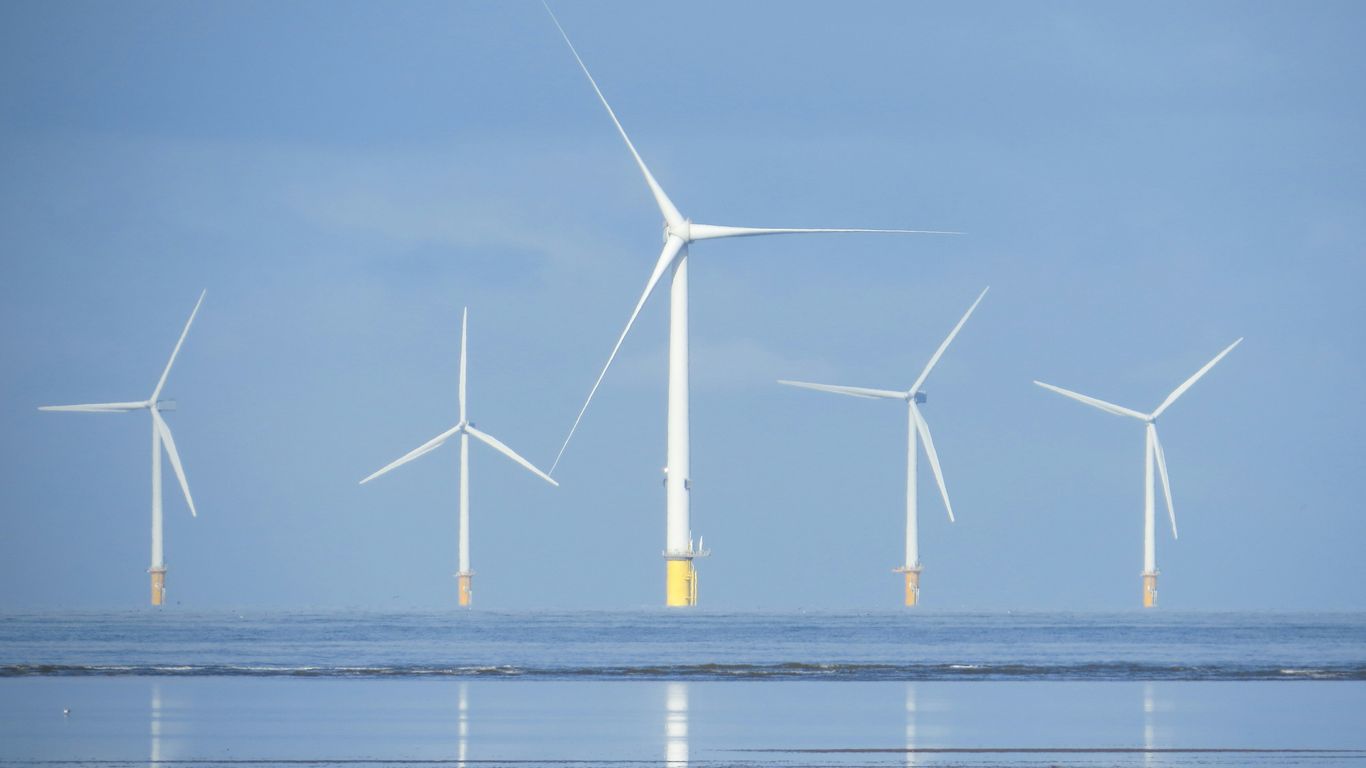
Wind power is something we should look into if we want to save a good chunk on our electric bill, especially if our homestead sits on open ground with steady wind. Small turbines can help us generate part (or even most) of our electricity if we live somewhere that sees consistent wind speeds—think at least 10 mph on a regular basis. If the breezes where we are run strong all year, wind might make sense for us. It can also be quieter than people expect if we pick the right setup, though some versions are a bit noisy.
Not every plot of land is a good fit, but for folks with enough open space, small wind turbines pay for themselves pretty quickly. We found a breakdown is helpful when figuring out if going this route makes sense for us:
| Cost (Installed) | Avg. Annual Savings | Payback Period |
|---|---|---|
| $4,000 – $12,000 | $500 – $1,500 | 5-10 years |
Here’s what we consider before jumping in:
Our savings can add up rather quickly if the wind holds steady, but spotty gusts won’t always be enough for a proper payoff.
It’s smart to do a little research or talk with a pro who knows about small wind turbines for rural homes. We want the setup with the best shot at actually trimming our monthly bills. Let’s be sure to double-check warranties, reviews, and what kind of maintenance we’ll need down the road. If the wind is right, it could be a real win for our wallet.
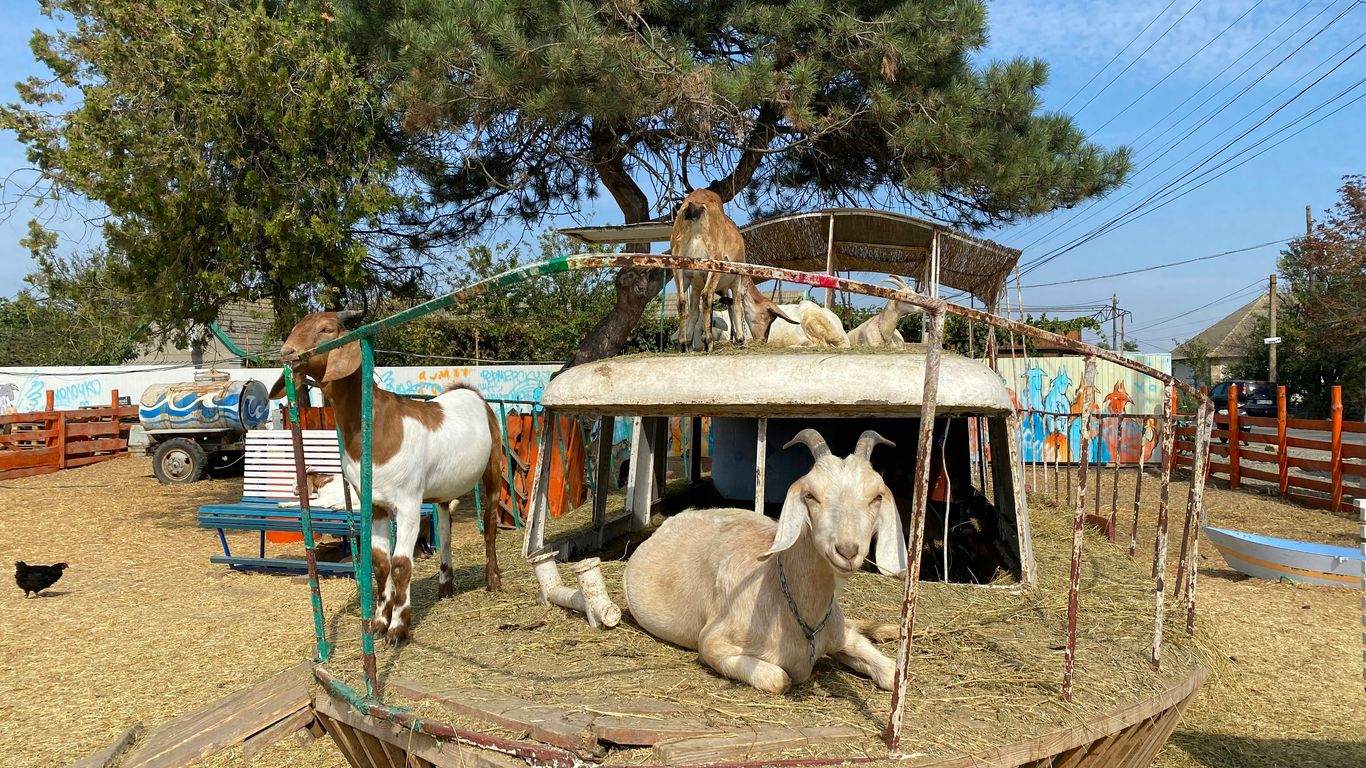
Adding goats to our homestead has been a game-changer for reducing our grocery bills. These animals are surprisingly versatile and can provide us with milk, cheese, and even help clear brush. When we first started, we did a ton of research on different breeds. We wanted something hardy that would do well in our climate and was known for good milk production. After looking at breeds like Alpine and Nubian, we settled on a couple of mixed breeds that seemed to fit the bill. Choosing the right breed for your specific needs is the first big step.
We learned pretty quickly that goats are social creatures and really need a buddy. So, we got two. They also need a secure fence – seriously, these guys are escape artists! We went with a sturdy, tall wire fence, and it’s held up well. They also need a place to get out of the weather, so a simple, well-ventilated shelter is a must.
Here’s a quick rundown of what we found important:
Feeding them is pretty straightforward. A good quality hay is the base, and we supplement with a specific goat feed. Fresh water is, of course, non-negotiable. We also give them treats like fruits and veggies now and then, but it’s mostly hay and feed.
We found that regular hoof trimming and a good brushing session every so often keeps them comfortable and helps us spot any potential issues early on. Plus, they seem to enjoy the attention!
While there’s an initial investment in the animals and fencing, the savings on milk and cheese alone have made it totally worth it. We’re looking at saving upwards of $50-$70 a month just on dairy products, not to mention the satisfaction of producing our own.
When we first started thinking about saving money on the homestead, we looked at all the ways we could reduce our grocery bill. One of the biggest wins for us has been canning. It might seem like a lot of upfront cost, but trust us, those canning jars pay for themselves pretty quickly. We’ve found that buying jars in bulk, especially when they go on sale, is the way to go. Think about it: instead of buying jars of pickles or sauce at the store every week, we can make our own from garden produce or bulk buys.
The initial investment in jars, lids, and bands can seem a bit much, but they are reusable for years. We’ve got jars that have been through countless canning sessions, and they’re still going strong. It’s all about building up your supply over time. We started with just a few dozen and have slowly added more each year, especially when we see a good deal.
Here’s a quick look at how we approach stocking up:
We’ve managed to can everything from chicken and beef to tomatoes, beans, and fruit. It’s incredibly satisfying to open a jar of home-canned peaches in the middle of winter. Plus, it gives us a great way to preserve any surplus from the garden or when we find meat on a really good sale. It’s a skill that truly pays off, both in savings and in the quality of food we eat.
When we first started thinking about preserving food on the homestead, we knew we’d need more than just jars and a big pot. For things like meats, broths, and certain vegetables, a regular water bath just doesn’t get hot enough to be safe. That’s where the pressure canner comes in. It’s a bit of an investment upfront, but honestly, it pays for itself pretty quickly when you think about how much money you save by not buying these things at the store.
Think about it: you can buy chicken in bulk when it’s on sale, process it yourself, and have jars of ready-to-go chicken for soups or stews for months. We recently canned about 20 pounds of chicken breast, and it filled up a dozen wide-mouth pint jars. That’s a lot of meals ready to go without a second thought!
Here’s a quick rundown of why it’s so useful:
Getting the hang of a pressure canner might seem a little intimidating at first. There are specific instructions for different foods, and you need to pay attention to headspace and processing times. But once you do it a few times, it becomes second nature. It’s really about following the guidelines for safety, and then you’re good to go.
We found that buying a good quality pressure canner, even if it felt like a splurge at the time, has been one of the best decisions for our food preservation efforts. It opens up so many more options for stocking our pantry.
We’ve talked about growing our own food and raising animals, but what about preserving all that goodness? That’s where a dehydrator really shines. It’s a fantastic way to cut down on food waste and save a ton of money, especially if you get a good deal on produce or have a bumper crop.
Think about it: instead of letting those extra tomatoes or zucchini go bad, you can dry them out and use them for months. We love making our own fruit leathers and drying herbs from the garden. It’s also great for jerky if you hunt or raise your own meat. The initial cost of a dehydrator might seem a bit much, but it pays for itself pretty quickly.
Here’s a quick rundown of what you can do with one:
When you’re getting started, make sure to prep your food right. Wash everything, cut it into uniform pieces so it dries evenly, and spread it out on the trays without overcrowding. The time it takes will vary a lot depending on what you’re drying and how thick it is, so keep an eye on it. You’ll know it’s done when it’s leathery or brittle, with no moisture left. Storing your dried goods in airtight containers is key to keeping them fresh.
A compost bin is one of those things we never really appreciated until we saw how much waste we were throwing out every week. Once we started putting our veggie peels, coffee grounds, and even shredded paper in a compost bin, our trash output shrank. That alone saves us money on garbage collection, but the bigger savings show up in the garden. Bags of fertilizer aren’t cheap, and when we use our own compost, we don’t have to buy nearly as much—or sometimes at all.
Here’s how we make the most out of our compost bin:
| Input | Savings per month |
|---|---|
| Reduced trash bags | $10 – $20 |
| Less fertilizer | $25 – $40 |
| Healthier harvest | $40+ (produce value) |
Once you start using your own compost, you see the difference right away—plants bounce back faster, and the garden just feels more alive. It’s actually pretty fun seeing kitchen scraps turn into something valuable.
All in all, composting helps us stretch every dollar and keeps a lot of stuff out of the landfill. It takes a little effort, but it’s worth it when the garden thrives and the budget looks better.
Collecting rainwater is one of those straightforward things we can do that actually saves us real cash every month. Instead of letting all that water run off our roofs and down the gutter, we capture it for our gardens, animals, and even cleaning jobs. It’s surprising how much those water bills drop over time.
One of the best parts about using rain barrels is how easy they are to set up. Most of us can do it with just a few tools and a bit of patience. Here’s how we usually get started:
If you’re new to collecting rain, you don’t want to repeat common mistakes that lots of us make in the beginning. It’s worth brushing up with some beginner-friendly tips before you get started.
Here’s an example of how the numbers pan out with a moderate system:
| Rainfall per Month (inches) | Roof Area (sq ft) | Water Collected (gallons) | Approx. Water Bill Savings |
|---|---|---|---|
| 3 | 600 | 1,119 | $12 |
| 3 | 1200 | 2,238 | $24 |
| 6 | 1200 | 4,476 | $48 |
Even with a small roof or just a couple of barrels set up, we end up with dozens of gallons ready to use—perfect during dry spells or when the garden needs extra attention.
Rain barrels don’t have to be fancy. Some of our best setups were cobbled together with what we had lying around. The key is to keep an eye on them after big storms and make sure the overflow goes somewhere safe—nobody wants muddy boots or a flooded backyard. Every little bit adds up, and with droughts getting more common, it just makes sense to have water waiting whenever we need it.
So there you have it! We’ve walked through a bunch of ways we can all cut down on expenses around the homestead, aiming for that sweet spot of saving over $200 each month. It’s not always easy, and sometimes it feels like a constant learning curve, but seeing those savings add up is pretty rewarding. Remember, it’s about making smart choices, being a little creative, and not being afraid to try new things. Every little bit we save means more freedom and less stress, letting us really enjoy this homesteading life we’ve chosen. Keep at it, and you’ll see those savings grow!
We begin by listing all our monthly expenses, including property taxes, utilities, food, and emergency savings. It’s smart to keep some money aside for repairs and unexpected costs because things almost always cost more and take longer than we think.
Yes, it is! By growing our own food, raising animals, using solar or wind power, and preserving food, we can cut down on grocery and utility bills. Selling extra produce or handmade goods can also help bring in money.
Some of the easiest vegetables to start with are lettuce, radishes, beans, and tomatoes. These grow quickly and don’t need much special care. We just need to make sure they get enough sunlight and water.
No, we don’t need a huge property. A small backyard can work for a few chickens, and goats need a bit more space but not acres and acres. We just make sure they have shelter, food, and room to move around.
The first cost can be high, but over time, solar panels and wind turbines pay for themselves by lowering our electric bills. There are also sometimes grants or tax credits that can help with the cost.
We use canning jars, a pressure canner, and a dehydrator to preserve our harvest. Canning and drying food helps us keep fruits, vegetables, and even meat for months without needing a freezer.
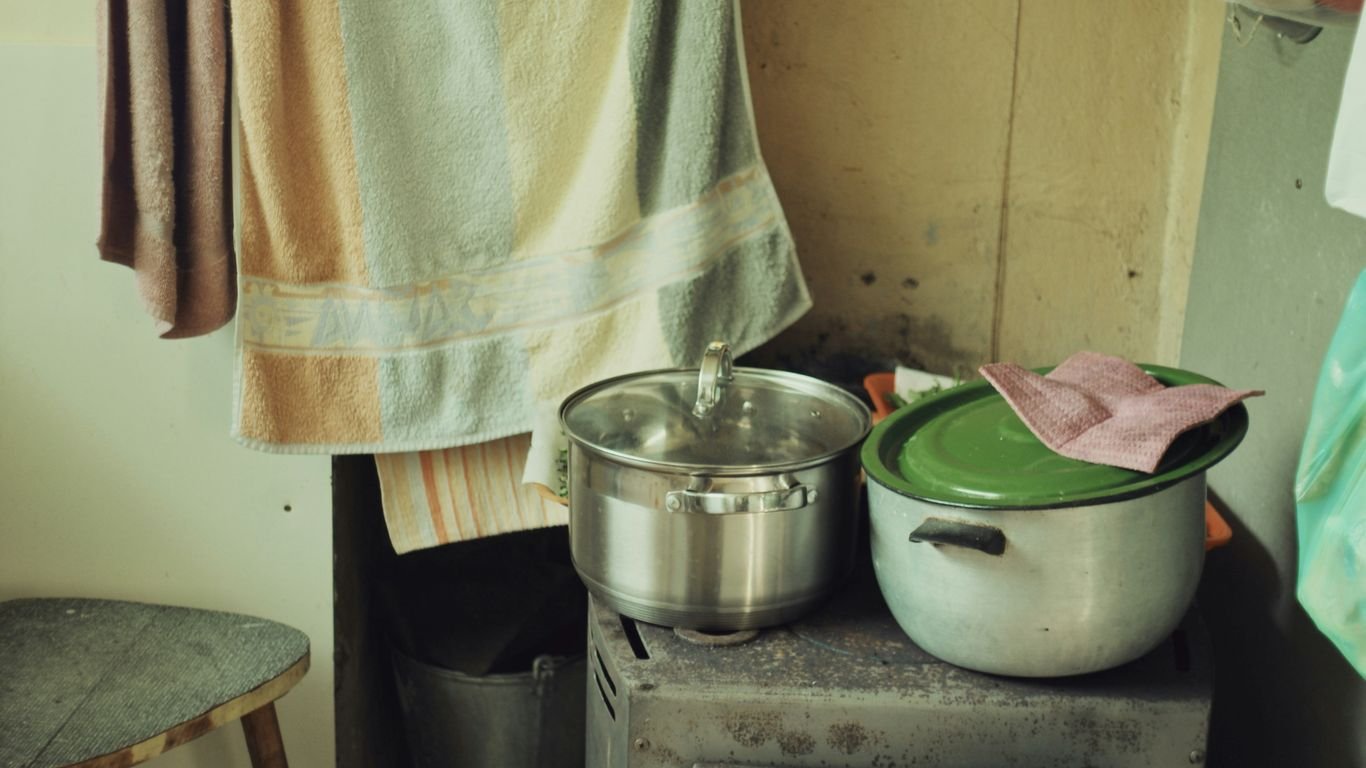 March 7, 2026
How to Turn Food Preservation Into a Side Hustle
Canning
Homestead Kitchen
Homesteading
Sustainable Living
March 7, 2026
How to Turn Food Preservation Into a Side Hustle
Canning
Homestead Kitchen
Homesteading
Sustainable Living
We've all got those hobbies or skills that we love doing, right? Maybe it's baking, gardening, or even making your own jam. What if we told you that you could turn those passions into a little extra cash? It might...
Read More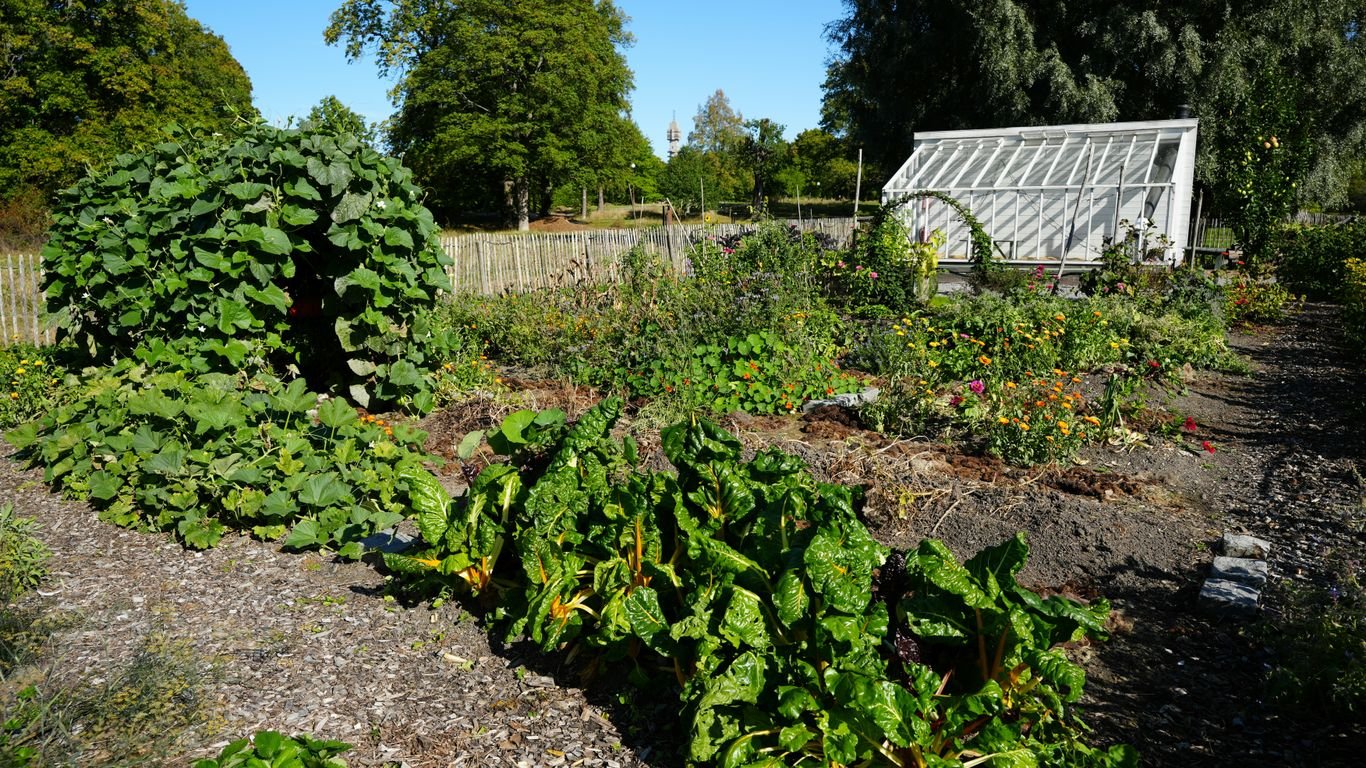 March 7, 2026
High-Output Crops Perfect for Micro Homesteads
Gardening
Homestead Planning
Homesteading
Starting a Homestead
March 7, 2026
High-Output Crops Perfect for Micro Homesteads
Gardening
Homestead Planning
Homesteading
Starting a Homestead
Thinking about growing your own food but only have a little space? We get it. Many of us are looking for ways to be more self-sufficient, even if we don't have acres to work with. The good news is, you...
Read More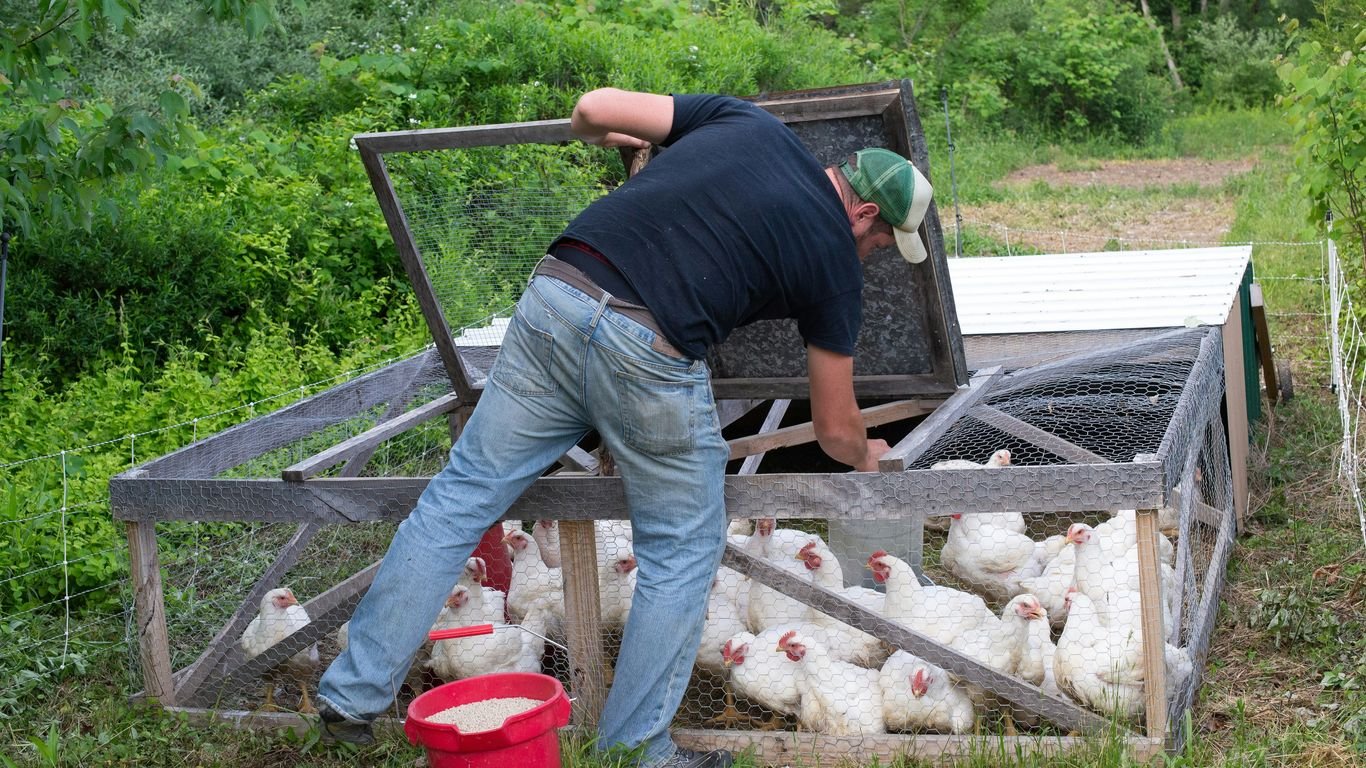 March 6, 2026
10 Low-Cost Homestead Side Hustles That Make Money
Homestead Planning
Homesteading
Starting a Homestead
March 6, 2026
10 Low-Cost Homestead Side Hustles That Make Money
Homestead Planning
Homesteading
Starting a Homestead
We all dream of a simpler life, right? One where we're more connected to the land and the seasons. But let's be real, that dream needs some funding. That's where low cost homestead side hustles come in. These aren't about...
Read More