


Trying to grow enough food while working full time can feel like a tall order. Most of us don’t have hours to spend in the garden every day, and space is usually tight. But with some simple planning and a few working homesteader tips, we can make the most of what we’ve got. Over the years, we’ve learned that even a small patio or windowsill can be productive if we use the right tricks. Let’s look at how we can keep our gardens going strong, even when life gets busy.
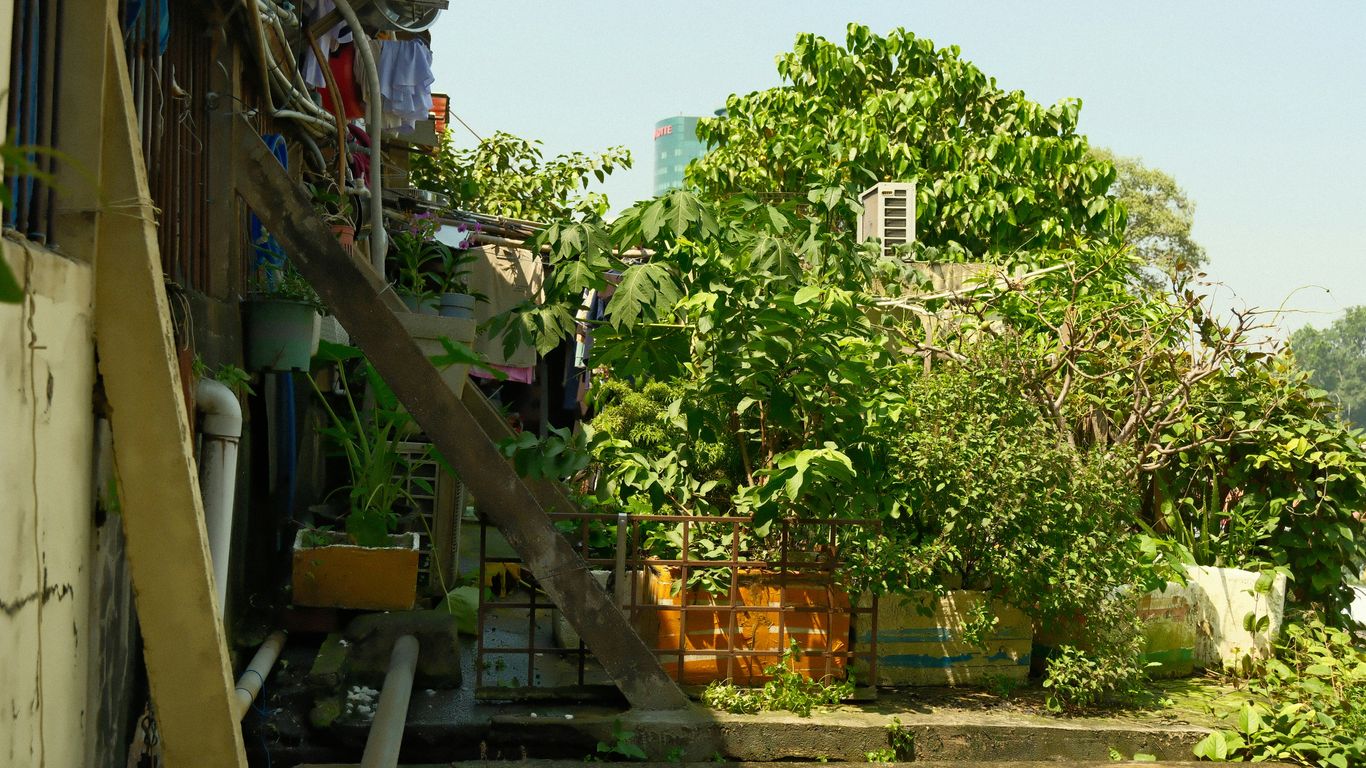
Even with a full-time job, we can still make the most of whatever space we have for growing food. It’s all about being smart with how we use it. Whether you’ve got a tiny balcony, a small yard, or just a sunny windowsill, there are ways to pack in more produce than you might think.
Don’t let a small area get you down. We can get creative! Think about using vertical space first. Walls, fences, or even simple trellises can become gardens. For balconies, hanging planters or railing boxes are great options. Even a sunny windowsill can host a few pots of herbs or small greens. The key is to look at your space and see where plants can fit without taking over.
This is where we really get to play with height. Many plants, like tomatoes, cucumbers, pole beans, and peas, love to climb. Giving them something to grow up saves ground space and can even lead to better yields because the plants get more air and sunlight. We can use trellises, netting, or even cages. For vining plants like squash or melons, you can even train them up a sturdy support, though you might need to support the fruit itself as it grows.
Containers are our best friends when space is limited. Pots, grow bags, raised beds – they all count! The biggest thing to remember with containers is that they dry out faster than in-ground gardens. So, we need to pay attention to watering. Also, good drainage is a must. Soggy soil is a recipe for root rot. We should aim for pots that are at least 8-12 inches deep for most vegetables, and even bigger for things like tomatoes or blueberries. Using a good quality potting mix, maybe with some added compost, will give our plants the best start.
When choosing containers, think about the mature size of the plant. A tiny pot might work for a single herb, but a tomato plant needs much more room for its roots to spread out and support a good harvest.
Here’s a quick look at container sizes:
| Plant Type | Recommended Pot Depth | Recommended Pot Width |
|---|---|---|
| Herbs, Lettuce | 6-8 inches | 6-10 inches |
| Bush Beans, Peas | 8-10 inches | 10-12 inches |
| Tomatoes, Peppers | 12-18 inches | 12-18 inches |
| Root Vegetables | 8-12 inches | 10-12 inches |
Growing enough food around a work schedule really means being smart about when and how we plant things. We’ve tested a lot of what works—and what totally backfires—when time and space are limited. This section breaks down the practice of getting the most from your garden, no matter what’s written on the clock.
We’ve all had that problem where everything ripens at once, leaving you up to your ears in zucchinis—then nothing. Succession planting is how we avoid the boom and bust. Here’s our usual plan:
| Crop | First Sowing | Second Sowing | Third Sowing |
|---|---|---|---|
| Lettuce | March | April | May |
| Radish | March | April | May |
| Bush Beans | May | June | July |
| Carrots | April | May | June |
If we get into the rhythm of succession, our garden gives small, steady harvests instead of one giant pile of food.
Giving every inch of our garden a job is the backbone of growing more with less. Interplanting means tucking quick crops among the slow ones—sort of like roommate gardening. Our favorite combos:
Don’t leave any space unplanted if you want to eat year-round. It looks messy at first, but it really works once the plants fill in.
If we’re tight on time and yard space, square foot gardening saves us. It means planting in small blocks instead of long rows. Every plant gets a set space and you never need to thin rows again. Here’s what makes it easy:
Here’s a quick square foot gardening cheat sheet:
| Veggie | Plants per Square Foot |
|---|---|
| Lettuce | 4 |
| Carrots | 16 |
| Radish | 16 |
| Bush Beans | 9 |
| Tomato (small) | 1 |
Square foot beds are easier to manage after work, and they really cut down on weeds. More food, less hassle—that’s the dream.
When we only have evenings and weekends to spare, picking the right plants is half the battle. It’s easy to get overwhelmed by catalogs or seed racks, but the secret is really to grow what you actually want to eat. Nothing feels worse than watching kale bolt to seed just because we never cared for a kale salad to begin with. Let’s break down how we approach our planting list, balancing speed, flavor, and practicality.
We always start our planning by listing the vegetables and herbs we actually eat on a regular basis:
If it’s not on our plate already, we skip it. There’s just no point in raising food that won’t excite us at mealtime.
Starting with foods we crave guarantees that every harvest feels like a reward for our effort, not just another chore.
For anyone impatient (honestly, that’s us most years), quick greens keep us motivated. These leafy vegetables don’t ask for much space or time. Some great choices include:
In fact, there’s a whole world of fast indoor vegetables like radishes and mini tomatoes if we’re short on garden space or need something growing year-round. These crops turn over fast, giving us multiple rounds throughout the season.
| Veggie | Days to Harvest | Sun Requirement |
|---|---|---|
| Lettuce | 30-45 | 4-6 hours |
| Spinach | 35-45 | 4-6 hours |
| Radish | 20-30 | 6+ hours |
| Microgreens | 7-21 | 4-6 hours |
Another smart move is squeezing in crops that like spring and fall. These vegetables are champs for the busiest times of the year because we can plant them early or late:
Most cool-weather vegetables are tough and forgiving, so they don’t mind a late planting or a cold snap. They’ll even shrug off mild neglect if our job keeps us extra busy one week.
Choosing the right mix for our garden every year is about knowing what we’ll enjoy—and what fits our schedule. A little planning goes a long way toward meals we look forward to, even during the busiest work weeks.
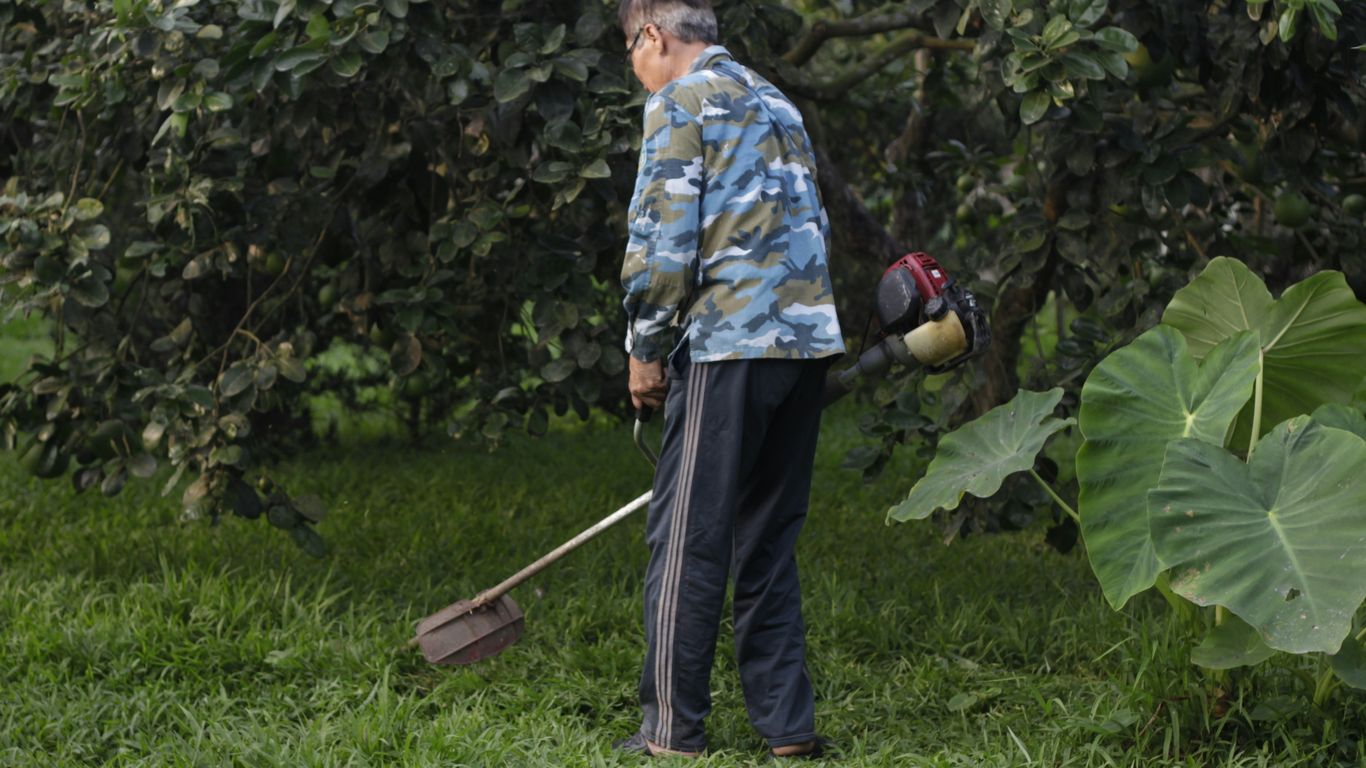
Taking care of our plants after we get them settled is pretty important if we want to actually eat anything. It’s not super complicated, but we do need to pay attention to a few things.
Water is, you know, life. Plants need it to grow and produce those yummy fruits and veggies. For most plants, we’re aiming for about an inch of water per week, kind of like natural rainfall. Now, if we’re growing in containers, especially those smaller ones, they can dry out way faster. We might need to water them every single day, especially when it’s hot out. It’s a good idea to check the soil first – stick your finger in about an inch deep. If it feels dry, it’s time to water. We want to water the soil directly, not the leaves, to help prevent diseases. Using a watering can with a long spout makes this way easier.
Weeds are like the freeloaders of the garden. They show up uninvited and start stealing water and nutrients that our precious veggies need. Even in containers, these little pests can pop up. The best strategy? Pull them out as soon as we spot them. Seriously, don’t let them get comfortable. It might seem like a small thing, but it makes a big difference in how well our food plants can thrive.
Potting mix is great for starting out, but it doesn’t have a lot of food for our plants long-term. So, we’ll need to give them a boost with fertilizer. The type and how often we feed them depends on what we’re growing. Leafy greens and herbs are usually happy with feeding once a month. Fruiting plants, like tomatoes or peppers, are hungrier and might need feeding every two weeks. We can use liquid or granular organic fertilizers. Just remember to always read the product label and follow the instructions. It’ll tell you exactly how much to use and when to apply it. Some fertilizers are slow-release, which means they feed the plants over a longer period, making our lives a bit easier.
We found that grouping plants with similar feeding needs together really cut down on the guesswork. It means we’re not trying to remember if the basil needs food this week but the tomatoes don’t, or vice versa. A simple schedule makes it much more manageable.
Here’s a general guideline for feeding, but always check your specific plant needs:
Don’t forget to check the fertilizer packaging for any specific instructions, especially regarding how long before harvest you should stop applying it.
We all want fresh veggies, right? But working full-time can make it feel impossible to have a garden that produces all year. The good news is, it’s totally doable! We can extend our harvest season way beyond the typical summer months with a little planning and some smart strategies. It’s about thinking ahead and using techniques that keep the garden productive even when the weather gets chilly.
This is where we get creative. We can use simple tools to keep our plants a bit warmer when the temperatures start to drop. Think about things like cold frames, hoop tunnels, or even just covering plants with frost cloths on particularly cold nights. These methods create a microclimate that can protect tender crops and allow us to keep harvesting things like lettuce and spinach well into the fall. It’s amazing how much difference a little protection can make. We can also look at planting varieties that are naturally more cold-hardy. Some crops, like kale and Brussels sprouts, actually taste better after a light frost!
Don’t pack away your trowel just yet! Winter gardening is surprisingly easy and rewarding. The main trick is planting your winter crops before the cold really sets in, usually in late summer or early fall. This gives them time to establish themselves. Crops like carrots, leeks, kale, and hardy lettuces can survive and even thrive with a bit of protection. Plus, winter gardening means fewer pests and less watering, which is a huge win for us busy folks. The joy of pulling a fresh carrot from the ground in January is something else.
Fall is a critical time for planning our year-round harvest. This is when we need to think about what we want to be eating in the cooler months and plant accordingly. It means sowing seeds for crops that mature slowly or can withstand the cold. We can also use succession planting in the fall, sowing small batches of hardy greens every couple of weeks to ensure a continuous supply. Don’t forget about overwintering crops like garlic, which we plant in the fall for a summer harvest. Getting this fall planting right sets us up for a truly continuous harvest, making the most of our garden space.
We often think of gardening as a summer activity, but with a bit of foresight, we can enjoy fresh produce from our gardens for most, if not all, of the year. It’s about choosing the right crops and using simple techniques to protect them from the elements.
Trying to juggle a full-time job and a food garden? We get it—there’s never enough time, and Mother Nature doesn’t always stick to our schedules. Over the years, we’ve picked up a few tricks that make the process smoother and keep the dream going, even on those days when all you want is to put your feet up with a cold drink.
Instead of fighting what we can’t change, we try to work with it. Whether it’s heavy clay soil, deer that consider our lettuce their personal buffet, or a yard with more shade than sun, adapting is key. Here’s what’s worked for us:
We stopped wasting energy wishing for better soil or more sun. Once we accepted what we’ve got and chose plants that actually want to be there, things got a whole lot easier.
The temptation to plant a huge garden strikes us every spring. Trust us, it’s better to start quietly and add on when (or if) you want more work. Nothing kills enthusiasm faster than being overwhelmed.
Sometimes space or energy just isn’t there at home—so we don’t overlook community gardens. They’re great for:
| Perk | Why We Love It |
|---|---|
| Shared tools | Fewer costs, less storage hassle |
| Learning from others | Fast, local problem-solving |
| Built-in support | It feels less lonely and daunting |
Keeping our expectations realistic—and leaning on local knowledge—has been the difference between burnout and success.
So, we’ve gone over a lot of ways to get food growing, even when our schedules are packed. It might seem like a lot at first, but remember, we don’t have to do everything at once. Start small, maybe with a few herbs on the windowsill or some quick-growing greens. We can learn as we go, figure out what works best for our own lives and our own spaces. The important thing is that we can do this. We can have fresh, homegrown food, and it doesn’t have to take over our lives. It’s about finding that balance, enjoying the process, and reaping the tasty rewards. Happy growing, everyone!
Yes, we can! With good planning and smart use of our space, it’s possible to grow a lot of our own food, even with a busy schedule. Choosing easy-to-grow plants, using containers, and planting things that grow quickly can help us make the most of our time.
Some of the best choices for small spaces are leafy greens like spinach, lettuce, and kale. We can also grow herbs, radishes, and even cherry tomatoes in containers or on windowsills. These plants don’t need much room and grow pretty fast.
If we can’t water every day, we can use mulch to keep the soil moist and water deeply a few times a week. Drip irrigation systems or self-watering containers are also helpful for busy people because they give plants steady moisture even when we’re at work.
Yes, with some planning! We can plant cool-weather crops like carrots and kale in the fall, use row covers or small greenhouses to protect plants in winter, and start seeds indoors in early spring. This way, we keep harvesting through most of the year.
We can cut down on weeding by mulching around our plants and planting them close together. Setting aside a little time each week, like on weekends, helps us stay on top of garden chores without feeling overwhelmed.
We can still grow food! Containers work great on balconies, patios, or even sunny windowsills. Hanging baskets, vertical planters, and joining a community garden are all good options if we don’t have a yard.
 March 7, 2026
How to Turn Food Preservation Into a Side Hustle
Canning
Homestead Kitchen
Homesteading
Sustainable Living
March 7, 2026
How to Turn Food Preservation Into a Side Hustle
Canning
Homestead Kitchen
Homesteading
Sustainable Living
We've all got those hobbies or skills that we love doing, right? Maybe it's baking, gardening, or even making your own jam. What if we told you that you could turn those passions into a little extra cash? It might...
Read More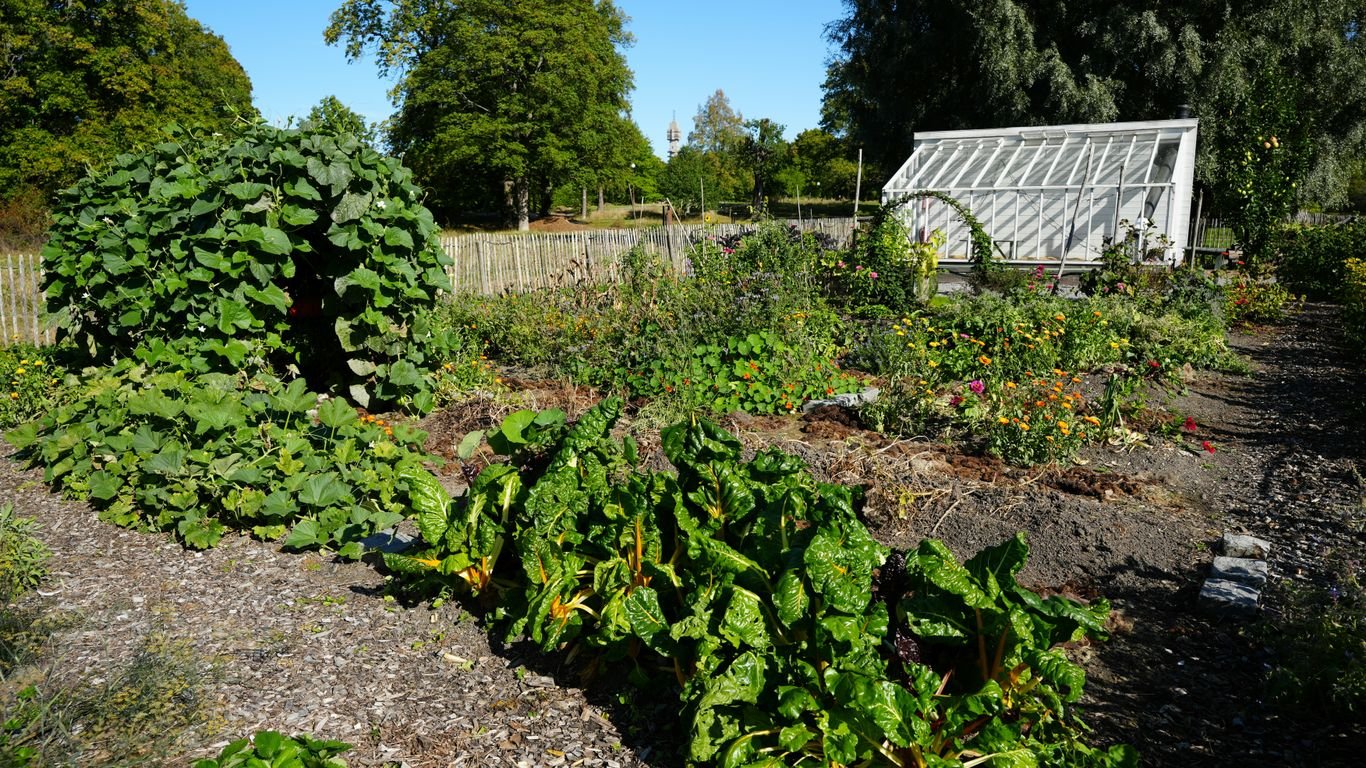 March 7, 2026
High-Output Crops Perfect for Micro Homesteads
Gardening
Homestead Planning
Homesteading
Starting a Homestead
March 7, 2026
High-Output Crops Perfect for Micro Homesteads
Gardening
Homestead Planning
Homesteading
Starting a Homestead
Thinking about growing your own food but only have a little space? We get it. Many of us are looking for ways to be more self-sufficient, even if we don't have acres to work with. The good news is, you...
Read More March 6, 2026
10 Low-Cost Homestead Side Hustles That Make Money
Homestead Planning
Homesteading
Starting a Homestead
March 6, 2026
10 Low-Cost Homestead Side Hustles That Make Money
Homestead Planning
Homesteading
Starting a Homestead
We all dream of a simpler life, right? One where we're more connected to the land and the seasons. But let's be real, that dream needs some funding. That's where low cost homestead side hustles come in. These aren't about...
Read More