


We all dream of a simpler life, right? One where we’re more connected to the land and the seasons. But let’s be real, that dream needs some funding. That’s where low cost homestead side hustles come in. These aren’t about quitting your job, but about making a little extra cash doing things we already love. We’ve found that many of the skills we use every day, like gardening or caring for animals, are things people are happy to pay for. Especially now, folks want authentic, handmade stuff, and that’s exactly what we can offer.
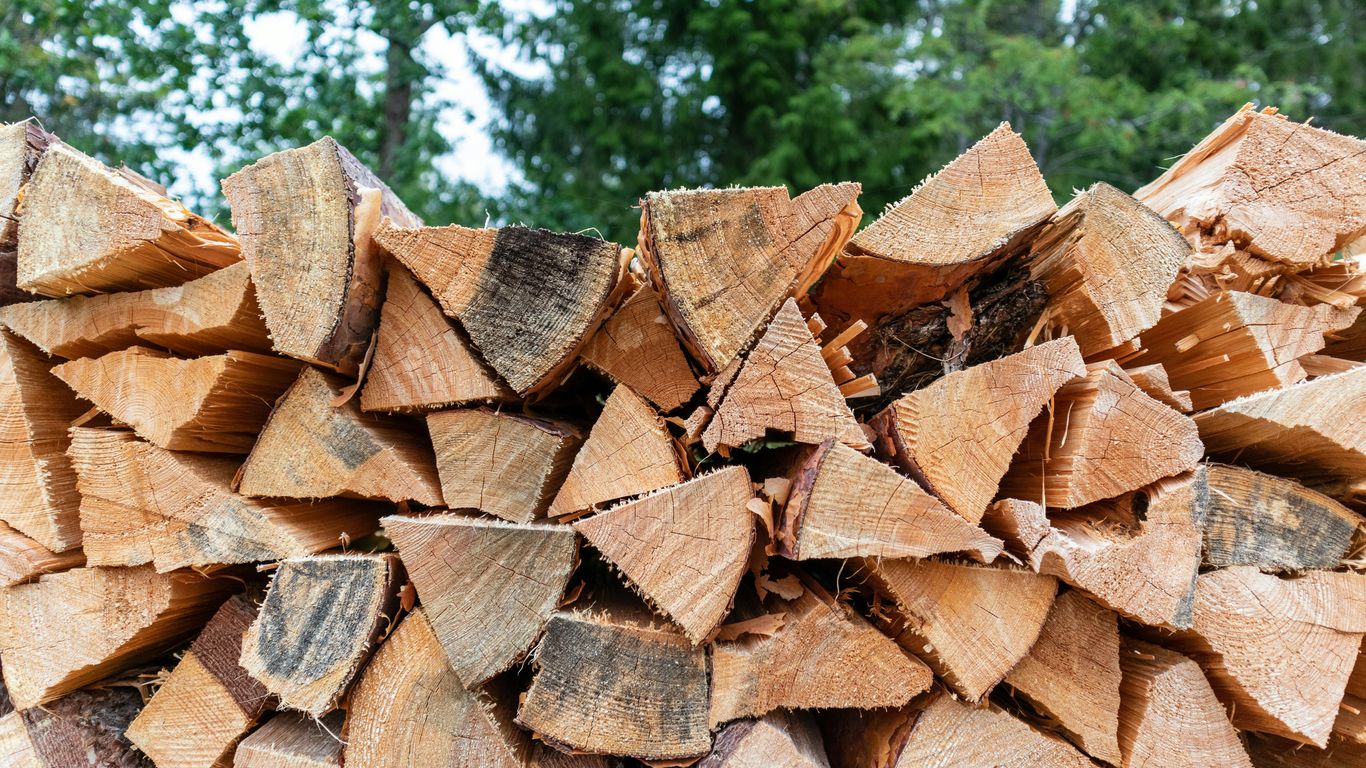
If you’ve got a bit of land with trees, selling firewood can be a pretty straightforward way to make some extra cash. We’ve found that people are always looking for a reliable source of seasoned wood, especially as the colder months approach. It’s not glamorous work, mind you. It involves a good bit of physical labor – felling trees, cutting them into manageable lengths, splitting the logs, and then stacking them to dry properly. But the payoff can be worth it.
The key is to manage your woodlot responsibly and sustainably. This means not just hacking down everything in sight, but thinking about the long-term health of your trees. You can often get permits to harvest from your own land or even from designated areas if your local forestry department allows it. We learned that properly seasoned firewood burns better and produces less smoke, which is a big selling point.
Here’s a rough idea of what goes into it:
We’ve seen prices for a cord of seasoned firewood go for $200 or more in many areas, so if you can process a decent amount, the profit margin is quite good. Just be sure to check local regulations and consider investing in good tools like a reliable chainsaw and a log splitter. It’s honest work that provides a needed product, and it keeps us connected to the land.
Most homesteads have chickens, and if yours does, you’ve likely got a steady supply of eggs. This is a classic side hustle for a reason: it’s relatively simple to start and can bring in some extra cash. We’ve found that selling eggs directly to consumers, whether at a farm gate or a local market, generally offers better profit margins per egg compared to selling through wholesalers or packing centers.
Don’t underestimate the power of presentation. While your neighbors might be happy with a plain carton, if you’re aiming for a wider market, especially in town, clean, attractive packaging is key. Think new cartons, maybe a simple label with your farm’s name, and perhaps a sprig of rosemary tied with twine. People appreciate the extra touch, and it helps build your brand.
Here’s a quick look at how you might market your eggs:
Remember to check your local regulations regarding egg sales. Some areas have specific rules about washing, refrigeration, and permits, especially if you plan to sell a larger volume.
While selling fresh eggs is a good start, it might not make you rich. However, it can definitely cover feed costs and opens the door to selling other homestead products. Plus, it connects you with people who appreciate fresh, homegrown goods.
We’ve found that growing cut flowers can be a surprisingly profitable side hustle on the homestead. It doesn’t take a ton of land to get started, and the profit margins can be pretty good, sometimes even rivaling market vegetables. If you’re looking for a way to bring a little extra color and income to your life, this might be it.
The key is to grow what people want and present it nicely. Think about what sells well at local farmers’ markets or what florists might need. We started small, just growing a few varieties that we knew were popular and easy to care for. Things like zinnias, sunflowers, and cosmos did really well for us.
Here are a few ways we’ve found success:
Getting started doesn’t have to break the bank. You can begin with a budget of around $1,500–$2,500 for basic equipment like a DIY cooler, tools, and initial supplies. We learned a lot from resources like The Flower Farmer which really helped us understand the business side of things.
Growing flowers for sale requires a bit of planning, from choosing the right varieties to understanding their bloom times. We keep a simple planting calendar to make sure we have something blooming throughout the season. It’s also important to learn about proper harvesting and post-harvest care to ensure your flowers last as long as possible for your customers.
We all know that growing our own food is a cornerstone of homesteading, but have you ever thought about turning that garden bounty into a side hustle? It’s totally doable! While some folks might think of selling big crops like corn or potatoes, there are actually a lot of smaller, more manageable ways to make money from your vegetable patch. Think about what grows well in your area and what your neighbors or local community might want.
The key is to focus on what’s in demand and what you can grow efficiently.
We’ve found that focusing on a few specific, high-value items can be more profitable than trying to grow a little bit of everything. For instance, instead of a massive tomato operation, maybe you focus on specialty greens or unique root vegetables that are harder to find in regular grocery stores. Microgreens are a fantastic option because they grow fast, don’t need much space, and can be harvested year-round, even indoors. They fetch a pretty good price per pound, too.
Here are a few ideas we’ve seen work:
Selling directly to your neighbors or setting up a small roadside stand can cut out middlemen and increase your profit. Just be sure to check any local regulations about selling produce.
Don’t underestimate the power of a well-marketed vegetable. Even common items can sell well if you present them nicely and highlight their freshness and local origin. We’ve seen people do really well with simple setups, just by offering quality produce consistently.

Making soap at home can seem a little daunting at first, especially if you’re thinking about working with lye. But honestly, it’s one of those things that looks way scarier than it actually is. Plenty of folks want nice, handmade soap, but they don’t want to deal with the process themselves. That’s where we come in!
We’ve found that the ingredients for soap aren’t as pricey as you might imagine. Once you get a good recipe and have some basic oils and molds, the cost for each bar stays pretty consistent. If you’ve got herbs growing in your garden, infusing them into your soap adds a unique story that customers really connect with. Tallow soap, for example, is super popular right now, but it’s hard to find good quality bars. Making your own is a fantastic way to stand out.
Here’s a quick look at potential costs and selling prices:
| Item | Estimated Cost Per Bar | Potential Selling Price Per Bar |
|---|---|---|
| Basic Cold Process | $1.00 – $2.00 | $6.00 – $8.00 |
| Herbal Infused | $1.50 – $2.50 | $7.00 – $9.00 |
| Specialty (e.g. Tallow) | $2.00 – $3.00 | $8.00 – $10.00 |
It’s totally realistic to make enough soap in batches to bring in a steady income each month. You can even start with melt-and-pour soap bases if working with lye feels like too much at the beginning. Beyond soap, homemade salves and tinctures are also great options. They’re small, easy to package, and inexpensive to produce, especially when you use herbs from your own garden or source them locally. These can fetch a pretty good price, too.
The key is to find a niche and a process that works for you. Don’t be afraid to experiment with different scents, colors, and additives. Customers love unique products, and your personal touch can make all the difference.
Selling regular eggs from our flock is one thing, but have you considered selling hatching eggs? It’s a different ballgame, and honestly, it can be way more profitable. While selling table eggs might just cover feed costs, hatching eggs command a higher price, especially if you have desirable or rare breeds. People are willing to pay for good genetics, and that’s where we come in.
It’s not just about having chickens; it’s about having quality breeding stock. We’ve found that focusing on consistent fertility and clear communication with buyers is key. Think of it less as selling eggs and more as selling healthy, trustworthy genetics. This approach can turn a small backyard flock into a decent income stream.
Here’s a quick rundown of what we learned:
When we first started, we just threw a few eggs in a carton and hoped for the best. It wasn’t long before we realized that presentation and quality mattered. Customers want to feel like they’re getting something special, not just a random egg from the coop. Investing a little extra in packaging and ensuring the eggs are top-notch makes a huge difference in how much people are willing to pay and if they’ll come back for more.
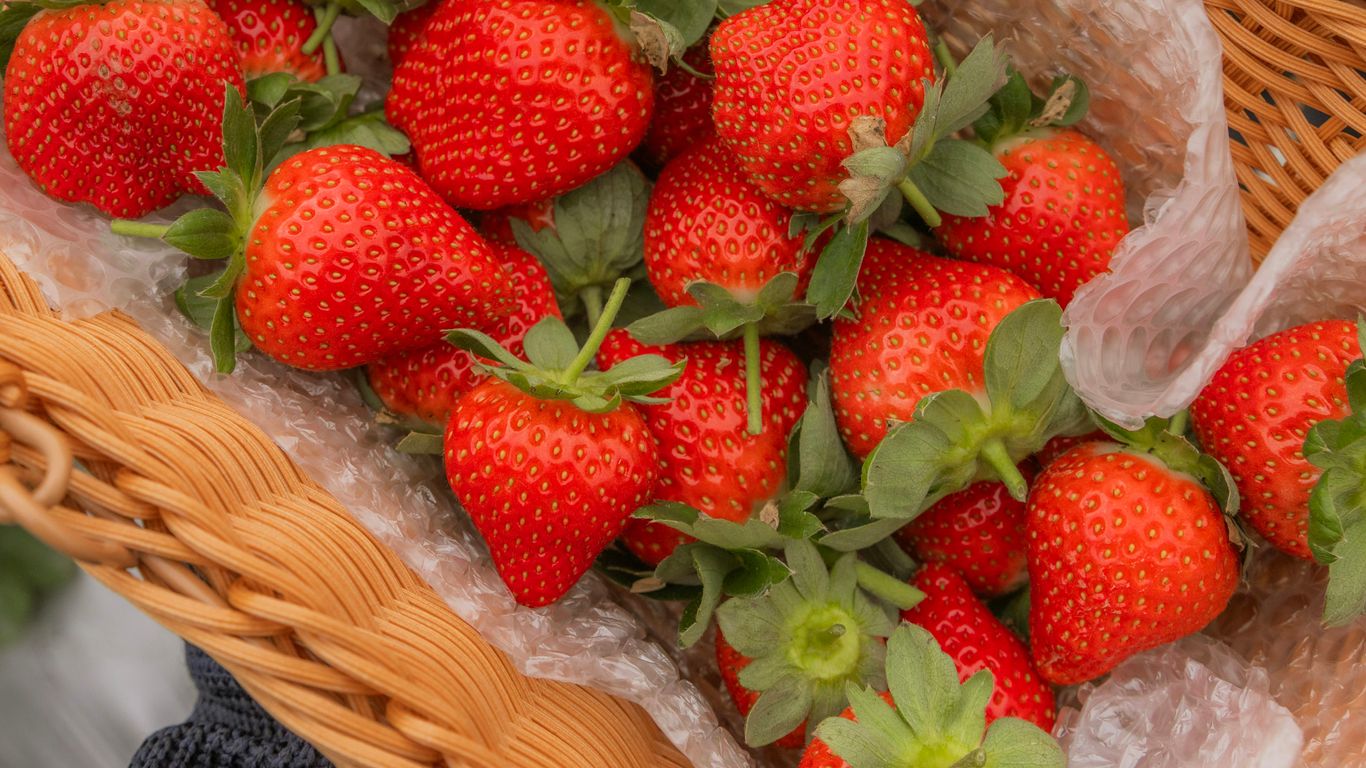
We’ve found that growing strawberries can be a surprisingly profitable little side hustle, even if you don’t have acres of land. The key is to be strategic about how you plant and harvest. You can get a lot of fruit from a small space if you use intensive growing methods.
Getting started is pretty straightforward. Many folks have success planting strawberry plugs in the fall. This gives them a head start, and by the next summer, you can have a really good harvest. For some small homesteads, selling strawberries becomes their main source of income for the year, which is pretty amazing.
Here’s a quick look at how we approach it:
Selling strawberries can be a sweet deal. It doesn’t take a huge amount of space to get a decent yield, and people are always looking for fresh, delicious berries. Just be prepared for the picking – it can be a bit time-consuming, but the payoff is worth it.
It’s a great way to make some extra cash while enjoying some of the best fruit summer has to offer.
We’ve found that growing mushrooms can be a surprisingly profitable side hustle, and you don’t need a lot of space for it. Think about oyster mushrooms, for example. They’re pretty easy to grow indoors year-round on all sorts of things like straw, coffee grounds, or even old jeans. Seriously, anything organic can be a substrate!
Locally, we see oyster mushrooms packaged in small containers, often with just one or two large mushrooms per pack. These usually go for about $5 a container, and when you figure out the weight, it adds up to a good price per pound. It’s satisfying turning something like free coffee grounds from a local shop into cash.
If you’re looking to sell online or want a longer shelf life, consider dried mushrooms or tinctures. Reishi and chaga tinctures are popular, though you might need to forage for chaga. For fresh mushrooms, shiitake and portabella are also good options. You can grow shiitakes on logs outdoors, and those logs can keep producing for years with minimal work. We sell ours at the local farmers market for around $8 to $12 a pound, and we can even time their growth by soaking the logs.
Here’s a quick look at potential pricing:
| Mushroom Type | Sale Unit | Price Range | Notes |
|---|---|---|---|
| Oyster | Pint Container | $5 | Approx. 3.5 oz per container |
| Shiitake | Pound | $8 – $12 | Can be grown on logs |
| Dried Mushrooms | Ounce | $10 – $20 | Varies by type and quality |
Growing mushrooms is a fantastic way to utilize small spaces or even indoor areas. The initial setup can be minimal, and with the right techniques, you can achieve consistent harvests. It feels good to grow something so unique and healthy that people are happy to buy.
We learned a lot from books like "Organic Mushroom Farming and Mycoremediation," which really helped us understand how to make it profitable. It’s a venture that can start small and grow as you get more comfortable with the process.
We’ve found that growing and selling medicinal herbs can be a really rewarding side hustle. Unlike some vegetables that pests and deer just love to munch on, many herbs are pretty tough. Our sage, bee balm, and valerian plants have always been left alone, even when our lettuce beds were decimated. These plants are persistent, productive, and can be quite profitable, especially when you turn them into value-added products.
Think about making tinctures, salves, or syrups. Tinctures, in particular, are popular because they’re shelf-stable and convenient. People are willing to pay a good price for them, and if you’re growing your own herbs, your ingredient cost stays low. For example, echinacea and elderberry tinctures are always in demand. You can sell these locally or even online. Making your own herbal remedies can be a great way to earn extra income.
Here are a few ideas to get you started:
Selling herbal products requires attention to labeling and local regulations. It’s wise to research these aspects thoroughly before you start selling. You can find helpful information on how to successfully sell herbal products online.
Starting small with your own garden is a good approach. You might be surprised at how quickly your herb patch can become a source of income.
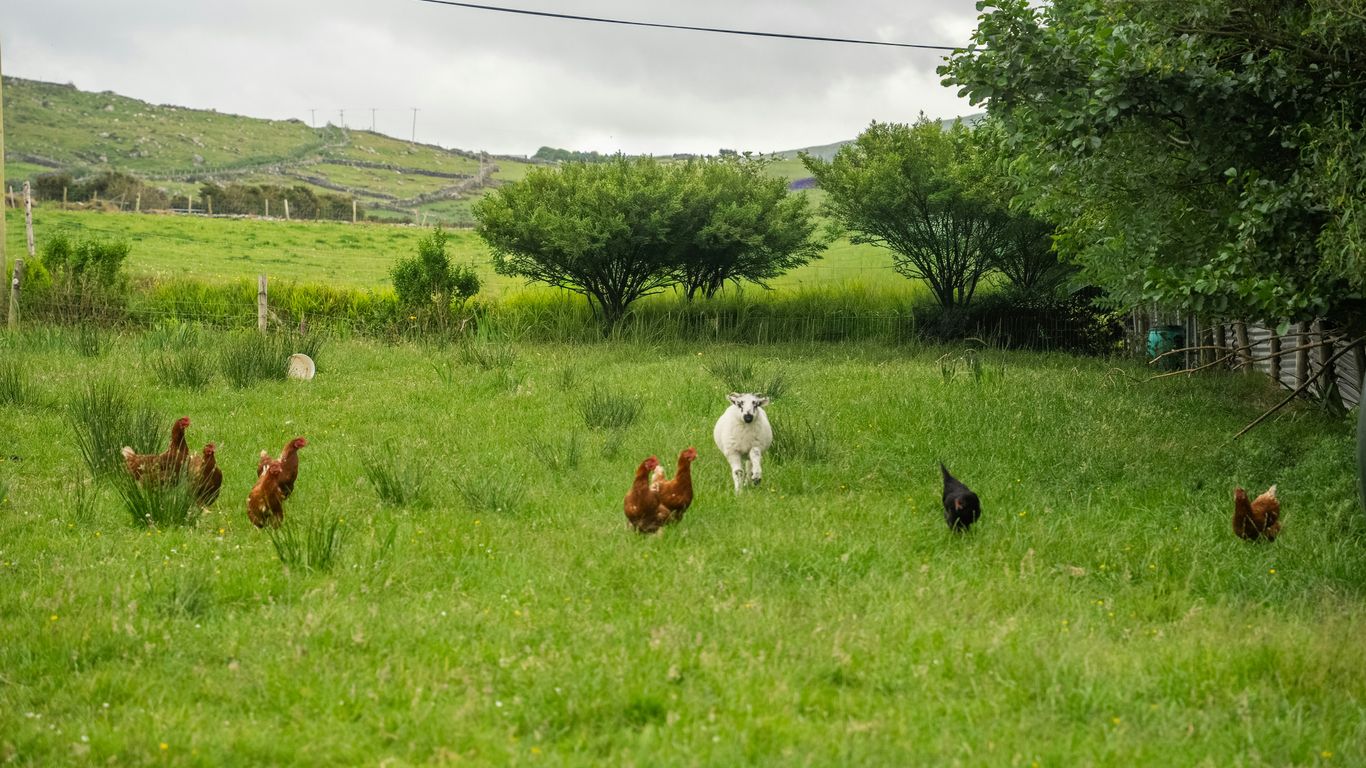
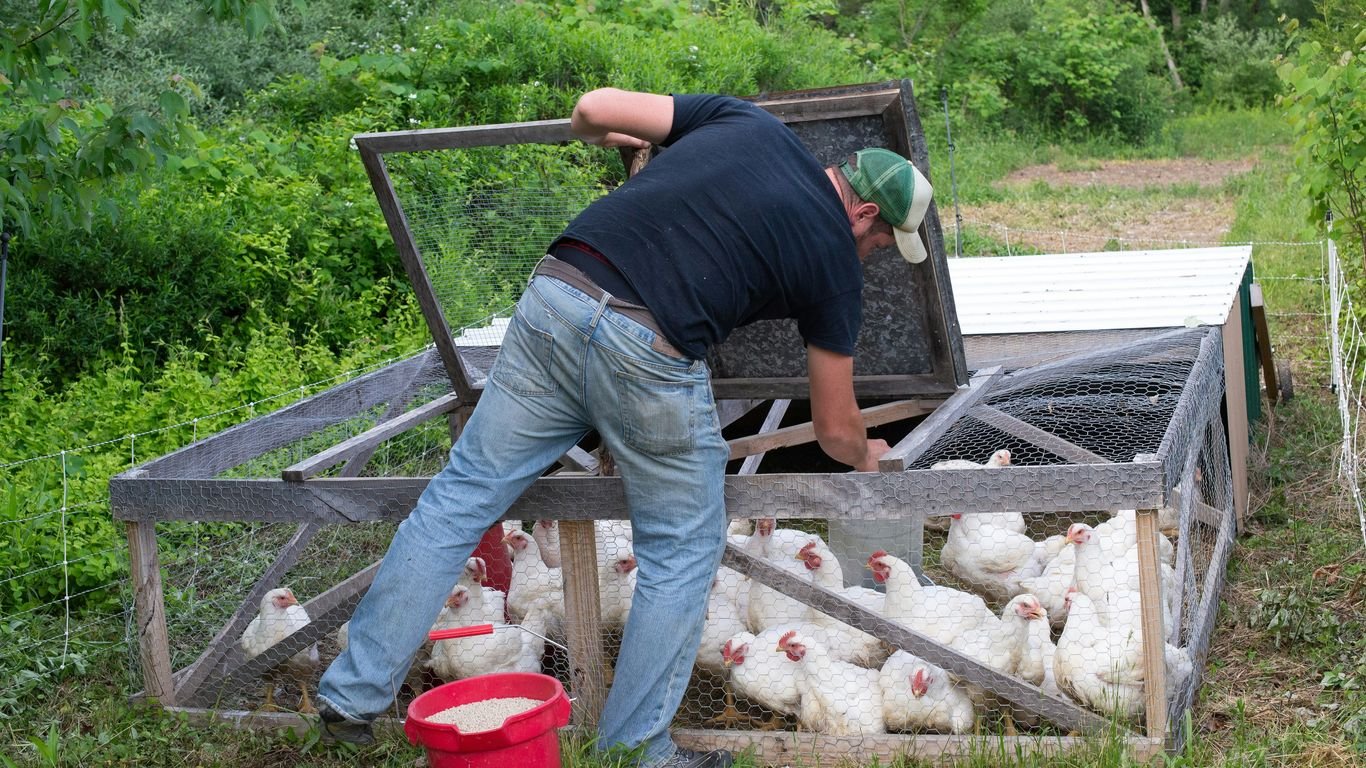
Raising chickens for meat on pasture is a fantastic way to add another income stream to the homestead, especially if we’re already selling eggs or other products. It taps into a growing demand for ethically raised, pastured poultry. We can start small, maybe with just a few dozen broiler chicks, and scale up as we get more comfortable and find our market.
The key is to move them frequently to fresh pasture. This not only keeps the chickens healthy and happy but also helps fertilize the land. We’re essentially mimicking their natural behavior, and that translates to better meat quality and a more sustainable system.
Here’s a basic breakdown of what we might need to consider:
We can sell whole chickens, or cut them up into parts like breasts, thighs, and wings. Pricing will depend on our costs, the quality of our birds, and what the local market will bear. It’s a good idea to talk to potential customers early on to gauge interest and set expectations.
Selling pastured chicken isn’t just about the meat; it’s about offering a product that’s better for the animal, better for the land, and ultimately, better for the consumer. It takes work, for sure, but the rewards can be significant, both financially and in terms of the quality of food we’re producing.
We can also consider selling hatching eggs from our breeding stock if we decide to raise heritage breeds, adding another layer to this side hustle.
So there you have it – a bunch of ways we can all make a little extra cash right from our own homesteads. It’s pretty cool when you think about it, turning the stuff we’re already doing into something that helps pay the bills. Whether it’s selling extra veggies, fixing a neighbor’s mower, or sharing our skills online, these side hustles can really add up. They help us keep doing the homesteading life we love without breaking the bank. It’s not about getting rich quick, but about building a life that feels right, one small income stream at a time.
The amount you can earn really changes depending on a few things. It matters how much time and effort we put in, what the demand is like in our area, and the quality of what we offer. Some hustles, like selling firewood, might bring in more cash upfront because the work is tough but people need it. Others, like cut flowers, might start smaller but grow as we build a customer base. We shouldn’t expect to get rich overnight, but these can definitely add up to extra spending money for our homestead projects or just for fun.
That’s a great question! Many of these ideas don’t need a huge amount of space. For example, we can grow mushrooms indoors or in small shaded areas. Selling homemade soap or hatching eggs requires very little land. Even selling extra vegetables or cut flowers can be done from a small garden patch. The key is to be smart about how we use the space we have.
It really depends on the hustle. For some things, like selling firewood, we might need tools like a chainsaw and splitter, which can be an investment. But for many others, we can start with things we might already have or can get affordably. Making soap uses basic kitchen supplies at first, and selling eggs just needs a coop and some chickens. We can often start small and upgrade as we start making money.
There are lots of ways to get the word out! We can start with friends and family, or set up a small stand right at the end of our driveway. Farmers markets are fantastic places to sell all sorts of homestead goods. We could also try local craft fairs or community events. For some things, like homemade soap or herbal remedies, setting up an online shop on places like Etsy can reach even more people.
It can be a challenge, for sure! The trick is to choose side hustles that fit well with our existing routine or that we genuinely enjoy. For instance, if we’re already collecting eggs daily, selling the extras is a natural fit. We also need to be realistic about how much time we have. It’s better to do one or two things well than to try too many and get overwhelmed. Planning ahead is super important.
Selling regular eggs is pretty straightforward – we sell the eggs our hens lay for eating. Selling hatching eggs is a bit different. We need to have a rooster with our hens to fertilize the eggs. Then, we sell those specific fertile eggs to people who want to hatch them into baby chicks themselves. It can sometimes bring in more money per egg, but it requires managing a rooster and understanding fertility.
 March 7, 2026
How to Turn Food Preservation Into a Side Hustle
Canning
Homestead Kitchen
Homesteading
Sustainable Living
March 7, 2026
How to Turn Food Preservation Into a Side Hustle
Canning
Homestead Kitchen
Homesteading
Sustainable Living
We've all got those hobbies or skills that we love doing, right? Maybe it's baking, gardening, or even making your own jam. What if we told you that you could turn those passions into a little extra cash? It might...
Read More March 7, 2026
High-Output Crops Perfect for Micro Homesteads
Gardening
Homestead Planning
Homesteading
Starting a Homestead
March 7, 2026
High-Output Crops Perfect for Micro Homesteads
Gardening
Homestead Planning
Homesteading
Starting a Homestead
Thinking about growing your own food but only have a little space? We get it. Many of us are looking for ways to be more self-sufficient, even if we don't have acres to work with. The good news is, you...
Read More March 5, 2026
How to Grow a Medicinal Herb Garden for Beginners
Gardening
Homesteading
Natural Fertilizers
Sustainable Living
March 5, 2026
How to Grow a Medicinal Herb Garden for Beginners
Gardening
Homesteading
Natural Fertilizers
Sustainable Living
We're excited to share how we got started with our own medicinal herb garden. It felt a bit overwhelming at first, but we learned that taking it step-by-step makes it totally doable. Growing our own healing plants has been so...
Read More