


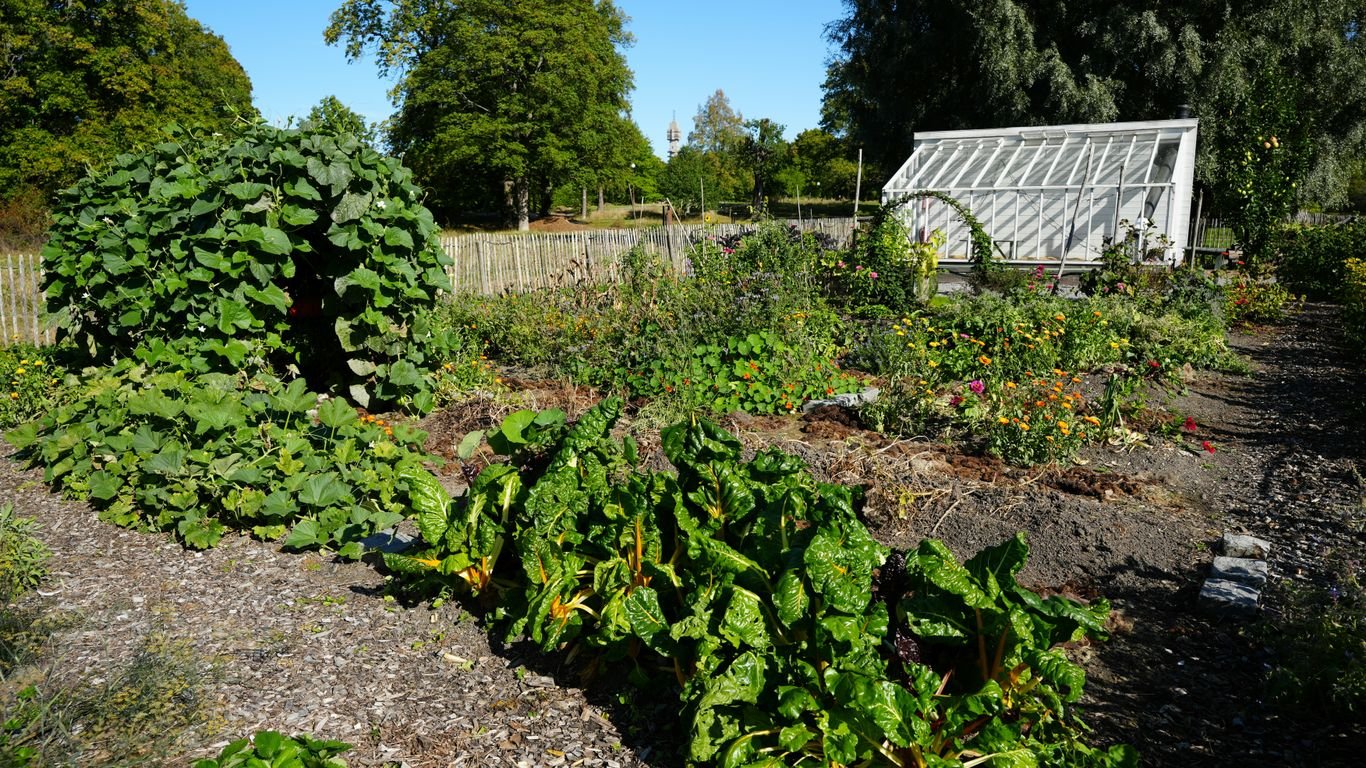
Thinking about growing your own food but only have a little space? We get it. Many of us are looking for ways to be more self-sufficient, even if we don’t have acres to work with. The good news is, you don’t need a huge yard to grow a surprising amount of food. We’ve been exploring the best micro homestead crops that give us a lot of bang for our buck, no matter how small our plot is. Let’s look at some of the top choices that have worked for us.
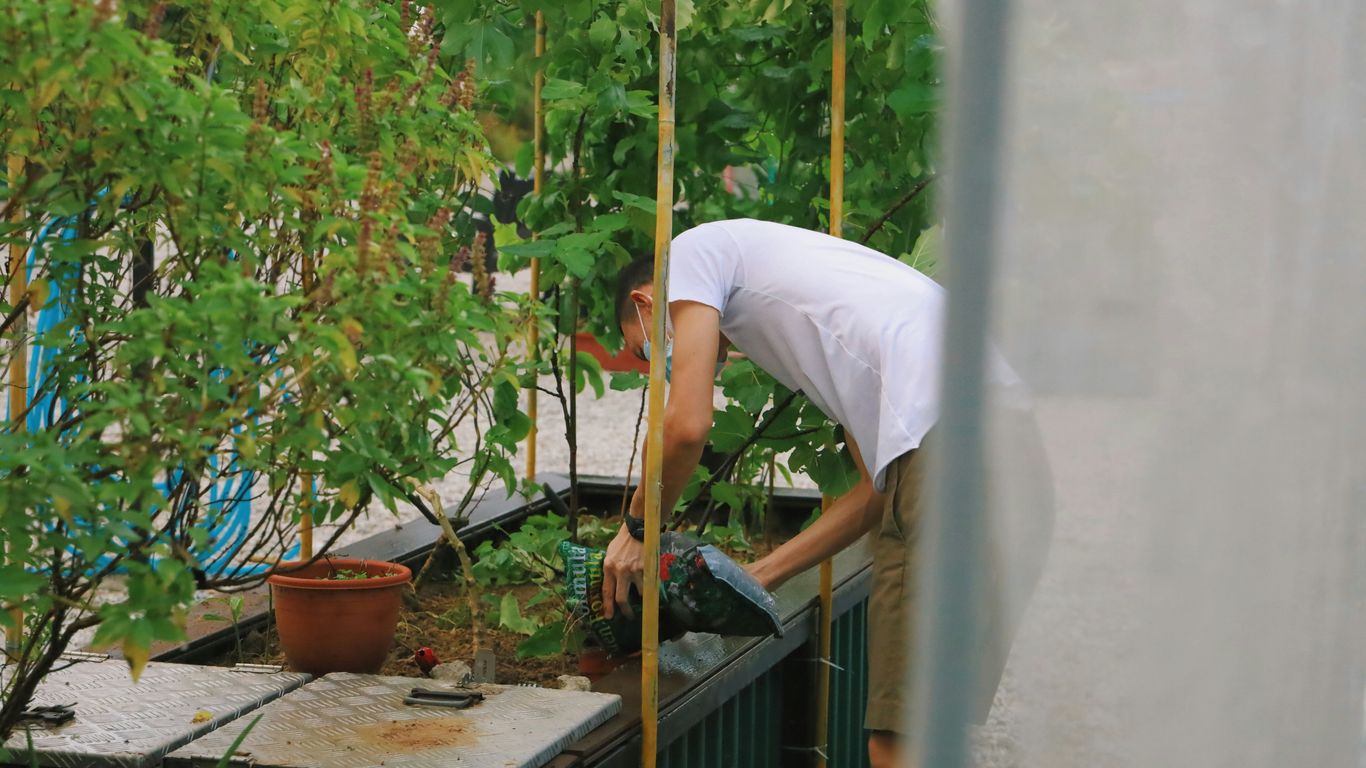
When we first started thinking about growing food in our tiny space, leafy greens and herbs were the first things that came to mind. And honestly, they were the right choice! They grow fast, don’t take up much room, and give us fresh flavors for our meals almost immediately. It feels like a real win, especially when you’re just starting out.
These are our go-to for quick harvests. Lettuce and spinach are super forgiving and can be grown in just about anything – from shallow containers on a windowsill to a small raised bed. We love that we can get a harvest in as little as 30-40 days. For a continuous supply, we plant a new row every couple of weeks. This is called succession planting, and it’s a game-changer for keeping your kitchen stocked.
We’ve found that even a small patch can yield a surprising amount. For instance, a single container can provide enough salad greens for a couple of meals a week. If you’re looking for something that grows quickly, bok choy is a great option, maturing in about 40-50 days, with baby bok choy ready even sooner. growing bok choy
Herbs are another fantastic choice for micro homesteads. They add so much flavor to our cooking, and most of them are quite happy in pots. We have basil, mint, parsley, and chives growing right outside our kitchen door. It’s amazing how a few sprigs of fresh basil can transform a simple pasta dish.
We’ve learned that even a small collection of herbs can significantly boost our meals. Plus, many herbs are quite resilient and can tolerate a bit of neglect, which is a bonus when we’re busy.
Light is super important for leafy greens. If you don’t have a super sunny spot, don’t worry too much. We’ve found that leafy greens can do pretty well with about 4-6 hours of direct sunlight. If your space is a bit shady, consider using grow lights. They can make a big difference, especially during those shorter days or if you’re growing indoors. We also try to place our leafy greens in the sunniest spots we have available, often rotating pots to catch the best rays throughout the day.
The key is to observe your plants and their environment. If your greens look leggy and pale, they’re probably not getting enough light. If they look scorched, they might be getting too much direct sun, especially in the hottest part of the day.
By paying attention to where the sun hits your space and supplementing when needed, you can grow a good amount of greens even in less-than-ideal conditions. It’s all about working with what you’ve got!
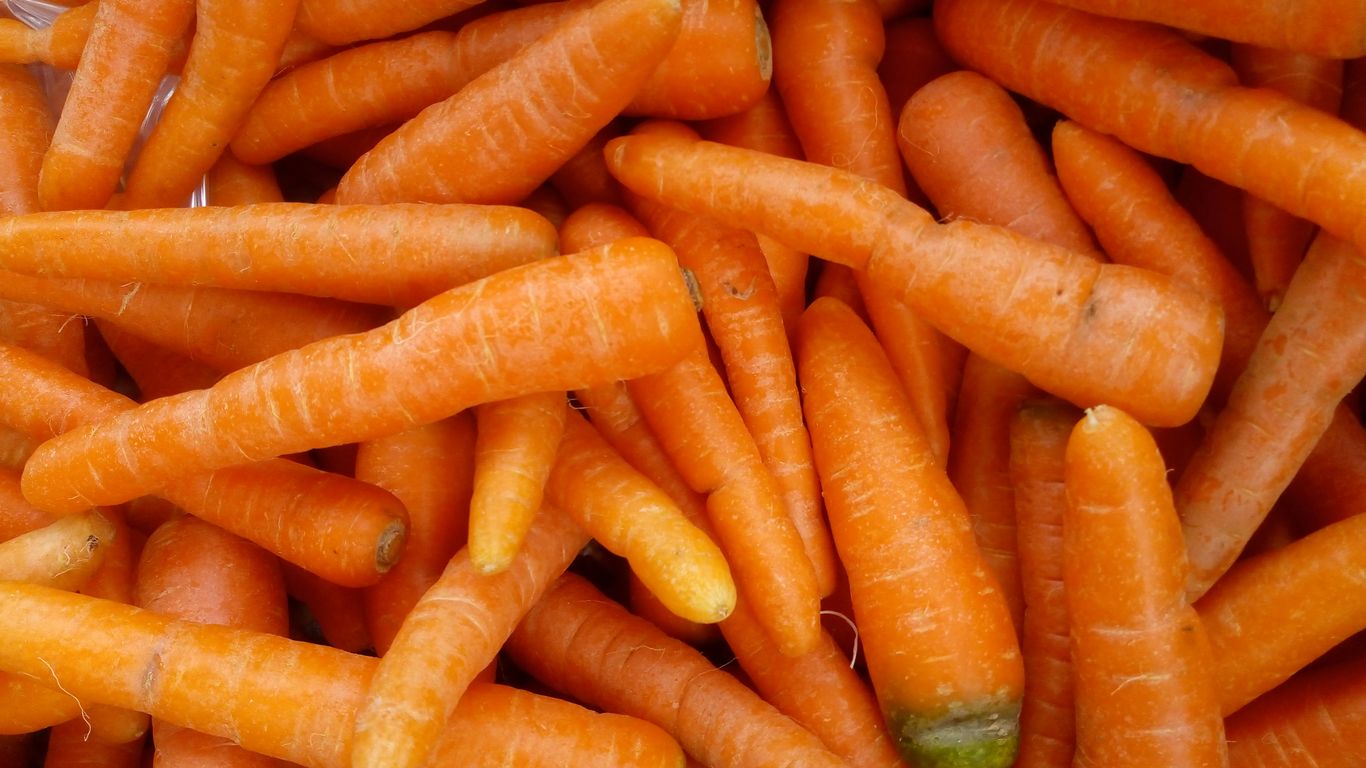
When we think about filling our plates with hearty food from our small plots, root vegetables are often the first things that come to mind. They’re like the quiet, dependable friends of the garden – they might not be flashy, but they always come through. For micro homesteads, these underground treasures are fantastic because many of them don’t need a ton of horizontal space, and they store well, meaning we can enjoy them long after harvest.
These two are real winners for tight spaces. We can plant them pretty close together, which is great for maximizing what little ground we have. The trick with carrots and beets is to sow them directly into the soil where you want them to grow. Trying to transplant them can often lead to bent roots, and we want nice, straight ones, right? For carrots, think about varieties that are shorter or more cylindrical if your soil is shallow. Beets are a bit more forgiving. Plus, don’t forget the greens! Beet greens are totally edible and packed with nutrients, so you get two crops in one.
Here’s a quick look at how we might space them:
| Vegetable | Seed Spacing | Row Spacing |
|---|---|---|
| Carrots | 1-2 inches | 6-8 inches |
| Beets | 2-3 inches | 8-10 inches |
Who says you need a big field to grow potatoes? We’ve had great success growing potatoes right in containers, like grow bags or even old trash cans with drainage holes. It’s a bit different from planting them in the ground. We start by putting a few inches of soil in the bottom of the container, then lay down a seed potato (cut into pieces if it’s large, with each piece having an ‘eye’). Then, we cover it with a few more inches of soil. As the plant grows, we keep adding more soil, or ‘hilling’ it up, around the stem. This encourages more potatoes to grow along the buried stem. It’s a simple process that yields a lot of food from a small footprint.
Bunching onions, sometimes called green onions or scallions, are incredibly easy to grow and give us a quick harvest. We can sow their seeds quite densely, and they don’t take up much room. What’s great is that we can harvest them at different stages. We can snip off the green tops for immediate use, and the plant will often regrow. Or, we can pull the whole plant up when the white bulb is a decent size. They are also pretty tolerant of cooler weather, making them a good option for extending our growing season a bit.
We found that planting a few rows of bunching onions every couple of weeks gives us a continuous supply without a huge upfront commitment. It’s a low-stress way to add a fresh, oniony kick to our meals.
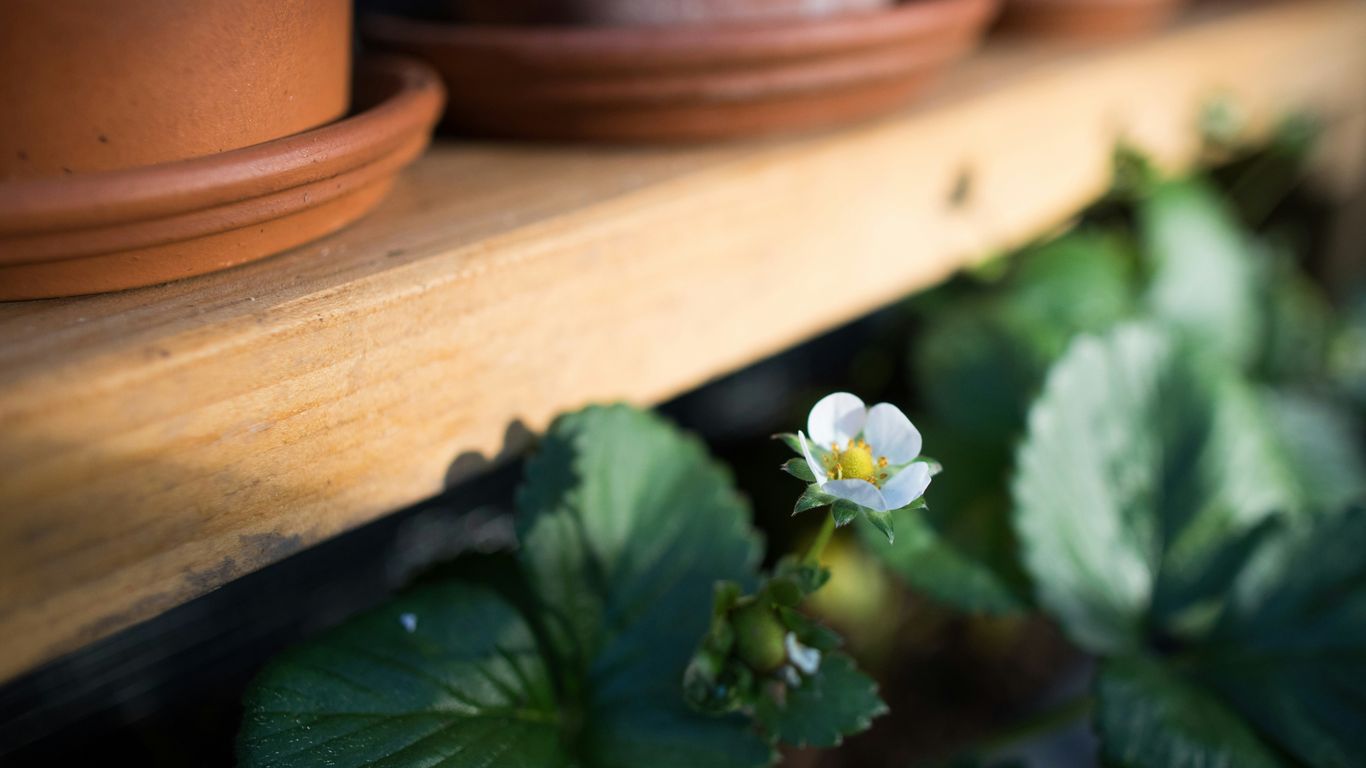
When we think about growing food in small spaces, our minds often go straight to greens and roots. But what about those juicy fruits? We can absolutely grow them too, and the trick is to think up! Vertical gardening isn’t just for vining vegetables; it’s a fantastic way to get more fruit production from your micro homestead.
Cherry tomatoes are like the rockstars of small-space fruit growing. They naturally want to climb, and with a little help, they can produce an incredible amount of fruit without taking up much ground space. We’ve found that using trellises, cages, or even just sturdy stakes works wonders. Training the vines upwards means more sunlight hits the developing fruits, and better air circulation helps prevent diseases. Plus, nothing beats the taste of a sun-warmed cherry tomato picked right off the vine!
Don’t let the idea of ‘fruit trees’ intimidate you. Dwarf varieties are specifically bred to stay small, making them perfect candidates for container gardening on a patio or even a balcony. We’re talking about apples, peaches, citrus, and more, all in pots! The key is to select a dwarf rootstock and a variety that’s known to do well in containers. Regular pruning is important to maintain their size and shape, and they’ll need good quality potting mix and consistent watering.
| Fruit Type | Example Varieties |
|---|---|
| Apple | ‘Honeycrisp’ (dwarf) |
| Peach | ‘El Dorado’ (dwarf) |
| Citrus | Meyer Lemon, Calamondin |
| Fig | ‘Brown Turkey’ (dwarf) |
Peppers, whether sweet bell peppers or fiery hot varieties, are surprisingly well-suited for container growing and can be incorporated into a vertical system if you give them some support. They don’t vine like tomatoes, but they do get bushy and produce a lot of fruit. We like to plant them in larger pots, at least 5-gallon size, and give them a spot where they can get plenty of sun. A bit of staking can help keep the branches from breaking under the weight of the fruit, especially with heavier pepper types.
Growing peppers in containers means we can move them around to catch the best sun or protect them from harsh weather. It also makes harvesting a breeze, as everything is at a convenient height. We’ve found that feeding them regularly with a balanced fertilizer really boosts their fruit production.
When we think about maximizing our small plots, we often focus on what we can harvest. But some plants do double duty, giving us food and improving the ground they grow in. That’s where legumes and alliums come in. They’re not just tasty additions to our meals; they’re workhorses for our micro homesteads.
Beans are fantastic for small spaces because they actually add nitrogen back into the soil. This means the plants around them will grow better, and we get a delicious harvest too. We can plant them early in the spring, and before we know it, we’re enjoying fresh beans. They work really well with a lot of other vegetables, like carrots and corn. It’s a win-win situation for our garden beds.
Garlic is one of those crops that feels like a gift. You plant it in the fall, and then mostly leave it alone until mid-summer when you harvest. It doesn’t take up a ton of space, and the return can be pretty good. We’ve found that planting it after a crop of beans or lettuce works well, reusing the same garden bed. Plus, you can save some of your harvest to replant the next year, making it a sustainable choice for your garden.
Garlic is a great crop for small growers because it requires minimal attention during the main growing season and can be quite profitable. It’s a perfect example of a high-yield crop for limited areas.
We’ve touched on this a bit, but it’s worth repeating: companion planting is key for micro homesteads. It’s about putting the right plants together so they help each other out. Legumes, like the beans we talked about, are nitrogen-fixers. This means they make nitrogen available in the soil, which is like a natural fertilizer for other plants. Alliums, such as onions and garlic, can also help deter pests. By strategically placing these plants, we can create a more resilient and productive garden without needing a lot of extra space or inputs. It’s a smart way to get more from our garden beds. For example, Hilda Romano beans are known to enrich the soil and pair well with many common vegetables.
Alright, so we’ve talked about a bunch of awesome plants, but how do we actually make them work in our tiny spaces? It’s all about being clever with how we set things up. We need to think about maximizing every inch and making sure our plants get what they need to thrive.
This is a game-changer for micro homesteads. Instead of spreading out, we go up! Think trellises for your tomatoes and beans, hanging baskets for strawberries, or even tiered planters for herbs and greens. It’s amazing how much more you can grow when you utilize the vertical plane. We’ve seen systems that increase productivity by up to 30% compared to traditional methods, which is huge when you’re short on ground space. It’s about looking at your garden as a three-dimensional space, not just a flat patch.
For many of us, our "homestead" might just be a balcony or a patio. That’s where containers come in. Almost anything can be grown in a pot if it’s the right size and has good drainage. We can grow carrots, peppers, even dwarf fruit trees in containers! The beauty of pots is their portability; you can move them around to catch the best sunlight or protect them from harsh weather. Just remember that container plants can dry out faster, so keep an eye on watering. Choosing the right soil mix is also key for happy container plants.
Why have a big harvest all at once and then nothing? Succession planting means sowing seeds or planting seedlings every couple of weeks. As soon as one crop is done, another is ready to take its place. This way, we get a steady stream of fresh produce all season long. It takes a little planning, but it means you’re never without something to pick. We can have fresh lettuce or radishes coming in week after week, which is pretty neat.
Water is life, right? But overwatering or underwatering can be a real problem, especially in small spaces where plants are closer together. Setting up a simple drip irrigation system or using self-watering containers is a fantastic way to ensure your plants get just the right amount of water, right at the roots. This saves us time, conserves water, and keeps our plants much happier. It’s a small investment that pays off big time in healthier plants and better yields. For more on sustainable gardening techniques, consider exploring eco-friendly urban gardening methods.
We need to be smart about how we grow. It’s not just about planting seeds; it’s about creating an efficient system that works with our limited space and resources. Thinking vertically, using containers, planting in stages, and watering efficiently are all part of making our micro homesteads truly productive.
So, there you have it. Growing a lot of food in a small space isn’t some impossible dream. We’ve talked about some really productive crops, like those speedy leafy greens and hearty root veggies, that can give us a good harvest without needing acres. Whether you’re working with a tiny balcony, a small backyard, or even just some containers, there are ways to make it work. Don’t be afraid to start small, try out a few things, and see what grows best for you. Before you know it, you’ll be enjoying your own fresh produce, right from your micro homestead.
For beginners with limited room, we really like leafy greens like lettuce and spinach because they grow super fast and don’t need a lot of space. Herbs are also fantastic; they add tons of flavor and do well in small pots or window boxes. Root veggies like carrots and beets are great too, especially if you plant them close together.
We’ve found that growing things vertically is a game-changer! Think vining plants like cherry tomatoes or beans that can climb up trellises or walls. Also, planting crops close together, known as intensive planting, can really boost your harvest. Don’t forget about succession planting – sowing new seeds right after you harvest something, so you always have food coming in.
Root crops like carrots and beets are surprisingly good for small areas. We can plant them pretty densely, which means more food from each little patch of soil. Potatoes are also a solid choice, and you can even grow them in containers or grow bags, which is perfect for balconies or patios. Bunching onions are easy peasy and give you a quick harvest.
Absolutely! Legumes, like beans, are amazing because they naturally add nitrogen back into the soil. This makes the soil healthier for other plants that might follow. Garlic is another winner; it’s low effort for us but gives a great reward, and it doesn’t take up a huge amount of space.
For light, we try to place sun-loving plants in the sunniest spots, and leafy greens can often handle a bit less. Sometimes, we even use grow lights indoors to help out. Watering is easier with drip systems or self-watering pots; they send water right to the roots, which saves water and our time. We always aim to water wisely!
We love leafy greens and herbs for quick wins! Lettuce and spinach can be ready to eat in just a few weeks, giving us that satisfying feeling of a fast harvest. Fresh herbs like basil and mint grow rapidly and add so much flavor to our meals with minimal fuss.
 March 7, 2026
How to Turn Food Preservation Into a Side Hustle
Canning
Homestead Kitchen
Homesteading
Sustainable Living
March 7, 2026
How to Turn Food Preservation Into a Side Hustle
Canning
Homestead Kitchen
Homesteading
Sustainable Living
We've all got those hobbies or skills that we love doing, right? Maybe it's baking, gardening, or even making your own jam. What if we told you that you could turn those passions into a little extra cash? It might...
Read More March 6, 2026
10 Low-Cost Homestead Side Hustles That Make Money
Homestead Planning
Homesteading
Starting a Homestead
March 6, 2026
10 Low-Cost Homestead Side Hustles That Make Money
Homestead Planning
Homesteading
Starting a Homestead
We all dream of a simpler life, right? One where we're more connected to the land and the seasons. But let's be real, that dream needs some funding. That's where low cost homestead side hustles come in. These aren't about...
Read More March 5, 2026
How to Grow a Medicinal Herb Garden for Beginners
Gardening
Homesteading
Natural Fertilizers
Sustainable Living
March 5, 2026
How to Grow a Medicinal Herb Garden for Beginners
Gardening
Homesteading
Natural Fertilizers
Sustainable Living
We're excited to share how we got started with our own medicinal herb garden. It felt a bit overwhelming at first, but we learned that taking it step-by-step makes it totally doable. Growing our own healing plants has been so...
Read More