


October in Zone 7 is a busy time for us gardeners. We’re wrapping up the last bits of the growing season while also getting a head start on next year. It feels like a mix of saying goodbye to summer crops and planting seeds for the future. This zone 7 October gardening checklist will help us make sure we don’t miss anything important as the weather starts to cool.
October is a fantastic time to get a head start on next year’s garden, and two of our favorite ways to do that are by planting garlic and sowing cover crops. It might seem a little backward to be planting now when we’re still harvesting, but trust us, your future self will thank you.
This is prime time for planting garlic! We like to get our garlic bulbs in the ground after the first hard frost, usually towards the end of October. This timing helps prevent the bulbs from sprouting too early and then getting damaged by a hard freeze. Planting garlic now gives the cloves time to establish roots before winter sets in. When you’re ready to plant, break your garlic heads into individual cloves, keeping the papery skin on. Plant them about 4-6 inches apart and 2-3 inches deep, with the pointy end facing up. We usually mulch over the top with a good layer of straw or shredded leaves to give them a bit of extra protection through the cold months. You can find more details on planting garlic in different climates on gardening websites.
If you have any empty beds after harvesting, now’s the perfect time to sow cover crops. These aren’t for eating; they’re for improving your soil! Cover crops help prevent erosion, suppress weeds, and add valuable organic matter back into the soil. For our zone, we often go with something hardy like crimson clover or hairy vetch. We just scatter the seeds over the bare soil and give them a light raking. They’ll grow a bit before the hard freezes hit, and then they’ll act as a natural mulch over winter. In the spring, we can either turn them into the soil or just plant right through them. It’s a simple way to give our garden beds a much-needed rest and a nutrient boost.
While we’re thinking about planting garlic and cover crops, it’s also a good time to do a little prep work for beds that won’t be used for anything else over winter. This might mean adding a fresh layer of compost or well-rotted manure to beds where we plan to plant vegetables next spring. It’s much easier to work this in now when the soil is still workable than it is to try and dig it in when everything is frozen solid. We also take this time to clear out any diseased plant debris from the vegetable garden. It’s important to remove anything that might harbor pests or diseases over the winter. We leave healthy plant material, though, as it can provide habitat for beneficial insects. It’s all about setting ourselves up for a successful growing season next year!
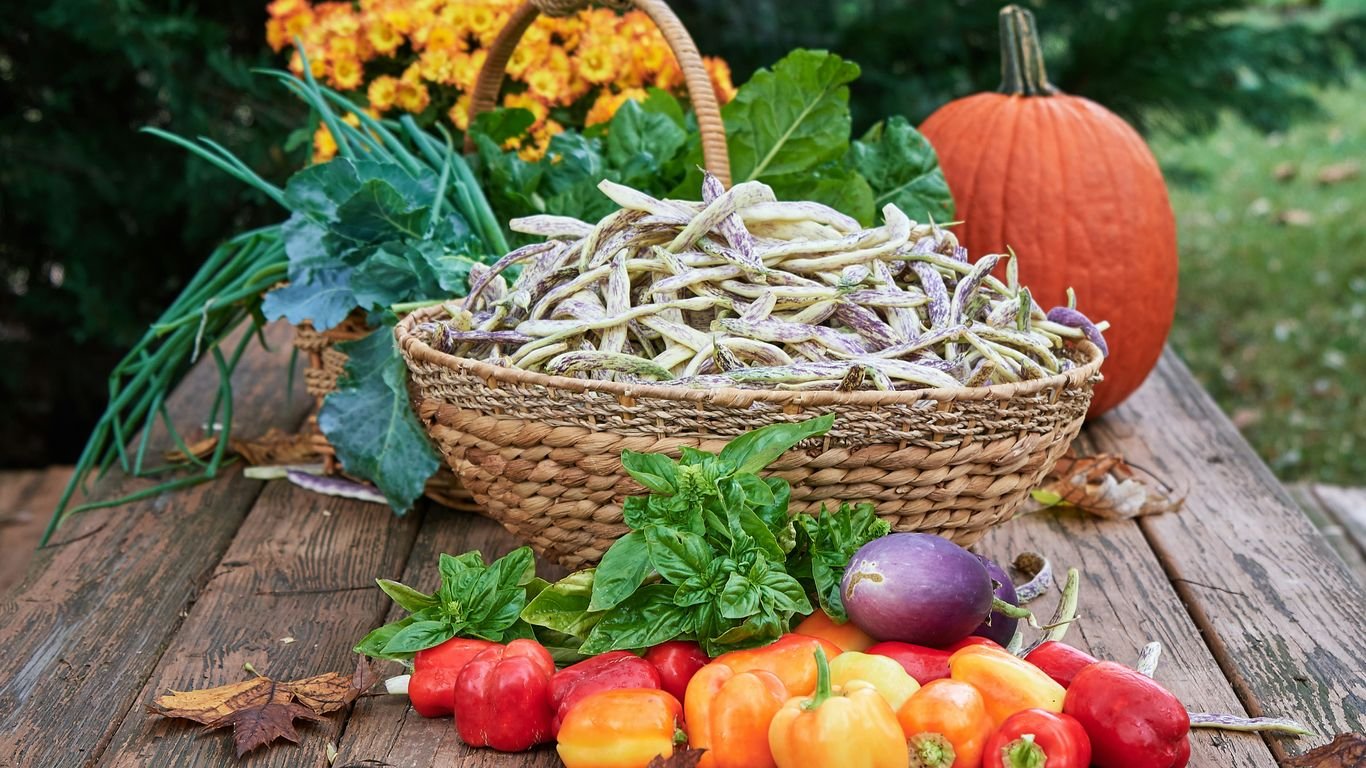
October is often our last big hurrah for harvesting summer’s gifts and getting things ready for the colder months. We’re collecting the final bits of warmth from the garden, and it feels good to see all that hard work pay off.
We’re making sure to grab any ripe tomatoes, peppers, and squash before the first hard frost hits. It’s a race against the cold sometimes! Even if the plants are done, we’ll often harvest green tomatoes to ripen indoors. Don’t forget about those root vegetables like carrots and beets; they often get sweeter after a light frost. We’re also keeping an eye on broccoli and kale, as they can produce side shoots and keep growing in cooler weather.
This is a great time to gather those herbs we’ve been growing. We’ll hang bunches of rosemary, sage, thyme, and oregano upside down in a cool, dry place. Once they’re completely dry and brittle, we crumble them into jars for easy use all winter long. It’s amazing how much flavor they hold onto!
We’ve got a few ways we like to keep our bounty going. Freezing is a big one for us – blanching beans and peas before popping them in the freezer is simple and effective. We also do a lot of canning, especially with tomatoes and peppers. For things like winter squash and potatoes, we’re making sure they’re cured properly and stored in a cool, dark place so they last for months. It’s all about making sure we can enjoy the taste of our garden even when it’s cold outside.
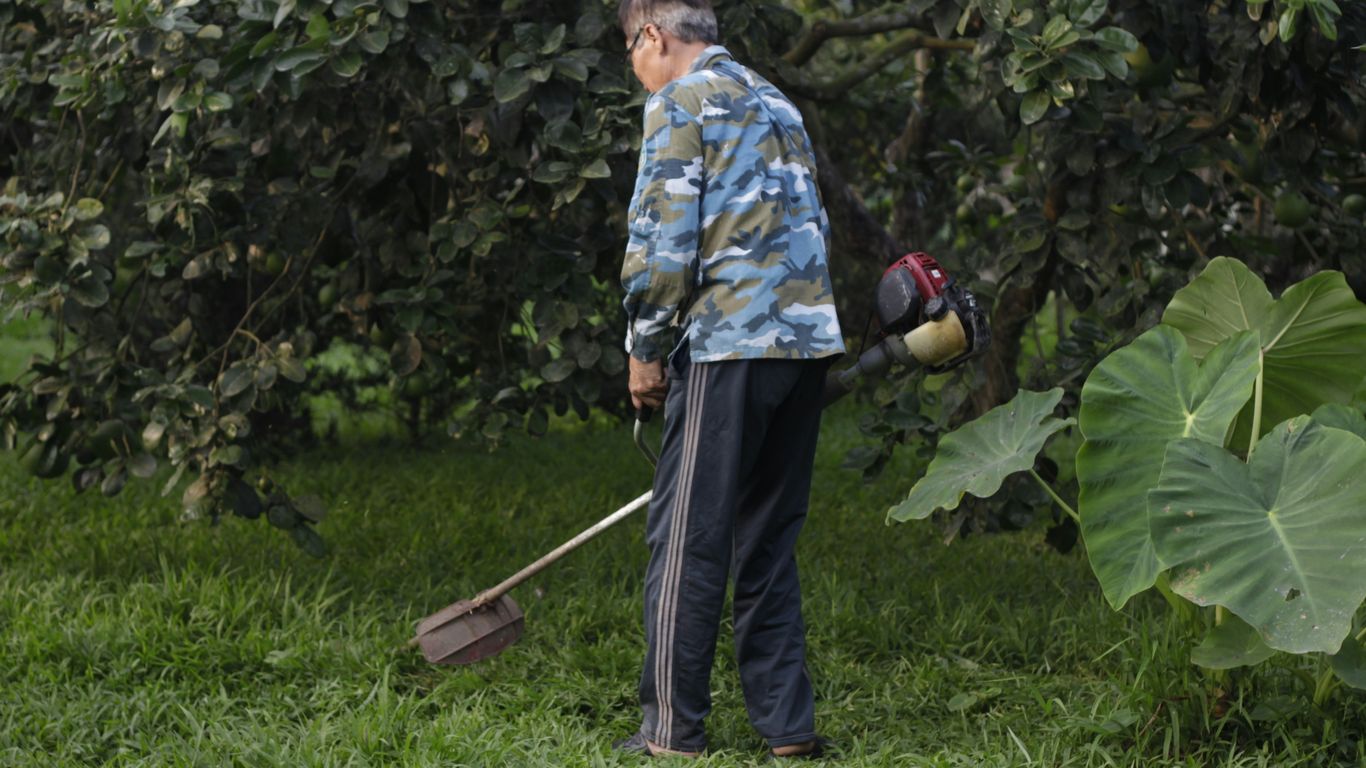
October is a busy month in the garden, and getting a good cleanup done now makes a big difference later. We want to clear out the old and get things ready for whatever comes next, whether that’s winter or the start of next year’s growing season. It’s time to tidy up and prepare our garden beds.
As the growing season winds down, we need to be mindful of any plants that might have had issues. If you noticed any plants struggling with diseases or pests this year, it’s best to remove them completely. Don’t just toss them in the regular compost pile; diseased material can linger and cause problems next year. Bag it up and send it out with the trash. This simple step helps prevent those same problems from popping up again when we start planting in the spring. We can leave healthy plant material, though, as it can provide shelter for beneficial insects over winter.
Fallen leaves are a gardener’s gold mine this time of year. Instead of seeing them as a nuisance, we should think of them as free mulch or compost material. Shredding them makes them break down faster and creates a nice, even layer for covering beds. We can also add them to our compost bins. Leaves are considered a ‘brown’ material, which is perfect for balancing out the ‘green’ stuff from kitchen scraps and grass clippings. Getting a good stash of leaves now means we won’t be scrambling for them later. You can even order a delivery of compost now, as it’s often cheaper than in the spring preparing beds for next season.
Before the weather really turns, we need to put our tools and hoses away properly. Give your tools a good clean to remove any dirt or sap. A little oil on metal parts can prevent rust. For hoses, drain all the water out before coiling them up. Storing them inside a shed or garage protects them from the elements and makes them last longer. This way, everything will be in good shape and ready to go when spring rolls around again.
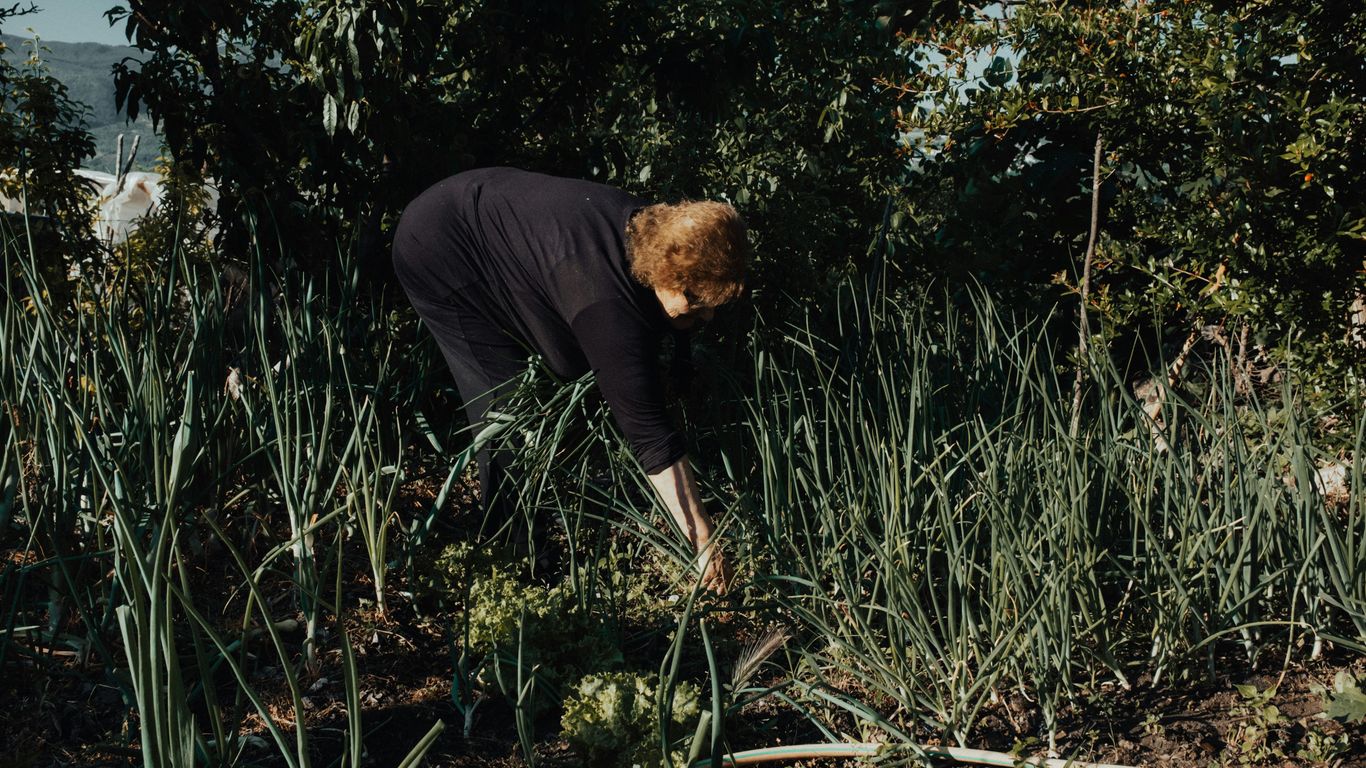
Even as the days get shorter and the air crisper, we don’t have to say goodbye to fresh produce just yet. There are several ways we can keep our gardens producing a bit longer into the fall and even early winter. It’s all about giving our plants a little extra protection and choosing the right crops.
Row covers and cold frames are like little greenhouses for our plants. They trap heat from the sun and create a warmer microclimate, shielding them from chilly winds and light frosts. We can use them over garden beds or even individual plants. These simple structures can significantly extend the harvest of many cool-season vegetables. Think of kale, spinach, and lettuce – these hardy greens can keep producing for weeks longer with a little cover. We can also sow quick-growing hardy annuals for a late-season splash of color or a final herb harvest.
When a frost is predicted, especially a light one, we have a few options. For plants that can’t handle a freeze, like some tomatoes or peppers that are still producing, we can cover them up for the night. Old sheets, blankets, or specialized frost cloth work well. Just remember to remove them in the morning so the plants can get sunlight. For more robust protection, especially for more sensitive plants, a cold frame or a small hoop house can make a big difference. We can also bring potted herbs or other tender plants indoors on nights when the temperature is expected to dip below freezing. This is a great way to save those plants we’ve been nurturing all summer.
Some annuals are surprisingly tough and can handle cooler temperatures, even a light frost. Planting these in early fall means we can enjoy their blooms well into October and sometimes even November. Flowers like pansies, violas, and ornamental kale can add color to our yards when many other plants have finished. We can also look for varieties of chrysanthemums that are known for their cold tolerance. These hardy beauties are a fantastic way to keep our gardens looking cheerful as the season winds down. It’s amazing what a little planning can do to keep our outdoor spaces vibrant for longer.
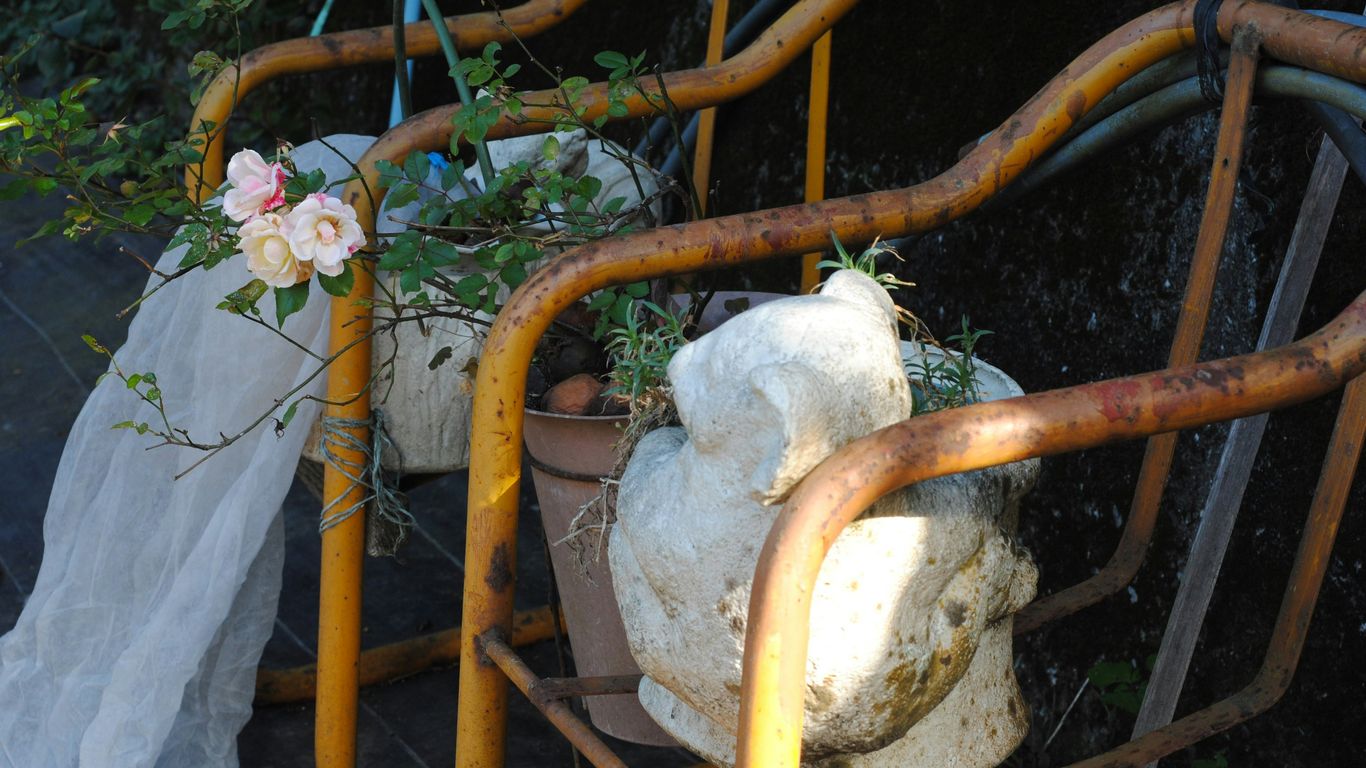
As the days get shorter and the air gets crisp, it’s time to give our flower beds some attention before winter really sets in. We want to make sure everything is set up for a healthy rest and ready to go for spring.
This is prime time for getting those bulbs in the ground! Think tulips, daffodils, hyacinths, and alliums. Getting them planted now means we’ll be rewarded with a burst of color come springtime. We just need to make sure we get them in before the ground freezes solid. A good rule of thumb is to plant them about three times as deep as the bulb is tall. We can also add a little bone meal to the planting hole to give them a boost.
If you have any perennials that have gotten a bit too big, or if you want to fill in some gaps elsewhere, now is a great time to divide them. It’s best to do this after the plants have finished flowering but before the ground freezes. We can carefully dig up the clump, split it into smaller sections (each with some roots and shoots), and replant them. This not only helps the parent plant thrive but also gives us new plants to spread around the garden.
While we’re tidying up, it’s a good idea to leave some spent flower stalks and seed heads standing. Plants like coneflowers, sunflowers, and ornamental grasses provide food and shelter for birds and beneficial insects throughout the winter. It’s a small gesture that makes a big difference for our garden’s ecosystem. We can also consider leaving some leaf litter in certain areas to give overwintering pollinators a place to stay.
We don’t have to clear out every single bit of plant material. Leaving some stems and seed heads provides food for birds and shelter for beneficial insects. It’s a simple way to support the local wildlife in our gardens during the colder months.
As the growing season winds down, we need to think about protecting our landscape from the harshness of winter. This means taking steps to shield our plants, especially those in containers or vulnerable young trees, from frost, freezing temperatures, and hungry critters.
If you have young trees or shrubs that deer and rabbits love to nibble on, now’s the time to get some protection in place. These animals can do a lot of damage over the winter when other food sources are scarce. We can use plastic tree guards, wire mesh cages, or even just sturdy stakes and netting to keep them away from the bark and lower branches. Making sure these guards are secure and tall enough is key to preventing damage.
Mulching is like giving our perennial beds a cozy blanket for the winter. After we’ve done any necessary cleanup and cut back spent plants, we should add a layer of mulch. This could be shredded leaves, straw, or wood chips. The mulch helps insulate the plant roots, preventing them from being damaged by the freeze-and-thaw cycles of winter soil. It also helps retain moisture and can suppress weeds that might try to pop up. We want to keep this layer a few inches thick, but not piled right up against the stems of the plants, as that can encourage rot.
Potted plants are a bit more exposed to the cold than those planted directly in the ground because their roots don’t have the insulating effect of the surrounding soil. For plants that aren’t completely hardy in our zone, we need to give them some extra care. We can group pots together in a sheltered spot, like against the house or in a corner of the yard, and then wrap them with burlap or even bubble wrap. Another option is to sink the pots into the ground up to their rims, which uses the earth’s insulation. For really tender plants, moving them to an unheated garage, shed, or basement before the first hard freeze is a good idea. Just remember to water them occasionally, as they can still dry out even when dormant.
So, there we have it! October in Zone 7 is a busy but rewarding month. We’ve covered getting our garlic planted, setting down cover crops to protect and enrich our soil, and doing that all-important end-of-season cleanup. It feels good to get these tasks done, knowing we’re setting ourselves up for a healthier garden next year and a less stressful spring. Now, we can finally relax a bit, enjoy the last of the autumn colors, and maybe even start dreaming about what we’ll plant when the weather warms up again.
We should plant garlic in Zone 7 after the first hard frost. This usually happens towards the end of October or early November. Planting it this late helps protect the bulbs from harsh winter weather and ensures they get the cold period they need to grow well in the spring.
Planting cover crops is like giving our garden beds a healthy spa treatment! They help keep weeds from taking over empty spots, improve the soil by adding good stuff back into it, and can even help beneficial bugs find a place to stay safe over winter.
We need to tidy up our gardens by removing any dead or diseased plant bits. This stops problems from sticking around for next year. Also, gathering fallen leaves is a great idea; they make fantastic mulch or compost material.
We can use things like row covers or cold frames to protect our plants from chilly nights and light frosts. These simple covers create a mini-greenhouse effect, letting us enjoy some fresh veggies even as the weather gets colder.
It’s a good time to plant bulbs like tulips and daffodils so they’ll bloom in the spring. We can also divide overgrown perennial plants and move them if needed. Leaving some plants standing can provide food and shelter for birds and insects.
If deer or rabbits are a problem, we should put up guards around young trees and shrubs. For potted plants, we might need to move them to a sheltered spot or bring them inside on very cold nights to keep them from freezing.
 March 7, 2026
How to Turn Food Preservation Into a Side Hustle
Canning
Homestead Kitchen
Homesteading
Sustainable Living
March 7, 2026
How to Turn Food Preservation Into a Side Hustle
Canning
Homestead Kitchen
Homesteading
Sustainable Living
We've all got those hobbies or skills that we love doing, right? Maybe it's baking, gardening, or even making your own jam. What if we told you that you could turn those passions into a little extra cash? It might...
Read More March 7, 2026
High-Output Crops Perfect for Micro Homesteads
Gardening
Homestead Planning
Homesteading
Starting a Homestead
March 7, 2026
High-Output Crops Perfect for Micro Homesteads
Gardening
Homestead Planning
Homesteading
Starting a Homestead
Thinking about growing your own food but only have a little space? We get it. Many of us are looking for ways to be more self-sufficient, even if we don't have acres to work with. The good news is, you...
Read More March 6, 2026
10 Low-Cost Homestead Side Hustles That Make Money
Homestead Planning
Homesteading
Starting a Homestead
March 6, 2026
10 Low-Cost Homestead Side Hustles That Make Money
Homestead Planning
Homesteading
Starting a Homestead
We all dream of a simpler life, right? One where we're more connected to the land and the seasons. But let's be real, that dream needs some funding. That's where low cost homestead side hustles come in. These aren't about...
Read More