


We’ve all been there, looking at those beautiful garden photos and wishing we could grow our own fresh veggies. But maybe you don’t have a big yard, or perhaps the soil in your area isn’t the best. Well, good news! Container gardening is a fantastic way for us to get our hands dirty and grow a surprising amount of food, right on our patios, balconies, or even windowsills. It’s all about picking the right pots, the right soil, and of course, the right plants. Let’s dive into how we can make our container gardens as productive as possible.
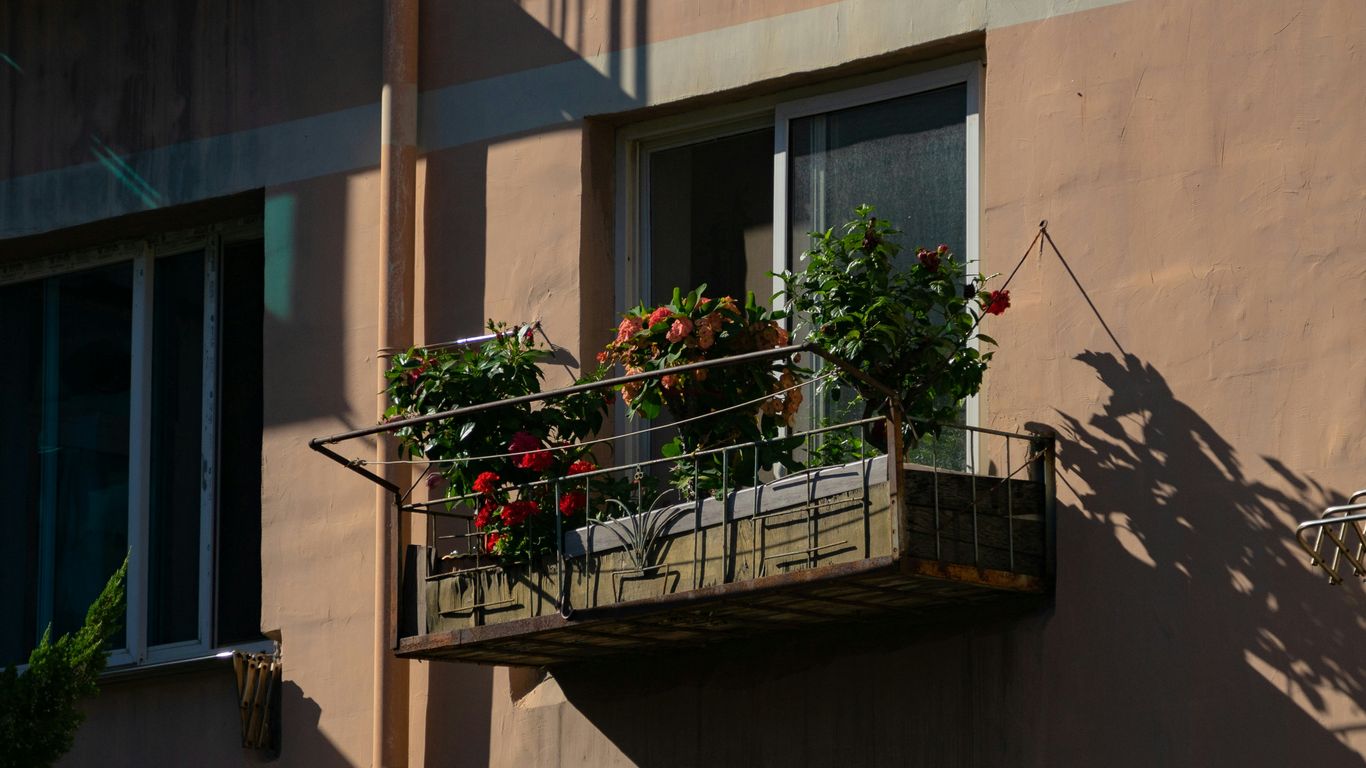
When we first started thinking about container gardening, we figured any old bucket would do. Turns out, the container itself is a pretty big deal for how well our plants will actually grow. It’s not just about looks; it’s about giving our veggies and herbs the best possible chance to thrive.
This is one of those things that sounds obvious, but we often underestimate it. Plants, especially the ones we want to harvest, need room for their roots to spread out. A tiny pot might seem fine for a little seedling, but that plant will quickly outgrow it, leading to stunted growth and fewer veggies. When in doubt, always grab a container that’s larger than you think you’ll need. We learned this the hard way with our first attempt at growing tomatoes; they were constantly thirsty and never produced as much as we hoped. A good rule of thumb is to aim for at least a 5-gallon container for most fruiting plants like tomatoes, peppers, and cucumbers. For leafy greens and herbs, you can get away with slightly smaller pots, but bigger is still generally better for moisture retention and root health.
This is non-negotiable. If your container doesn’t have holes at the bottom, your plants are in trouble. Water needs a way to escape, otherwise, the soil stays too wet, and the roots can rot. We’ve all heard of root rot, and trust us, it’s not pretty. It suffocates the roots and can kill your plant pretty quickly. Most store-bought pots come with drainage holes, but if you’re repurposing something, make sure to drill some yourself. We like to check that the holes are big enough to let water out but not so big that all the soil falls through.
We’ll admit, we were a bit skeptical about these at first. They seemed like a gimmick. But after a particularly hot summer where we struggled to keep up with watering, we decided to give a self-watering planter a try. Honestly? It’s been a game-changer. These containers have a water reservoir at the bottom that wicks moisture up to the soil as the plant needs it. This means more consistent watering, less stress for the plants (and for us!), and often, better yields. They’re especially great if you tend to forget to water or if you live in a really hot climate. It takes a lot of the guesswork out of watering, which is a huge plus for busy gardeners.
Here’s a quick look at container sizes and what they’re good for:
| Container Size | Best For |
|---|---|
| Under 2 gallons | Herbs (basil, chives, thyme) |
| 2–3 gallons | Leafy greens (lettuce, spinach, arugula) |
| 5+ gallons | Fruiting plants (tomatoes, peppers, cucumbers, squash) |
Choosing the right container is like picking the perfect home for your plants. It needs to be spacious enough, have good ventilation (thanks to drainage!), and ideally, make watering a bit easier. Don’t skimp on this step; it really does make a difference in how much you’ll harvest later on.
Alright, let’s talk about the good stuff – the veggies we can actually grow in pots and get a decent harvest from. It’s pretty amazing what you can pull off with just a few containers on a balcony or patio. We’re not talking about trying to grow a giant pumpkin here, but plenty of delicious things are totally doable.
If you want to see results fast, leafy greens are your best bet. They grow quickly and you can often harvest outer leaves while the plant keeps producing. This means you get to eat your gardening efforts sooner rather than later.
Remember, for most leafy greens, consistent moisture is key. They don’t like drying out completely, or they can get bitter.
These are the plants that give us those satisfying, colorful fruits. They generally need more sun and a bit more space, but the payoff is huge. Think tomatoes, peppers, and beans.
The key with fruiting plants is consistent watering and plenty of sunshine. They need that energy to produce those delicious fruits.
Don’t count out root veggies! While you might think they need deep garden beds, many smaller varieties are surprisingly happy in containers. The trick is to use a pot that’s deep enough for the roots to develop.
| Vegetable | Recommended Pot Depth | Notes |
|---|---|---|
| Carrots (short varieties) | 8-12 inches | Use loose, sandy potting mix. |
| Radishes | 6-8 inches | Very fast harvest. |
| Beets | 8-10 inches | Harvest greens too! |
It’s really satisfying to pull up your own carrots or beets from a pot. Give these a try, and you might be surprised at how much you can grow!
We often think of vegetables when we talk about container gardening, but let’s not forget about herbs! These little powerhouses add so much flavor to our cooking and can really make a container garden feel complete. Plus, many of them are super easy to grow, even if you’ve never gardened before.
If you’re just starting out, we recommend picking herbs that are known for being tough and forgiving. These are the ones that will give you a confidence boost and plenty of fresh ingredients without too much fuss.
Beyond just adding flavor to our meals, herbs can also be great buddies for our vegetables. This practice, called companion planting, can help deter pests and even improve the growth of other plants. It’s like giving your garden a little team of helpers!
Some herbs, like basil, are thought to repel certain insects that might bother your tomatoes or peppers. Others, like rosemary, can help mask the scent of your vegetables from pests.
Here are a few ideas for pairing herbs with veggies:
When we’re gardening in pots, the soil we use and how we feed our plants are super important. It’s not quite the same as planting in the ground, so we have to be a bit more intentional.
First off, let’s talk about soil. We’ve learned that using regular garden soil in our containers is a big no-no. It tends to get really compacted, which is bad for drainage and air flow. Think about it: roots need to breathe! Plus, garden soil can bring in pests or diseases we really don’t want in our pots. Instead, we always reach for a good quality potting mix. This stuff is specially made for containers. It’s usually a blend of things like peat moss, compost, perlite, and vermiculite. This combination gives us the drainage we need, keeps things airy for the roots, and provides a nice, light home for our plants.
Potting mix is designed to drain well and provide aeration, which is exactly what container plants need to avoid soggy roots and stay healthy.
Now, about feeding. Plants in pots use up the nutrients in the soil pretty quickly, and since water drains out, some of those nutrients get washed away too. So, we can’t just plant them and forget about feeding. We need a plan!
Here’s a quick look at what we aim for:
| Nutrient | Why It Matters |
|---|---|
| Nitrogen (N) | Leafy green growth |
| Phosphorus (P) | Root and flower development |
| Potassium (K) | Overall plant health |
Getting the soil and feeding right is really the backbone of a successful container garden. It makes a huge difference in how much we can harvest!
Getting the sunlight and water just right for our container plants can feel like a balancing act, but it’s super important for getting the most veggies and herbs possible. Let’s break it down.
Most vegetables we want to grow in pots, like tomatoes, peppers, and cucumbers, are sun-worshippers. They really need at least 8 hours of direct sunlight each day to produce well. Leafy greens, like lettuce and spinach, are a bit more chill and can do fine with 4 to 6 hours. Root veggies, such as carrots and radishes, generally need about 6 hours. It’s a good idea to actually watch your space throughout the day. See where the sun hits and for how long. Apps can help, but just observing works too. Remember, containers can get hot, especially dark ones or those on pavement. In really hot climates, we might need to move them to a spot with some afternoon shade to protect the roots.
This is where a lot of us get tripped up. Containers dry out way faster than garden beds, especially when it’s hot or windy. Consistent watering is key to healthy, productive plants. Too much or too little can really mess things up.
Here’s our game plan for watering:
Containers don’t have a big reserve of soil to hold moisture like in-ground gardens. We’re responsible for providing everything, including the right amount of water. Overwatering can drown the roots by cutting off oxygen, while underwatering stresses the plant, leading to fewer flowers and fruits.
If you’re really worried about watering consistently, especially during busy times or vacations, a self-watering container is a fantastic option. They have a built-in reservoir that keeps the soil moist, taking a lot of the guesswork out of the equation.
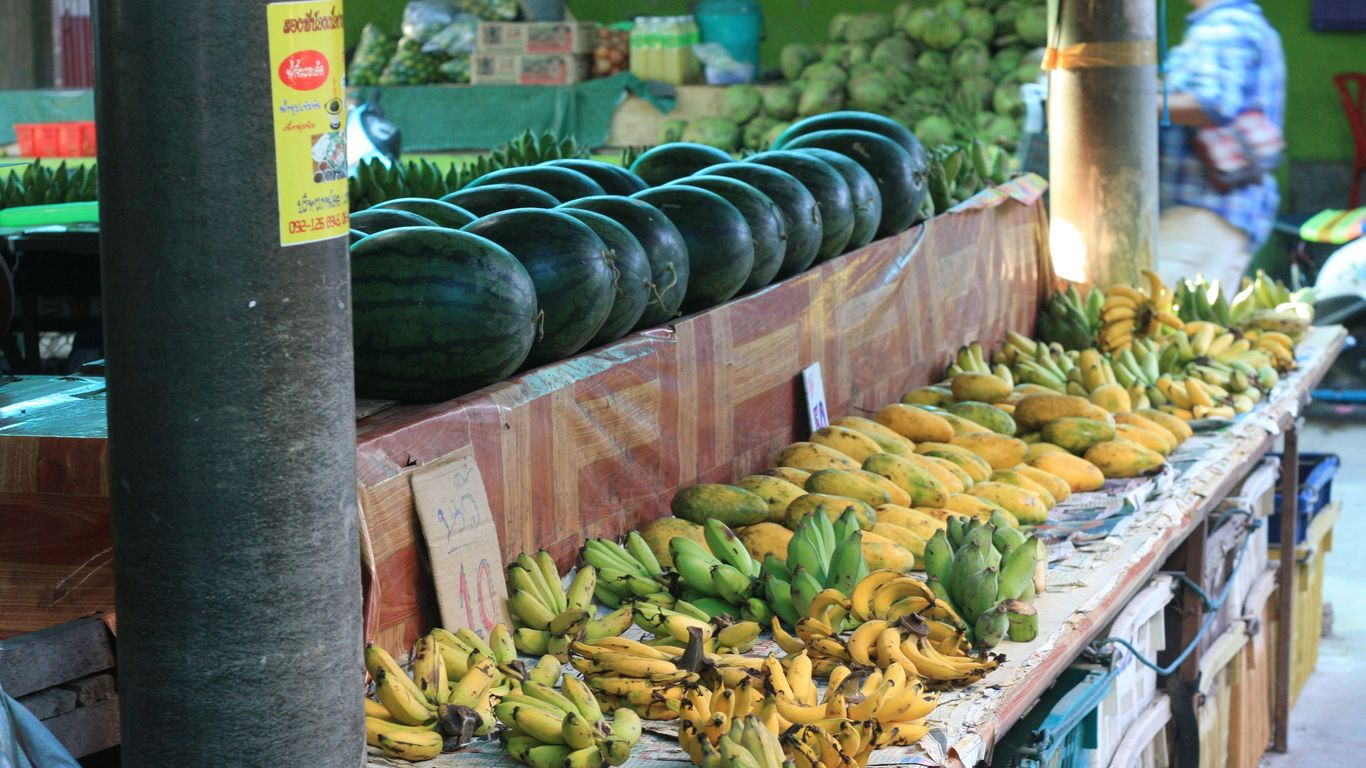
So, we’ve picked our pots, chosen our plants, and got the soil just right. Now, how do we make sure we get as much yummy food as possible out of our little container gardens? It’s all about smart planning and a bit of continuous effort. We don’t want to just plant once and hope for the best; we want a steady stream of goodies all season long!
This is one of our favorite tricks for a never-ending harvest. Succession planting simply means planting crops in stages, rather than all at once. Think of it like a relay race for your veggies. As soon as one crop finishes up, another one is ready to take its place. This is especially great for things that grow quickly, like lettuce or radishes.
Here’s how we do it:
The goal is to always have something growing and something ready to pick.
Not all plants are created equal when it comes to container gardening. Some varieties are bred specifically to be more compact, produce more fruit in a smaller space, or mature faster. We always look for terms like ‘bush’, ‘dwarf’, ‘patio’, or ‘container’ on the seed packets or plant tags.
For example, instead of a sprawling indeterminate tomato vine, we’d opt for a ‘determinate’ or ‘bush’ variety that stays more manageable. The same goes for cucumbers – look for ‘bush’ or ‘patio’ types that don’t vine endlessly. Even root vegetables can be grown in pots! We’ve had great luck with ‘short’ or ’round’ carrot varieties like ‘Thumbelina’ or ‘Parisian Market’, and small beet varieties.
When selecting plants, always check the mature size. A plant that looks small in the nursery pot can grow quite large. Reading the plant tag or seed packet description will save you a lot of guesswork and potential overcrowding issues later on.
So there you have it! We’ve covered a bunch of great veggies that do really well in pots, from quick-growing greens to satisfying tomatoes. It’s pretty amazing what we can grow right on our patios or balconies. Don’t be afraid to start small, maybe with just a few pots of your favorites. We’ve learned that the right pot size and good soil make a huge difference. Plus, giving them enough sun and water is key. We hope this gets you excited to get your hands dirty and start your own container garden. Happy growing, everyone!
We find that bigger pots give plants more room for their roots to grow. This means they can take up more water and nutrients, which helps them grow bigger and stronger. Plus, larger pots don’t dry out as quickly, so we don’t have to water as often.
We should definitely use a potting mix made specifically for containers. Garden soil is too heavy and can get packed down, making it hard for roots to get air and water. Potting mix is lighter and has things like perlite or vermiculite to help with drainage and air flow.
Most of the vegetables we want to grow in containers need at least 6 to 8 hours of direct sunlight each day. We should try to find the sunniest spots on our patio or balcony for our plants.
For beginners, we often recommend leafy greens like lettuce and spinach because they grow fast and we can harvest them multiple times. Bush beans and radishes are also good choices that give us a quick reward for our efforts.
Yes, we absolutely can! We just need to pick shorter varieties of carrots, like ‘Paris Market’, and make sure our pots are deep enough. Beets are another great root vegetable that does surprisingly well in containers.
We can use a technique called succession planting. This means planting new seeds or seedlings every few weeks. That way, as one crop finishes, another is ready to harvest, giving us a continuous supply of fresh veggies.
 March 7, 2026
High-Output Crops Perfect for Micro Homesteads
Gardening
Homestead Planning
Homesteading
Starting a Homestead
March 7, 2026
High-Output Crops Perfect for Micro Homesteads
Gardening
Homestead Planning
Homesteading
Starting a Homestead
Thinking about growing your own food but only have a little space? We get it. Many of us are looking for ways to be more self-sufficient, even if we don't have acres to work with. The good news is, you...
Read More March 5, 2026
How to Grow a Medicinal Herb Garden for Beginners
Gardening
Homesteading
Natural Fertilizers
Sustainable Living
March 5, 2026
How to Grow a Medicinal Herb Garden for Beginners
Gardening
Homesteading
Natural Fertilizers
Sustainable Living
We're excited to share how we got started with our own medicinal herb garden. It felt a bit overwhelming at first, but we learned that taking it step-by-step makes it totally doable. Growing our own healing plants has been so...
Read MoreWe love the charm and character that a hobby farm look brings to our outdoor spaces. It feels so welcoming and down-to-earth. If you're looking to capture that same vibe on your own property, we've gathered some simple and pretty...
Read More