


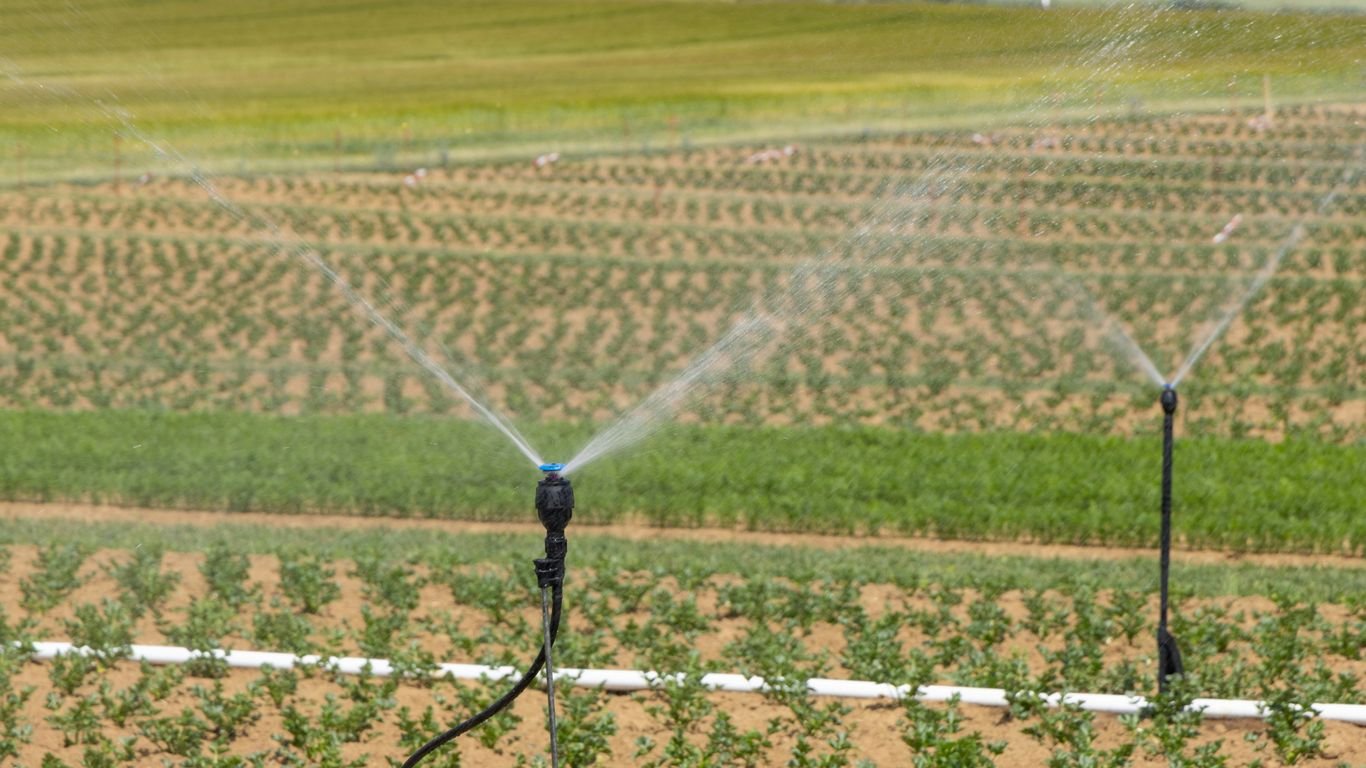
We all want our gardens to thrive, but sometimes keeping up with watering can feel like a chore, right? Between busy schedules and unpredictable weather, our plants can get stressed. That’s where a diy drip irrigation system comes in handy. It’s a simple way to make sure your plants get the water they need, right at the roots, without a lot of fuss. Plus, we can build one without spending a fortune.
Before we start grabbing parts and building, we need to figure out what our garden actually needs. It’s not a one-size-fits-all situation, you know? Thinking this through now will save us a lot of headaches and wasted water later on.
First things first, let’s get a picture of your garden space. Grab a piece of paper and sketch it out. Where are your plants? Are they in neat rows, or are they scattered around? Note down any existing structures, pathways, or anything else that might get in the way of laying down tubing. This map will be our guide for figuring out where the water needs to go. We want to make sure every plant gets a drink without us having to drag hoses all over the place.
Different plants have different thirst levels. Tomatoes, for example, are drama queens and need consistent moisture, while succulents might prefer to dry out a bit between waterings. Think about what you’re growing. Are they thirsty veggies, thirsty flowers, or a mix? Knowing this helps us choose the right kind of emitters and how often we’ll need to run the system. We can group plants with similar water needs together if possible.
Soil plays a big role in how water moves. Sandy soil drains fast, so we might need more frequent, shorter watering sessions. Clay soil holds water longer, meaning we can water less often but for a bit longer. Also, think about microclimates in your yard. Is one area always hotter and drier because it gets full sun all day? Does another spot stay damp longer due to shade? We need to account for these little differences to make sure we’re not over or under-watering any section of the garden.
A little bit of planning upfront can save us a lot of time and trouble down the road. It’s like packing for a trip – you don’t want to forget the essentials!
Here’s a quick way to think about plant needs:
Remember, this is just a general guide. Observing your plants is key. If they look droopy, they’re probably thirsty. If the soil stays soggy for days, they might be getting too much.
Alright, let’s talk about what you’ll actually need to get this drip irrigation thing going. It might seem like a lot at first, but most of these parts are pretty standard and you can find them at your local hardware store or even online. We’re aiming to keep this under $20, so we’ll focus on the basics.
This is the backbone of your system. You’ll need some flexible tubing to carry the water. For most DIY setups, a 1/2-inch diameter polyethylene tubing works great. Think of this as your main water highway. You’ll also need connectors to join pieces of tubing, make turns, or split off to different areas. Common connectors include elbows for 90-degree turns and tees for splitting the line. Don’t forget end caps to seal off the ends of your tubing runs. We’ll also need a way to connect your system to your main water source, usually a female hose adapter.
Emitters are the little guys that actually deliver the water to your plants. They come in a few different types, but for a simple system, we’re probably looking at drip emitters. These can be inserted directly into the main tubing or attached to smaller, 1/4-inch tubing that runs to individual plants. The key thing here is the flow rate, usually measured in gallons per hour (GPH). You’ll want to match this to your plants’ needs and your soil type. Some emitters just drip, while others have a spray pattern. For under $20, we’re likely sticking with simple, low-flow emitters.
While we’re trying to keep costs down, there are a few things that can make your life a lot easier. A simple filter can prevent debris from clogging your emitters, which is a common headache. A pressure regulator is also a good idea if your water pressure is high, as it can blow out cheaper systems. If you want to automate things, a basic timer is a game-changer, though it might push us over our $20 budget. Goof plugs are handy for sealing up any holes you accidentally make or decide not to use. And for securing the tubing, some simple stakes or hold-downs will keep everything in place, especially if you have windy conditions.
We’re focusing on getting the core system built first. Fancy add-ons can always come later if you find you really like the convenience of drip irrigation.
This method is pretty neat because it uses gravity to do all the work. It’s like a science project, but for your garden! We’re going to use a big container to hold our water and let gravity do the watering for us. It’s a straightforward way to get water right where your plants need it without much fuss.
First things first, we need a water reservoir. A sturdy plastic storage bin works great for this. You’ll want one that’s big enough to hold a decent amount of water, depending on how much your plants need. The modification is simple: we just need to make a small hole near the bottom of the bin. This is where our main water line will connect. Make sure the hole is just big enough for your tubing to fit snugly. If it’s a bit loose, don’t worry, we’ll seal it up later.
Now, let’s get the water flowing. We’ll use some flexible tubing, usually a quarter-inch size works well. Push one end of the tubing through the hole you made in the storage bin. It’s really important to get a good seal here to prevent leaks. A bit of silicone caulk around the tubing on both the inside and outside of the bin should do the trick. Let it dry completely. Once that’s secure, run the tubing out to your plants. At the end of the tubing, we’ll attach a dripper or emitter. These little things control how much water comes out. For a gravity system, you’ll want emitters that release water slowly, maybe around half a gallon per hour (0.5 GPH). You can connect multiple tubes from the same bin if you have a few plants close by.
This is the key part of a gravity-fed system: elevation. The higher the water bin is placed, the more pressure we’ll have to push the water through the tubes. You can set your bin on a sturdy stand, some stacked bricks, or even a small table. Just make sure it’s stable and won’t tip over. The goal is to have the water source higher than the plants you’re watering. This difference in height is what makes the water flow downwards through the tubing and out of the drippers right to the plant roots. It’s a simple but effective way to water your garden consistently.
Sometimes, the simplest solutions are the best, and that’s definitely true when we talk about turning a regular garden hose into a DIY soaker hose. This method is fantastic for getting water right where your plants need it, along the ground, without a lot of fuss. It’s a great way to water rows of plants or even a whole garden bed.
To start, grab a standard garden hose. The key here is to make the hose weep water instead of spraying it. We’re aiming for a gentle, consistent moisture right at the soil level. This approach saves water and helps prevent fungal issues that can come from wetting plant leaves.
Now for the fun part: making holes! You’ll want a drill with a small bit, something like a 1/16th or 1/8th inch bit works well. The size of the hole will affect how much water comes out, so you might want to experiment a little. We’re going to drill holes along one side of the hose, the side that will face down towards your plants. Space the holes out evenly. A good starting point is every 6 to 12 inches, but you can adjust this based on your plant spacing and soil type. If you have really dense planting, you might want holes closer together.
Here’s a quick guide for hole spacing:
Once you’ve drilled your holes, you need to cap off the end of the hose that won’t be connected to the water source. A simple hose end cap will do the trick. Then, connect the other end of the hose to your outdoor faucet. When you turn on the water, it should now trickle out of the holes you drilled. Remember to turn the water on slowly. You don’t want a jet stream; you want a gentle seep. You might need to play with the faucet pressure a bit to get the right flow. If you find water is still coming out too fast, you can try adding more holes or using a slightly smaller drill bit next time. If it’s not coming out enough, you might need larger holes or more pressure. It’s all about finding that sweet spot for your garden.
This DIY soaker hose is a budget-friendly way to deliver water directly to your plants’ root zones. It’s simple to set up and can be moved around your garden as needed. Just remember to check it periodically to make sure it’s working as expected and to adjust the water flow if necessary.
Alright, let’s talk about building a drip line using PVC pipe. This method is pretty solid if you’ve got rows of plants, like in a vegetable garden. It’s a bit more involved than the other methods, but it’s super durable and can last for years.
First things first, we need a main line to carry the water. We’ll use 3/4" PVC pipe for this. Figure out where your garden beds are and plan where this main line will run. You’ll connect your garden hose to one end of this line using a female hose connector. We’re going to use PVC glue to connect pieces, but hold off on gluing the very end caps for now – we’ll get to that.
Now, for the rows. We’ll use 1/2" PVC pipe for these. You’ll need to cut your 3/4" main line where you want each row to start. At these spots, we’ll glue in a T-connector. From that T-connector, we’ll attach a short piece of 1/2" pipe, and then a ball valve. This valve is handy because it lets you turn the water on and off for each individual row. Make sure the valve handle is easy to reach, usually pointing upwards.
This is where the "drip" part really happens. Take your 1/2" row pipes and cut them to the length of your rows. Now, you need to drill small holes along these pipes. A 1/16" drill bit works well. Space these holes out based on how far apart your plants are in each row. After drilling, attach these row pipes to the ball valves. Finally, put an end cap on the very end of each 1/2" row pipe and a 3/4" end cap on the end of your main line. Remember, don’t glue these end caps! This way, you can easily flush out any gunk that might build up over time. It’s a good idea to flush the system before you put the end caps on permanently, just to clear out any debris from the building process.
Building with PVC gives you a sturdy system that can handle a good amount of water pressure. It’s a bit more work upfront, but it’s a reliable way to get water right where your plants need it, row after row.
Water pressure is a big deal for drip systems. Too much, and you risk blowing out your emitters or tubing. Too little, and you won’t get enough water where it needs to go. Most drip systems work best with low pressure, usually between 10 and 30 PSI. If your home’s water pressure is higher than that, you’ll definitely want to add a pressure regulator. You can find these at any hardware store, and they’re pretty simple to install. Just screw it in after your main water source connection.
Knowing how much water each emitter puts out is key to watering your plants just right. Emitters are rated in gallons per hour (GPH). You can usually find this info on the packaging or the emitter itself. Different plants have different needs, and so does your soil. Sandy soil drains fast, so you might need emitters with a higher GPH or more emitters per plant. Clay soil holds water longer, so you’ll want lower GPH emitters.
Here’s a quick look at typical emitter flow rates:
| Emitter Type | Flow Rate (GPH) |
|---|---|
| Micro-sprayer | 10-30 GPH |
| Drip Emitter | 0.5-2 GPH |
| Soaker Hose | Varies (trickle) |
To figure out how long to run your system, you can do a little math. Let’s say you have a plant that needs 1 gallon of water, and your emitter puts out 1 GPH. You’ll need to run the system for 1 hour to deliver that gallon. If you have 5 plants, each needing 1 gallon, and you use 5 emitters, you’d still run it for 1 hour. But if you only have one emitter for those 5 plants (which isn’t ideal!), it would take 5 hours. It’s usually better to have multiple, lower-flow emitters per plant or area.
To keep your DIY drip system running smoothly for seasons to come, a little regular care goes a long way. We like to flush the lines every so often, especially at the beginning and end of the growing season. Just disconnect the end caps and let any gunk flow out. Checking your emitters for clogs is also a good idea. Sometimes, mineral buildup or tiny bits of debris can block them. If an emitter isn’t dripping, try gently cleaning it or replacing it. Using a filter right after your water source is also a smart move to catch debris before it gets into your tubing. And don’t forget to cover your tubing with mulch or soil; this protects it from the sun, which can make plastic brittle over time.
So there you have it! We’ve shown you how to build a working drip irrigation system without breaking the bank. It might not look fancy, but it gets the job done, keeping our plants happy and hydrated. We hope this guide makes watering your garden a lot less of a chore and frees up your time for other things. Happy gardening, everyone!
Building our own drip irrigation system can save us a lot of money compared to buying a pre-made one. Plus, it’s a great way to make sure our plants get the right amount of water without us having to constantly water them by hand. It’s a win-win for our garden and our wallet!
For a super simple start, we can try a gravity-fed system. This usually involves using a large container like a storage bin, poking a hole in it for tubing, and letting gravity do the work of slowly dripping water to our plants. It’s like a gentle rain for our garden!
Yes, we absolutely can! We can turn a regular hose into a ‘soaker hose’ by drilling small holes along its length. Then, we just need to cap the end and connect it to our water source. It’s a straightforward way to get water right where our plants need it.
We’ll need some main parts like flexible tubing, connectors, and emitters, which are the little pieces that let the water drip out. We might also want a filter to keep things clean and a pressure reducer because drip systems work best with low water pressure. Lots of these parts snap together easily.
Figuring out water needs involves looking at a few things. We should think about our soil type, how big our plants are, and even the little weather patterns in our garden. The emitters we choose have ratings (like gallons per hour) that help us control how much water goes to each plant.
That really depends on our plants and the weather. We might need to water more when it’s hot and dry, and less when it’s cool or rainy. A good starting point is to check the soil moisture. If it feels dry a few inches down, it’s probably time to water. We can also use a timer to help manage watering times.
 March 4, 2026
How to Start a Seed Bank at Home
Gardening
Homesteading
Starting a Homestead
Sustainable Living
March 4, 2026
How to Start a Seed Bank at Home
Gardening
Homesteading
Starting a Homestead
Sustainable Living
Starting a seed bank at home might sound like something only hardcore gardeners do, but honestly, it’s a lot simpler than it seems. We realized that saving seeds from our favorite plants not only saves money, but it helps us...
Read More March 4, 2026
How to Grow Enough Food While Working Full Time
Gardening
Homestead Planning
Homesteading
Sustainable Living
March 4, 2026
How to Grow Enough Food While Working Full Time
Gardening
Homestead Planning
Homesteading
Sustainable Living
Trying to grow enough food while working full time can feel like a tall order. Most of us don’t have hours to spend in the garden every day, and space is usually tight. But with some simple planning and a...
Read More March 1, 2026
How to Build a No-Weed Garden Bed in One Weekend
Gardening
March 1, 2026
How to Build a No-Weed Garden Bed in One Weekend
Gardening
We've all been there, staring at a garden bed that's just overrun with weeds. It feels like a losing battle, doesn't it? This year, we decided to try a different approach, aiming to build a no-weed garden bed in just...
Read More