


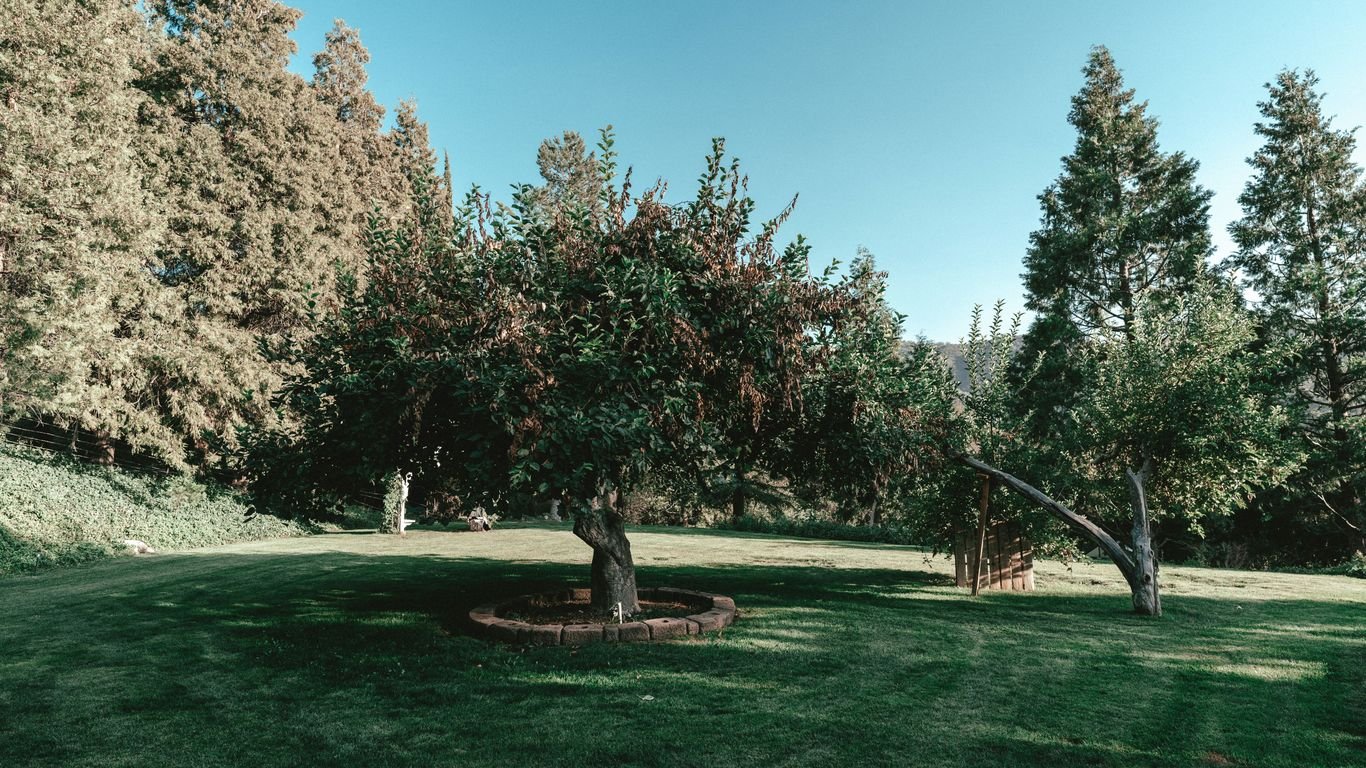
We’ve always dreamed of having a backyard full of fruit, but our space is pretty limited. It turns out, you don’t need acres to grow your own apples, pears, or even cherries. We’ve been looking into how to create a backyard mini orchard, even in a small yard or on a patio. It’s all about picking the right trees and using clever planting methods. We’re excited to share what we’ve learned about turning our little patch of green into a productive fruit haven.
So, you want to grow your own fruit but don’t have acres to play with? We get it. Turning a small backyard into a mini orchard is totally doable, but the first step is picking the right trees. It’s not just about grabbing any old apple tree from the garden center.
When space is tight, we need to think small, but with big fruit potential. That’s where dwarf and columnar trees come in. Dwarf trees are basically regular fruit trees that have been grafted onto special rootstock. This keeps them much smaller, usually topping out at around 6-10 feet, making them perfect for our mini orchards. Columnar trees are even more unique; they grow straight up with very little branching, almost like a living exclamation point. They take up hardly any horizontal space and often produce fruit right along the trunk. These specialized varieties are key to making a mini orchard work.
Don’t have any ground space at all? No problem! Many fruit trees, especially dwarf varieties, do wonderfully in containers. This means your patio, deck, or even a sunny balcony can become your orchard. When choosing trees for pots, look for varieties that are known to do well in containers. Figs, citrus (if you’re in the right climate), and many apples and peaches are good candidates. Just remember, container-grown trees will need more attention when it comes to watering and feeding since their roots don’t have access to the vastness of the earth.
What if you want a few different kinds of fruit but only have space for one tree? Enter the ‘family’ tree, also known as a multi-graft tree. These are trees where several different varieties of the same fruit (like apples or cherries) have been grafted onto a single rootstock. This means you can get, say, three different types of apples from one plant! It’s a neat way to get variety and also ensure you have pollination partners right there. However, a little heads-up: sometimes one variety on a family tree tends to be a bit of a bully, growing faster and taking over. So, it’s worth doing a little research on which combinations work best.
Picking the right trees is like choosing the right ingredients for a recipe. Get it right, and everything else falls into place much more easily. Think about the space you have, how much sun you get, and what kind of fruit you actually like to eat!
So, we’ve picked out our trees, and now it’s time to figure out where they’re all going to live. This is where we get to be a bit creative and make our mini orchard fit right into our existing yard. Forget the idea of a big, open field; we’re working with what we’ve got, and that’s perfectly fine.
Think about those blank walls or fences we have. Instead of just letting them be, we can train fruit trees against them. This technique, called espalier, is a fantastic way to save space. We can create living fences that look amazing and give us fruit. Apples and pears are great for this, especially the spur-bearing types. We can also train plums, peaches, and cherries this way. It’s like turning a plain boundary into a productive piece of art. This method really maximizes the use of garden boundaries.
If we want to divide up our yard or create a bit of privacy, cordon trees are a neat option. These are trees trained to grow upright along a single stem, often supported by wires. We can plant a row of them to act as a living screen, separating a seating area from a vegetable patch, for example. They don’t take up much room width-wise, making them ideal for tight spots. We can even get ‘step-over’ cordons that are only about knee-high, perfect for marking out paths or borders.
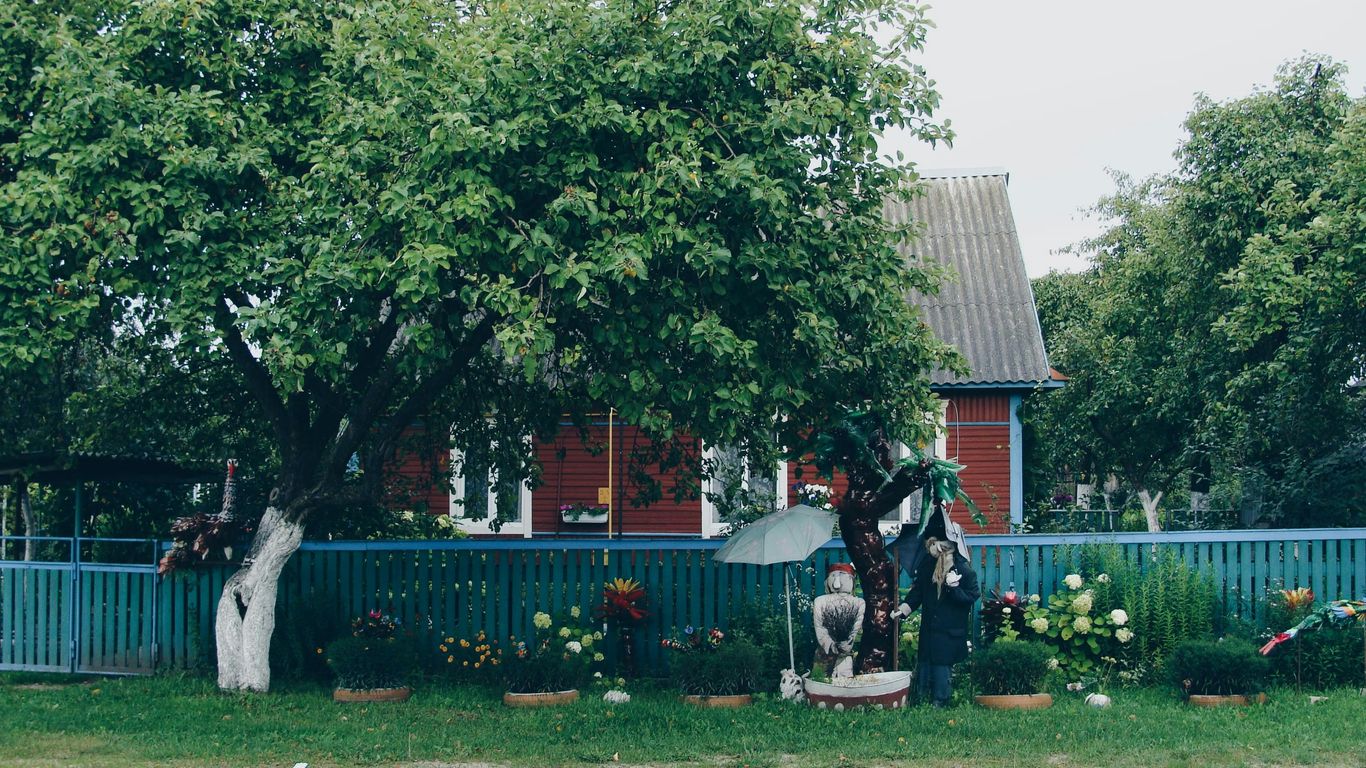
We don’t have to dedicate a whole section of the yard just to fruit trees. We can weave them into what we already have. Maybe there’s a sunny corner of a flower bed that could use a dwarf apple tree as a focal point. Or perhaps we can replace a section of lawn with a few fruit trees. Even bushes like gooseberries can be trained against a wall. The goal is to make the fruit plants part of the overall garden design, so it looks intentional and beautiful, not just crammed in. It’s all about making our yard work harder for us, giving us both beauty and bounty.
Alright, so we’ve picked out our trees, and now it’s time to get them settled into their new homes. This part is pretty straightforward, but doing it right makes a big difference for how well your trees grow and produce fruit.
First things first, fruit trees are sun-worshippers. They really need a good dose of sunshine to produce sweet, tasty fruit. We’re talking at least six to eight hours of direct sunlight per day, if possible. If you’ve got a spot that gets full sun for most of the day, that’s your prime real estate. Think about south-facing walls or open areas in your yard that don’t get shaded by bigger trees or buildings. Even if you’re planting in containers, which gives us flexibility, that sunny spot is still key. We also want to consider wind protection; strong winds can damage young trees, so a slightly sheltered spot is a bonus.
When we’re potting up our mini orchard trees, the container size and type matter. For most dwarf or columnar varieties, starting with a pot that’s around 15-20 gallons is a good bet. You don’t want to go too big too soon, as that can lead to waterlogged soil, which is a no-no for fruit trees. Make sure the pot has plenty of drainage holes – this is super important to prevent root rot. We’ll use a good quality potting mix, not just garden soil, as it drains better and provides the right aeration for the roots. Gently remove the tree from its nursery pot, loosen up any circling roots, and place it in the new pot so the top of the root ball is about an inch or two below the rim. Fill in around the roots with your potting mix, firming it gently to remove air pockets. Water it thoroughly after planting.
Even though we’re aiming for a mini orchard, spacing is still something we need to think about, especially if we’re planting multiple trees close together or using techniques like ultra high-density planting. If you’re planting trees in the ground, even dwarf varieties, give them a bit of breathing room. A general rule of thumb for dwarf trees is about 8-10 feet apart. For columnar trees, you can plant them closer, maybe 2-3 feet apart, as they grow upwards rather than outwards. If you’re planting several trees in a single large container or raised bed, make sure they have enough space for their roots to spread without becoming too crowded. We don’t want them competing too much for water and nutrients right from the start.
Planting is just the beginning; it sets the stage for everything that follows. Taking a little extra time now to get the location and potting right will save us a lot of headaches and help our trees thrive for years to come.
Keeping our little fruit trees happy and productive means we need to pay them a bit of extra attention. Since we’re growing them in a compact space, they can’t just do their own thing like trees in a big field. We’ve got to be a bit more hands-on.
Pruning is probably the most important job we’ll do to keep our mini orchard manageable. Unlike traditional orchards where trees are pruned in winter to encourage growth, we’ll be doing most of our pruning in the summer. This helps restrict growth, which is exactly what we want in a small space. It also lets more sunlight reach the fruit, helping it ripen better, and encourages the tree to form more fruit buds for next year. Regular summer pruning is key to keeping our trees from getting too big. We’ll focus on removing any branches that are growing inwards or crossing, and shortening any that are getting too long. It might feel a bit drastic at first, but it’s for their own good (and ours!).
Our trees in pots are going to need more frequent watering than those in the ground. The soil in containers dries out much faster, especially when it’s hot. We need to check the soil moisture regularly – sticking a finger in about an inch deep is a good way to tell. If it feels dry, it’s time to water. Drip irrigation systems can be a real lifesaver here, providing a steady, consistent supply of water. Feeding is also important. Container plants can’t access nutrients from a large area of soil, so we’ll need to give them a regular boost with a balanced liquid fertilizer during the growing season. We’ll follow the fertilizer instructions carefully, as too much can be as bad as too little.
Even in our small space, pests can find their way to our precious fruit. We’ll want to keep an eye out for common culprits like aphids, spider mites, and fruit flies. A good first line of defense is to keep the area clean – remove any fallen leaves or fruit that could harbor pests. We can also use natural methods like introducing beneficial insects (ladybugs love aphids!) or using insecticidal soaps if things get a bit out of hand. For birds, netting can be a simple solution to protect ripening fruit. A healthy tree is less susceptible to pests, so making sure our trees are well-watered, fed, and pruned will go a long way in keeping them strong and resilient.
Keeping a close watch on our trees is the best way to catch any problems early. A quick daily or every-other-day check can save us a lot of heartache later on. We’re looking for any unusual spots on leaves, signs of chewing, or wilting.
Here’s a quick rundown of what to look for:
So, we’ve picked our trees and figured out where they’ll live. Now, how do we get the most fruit out of them, especially when space is tight? It’s all about working smarter, not harder, with what we’ve got.
This is where we get a bit artistic with our fruit. Training trees flat against a wall or fence, a technique called espaliering, is a fantastic way to save space. We can also train them like a fan, spreading their branches out. This not only looks pretty cool but also helps the fruit get more sun and makes harvesting a breeze. Apples and pears are naturals for this, but plums, peaches, and cherries can also be trained this way. It keeps them contained and productive.
Think of columnar trees as living exclamation points in your garden. They grow straight up, with fruit developing right along the main stem. This means we can pack more trees into a small area without them getting in each other’s way. Imagine a little hedge of apple trees that takes up hardly any room but still gives us plenty of fruit. They’re perfect for narrow spots or as a striking feature.
We can also get our fruit trees to work together with other plants. Planting things like strawberries or certain herbs around the base of our fruit trees can be a smart move. Some plants can help deter pests, while others might attract beneficial insects. Plus, it makes the whole area look more lush and interesting. It’s like creating a little ecosystem where everything helps everything else out.
When we’re trying to get the most out of a small space, we have to think about how the trees grow and how we can guide them. It’s not just about planting and hoping for the best; it’s about actively shaping the trees to fit our needs and maximize their yield. This often means pruning at the right times and using structures to support their growth.
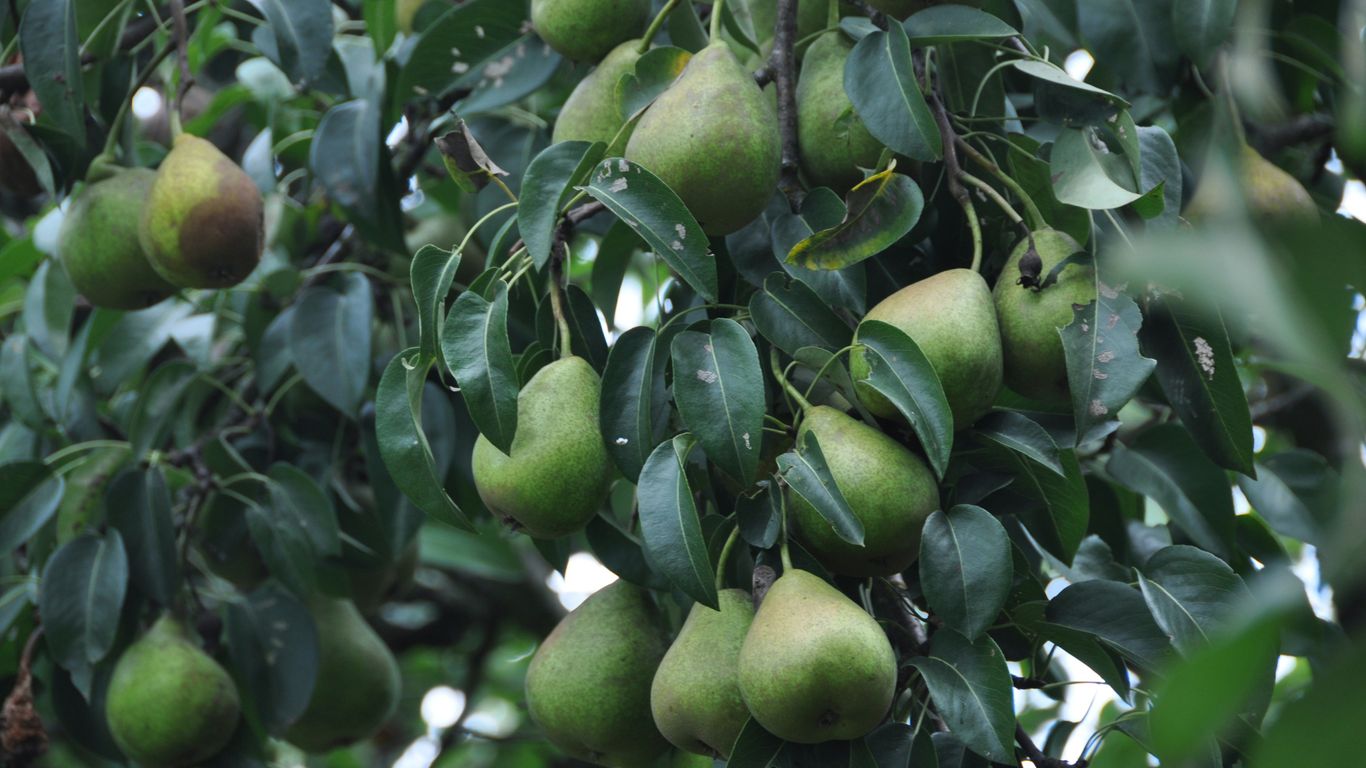
Nothing beats picking fruit that we’ve grown ourselves and bringing it into the kitchen. Homegrown fruit just tastes different—I think we can all agree on that. We put in the effort, kept a close eye on everything, and now, finally, we get to enjoy the results.
We don’t want the fun to end after just one picking. Whether it’s apples, plums, or pears, there are simple ways we can make the harvest last:
Some of us also enjoy experimenting with recipes. A batch of oven-dried fruit or a thick apple butter can stretch out the excitement. Plus, there’s something pretty special about gifting homemade preserves.
Sometimes we’re surprised by how long fruit hangs on the tree, especially with varieties like persimmons—waiting it out truly pays off, and watching the color deepen every morning is half the fun.
After the main harvest, there’s no reason the orchard stops being a favorite spot. Here’s what we like to do:
It becomes a space for unwinding, not just for working.
No orchard is perfect. Even after picking, we can run into things like underripe or damaged fruit. One key is learning the right moment to pick—
monitoring ripeness carefully makes all the difference, and we try not to rush it, but also not wait too long.
Some tips we’ve picked up:
Celebrating the harvest isn’t just about eating—it’s about building new routines with each season and enjoying what we’ve grown, one bite at a time.
So there you have it! Turning your backyard into a mini orchard might seem like a big project at first, but as we’ve seen, it’s totally doable, even if you don’t have acres of land. Whether you’re thinking about dwarf trees in pots on the patio, training fruit against a fence, or even tucking a few bushes into existing garden beds, there are so many ways to bring fresh fruit right to your doorstep. We hope this guide has given you the confidence and the ideas to start your own little fruit-filled haven. Happy planting, and even happier harvesting!
Dwarf fruit trees are smaller versions of regular fruit trees, often created by grafting. They stay a manageable size, usually no taller than 8-10 feet, making them perfect for small yards. Columnar trees are even more unique; they grow straight up like a column with fruit growing right along the trunk, taking up very little horizontal space. Both types are fantastic for fitting more fruit into a limited area.
Absolutely! Many fruit trees, including apples, peaches, and plums, do really well when planted in large containers. This is a great way to create an orchard on a patio, balcony, or deck. Just remember that trees in pots need a bit more attention when it comes to watering and feeding to keep them happy and productive.
Instead of planting trees in rows far apart, we can get creative! We can train fruit trees to grow flat against walls or fences, like espaliers or fans. Rows of ‘cordon’ trees, which grow upright with minimal branches, can even act as a living screen. We can also use smaller trees, like ‘step-over’ apple trees, to line paths or garden beds.
Some gardeners have had success planting trees quite close together, even 2-4 trees about 12-18 inches apart in the same hole. If we do this, it’s best to choose trees that grow on similar root systems so one doesn’t overpower the others. Careful pruning is super important to make sure the trees don’t get too crowded in the middle.
Trees naturally want to grow big! Pruning is how we keep them in check. For mini orchards, we often prune in the summer. This slows down growth, helps sunlight reach the fruit to ripen it better, and encourages the tree to produce more fruit buds for the next year. It’s key to maintaining the ‘mini’ size.
‘Family’ trees, also called multi-graft trees, have several different varieties of fruit grafted onto one trunk. This means you can get different kinds of apples, for example, from a single tree, and they are already close enough to pollinate each other. While it sounds neat, sometimes one variety grows much stronger than the others, so it’s something to consider.
We love the charm and character that a hobby farm look brings to our outdoor spaces. It feels so welcoming and down-to-earth. If you're looking to capture that same vibe on your own property, we've gathered some simple and pretty...
Read More March 4, 2026
How to Start a Seed Bank at Home
Gardening
Homesteading
Starting a Homestead
Sustainable Living
March 4, 2026
How to Start a Seed Bank at Home
Gardening
Homesteading
Starting a Homestead
Sustainable Living
Starting a seed bank at home might sound like something only hardcore gardeners do, but honestly, it’s a lot simpler than it seems. We realized that saving seeds from our favorite plants not only saves money, but it helps us...
Read More March 4, 2026
How to Grow Enough Food While Working Full Time
Gardening
Homestead Planning
Homesteading
Sustainable Living
March 4, 2026
How to Grow Enough Food While Working Full Time
Gardening
Homestead Planning
Homesteading
Sustainable Living
Trying to grow enough food while working full time can feel like a tall order. Most of us don’t have hours to spend in the garden every day, and space is usually tight. But with some simple planning and a...
Read More