


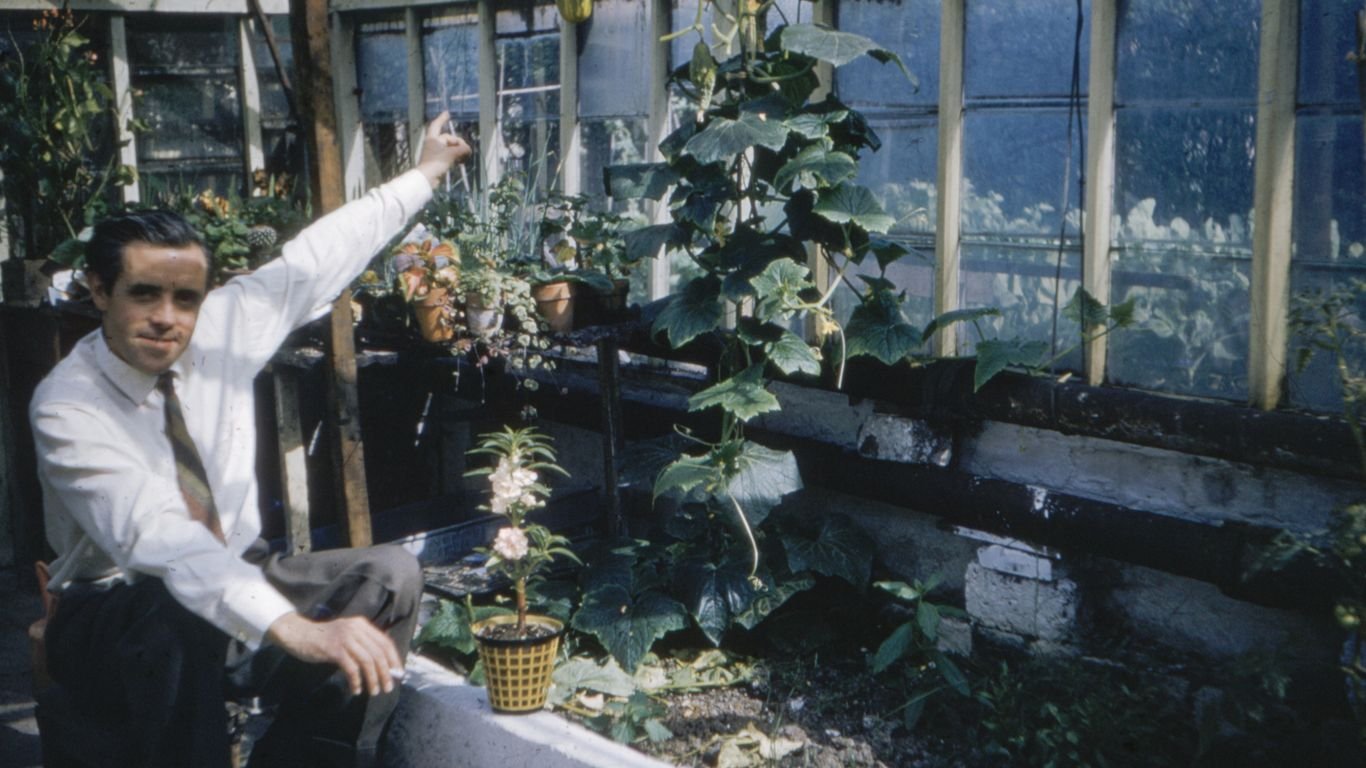
Winter gardening might sound like a contradiction, but we’ve found it’s totally possible to keep our homestead producing even when the temperatures drop. It turns out, a lot of plants actually like the cold, and with a little protection, we can extend our harvest season way longer than we ever thought. We’re talking about getting a head start on spring or even enjoying fresh greens right through the chilliest months. It’s all about choosing the right crops and giving them a bit of shelter.
So, winter’s here, and you might be thinking the gardening season is over. But hold on a minute! If you can still dig into the top few inches of your garden beds without too much trouble, your soil is what we call ‘workable.’ This means the deep freeze hasn’t completely set in yet, and we can still get some things done. It’s that sweet spot before the ground turns into solid ice, giving us a window to plant seeds that will either grow through the winter in milder climates or lie dormant, waiting for spring in colder areas.
Getting seeds into the ground now, even if they won’t sprout for months, is like giving yourself a head start on spring. Think of it as a little gardening magic happening underground. We can plant seeds for a whole bunch of cold-hardy veggies now, and they’ll be the first to pop up when the weather finally warms. This means you’ll be way ahead of the game compared to folks who wait until spring to even think about their gardens. It’s a great way to feel productive and connected to the garden even when it’s cold outside.
Here’s a list of some seeds and cloves you can get into workable soil right now:
These seeds will just chill out in the soil over winter, protected by the earth itself. No need to water them in; just let them rest.
There’s a special kind of satisfaction that comes from knowing you’ve already got your garden prepped for spring while everyone else is still dreaming about it. Planting these cold-hardy seeds now means that when spring finally arrives, you won’t be scrambling to get everything in the ground. Your little seedlings will be ready to go, giving you a jump on the growing season. It’s a smart move that pays off with earlier harvests and less stress. Plus, it keeps that gardening spirit alive all year round, which is a win-win in our book.
When we think about winter gardening, leafy greens often steal the spotlight, but let’s not forget the sturdy root vegetables that can keep our plates interesting even when the ground is frosty. These underground treasures have a unique way of sweetening up with a bit of cold, making them perfect for our winter harvests. We’re talking about crops that can handle a chill and keep on growing, especially when we give them a little protection.
Beets are surprisingly tough and actually benefit from cooler weather. The cold helps them develop a deeper, sweeter flavor, and it also encourages a slower, steadier growth that results in a better texture. Plus, we get a bonus with the greens! We can snip those tender beet greens for salads or sautéing while the roots mature underground. To get the best winter beet harvest, we should aim to plant them in late summer or early fall. This gives the roots time to develop before the really hard freezes set in. With a bit of mulch and maybe a row cover, we can keep the soil workable and the beets happy.
Carrots are another root crop that truly shines when kissed by frost. Just like beets, the cold weather converts some of their starches into sugars, making them taste incredibly sweet – almost like candy. We can sow carrot seeds in mid-to-late summer, and with a protective layer like a cold frame or even just a thick blanket of mulch, we can keep harvesting them well into winter. It’s amazing to pull a crisp, sweet carrot right out of the ground when everything else is dormant. We just need to make sure the soil doesn’t freeze solid, and a simple cover does the trick.
Radishes are the speedy champions of the cool-season garden. They grow fast, and many varieties can handle surprisingly cold temperatures. Planting them in the fall means we can enjoy their peppery bite throughout the cooler months. The key is to keep the soil from crusting over, which a floating row cover can easily manage. Cooler weather actually mellows out their sometimes-intense spice, making them more palatable and wonderfully crisp. They mature quickly, so we can get a harvest even with shorter winter days.
We’ve found that giving these root vegetables a little help, like a layer of mulch or a simple cover, makes all the difference. It keeps the soil from freezing solid, protects the plants from harsh winds, and allows them to continue their slow, sweet development. It’s not about growing a massive harvest, but about having fresh, flavorful produce available when we least expect it.
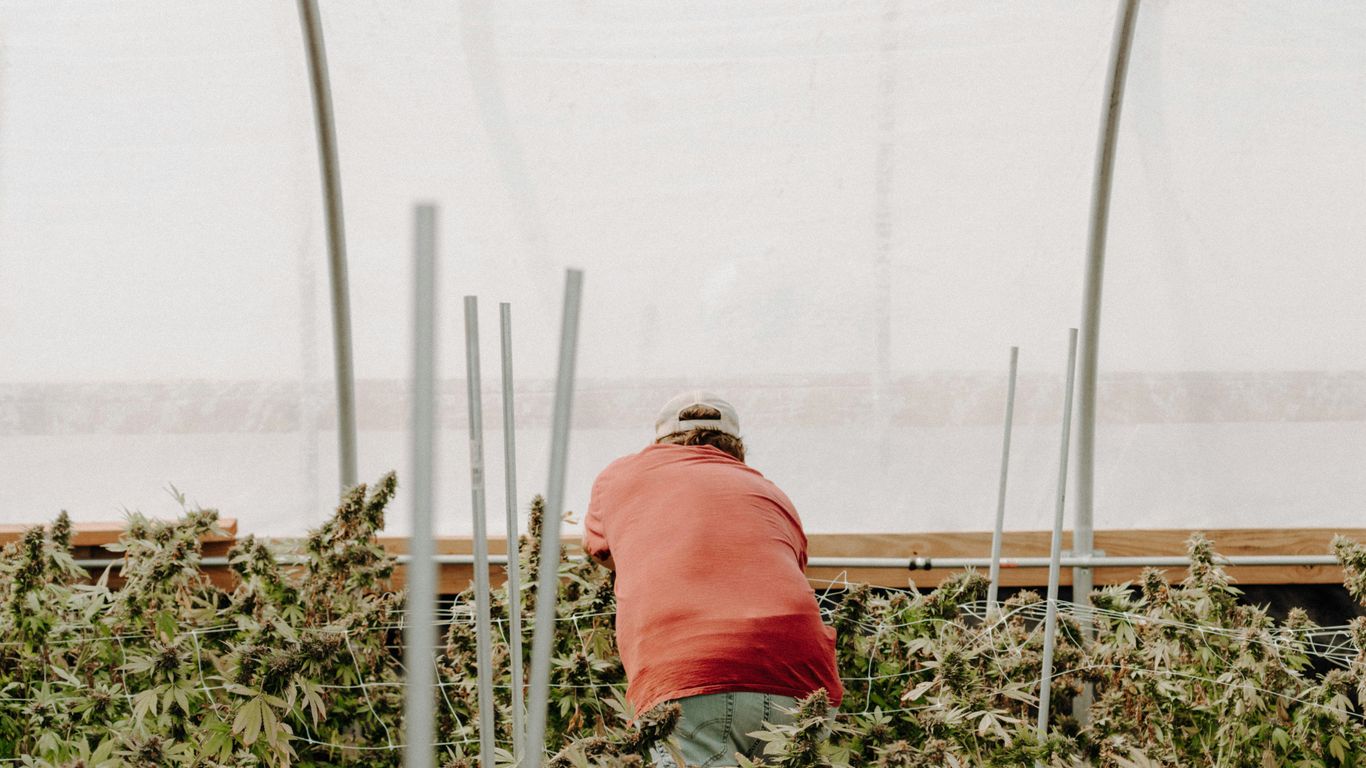
When we think about winter gardening, we often picture root vegetables or hardy herbs, but we shouldn’t forget about leafy greens! Many of these can actually get sweeter and more flavorful with a bit of frost. It’s pretty amazing how much we can still harvest even when the temperatures drop.
Spinach is a true champion when it comes to cold weather. It just seems to love the shorter days and cooler temperatures of fall and winter. We usually sow seeds in mid to late September, both in our cold frames and in beds that we’ll cover later with mini hoop tunnels. Varieties like ‘Giant Winter’, ‘Tyee’, ‘Melody’, or ‘Winter Bloomsdale’ are fantastic choices for a continuous harvest.
No winter garden feels complete without kale. Honestly, the colder it gets, the better kale tastes. We grow it in two ways: letting some plants mature for cooking in soups and stews, and harvesting younger, tender leaves for salads. ‘Winterbor’ is a tall, beautiful variety with deeply curled leaves that holds up well, and ‘Red Russian’ is another favorite with its pretty purple stems. Frost actually makes kale sweeter and less bitter.
If you like a little peppery kick, arugula is your go-to. It thrives in the cool weather and bolts much slower when it’s cold, meaning you get more harvest time. Asian greens, like bok choy, tatsoi, and mizuna, are also surprisingly tough. They grow fast and their flavor actually improves with a touch of frost. We direct sow these in early September, and they provide a wonderful mix of textures and tastes for our winter salads.
Mache, sometimes called corn salad or lamb’s lettuce, is another gem for winter growing. It forms small clusters of leaves that we harvest by cutting them at the soil line. After a quick wash, these tender rosettes are perfect for a simple salad dressing. We sow seeds in late summer, and it’s so easy to grow that it often self-sows for the following year. It’s a delicate green that can handle quite a bit of cold, especially with some protection.
Growing these leafy greens in winter isn’t just about extending the harvest; it’s about discovering new flavors and textures that only the cold can bring out. We’ve found that with a little planning and some basic protection, our winter garden beds can still be surprisingly productive and full of fresh, delicious greens.

We often think of winter gardening as being all about root vegetables and hardy greens, but we can actually grow some fantastic alliums and herbs too. These plants add so much flavor to our meals, and it’s pretty amazing to be able to harvest them when everything else seems to be sleeping.
Planting garlic in the fall is a common practice, and while we’re waiting for those bulbs to mature, we can actually get a bonus harvest. Those green shoots that poke through the soil, even in the cold, are totally edible! They have a milder garlic flavor than the cloves themselves, and they’re perfect for adding a little something extra to stir-fries, soups, or even just a simple salad. Harvesting these greens won’t hurt the development of the garlic bulb underneath, so it’s a win-win. We just need to make sure the soil is well-drained and not frozen solid when we plant the cloves in the first place.
Onions and chives are surprisingly tough. If we plant onion sets or garlic cloves before the ground freezes, they’ll hunker down and start developing their root systems. They might not grow much above ground until spring, but they’re busy getting established. Planting members of the onion family near our leafy greens can also be a smart move. Their strong scent can help deter some common garden pests, giving our delicate greens a bit of protection. It’s like having tiny, natural bodyguards in the garden!
Don’t forget about herbs! Parsley and dill are hardier than many people realize. We can often get a late harvest from plants we sowed earlier in the year, or even direct sow seeds in the fall for overwintering. With a little protection, like a cold frame or even just a layer of mulch, these herbs can keep providing fresh flavor. Some varieties of parsley are particularly cold-tolerant. Planting certain herbs alongside onions can actually improve their flavor, which is a neat little bit of companion planting magic. We’ve found that savory and marjoram work particularly well.
Winter gardening isn’t just about survival; it’s about smart planning and utilizing the cooler months to our advantage. By incorporating alliums and hardy herbs, we extend our harvest season and add more variety to our winter meals. It’s a rewarding way to keep our connection to the garden going, even when the temperatures drop.
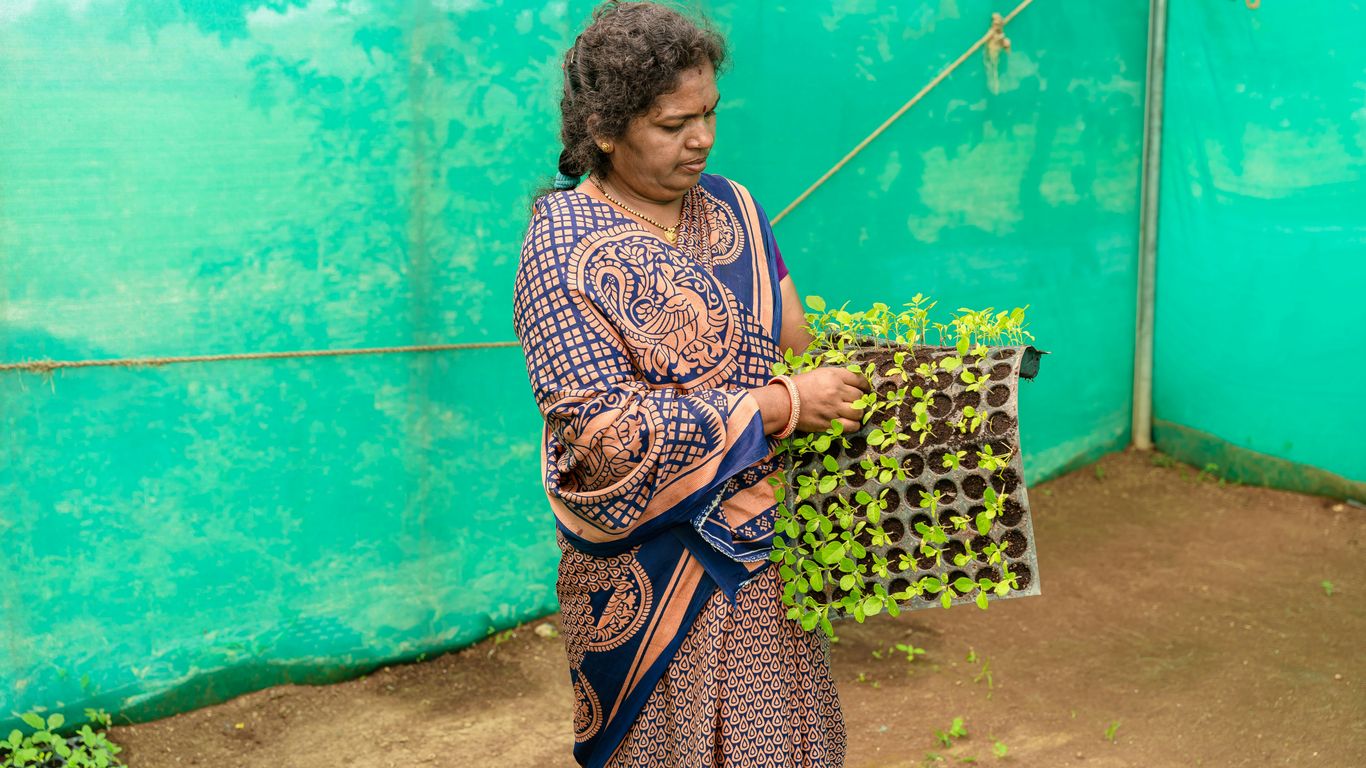
When we think about winter gardening, brassicas might not be the first thing that pops into our heads, but they’re actually some of the toughest plants out there. We’re talking about broccoli, cauliflower, cabbage, and kale – all members of the Brassica family. These guys are surprisingly resilient and can handle a good chill, especially when we give them a little help.
The key with brassicas in winter is protection and patience. They won’t exactly be racing to grow when it’s freezing, but they won’t die off either. Instead, they’ll hunker down, and their roots will get established. Then, come spring, they’ll take off like rockets, often outperforming plants we sow later.
Growing broccoli and cauliflower through the winter might sound ambitious, but it’s totally doable, especially if we use some protective measures. Think cold frames or mini greenhouses. These structures create a microclimate that shields the plants from the harshest cold. We can even use floating row covers or frost cloths for an extra layer of defense. The trick is to get small plants established before the really cold weather hits. They might not produce big heads during the coldest months, but they’ll be ready to grow once the temperatures start to climb.
Cabbage is another brassica that really benefits from a bit of frost. You know how some foods just taste better after a cold snap? Cabbage is like that. The cold weather actually breaks down some of its starches into sugars, making it sweeter and less bitter. We can plant cabbage seeds in late summer or early fall, and with some protection like row covers, we can often harvest it well into winter. Varieties with more crinkly, or savoy, leaves tend to be a bit hardier, so keep an eye out for those.
Kale is probably the undisputed champion of winter brassicas. It’s incredibly hardy and, like cabbage, gets sweeter and more tender after a frost. We can sow kale seeds in late summer or early fall, and it will happily grow through much of the winter, especially if we tuck it under row covers or in a cold frame. The leaves might look a bit wilted after a hard freeze, but they usually perk right back up. Harvesting kale regularly actually encourages the plant to keep producing more leaves, giving us a steady supply of this superfood all season long.
Think of cold frames and mini greenhouses as cozy little homes for our cold-hardy veggies. These structures are fantastic for giving plants that extra bit of warmth and protection they need to survive and even thrive when the temperatures really start to drop. A cold frame is basically a bottomless box with a clear lid, often placed directly over a garden bed. It traps solar heat during the day and keeps the soil warmer than the surrounding air, extending our growing season. Mini greenhouses, whether they’re small hoop tunnels or larger walk-in structures, offer even more protection, creating a microclimate that can be significantly warmer than outside. We can grow things like spinach, lettuce, and even some root vegetables in these setups well into the winter months.
When we need a simpler, more flexible way to protect our plants, floating row covers and frost cloth are our go-to options. These are lightweight fabrics that we can simply drape over our crops. They work by trapping a layer of air close to the plants, which insulates them from cold winds and light frosts. Frost cloth is generally a bit heavier and offers more protection than a standard row cover. We can use them on their own for tender plants or layer them over hoops to create mini-tunnels. They are surprisingly effective at keeping plants a few degrees warmer, which can make all the difference between a crop surviving a cold snap or succumbing to it.
Here’s a quick look at what they can do:
Don’t underestimate the power of a good layer of mulch! When we’re talking about winter gardening, mulch is like a warm blanket for our soil. It helps to insulate the ground, keeping it from freezing too deeply. This is especially important for root vegetables that we want to harvest throughout the winter. A thick layer of organic material, like straw, shredded leaves, or wood chips, can keep the soil workable and protect plant roots from harsh temperature fluctuations. It also helps retain moisture, which is another bonus for our winter crops. We often pile it on thick around plants like carrots and beets, allowing us to dig them up even when the air is frosty.
Keeping the soil temperature more stable is key. When the ground freezes and thaws repeatedly, it can damage plant roots and make harvesting difficult. Mulch acts as a buffer against these extreme shifts, creating a more hospitable environment beneath the surface.
So there you have it. Even when the weather outside is frightful, our gardens don’t have to be completely dormant. We can still get a lot done, whether it’s planting seeds that will pop up in spring or harvesting hardy greens that actually taste better with a little chill. It’s a pretty cool feeling, honestly, knowing that we’re getting a head start while others are just dreaming of warmer days. Plus, who doesn’t love fresh veggies when everything else is covered in snow? If you’ve tried any of these winter growing tricks, or have your own secrets, share them in the comments. Let’s keep this gardening party going all year long!
When we say soil is ‘workable’ in winter, it means you can actually dig into the top few inches of your garden beds without too much trouble. If the soil is frozen solid or super muddy, it’s not workable. But if you can get a shovel in there, you’re good to go for planting!
Planting seeds in winter is like giving them a head start. In colder places, they’ll just chill underground until the weather warms up. This way, they’ll be ready to sprout much earlier in spring than seeds planted later, meaning we get a jump on the growing season!
We love root vegetables like carrots and beets, leafy greens such as spinach and kale, and hardy herbs like parsley and chives. Even some brassicas like cabbage and broccoli can handle the cold, especially with a little protection.
Not always! Sometimes, just planting seeds and letting the soil protect them is enough. But for extra help, things like cold frames, mini greenhouses, or even simple floating row covers can make a big difference in keeping plants cozy and extending our harvest time.
Surprisingly, yes! For some veggies, like carrots and kale, frost can actually make them taste sweeter. The cold weather causes them to create more sugars, which helps protect them from freezing and makes them more delicious for us to eat.
Absolutely! Greens like spinach, kale, and arugula are champions in the cold. They often taste even better when kissed by frost. With a bit of protection, we can keep harvesting fresh, tasty greens all winter long.
 March 7, 2026
High-Output Crops Perfect for Micro Homesteads
Gardening
Homestead Planning
Homesteading
Starting a Homestead
March 7, 2026
High-Output Crops Perfect for Micro Homesteads
Gardening
Homestead Planning
Homesteading
Starting a Homestead
Thinking about growing your own food but only have a little space? We get it. Many of us are looking for ways to be more self-sufficient, even if we don't have acres to work with. The good news is, you...
Read More March 5, 2026
How to Grow a Medicinal Herb Garden for Beginners
Gardening
Homesteading
Natural Fertilizers
Sustainable Living
March 5, 2026
How to Grow a Medicinal Herb Garden for Beginners
Gardening
Homesteading
Natural Fertilizers
Sustainable Living
We're excited to share how we got started with our own medicinal herb garden. It felt a bit overwhelming at first, but we learned that taking it step-by-step makes it totally doable. Growing our own healing plants has been so...
Read MoreWe love the charm and character that a hobby farm look brings to our outdoor spaces. It feels so welcoming and down-to-earth. If you're looking to capture that same vibe on your own property, we've gathered some simple and pretty...
Read More