



Starting a homestead is a big adventure, and we’ve all heard stories or maybe even experienced some bumps along the way. It’s easy to get caught up in the excitement and overlook some important details that can make things much harder down the road. We’re here to share some common homestead layout mistakes we’ve seen and learned from, hoping to help you avoid the same pitfalls as you build your own little piece of the world.
We’ve all been there, right? The excitement of starting our homesteading journey is so real. We see all the possibilities, all the animals we want, all the projects we dream of tackling. It’s easy to get swept up and want to do it all at once. But honestly, jumping in headfirst and trying to build a massive operation from day one is a recipe for feeling completely overwhelmed. It’s not just about having too much to do; it’s about not having the space or time to figure out what actually works on our land.
Think about it: where does the sun hit your property? Which areas stay wet after a rain? Does the north side of your barn ever thaw out in winter? These are the kinds of questions you can only answer by living on the land and observing it. If we fill up every available spot with buildings, fences, and animals right away, we miss the chance to learn these vital details. We might put the chicken coop in a spot that seems good, only to find out later that a better location exists, or that the current spot floods.
This also applies to animals. Those cute little chicks or goat kids grow up fast, and their food bill grows right along with them. It’s easy to bring home a dozen animals because we have the space, but then we’re suddenly facing a huge feed cost every single day. And what if our plan to free-range the chickens goes south because a neighbor’s dog keeps visiting? We might not have enough barn space to keep them safe, and feeding that many birds gets expensive quickly.
It’s tempting to assume every animal or plant will thrive exactly where we put it. But the reality is, not everything is a perfect fit for every farm. Sometimes, an animal might work in a certain spot, but it requires way more effort than we anticipated. Maybe the pigs keep escaping because their favorite mud puddle is right under the fence. Now we have to decide between adding electric fencing or moving them, which means fixing their shelter first. All of this takes time, money, or both.
Mistakes and adjustments are a normal part of homesteading, no matter how big or small your operation is. But by taking things a bit slower, we can make those inevitable surprises much easier to handle. It gives us room to breathe and learn.
Here are a few things to consider before going all-in:
Taking your time allows you to build a homestead that truly fits your land and your lifestyle, rather than one that feels like a constant struggle to keep up. It’s better to build a solid foundation than to have a sprawling mess that crumbles under its own weight.
We’ve all been there. You’re excited about starting your homestead, you’ve read a few articles, watched some videos, and you feel like you’ve got a pretty good handle on things. Then, someone with decades of experience tries to offer you some advice, and your first instinct is to nod politely and then promptly ignore it. It’s easy to fall into the trap of thinking you know best, especially when you’re eager to prove yourself. But here’s the thing: homesteading veterans have learned a lot of lessons, often the hard way. Ignoring their wisdom is like trying to reinvent the wheel when a perfectly good one is already available.
It’s not about blindly following every suggestion, of course. Some advice might not fit your specific situation, your land, or your goals. It’s wise to keep a mental note or even jot down advice that seems off at first. You might find that something that didn’t make sense last year suddenly clicks this season. However, dismissing advice outright, especially from those who have a proven track record, is a common mistake that can lead to unnecessary setbacks.
Think about it this way:
We’ve seen folks spend a fortune on solutions to problems that experienced homesteaders know how to avoid with simple, low-cost methods. It often comes down to pride, but it can also be a lack of understanding that different homesteads have different needs. Don’t be afraid to ask questions and, more importantly, be willing to listen to the answers, even if they challenge your initial ideas. It could save you a lot of time, money, and frustration down the road.
We’ve all seen those charming pictures of cabins nestled amongst mature trees, and it’s easy to get inspired. But when we started building on our own place, we made a mistake that took years to fully realize: putting structures too close to trees. It seemed like a good idea at the time – the trees offered shade, a bit of privacy, and made the new build feel like it belonged. We built a small shed for tools, just a few feet from a couple of young cedars. They were small then, barely noticeable, and we figured they’d just add to the rustic charm.
Fast forward a couple of decades. Those ‘small’ cedars are now giants. Their trunks have expanded, slowly but surely pushing against the shed’s walls. One corner is actually being lifted by the roots. The frame is starting to warp, and the whole structure is leaning. We can’t even take the trees down now without risking the shed collapsing entirely. It’s a tough lesson in patience and foresight.
Here’s what we learned the hard way:
We learned that it’s best to give trees plenty of space, especially when they’re young. Think about their mature size, not just how they look today. For buildings, we now aim for a distance that’s at least the mature height of the tree, or even more if we can manage it. It might mean a slightly longer walk to your shed or a different spot for your greenhouse, but it saves a lot of headaches down the road. It’s better to plan for the future size of the tree than to deal with the consequences later.
We all get excited when we start thinking about homesteading. The dream of fresh eggs, homegrown veggies, and a simpler life is pretty powerful. But jumping in without doing your homework is a fast track to frustration. It’s like trying to bake a cake without a recipe – you might end up with something edible, but it’s probably not going to be what you imagined.
Before you buy a single chicken or plant a single seed, take some time to really learn. What works in one climate might be a total flop in another. We learned this the hard way when we planted our fruit trees too close to some big maple trees. We put them in during the late winter, thinking we were being smart. But once spring hit and those maples leafed out, our little fruit trees were suddenly in the shade all day. They struggled, and we ended up having to move them the next year, which really set back their growth. That mistake cost us a whole year because we didn’t consider how the seasonal changes would affect sunlight.
So, what should we be researching?
It’s easy to get caught up in the romantic idea of homesteading, but the practical side requires a lot of digging. Think of it as gathering all your ingredients before you start cooking. You wouldn’t start a big meal without knowing what you need, right? Homesteading is no different. Take the time to read, ask questions, and observe. It’s way easier to plan it right the first time than to fix it later.
We all get excited about the homesteading dream, right? Visions of self-sufficiency, fresh food, and a simpler life dance in our heads. But sometimes, that excitement can blind us to the reality of our situation. It’s easy to look at a piece of land or a plan and think, "Yeah, we can totally do this!" without really digging into the nitty-gritty.
We need to be brutally honest with ourselves about what our homestead actually is and what it, and we, can handle. This isn’t about being negative; it’s about being realistic to avoid major headaches down the road. Ask yourself some tough questions:
Ignoring these factors is like planning a cross-country road trip without checking if your car actually runs. You might end up stranded. For instance, wanting to raise dairy cows is wonderful, but if your land can’t support grazing or you can’t afford the feed, it’s a recipe for disaster. We have to consider the practicalities of understanding your land’s potential before we get too far down the road.
It’s also about being honest about our support system. Is our partner fully on board, or are we doing this solo? Do we have friends or family who can lend a hand, or are we expecting to do it all ourselves? Being truthful about our resources, both human and financial, is key to setting achievable goals. This honesty helps us sidestep common mistakes and prevents us from feeling like failures when things don’t go as planned. We’re not aiming for perfection, just progress that fits our reality.
We get it. The dream of a bustling homestead, filled with the clucking of chickens, the bleating of sheep, and the happy grunts of pigs, is a powerful one. It’s easy to get swept up in the excitement and want to bring all the animals home at once. But here’s a dose of reality: starting with too many animals too soon is a fast track to overwhelm and potential disaster.
When we first started, we saw all these adorable baby animals and just wanted them all. We pictured fresh eggs, milk, and meat filling our pantry. But we quickly learned that each animal, no matter how small, has significant needs. Chickens need secure coops, especially if predators are around. Goats need sturdy fencing. Even a few extra mouths can add up quickly when it comes to feed costs. It’s easy to underestimate how much they eat, especially as they grow from cute babies into adult animals.
Think about it this way:
We’ve seen friends jump in headfirst, buying dozens of chicks or a whole group of lambs, only to find themselves struggling. Heat lamps fail, coops aren’t predator-proof, and suddenly, you’re dealing with sick or lost animals. It’s heartbreaking and expensive. It’s much better to build your animal population gradually, learning as you go. This approach allows you to adapt and figure out what truly works on your land and for your lifestyle, rather than being constantly reactive. Remember, a well-managed small flock is far better than a struggling large one. It’s also important to consider the water needs for any animals you bring home; accurately calculating this is vital for a successful rural lifestyle calculating water needs.
The romantic vision of a full farmyard is wonderful, but the reality of daily care, feeding, and unexpected problems requires a more measured approach. Patience is a homesteader’s best friend when it comes to livestock.

We all think we’re going to remember everything, right? Especially when we’re just starting out and everything feels so new and exciting. But trust us, your memory isn’t as good as you think it is. Not keeping records is a fast track to repeating mistakes and missing out on valuable information.
Think about it: what varieties of fruit trees did you plant? When did you plant them? What about your garden crops – where did you put the tomatoes this year, and what about the beans? If you don’t write it down, you’ll be guessing later.
This becomes a real problem when you need to troubleshoot. For instance, if a fruit tree isn’t producing like it should, knowing the variety is key. Is it a pollination issue? Does it need a specific companion tree? Without that basic information, you’re just fumbling in the dark. We’ve been there, trying to figure out why a cherry tree was loaded with blossoms but gave us hardly any fruit. Turns out, we didn’t know its variety, which is crucial for understanding cross-pollination needs.
Here’s a quick rundown of what we wish we’d tracked from day one:
Keeping records isn’t just about remembering. It’s about understanding the true cost of things, seeing if your efforts are paying off financially, and identifying areas where you can improve. It helps you make smarter decisions for the future of your homestead.
It doesn’t have to be complicated. A simple notebook, a spreadsheet, or even just taking photos on your phone and adding notes later can make a huge difference. Don’t let your hard work and learning go undocumented!
It’s a real bummer when food goes to waste, isn’t it? Whether it’s produce we grew ourselves or something we bought, seeing it spoil or get lost in the back of the freezer feels like throwing away hard-earned money and effort. We’ve definitely been guilty of finding forgotten bags of veggies that are now just freezer-burned mush, or discovering a science experiment growing in the fridge that we can’t even identify anymore.
To combat this, we’ve started keeping a running inventory of what we have stored, both in the pantry and the freezer. This helps us plan our meals around what we already possess. It sounds simple, but actually using these lists to guide our cooking has made a big difference. It’s amazing how much less we waste when we’re mindful of our stock.
Here are a few things we track to help reduce waste:
We’ve found that by actively planning meals using our inventory, we’re not only saving money but also making better use of our resources. It’s about being intentional with what we have before buying more or letting things go bad. This practice has really helped us get more from our homestead efforts.
This mindful approach extends to using up every bit of our harvest. Instead of letting things rot, we look for ways to use them, whether it’s through cooking, preserving, or even feeding scraps to our chickens. Learning about composting has also been a game-changer for dealing with scraps that can’t be eaten by us or the animals.
We’ve all been there. Scrolling through social media, we see perfectly curated homesteads, overflowing gardens, and seemingly effortless animal husbandry. It’s easy to fall into the trap of comparing our own messy, work-in-progress homestead to someone else’s highlight reel. This can leave us feeling like we’re not doing enough, or that our efforts are somehow falling short. But here’s the thing: everyone starts somewhere different, and everyone’s journey is unique.
Think about it. Some folks might have generations of farming knowledge passed down, while others are learning everything from scratch. Some have more land, more time, or more financial resources to invest. It’s not a fair fight to compare your Chapter 1 to someone else’s Chapter 20.
Instead of getting bogged down by what others are doing, let’s focus on our own progress. What did we learn this week? What small victory did we achieve? Did we finally get that fence post set, or successfully preserve our first batch of jam? Those are the wins that matter on our homestead.
Here’s a better way to look at it:
The only person you should be comparing yourself to is you yesterday. Are you a little bit better today? Did you learn something new? Did you try something that scared you? That’s the real measure of success on your homesteading journey.
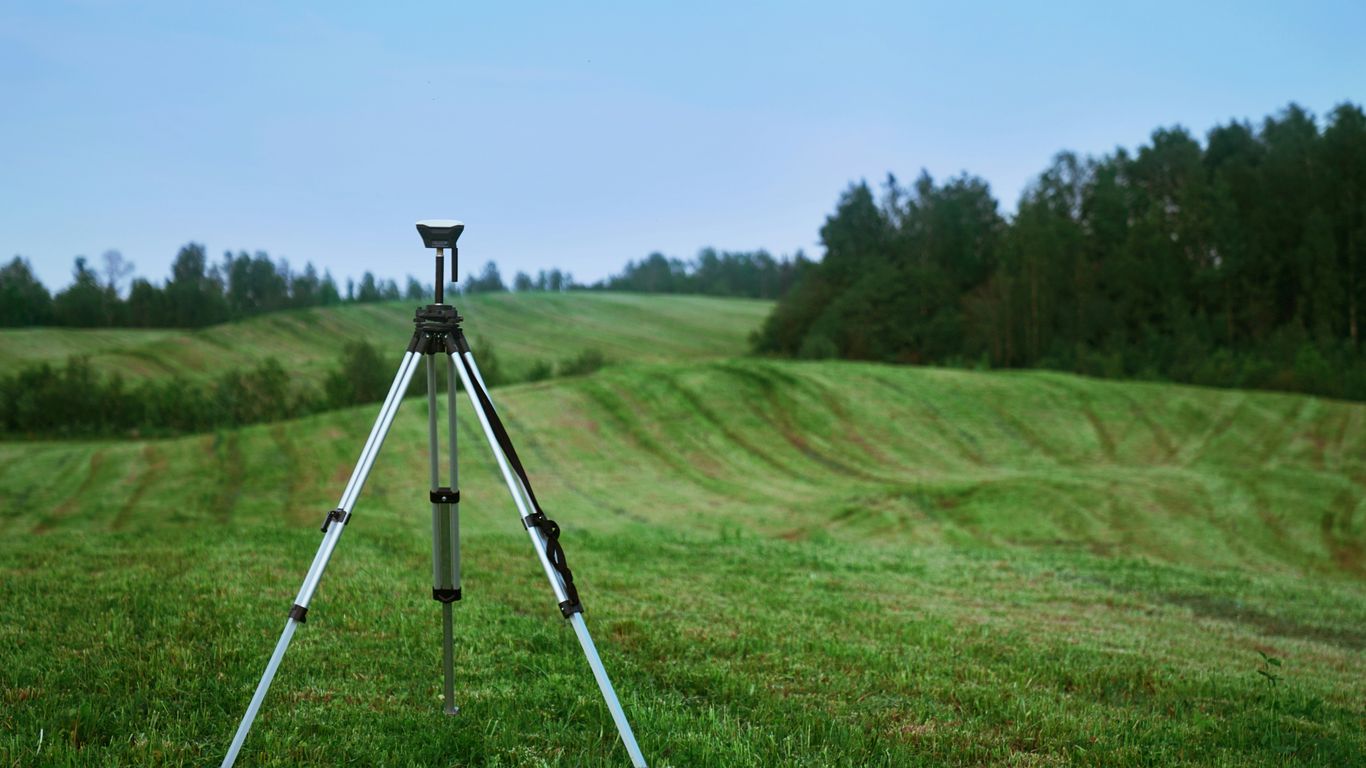
We all get excited about starting our homestead, right? We picture the gardens, the animals, the peaceful life. But before we even think about planting a single seed or building a coop, we really need to get to know the land we’re working with. Ignoring the land’s unique characteristics is a fast track to frustration.
Think about sunlight. Where does it hit throughout the day and across the seasons? A spot that’s sunny in the spring might be shaded by trees or buildings once the leaves come out or the sun shifts. We learned this the hard way when we planted our fruit trees too close to some maples. By summer, the young trees were getting barely any sun, and it really set back their growth. We ended up having to move them, which cost us a whole year.
It’s not just about sun, either. What about water? Is there a low spot that floods? Is there a natural water source, or will you need to haul water? Soil type is another big one. Is it heavy clay, sandy, or somewhere in between? This affects what you can grow and how you need to amend it. We found our soil was way too dense, and it took a lot of work to lighten it up so our plants could really thrive. Understanding your soil is key to successful gardening.
Here are a few things we always check now:
Taking the time to really understand your land before you start building or planting saves so much heartache later. It’s about working with your property, not against it. This is where understanding how to maximize space on a small homestead can really come into play, as every inch counts.
Don’t just look at the land on a sunny spring day. Observe it through different weather and seasons. This upfront work will pay off immensely as you develop your homestead layout and plan.
Look, we’ve all been there. You get all fired up about homesteading, ready to live off the land, and then BAM! You realize you’ve made a mess of things. Maybe you bought way too many chickens, or perhaps you built that coop way too close to the trees. It happens. The important thing is that we learn from these little oopsies. Homesteading is a journey, not a race, and every mistake is just a lesson in disguise. So take a deep breath, laugh at yourself a little, and keep on going. We’re all figuring this out together, one slightly wonky fence post at a time.
It’s exciting to get started, but jumping into too many animals, projects, or land too quickly can be overwhelming. We often don’t have enough time or space to learn what works best for our specific situation, leading to stress and mistakes we could have avoided.
While it’s tempting to think we know best after reading a few articles, experienced homesteaders have valuable insights. We should listen to their advice, even if their methods differ from ours, because they’ve learned through trial and error. It can save us a lot of trouble.
Trees look nice near buildings, but their roots grow and push foundations, and their trunks widen over time. We learned the hard way that trees can damage structures like sheds. It’s better to give them plenty of space or plan to remove them before they cause problems.
Before we buy animals or start planting, we need to research. This means understanding the land’s needs, what grows well there, and the specific requirements of any animals we plan to keep. Skipping this step can lead to unexpected costs and failures.
We need to be realistic about what our land can handle and what we can manage. Can we grow the food we want? Do we have enough space and resources for the animals we dream of? We also need to consider our own limitations, like time and physical ability, and if our family supports our goals.
It’s crucial to keep records, even if we think we’ll remember everything. We should write down things like the varieties of fruit trees we plant, when we plant seeds, or any changes we make to recipes. This helps us troubleshoot problems later, like why a tree isn’t producing fruit, and remember what worked well.
 March 7, 2026
How to Turn Food Preservation Into a Side Hustle
Canning
Homestead Kitchen
Homesteading
Sustainable Living
March 7, 2026
How to Turn Food Preservation Into a Side Hustle
Canning
Homestead Kitchen
Homesteading
Sustainable Living
We've all got those hobbies or skills that we love doing, right? Maybe it's baking, gardening, or even making your own jam. What if we told you that you could turn those passions into a little extra cash? It might...
Read More March 7, 2026
High-Output Crops Perfect for Micro Homesteads
Gardening
Homestead Planning
Homesteading
Starting a Homestead
March 7, 2026
High-Output Crops Perfect for Micro Homesteads
Gardening
Homestead Planning
Homesteading
Starting a Homestead
Thinking about growing your own food but only have a little space? We get it. Many of us are looking for ways to be more self-sufficient, even if we don't have acres to work with. The good news is, you...
Read More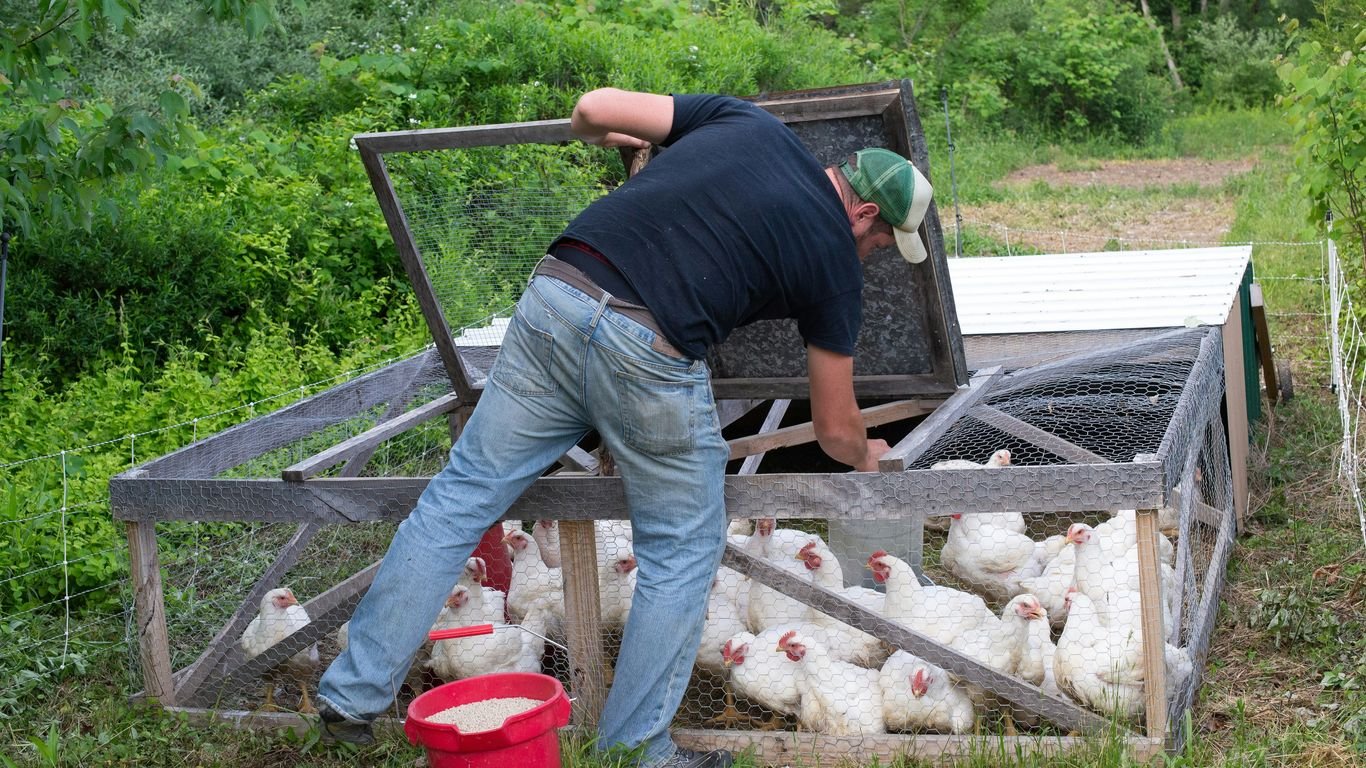 March 6, 2026
10 Low-Cost Homestead Side Hustles That Make Money
Homestead Planning
Homesteading
Starting a Homestead
March 6, 2026
10 Low-Cost Homestead Side Hustles That Make Money
Homestead Planning
Homesteading
Starting a Homestead
We all dream of a simpler life, right? One where we're more connected to the land and the seasons. But let's be real, that dream needs some funding. That's where low cost homestead side hustles come in. These aren't about...
Read More