



We all have those dreams of making a little extra cash from our homesteads, right? It’s not just about the labor of love; it can actually help pay the bills. We’ve been looking into ways to turn our passion projects into real income, aiming for that sweet spot of making about a thousand dollars a month without completely burning ourselves out. It’s about finding those smart homestead side hustles that fit into our lives, not take them over. We want to share some ideas that we’ve seen work for us and others, practical ways to bring in money that feel good.
We’ve found that selling baked goods at local farmers markets can be a really sweet way to bring in some extra cash. It’s not just about whipping up any old cookies, though. Think about what makes people stop and look – things made with real butter, fresh local fruit, and that homemade touch. We learned pretty quickly that planning is key here. You’ve got to figure out your ingredient costs, how long each batch takes, and what people are actually willing to pay.
For example, a big, beautiful raspberry pie might sound great, but the cost of fresh raspberries and butter can eat up your profits fast. Plus, making a perfect pie crust takes time. We found that smaller, individual-sized pies or tarts were a much better bet. They sell for a good price per item, and people love having something they can eat while they wander around the market. Brownies are another winner because they’re quick to make, forgiving if you’re a little off on measurements, and a great way to use up those extra eggs from our chickens. Adding a unique touch, like a hint of lavender from our garden, can really make them stand out.
Here’s a quick look at how we thought about pricing:
| Item | Estimated Ingredient Cost | Selling Price (Each) | Potential Profit (Each) |
|---|---|---|---|
| Large Raspberry Pie | $12 – $25 | $15 | -$10 to $3 |
| Mini Raspberry Tart | $2 – $4 | $8 | $4 to $6 |
| Sheet Pan Brownies | $15 – $20 | $3 (per square) | Varies |
Remember, these are just estimates. Your actual costs will depend on where you source your ingredients and how much you make at once. It’s always best to do your own cost breakdown.
Some other items that tend to do well include:
It can be seasonal, and it does take up a good chunk of time, but seeing people enjoy what you’ve made is pretty rewarding.
We’ve found that turning a green thumb into a bit of extra cash is totally doable with a backyard plant nursery. It’s not as complicated as it sounds, honestly. Think about all those plants you already have or want to grow – many of them can be multiplied pretty easily.
We started small, just propagating some of our favorite perennials. You know, the ones that get big and you end up dividing them anyway? Instead of tossing those extra bits, we pot them up. With a little soil, a pot, and some patience, those divisions become saleable plants. It’s amazing how much people will pay for a healthy, established plant, even if it started as a freebie from your own garden or a friend’s.
Here are a few ideas to get you going:
The key is to start with plants you know and love, and that grow well in your area. Don’t try to grow everything. Find a niche, whether it’s heirloom tomatoes, native wildflowers, or unique succulents. You can start by selling to neighbors, at local farmers markets, or even through social media. It’s a great way to make money from something you’re already doing and enjoying.
It’s surprising how quickly a few pots can turn into a small business. The initial investment is low, mostly just soil, pots, and maybe some rooting hormone. The real investment is your time and learning a bit about propagation. But seeing those little plants grow and knowing they’re going to someone’s garden? That’s pretty rewarding.
We found that clear labeling and good quality plants make a huge difference. People appreciate knowing what they’re buying and getting a healthy specimen. It builds trust, and customers will come back year after year.
Instead of just selling regular eggs for eating, we can actually make more money by selling hatching eggs. This might sound a little more involved, but it’s often less work than you think, and the payoff can be pretty good. People are willing to pay a premium for good genetics, especially if you have heritage or rare breeds.
Think about it: a dozen regular eggs might get you $5-$7, but a dozen fertile hatching eggs from a desirable breed can go for $60, $80, or even more! It really depends on the quality of your birds and what people are looking for.
Here’s a quick breakdown of why this is a solid side hustle:
To make this work, focus on healthy, well-fed birds that produce consistently fertile eggs. Clear communication with your buyers about fertility rates and shipping is also key. You can even offer a mix of breeds for a "barnyard mix" if you have a rooster that gets along with hens of different types.
Selling hatching eggs is a smart way to monetize your flock beyond just breakfast. It taps into a market that values breeding stock and the potential for new life, turning your everyday poultry into a more profitable venture.
We’ve found that growing and selling flowers can be a really rewarding side hustle. It’s not just about pretty blooms; it’s about tapping into a market that’s always looking for a bit of natural beauty. Think about weddings, local events, or even just people wanting to brighten their homes. The demand for fresh, locally grown flowers is definitely on the rise.
Getting started doesn’t require a massive plot of land. You can begin with a small section of your yard or even containers. Some flowers are easier to grow than others, and picking the right ones can make a big difference. We started with zinnias and sunflowers because they’re pretty forgiving and grow fast. Dahlias are also super popular, especially for events, though they can be a bit more work.
Here are a few ideas for what to grow:
Selling them can happen in a few ways. Farmers markets are a classic choice, where you can sell bouquets or individual stems. You could also offer a bouquet subscription service, where customers get a fresh bunch weekly or monthly. For a more involved approach, consider reaching out to local florists or event planners. Getting the right permits and licenses is important before you start selling, so it’s good to look into starting a flower business from home.
We learned pretty quickly that presentation matters. Even simple bunches look more professional when tied with twine and given a basic tag. It makes them feel more like a product and less like something just pulled from the garden.
Don’t forget about the potential for selling seedlings or even bulbs if you get into perennials. It’s a way to get income earlier in the season before your main blooms are ready. It takes some planning, but seeing your flowers bring joy to others is a pretty great feeling.
Making soap from scratch might sound a little scary, especially if you’re thinking about working with lye. But honestly, it’s not as complicated as it seems, and it can be a really rewarding side hustle. Lots of people want nice, handmade soap but don’t want to deal with making it themselves. This is where we come in!
We can start with melt-and-pour soap bases, which means no lye handling at all. It’s a great way to get your feet wet and learn the basics of scenting, coloring, and adding things like dried herbs or exfoliants. Once we get more comfortable, we can explore cold-process soapmaking, which involves lye but offers a lot more control over the ingredients and the final product. Think about using natural ingredients from our own homestead – maybe goat milk, honey, or herbs from the garden. These kinds of unique touches make our soaps stand out.
Here’s a quick look at what we might need to get started:
We can sell our soaps at local farmers’ markets, craft fairs, or even set up a little shop on Etsy. People are really drawn to products with a story, and our homesteading journey can be that story. Imagine selling bars of "Lavender Honey" soap made with honey from our own hives and lavender from our garden. That’s a product people can connect with.
The startup costs for soapmaking are pretty low. A small amount of lye, if we go that route, goes a long way. Once we have some basic oils and molds, the cost per bar stays predictable. Adding our own homegrown ingredients gives us a real edge and a unique selling point that mass-produced soaps just can’t match.
We’ve found that growing mushrooms can be a surprisingly profitable side hustle, and it doesn’t take up a ton of space. High-demand varieties like oyster, shiitake, and even portobello can be grown indoors or outdoors. Oyster mushrooms, in particular, are pretty forgiving and can grow on all sorts of things – think coffee grounds, straw, or even old cardboard. It’s kind of wild to turn what would be trash into food!
The key is finding a niche and a good substrate.
We started with oyster mushrooms because they grow fast and can be sold fresh. A common way to sell them is in pint-sized containers, and even with just a few mushrooms per container, they can fetch a decent price. We’ve seen them go for about $5 a pint, and that adds up quickly.
Here’s a basic idea of what you might need to get started:
If you’re looking for something a bit more hands-off, you can also inoculate hardwood logs with shiitake spawn. These logs can produce mushrooms for several years with minimal effort after the initial setup. We still have logs that are giving us shiitakes after three years!
Selling dried mushrooms or mushroom tinctures can also be a great way to extend shelf life and manage inventory, especially if you’re thinking about selling online or want to create a more shelf-stable product. It opens up possibilities beyond the local farmers market.
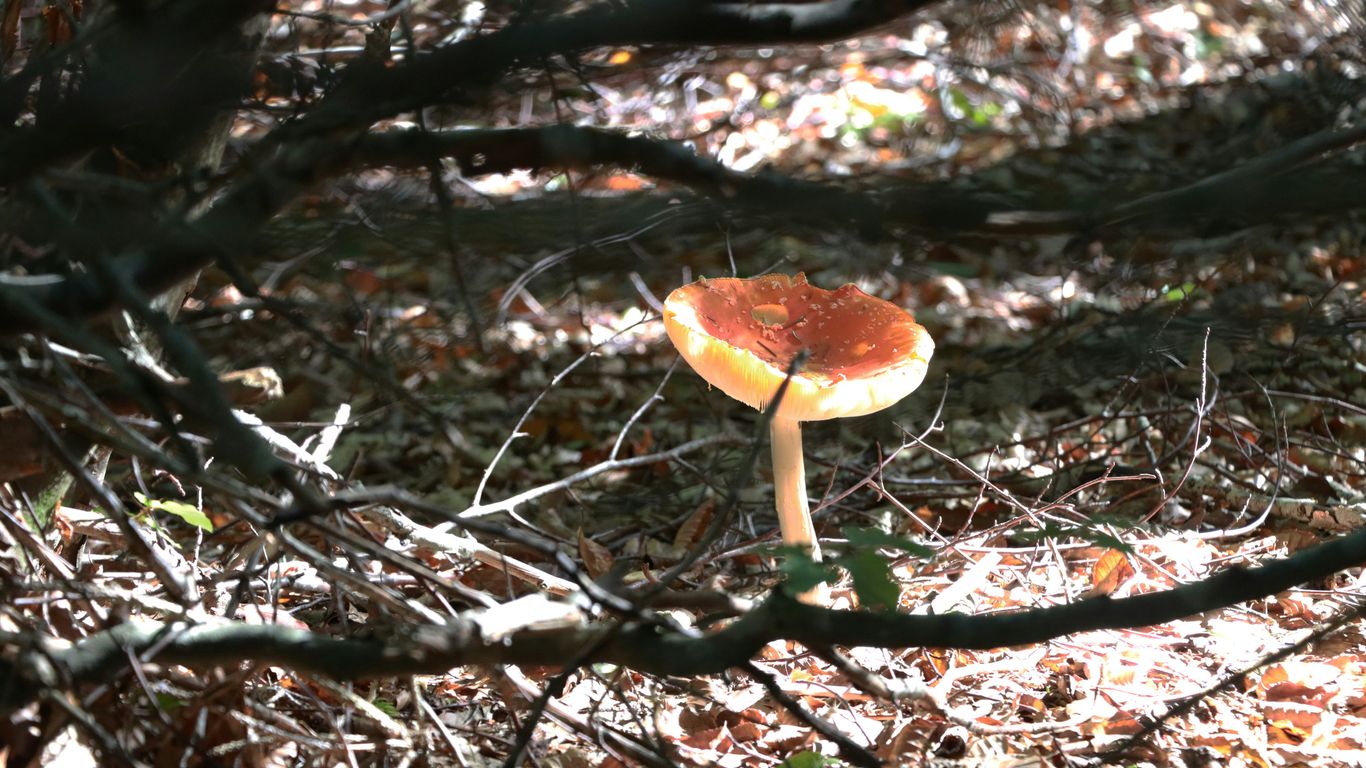
This is a really cool way to make some extra cash, and honestly, it feels more like a hobby than work sometimes. We’re talking about gathering things from nature – like mushrooms, berries, or even certain greens – and selling them. It doesn’t take a ton of land, but you do need to know your stuff. Getting the identification right is super important, and you absolutely have to be sure about what you’re picking.
We started small, just in our own woods and fields, focusing on things we were already familiar with. Things like wild mushrooms can be a big hit at the local farmers market, and people are often willing to pay a good price for them, especially if they’re hard to find. Just remember, if you’re not 100% certain about a plant or mushroom, leave it be. It’s not worth the risk.
Here are a few ideas to get you started:
You’ll need to learn about local regulations too. Some areas have rules about foraging on public land, and it’s always good practice to be respectful of the environment. We always make sure to harvest responsibly, leaving plenty behind so the plants can continue to grow and reproduce. It’s all about sustainability.
Once you get more comfortable, you could even think about teaching foraging classes. People are really interested in learning how to identify and gather wild foods themselves.
We’ve found that growing medicinal herbs can be a really rewarding side hustle. Unlike some vegetables that pests and deer just love to munch on, many herbs have natural defenses, meaning they often get left alone. Think about sage, bee balm, or valerian – these guys just keep coming back year after year, producing more even after we harvest. It’s a persistent, productive, and profitable plant to have around.
While selling fresh herbs is an option, the real money is often in the value-added products. Things like tinctures, salves, and dried herbs can fetch a much higher price. For instance, a simple echinacea or elderberry tincture can be quite popular, and the profit margin can be strong, especially if you’re growing the herbs yourself. People are willing to pay for the convenience and shelf-stability of these prepared remedies. We’ve seen tinctures selling for a good price per ounce, and when you factor in your own growing costs, it adds up.
Getting started doesn’t require a huge amount of space. You can begin with a small patch in your backyard or even containers. For containers, make sure they’re at least 8-10 inches deep with good drainage holes to give the roots enough room to grow. If you’re looking to expand your knowledge, there are some great resources out there. We found books like "The Organic Medicinal Herb Farmer" really helpful for understanding how to grow herbs on a larger scale for the market. There are also online courses available that can guide you through everything from growing to marketing your herbal products.
Here are a few popular herbs to consider growing:
The key to making this a profitable venture is to focus on a few high-demand herbs and then explore creating those value-added products. It takes a bit of learning, but the payoff can be significant, turning your garden into a source of income.
We’ve found that making and selling homemade salves and tinctures can be a really rewarding side hustle. Lots of people are looking for natural skincare and wellness products, and if you’re already growing herbs or have access to good quality ingredients, you’re ahead of the game. It doesn’t take a huge amount of space or a massive investment to get started, which is a big plus for homesteaders.
Think about it: a simple salve made with beeswax, a carrier oil, and some herbs from your garden can be packaged up and sold for a decent profit. The same goes for tinctures. You just need a bit of alcohol and your herbs, and you can create shelf-stable products that people are willing to pay a good price for, especially if they’re looking for natural remedies.
Here’s a basic idea of what you might need and how to approach it:
The profit margin on these items can be quite good, especially when you’re using homegrown ingredients. People are really interested in natural, handmade products, and salves and tinctures fit that perfectly.
We’ve seen that the cost of ingredients for a batch of salve or tincture is often much lower than the price people are willing to pay. This is especially true if you’re growing your own herbs, which cuts down on expenses significantly. It’s a great way to add value to your homestead’s harvest.
For example, a popular item like an echinacea tincture can sell for $15 an ounce or more, while the cost of the herbs and alcohol is relatively low. It’s a simple process, but the perceived value of a natural, handmade remedy is high.
So, you’ve got a lot of knowledge and passion for homesteading, right? We think it’s a fantastic idea to share that with the world by starting your own blog. It’s a way to connect with others who are on a similar path, document your journey, and yes, even make some money.
Think about it: you’re already doing interesting things on your homestead. Maybe you’re perfecting sourdough, figuring out how to raise chickens, or learning to preserve food. All of that is content! People are hungry for real, practical advice from folks who are actually doing the work. Your experiences, even the messy ones, are what make your blog relatable and useful.
Getting started isn’t as complicated as it sounds. You’ll need a place to host your blog (like WordPress or Squarespace), a catchy name, and a willingness to write regularly. We found that consistency is key. Try to set a schedule, even if it’s just one post a week to start.
Here are a few things to consider when you begin:
It takes time to build an audience, so don’t get discouraged if you don’t see huge numbers right away. Keep sharing your homesteading life, be authentic, and engage with your readers. It’s a marathon, not a sprint, but the rewards can be pretty great.
Starting a blog is more than just writing; it’s about building a community and sharing your passion. It allows you to document your growth, learn from others, and potentially create a sustainable income stream from the comfort of your own home.
So, you’ve got this awesome homestead life happening, right? People are genuinely curious about what we do out here. That’s where becoming a social influencer comes in. Think about sharing your day-to-day homesteading adventures on platforms like YouTube or Instagram. We’re talking about showing the real deal – the successes, the oops moments, and everything in between.
It’s not just about posting pretty pictures, though. We can create content that actually helps people. Maybe it’s a quick video on how to prune fruit trees, a tour of our garden, or even just a "day in the life" vlog. The key is consistency and authenticity. People connect with real stories and practical advice.
Here’s a quick rundown of how we might get started:
Monetization can come later through ads, sponsorships, or even selling your own products. It takes time, but sharing our homesteading journey can be a really rewarding way to connect with others and earn a little extra cash.
Do you find yourself with nimble fingers and a knack for making things? We certainly do! If you’ve got a talent for knitting, sewing, woodworking, or any other kind of craft, turning that skill into a side hustle is a fantastic idea. Think about all those handmade gifts we love to give and receive – there’s a real market for unique, handcrafted items.
We’ve found that platforms like Etsy are perfect for reaching a wide audience, but don’t underestimate local craft fairs or even a dedicated social media page. Selling through Instagram or Facebook can be surprisingly effective, especially if you post good photos of your work. It’s a great way to keep busy during the colder months and make some extra cash.
Here are a few ideas to get you started:
The key is to find a niche and create items that people genuinely want. Don’t be afraid to experiment with different materials and styles. We learned that packaging matters too; a nice presentation can make your craft stand out.
We’ve seen friends make a decent income just selling hand-knit hats and dishcloths online. It doesn’t always take a huge inventory to get started; sometimes, a few well-made items are all you need to test the waters.
Making and selling candles can be a really cozy and profitable side hustle. It’s something we’ve found people genuinely love, especially when they’re handmade with care. The startup costs aren’t too high, and you can get pretty creative with scents and styles. Think about what makes a candle special – maybe it’s a unique fragrance blend using essential oils, or perhaps a rustic look that fits the homestead vibe.
We started by experimenting with different waxes, like soy and beeswax, and found that soy wax is pretty forgiving for beginners. Then came the fun part: choosing scents. We tried everything from classic lavender and vanilla to more adventurous combinations like cedarwood and orange. The key is to create scents that evoke a feeling or a memory.
Here’s a basic idea of what you might need:
It doesn’t take a lot of space to get started, and you can easily scale up as you get more orders. Selling at local craft fairs or even setting up a simple online shop through platforms like Etsy can be a great way to reach customers. Learning the basics of candle business operations can really help you get off the ground.
We found that offering a few signature scents, along with some seasonal specials, kept customers coming back. It’s also a good idea to think about the packaging. A nicely labeled candle in a pretty jar feels much more special than something mass-produced.
Don’t be afraid to experiment with different types of candles too. Tapers, pillars, and container candles all have their own appeal. We even tried making some beeswax taper candles, which have a beautiful natural glow and a subtle honey scent. It’s a craft that allows for a lot of personal expression, and people appreciate that handmade touch.
If you’ve got bees buzzing around your homestead, you’ve likely got a surplus of liquid gold to share. Selling honey can be a sweet side hustle, and it’s something many people are eager to buy, especially when it’s local. Raw, unfiltered honey is particularly popular because folks believe it has more health benefits. Plus, supporting a local beekeeper just feels good, doesn’t it?
Getting started might seem daunting, but it’s more accessible than you think. Many resources are available to help you learn the ropes. The key is to start small and learn as you go.
Here’s a quick rundown of what you might need:
When it comes to selling, think about packaging. Small jars are great for gifts or for people who want to try your honey without committing to a large amount. Larger jars are good for your regular customers. Don’t forget to label your jars clearly with your farm name and contact information. You can sell at local farmers’ markets, through social media, or even set up a small stand at the end of your driveway. If you’re interested in learning more about beekeeping, there are great resources available to help you get started with honeybees.
Remember that honey quality can vary based on the flowers your bees visit. This means your honey could have unique flavors and colors, making it even more special. Embrace the natural variations – that’s part of the charm of local honey!
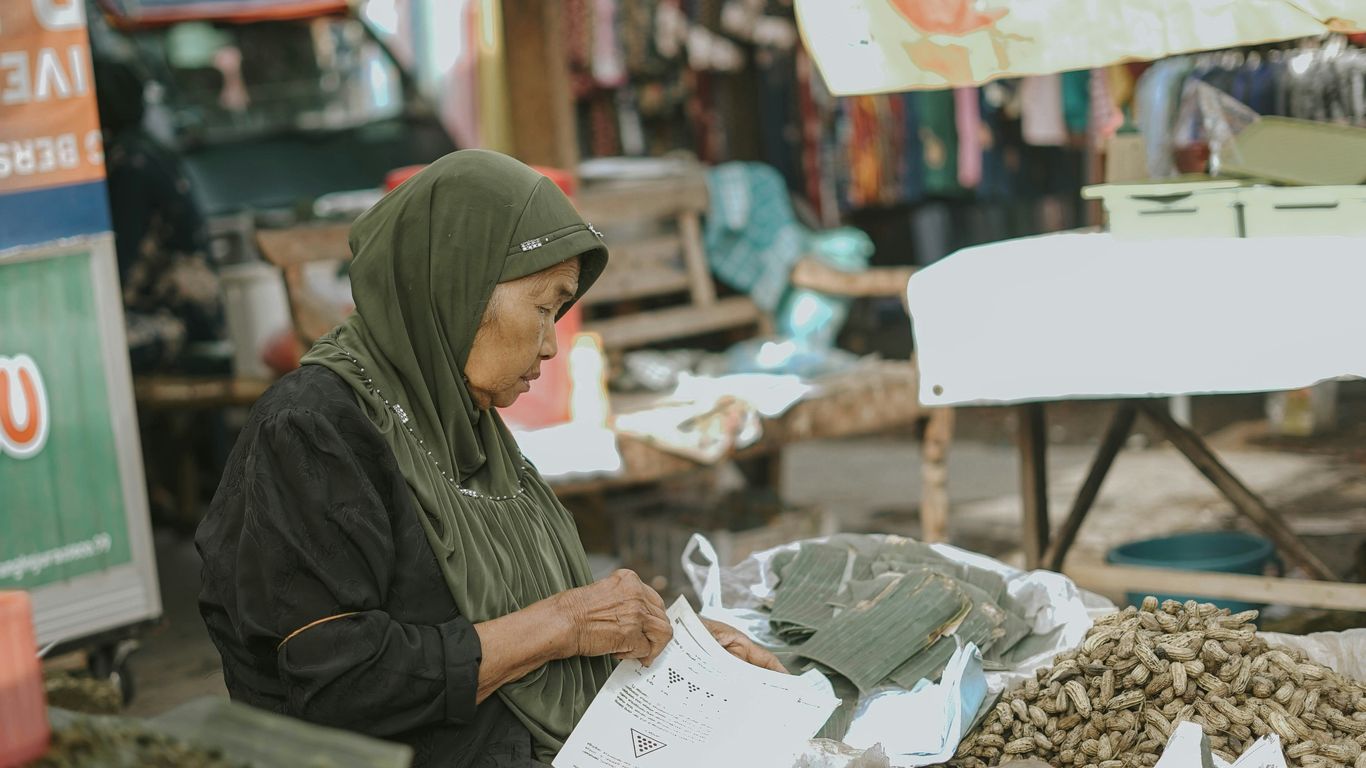
When we talk about artisanal goods on the homestead, we’re really looking at taking the things we already produce or create and giving them a little extra polish to make them more appealing – and profitable. Think about it: we’re already growing herbs, raising animals, or maybe we’re just really good at making things with our hands. Why not turn that into something special?
We can take our garden bounty, like berries or apples, and transform them into delicious jams, jellies, or preserves. It’s not just about canning; it’s about creating a product that looks good on the shelf and tastes amazing. We can experiment with unique flavor combinations, maybe add a touch of lavender from our own garden to apple butter, or use local honey in our fruit spreads. The packaging really matters here too. A nice jar with a well-designed label can make a simple jam feel like a gourmet treat.
Here are a few ideas for what we can turn into artisanal goods:
The key is adding value. Instead of just selling a jar of plain pickles, we can make spicy dill pickles or bread and butter pickles with a unique twist. This allows us to charge a bit more and stand out from the crowd. It’s about making something that feels handcrafted and special, something people are happy to buy as a gift or a treat for themselves.
We’ve found that focusing on a few signature items and perfecting them is better than trying to make too many different things. When we put our heart into a product, whether it’s a batch of soap made with our own goat milk or a jar of spiced apple butter, people notice. It’s that personal touch that really sells.
Don’t forget to check local regulations, especially for food items, often called ‘cottage food laws’. They vary by location but are important to follow so we can sell legally and safely.
So there you have it – a bunch of ways we can actually make some real money from our homesteads. It’s not just about dreaming of self-sufficiency anymore; it’s about making it work financially. We’ve looked at everything from selling eggs and baked goods to growing herbs and even starting a blog. The key is to pick something that fits with our lives, our skills, and what we already have. Don’t feel like you have to do it all at once. Start small, see what works, and build from there. We can totally do this!
We can begin by looking at what we already have or can easily get. Selling extra garden produce, baked goods, or even eggs from our chickens are good starting points. Many of these ideas don’t need a lot of extra stuff to get going.
That’s okay! We can still make money with smaller spaces. Growing herbs, making soaps or candles, or even starting an online blog about our homesteading journey are great options that don’t require vast amounts of land.
While it varies, things like selling specialty plants, hatching eggs from popular chicken breeds, or creating value-added products like jams and salves often bring in good money. The key is to find a niche and offer quality products.
Some might benefit from learning new skills, like soap making or flower growing, but many are things we might already know or can learn easily. For example, if we love to bake, we can start selling those treats. If we’re good at gardening, selling plants is a natural fit.
It really depends on the hustle. Selling baked goods might be busy on market days, while blogging can be done whenever we have free time. We can choose something that fits our schedule and energy levels.
It’s possible! Some of these ideas, like running a successful blog or a larger plant nursery, can grow into full-time income. For others, they might stay as great ways to earn extra cash to supplement our main income.
 March 7, 2026
How to Turn Food Preservation Into a Side Hustle
Canning
Homestead Kitchen
Homesteading
Sustainable Living
March 7, 2026
How to Turn Food Preservation Into a Side Hustle
Canning
Homestead Kitchen
Homesteading
Sustainable Living
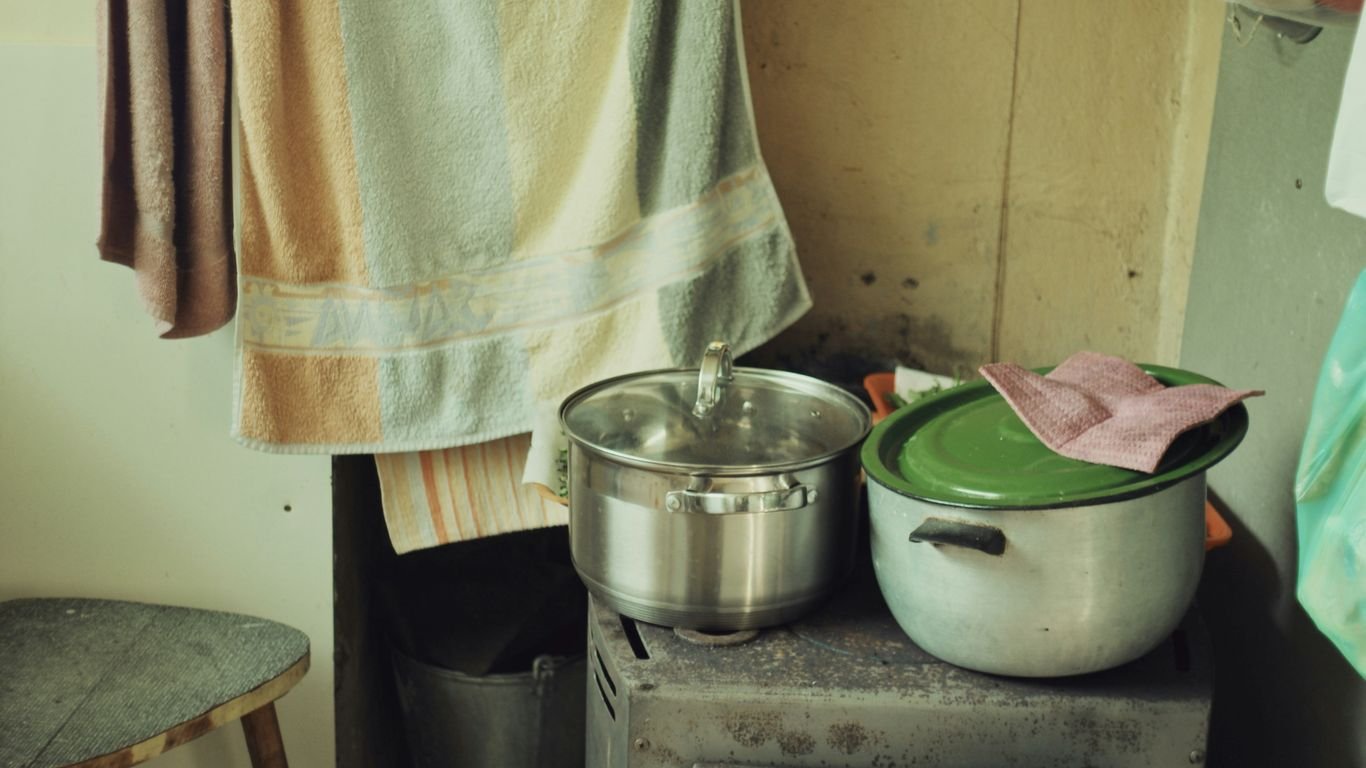
We've all got those hobbies or skills that we love doing, right? Maybe it's baking, gardening, or even making your own jam. What if we told you that you could turn those passions into a little extra cash? It might...
Read More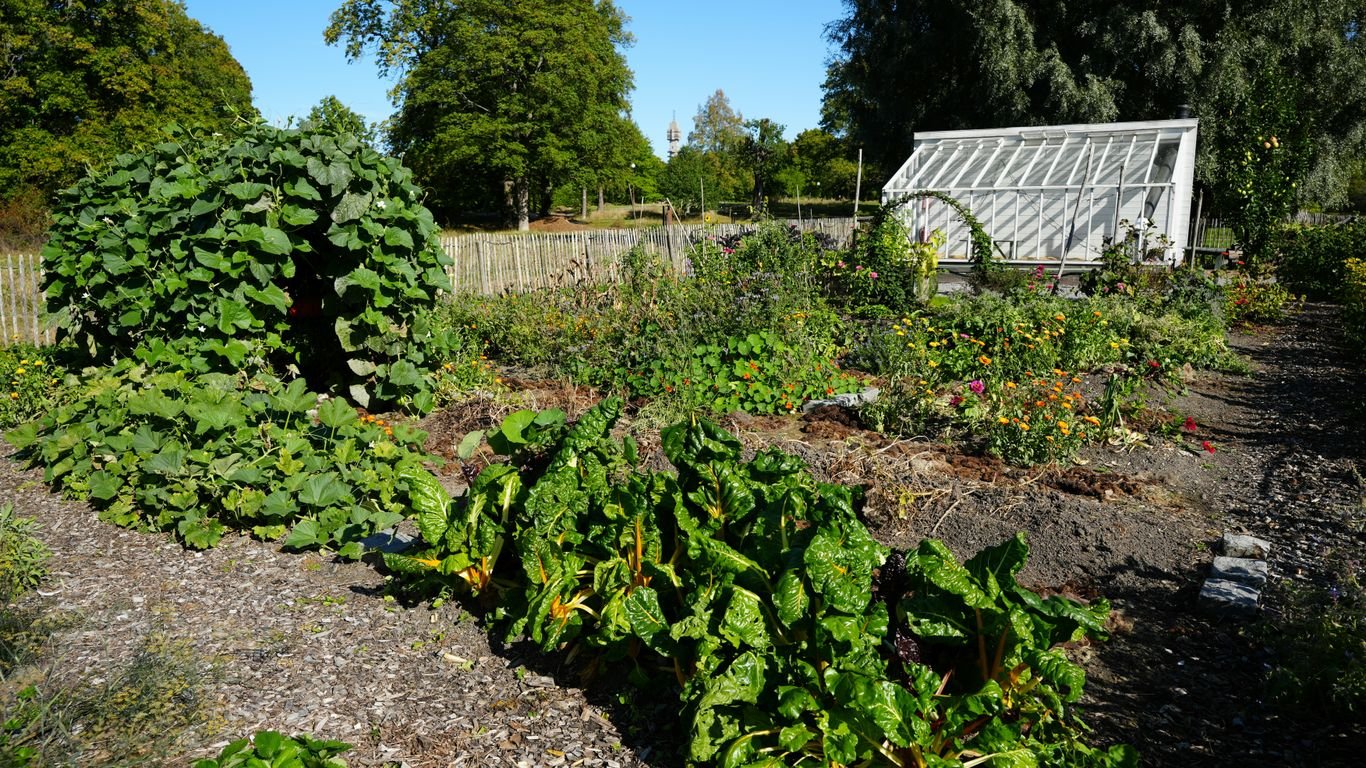 March 7, 2026
High-Output Crops Perfect for Micro Homesteads
Gardening
Homestead Planning
Homesteading
Starting a Homestead
March 7, 2026
High-Output Crops Perfect for Micro Homesteads
Gardening
Homestead Planning
Homesteading
Starting a Homestead
Thinking about growing your own food but only have a little space? We get it. Many of us are looking for ways to be more self-sufficient, even if we don't have acres to work with. The good news is, you...
Read More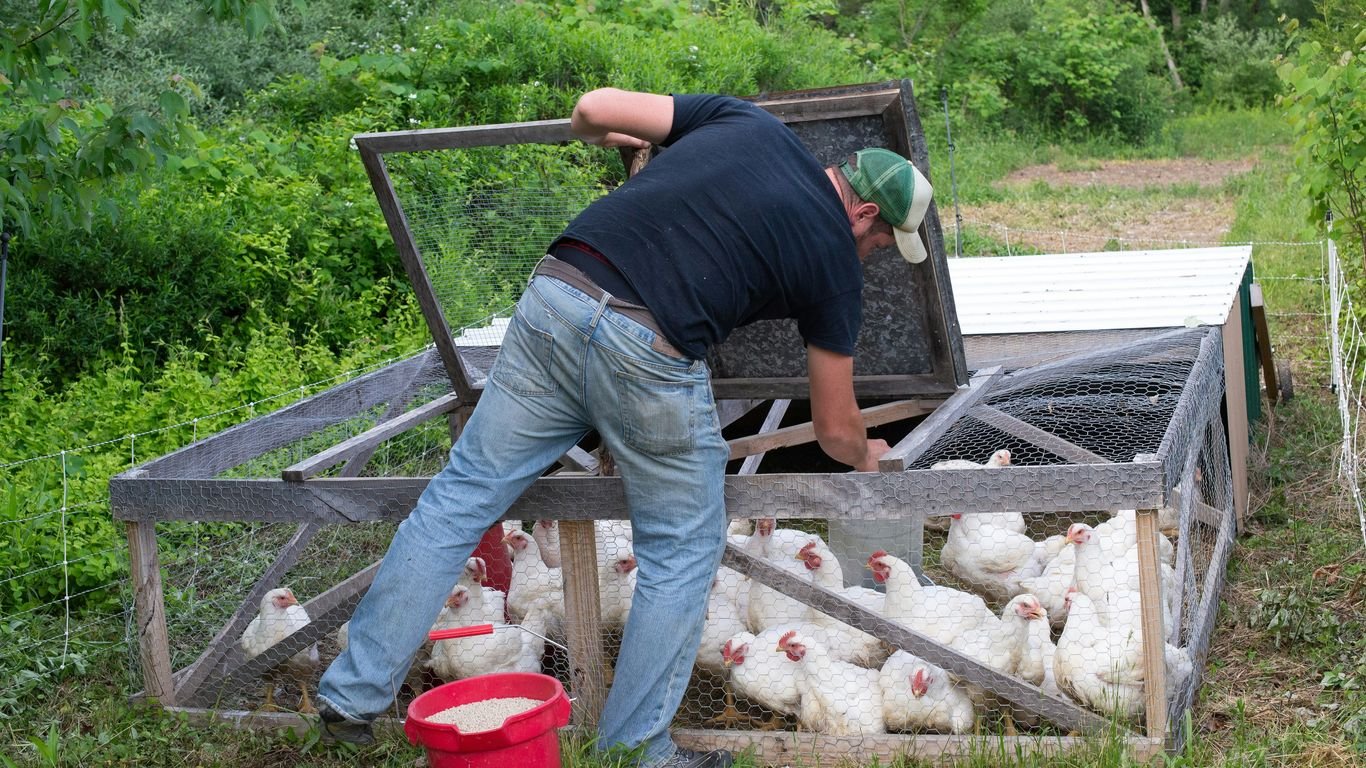 March 6, 2026
10 Low-Cost Homestead Side Hustles That Make Money
Homestead Planning
Homesteading
Starting a Homestead
March 6, 2026
10 Low-Cost Homestead Side Hustles That Make Money
Homestead Planning
Homesteading
Starting a Homestead
We all dream of a simpler life, right? One where we're more connected to the land and the seasons. But let's be real, that dream needs some funding. That's where low cost homestead side hustles come in. These aren't about...
Read More