


We all love the idea of living a simpler life, connected to the land and the seasons. But let’s be real, homesteading costs money, time, and energy. That’s where homestead animal side hustles come in. These aren’t about replacing your main income, but they can help fund the lifestyle we’re building, using the skills we already have. Many of the things we do every day, like caring for animals, can actually be turned into income. People are looking for authentic, local products, and that’s exactly what we can provide.
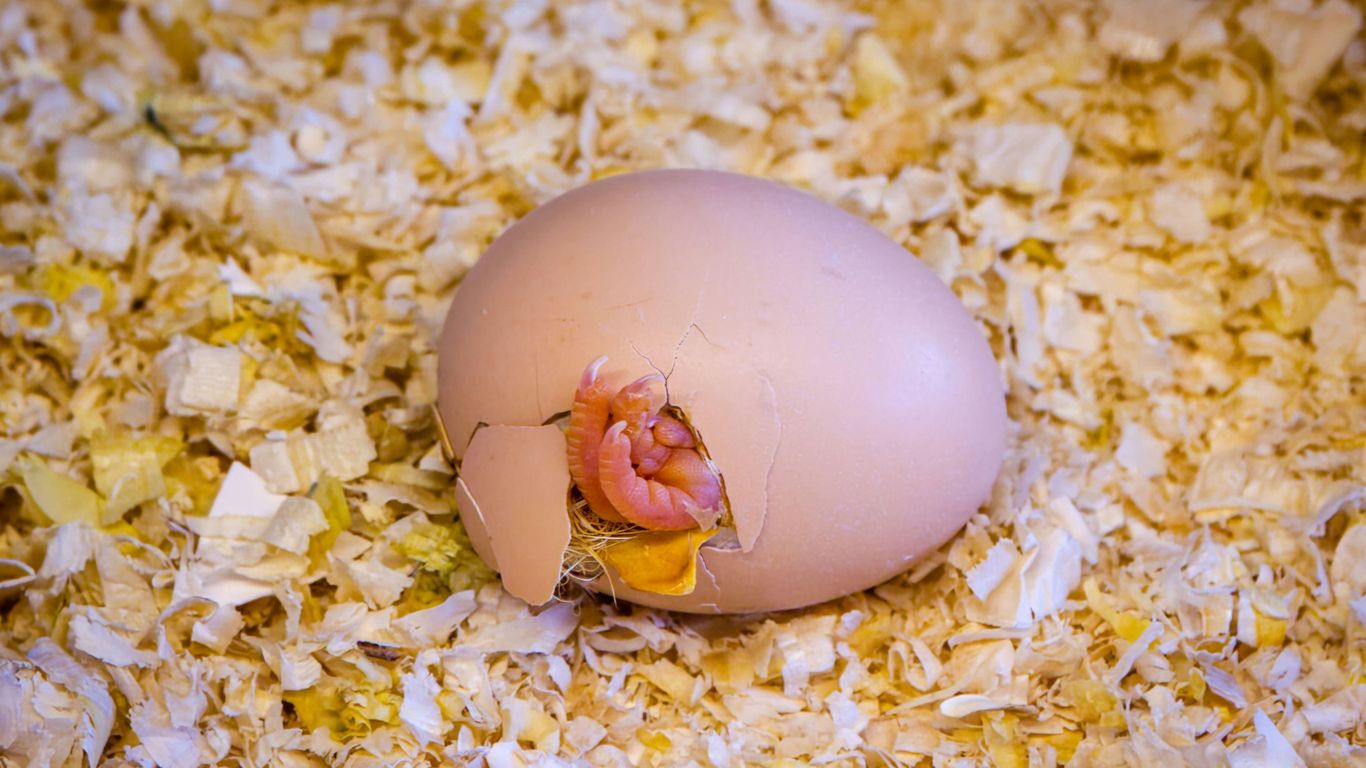
If you’ve got a rooster running with your hens, you’ve already got the potential to make some extra cash. Incubating eggs yourself or letting a broody hen do the work can lead to a flock of fluffy chicks ready for new homes. Selling day-old chicks can be a surprisingly good earner, especially if you’re raising heritage or rare breeds.
We’ve found that mixed-breed chicks, often called ‘straight-run’ because they haven’t been sexed, can fetch around $5 each. Purebreds, though, can command a much higher price. It’s not uncommon for folks to make a decent amount each month just by selling these little guys.
Here’s a quick look at what you might expect:
Beyond just selling chicks, you can also raise them a bit longer. Selling ‘point-of-lay’ pullets, which are hens just about ready to start laying eggs, is another popular market. People are often willing to pay $20 or more for these birds, though it does mean a longer investment in time and feed.
Raising chicks from egg to a few weeks old requires a good brooder setup with heat, proper feed, and clean water. It’s a bit more hands-on than just selling fertilized eggs, but the return can be quicker if you focus on selling day-olds.
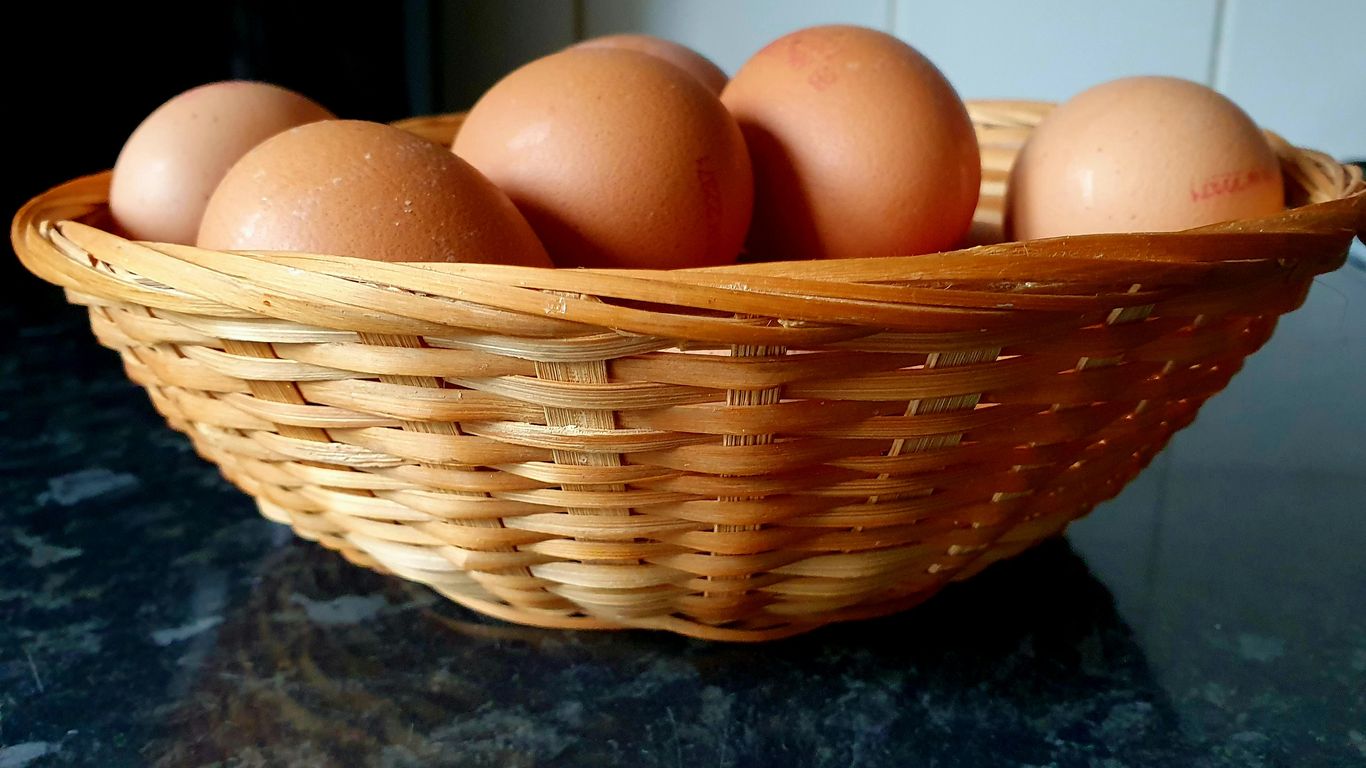
Selling eggs is a classic homestead side hustle, and for good reason. If you have laying hens, you likely have a surplus of fresh eggs. People are always looking for farm-fresh, free-range eggs, and they’re often willing to pay a premium for them. We sell ours for $5 a dozen, but we know folks who charge more, especially for specialty eggs.
This is a fantastic way to start building a customer base right from your own backyard. It doesn’t take much extra effort if you’re already keeping chickens. You can offer a variety of eggs, too. Beyond standard chicken eggs, consider duck, quail, or even goose eggs if you raise those birds. Each type has its own unique flavor and culinary uses, appealing to different customers.
Here are a few ways to market your eggs:
When selling eggs, especially if you’re offering raw milk alongside them, it’s wise to have customers sign a simple liability waiver. Keep these on file. It’s a good practice to protect yourself and manage expectations.
Don’t underestimate the appeal of pasture-raised or organic labels if your practices align. These terms can significantly boost the perceived value and price of your eggs. Keep your egg cartons clean and presentable, and consider offering different sizes or even specialty breeds if you have them. It’s a simple, yet effective, way to bring in some extra cash from your flock.
Selling off extra baby animals is a pretty straightforward way to bring in some cash on the homestead. Think about it – if your flock or herd is doing well, you’re bound to have more offspring than you can keep. This is especially true for animals that tend to have multiple babies at once, like rabbits or chickens. We’ve found that selling off extra chicks or piglets can really add up.
Beyond just selling surplus, you can also get into breeding programs. If you’re looking to make a bit more money, consider registering your animals. For example, registered dairy goats through the ADGA often fetch a higher price than unregistered ones because buyers know exactly what they’re getting in terms of pedigree. It adds a layer of trust, you know?
Here are a few popular options we’ve seen success with:
The key is to have healthy, well-socialized animals. Buyers want to know they’re getting a good start, so good husbandry practices are a must. We always make sure our babies have had their first check-ups and are eating and drinking well before they go to their new families. It’s a bit of extra work, but it pays off in happy customers and repeat business.
If you’ve got a particularly fine specimen of a male animal – think a top-notch buck, a handsome ram, or a well-built boar – you might consider offering stud services. This is basically letting your male breed with females from other homesteads for a fee. It’s a pretty straightforward way to make a bit of extra cash if you have the space and the right animal.
The key here is having a healthy, desirable animal with good genetics. People will pay to breed their females to a male that will improve their own stock. You’ll want to be clear about what you’re offering. Are you guaranteeing a pregnancy? What’s the fee structure? It’s a good idea to talk to folks who have been doing this for a while to get their insights.
We’ve found that keeping the males in separate pens is a must, not just for their own well-being but to avoid unwanted ‘encounters’. For the visiting females, a short quarantine period before they meet your stud can help prevent any new diseases from entering your farm. It’s all about protecting your own herd while providing a service.
Here are a few things to think about:
While some people explore selling semen, which involves collectors and certifications, we’ve always found the local, in-person approach to be simpler and more direct for stud services. It cuts out a lot of the complicated steps and keeps things grounded.
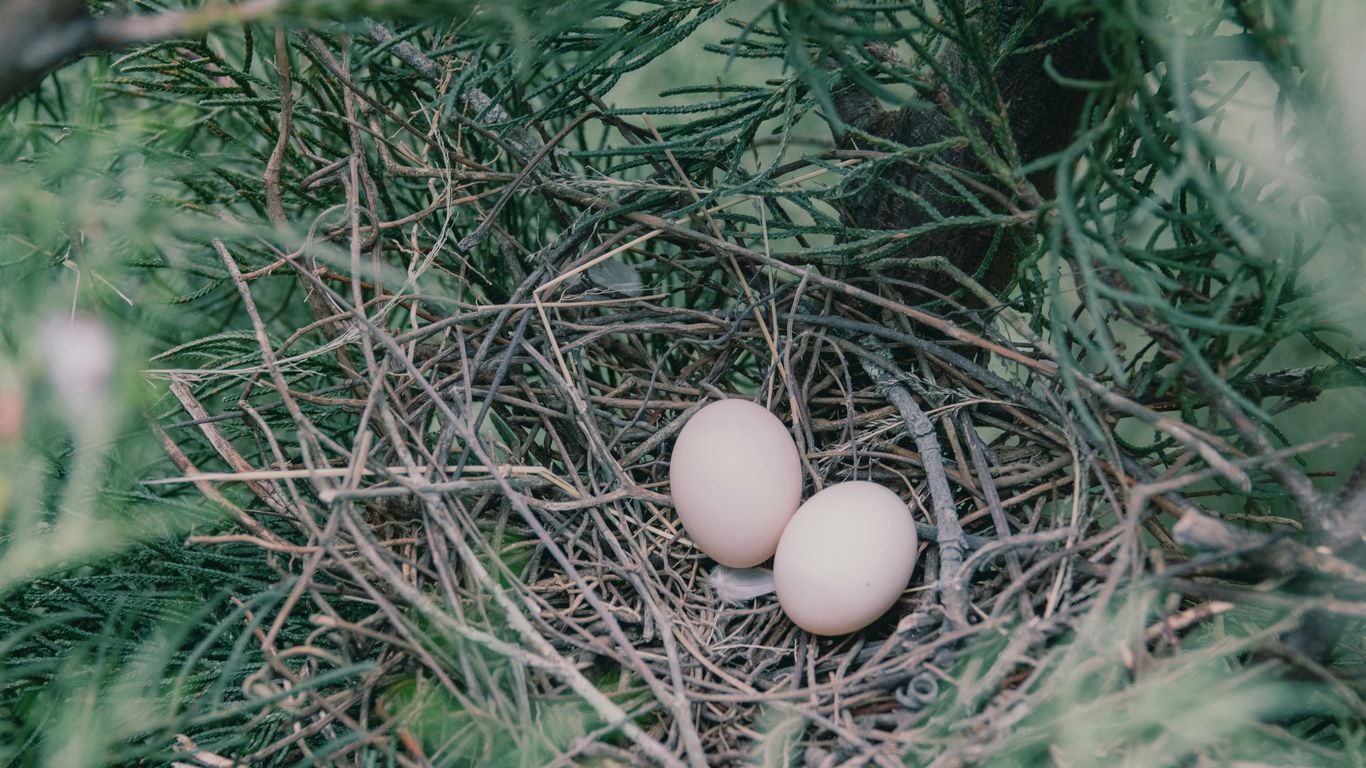
If you’ve got a rooster strutting around your coop, you’ve got a golden opportunity to make some extra cash. Selling fertile eggs for hatching can be a pretty steady income stream, almost as reliable as selling day-old chicks. The price you can get for these eggs really depends on what kind of birds you have. Are they your everyday barnyard mix, or are you raising a rare breed or show-quality stock? Those special breeds can fetch a much higher price.
Don’t just assume every egg is fertile; it’s a good idea to test your fertilization rates. You’ll want to give your customers a realistic idea of what to expect, so be ready to provide a rough estimate of the hatch rate or fertility. Shipping these eggs can be tricky, as it often lowers the hatch rate, so consider if that’s a route you want to go down. Even with the best conditions, not every single egg will hatch, so managing expectations is key.
Here’s a quick rundown of what to consider:
You can even offer a ‘barnyard mix’ by having one rooster with a variety of hens, giving buyers a chance at a colorful assortment of eggs. It’s a fun way to add variety and appeal to your offerings.
If you’ve got a knack for working with dogs, especially those with a protective instinct, training Livestock Guard Dogs (LGDs) can be a surprisingly good side hustle. These aren’t your average pets; they’re bred and trained to live with livestock and deter predators. Think of them as furry, four-legged security guards for your sheep, goats, or chickens. People who are new to raising livestock, or those who have had trouble with predators, are often looking for well-trained LGDs. It takes time and patience to get a dog ready for this job, and many folks are willing to pay for that expertise.
Getting started involves a few key steps:
Beyond just selling trained dogs, you can also offer training services for people who already have LGDs but need help getting them settled or addressing specific behavioral issues. It’s a niche market, for sure, but a rewarding one if you love dogs and have the patience to teach them.
Training a Livestock Guard Dog is a commitment. It’s not just about teaching commands; it’s about shaping a dog’s natural instincts to become a reliable protector of other animals. This often involves a lot of hands-on work and understanding the specific needs of both the dog and the livestock they will be guarding.
Beekeeping might sound intimidating, but it can be a sweet way to earn some extra cash from the homestead. The bees do most of the heavy lifting, of course, but there’s still work involved for us humans. We have to manage the hives, make sure our buzzing friends are healthy, and then, of course, extract, filter, and bottle that liquid gold.
It’s a process that requires patience and a bit of learning, but the reward is a product that’s always in demand. You don’t need to be a master gardener or have a huge herd; just a little space for a few hives is enough to get started. We found that taking a local beekeeping course was super helpful before we even bought our first hive. It really demystified the whole process.
Here’s a quick rundown of what’s involved:
Selling honey at the local farmers market has been a great experience for us. People love knowing where their food comes from, and a jar of local honey is a tangible piece of our homestead that we can share. We’ve also found that offering different sizes, from small ‘taster’ jars to larger family-sized ones, helps cater to various customer needs and budgets.
While you can sell raw, unfiltered honey, we prefer to filter ours. Some folks even like to sell honeycomb or beeswax products, which can be another avenue to explore if you get really into it. It’s amazing how much you can learn from these tiny creatures!
If you’ve got animals that grow wool, hair, or other fibers, you’ve got a potential side hustle on your hands. Think sheep, goats, alpacas, even rabbits. The animal does the hard work of growing the fiber, and we get to do the processing and selling. It’s a pretty sweet deal, honestly.
First off, you’ll need to shear your animals. Depending on the breed, this might be an annual event or something they do themselves (like our Katahdin sheep, which are hair sheep and shed their fleece). After shearing, the raw fleece needs to be skirted. This means picking out all the bits of hay, manure, and vegetable matter. It’s not the most glamorous job, but it’s important for getting a good price for your fiber. You can sell the raw, unwashed fleece, and some spinners actually prefer it that way because they like to wash it themselves. Or, you can go the extra step and wash and clean the fiber yourself. This usually gets you a better price per pound.
Here’s a quick look at what you can do with fiber:
Don’t underestimate the power of a niche market. Selling novelty yarns, naturally dyed fibers, or items made from unusual breeds can help you stand out and charge a premium. We’ve found that focusing on unique qualities justifies the price for our hard work and investment. It takes effort to process, package, and sell, and you’ll want to be aware of any local regulations regarding selling animal products.
Don’t let those "waste" products from your homestead go to waste! If you’re raising poultry, especially breeds with striking plumage like guineas, collecting their feathers can be a surprisingly good side hustle. We’ve found that cleaning them properly is key before selling them for craft projects, jewelry making, or even fly fishing lures. It’s a task that can easily involve the kids, turning it into a fun family venture.
Similarly, if you’re already harvesting rabbits for meat, processing and selling the pelts is a natural extension. There’s a market for them, from people making clothing and accessories to scout troops learning traditional tanning skills. Turning what might otherwise be discarded into a sellable product is smart homestead economics.
Here’s a quick look at what you might consider:
We’ve learned that presentation matters. Even for something as simple as feathers, a little effort in cleaning and sorting can make them much more appealing to buyers. For pelts, ensuring they are free of excess fat and properly dried is crucial for preventing spoilage and making them easier for the end-user to work with.
It might seem small, but these little streams of income add up. Plus, it’s incredibly satisfying to utilize every part of the animals we raise. You can often find buyers on local classifieds or through online homesteading groups. If you’re interested in hearing more about how others are making their homesteads profitable, check out this homesteader podcast.
Who knew that those wiggly little creatures could be a source of income? We certainly didn’t at first, but it turns out that worm farming, or vermicomposting, is a pretty neat side hustle. If you’re already into composting your kitchen scraps and garden waste, you’re halfway there. Red wigglers are the stars of the show here; they’re efficient little composters and reproduce like crazy when they’re happy and healthy. You can sell the worms themselves, or the nutrient-rich castings they produce.
People buy worms for a few reasons. Some want them to start their own compost bins, others need them for their gardens to improve soil health, and a surprising number buy them for fishing bait. It doesn’t take up a ton of space, either. You can get started with a simple bin system, and as your worm population grows, so does your potential profit. It’s a fantastic way to turn waste into something useful and profitable.
Here’s a quick rundown of how we approach it:
The key to a successful worm farm is keeping your worms healthy and happy. This means avoiding overfeeding, ensuring the right moisture levels, and protecting them from extreme temperatures. A well-managed worm farm is a sustainable way to create valuable compost and sell live worms.
Selling the compost, often called vermicastings, is where a lot of the profit lies. It’s like black gold for your garden, and gardeners are willing to pay for it. You can sell it in bags or in bulk, depending on what works best for you and your customers. We’ve found that offering both options works well. If you’re looking for a low-input, high-output side hustle, don’t overlook the humble worm. Check out resources on vermicomposting to get your worm farm started.
So, there you have it. We’ve looked at a bunch of ways we can make a little extra cash right from our homesteads, using the animals we already care for. It’s not always easy, and sometimes it takes a bit of extra work, but seeing those animals turn into something useful, something that helps pay the bills? That’s pretty rewarding. Whether it’s selling eggs, wool, or even stud services, there’s likely a side hustle out there that fits your farm and your life. Don’t feel like you have to do it all at once. Pick one or two things that seem manageable and see how they go. The goal is to make our homesteading dreams a little more sustainable, after all.
The amount you can earn from selling eggs really depends on how many hens you have and what people in your area are willing to pay. Some folks make a little extra pocket money, while others bring in a decent amount to help cover feed costs. It’s all about supply and demand in your local market!
Selling baby animals, like chicks or goat kids, can be a fun way to earn extra cash, especially if you already have a breeding pair. Just be sure you know how to care for the little ones and have a plan for finding good homes for them. It’s rewarding when they go to happy new owners!
If you have a rooster with your hens, you can sell the eggs that have been fertilized. You’ll want to make sure they’re fresh and let buyers know about the expected hatch rate. Some people like to buy these to hatch their own chicks, so it’s a neat way to share your flock’s potential!
If you have a quality male animal, like a buck or a boar, you can offer his services to breed with females from other homesteads. This can bring in income, but you’ll need to be careful about keeping your animals healthy and preventing the spread of any diseases. It’s important to have clear agreements with the owners of the visiting females.
Beyond meat and eggs, animals offer other useful things! We can collect feathers from birds for crafts, or process pelts from animals like rabbits for clothing or other uses. Even things like manure can be turned into valuable compost for gardens. It’s all about seeing the potential in what we already have!
Absolutely! If you’re willing to learn about beekeeping, honey is a popular product that many people love. While it takes some effort to manage the hives, extract the honey, and bottle it, the bees do the hard work of making the sweet stuff. It’s a buzzing success for many homesteaders!
Living on a homestead offers a unique way of life, and it can also be a fantastic way to save money. We've found that by embracing self-sufficiency, we can significantly cut down our monthly expenses. If you're looking for ways...
Read More March 2, 2026
The Ultimate Pantry Staples List for Homesteaders
Homestead Kitchen
Homesteading
Starting a Homestead
March 2, 2026
The Ultimate Pantry Staples List for Homesteaders
Homestead Kitchen
Homesteading
Starting a Homestead
Getting our homestead pantry staples in order feels like a big job, but it doesn't have to be. We've learned that a well-stocked pantry is more about having the right basics on hand than filling every shelf. It’s about building...
Read More March 2, 2026
How to Make Money With Herbal Products
Homesteading
Sustainable Living
March 2, 2026
How to Make Money With Herbal Products
Homesteading
Sustainable Living
We've all got a passion for herbs, right? Maybe you love making soothing teas, or perhaps you're great at whipping up natural skincare. Whatever it is, you've probably wondered if you could turn that hobby into something more, maybe even...
Read More