



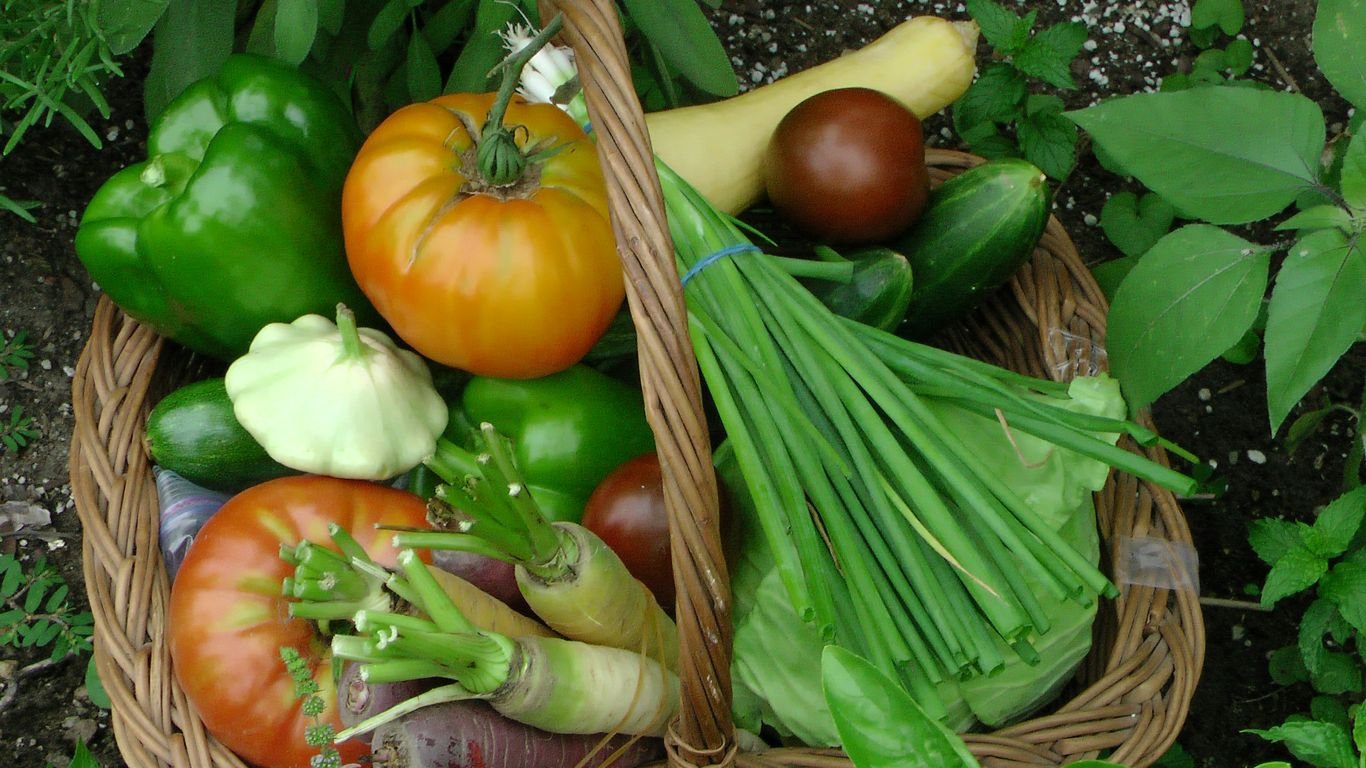
Thinking about making your small homestead more productive and profitable? We’ve been exploring different ways to get more out of our land, and it turns out there are some fantastic crops that can really bring in the money. It’s not just about growing food for ourselves anymore; we’re looking at how to make our farming efforts pay off. We’ve gathered some ideas on the most profitable homestead crops that might just surprise you with their potential.
When we first started thinking about growing things for profit on our small homestead, gourmet mushrooms weren’t really on our radar. But after seeing how much chefs and even home cooks are willing to pay for varieties like oyster, shiitake, and lion’s mane, we definitely changed our tune. These aren’t your average button mushrooms from the grocery store; these are specialty fungi that can bring in some serious cash.
What’s cool about mushrooms is that you don’t need a ton of land. You can grow them indoors, in a basement, a shed, or even a dedicated container like a Gourmet Mushroom Farm. They thrive in controlled environments where we can manage humidity and temperature. This means we can often grow them year-round, regardless of the weather outside.
Here’s a quick look at some popular types and why they’re worth considering:
Growing them involves a few key steps:
The market for gourmet mushrooms is growing, and with the right setup and a bit of learning, we’ve found it to be a really rewarding venture. They don’t take up much space and can provide a quick turnaround, making them a great option for maximizing profit on a small scale.
We’ve found that growing microgreens can be a surprisingly profitable venture for a small homestead. These tiny plants pack a big punch in terms of flavor and nutrients, and they grow super fast. Think of them as the ultimate quick crop. You can get multiple harvests from the same space in a short amount of time, which really adds up.
The real magic of microgreens is their speed and the high price they can fetch. We’re talking about harvesting plants that are just a few inches tall, usually within 10 to 20 days of planting. This rapid turnaround means you can keep the harvest coming all year round, especially if you have a controlled environment like a greenhouse or even just a sunny windowsill.
Here’s a quick look at why they’re so appealing:
We usually grow ours in shallow trays, using a good quality seed-starting mix. The key is to keep them consistently moist and provide good light. We’ve found that a simple setup works wonders, and the return on investment is pretty impressive.
When we first started, we were a bit intimidated by the idea of growing something so delicate. But honestly, it’s more about consistent watering and good airflow than anything else. The plants themselves are pretty forgiving, and the quick turnaround means any mistakes are quickly corrected with a new tray.
We’ve experimented with a few different types, and some of our favorites for profitability include radish, arugula, and sunflower shoots. They’re popular, grow well, and have a great shelf life once harvested properly. Just make sure you have a good system for washing and packaging them to keep them looking their best for customers.
When it comes to profitable crops for a small homestead, we can’t overlook berries. They’re a real crowd-pleaser, and honestly, who doesn’t love fresh berries? We’ve found that if you can get them established, they practically sell themselves, especially at the farm stand. It takes a little patience upfront, as most berry plants need a few years to really get going, but the payoff is worth it.
We’ve experimented with a few different types, and each has its own charm and selling points. Strawberries are always a hit. You can go with June-bearing for one big harvest, ever-bearing for a couple of flushes throughout the season, or day-neutral for a steady supply. Selling them by the pint or quart in those classic little baskets makes them super appealing.
Then there are raspberries and blueberries. These are fantastic because they’re perennials, meaning you plant them once and they keep producing for years. We’ve learned that picking varieties that hold up well after harvest is key, so customers don’t end up with a mushy mess by the time they get home. If you happen to have a few that are a bit past their prime for fresh selling, don’t toss them – they make amazing jam!
Here’s a quick look at what we’ve found:
Berry plants do require some care. We’ve found that good soil, regular mulching, and keeping an eye out for pests are important steps. But compared to some annual crops, once they’re established, the ongoing maintenance can be quite manageable, especially when you consider how long they produce.
While they might take a bit longer to start yielding a significant harvest compared to something like microgreens, the long-term return on investment for berries is pretty impressive. Plus, the satisfaction of seeing those bushes or plants laden with fruit is just fantastic.
Garlic is one of those crops that feels like a real win for us on the homestead. It’s planted in the fall, which means we’re getting it into the ground when other garden tasks are winding down. Then, it sits through winter and is harvested the following summer. This long growing cycle means it’s a bit of a waiting game, but the payoff is a shelf-stable product that we can sell for months. People really do love good, fresh garlic, especially when they know it’s grown locally.
We’ve found that planting hardneck varieties works best for us. They tend to have a superior flavor and store pretty well. Once the cloves are in the ground, it’s mostly about keeping the weeds down. We prep our beds well, adding compost and loosening the soil. Then, we plant the cloves fairly close together – about three rows per bed, with 10 inches between rows and 6 inches between cloves. A good layer of straw mulch over winter protects the roots and gives them a nice start in the spring. Come spring, we pull back some of that mulch to let the soil warm up and avoid too much moisture.
Around mid-June, you’ll see those curly scapes start to pop up. We harvest these a few times a week and actually sell them as an early-season treat. They’re a bit of a novelty and add a nice flavor to our early CSA boxes. The real harvest happens when about 30% of the leaves start to yellow. That’s our cue to get everything out of the ground.
After harvesting, we clean the bulbs right there in the field, trim the roots, and lay them out to dry. Then they move onto racks with fans for about three weeks to fully cure. Properly cured garlic can last for 6–8 months, sometimes even longer. It’s a crop that really stores value like few others. If you’re looking to boost your income, consider growing black garlic as a premium option.
Garlic is a fantastic crop for small-scale growers because it requires relatively low maintenance once planted and offers a long selling window. Its ability to store well means we can generate income from it for a significant portion of the year, making it a reliable part of our farm’s finances.
When we think about making some extra cash on a small homestead, herbs are often one of the first things that come to mind, and for good reason. They’re pretty forgiving to grow, don’t take up a ton of space, and people are always looking for fresh or dried herbs for cooking, teas, or even just for their lovely smells.
We’ve found that focusing on a few popular culinary herbs can really pay off. Think basil, mint, and cilantro – these are staples in many kitchens. Lavender is another great one, not just for its scent but also for its use in soaps and oils. The trick is to grow what’s in demand locally, whether that’s at a farmers’ market or supplying a local restaurant. Selling fresh herbs in small bunches or potted plants can bring in a steady income.
Here’s a quick rundown of what we’ve learned:
Growing herbs is a fantastic way to add a splash of green and a bit of extra income to your homestead. They’re relatively low-maintenance once established and offer a lot of flexibility in how you sell them.
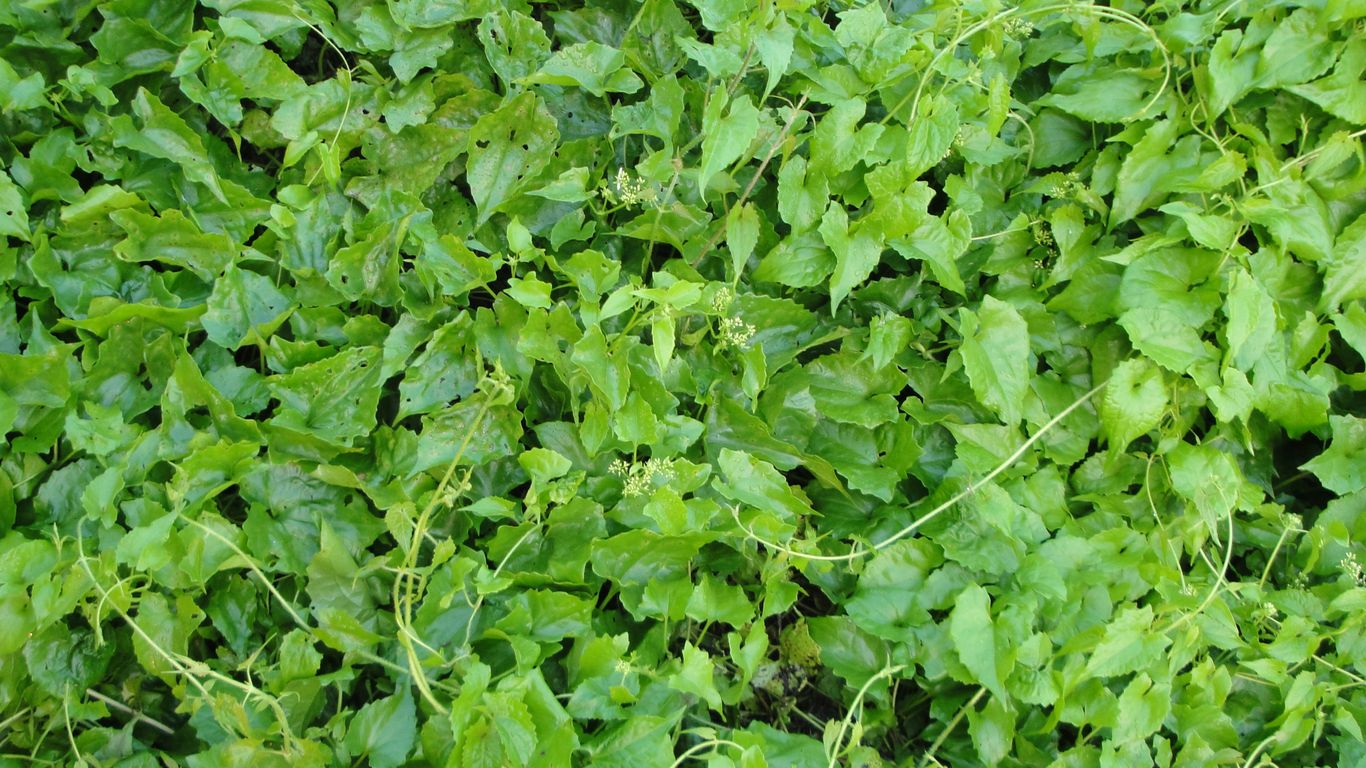
When we think about quick wins for profit on a small homestead, leafy greens are always at the top of our list. They grow fast, we can harvest them multiple times, and people just love having fresh greens, especially when they can’t grow them themselves. It’s a pretty straightforward way to get consistent income.
We’ve found that focusing on a few key players makes all the difference. Spinach, arugula, and lettuce are our go-to crops. They’re not super picky about where they grow, and with a little planning, we can have them ready almost year-round.
Here’s a quick look at why we love them:
The secret to making leafy greens profitable isn’t just growing them well, it’s about having them ready consistently. Customers want to know they can count on you for fresh greens week after week. That reliability builds trust and keeps them coming back.
We’ve learned that good soil and consistent watering are non-negotiable for these crops. They don’t like surprises, and a stressed plant is a less productive plant. Harvesting early in the morning, right after the dew dries, and getting them cooled down quickly is also a big part of keeping them crisp and appealing to customers.
When we think about growing for profit on a small homestead, heirloom tomatoes often come to mind. And for good reason! These aren’t your average supermarket tomatoes; they’re packed with flavor and history. While they might not always have the longest shelf life or the most uniform appearance compared to hybrids, their taste is what truly sets them apart. Customers will seek out these unique varieties for their exceptional flavor and vibrant colors.
Growing heirlooms can be incredibly rewarding, but they do require a bit of extra care. We’ve found that giving them the best possible start is key. This means starting seeds early indoors, transplanting them deep into the soil to encourage strong root systems, and providing sturdy support like trellises or stakes. Mulching is also a non-negotiable step for us; it helps warm the soil, keeps moisture consistent, and reduces disease splash-back.
Here are a few tips we’ve picked up along the way:
While field tomatoes have a shorter growing season and can be susceptible to weather, their flavor is unparalleled. Treat them like gold during their season, and you’ll build a loyal customer base.
We’ve seen great success selling these at farmers’ markets and to local restaurants. The visual appeal and incredible taste of heirloom tomatoes make them a standout crop that people are willing to pay a premium for. They might require a bit more attention than some other crops, but the return in both profit and customer satisfaction is well worth the effort.
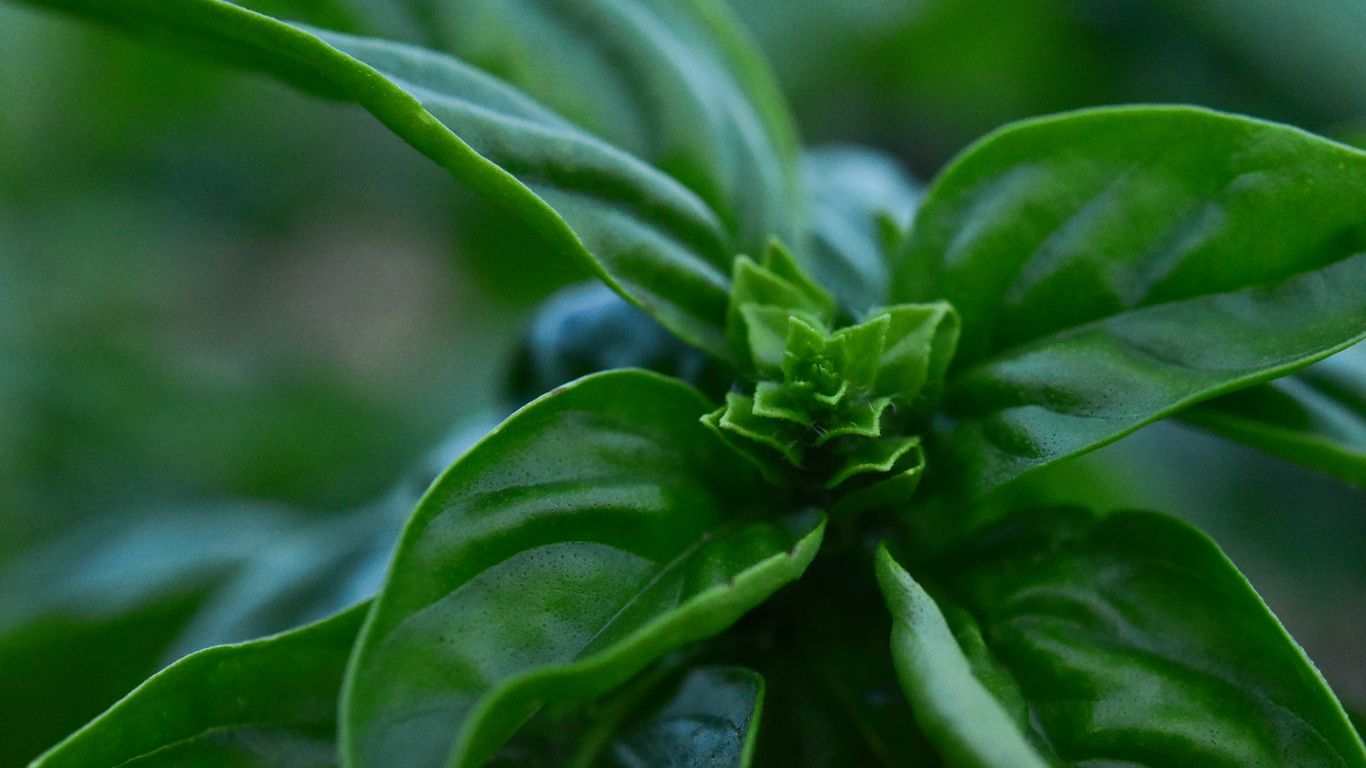
Beyond the common basil and mint, there’s a whole world of specialty herbs that can really boost our homestead’s income. We’re talking about plants that chefs seek out, or that people want for unique teas, tinctures, or even just beautiful dried arrangements. These aren’t your everyday grocery store finds, which is exactly why they can command a higher price.
Think about herbs like lavender, rosemary, thyme, sage, and even more niche options like lemon balm or echinacea. These often require a bit more specific knowledge to grow well, but the payoff can be significant. Many of them are quite hardy once established, and some, like lavender, can even become a destination for visitors if we decide to open our farm for tours or workshops.
Here are a few we’ve found to be particularly rewarding:
Growing these specialty herbs often means paying attention to the soil drainage and sunlight requirements. Some might need protection in the winter, depending on our climate. But the good news is that many of them are perennial, meaning they come back year after year, reducing our planting effort over time.
We’ve found that selling these herbs in small bunches, dried bundles, or even as small potted plants at farmers’ markets or directly to local restaurants has been a great way to diversify our income. The key is to grow high-quality products and market their unique uses effectively.
When we think about planting fruit trees for a homestead, apples often come to mind. They’re a classic, and for good reason. However, getting a good harvest from apple trees takes patience. It can take up to eight years for standard-sized trees to start producing fruit, so this is definitely a long-term investment. If you’re considering apples, we recommend planting at least two different varieties to ensure proper pollination. Think about choosing a variety that’s universally loved but maybe not something you see in every single grocery store. This can make your apples stand out.
We’ve found that focusing on a few key aspects can really help with profitability. For instance, managing your gross margin is super important. We’ve seen farms bring in significant revenue, but it’s all about keeping those costs in check, especially wage bills.
Here are a few things we keep in mind:
Growing apples is a commitment, but the reward of fresh, homegrown fruit, and the potential for profit, can be well worth the wait. It’s about building something that will provide for us for years to come.
If you’re serious about making apple farming profitable, understanding the financial side is key. Looking at how other apple farming operations manage their income and expenses can offer some great insights.
Peaches are a bit more of a commitment than some of the other crops we’ve talked about, but oh boy, are they worth it if you have the space and patience. We’re talking about those fuzzy, sweet fruits that just scream summer. Getting a peach tree to produce fruit takes a few years, so this isn’t an overnight cash crop, but once they get going, they can be pretty productive.
We’ve found that choosing the right variety for our climate is super important. Some peaches need more chill hours than others, and picking one that thrives locally means better fruit and less fuss. We also learned pretty quickly that pruning is key. It might seem a little intimidating at first, but regular pruning helps shape the tree, improves air circulation (which helps prevent diseases), and encourages more fruit production. It’s a bit of an art, honestly.
Here’s a quick rundown of what we consider when planting peach trees:
The payoff is incredible: fresh, juicy peaches that taste nothing like the store-bought ones. Selling them at the local farmers’ market or even just to neighbors can bring in a nice bit of income, especially when they’re in season. Plus, there’s nothing quite like biting into a sun-warmed peach right off the tree.
When we think about growing fruit for profit on a small homestead, cherries might not be the first thing that pops into our heads, but they really should be. These little gems can bring in some serious cash, especially if we focus on the right varieties and get them to market quickly. We’ve found that customers really appreciate the sweet, juicy burst of flavor that a fresh cherry offers, and they’re willing to pay a premium for quality.
Growing cherries isn’t exactly hands-off, but the payoff can be worth the effort. The key is to manage them well from the start. We need to pick varieties that do well in our climate and are known for their flavor and disease resistance. Some of the sweeter types are more delicate, so we have to be careful with how we handle them during harvest and transport. It’s all about getting them from the tree to the customer’s hand while they’re at their absolute best.
Here’s a quick look at what we’re aiming for:
The market for fresh cherries can be quite strong, especially if we can offer unique or exceptionally flavorful varieties. Getting them to local farmers’ markets or directly to restaurants can yield the best prices. We’ve seen that a beautiful display of plump, ripe cherries is a real draw.
While it takes some dedication, the return on investment for cherries can be quite good. The demand for high-quality, locally grown fruit is always there, and cherries fit that bill perfectly when we do things right.
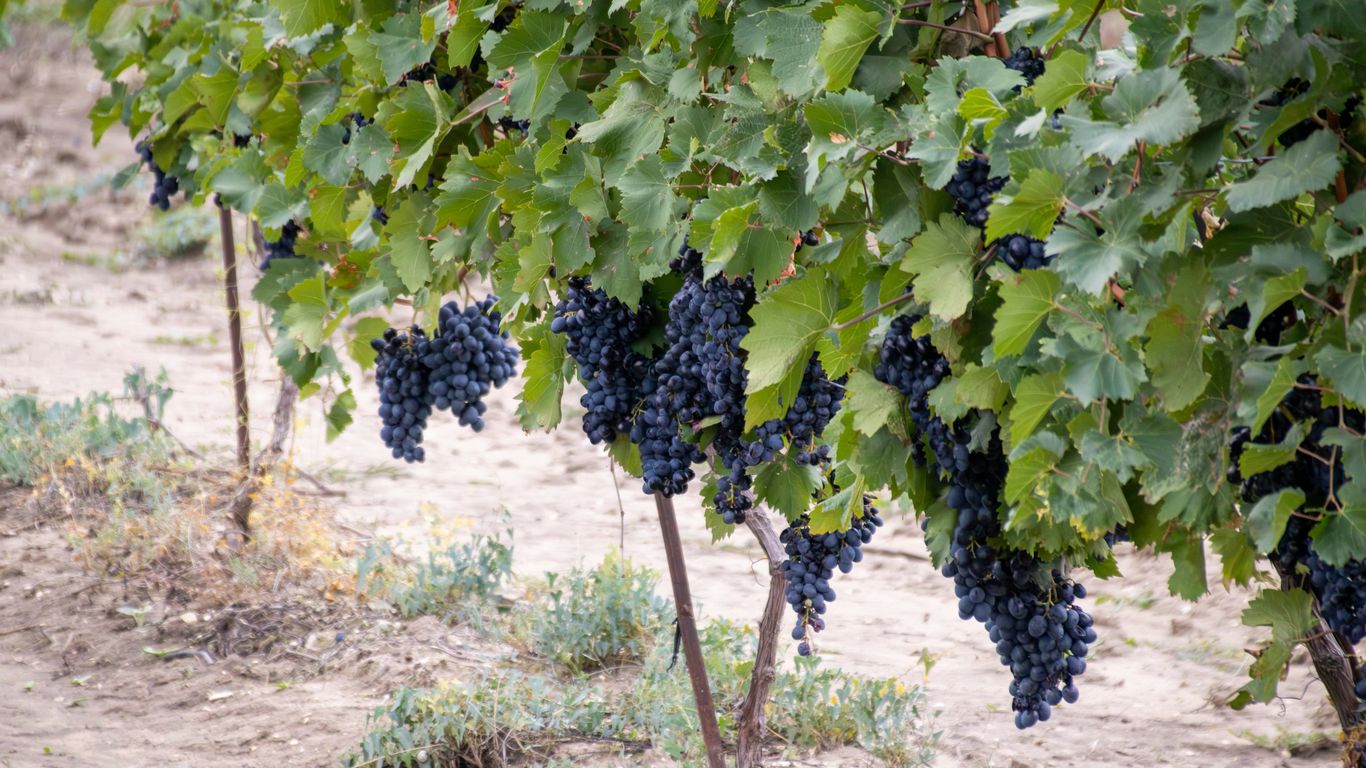
When we think about adding perennial fruit to our homestead for profit, grapes often come to mind. They’re not just pretty to look at, especially when trained over a fence or arbor, but they can also be surprisingly profitable. We’ve found that with the right variety and a bit of care, they can be a really rewarding crop.
One of the best things about grapes is their longevity. Once established, a vine can produce for many years, which means less replanting effort down the line. For us, the key has been choosing varieties that do well in our climate and have good disease resistance. We’re not looking for the absolute highest yield if it means constant spraying.
Here’s a quick look at what we consider:
We’ve learned that patience is a virtue with grapes. They might not produce a massive crop in their first year or two, but once they get going, they can be quite productive. The upfront work of setting up supports and pruning pays off in the long run with a reliable harvest.
Selling grapes at the farmers’ market or to local restaurants can be quite profitable. People appreciate the fresh, local fruit, and if you offer a popular variety, you can build a loyal customer base. We usually sell them in small baskets or bunches, and they tend to move well, especially when they’re in season.
Lettuce might seem like a simple crop, but when we focus on head lettuce, it becomes a real money-maker for our small homestead. It’s all about consistency and presentation. Customers at the farmers’ market love seeing those beautiful, crisp heads week after week. It’s a dependable seller that keeps people coming back.
We treat lettuce like a foundation crop. The key is a solid succession planting plan. We start new seedlings every two weeks, no exceptions. This discipline ensures we always have perfect heads ready for market. In the spring, a floating row cover gives our young plants a little boost and speeds up growth. Come midsummer, we switch to shade cloth to keep the plants cool and prevent them from bolting. Lettuce really doesn’t like stress, and watering is super important, especially when the heads are forming. Frequent, shallow watering makes for those buttery, crunchy heads everyone wants.
Here’s a quick look at what we aim for:
Harvesting early in the morning is a must. After a quick dip in cold water and a good drying, our lettuce keeps beautifully. While it might not be the highest profit per square foot compared to some other crops, its reliability and visual appeal make it a staple that brings steady income. It’s a crop that builds trust with your customers, and that’s priceless. If you’re looking to build a strong market garden presence, reliable greens like lettuce are a great place to start.
Spinach is one of those quiet workhorses on our homestead that we always wish we had more of. It might not get the same hype as some other crops, but it’s incredibly reliable and sells out fast, especially when we have it available almost year-round. We find it’s a consistent moneymaker, filling CSA boxes and keeping our farm stand stocked.
We’ve found that transplanting spinach, rather than direct seeding, gives us a better, more uniform crop. It helps with spacing and allows the plants to establish quicker, giving us those deep green, perfect leaves that hold up well. It also means the plants can compete better with any weeds that pop up.
Here’s a quick look at why we love growing spinach:
We’ve learned that consistent moisture is key for spinach. If we keep the soil damp and harvest promptly when the leaves are just right, we get the best results. It’s all about quick harvests and keeping those plants happy.
While we mostly grow it outside of the hottest summer months, we’ve found that with a simple low tunnel or some shade cloth, we can extend the season even further into the cooler parts of the year. It’s a crop that truly rewards attention to detail and consistent effort.
When we think about profitable greens for a small homestead, kale is definitely one we can’t overlook. It’s a real workhorse in the garden, offering a good return for the space it takes up. Plus, it’s pretty forgiving, which is always a bonus when you’re juggling a lot of different crops.
Kale is incredibly versatile, and its hardiness means we can often harvest it well into the cooler months, sometimes even through light snow. This extended harvest window is a big plus for consistent sales. We’ve found that customers appreciate its nutritional punch and the fact that it can be used in so many dishes, from salads to smoothies to cooked greens.
Here’s a quick look at why we like growing kale:
We usually aim for a spring planting and then another for a fall harvest. For us, the key is to keep it well-watered, especially during dry spells, and to watch out for common pests like cabbage worms. A little bit of row cover can go a long way in protecting young plants.
Growing kale is a solid choice for homesteaders looking for a reliable and profitable green. Its ability to withstand cooler temperatures and provide a good yield makes it a staple in our market offerings. We’ve learned that focusing on healthy soil and pest management really pays off with this crop.
Arugula is a fantastic crop for us on the homestead, especially when we’re looking for a quick turnaround and good profit. It’s one of those greens that just grows fast, and if you seed it densely, you can get a lot of harvest from a small space. We find it does best in the cooler parts of the year – early spring and then again in the fall. When the summer heat hits, it can get a bit too peppery and tough for most people’s liking, so we usually stop growing it then.
We’ve found that using a quick-cut greens harvester makes harvesting a breeze, but you absolutely need to keep that blade sharp. A dull blade will just tear the leaves, and nobody wants that. It might not be the most glamorous crop on the farm, but when we get the timing right, it’s incredibly productive and always sells out quickly at the market.
Here’s a quick look at what we aim for:
We’ve learned that staggering our plantings every week or so in the spring and fall gives us a consistent supply. This way, we don’t get overwhelmed with too much at once, and our customers always have fresh arugula available. It’s all about managing the harvest flow.
It’s a simple crop, really. Sow it, grow it, cut it, sell it. The peppery kick is a big hit, especially with chefs and folks in our CSA who are eager for that first taste of fresh greens after a long winter.
Basil is one of those herbs that just screams summer, and luckily for us, it’s also a pretty good earner on a small homestead. We’ve found that people really love fresh basil, especially when they can get it right from the market or a local farm stand. It’s not too tricky to grow, and you can get a decent amount of harvest from a small patch.
We’ve found that planting basil in succession, every couple of weeks, gives us a steady supply throughout the growing season. This means we’re not overwhelmed with too much at once, and we can keep the market stocked. Plus, customers appreciate knowing they can grab fresh basil whenever they visit.
Here’s a quick rundown of what works for us:
We often sell basil in small bunches, sometimes mixed with other herbs like parsley or cilantro for a "sauté blend." This can really catch a customer’s eye and often sells for a bit more than a single herb bunch would on its own. It’s a simple way to add perceived value without much extra effort.
Basil plants can get quite large if you let them, but regular harvesting keeps them producing. It’s a plant that really rewards you for paying attention to it. We’ve learned that the more you cut, the more you get, which is exactly what we want when we’re trying to make a little money from our garden.
Mint is one of those plants that can really take over if you let it, but that’s also part of why it’s so great for making money on a small homestead. It’s incredibly hardy and grows like crazy, meaning you can get a lot of product from a small space. We’ve found that selling fresh mint bunches at the farmers’ market or to local restaurants is a solid earner.
The key is to manage its spread and harvest it regularly. If you plant mint directly in the ground without any containment, you’ll soon have mint everywhere. We usually plant ours in containers or in raised beds with barriers to keep its roots in check. This way, we can harvest it without worrying about it taking over the entire garden.
Here’s a quick rundown of why mint is a good bet:
We typically harvest mint by cutting the stems about an inch or two above the soil line. This encourages new growth from the base. For market, we bunch it up neatly, tie it with a twist tie or rubber band, and keep it cool. A good bunch of fresh mint always looks appealing and smells amazing, which helps it sell.
When growing mint for profit, think about the different varieties. Spearmint and peppermint are the most common for culinary uses, but there are also ornamental varieties that can be sold for their unique looks or even for dried arrangements. Don’t underestimate the appeal of a fragrant herb that also looks good.
We’ve found that mint is a pretty low-fuss crop once you get it established and contained. It doesn’t usually require a lot of pest control, and it’s quite forgiving if you miss a watering or two. It’s a great plant to have in your arsenal for consistent income.
When we first started thinking about what to grow for a little extra income, lavender wasn’t high on our list. But honestly, it’s become a surprisingly good earner for us. It smells amazing, looks beautiful, and people really seem to love anything made with it. Plus, it’s not super demanding once it gets going.
The real profit comes from diversifying how you sell it. Just selling fresh bouquets is okay, but you can make so much more by turning it into dried bundles, sachets, essential oils, or even soaps. We found that offering a mix of fresh and dried products at the farmers’ market really boosted our sales.
Here’s a quick rundown of why it works for us:
Growing it is pretty straightforward. It absolutely needs full sun and soil that drains really well. If you have heavy clay soil, you’ll want to amend it or consider planting in raised beds or containers. We prune ours back pretty hard after the main flowering season to keep it bushy and encourage more blooms the next year. Harvesting is best done just as the flowers are opening up – that’s when the scent is strongest.
We learned that different varieties have slightly different uses and growth habits. Some are better for oil production, while others are more ornamental. Doing a little research on the best types for your climate and what you want to sell is definitely worth the time.
It might take a year or two to get a really good harvest, but once your plants are established, they can produce for many years. It’s a plant that rewards patience and a bit of creativity in how you market its lovely fragrance and appearance.
Oyster mushrooms are a fantastic choice for us homesteaders looking to make a bit of extra cash. They grow pretty fast and don’t need a ton of space, which is perfect for smaller setups. We’ve found that getting started is pretty straightforward too. You can buy kits or even just inoculate some substrate yourself if you’re feeling adventurous.
The key to making good money with oyster mushrooms is consistent quality and understanding your market. Chefs and specialty grocers are often willing to pay a premium for fresh, locally grown mushrooms. We’ve seen prices that can really add up when you’re supplying a few restaurants regularly.
Here’s a quick rundown of why they’re a good bet:
We’ve been experimenting with different oyster mushroom strains, and the pearl oyster and blue oyster have been particularly successful for us. They’re vigorous growers and have a great texture that customers seem to love. It’s really rewarding to see something you’ve grown yourself end up on someone’s plate, especially when it’s a gourmet item like these. If you’re looking for a way to diversify your homestead income, definitely look into oyster mushroom farming profitability. It’s a crop that can yield surprising returns with a bit of effort and attention to detail.
Shiitake mushrooms are another fantastic option for us homesteaders looking to add some gourmet flair and profit to our operations. They’re not as common as button mushrooms, which means they can fetch a better price, especially if we focus on quality. We’ve found that growing shiitakes is pretty rewarding, and while it takes a bit of setup, the payoff can be significant.
The key to shiitake success is providing them with the right environment and substrate. We typically grow them on logs or sawdust blocks. Logs are more of a long-term investment, taking anywhere from six months to a year to start producing, but they can yield for several years. Sawdust blocks are faster, often fruiting within a few months, but they have a shorter productive life.
Here’s a quick rundown of what we’ve learned:
When it comes to profit, we’ve seen that aiming for a good gross profit margin is important. For instance, if our production cost for a pound of shiitake mushrooms is around $4, we should be looking to sell them for at least $8 per pound to ensure profitability in your mushroom business [2b30]. This might mean selling directly to consumers at farmers’ markets or to local restaurants that appreciate high-quality, locally grown produce.
We’ve found that blueberries are a fantastic addition to a small homestead operation, especially if you have a bit of space that gets good sun. They might take a couple of years to really get going, but once they do, they’re pretty reliable producers. People just love fresh berries, and blueberries are no exception. They’re great for snacking, baking, or just adding to your morning yogurt.
When we first started, we weren’t sure about the upfront investment, but the return has been worth it. We sell ours by the pint and half-pint, usually in those standard cardboard baskets that look nice at the market. For customers who come back regularly, we’ve even started using reusable trays, which cuts down on waste and is a nice touch.
Here’s a quick rundown of what we’ve learned:
While they do take some time to establish and require specific soil conditions, the payoff in terms of customer appeal and repeat business is significant. Plus, there’s nothing quite like picking your own fresh blueberries on a summer morning.
Honestly, if you can manage the soil pH and give them enough sun, blueberries are a berry good investment for your homestead.
Raspberries are a fantastic choice for small homesteads looking to generate some extra income. They’re popular, and people love buying fresh berries. We’ve found that customers are always looking for high-quality, locally grown raspberries. While they do require a bit of upfront planning and consistent care, the payoff can be really rewarding.
When we first started thinking about growing raspberries, we looked into different types. There are summer-bearing varieties that give you one big harvest, and ever-bearing ones that produce fruit throughout the season. For a small operation, ever-bearing might be simpler to manage, giving you a steady stream of income rather than one big rush. We also learned that choosing varieties known for good shelf life is key, so the berries don’t get mushy on the way to the customer.
Here’s a quick rundown of what we consider when planting:
We’ve seen firsthand how well raspberries can sell, especially when presented nicely. Selling them in pint or half-pint containers is common, and customers appreciate the freshness. If you have a surplus, making jam is a great way to use up extra berries and create another product to sell. It’s a crop that keeps on giving, and with a little effort, you can build a loyal customer base for your delicious berries. You can find more ideas for generating income from your garden at ways to generate income.
Growing raspberries requires patience, especially waiting for the plants to establish and produce well. However, their popularity at markets and roadside stands makes them a worthwhile endeavor for many homesteaders. Consistent care, from pruning to pest management, will lead to a more bountiful and profitable harvest year after year.
We’ve found that strawberries are a real crowd-pleaser, and honestly, they’re pretty fun to grow too. If you’ve got a sunny spot, they’re definitely worth considering for your homestead. The trick is figuring out which type works best for you. We’ve got June-bearing ones that give us one big harvest in early summer, and then there are ever-bearing and day-neutral varieties that keep the berries coming throughout the season.
Selling them is usually straightforward; people love fresh berries! We usually sell them by the pint or half-pint in those classic little baskets. Once you get regulars, you can even get fancier with reusable containers.
Here’s a quick look at the types:
It takes a bit of planning to get a good yield, and you’ll want to make sure you’re planting them in a spot where they can spread out a bit, especially if you’re going for the June-bearing types. We learned that maximizing space is key on a smaller plot.
Harvesting needs to be done carefully to avoid damaging the delicate fruit. We found that picking them in the morning after the dew has dried is best. It’s also important to only take about two-thirds of the berries from a plant at a time so it can keep producing and stay healthy for the next season.

When we talk about the ‘more’ in profitable crops for a small homestead, we’re often looking at things that take a bit more patience or have a niche market. Ginseng is a prime example. This isn’t a quick turnaround crop; we’re talking about a plant that can take several years to mature before we can harvest its valuable root. It’s highly sought after, especially in Asian markets, for its perceived health benefits, and the dried root can fetch a pretty penny. If you’ve got the space and the patience, growing ginseng could be a long-term investment.
Beyond ginseng, there are other unique options that can add to our homestead’s income. Think about things like lavender. It smells amazing, looks beautiful, and can be turned into all sorts of products – essential oils, soaps, sachets. It likes full sun and well-drained soil, and a bit of pruning keeps it happy and productive. We can also consider sunflowers. Not only are the seeds edible and good for oil, but the flowers themselves can draw people in, maybe for photos or just to admire. They need sun and good drainage too.
Here’s a quick look at some of these less common, but potentially profitable, crops:
Growing these types of crops often means we’re looking at a longer wait time for returns, but the profit margins can be significantly higher per plant or per harvest compared to more common vegetables. It’s about diversifying our offerings and finding those special items that customers are willing to pay a premium for.
We also shouldn’t forget about things like specialty mushrooms, which we touched on earlier, or even certain types of bamboo if the market is right. The key is research – understanding what grows well in our specific climate and what our local market is looking for. It might take a bit more effort upfront, but these ‘more’ crops can really round out our homestead’s income streams.
So, we’ve looked at a bunch of different crops that can really make a difference on a small homestead. It’s not just about throwing seeds in the ground, though. We need to think about how we plant things, maybe grow up instead of out, and definitely figure out how to get our goods to people who want them. If we take what we’ve talked about and make it work for our own little piece of land and what our neighbors need, we can totally turn our homestead into a place that’s not just pretty, but profitable too. So, let’s get those gloves on, make a plan, and start growing something great!
We should look at what people in our area want to buy and what grows well in our local weather and soil. It’s also smart to figure out how much money we’ll need to start and how much we can expect to make.
Yes! We can use vertical gardening with trellises or hanging pots. We can also plant different crops together that grow well side-by-side, like putting lettuce between tomato plants.
We can sell directly to people at farmers’ markets or set up deals with local restaurants. Having a farm stand or offering a ‘pick-your-own’ option are also good ideas. We could even start a CSA, where people pay upfront for a share of our harvest.
Definitely! Rotating crops helps put nutrients back into the soil, stops pests and diseases from building up, and makes our soil healthier overall, which leads to better harvests.
Some great options include fancy mushrooms like oyster and shiitake, tiny but mighty microgreens, unique heirloom tomatoes, and special herbs. Garlic is also a good bet because it grows well in small spaces and sells for a good price.
No, there isn’t one magic crop. What’s most profitable really depends on where we are, what the weather is like, what people want to buy, and how well we can manage growing and selling it.
Living on a homestead offers a unique way of life, and it can also be a fantastic way to save money. We've found that by embracing self-sufficiency, we can significantly cut down our monthly expenses. If you're looking for ways...
Read More March 2, 2026
The Ultimate Pantry Staples List for Homesteaders
Homestead Kitchen
Homesteading
Starting a Homestead
March 2, 2026
The Ultimate Pantry Staples List for Homesteaders
Homestead Kitchen
Homesteading
Starting a Homestead
Getting our homestead pantry staples in order feels like a big job, but it doesn't have to be. We've learned that a well-stocked pantry is more about having the right basics on hand than filling every shelf. It’s about building...
Read More March 2, 2026
How to Make Money With Herbal Products
Homesteading
Sustainable Living
March 2, 2026
How to Make Money With Herbal Products
Homesteading
Sustainable Living
We've all got a passion for herbs, right? Maybe you love making soothing teas, or perhaps you're great at whipping up natural skincare. Whatever it is, you've probably wondered if you could turn that hobby into something more, maybe even...
Read More