


We all dream of a self-sufficient life, a place where we grow our own food and live closer to nature. But sometimes, the reality of running a homestead can feel overwhelming. The endless chores, the unexpected problems, and the sheer amount of work can lead to something we call homestead burnout. It’s a real thing, and it can make even the most dedicated homesteader question their path. We’ve been there, feeling the exhaustion creep in, and we’ve learned a few things along the way about how to keep that spark alive and avoid the dreaded homestead burnout.
We all get into homesteading because we love the idea of it, right? We picture fresh eggs, a garden overflowing with veggies, and a peaceful life connected to the land. It’s a beautiful dream, but let’s be real: the reality can hit us like a ton of bricks sometimes. That romanticized vision we had? It often clashes hard with the actual work involved. We might imagine sunny days spent tending to happy plants, but forget about the sweltering heat, the pests that seem to appear overnight, or the animals that get sick when we least expect it.
It’s easy to get swept up in the idea of homesteading. We see the perfect pictures online or hear the stories of self-sufficiency and think, "That’s the life for me!" But that polished version often leaves out the mud, the sweat, and the sheer exhaustion. When our first planting gets wiped out by a sudden frost, or when we’re up late dealing with a sick animal, it’s tough to hold onto that initial excitement. The gap between the dream and the daily grind can be a major source of stress.
One of the biggest challenges we face is recognizing when we’re just tired versus when we’re heading towards burnout. Because we’re homesteaders, we’re used to pushing through. We’re problem-solvers by nature. But there are signs. Are we constantly feeling drained, even after a night’s sleep? Do we find ourselves snapping at family members or feeling a general sense of dread about the tasks ahead? These aren’t just "off" days; they’re signals that we need to pay attention to our own well-being. Ignoring them is like ignoring a check engine light on our tractor – it’s only going to lead to bigger problems down the road.
There’s a difference between hard work and overwhelming work. Homesteading is inherently demanding. There are always chores to do, repairs to make, and seasons to prepare for. But when the sheer volume of tasks feels impossible to manage, and we start to feel like we’re drowning, that’s when we’ve crossed the line into overwhelm. It’s not about being lazy or not wanting to work; it’s about reaching our human limits. We might feel like we’re failing if we can’t keep up, but often, it’s just a sign that our systems or our expectations need adjusting. We need to remember that we are human, not machines, and our capacity has limits.
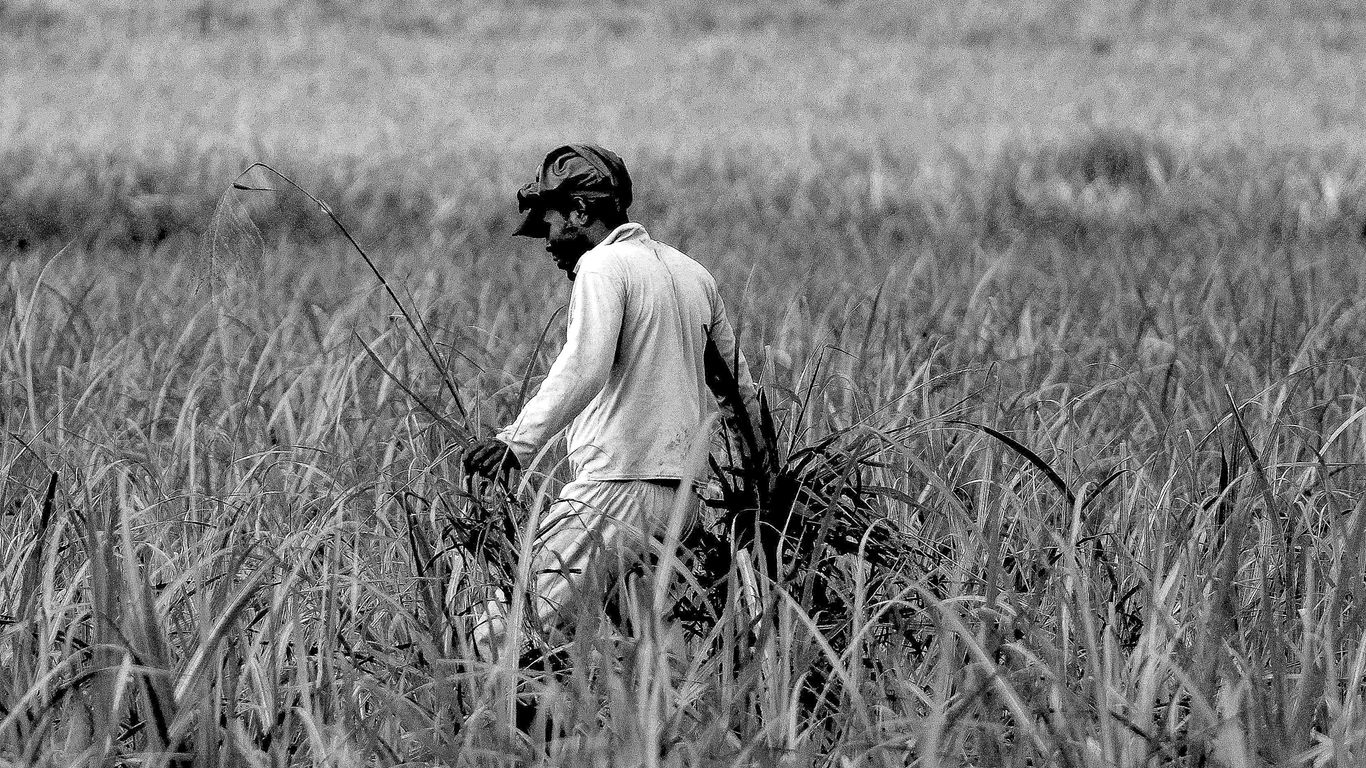
We all know homesteading has its ups and downs, but there are certain times of the year that really test our limits. For us, these are usually the planting season and the harvest time. It doesn’t matter how much we plan or prepare; these periods always seem to bring a unique kind of exhaustion and overwhelm.
Spring is supposed to be about new beginnings, right? And it is, but it’s also about a frantic rush to get everything in the ground. We’re juggling seed starting indoors, preparing garden beds, amending soil, and then the actual planting. The weather can be unpredictable, too – one day it’s perfect for tilling, the next it’s a muddy mess. We often find ourselves working from sunup to sundown, trying to catch those ideal planting windows before they disappear. It’s easy to feel like we’re constantly behind, especially when we see other homesteaders posting pictures of their perfectly established seedlings.
Then comes fall, the reward for all our hard work, but also a period of intense pressure. Suddenly, everything ripens at once. We’re picking, preserving, canning, drying, and freezing. If we don’t get it done quickly, all that beautiful produce can go to waste. This is when the kitchen becomes a hot, steamy factory, and our free time evaporates. We might have bushels of tomatoes to process, apples to turn into sauce or cider, and root vegetables to store. It’s a race against time and the changing weather, and it can be utterly draining.
It’s important to remember that we are not machines. We have physical and mental limits, and these busy seasons push them. Trying to do everything perfectly and on schedule can lead to serious burnout. We’ve learned that sometimes, you just have to accept that not everything will get done exactly when you planned. It’s okay to not be perfect.
Here are a few things we’ve noticed during these intense periods:
We often romanticize the idea of being completely self-sufficient, but the reality is that these peak seasons demand an incredible amount of energy and focus. Recognizing that these times are inherently stressful is the first step to managing them without completely depleting ourselves.
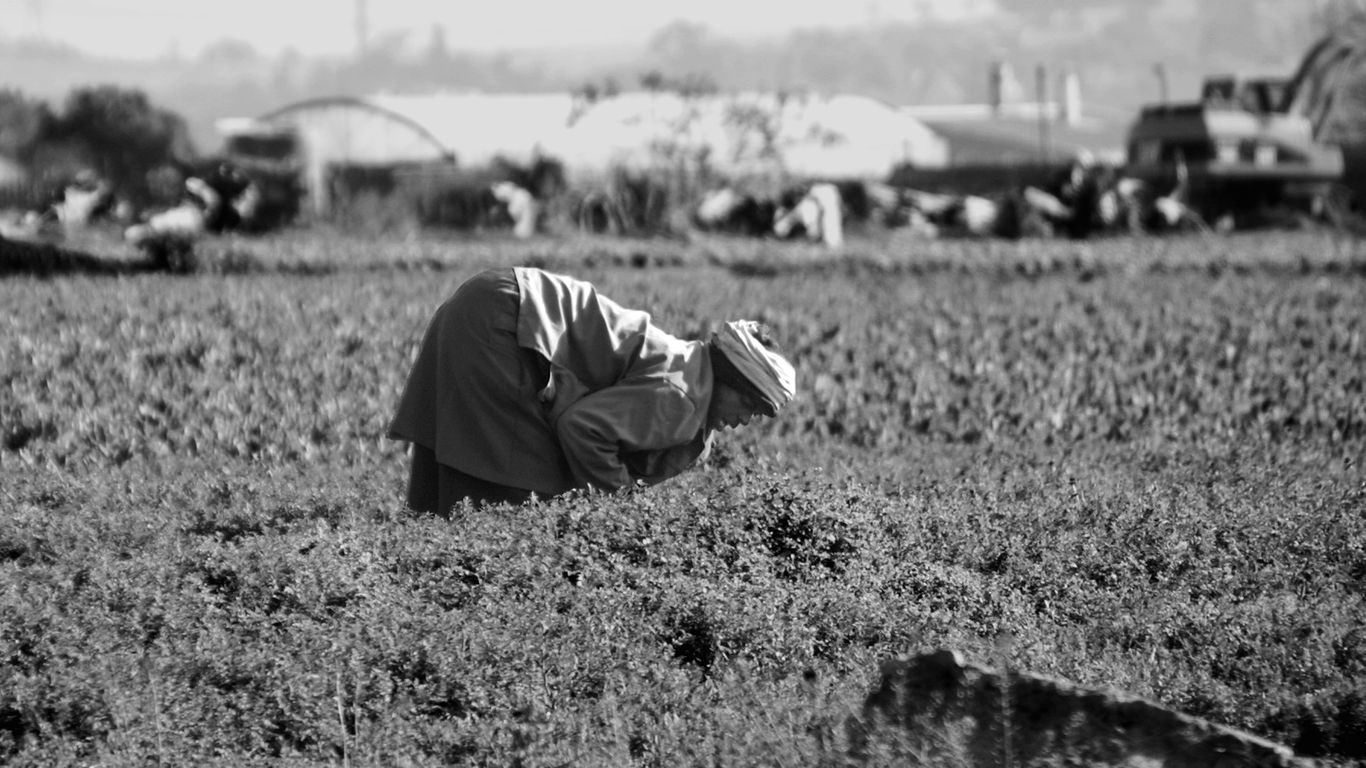
We all know homesteading can feel like a marathon, not a sprint. Sometimes, we get so caught up in the day-to-day grind that we forget to step back and make sure we’re not heading straight for burnout. It’s easy to get overwhelmed when we’re trying to do it all, but there are ways to keep things manageable and even enjoyable. The key is to be proactive, not just reactive.
Think of preparation as your homestead’s secret weapon against burnout. When we take the time to get things ready before the busy seasons hit, we save ourselves a lot of stress later. This means things like organizing tools, ordering seeds well in advance, and making sure our fences are in good repair before the livestock get restless. It’s about anticipating what’s coming and tackling it when we have a bit more breathing room.
We often think we need to do everything ourselves, perfectly. But homesteading is messy, and that’s okay. If the basics are covered – animals fed, food preserved, and we’re eating – we shouldn’t beat ourselves up over the small stuff. We’re only human.
It’s so tempting to look at all the things that need doing and feel like we’ll never get there. That’s where setting goals comes in. We need to break down the big picture into smaller, manageable steps. This applies to daily tasks, weekly chores, and even long-term projects. When we can see progress, even small wins, it keeps us motivated and feeling productive, which is the opposite of burnout.
Here’s how we can approach goal setting:
This is a tough one for many of us. We might think, "It’s faster if I just do it myself," or "No one else will do it right." But honestly, trying to do everything alone is a fast track to exhaustion. We need to learn to let go and trust others, whether that’s family members, friends, or even hiring help if possible. Even small tasks delegated can make a huge difference. Think about teaching the kids how to collect eggs or water the plants. It might not be perfect, but it gets done, and it teaches them valuable skills too.
We all know homesteading is hard work. It’s easy to get caught up in the endless cycle of chores, planting, harvesting, and preserving. Before we know it, we’re running on fumes. We have to remember that we are not machines; we are people, and people need rest. Ignoring our own needs doesn’t make us tougher or more dedicated homesteaders; it just leads us down the road to burnout.
Think about it: when we’re exhausted, everything feels harder. That simple task of weeding the garden can feel like climbing a mountain. Our patience wears thin, our decision-making suffers, and we’re more prone to mistakes. Our bodies and minds are sending us signals, just like our animals do. If a chicken isn’t laying, we check her feed and environment. We need to apply that same care to ourselves. Getting enough sleep is the most basic, yet often overlooked, aspect of self-care. Aiming for an extra 30-60 minutes of sleep each day can make a world of difference. It’s not about being lazy; it’s about being smart and sustainable in our efforts.
We can’t just wait for burnout to hit before we think about rest. We need a proactive plan. This means scheduling downtime just like we schedule planting or fence mending. What does that look like for us?
Beyond sleep, we can weave small acts of restoration into our daily lives. These aren’t grand gestures, but simple habits that keep us grounded and prevent the slow creep of exhaustion.
We often think that if we don’t do it all ourselves, it won’t get done right. This is a trap. We need to learn to delegate, even if it’s just letting the kids pick beans imperfectly. Our homestead is a marathon, not a sprint, and we need to pace ourselves to finish strong.
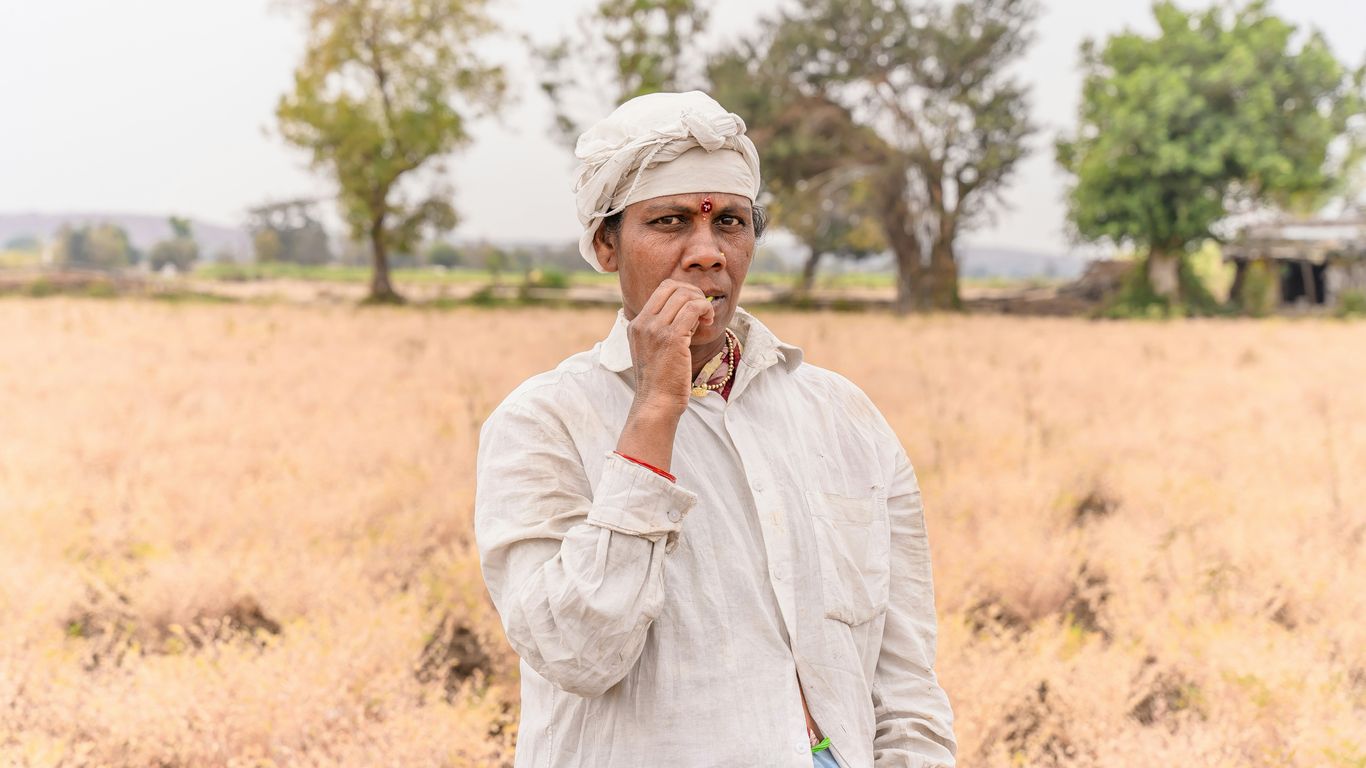
Things rarely go exactly as planned on a homestead, do they? We’ve all been there. One minute, the chickens are laying like champs, and the next, a fox has paid a visit, or a weird illness sweeps through. Or maybe that big storm we were warned about actually hits, flattening half the garden. It’s easy to feel defeated when these things happen. We put so much work into our plans, and it feels awful when nature or bad luck throws a wrench in the works. It’s important to remember that setbacks are part of the process, not a sign of failure. We learn from these moments, even if it doesn’t feel like it at the time. Instead of getting stuck on what went wrong, we try to figure out what we can do differently next time. Sometimes, it’s as simple as reinforcing the chicken coop or planting a few extra rows of that favorite vegetable.
As our homestead grows and changes, so do our needs and capabilities. What worked perfectly five years ago might feel like a chore now. Maybe the kids are older and less available for chores, or perhaps our own bodies aren’t as spry as they used to be. It’s okay to admit that a system isn’t working anymore. We’ve had to do this ourselves. For instance, we used to hand-water the entire garden, which was fine when it was smaller. Now, with expansion, it was taking up way too much time. We finally invested in a drip irrigation system, and honestly, it’s been a game-changer. It frees up hours each week. We also found that trying to raise too many different kinds of animals was stretching us too thin. We decided to focus on just chickens and goats, and it’s made things much more manageable. It’s about being realistic with what we can handle.
When we’re deep in the weeds, feeling overwhelmed by a failed crop or a sick animal, it’s easy to lose sight of the bigger picture. It can feel like everything is falling apart. Taking a step back is key. Sometimes, just getting off the property for a few hours can help. A trip into town, a visit with friends who don’t homestead, or even just sitting on the porch with a cup of coffee and a good book can shift our mindset. We also find that making a list of what’s going right can be surprisingly effective. It’s easy to focus on the negatives, but acknowledging the successes, no matter how small, helps us keep things in perspective. Remember why we started this in the first place – for the connection to the land, the fresh food, the slower pace. Holding onto that ‘why’ can help us push through the tough times.
Sometimes, when we’re deep in the weeds (literally and figuratively!), it’s easy to forget why we started this whole homesteading adventure in the first place. We get so focused on the tasks, the problems, and the sheer amount of work that the joy gets buried. It’s time to dig it back up.
We tend to be independent folks, right? Asking for help can feel like admitting defeat. But think about how our ancestors did it – they worked together, and then they celebrated together. We can bring that back. Don’t wait until everything is perfect (spoiler: it never will be!). Invite friends over for a potluck, show them your garden even if it’s a bit wild, or explain that project you’re halfway through. Seeing your homestead through fresh eyes can remind you of its magic. Plus, it’s a great way to share the load and the laughter.
Holidays are built-in opportunities to pause and celebrate. It doesn’t have to be a huge production. Maybe it’s a simple picnic in the yard on a summer evening, or a special meal shared after a day of canning. Creating traditions, big or small, gives us something to look forward to and a reason to step away from the daily grind. These moments become the memories that sustain us when the work feels endless.
Sharing what we do, whether it’s through stories, photos, or even teaching someone a new skill, can reignite our passion. When we explain our goals and our successes (and even our funny failures!) to others, we reconnect with our own purpose. It’s a reminder that what we’re building is special, and that sharing it is part of the reward. Remember, homesteading isn’t just about self-sufficiency; it’s also about connection – to the land, to our food, and to each other.
It’s easy to get caught up in the ‘doing’ and forget the ‘being’. Taking time to connect with people and celebrate life’s moments, not just the harvest, is what makes the homestead feel like a home, not just a farm.
Look, homesteading is a marathon, not a sprint. We all hit those moments where we feel completely swamped, whether it’s planting season, harvest time, or just a random Tuesday when everything seems to go wrong. It’s easy to get discouraged when things don’t go as planned, but remember why we started this journey in the first place. By taking breaks, setting realistic goals, and not being afraid to ask for help or adjust our plans, we can push through those tough times. Homestead burnout is real, but it doesn’t have to be the end of our dreams. We can learn to manage it, keep our passion alive, and continue enjoying this rewarding way of life.
Homestead burnout is that feeling of being totally wiped out and overwhelmed from all the work that comes with living a homesteading life. It’s when the dream of self-sufficiency starts to feel like too much, and we wonder if we can keep going.
A big reason is the difference between what we imagine homesteading to be and the real deal. We might picture perfect gardens and happy animals all the time, but the reality includes tough weather, pests, sick animals, and endless chores. Also, super busy times like planting and harvesting can really wear us down.
The first sign is usually feeling really tired, even when we’ve slept. We might also feel grumpy, lose our excitement for projects, or start to feel like nothing we do is good enough. It’s like our bodies and minds are telling us to slow down.
Being well-prepared is key! This means planning ahead for everything, from setting up our homestead to knowing what to do during busy seasons. Good preparation helps us handle challenges better and makes the whole experience more enjoyable.
We need to set realistic goals and not try to do everything at once. It’s also super helpful to ask for help and let others pitch in with tasks. And most importantly, we must make time for rest and self-care, even when it feels like there’s too much to do.
It’s okay to have tough days. Sometimes, just taking a break or reminding ourselves why we started can help. If these feelings stick around and feel really heavy, it’s important to talk to someone or seek professional help. Remember, tough times usually pass, just like the seasons change.
 March 7, 2026
How to Turn Food Preservation Into a Side Hustle
Canning
Homestead Kitchen
Homesteading
Sustainable Living
March 7, 2026
How to Turn Food Preservation Into a Side Hustle
Canning
Homestead Kitchen
Homesteading
Sustainable Living
We've all got those hobbies or skills that we love doing, right? Maybe it's baking, gardening, or even making your own jam. What if we told you that you could turn those passions into a little extra cash? It might...
Read More March 7, 2026
High-Output Crops Perfect for Micro Homesteads
Gardening
Homestead Planning
Homesteading
Starting a Homestead
March 7, 2026
High-Output Crops Perfect for Micro Homesteads
Gardening
Homestead Planning
Homesteading
Starting a Homestead
Thinking about growing your own food but only have a little space? We get it. Many of us are looking for ways to be more self-sufficient, even if we don't have acres to work with. The good news is, you...
Read More March 6, 2026
10 Low-Cost Homestead Side Hustles That Make Money
Homestead Planning
Homesteading
Starting a Homestead
March 6, 2026
10 Low-Cost Homestead Side Hustles That Make Money
Homestead Planning
Homesteading
Starting a Homestead
We all dream of a simpler life, right? One where we're more connected to the land and the seasons. But let's be real, that dream needs some funding. That's where low cost homestead side hustles come in. These aren't about...
Read More