


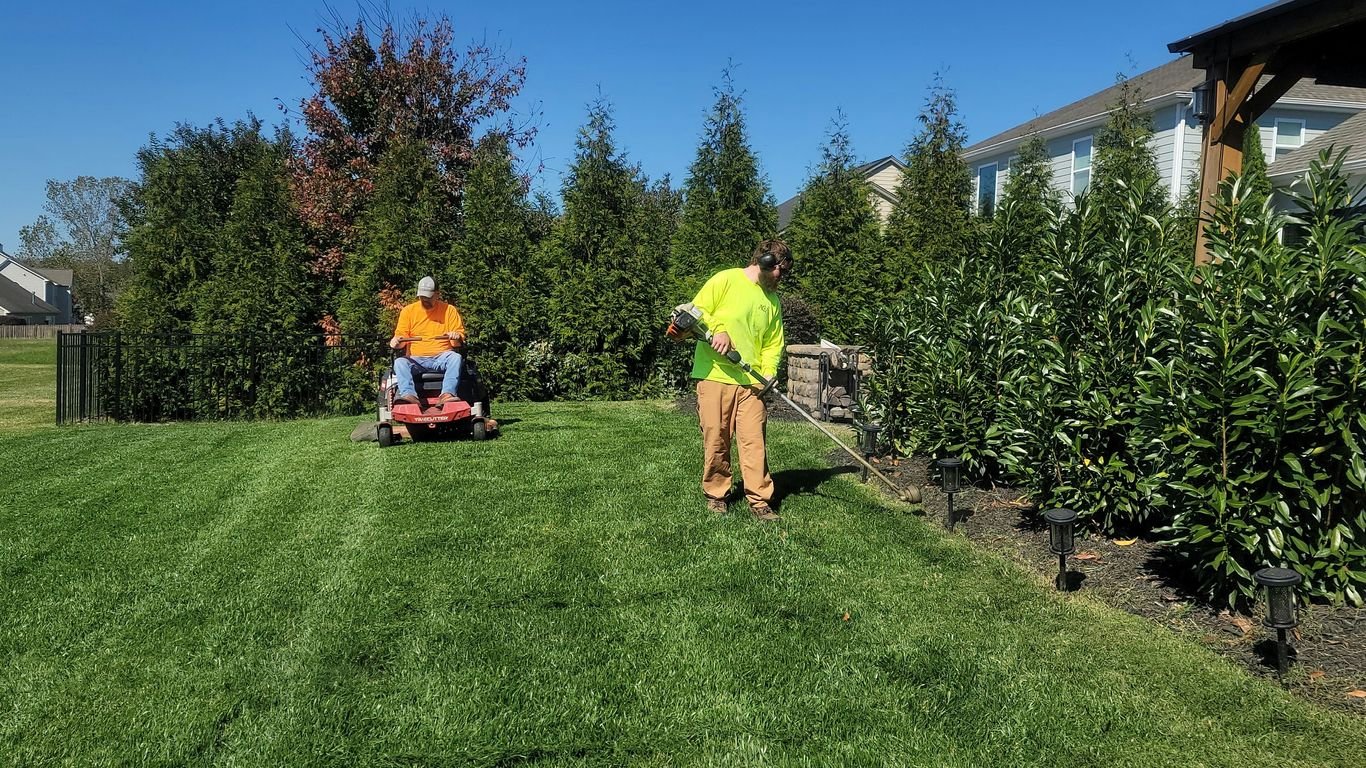
We’ve all seen those beautiful homesteads online and thought, “I wish I could do that.” Well, good news! You totally can. Homesteading 101 isn’t about owning a huge farm; it’s about learning practical skills to live a bit more simply and rely on yourself more. We’re going to walk through some of the first things you should learn, no matter where you live. It’s all about starting small and building up from there.
So, you’re thinking about diving into homesteading? That’s fantastic! It’s a journey that’s less about having a sprawling farm and more about learning practical skills to live a more connected and resourceful life. You don’t need acres of land or a barn full of animals to start. Homesteading is really about building skills, not just accumulating stuff. It’s about becoming more self-reliant, understanding where your food comes from, and making intentional choices about how you live.
Let’s clear the air. Homesteading isn’t about living like it’s the 1800s or striving for some unattainable ideal. It’s a modern approach to living that emphasizes resourcefulness and connection. For some, it might mean growing a few herbs on a sunny windowsill; for others, it could be raising backyard chickens or learning to bake bread from scratch. At its core, homesteading is about:
It’s not about perfection or having the most land. It’s about the willingness to learn and take small, consistent steps.
It’s easy to get caught up in the idea that you need fancy tools or a perfectly set-up homestead before you can even begin. But honestly, that’s not the case. The real value lies in what you know and what you can do. Skills are portable; they work whether you’re in a small apartment or on a large property. Learning how to cook from scratch, preserve food, or even mend clothes gives you a sense of accomplishment and capability long before you invest in expensive equipment. Think of it this way:
Skills are the foundation upon which any homestead is built, regardless of its size or location. They are the true assets.
When you’re starting out, it’s tempting to try and do everything at once – start a huge garden, get a flock of chickens, learn to can, bake sourdough, and milk a goat, all in the first week! We’ve all been there, feeling that initial burst of excitement. However, trying to tackle too much can quickly lead to feeling overwhelmed and discouraged. The most effective way to build your homesteading journey is to focus on one or two new skills at a time. Master those, make them a part of your routine, and then gradually add more. Consistency is key. Even small, regular efforts will lead to significant progress over time. Don’t aim for perfection right away; aim for progress. You’ve got this!
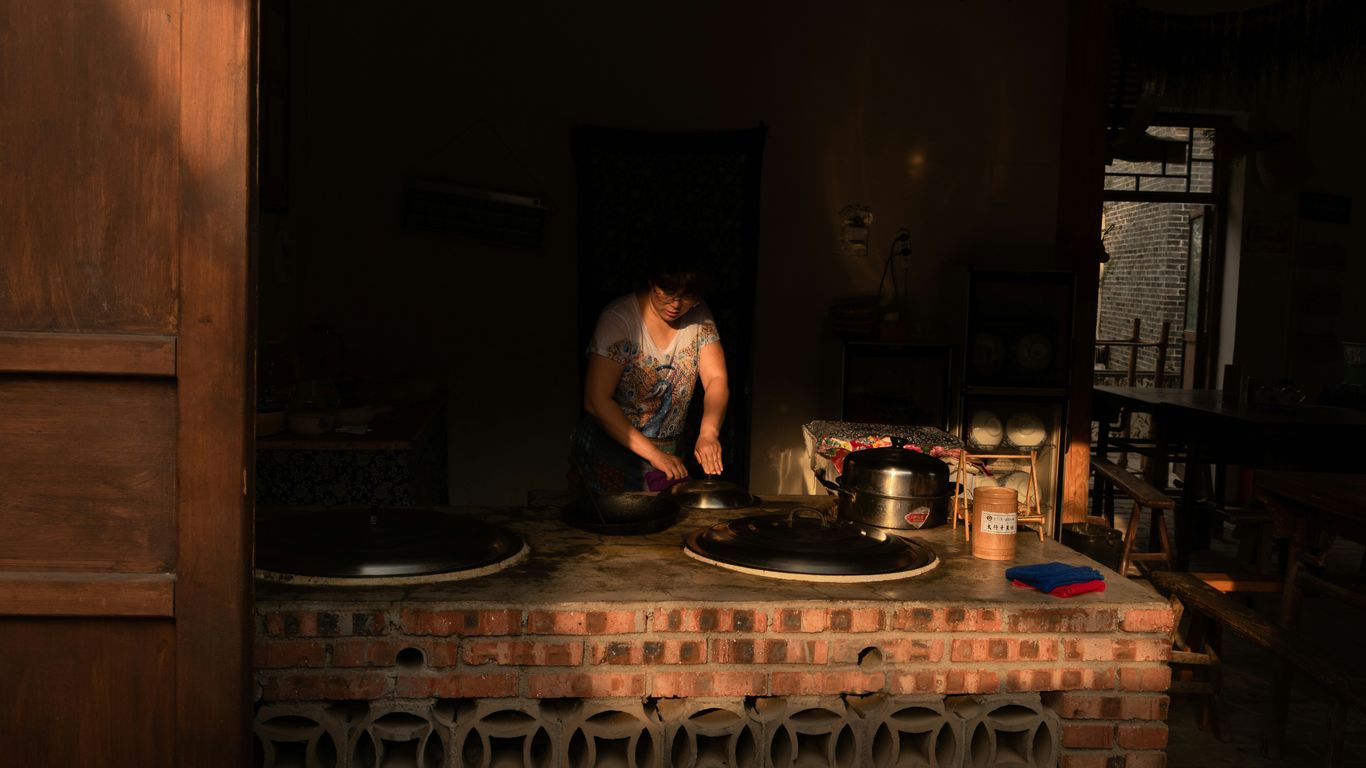
When we first started thinking about homesteading, the kitchen felt like the heart of it all. It’s where we turn raw ingredients into nourishing meals, where we learn to rely less on the grocery store, and honestly, where a lot of the magic happens. You don’t need a fancy setup to get started; a willingness to learn and a few basic techniques will take you far.
This is probably the most important skill we can pick up. Learning to cook from scratch means understanding how to take simple, whole ingredients and turn them into something delicious and good for us. It’s about knowing what goes into our food, and it often saves us a good chunk of change too. We started by focusing on a few key areas that felt manageable.
Cooking from scratch isn’t about perfection; it’s about intention and building confidence in our ability to feed ourselves and our families well.
Let’s be honest, the smell of freshly baked bread is hard to beat. We found that mastering a few basic bread recipes, like a simple no-knead loaf or some quick biscuits, gave us a huge confidence boost. These aren’t complicated recipes, and they don’t require a lot of fancy equipment. The same goes for soups. Learning to make a good, hearty soup from scratch means you can adapt it to whatever vegetables you have on hand. It’s a great way to use up produce before it goes bad and to create a filling meal with minimal effort.
Roasting a whole chicken might sound intimidating at first, but it’s actually one of the simplest and most economical ways to get a delicious meal on the table. Once you’ve got that roasted chicken, don’t throw away the carcass! That’s where the real gold is. Making your own chicken broth from the leftover bones is incredibly easy and yields a flavorful, nutrient-rich liquid that’s far superior to anything store-bought. We use this broth as a base for soups, stews, or even just to sip on its own when we’re feeling under the weather. It’s a perfect example of how homesteading teaches us to use every part of our food.
Here’s a simple breakdown for making broth:
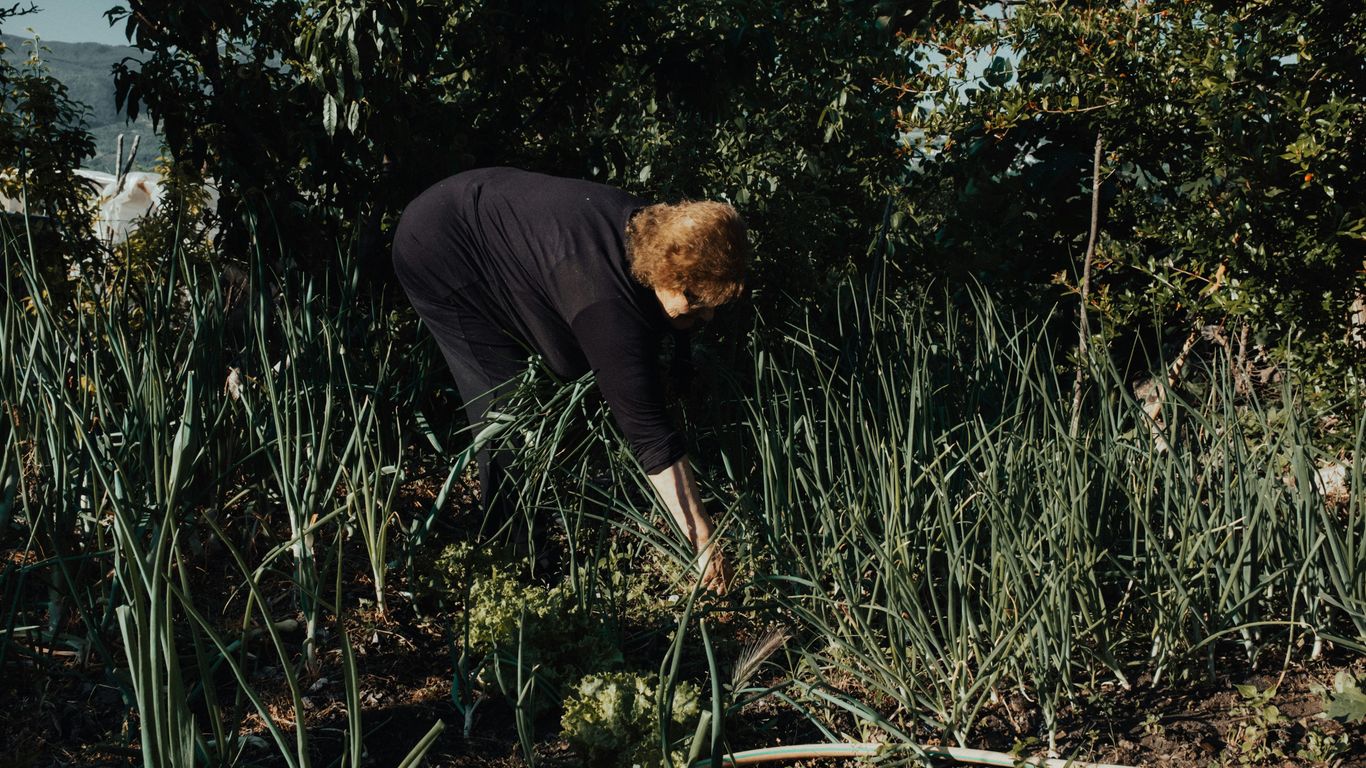
Growing our own food is a cornerstone of homesteading. It connects us to the earth and provides the freshest ingredients imaginable. You don’t need acres of land to start; even a small balcony or windowsill can become a productive food source. The key is to start small and learn as you go.
Getting your hands dirty is incredibly rewarding. When we first started, we thought we needed a huge garden plot, but that’s just not true. You can begin with just a few pots or a small raised bed. The most important thing is to understand your local climate and soil. Knowing your growing zone helps you pick plants that will thrive. Good soil is also vital; you can amend existing soil or build raised beds with a quality mix. Don’t get overwhelmed by fancy techniques; focus on the basics of planting, watering, and weeding.
For beginners, it’s best to start with plants that are known to be forgiving and quick to produce. Herbs are fantastic because you can grow them in small pots and use them fresh in cooking or dry them for later. Think about basil, mint, or parsley. Leafy greens like lettuce and spinach are also great choices; they grow fast and you can often harvest the outer leaves, allowing the plant to keep producing. Radishes and bush beans are other good options that give you a harvest relatively quickly, which is great for building confidence.
Don’t have a yard? No problem! Container gardening is perfect for urban homesteaders or anyone with limited outdoor space. Almost anything you can grow in the ground can be grown in a container, as long as the pot is large enough and has good drainage. We’ve had success growing tomatoes, peppers, and even potatoes in large pots on our patio. Make sure to use a good quality potting mix and water regularly, as containers tend to dry out faster than garden beds. It’s amazing what you can harvest from just a few well-placed pots. Learning about soil science for optimal crop growth can help you make the most of even small spaces.
Starting with easy-to-grow crops and using containers means you can experience the joy of harvesting your own food without a massive investment of time or space. It’s about building momentum and enjoying the process.
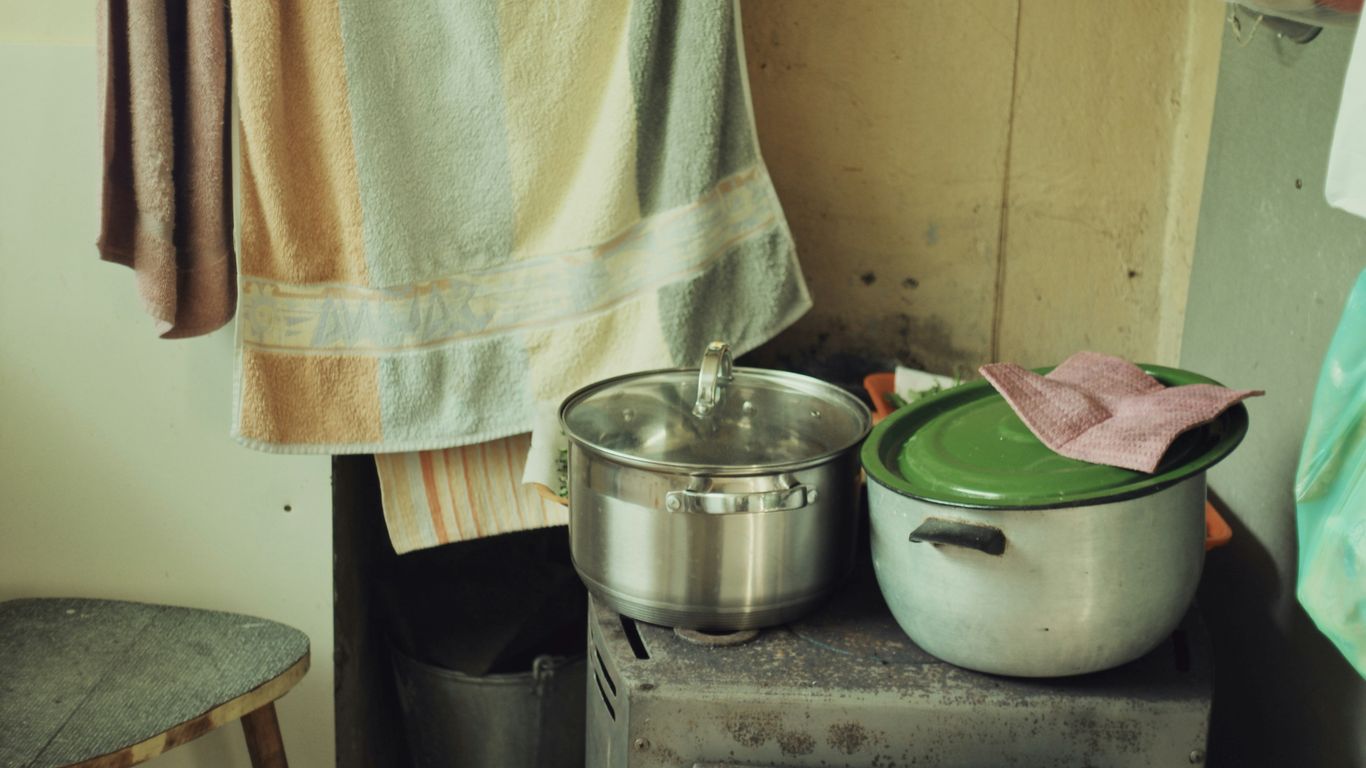
Once we start growing our own food or buying in bulk, we quickly realize we can’t eat it all at once. That’s where learning to preserve comes in. It’s not just about saving money, though it certainly does that; it’s about making sure the bounty from our garden or local farm doesn’t go to waste. Plus, having a well-stocked pantry means we have good food available all year long, no matter the season.
We don’t need to be intimidated by food preservation. There are many ways to keep food good for later, and we can start with the easiest ones. Think about what you have an abundance of and what your family actually eats. It’s always best to try a new method with a small amount first. You don’t want to spend hours canning peaches only to find out nobody likes them canned!
Here are a few common methods to consider:
Making freezer meals is a lifesaver. When we have a surplus of something, like ground meat or extra vegetables, we can cook up a big batch of chili, soup, or casserole and freeze it in portions. This is fantastic for busy weeknights when we don’t have time to cook from scratch. It’s also a great way to use up ingredients before they go bad.
Dehydrating herbs is another simple win. We can grow a lot of herbs like basil, mint, or oregano, and once they’re dried, they last for ages in airtight containers. This means we have our own homegrown herbs for cooking all winter long, without having to buy them.
Water bath canning is a good starting point for preserving fruits and making things like applesauce or fruit preserves. We just need jars, lids, a big pot, and a way to keep the jars submerged in boiling water for a specific amount of time. It’s important to follow tested recipes to make sure the food is safe.
Fermenting is a bit different but also very rewarding. Taking cabbage and turning it into sauerkraut, for example, is surprisingly easy. We just need salt, cabbage, and a jar. The natural fermentation process preserves the food and adds a tangy flavor. It’s a good idea to start with simple ferments like sauerkraut or pickles before moving on to more complex ones. Learning these preservation skills means we can enjoy the fruits of our labor long after the growing season ends.
Keeping our homestead running smoothly means paying attention to the nuts and bolts, both literally and figuratively. This section is all about the practical stuff that keeps our homes and gardens in good shape, so they can keep supporting us. It’s not the most glamorous part, maybe, but it’s incredibly important.
We all want a thriving garden, right? Well, the secret ingredient isn’t some fancy fertilizer; it’s good, old-fashioned compost. Making your own compost is like giving your garden a superfood smoothie. It turns kitchen scraps and yard waste into black gold that nourishes your plants and improves soil structure. We started with a simple pile in the corner of the yard, and honestly, it’s been a game-changer. If you’re short on space, a compost tumbler or even a worm bin can work wonders.
Here’s a quick rundown of what we usually toss in:
Just remember to avoid meat, dairy, and oily foods, as they can attract pests and create odors. It takes a little patience, but the results are totally worth it.
Let’s be real, things break. Whether it’s a leaky faucet, a squeaky door, or a small hole in the drywall, knowing how to handle basic repairs saves us a ton of money and hassle. We’re not talking about becoming master carpenters overnight, but learning to use a few basic tools and tackle simple fixes makes a big difference. We started by watching online tutorials and practicing on minor issues. It’s amazing what you can do with a screwdriver, a wrench, and a little bit of courage.
Think about starting with:
These skills build on each other, and the more you do, the more confident you become. Plus, there’s a real satisfaction in fixing something yourself.
Homesteading is deeply connected to the natural cycles of the year. Learning to work with the seasons, rather than against them, makes everything feel more manageable and peaceful. It means planning our garden tasks based on planting seasons, knowing when to preserve the harvest, and even scheduling home maintenance around the weather. For us, it’s about observing what’s happening outside and adjusting our plans accordingly.
Embracing the seasons helps us live more in tune with nature, reducing stress and making our homesteading efforts more productive. It’s about flow, not force.
When we first started, we tried to do everything at once, and it felt overwhelming. Now, we look at the calendar and think about what each season brings: spring planting, summer’s bounty, fall’s preservation push, and winter’s time for rest and planning. This rhythm helps us stay organized and appreciate the unique gifts of each part of the year.
Beyond the garden and kitchen, there are a few more skills that can really round out our homesteading abilities. These might not be the first things that come to mind, but they can make a big difference in our day-to-day lives and our self-reliance.
Learning about herbs is a fantastic way to connect with nature and support our well-being. We can start by growing a few easy-to-manage herbs right on a windowsill or in a small garden patch. Think about things like peppermint for teas that help with digestion, or calendula, which is great for skin salves. It’s not about becoming a master herbalist overnight, but about understanding how to use common plants for simple remedies and flavor.
We can ditch a lot of the harsh chemicals found in store-bought cleaners by making our own. It’s surprisingly simple and often uses ingredients we already have, like vinegar, baking soda, and castile soap. Not only is this better for our health and the environment, but it also saves us money. We can whip up all-purpose sprays, laundry detergents, and even dish soap with a little know-how.
Making our own cleaning products is a practical step towards a healthier home and a lighter footprint. It’s about using simple, effective ingredients that work with nature, not against it.
Homesteading is deeply tied to the natural cycles of the year. Understanding these rhythms helps us plan our gardening, food preservation, and even home maintenance more effectively. When we pay attention to the seasons, things just seem to flow better. We can anticipate what needs to be done and when, making our homesteading life feel less like a constant scramble and more like a natural progression.
So, there you have it. We’ve covered a bunch of skills that can help us all live a little more like homesteaders, no matter where we are. Remember, the goal isn’t to become an expert overnight. It’s about taking small steps, trying new things, and building confidence as we go. Pick one or two skills that seem interesting or useful right now, and just start. You might be surprised at how much you can learn and how much more connected you feel to your home and your food. We’re all on this journey together, and the most important thing is to just begin.
Homesteading is all about learning useful skills to live more simply and rely on ourselves. Think of it as becoming more resourceful at home. You absolutely do not need acres of land to begin! Many of us start in apartments or small yards, focusing on skills like cooking from scratch or growing a few herbs on a windowsill. It’s more about a mindset and learning than about the size of your property.
It’s super tempting to buy all the cool tools and gear you see online, but honestly, skills are way more valuable. When we learn how to do things like cook, garden, or preserve food, we build confidence. These skills work no matter where we live, and they help us figure out what tools we actually need later on. Skills are the real foundation, not just having a bunch of equipment.
Great question! We suggest starting with things that feel manageable and useful right away. Cooking simple meals from scratch, like basic breads or soups, is a fantastic start. Growing easy crops like herbs or salad greens in pots is also very beginner-friendly. Learning to preserve food, even just by freezing extra veggies, is another practical skill to pick up early on.
The best way to avoid feeling swamped is to start small and focus on just one or two skills at a time. Don’t try to do everything at once! Pick a skill that sounds interesting or that you need most right now, practice it for a while, and let it become a habit. Once you feel comfortable, then you can add another skill. Consistency is key, not trying to master everything overnight.
Yes, absolutely! Many homesteading skills are perfect for urban or small-space living. We can cook from scratch in any kitchen, grow herbs or small veggies in containers on a balcony or windowsill, and even learn about composting with worm bins. It’s about adapting the skills to fit our current living situation.
A common pitfall is trying to do too much too soon. We might feel pressured to have a perfect garden, a stocked pantry, and all the skills at once. This can lead to burnout. To avoid this, remember to start small, be consistent, and give ourselves grace. It’s a journey, not a race, and learning takes time and practice.
 March 7, 2026
How to Turn Food Preservation Into a Side Hustle
Canning
Homestead Kitchen
Homesteading
Sustainable Living
March 7, 2026
How to Turn Food Preservation Into a Side Hustle
Canning
Homestead Kitchen
Homesteading
Sustainable Living
We've all got those hobbies or skills that we love doing, right? Maybe it's baking, gardening, or even making your own jam. What if we told you that you could turn those passions into a little extra cash? It might...
Read More March 7, 2026
High-Output Crops Perfect for Micro Homesteads
Gardening
Homestead Planning
Homesteading
Starting a Homestead
March 7, 2026
High-Output Crops Perfect for Micro Homesteads
Gardening
Homestead Planning
Homesteading
Starting a Homestead
Thinking about growing your own food but only have a little space? We get it. Many of us are looking for ways to be more self-sufficient, even if we don't have acres to work with. The good news is, you...
Read More March 6, 2026
10 Low-Cost Homestead Side Hustles That Make Money
Homestead Planning
Homesteading
Starting a Homestead
March 6, 2026
10 Low-Cost Homestead Side Hustles That Make Money
Homestead Planning
Homesteading
Starting a Homestead
We all dream of a simpler life, right? One where we're more connected to the land and the seasons. But let's be real, that dream needs some funding. That's where low cost homestead side hustles come in. These aren't about...
Read More